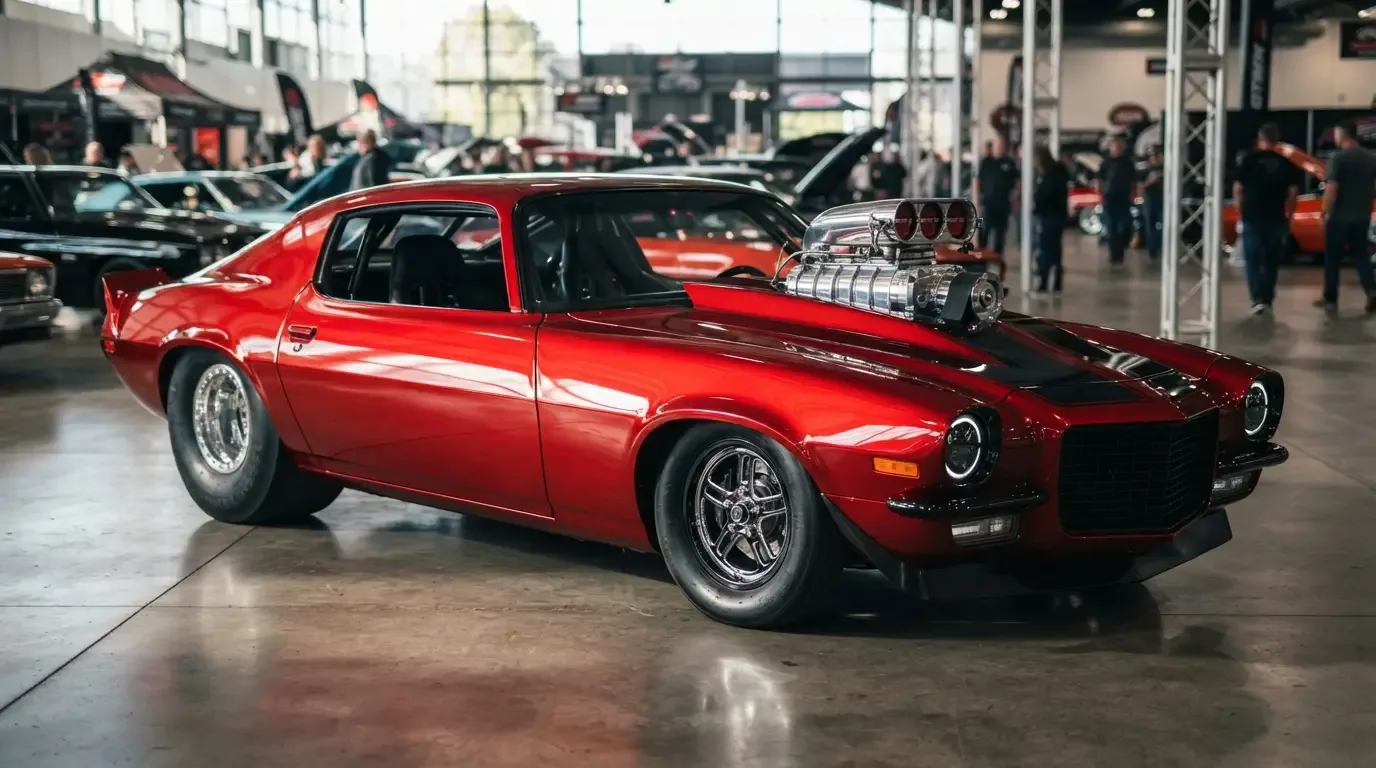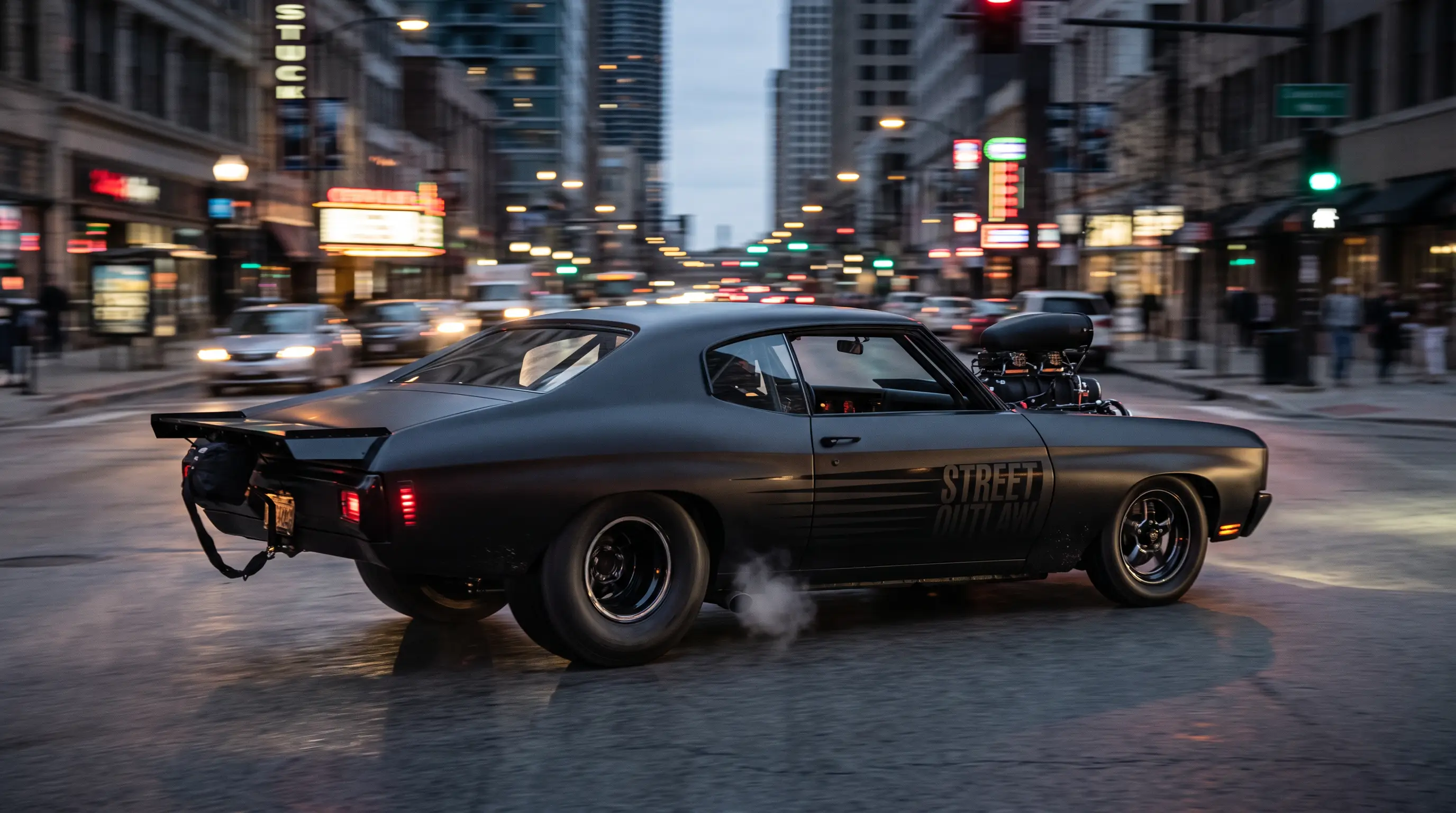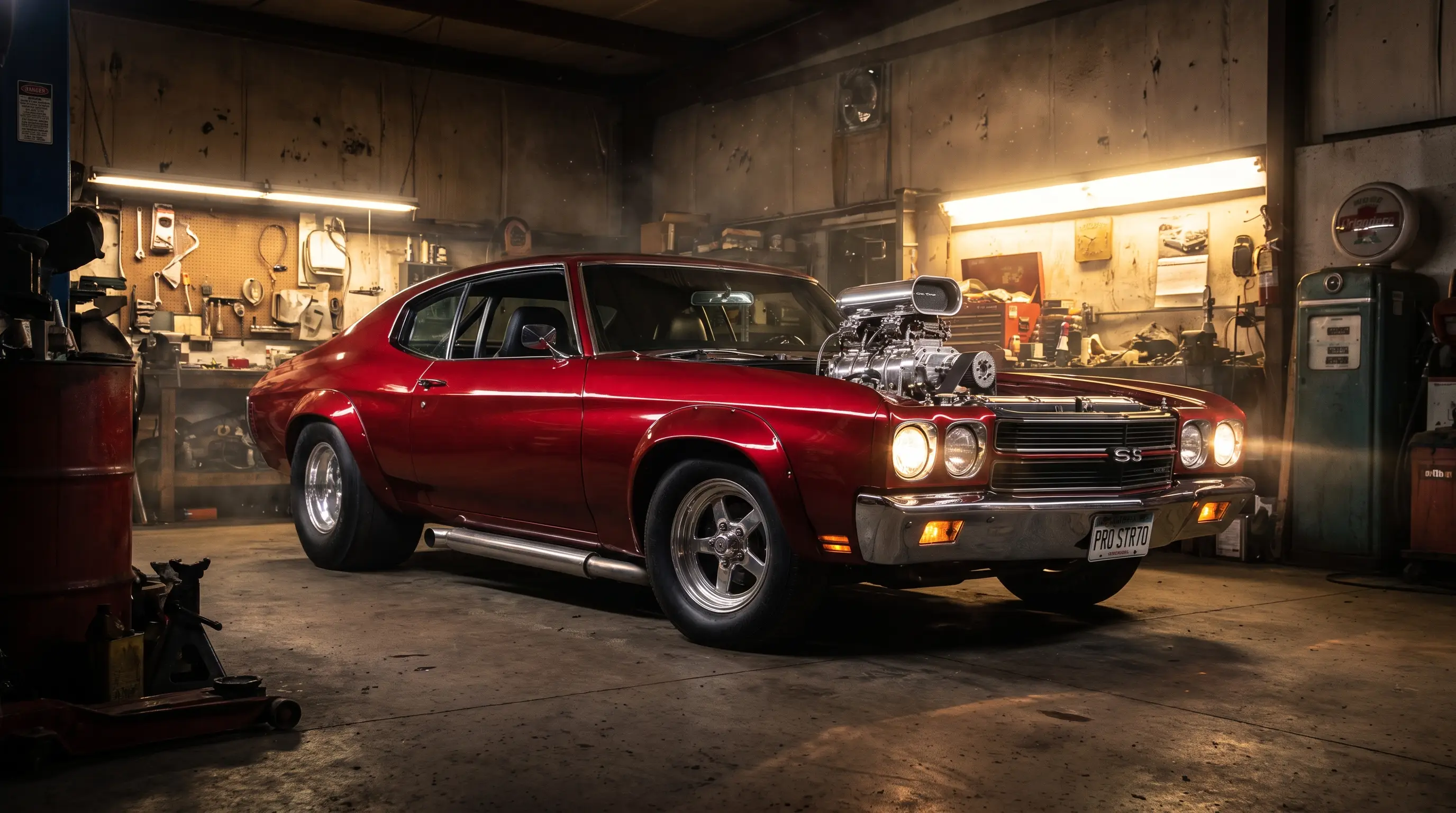
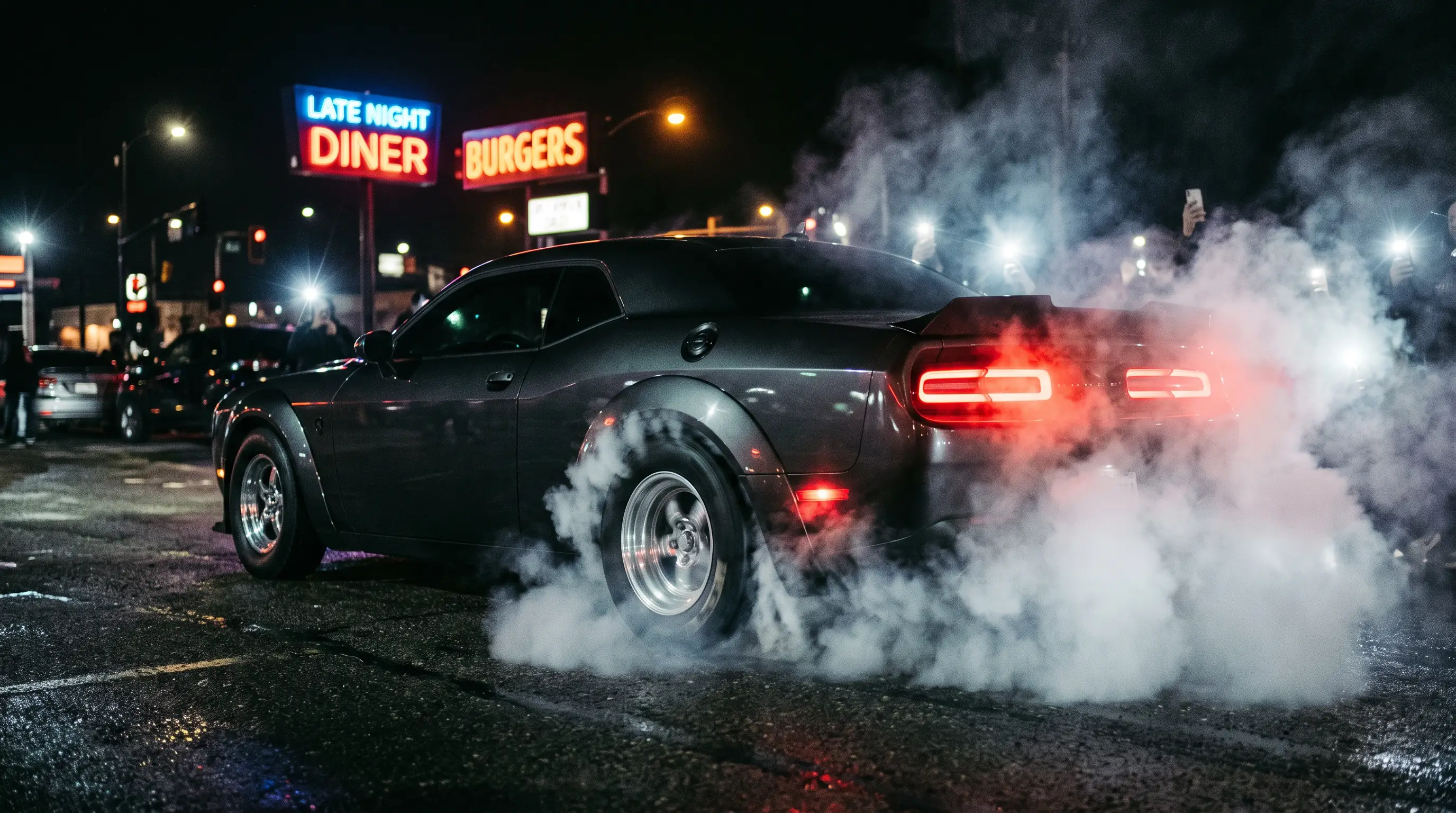
A fifteen second clip of a tubbed Nova doing a smoky burnout outside a Waffle House pulled in more views last year than most regional car shows get attendees in a decade, and that gap tells you everything about how pro street car culture spread in the last few years. The style built its second life online before it rebuilt itself in driveways and garages, and the two fed each other in a loop nobody fully planned.
The clip that travels versus the show that doesn't
Car shows have always been local by nature. A great Pro Street build at a regional event might get seen by a few thousand people over a weekend, mostly enthusiasts who were already looking for exactly that kind of car. A short video of the same build, posted at the right moment with the right sound, can reach people who have never been to a car show in their life and don't know a tubbed rear end from a stock one. That reach is what changed the math for builders. Getting noticed used to mean winning a class at a big event. Now it can mean one clip landing at the right time on the right platform.
What actually performs well
Not every angle of a Pro Street build works equally well online. Static photos of a finished car, the kind that used to fill magazine pages, don't generate much engagement compared to motion. What performs is sound and movement, an engine firing up cold, a burnout, tires unloading off the line, a walk around that lingers on the tubbed wheel wells and the tucked front tires that make the proportions so distinctive. That has quietly reshaped how builders document their own work. A lot of guys now shoot video through the entire build process specifically because they know the payoff moment, first start or first burnout, is what actually gets shared.
The algorithm rewards a specific kind of car
Pro Street cars happen to be well suited to short form video in a way some other styles aren't. The proportions read instantly even in a small phone screen thumbnail, wide rear, narrow front, aggressive rake. The sound of a big carbureted engine or a set of open headers translates well through phone speakers. And the visual drama of massive rear tires spinning is exactly the kind of motion that platforms like to promote. None of that was designed with Pro Street in mind, but the style happens to fit the format better than a lot of more subtle builds, which has arguably accelerated its comeback compared to other niche corners of the hot rod world. For the full arc of how that comeback happened, more on the pro street revival traces the decades leading up to this moment.
"I built cars for twenty years hoping a magazine editor would notice one. Now a nineteen year old with a phone can put my work in front of more people in a weekend than any print run I ever chased."
- Patrick Walsh
The downside of a viral audience
Online attention isn't purely a benefit. A clip that goes viral often draws an audience that only cares about the spectacle, the burnout, the noise, the tire smoke, without any interest in the history or the craftsmanship behind the build. Some longtime builders have grumbled that the current wave of interest skews toward flash over substance, with newer builders chasing the visual formula that performs online without necessarily understanding why the proportions matter or where the style came from in the first place. That tension between the old guard and the new online audience shows up regularly in comment sections, where a viral clip will draw both enthusiastic newcomers and pointed criticism from people who remember the originals. Understanding where the whole style actually started helps explain some of that friction, and where this started covers the roots that a lot of newer fans never learn.
What builders are doing to capture the moment
Smart shops and independent builders have adapted their workflow around the reality that documentation now matters as much as the fabrication itself. Some keep a phone mounted in the shop specifically to catch unplanned moments, a part fitting right on the first try, a reaction shot when a customer sees their finished car for the first time. Others have brought in people specifically to handle content while the fabricator focuses on the build. It's a shift that would have seemed unnecessary a decade ago and now feels close to standard practice for any shop trying to build a following alongside its build list.
Whatever you think of the online attention, it has undeniably put more Pro Street cars in front of more people than at any point since the original magazine era, and that visibility has translated into real market activity. Buyers who discovered the style through a video are increasingly showing up looking for the real thing, with classic Pro Street cars on the market seeing renewed interest from a demographic that wasn't paying attention to this corner of the hobby five years ago.
How events have adapted to the phone-first crowd
Show organizers have noticed the shift too. Several regional street machine events now build their schedules around the moments most likely to generate shareable content, staging burnout contests and cackle car style startup sessions at times when the light and the crowd size favor good video rather than simply slotting them in wherever there's a gap. Vendors have started setting up backdrops specifically designed to photograph well, something that would have seemed like an unnecessary expense a decade ago. It's a small adjustment on its face, but it reflects a real understanding among organizers that a well documented weekend now does more for a show's long term attendance than the weekend itself.
What this means for the next few years
The honest answer is nobody fully knows how durable this online driven attention will be. Trends built on algorithm favor can fade as quickly as they arrive if platforms shift what they promote or audiences move on to the next visually striking niche. What seems more durable is the pipeline it has created, younger builders discovering the style online, then showing up at a real event, meeting the people who built the originals, and getting pulled into the deeper end of the hobby where the history and the craftsmanship actually live. That handoff from screen to shop floor is where the real staying power of this revival will be decided, not in the view counts themselves.
Talk to enough builders and a consistent pattern emerges. The ones who benefited most from online attention weren't chasing the algorithm for its own sake, they were already doing careful, honest work and simply started documenting it. The clip that travels is rarely the flashiest one, it's usually the one that captures something genuine, a first start after years of work, a reaction nobody staged. That distinction matters for anyone thinking about building an audience alongside a build. The car has to be real first. Everything else follows from there.