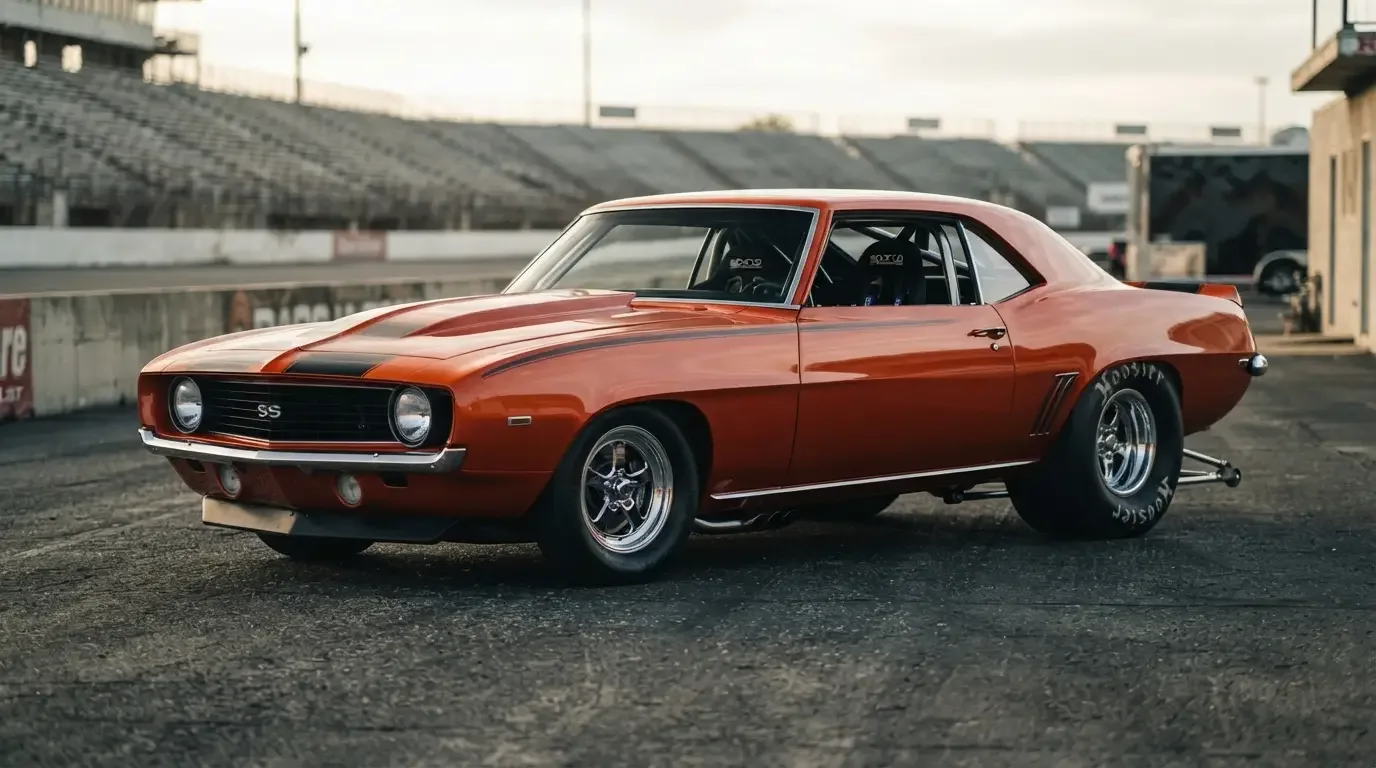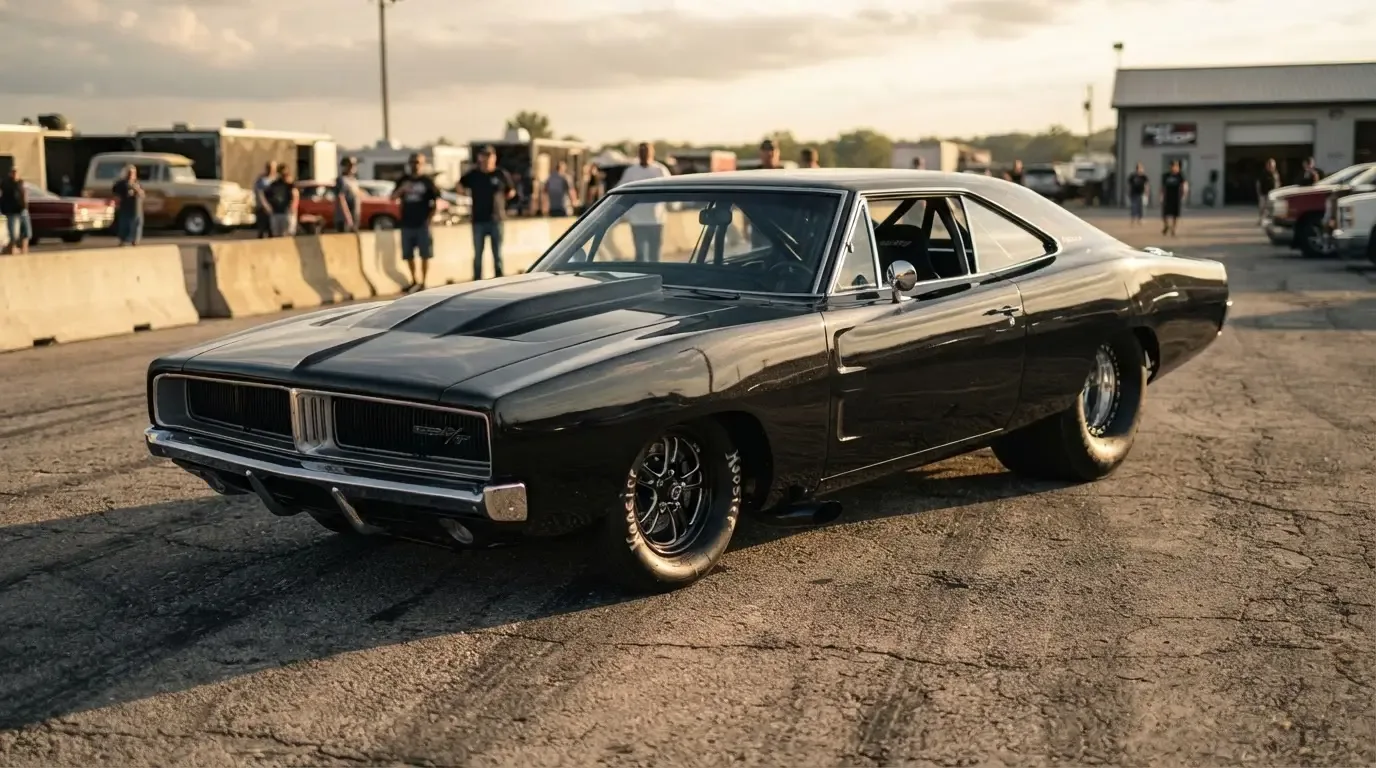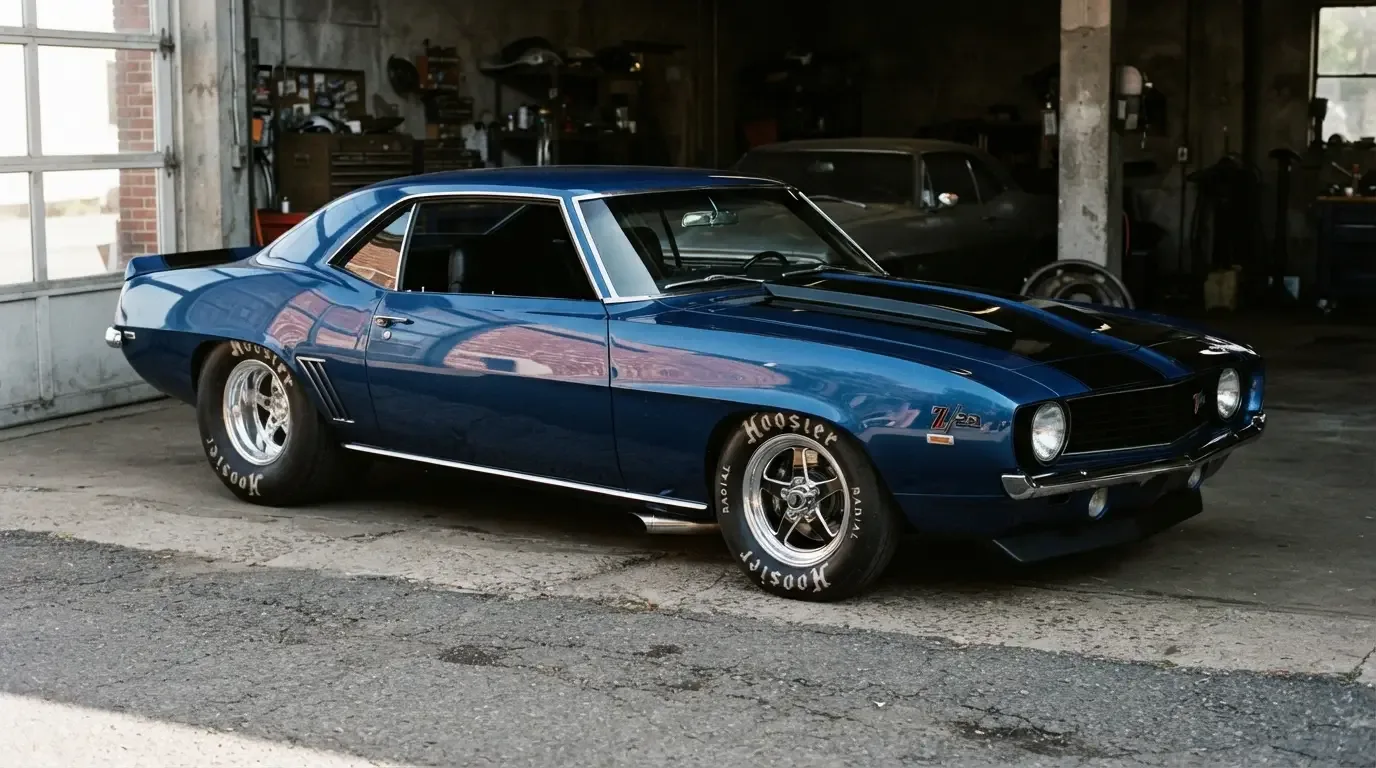
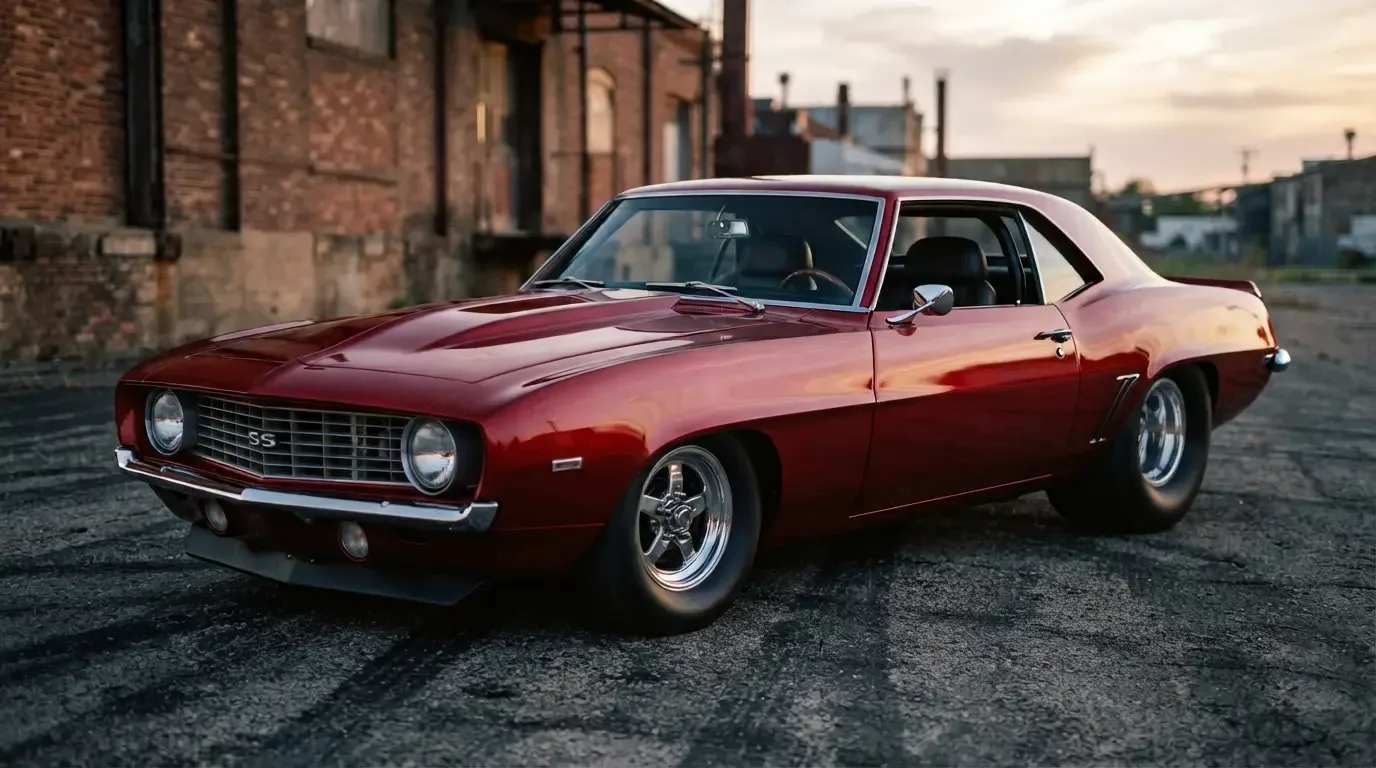
Somebody asked me at a club meeting last month why anybody would bother putting full carpet, a working heater, and factory-style trim back into a car built around a race-oriented tube chassis. Wouldn't it be lighter and simpler to just leave it stripped down like a real drag car. That question comes up a lot with newer folks in the hobby, and the answer gets right to the heart of what made street legal Pro Street cars different from the pure race machines they borrowed their look from in the first place.
The whole point was driving it
A dedicated drag car strips everything unnecessary to save weight and simplify maintenance. That makes sense when the car's only job is running down a quarter mile track. Pro Street, right from its earliest days, was always a different animal entirely. These builds were meant to be driven, to a show, to a cruise night, to a friend's house on a random Tuesday evening. That meant keeping or restoring the things a stripped race car would toss out entirely, working gauges, a functional heater and defrost system, seats comfortable enough for more than a single pass, and enough sound deadening and trim to make the cabin livable rather than a bare metal echo chamber.
The reasoning behind that split between race car and street car goes back to the earliest days of the movement, which you can read the background on to understand why builders wanted it both ways from the start.
What full street trim actually meant in practice
On a well-executed build, that meant carpet cut and fitted around the roll cage rather than left out entirely. It meant door panels reinstalled with proper fasteners instead of held on with hope. It meant a dash full of factory or aftermarket gauges wired correctly, headliners put back in, and often air conditioning kept functional even on a car with a back half conversion and tubbed rear end underneath it all. That combination, serious race car mechanicals wrapped in a genuinely finished, comfortable interior, was part of what made the whole style stand out from anything else on the show field. Anybody could strip a car down in a weekend with an angle grinder and a trash can. Making a car with that much drag strip DNA still comfortable enough for a road trip took real effort, real patience, and usually a lot more money than the chassis work alone.
The legal side nobody wants to talk about
Beyond comfort, there was the actual legal requirement of driving on public roads. Working lights, a functioning exhaust system quiet enough to pass local regulations, mirrors, wipers, all the boring stuff that has nothing to do with quarter mile times but everything to do with whether a car could legally leave the driveway. Builders chasing that street legal Pro Street combination had to balance drag strip ambitions against a state inspection sticker, and that balance was not always easy given how much the chassis and suspension had already changed from stock. Getting a heavily modified car through inspection sometimes took real negotiation with whoever was doing the checking, and a documented, well-finished interior helped make the case that this was a real street car and not a track car wearing a license plate as a disguise, since inspectors tended to look harder at anything that felt half finished.
| Street Trim Element | Why Builders Kept It |
|---|---|
| Carpet and headliner | Made the cabin livable for regular driving |
| Working gauges and lights | Required for both function and legal compliance |
| Heater and defrost | Practical necessity for year-round street use |
| Original trim details | Signaled a genuine street car, not a stripped racer |
"The stripped race car was always the easy version to build. Keeping it comfortable and street legal on top of a full back half was the part that separated a real builder from somebody just chasing a look."
- Wayne Coburn
A club story about getting it wrong
We had a member years back, gone from the club now, who built a car with an absolutely stunning chassis. Real fabrication talent, tight welds, a back half job that would make any of us in that club jealous even now, looking back on it. He gutted the interior to save weight and never got around to putting it back together properly, figuring he would deal with it later. Later never came. The car sat for years as basically a rolling chassis with a shell of a body on top, uncomfortable and honestly a little sad to look at compared to what it could have been given the quality of work underneath. He eventually sold it to somebody who spent two full years finishing the interior properly, carpet, gauges, upholstery, all of it, and the difference in how people responded to the car at shows afterward was night and day. Same chassis, same engine, same stance. The finished street trim changed how the whole build read to everybody looking at it.
That story gets told around our club periodically as a reminder that half a build is not really a build at all, at least not in the Pro Street tradition as most of us understand it. The chassis work gets the attention and the magazine photos, but the trim and comfort details are what actually let a car live the life it was supposedly built for. A car that never leaves the garage because it is too uncomfortable or too impractical to drive is not really honoring what made this style stand apart from pure race builds in the first place.
Why the balance still matters to collectors today
Cars that pulled this balance off well, race-capable chassis work paired with genuine street comfort and legality, tend to hold more respect in the hobby today than builds that leaned too hard into either direction. A car stripped down like a pure race machine loses the everyday usability that made the original movement special. A car with none of the aggressive chassis work underneath is just a show car wearing the visual costume without ever earning it the hard way. The ones that got the balance right, and kept documentation showing the work was done properly and legally, are the examples that tend to command the most respect and the strongest interest from serious buyers decades later.
Buyers looking to see this balance done well should take time to find a classic Pro Street car with a documented interior and chassis history, rather than judging a build purely on its exterior stance and tire size alone, since the cabin often tells the more honest story about how the car was actually used.
Sources and notes
- Pro Street - Wikipedia
- Pro Street's Greatest Builds Honored at 2024 Grand National Roadster Show - Hagerty Media
- Defining muscle car terms: pro touring, pro street, and street freak - In The Garage Media
- The Du Quoin Street Machine Nationals history - Holley Motor Life
- Car Craft's Street Freaks - Magazine Covers 1976 to 1985
- Street Machine Nationals - Du Quoin, IL