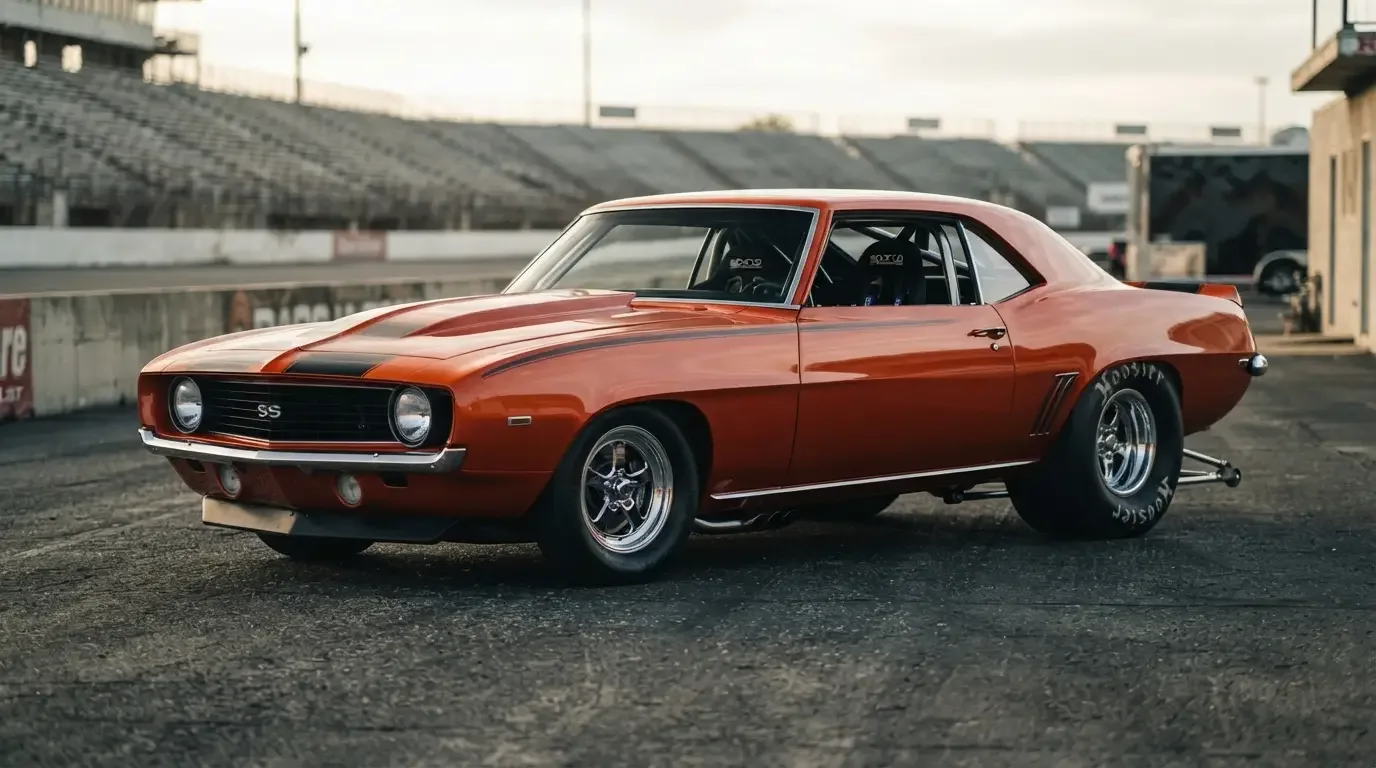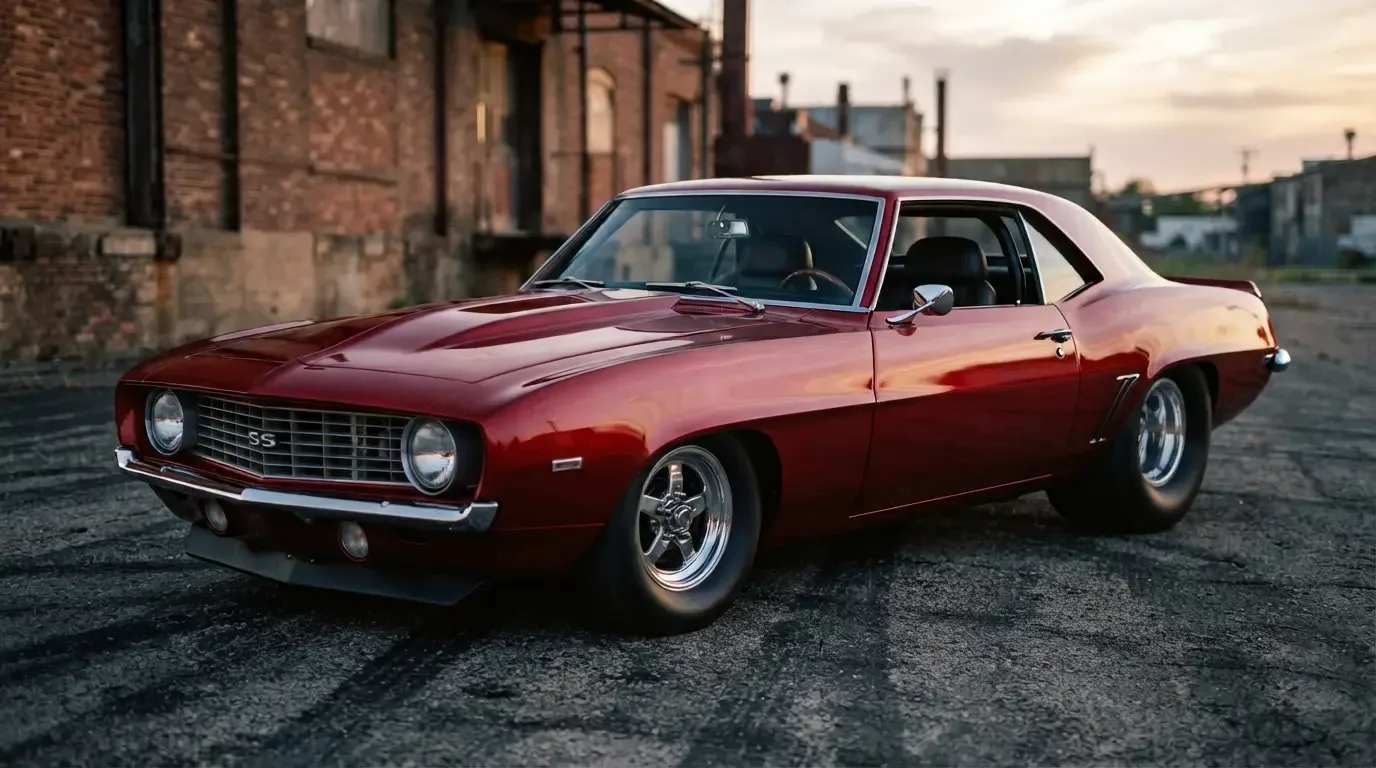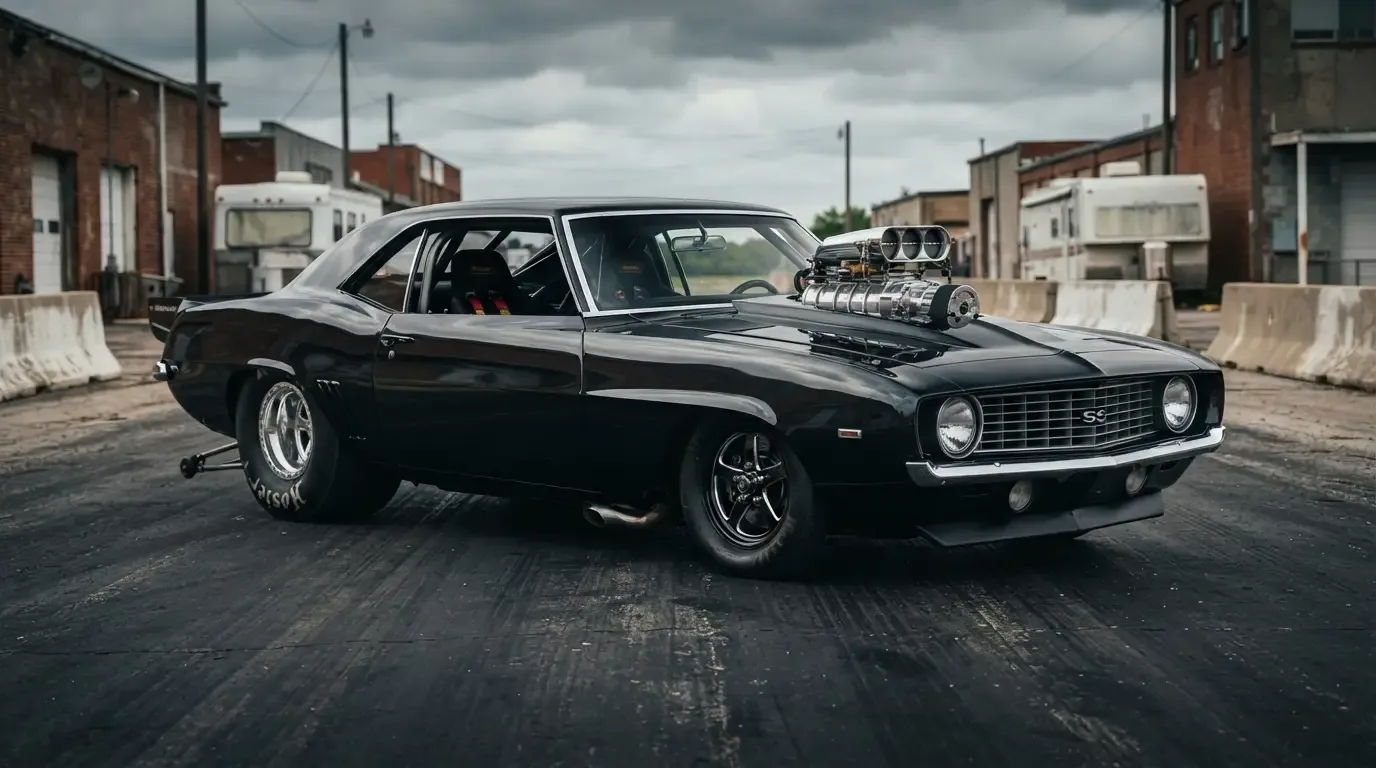
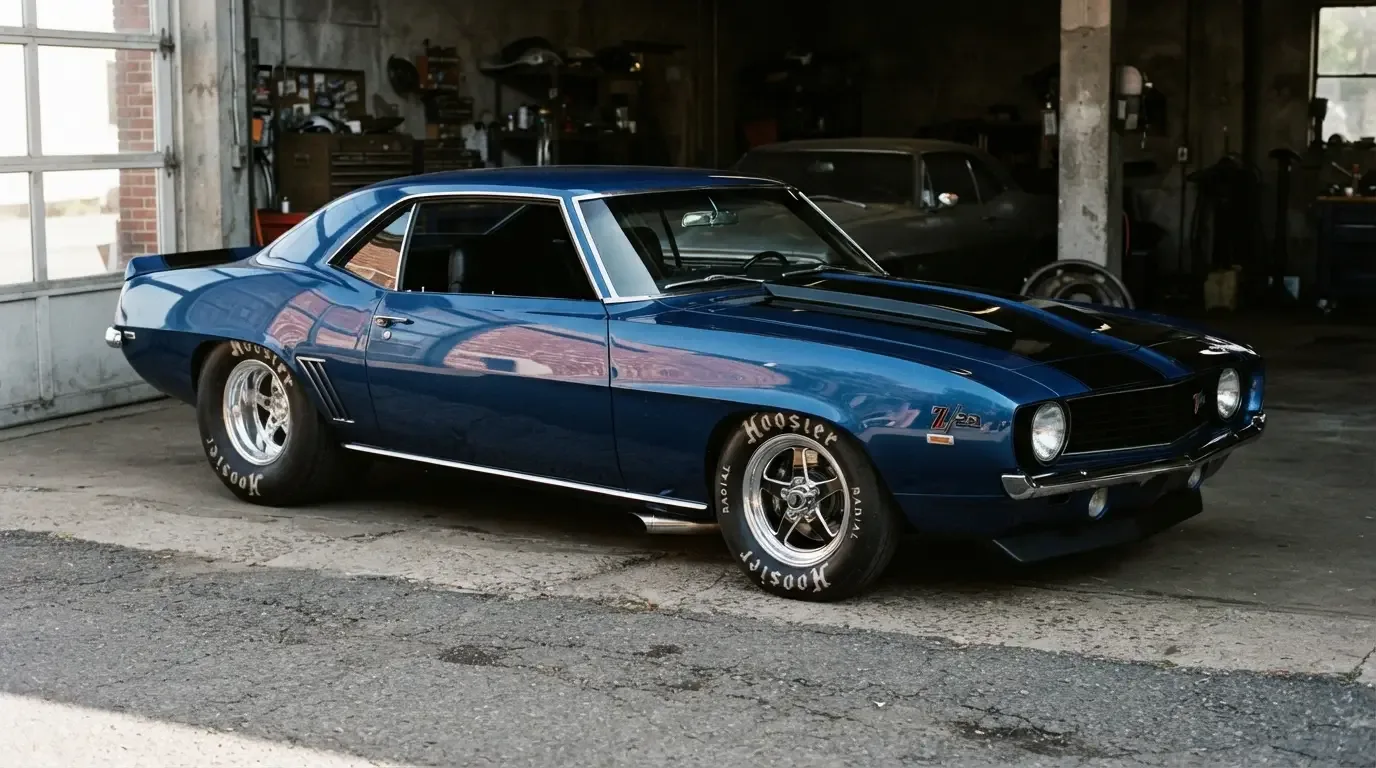
Ask ten Pro Street owners what separates a mini tub car from a full tub car and you will get ten different answers, most of them delivered with strong opinions. The honest answer is simpler than the arguments suggest. A mini tub pro street build keeps the stock frame rails and inner structure mostly intact while opening up the rear wheel wells just enough to swallow a wide tire. A full tub car cuts the whole rear structure out and replaces it with a new tubbed assembly built around the tire, not the other way around. Both approaches chase the same goal, a car that looks like it rolled out of 1987 with slicks tucked under the quarter panels, but they get there by very different routes, and the route matters more than most buyers realize.
What a mini tub actually changes
A mini tub job trims the inner wheelhouse, the factory sheet metal that wraps around the top of the wheel opening, and reshapes it to clear a wider tire, usually somewhere in the 10 to 12 inch range depending on the car. The frame rails stay where the factory put them. The trunk floor stays mostly stock. A good mini tub is invisible from outside the car and only slightly visible with the trunk lid up, a little extra curve in the sheet metal where the wheelhouse used to be tighter. This is the entry point into Pro Street building, and it is why so many first cars in the movement started as mini tub jobs before their owners got ambitious.
The limitation is tire width. A mini tub buys you room, but the frame rails are still sitting where Detroit put them, which caps how wide you can go before the tire starts fighting the car for space. Most mini tub builds top out in the 10 to 11 inch range on the tire, which is plenty of rubber for a street car putting down 400 to 500 horsepower through a decent suspension, but it is nowhere near the 14 to 16 inch monsters that made magazine covers in the late 1980s.
What a full tub demands
Full tubbing means the rear frame rails get relocated inward, sometimes narrowed by four to six inches on each side, and the entire rear structure, floor, wheelhouses, and often the trunk floor, gets fabricated from scratch to wrap around a tire that can run 15, 16, even 18 inches wide on the extreme builds. This is not a weekend job. A proper full tub car needs a rear frame section built to accept the narrowed rails, new wheel tubs welded in, and usually a four link or ladder bar suspension designed around the new geometry, since the factory leaf spring mounts are long gone.
The payoff is real. A full tubbed car can run tire widths that make a mini tub look conservative, and that visual, the huge slick barely clearing the quarter panel lip, is the single most recognizable signature of the golden era Pro Street look. It is also why full tub cars command more respect and more money among serious builders, because the fabrication skill required is an order of magnitude beyond a mini tub kit bolted in over a weekend.
| Factor | Mini Tub | Full Tub |
|---|---|---|
| Typical max tire width | 10 to 12 inches | 14 to 18 inches |
| Frame rails | Stock location | Narrowed and relocated |
| Suspension changes required | Minimal | Extensive, often full four link |
| Skill level | Intermediate fabrication | Advanced chassis fabrication |
| Typical build time added | A few weekends | Months of dedicated shop time |
Why builders choose one over the other
Budget drives most of these decisions more than anything else. A mini tub kit from a reputable supplier runs a fraction of what a full narrowed rear end, custom tubs, and a four link setup will cost once labor is added in. Plenty of builders start with a mini tub car, run it for a season, and decide the itch for wider rubber is worth the extra investment. Others know from day one they want the full tub look and skip the intermediate step entirely.
There is also a use case argument buried in here. A mini tub car with 11 inch tires and a well sorted suspension can be a legitimately good handling street car, something you can drive to a cruise night without fighting the chassis the whole way. A heavily tubbed car with an 16 inch slick is built for a straight line and a parking lot, and the driving experience on a winding road reflects that trade off honestly. Neither choice is wrong, they just serve different priorities, and understanding the whole picture of what Pro Street was trying to accomplish helps explain why both approaches earned their place in the movement.
Spotting the difference on a car you are considering
If you are shopping a build and want to know which approach was used, pop the trunk first. A mini tub car usually still has a mostly stock trunk floor with the wheelhouses reshaped but recognizable. A full tub car often has a raised or reworked trunk floor to clear the relocated wheel tubs, sometimes with a visible transition where the fabricated section meets the original sheet metal. Underneath, look at the rear frame rails. If they run straight back at the stock width, it is a mini tub. If they kick inward behind the axle, someone did the real work.
Tire fitment tells the rest of the story. Measure the gap between the tire and the quarter panel lip. Mini tub cars typically show a visible gap, sometimes an inch or more, because the frame rails limit how far the wheelhouse can be pushed. Full tub cars often have the tire tucked right up under the lip with barely a finger's width of clearance, which is the look builders are chasing when they take on the bigger job in the first place.
"I tell guys all the time, a mini tub will get you ninety percent of the look for twenty percent of the money. The last ten percent of tire width costs more than the rest of the car combined."
- Mike Sullivan
What it means for buyers
Neither approach is inherently better on a used car, but they change what you are buying. A well built mini tub car is a more forgiving daily driver and an easier car to insure and register in some states because the modifications are less extreme. A full tub car is a bigger commitment, harder to find good examples of, and generally worth more if the fabrication was done right, since that work is genuinely difficult to fake or shortcut convincingly. If you are in the market, it pays to know exactly which one you are looking at before you write a check, and it helps to shop classic Pro Street car listings with these distinctions in mind rather than taking a seller's word for it. The tub work is often the single biggest factor separating a car with real build quality from one wearing the look without the substance behind it.
Sources and notes
- Detroit Speed: Engineering Clearance, How Mini-Tubs Maximize Rear Tire Fitment
- Wikipedia: Pro Street
- Chevy Hardcore: Pro Street, A Look Back At The Bow-Tie Style That Never Gets Old
- In The Garage Media: Defining Muscle Car Terms, Pro Touring, Pro Street, and Street Freak
- RacingJunk: Pro Street Vs Pro Touring
- Hot Rodders Forum: What Is a Pro Street Car