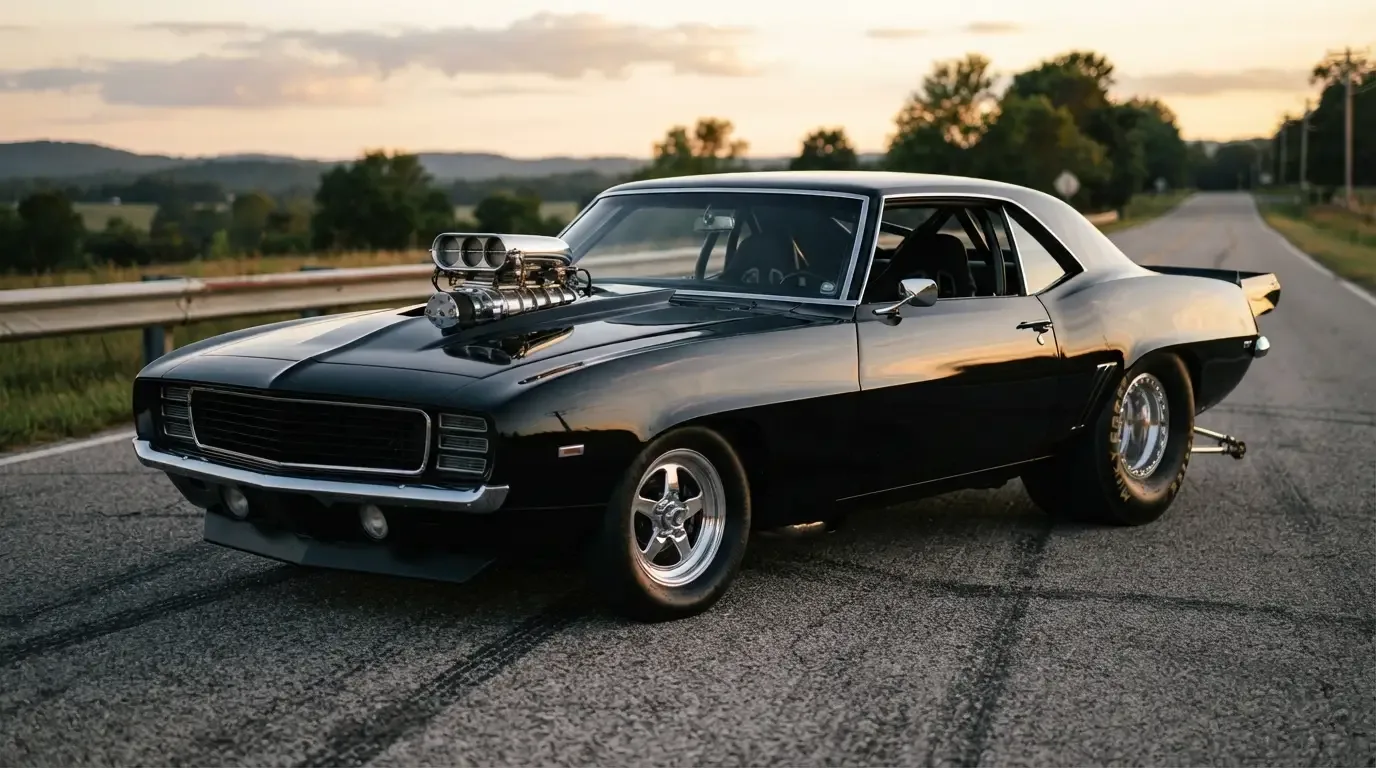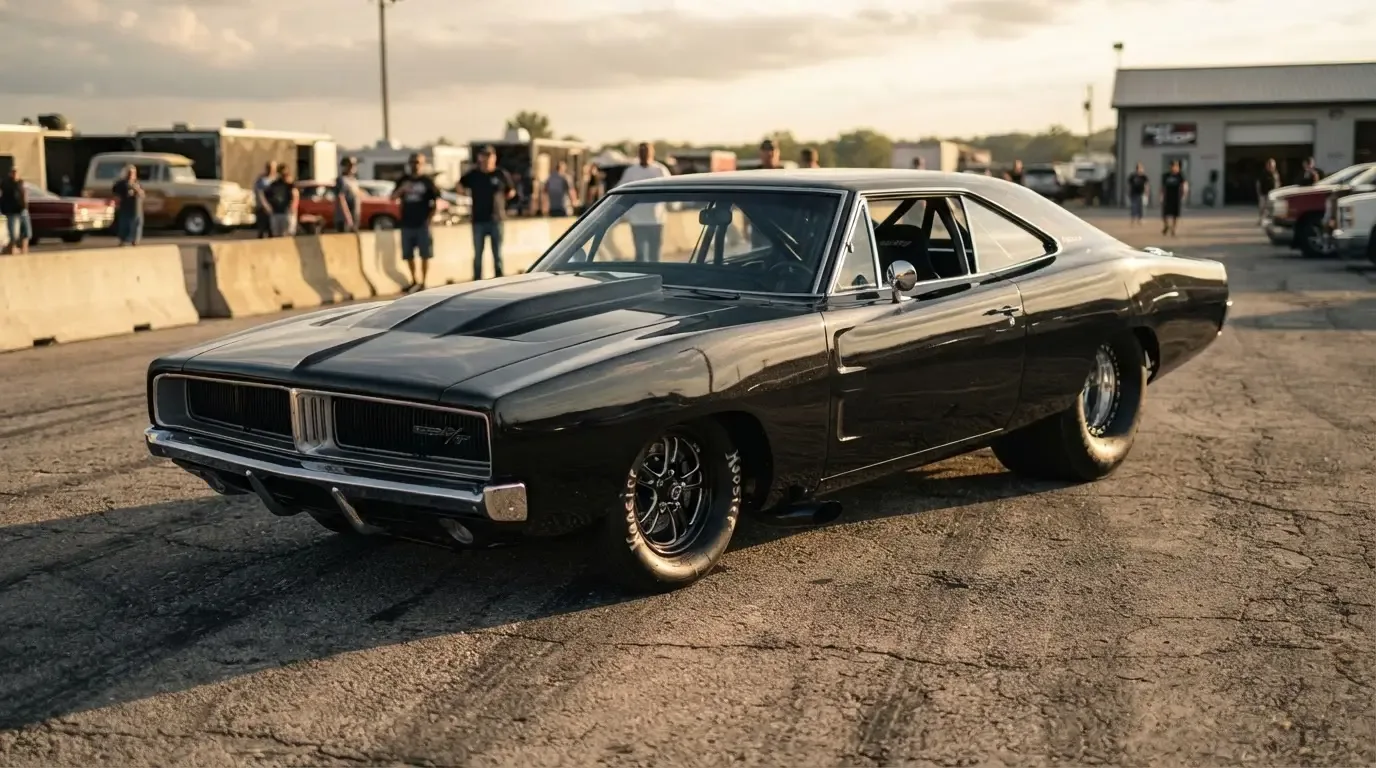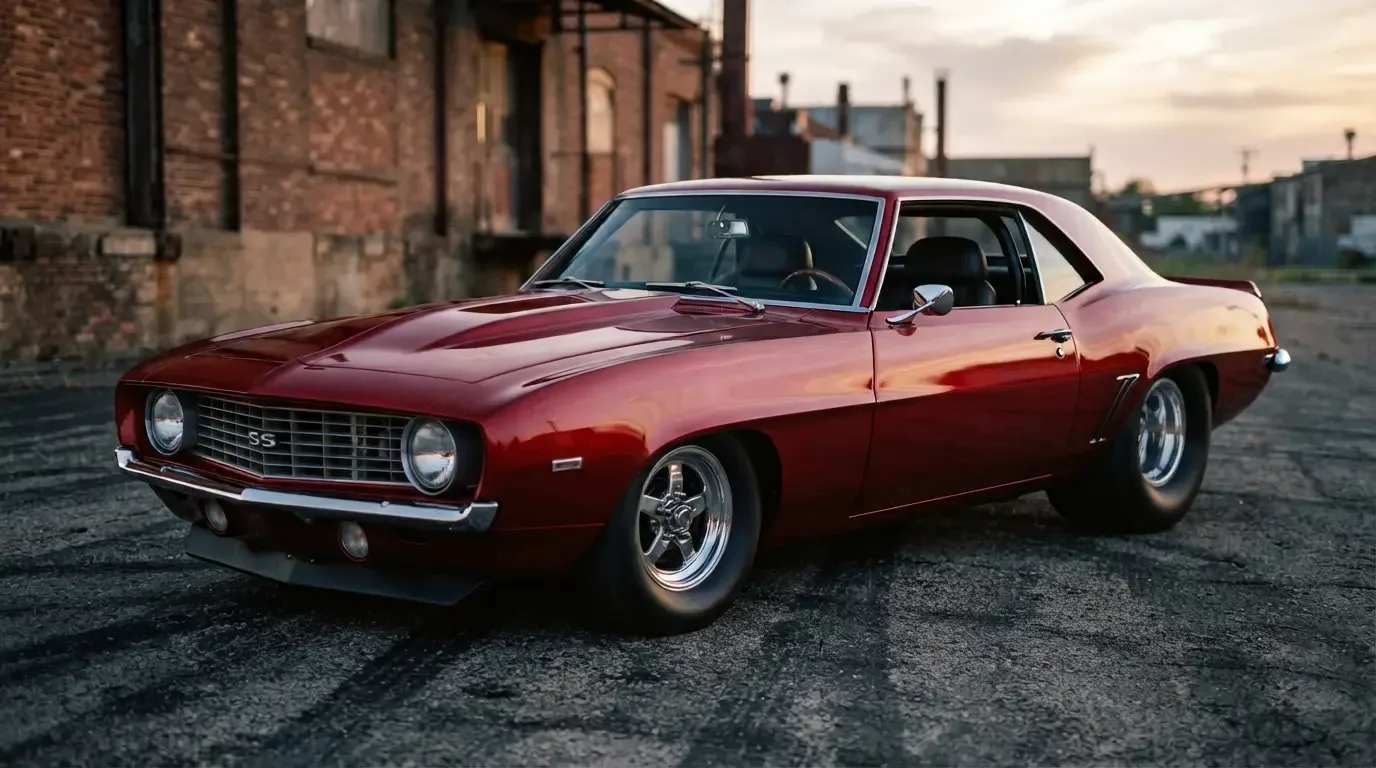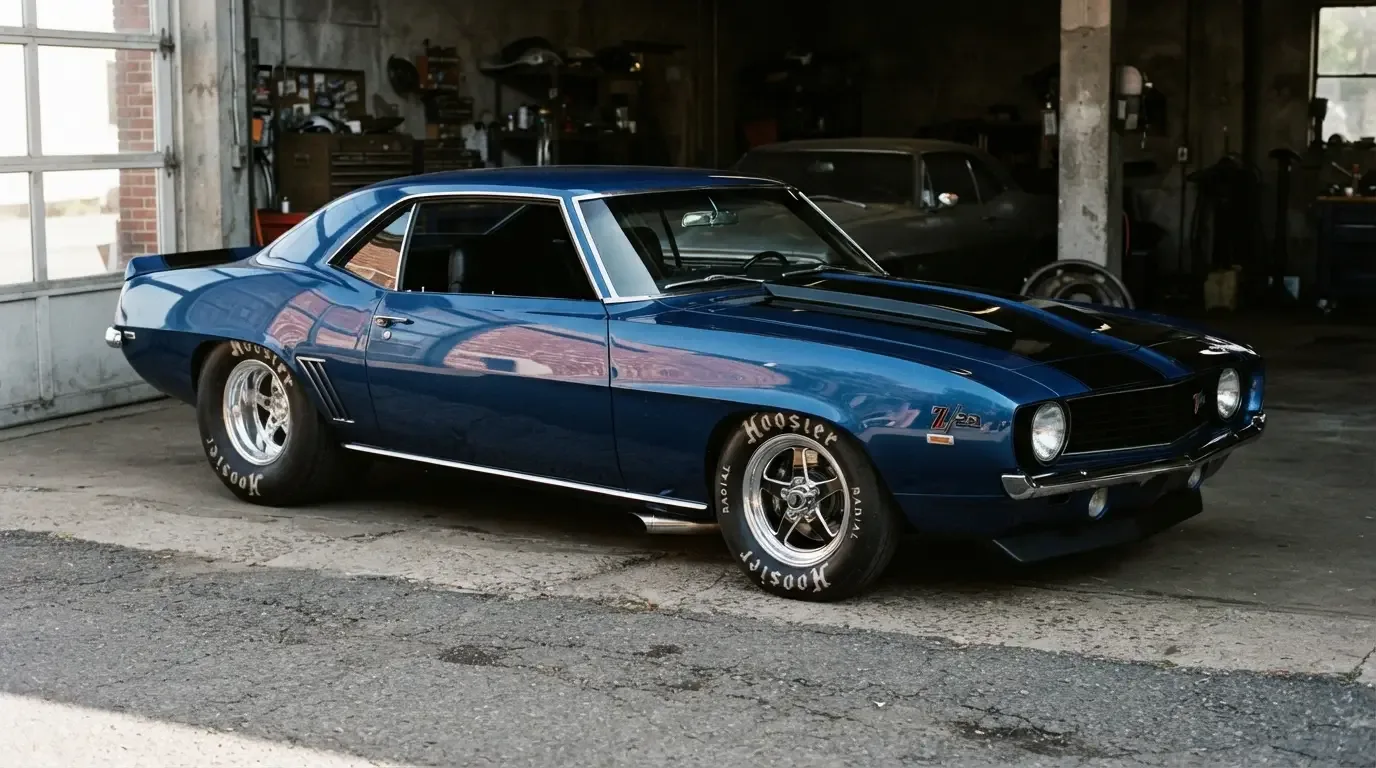
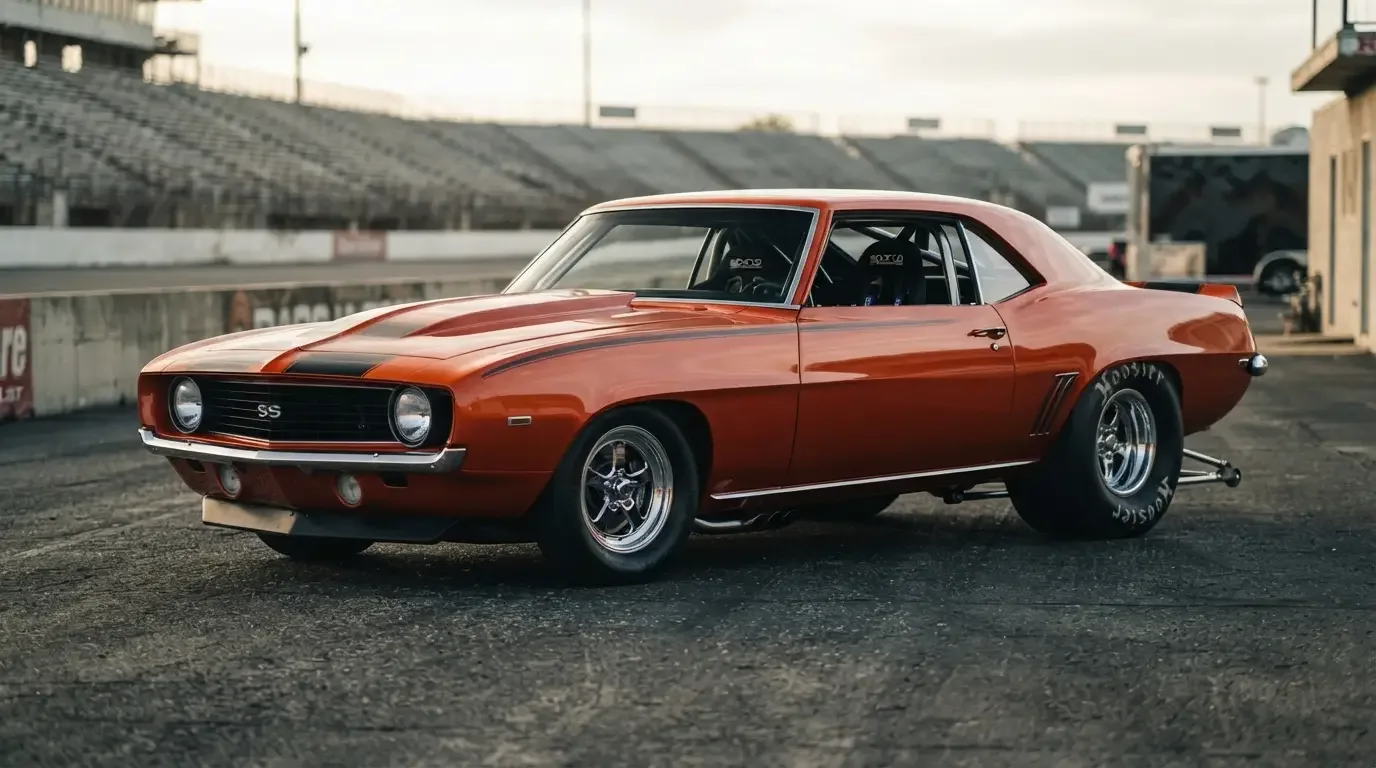
Ask ten guys at a cruise night what is a pro street car and you will get ten answers, most of them wrong. Somebody points at any old muscle car with fat tires and calls it Pro Street. That drives me up the wall. A real Pro Street machine is a specific animal, born in a specific moment, built to a specific recipe, and I have spent enough years under these cars to know the difference between the genuine article and a wannabe with a set of Mickey Thompsons bolted on for the weekend.
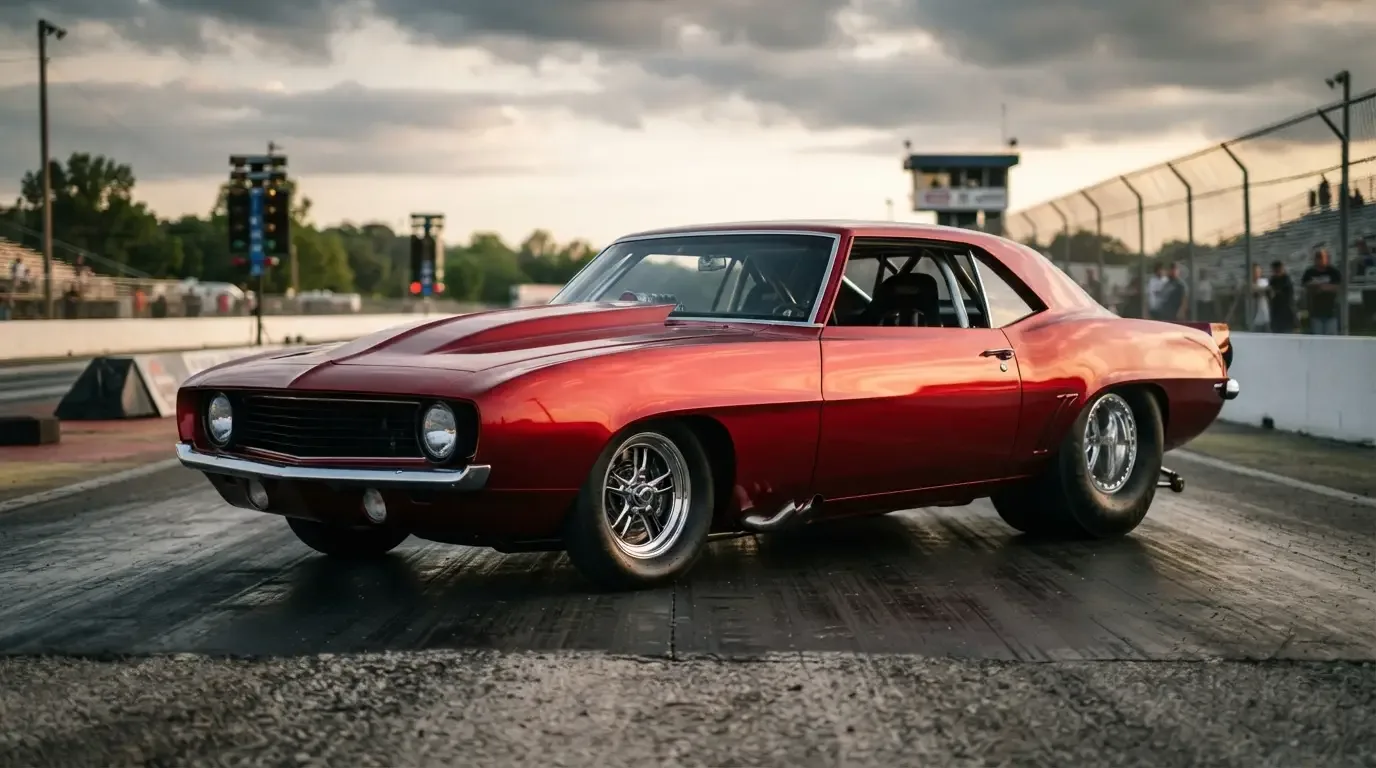
The short version is this. Pro Street took a street-legal classic body, usually a muscle car or an early hot rod, and rebuilt it to look and behave like a Pro Stock drag car that had somehow wandered off the track and gotten license plates. Big engine, often blown, tucked between a narrowed rear and a pair of enormous rear slicks. A roll cage you could see through the back glass. And the whole thing still nominally able to drive to the show under its own power. That last part is where most people get it wrong, so let me walk you through what actually makes one of these cars what it is.
Where the whole idea came from
Pro Street did not appear out of nowhere. It grew out of the Pro Stock class in NHRA drag racing during the 1970s, where the cars were factory-bodied door slammers running huge power. Builders on the street looked at those Pro Stockers and wanted that look on a car they could actually own and cruise. So they started copying the stance, the tire size, and the caged interior on their own muscle cars. By the very late 1970s the style had a name and a following, and through the 1980s it exploded across the pages of the enthusiast magazines.
The magazines mattered more than anything here. A featured car in a national title could turn an unknown builder into a legend overnight, and the arms race that followed pushed the whole scene toward bigger blowers, wilder paint, and rear tires that kept getting fatter every year. If you want the long form on how the movement grew and who lit the fuse, we cover the full pro street cars history elsewhere, and it is worth your time.
The tubbed rear end is the heart of it
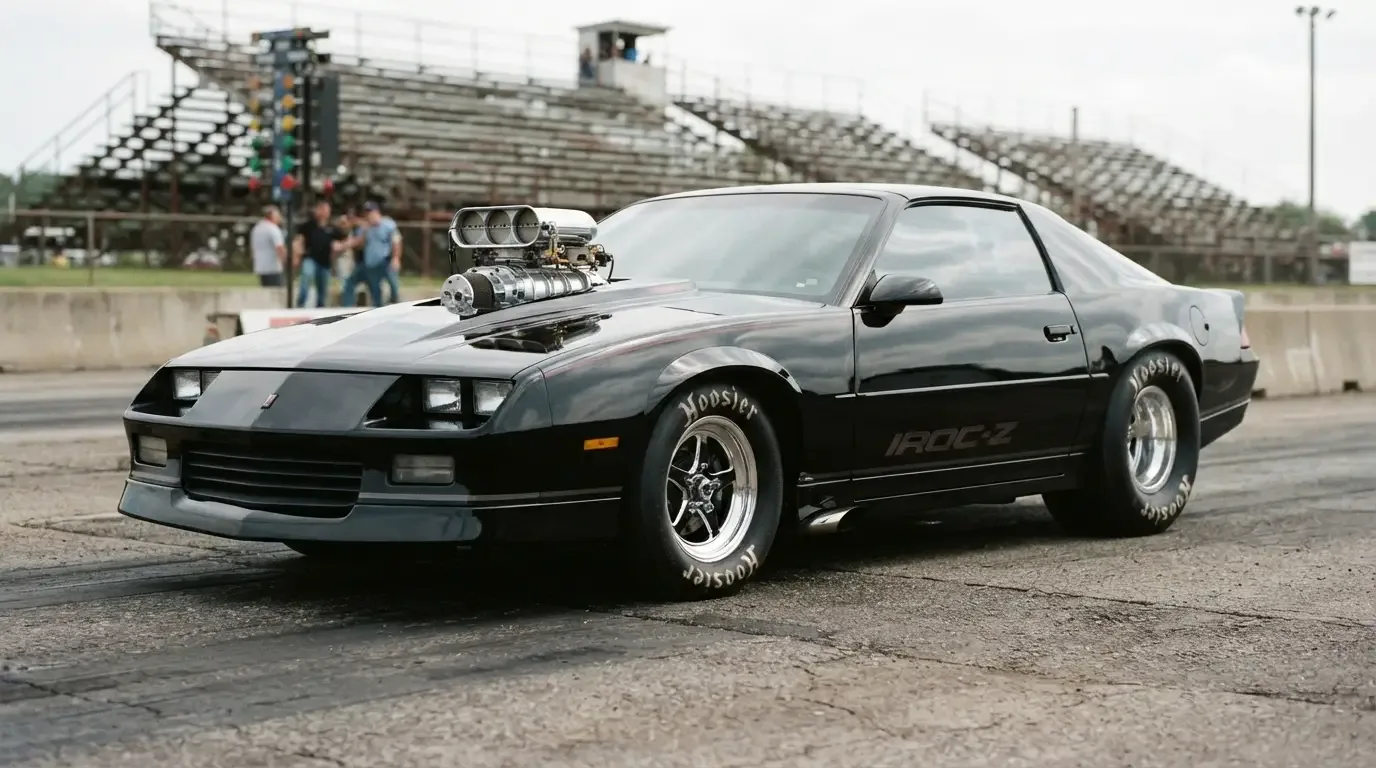
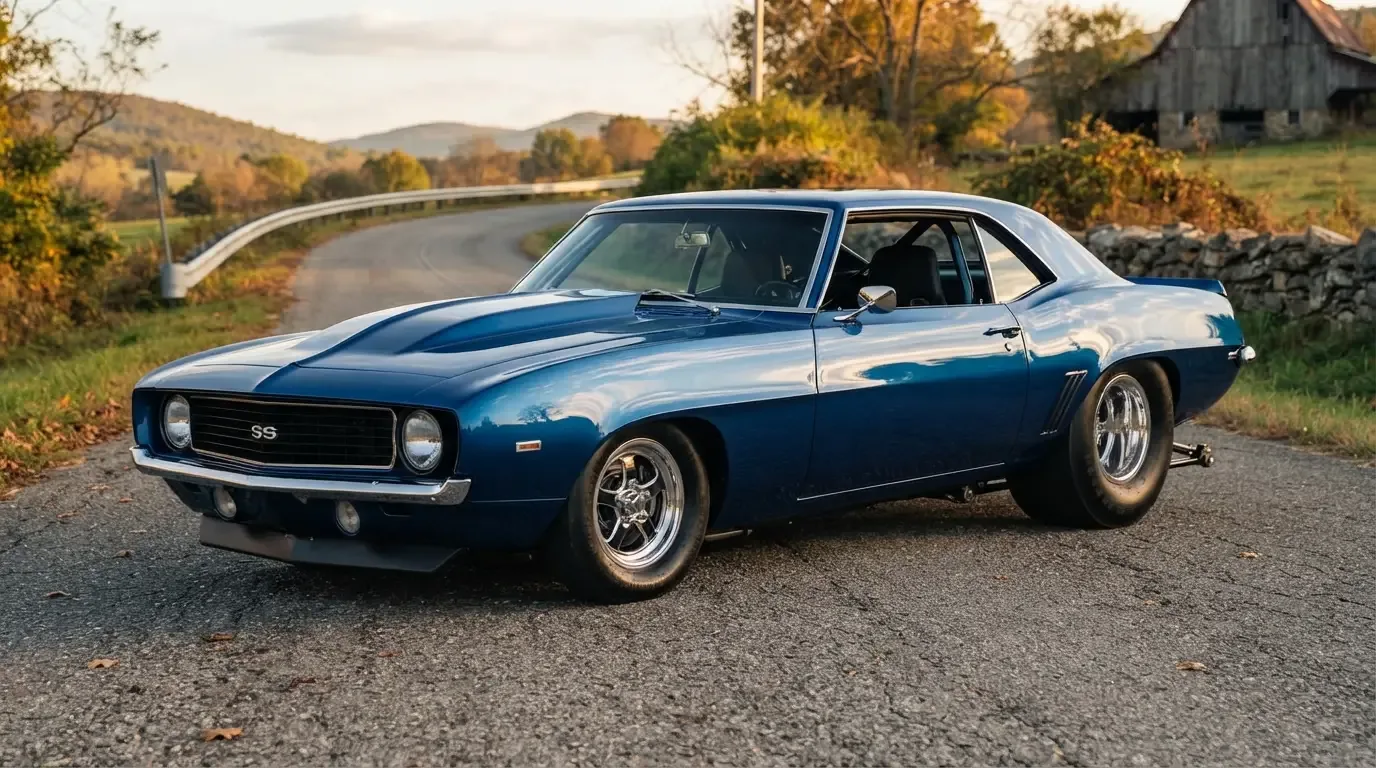
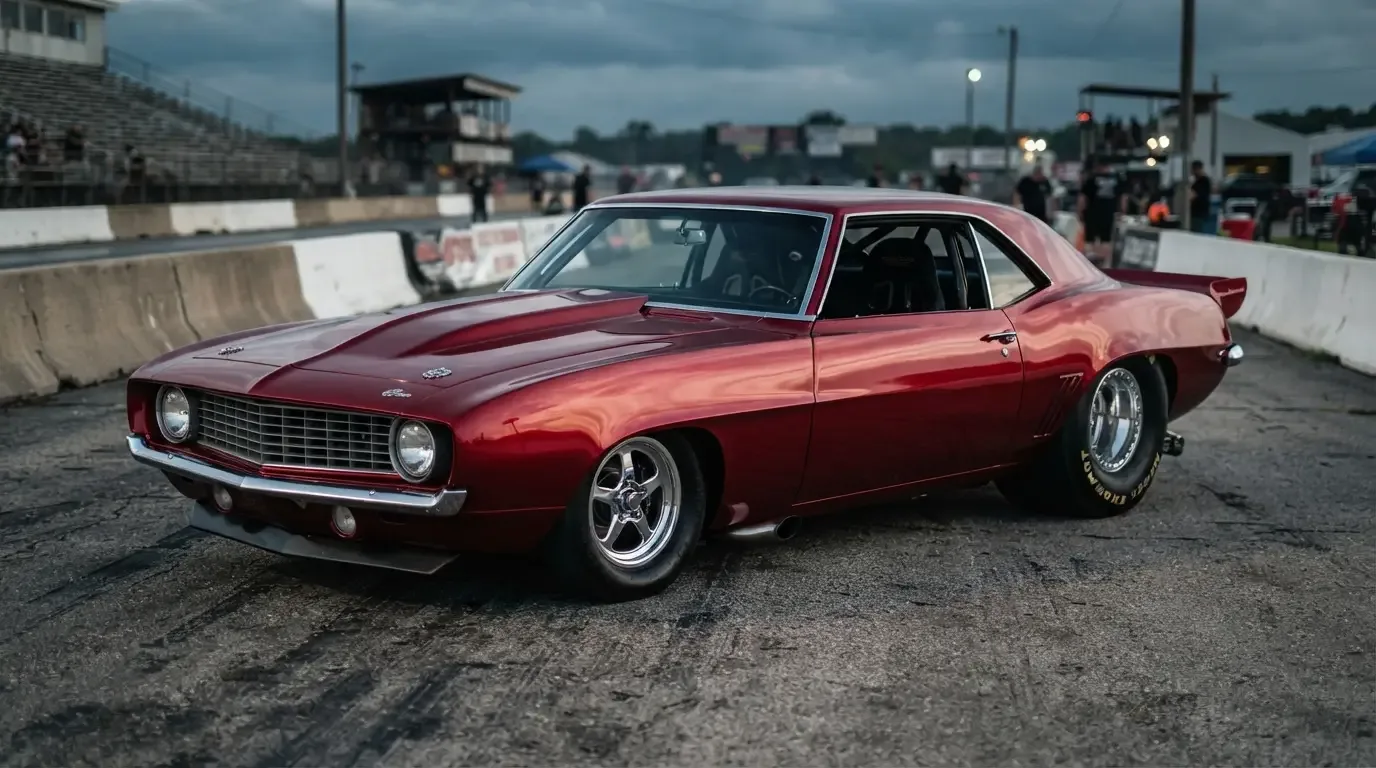
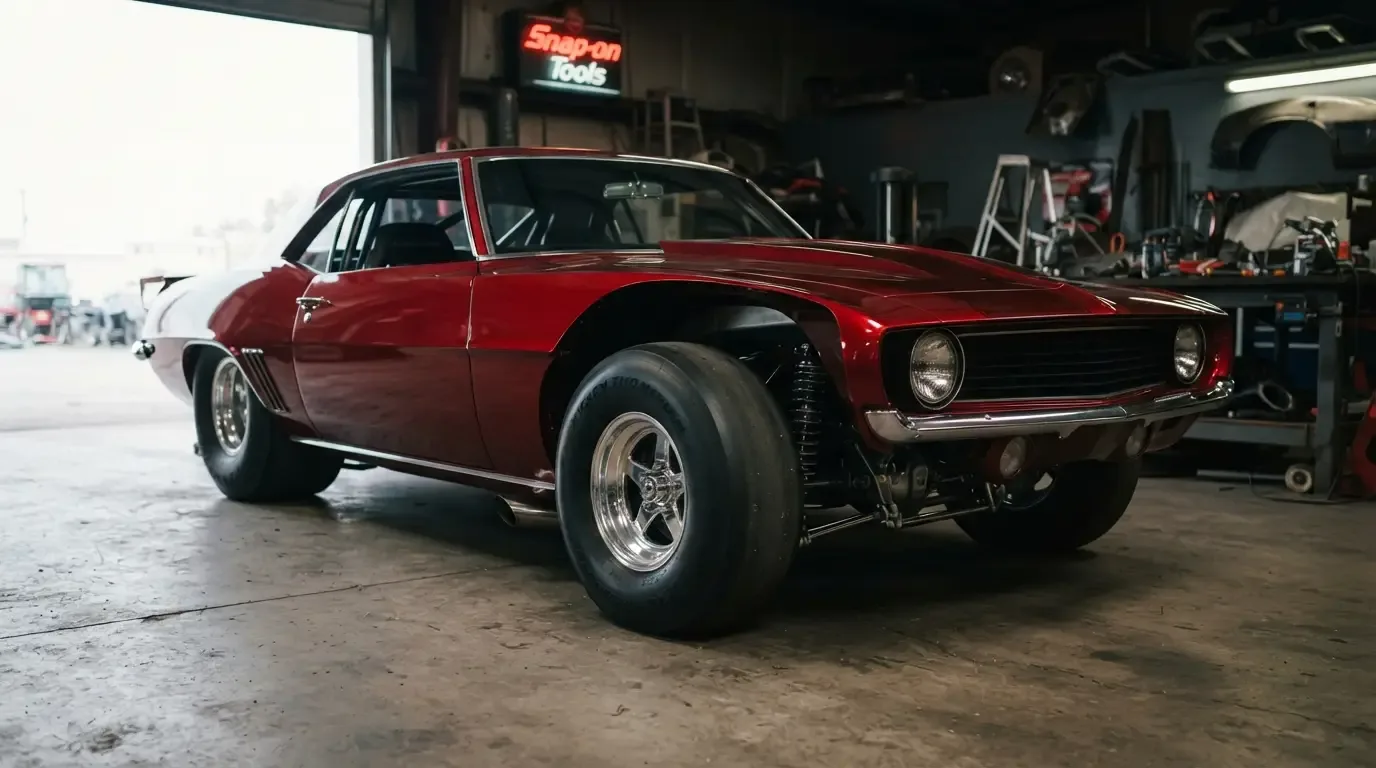
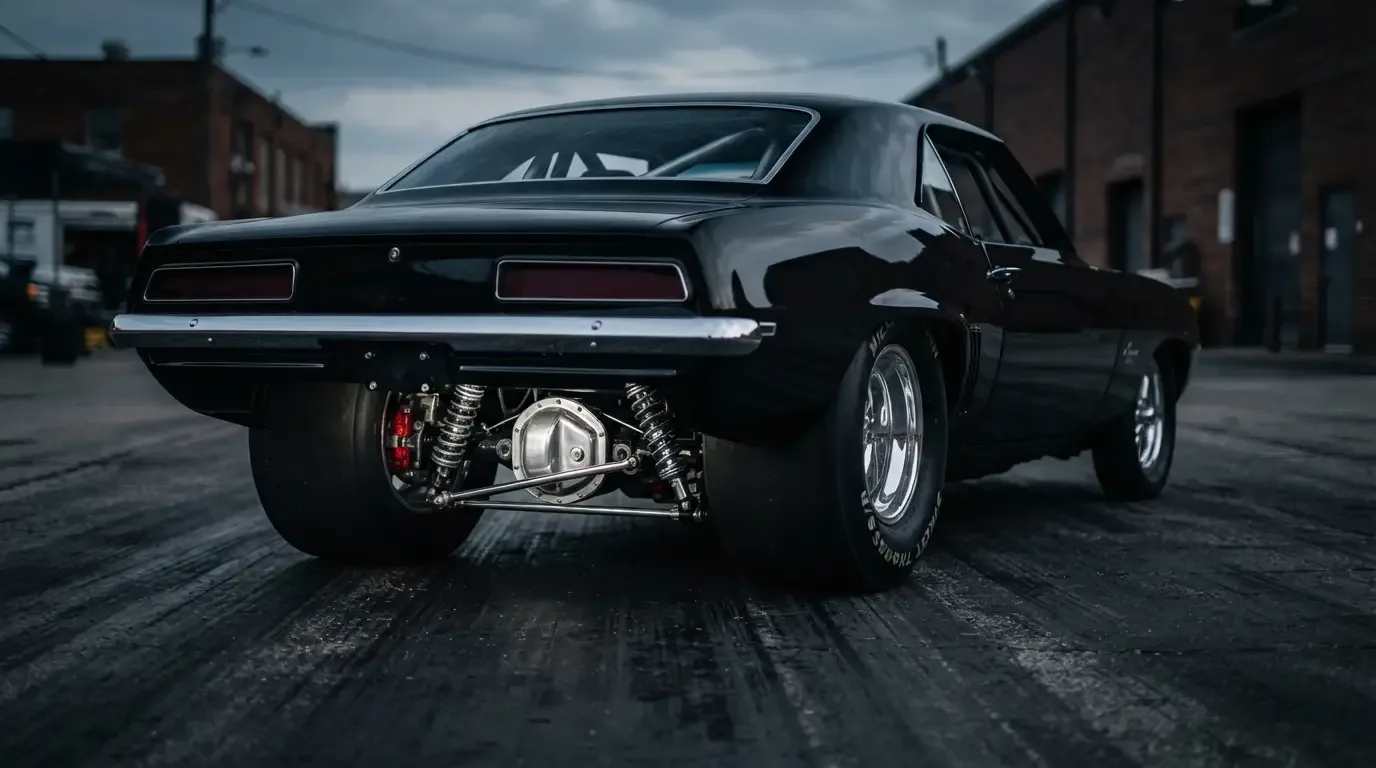
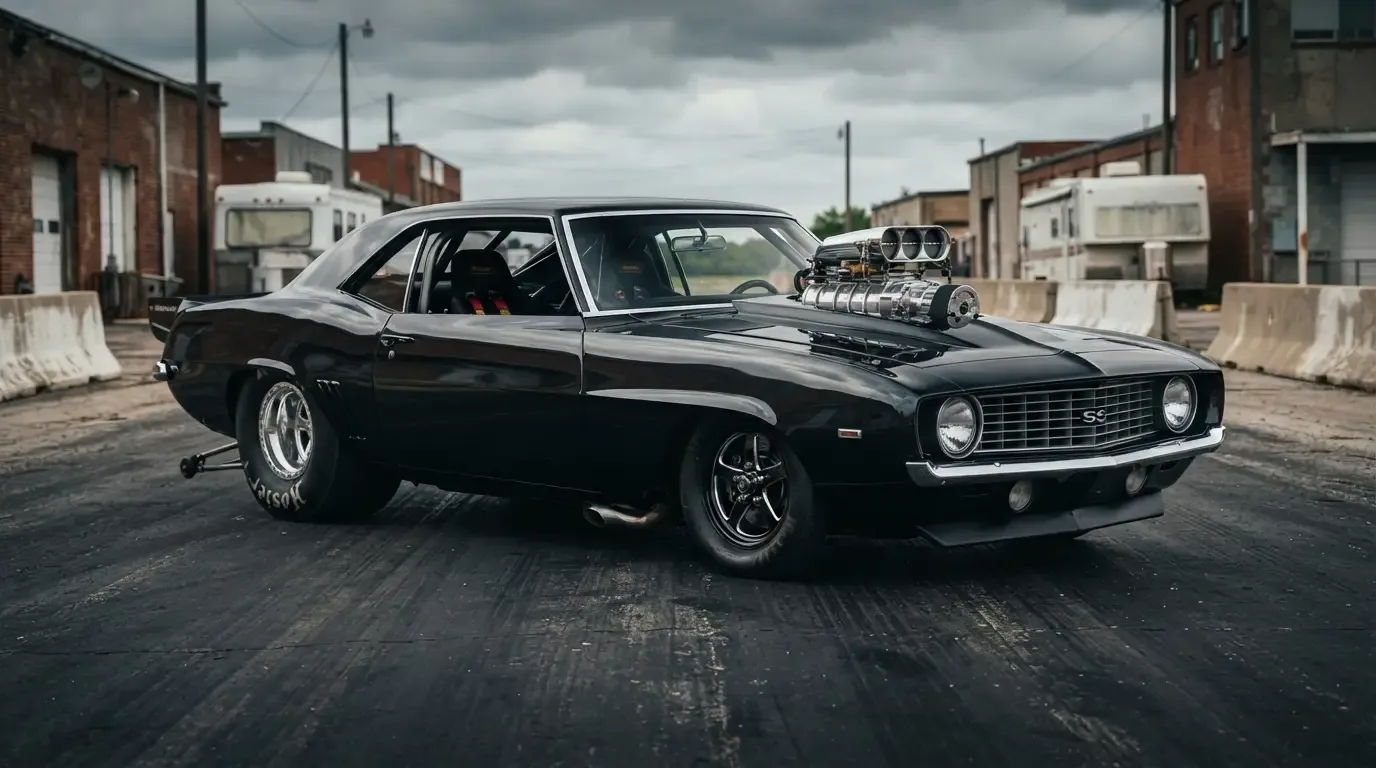
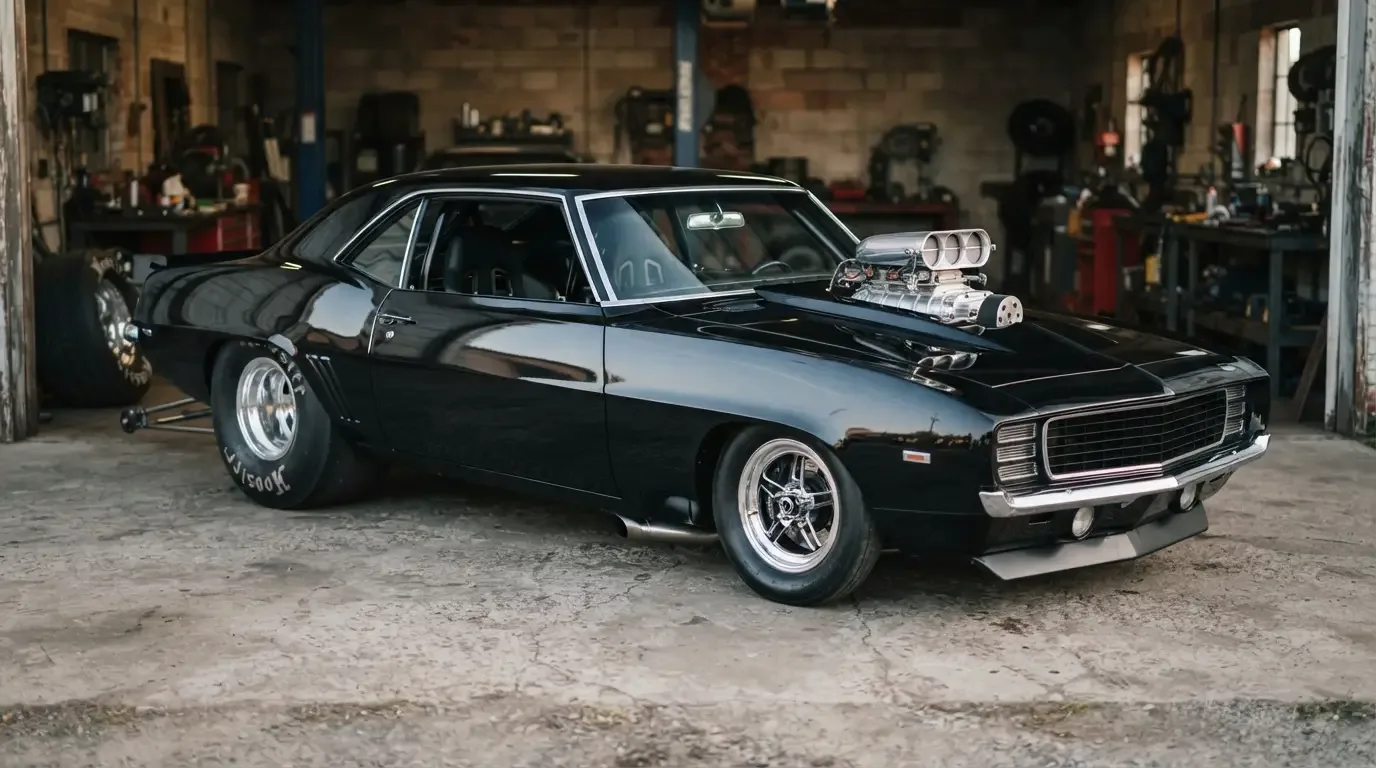
Here is the single feature that separates Pro Street from every poser out there. The rear wheel tubs. To fit the massive rear tires that define the look, builders cut out the factory inner wheelhouses and fabricated much larger ones that intruded into the trunk and rear seat area. Then they narrowed the rear axle so the whole assembly, tire and all, tucked up under the body. This is not a bolt-on. This is real metalwork, and doing it right takes a builder who knows how to keep the car straight while removing a big chunk of its original structure.
When somebody shows me a car and the tires are stuffed out past the fenders, or the tubs look like they were beaten in with a hammer over a lunch break, I know what I am looking at. Period-correct tubbing is clean, symmetrical, and the mini-tubs or full tubs follow the line of the body. That craftsmanship is the tell. A poser hides sloppy work under a shiny paint job. A real one shows the fabrication off like a trophy, because it is one.
| Feature | What defines it |
|---|---|
| Body | Street-legal classic, usually 1955 to 1972 muscle or an early hot rod |
| Rear tires | Massive slicks or DOT drag radials, tubbed to fit under the body |
| Engine | Big-block V8, frequently supercharged, on full display |
| Chassis | Narrowed rear axle, roll cage, ladder bars or four-link |
| Stance | Nose down, tail up, aggressive rake toward the front |
| Intent | Pro Stock looks on a car that still wears license plates |
The engine has to be seen
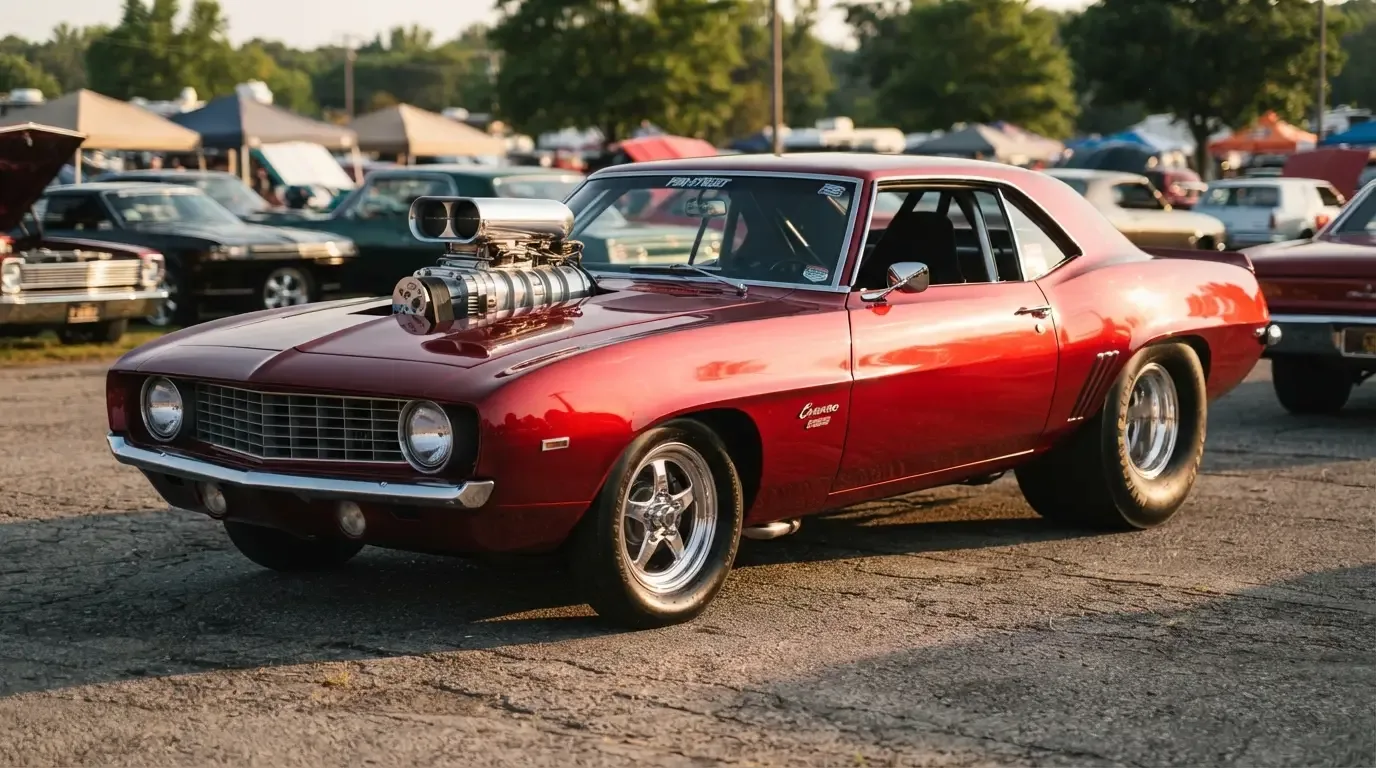
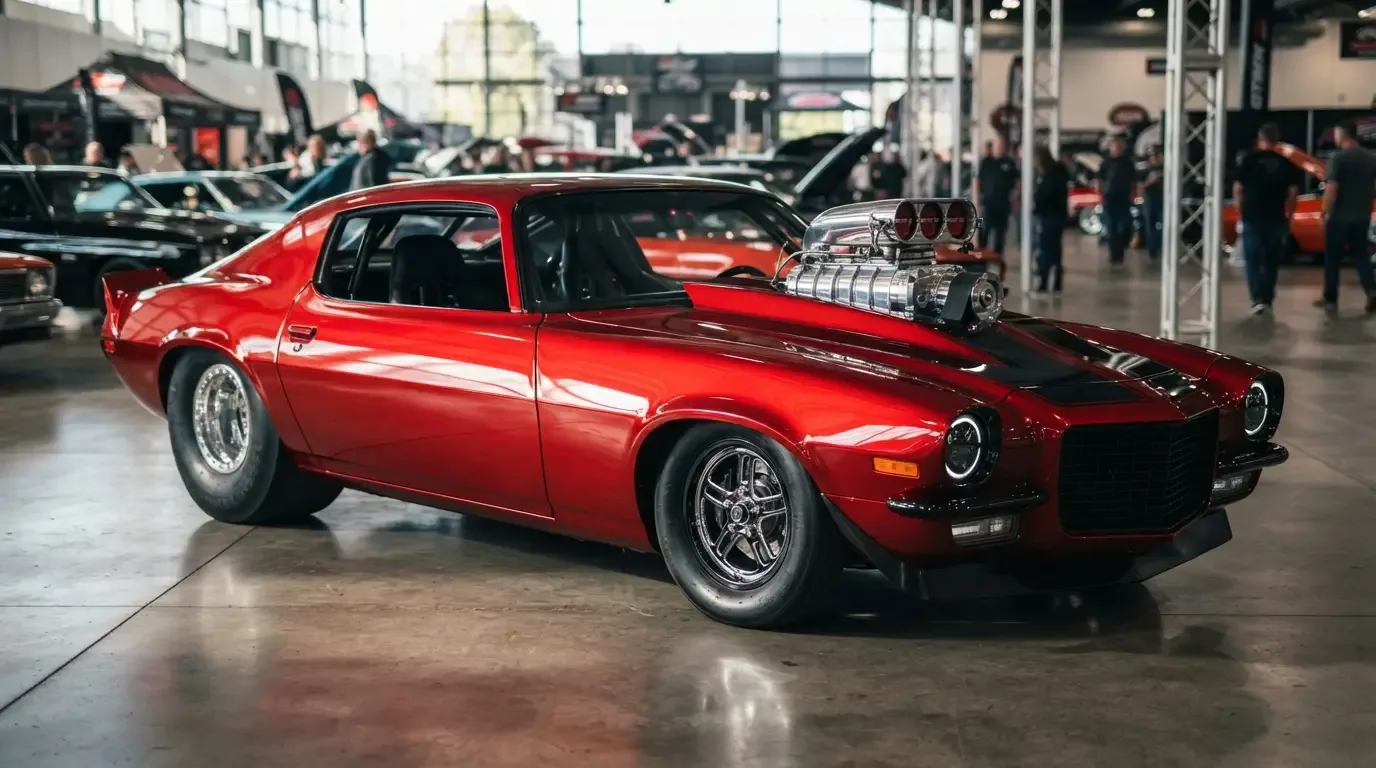
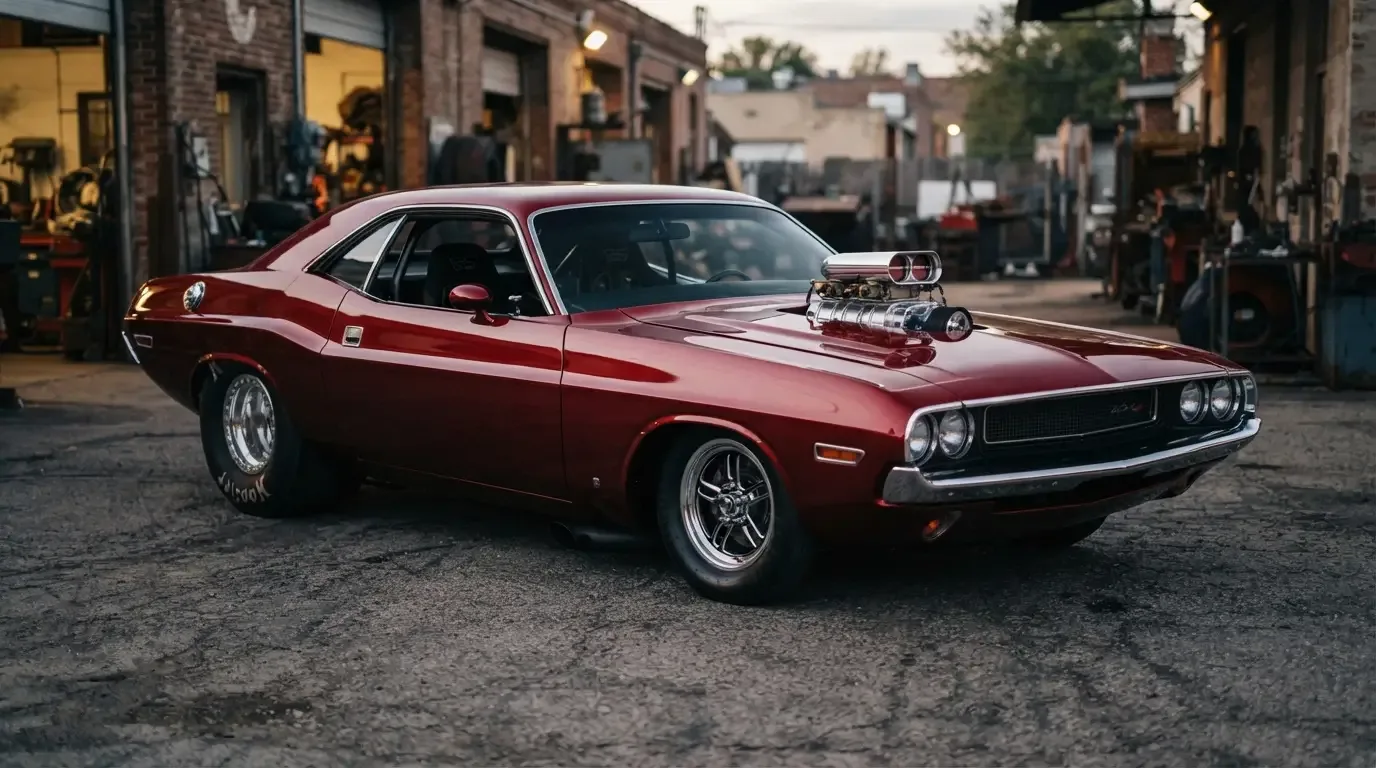
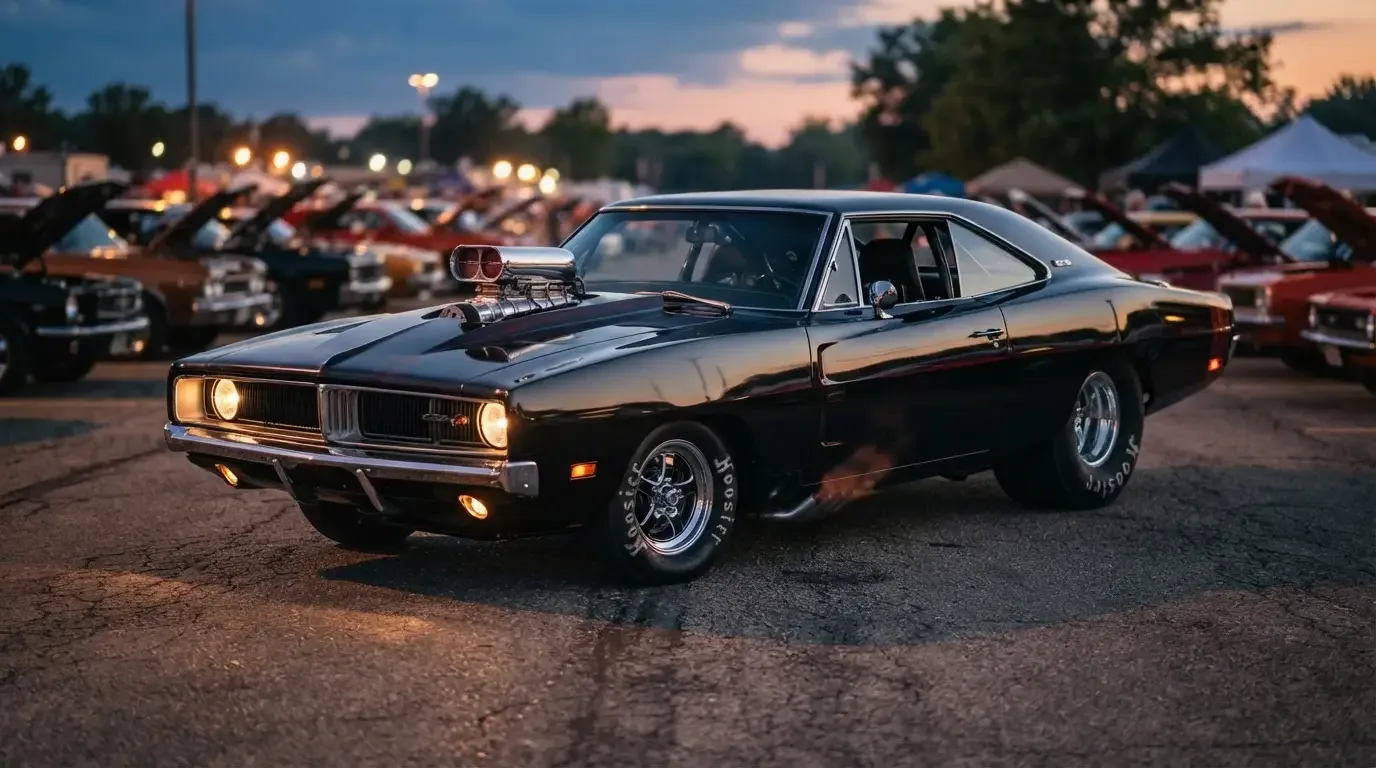
A Pro Street car does not hide its motor. The hood comes off, or it gets a hole cut in it, so the world can see what is making the noise. Most of the serious builds ran a big-block, and a huge number of them wore a supercharger poking up through the hood with a scoop on top. That blown big-block look became the signature image of the whole movement, the thing that shows up on every poster and every magazine cover from the era.
The engine bay on one of these is a show in itself. Polished, chromed, wired clean, with the fabrication on the firewall and inner fenders done to the same standard as the paint. When I judge a car, I spend as much time looking at the engine bay and the underside as I do the paint, because that is where a builder either earns his reputation or exposes himself. A pretty body over a hack engine bay is a costume, not a Pro Street car.
Street legal, at least on paper
This is the part that made Pro Street romantic and, honestly, a little bit of a fib. The whole point was a car that looked like it belonged on a drag strip but wore plates and could theoretically drive on the road. In practice, a lot of the wildest examples were trailered everywhere and barely turned a wheel on public streets. The tire compound, the gearing, the sheer commitment of the build made real street use miserable.
But the intent mattered. A true Pro Street car kept its lights, its glass, an interior, and enough manners to fire up and idle down the boulevard for a mile or two of glory. That distinction separated it from an out-and-out race car. The best builders took pride in a car that was genuinely drivable, and those are the ones that hold up as the real deal decades later. If you have caught the bug and want to see what survives today, you can find a classic Pro Street car for sale and judge the build quality with your own eyes.
How to tell a real one from a tribute
People ask me all the time how to spot a period-correct Pro Street car versus a modern tribute or a half-baked clone. It comes down to details, and the details do not lie. Here is what I look at first.
Why the definition still matters
Some folks think arguing over what counts as Pro Street is snobbery. I see it different. These cars represent a specific era of American craftsmanship, a time when a guy with a welder and a vision could build something that stopped traffic. Blurring the definition cheapens the work of the men who invented the style and set the standard. When you call any tubbed car Pro Street, you erase the difference between a magazine-feature build and a driveway experiment.
The good news is that the movement never really died. It faded when the big-tire look went out of fashion, then it came roaring back with a modern revival built on the same recipe, updated with better tires and cleaner fabrication. The bones are identical. Tubbed rear, exposed engine, street-legal pretense, drag car attitude. That is what a Pro Street car is, and that is what it will always be. If this stirred something in you, keep exploring the story of these machines and how they earned their place in the hobby. Go ahead and keep exploring, because the deeper you go, the more you appreciate what these builders pulled off.
"The tubs tell you everything. Anybody can bolt on wide tires, but tubbing a car right means cutting into its bones and putting them back straight. That is where you find out if a builder is the real thing."
- Jim Vasquez
The stance is a language of its own
People underestimate how much the stance does. A Pro Street car sits with the nose low and the tail hiked, a rake borrowed straight from the drag strip where weight transfer matters. That posture is not decoration. It is a statement of purpose, a way of telling anyone who looks that this car was built to launch. Get the rake wrong and the whole thing falls apart visually, no matter how good the tubs or the paint.
I have seen builders spend weeks fussing over ride height, mocking up the car at different attitudes until it sits exactly right. A hair too high in front and it looks like a grocery-getter on big tires. A hair too low in back and it loses the aggression. The correct stance is a narrow window, and hitting it is one of those things that separates a builder with an eye from a guy following a parts list. When you learn to read the rake, you start to see which cars were built by someone who understood the language and which were assembled by someone who did not.
The interior tells the same story. A real Pro Street car keeps the cage visible, often with race buckets and a stripped-down, business-first cabin that echoes the Pro Stock cars that started it all. It is not luxurious. It is honest. Every piece inside says the same thing the tubs and the stance say, that this machine was built to a purpose and wears that purpose proudly. That coherence, top to bottom, is the mark of the genuine article.
So the next time somebody at a show waves a hand at a car with fat rubber and calls it Pro Street, you will know whether they are right. Look for the tubs, look for the cage, look for the exposed motor and the honest fabrication underneath. Look at the stance and the interior too, because a real one is honest everywhere you point. Those things, built with real skill, are what separate a genuine Pro Street machine from a costume. Everything else is just paint.