There's a fellow in our club, Earl, who still swears his 1932 Ford street rod is the reason half the guys in our garage bay eventually built a Pro Street car of their own. He built that Ford back in the early 1970s, small block, mild chrome, a car meant for Sunday drives and swap meets. A decade later, three of the younger guys who grew up hanging around his garage were tubbing rear ends and stuffing giant tires under Chevelles, chasing a completely different feeling. Same garage, same love of building something by hand, two very different destinations.
Pro street vs street rod starts with a generation gap
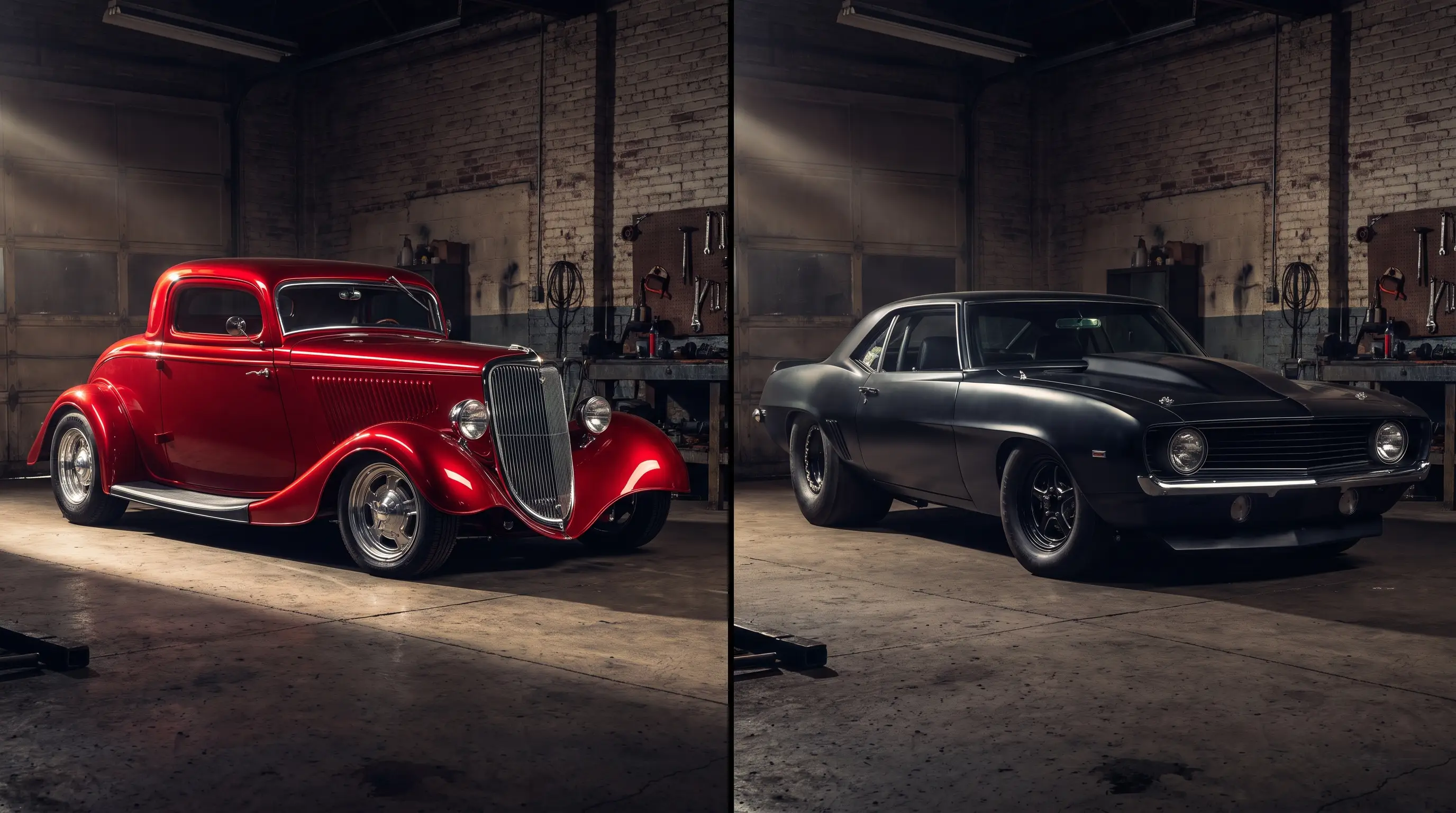
Street rodding traces back to hot rodders of the 1940s and 50s who took pre-war Fords, mostly the 1932 through 1934 models, and modernized them with newer engines, better brakes, and a smoother ride while keeping the classic body style intact. By the time it became a formalized movement in the 1960s and 70s, street rodding had settled into its own identity: chrome, clean paint, a comfortable interior, and a driving experience meant to be enjoyed at a relaxed pace on a Sunday cruise. It was never about drag strip numbers. It was about craftsmanship and the pleasure of driving something built with your own hands.
Pro Street showed up as the rebellious younger cousin
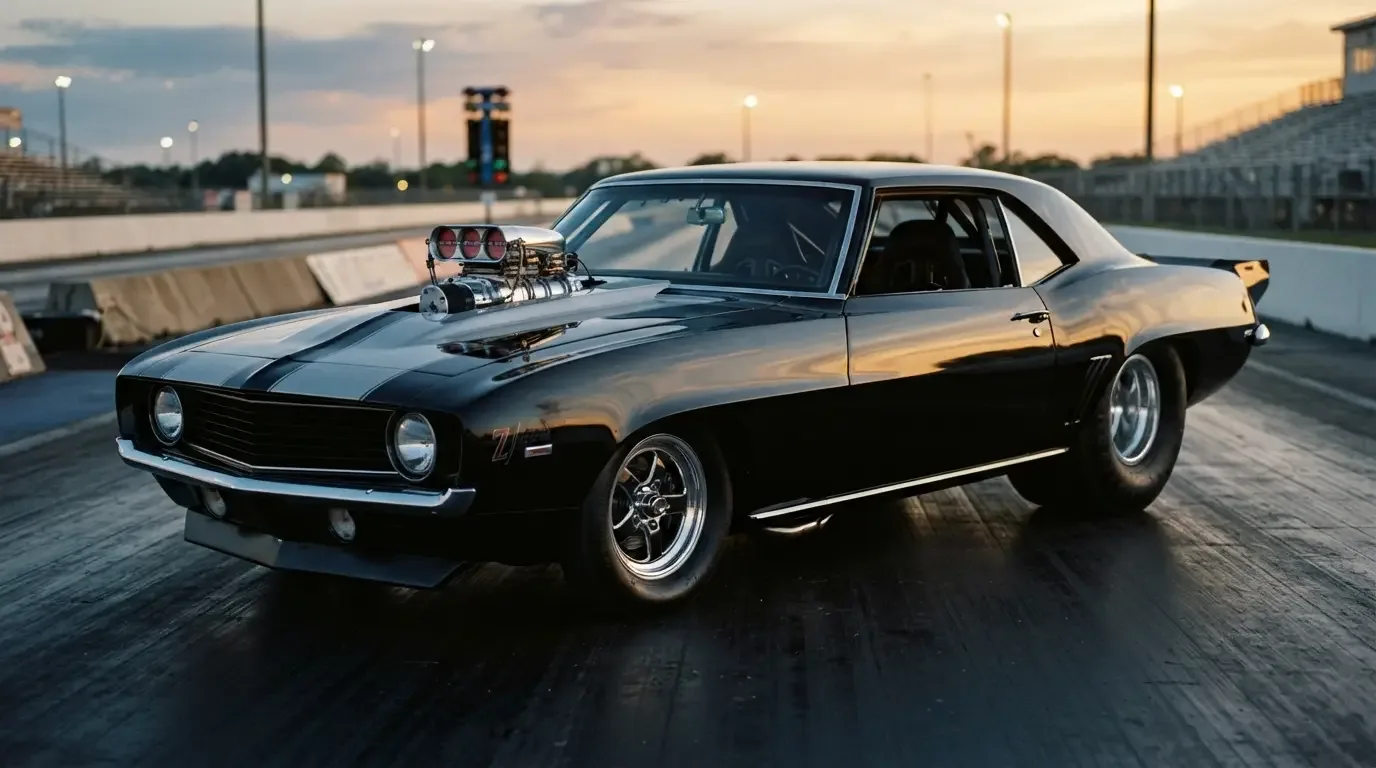
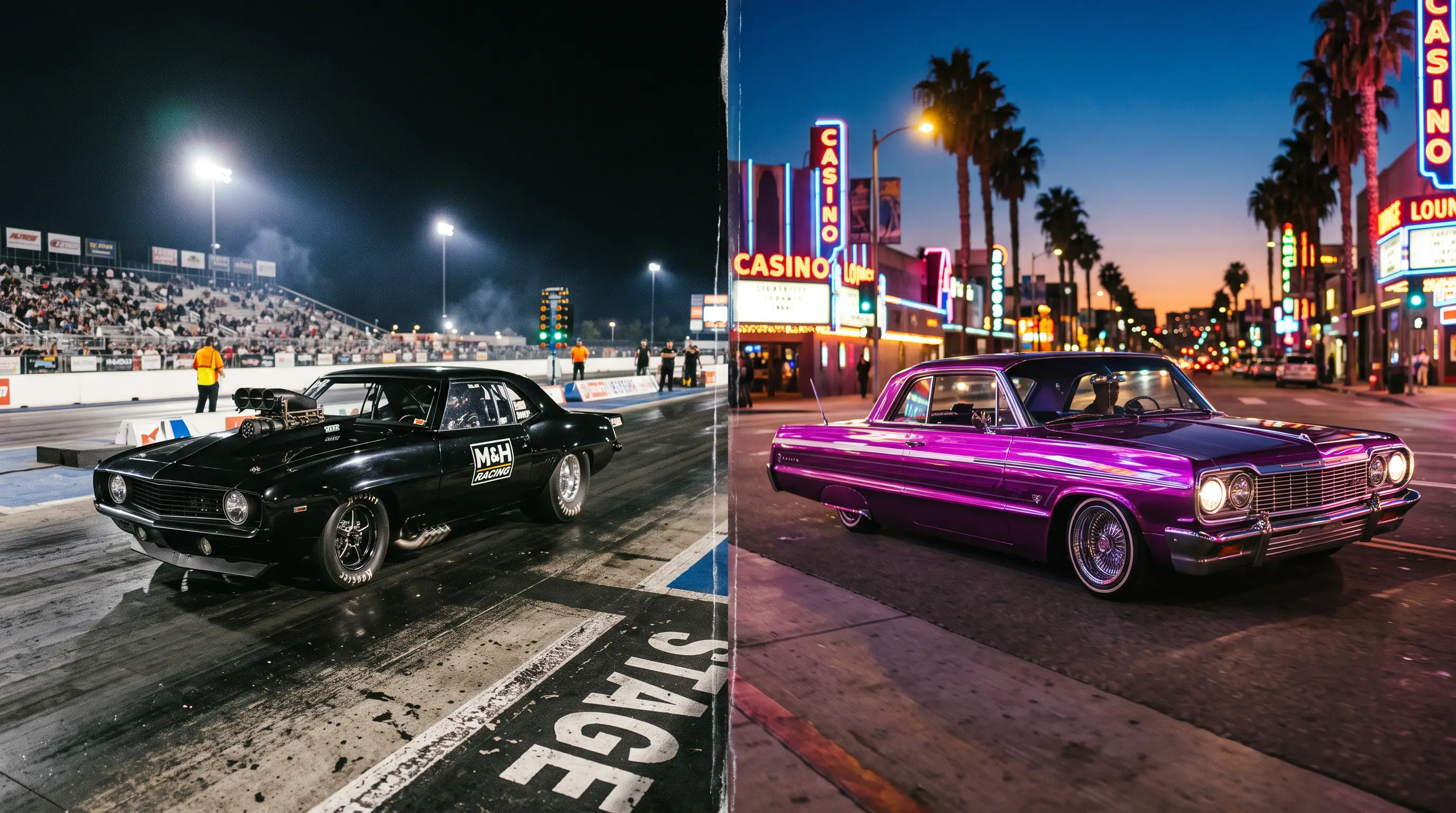
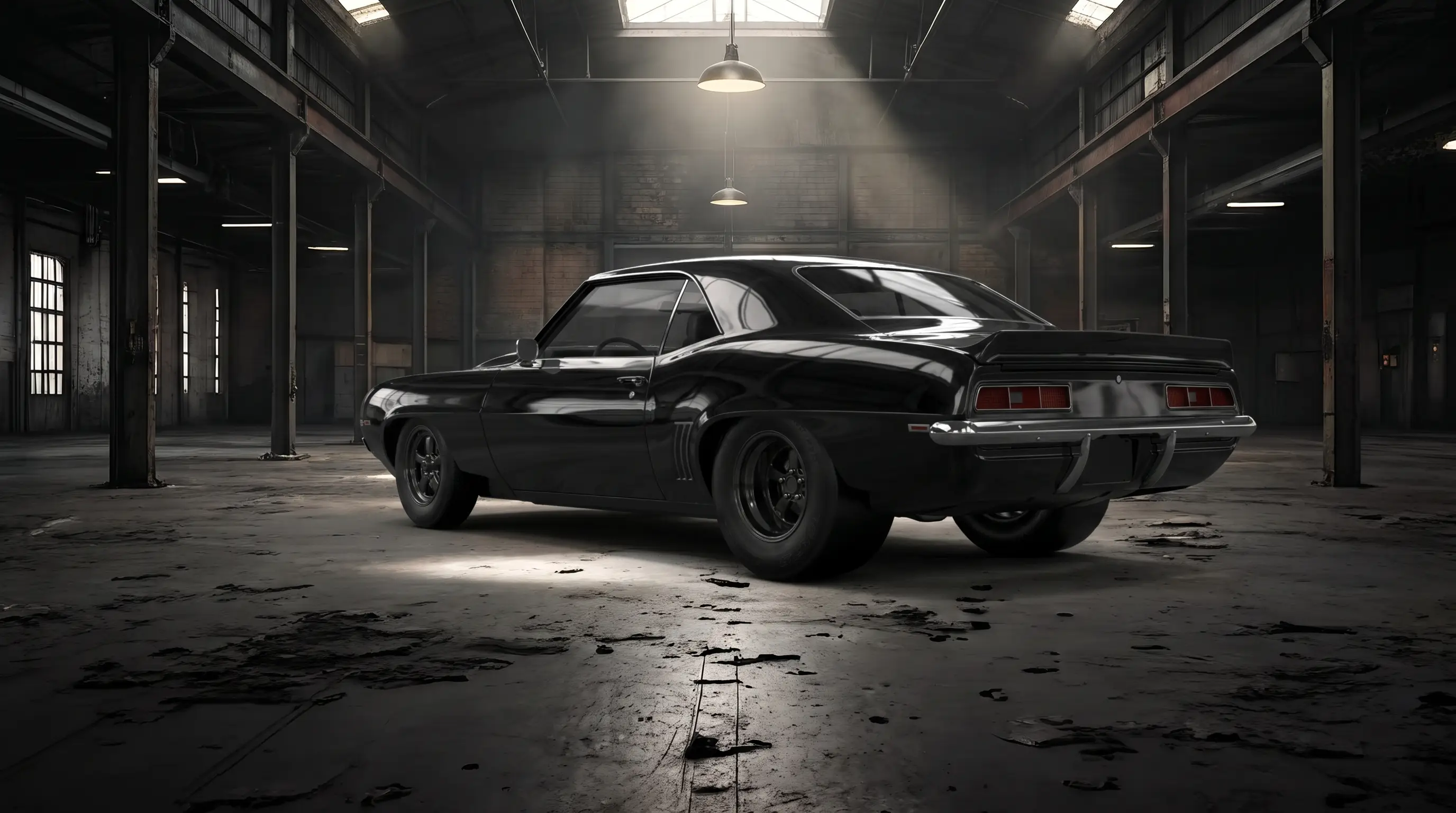
Pro Street arrived later, taking shape in the late 1970s as drag strip culture bled onto the street. Where street rods stayed composed and classic looking, Pro Street cars announced themselves with tubbed rear wheel wells, oversized rear tires, and narrowed rear ends borrowed straight from Pro Stock race cars. The bodies were usually muscle car era steel, Novas, Camaros, Chevelles, rather than the pre-war Fords that defined street rodding, and the whole point was aggression rather than composure. For the deeper story on that split, read the background on how Pro Street carved out its own identity within hot rod culture.
| Detail | Street Rod | Pro Street |
|---|---|---|
| Typical era of donor car | Pre-war, mostly 1932 through 1948 | Muscle car era, 1960s and 70s |
| Stance | Composed, classic proportions | Tubbed rear, aggressive stance |
| Cultural roots | 1940s and 50s hot rodding | Late 1970s drag strip culture |
| Typical pace of driving | Relaxed cruising | Show, cruise, occasional strip run |
Earl's take on the family resemblance
Earl still argues the two movements share more than either side likes to admit. Both start with a factory car nobody thought was special until somebody spent years making it that way. Both live and die on craftsmanship that only another builder can fully appreciate, welds you can't see under the paint, wiring nobody notices until it fails. The difference, he says, is what each generation wanted to say with all that work. His generation wanted to prove a pre-war Ford could be as comfortable and capable as anything rolling off a modern lot. The Pro Street guys who came up behind him wanted to prove a muscle car could look like it belonged at the drag strip even parked outside a diner.
"I built my Ford to be admired at idle. The kids who came after me built their cars to be feared at idle. Same garage, same late nights, completely different goal."
- Wayne Coburn
The parts catalogs barely intersect
Order a catalog for street rod parts and it's full of chrome trim, reproduction dashboards, wide whitewall tires, and comfort upgrades meant to make a decades-old body feel modern without looking it. Order a catalog aimed at Pro Street builders and it's full of tubbing kits, narrowed rear ends, ladder bars, and wheelie bars, every part built to survive traction and abuse rather than to look period correct at a slow speed. A guy could spend his whole career supplying one crowd and never once cross paths with a customer from the other, even though both are shopping to modify essentially the same era of American car culture from two completely different angles.
The garages still overlap more than you'd expect
Walk into any long-running car club and you'll find both types of builders trading tools and advice, even if their finished cars couldn't look more different. A street rod guy knows more about chassis geometry and ride comfort than most Pro Street builders bother to learn, since a rough-riding street rod defeats the whole purpose of a relaxed cruise. A Pro Street guy knows more about traction and rear suspension setup than most street rod builders will ever need, since none of that composure matters if the car can't put power down at the strip. Earl says half the good ideas in his own garage over the years came from borrowing tricks across that line rather than staying strictly in his own lane. He'll still tell a young Pro Street builder to slow down and check his panel gaps before he trailers a car to a show, and he's happy to admit the reverse is true too, that his own street rod runs better today because a Pro Street guy once talked him into a rear suspension setup he would never have considered on his own.
What the shows reward is different too
A street rod show rewards fit and finish above almost everything else, panel gaps, paint depth, the quality of the interior stitching, whether the chrome catches light the way it should. Judges walk slowly around a car and check details a casual visitor would never notice. A Pro Street show rewards a bigger, bolder first impression, the width of the rear tire, the aggression of the stance, how much the car looks like it wants to launch off the line the second the engine turns over. Earl says he can spot a street rod judge from across the lot because they crouch down to check gaps and run a hand along the paint. A Pro Street crowd just stands back and lets the whole car hit them at once, tire width and stance doing the talking before anybody gets close enough to check for a flaw.
Choosing a direction for your own project
If comfort, chrome, and a relaxed pace on a Sunday drive sound like the goal, street rodding remains the more forgiving path, with decades of established parts support and a huge, welcoming club scene built around exactly that kind of driving. If the goal is presence, drama, and a direct link to drag strip culture from the 1980s and 90s, Pro Street asks for more compromise in ride comfort but delivers a completely different kind of satisfaction every time you start the engine. Either way, if you'd rather buy than build, take a look and find a classic Pro Street car before committing years of weekends to a project from scratch.