Ask ten guys at a cruise night what Pro Street is and you will get ten answers, most of them wrong. The confusion is understandable. Over the last forty years the hobby has split into a dozen build styles, and half of them share parts, bodies, and vocabulary. Pro Street vs Pro Touring is the argument that comes up most, usually loud, usually around the tenth cup of coffee. So let me sort the whole thing out the way I would explain it to somebody standing in my garage, because the differences are real and they matter when you go to buy one.
Here is the short version. Pro Street is about the drag strip look on the street. Pro Touring is about making an old muscle car actually handle. Restomod is about making it comfortable and reliable. Everything else is a variation on one of those three ideas. The bodies overlap. A 1969 Camaro can be built any of these ways. What separates them is the whole philosophy underneath, and once you see it you cannot unsee it.
Pro Street: the strip that never leaves the street
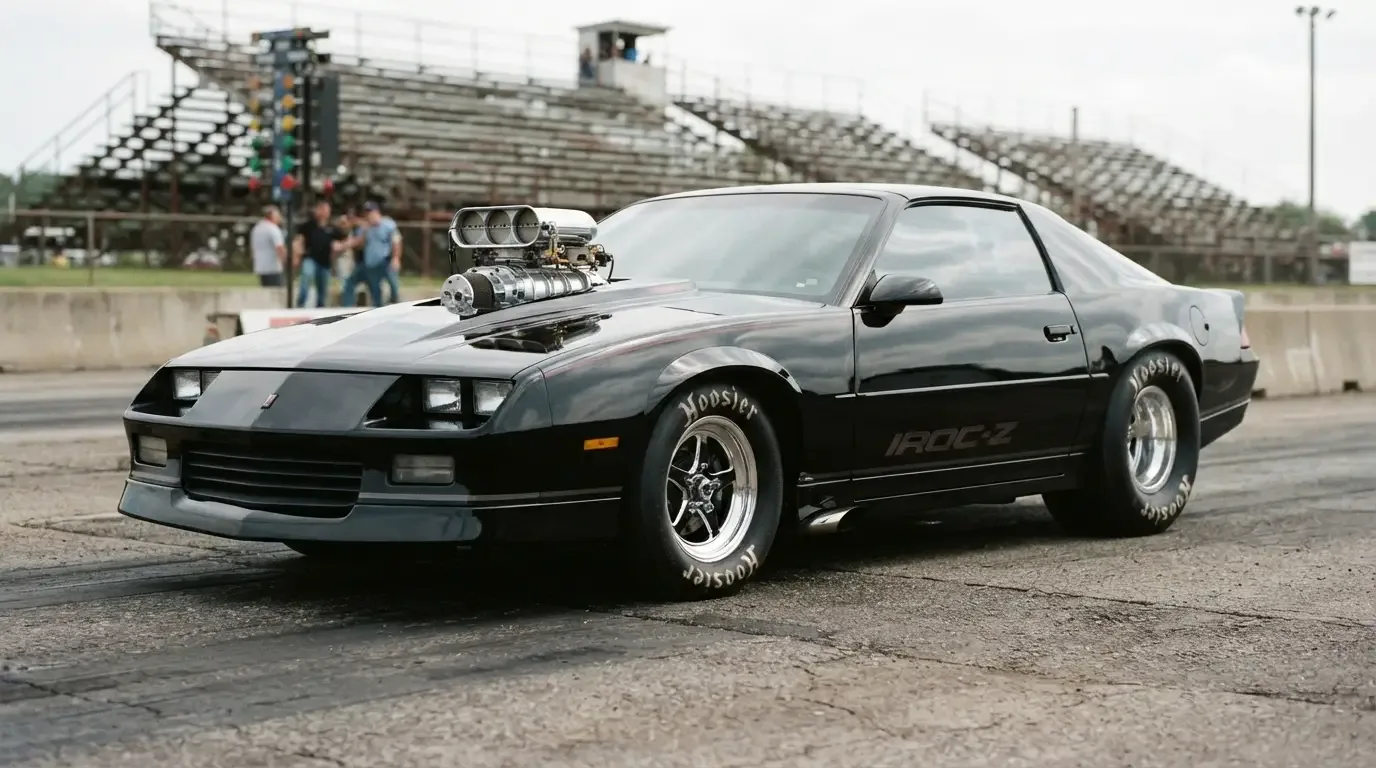
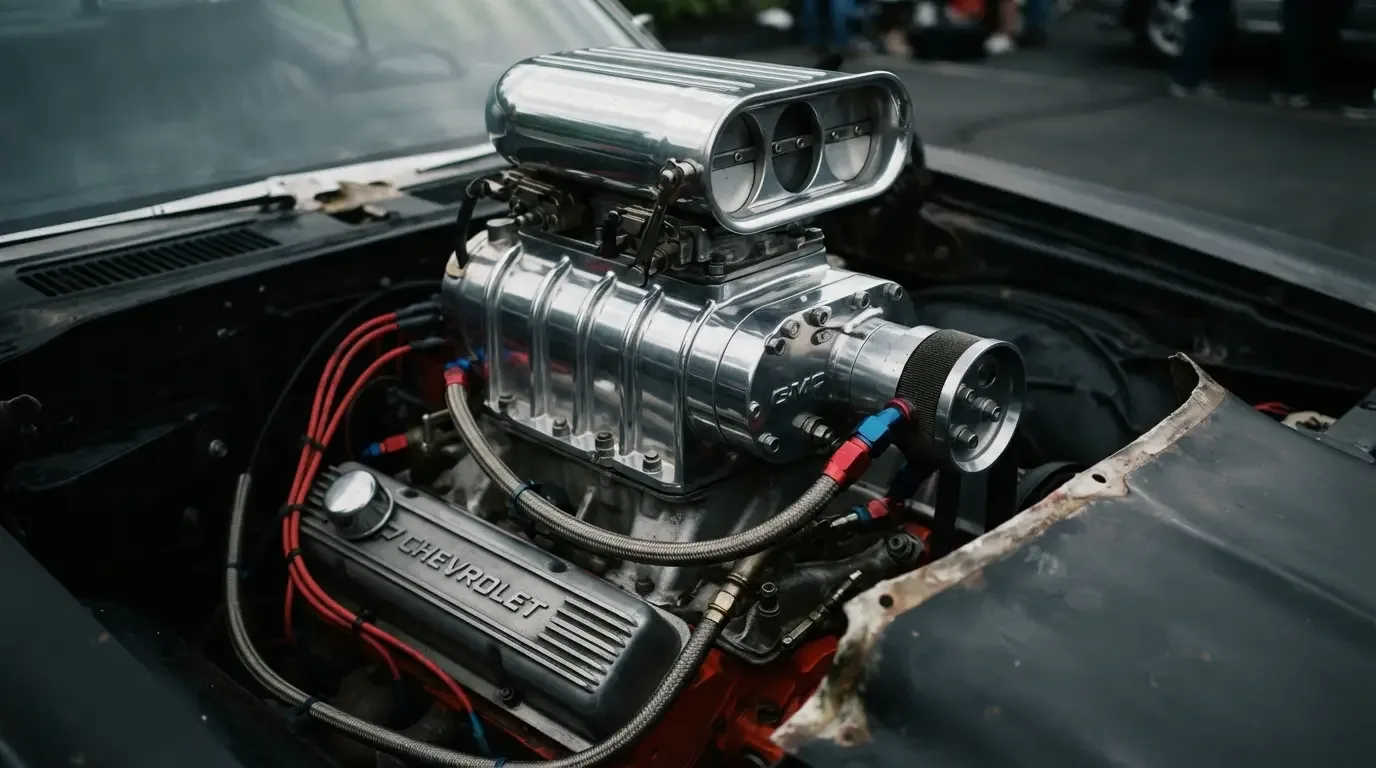
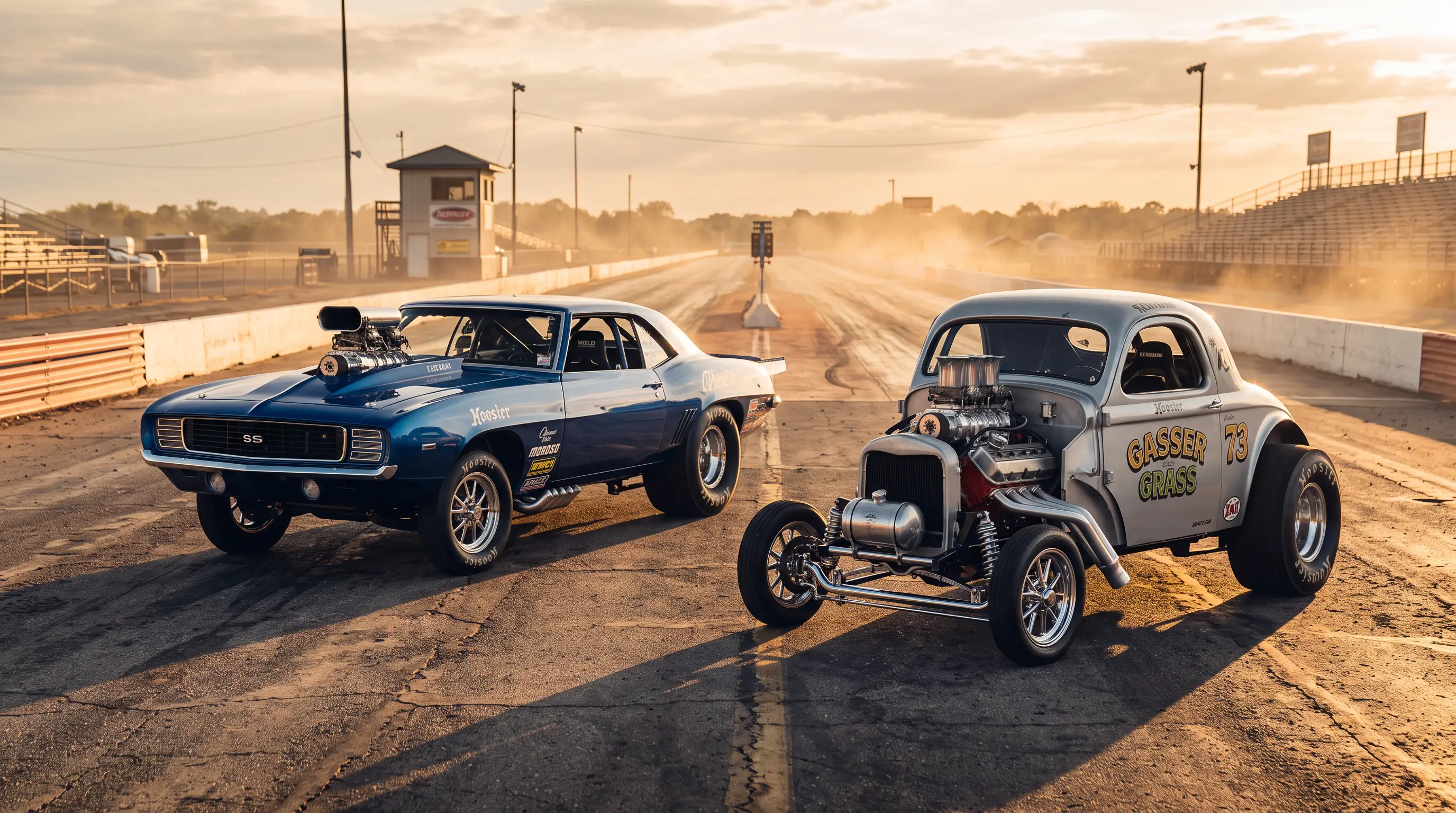
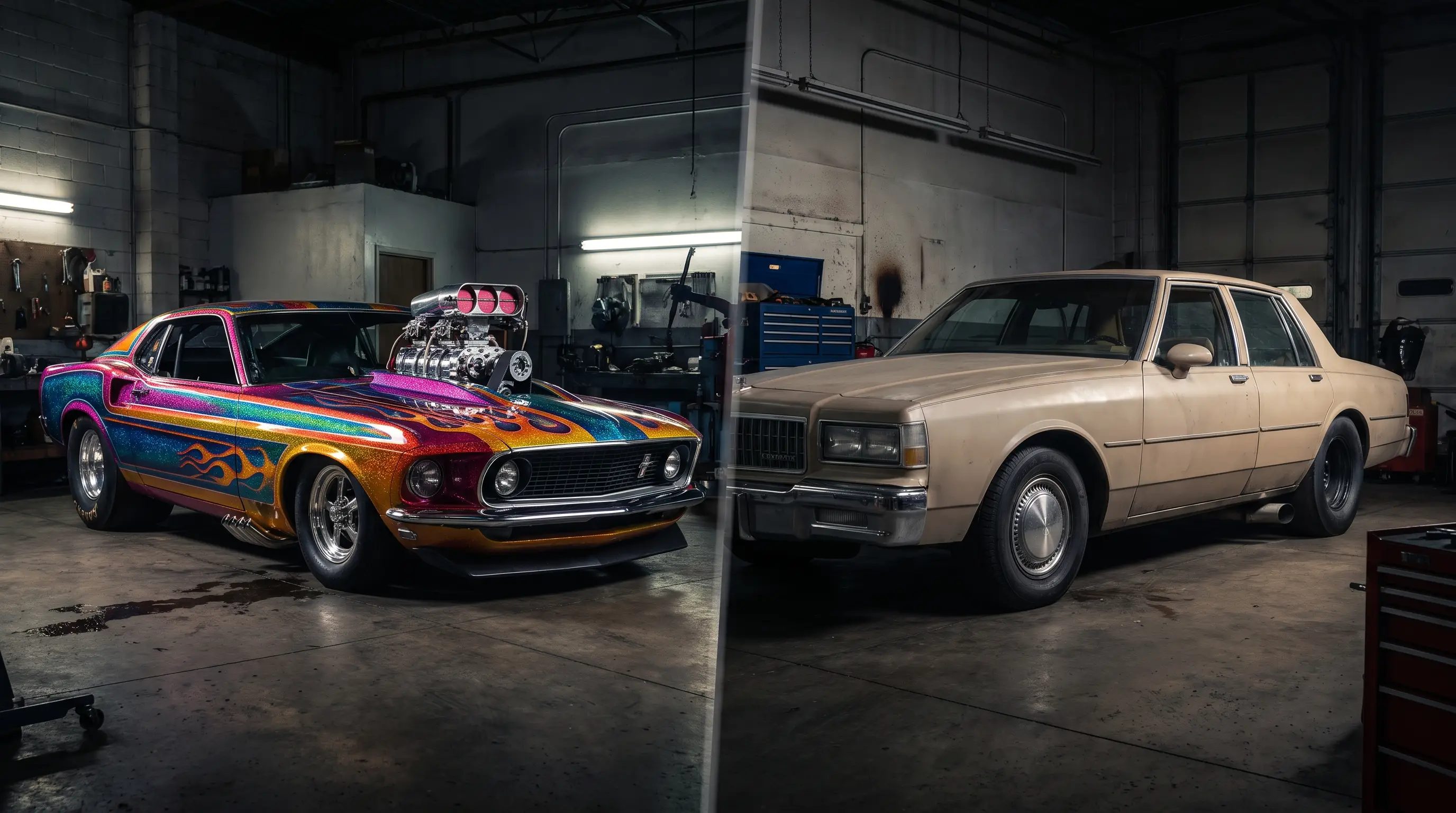
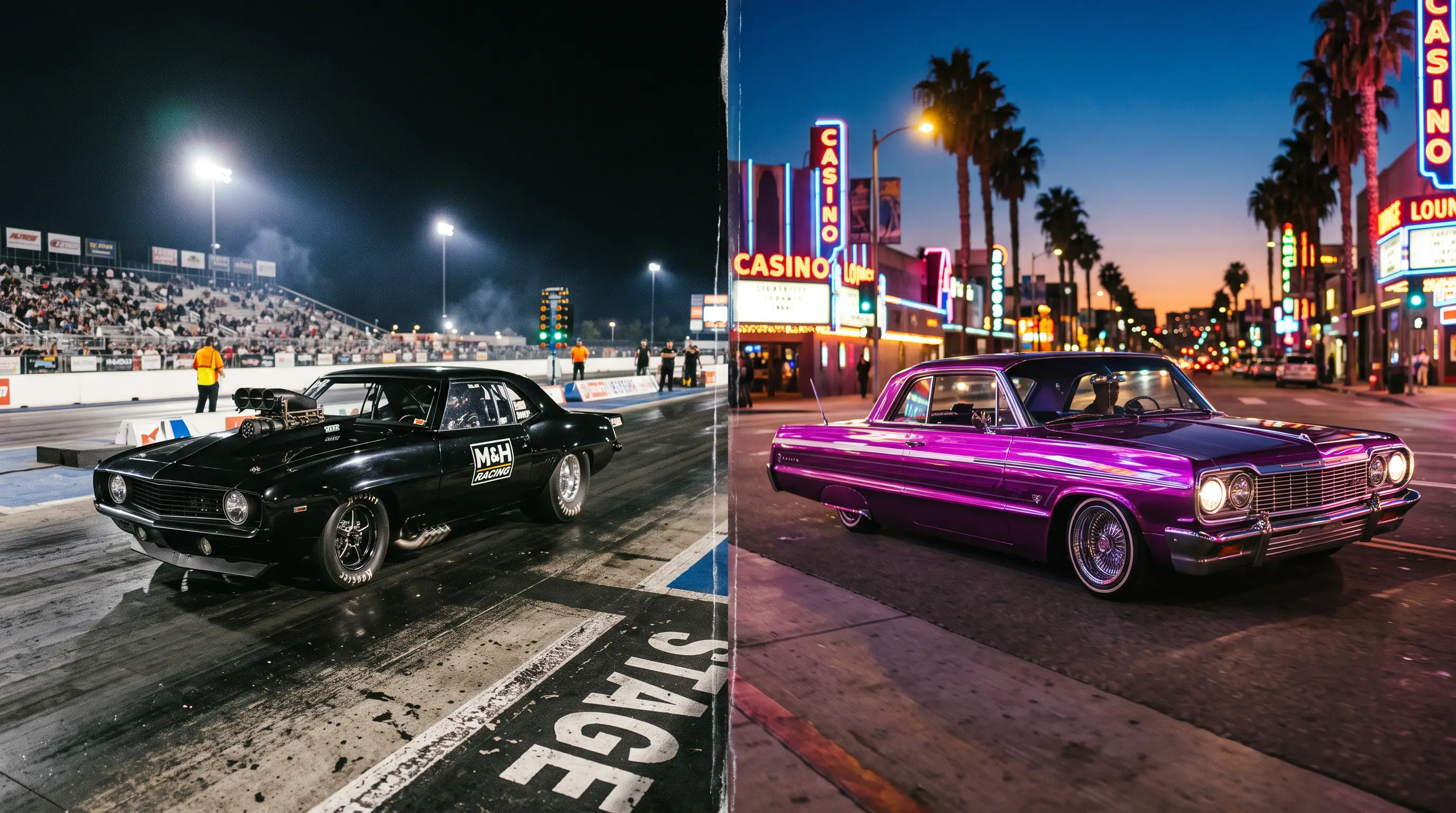
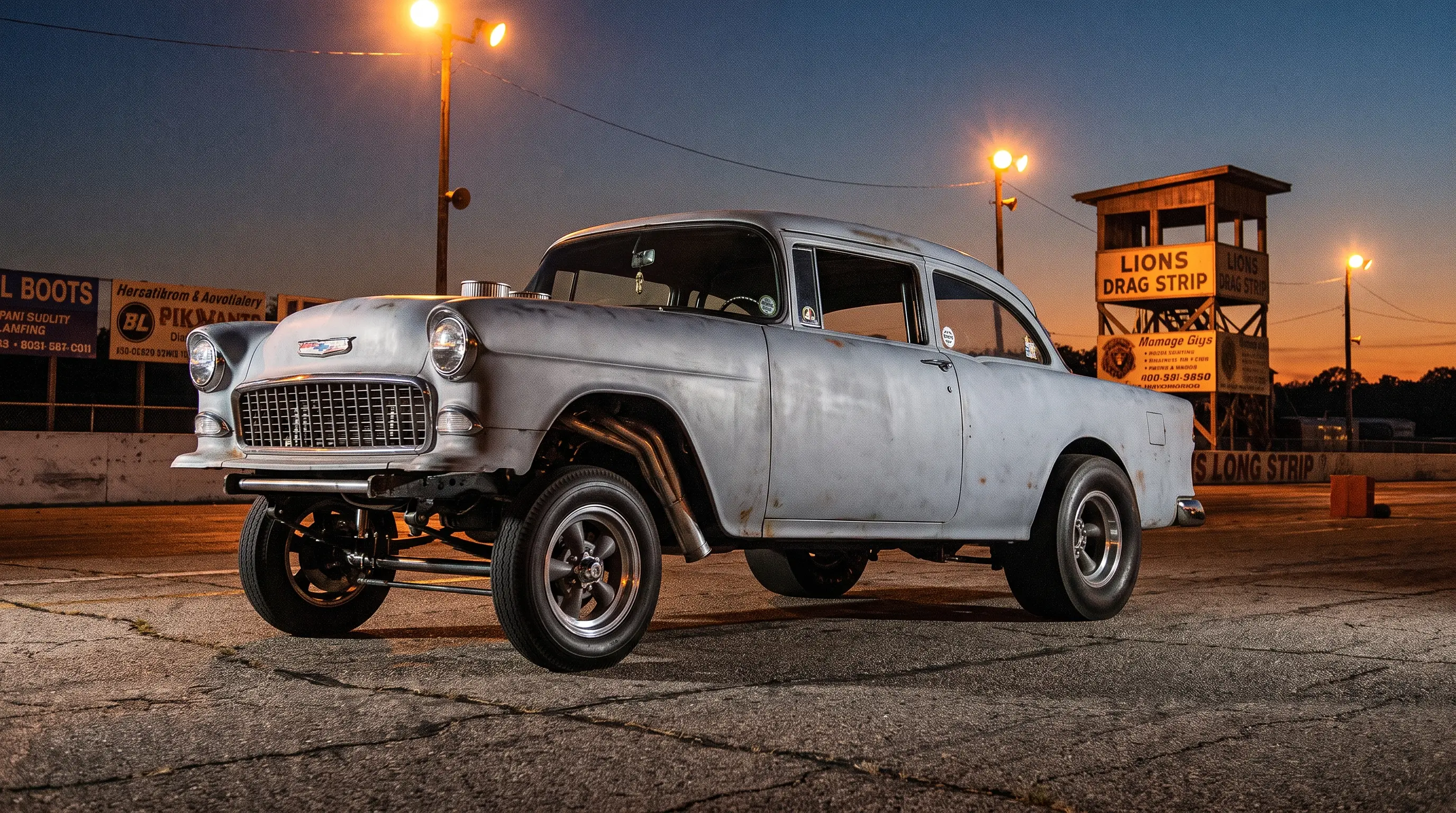
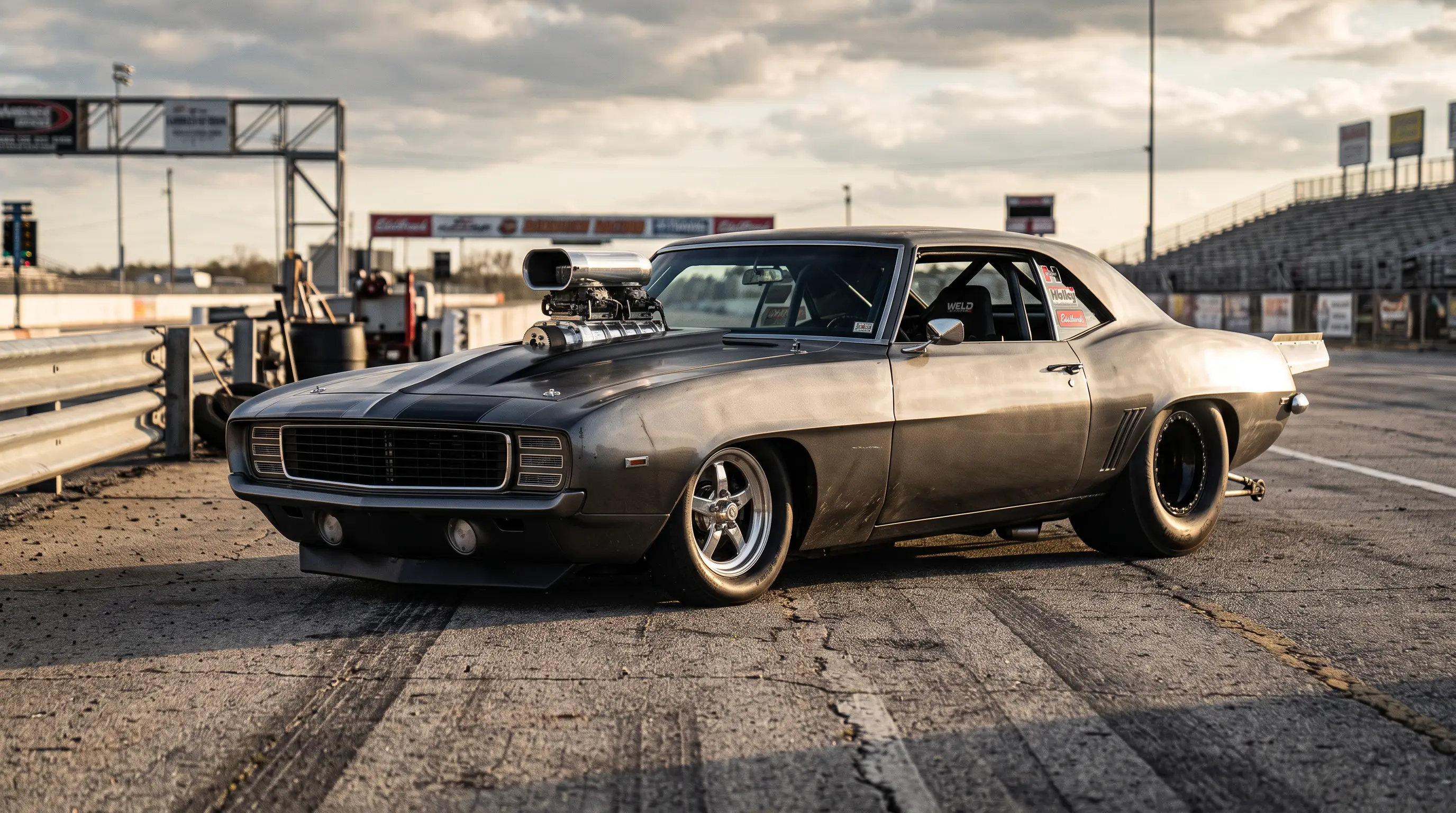
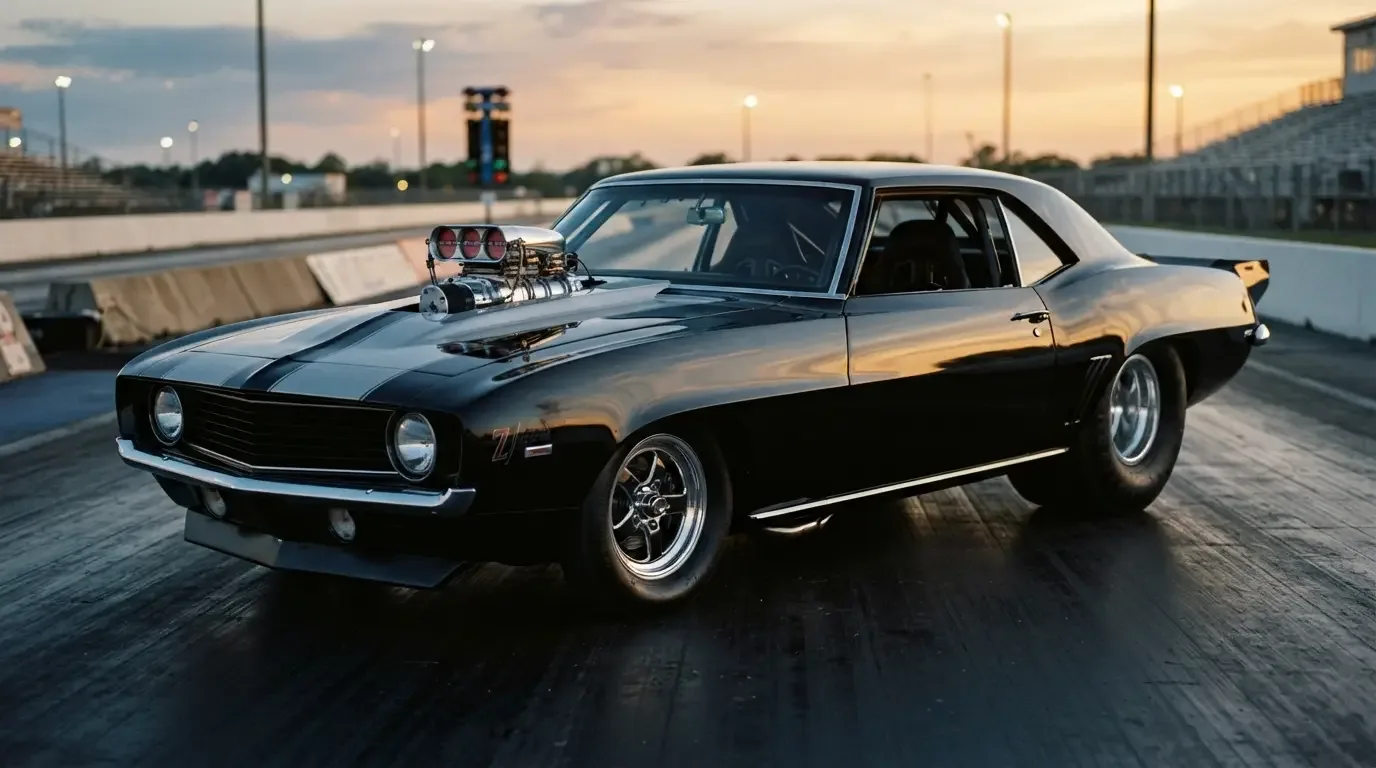
Pro Street started in the late 1970s and hit its stride through the 1980s. The idea was simple. Take a full-bodied muscle car or hot rod and build it to look like a Pro Stock drag car, then put a plate on it and call it a street car. That meant a narrowed rear end, big tubs, fat rear tires stuffed way up inside the body, skinny fronts, and usually a big-block wearing a blower or a mountain of carburetion poking through the hood.
The trick with Pro Street is that it was never really about going fast on the street. It was about looking like you could. A lot of these cars were miserable to drive. The tall engines blocked your view, the stiff chassis beat you up, and the fat rubber tramlined down every rain groove on the interstate. Nobody cared. The look was the whole product. If you want the full history of how the movement started and where it went, the pro street cars story lays it out from the roots forward.
Pro Touring: the corner-carver
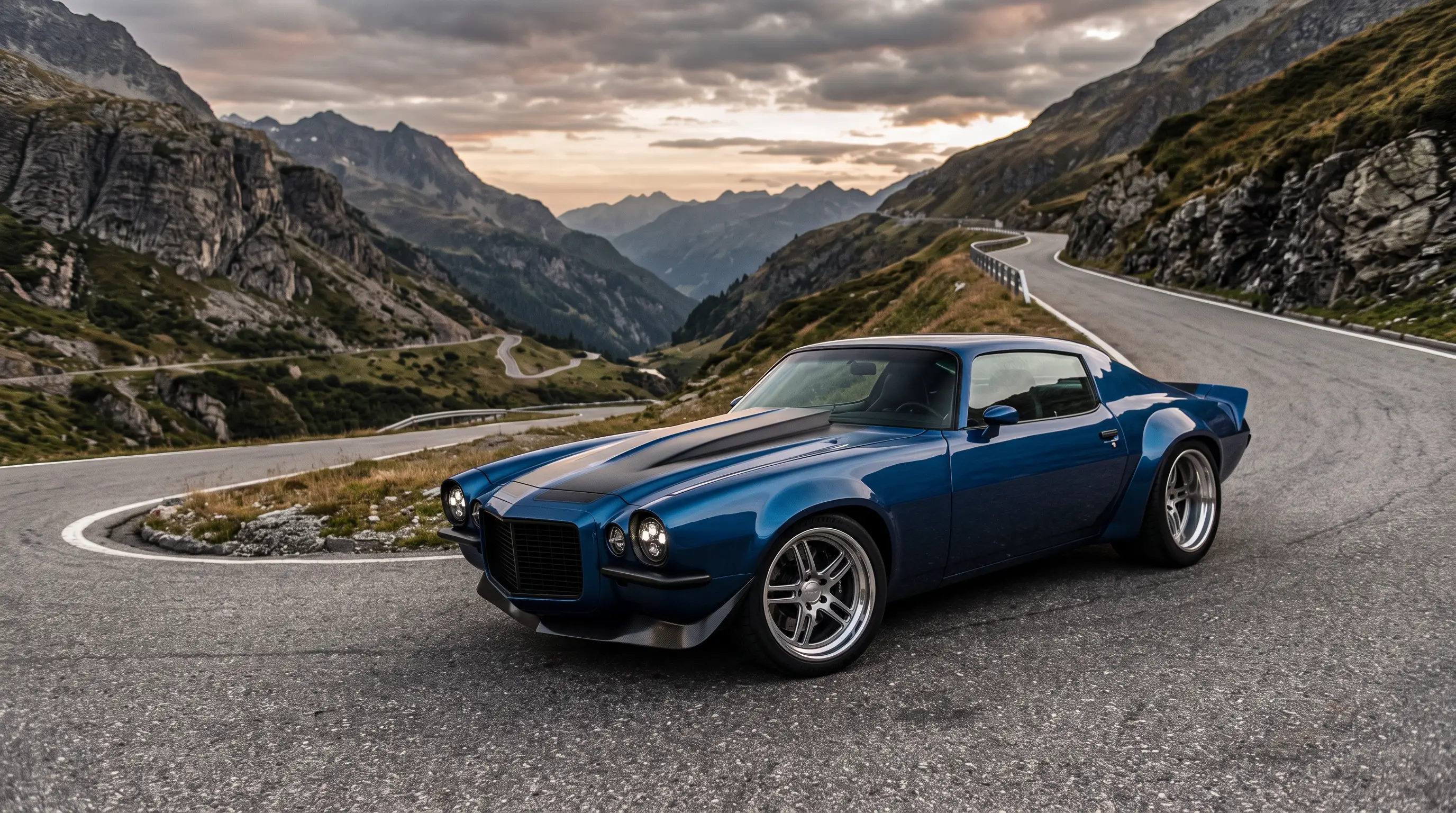
Pro Touring showed up later, really taking off in the 1990s and 2000s. The whole point was the opposite of Pro Street. Instead of building a muscle car to go straight, you build it to turn, stop, and go all at once. Big brakes, wide tires all four corners, a modern suspension under the old body, a stout small-block or an LS swap, and a stance that sits flat instead of jacked in the back.
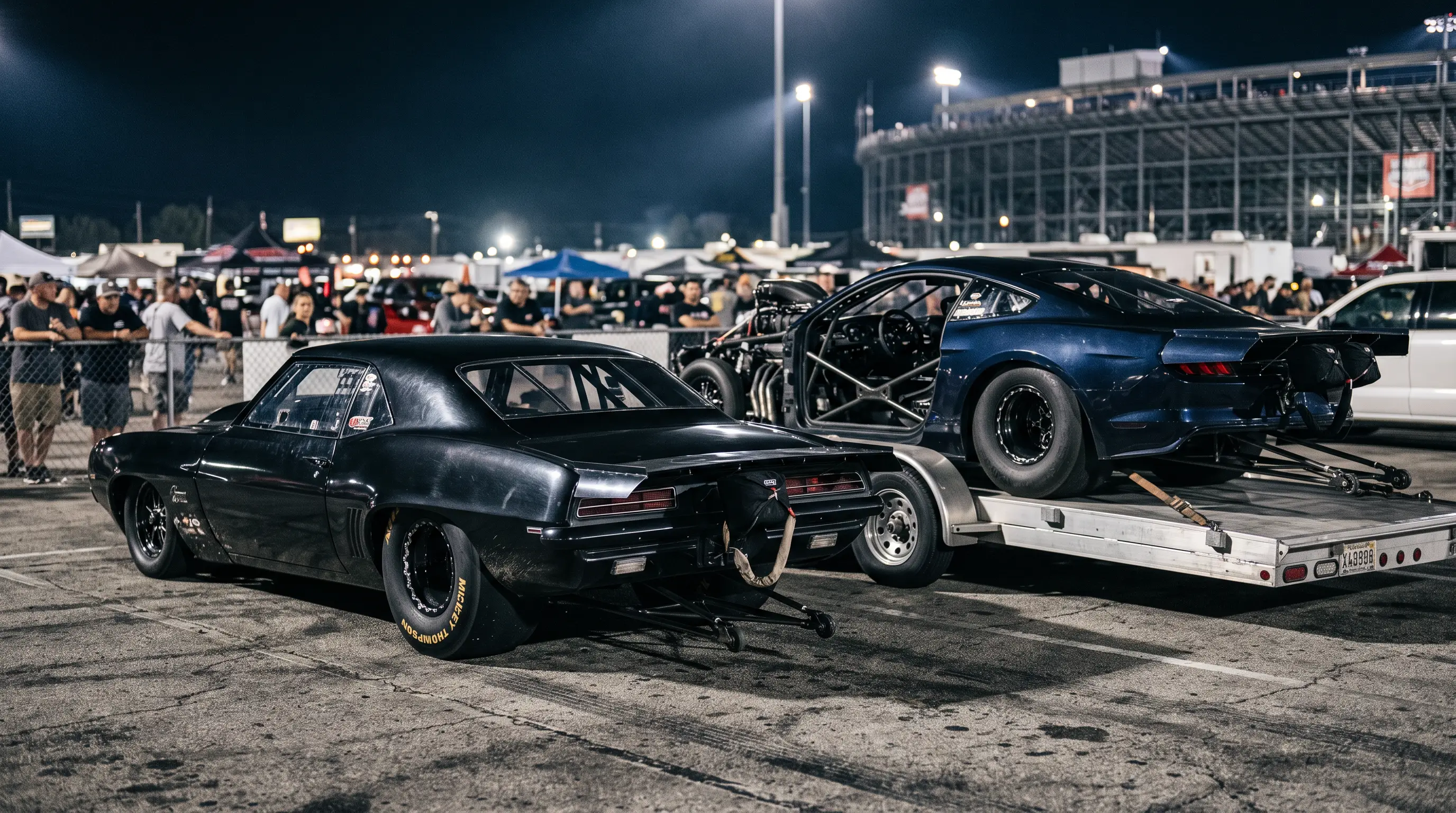
A Pro Touring car is meant to be driven hard, and driven far. These cars run autocross events and open-track days. They get put on trailers a lot less than Pro Street cars did. The philosophy is that an old Camaro or Chevelle should be able to embarrass a modern sports car in the corners, not just the quarter mile. It is a completely different mission, even when the starting body is identical.
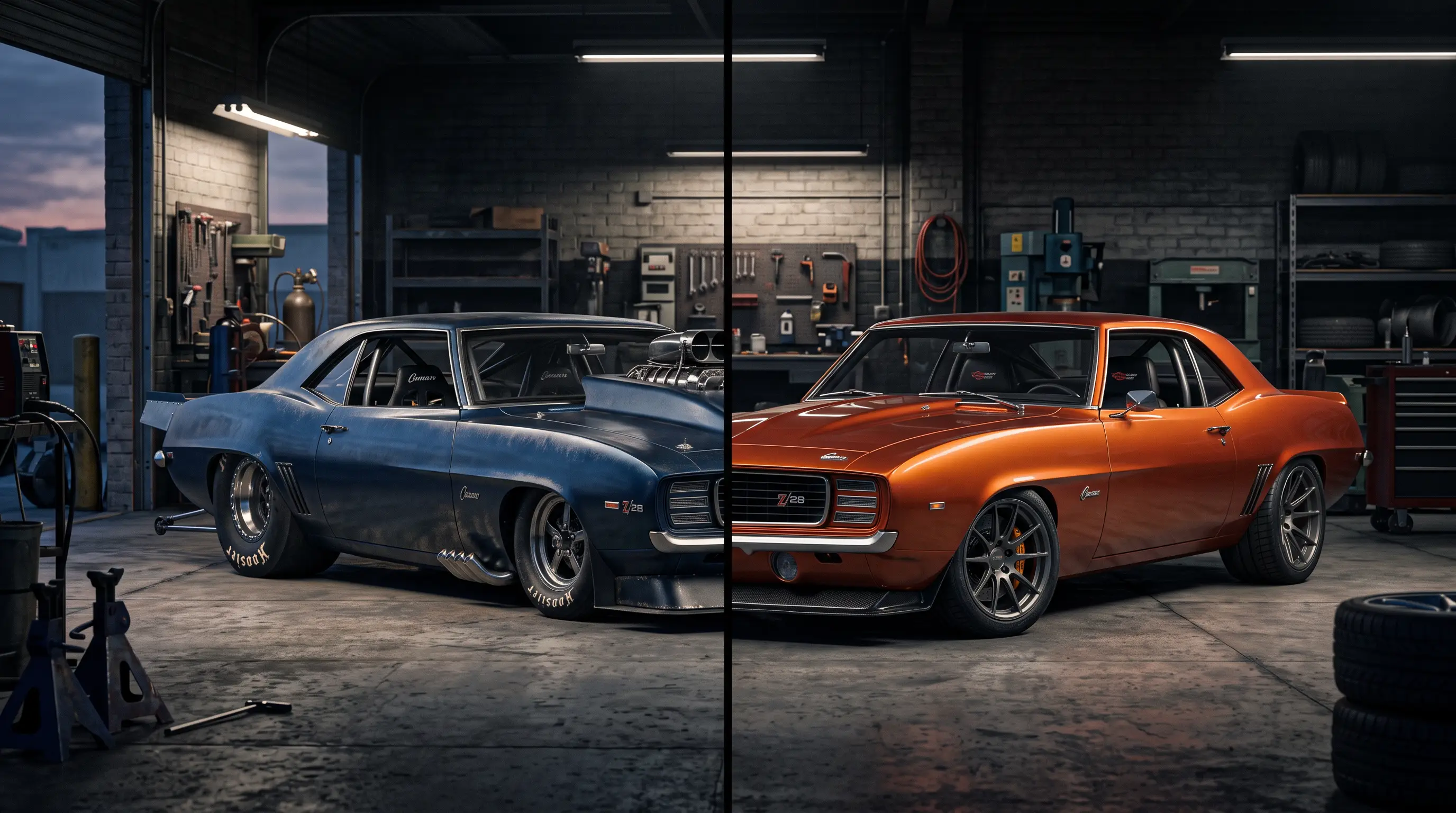
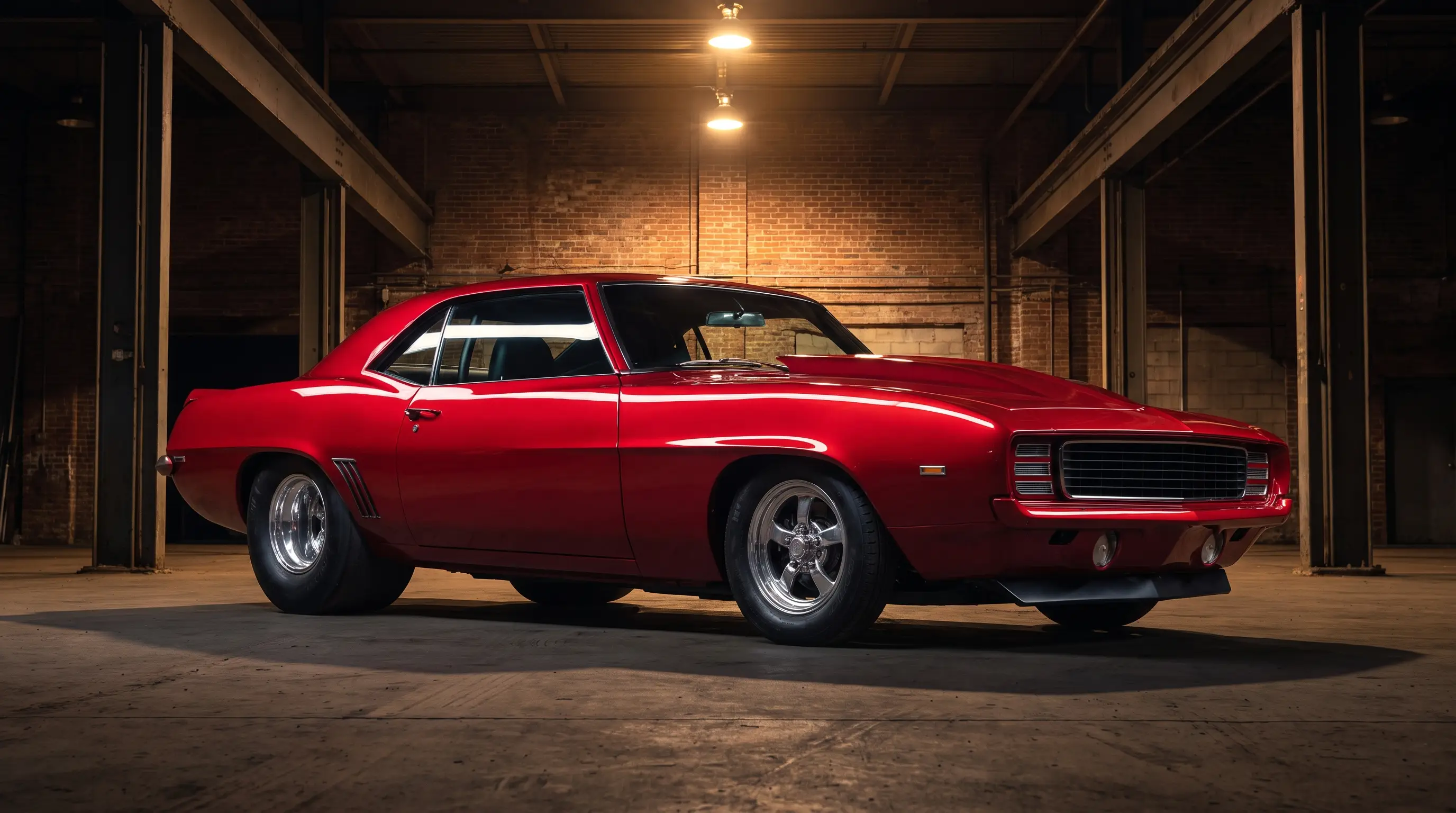
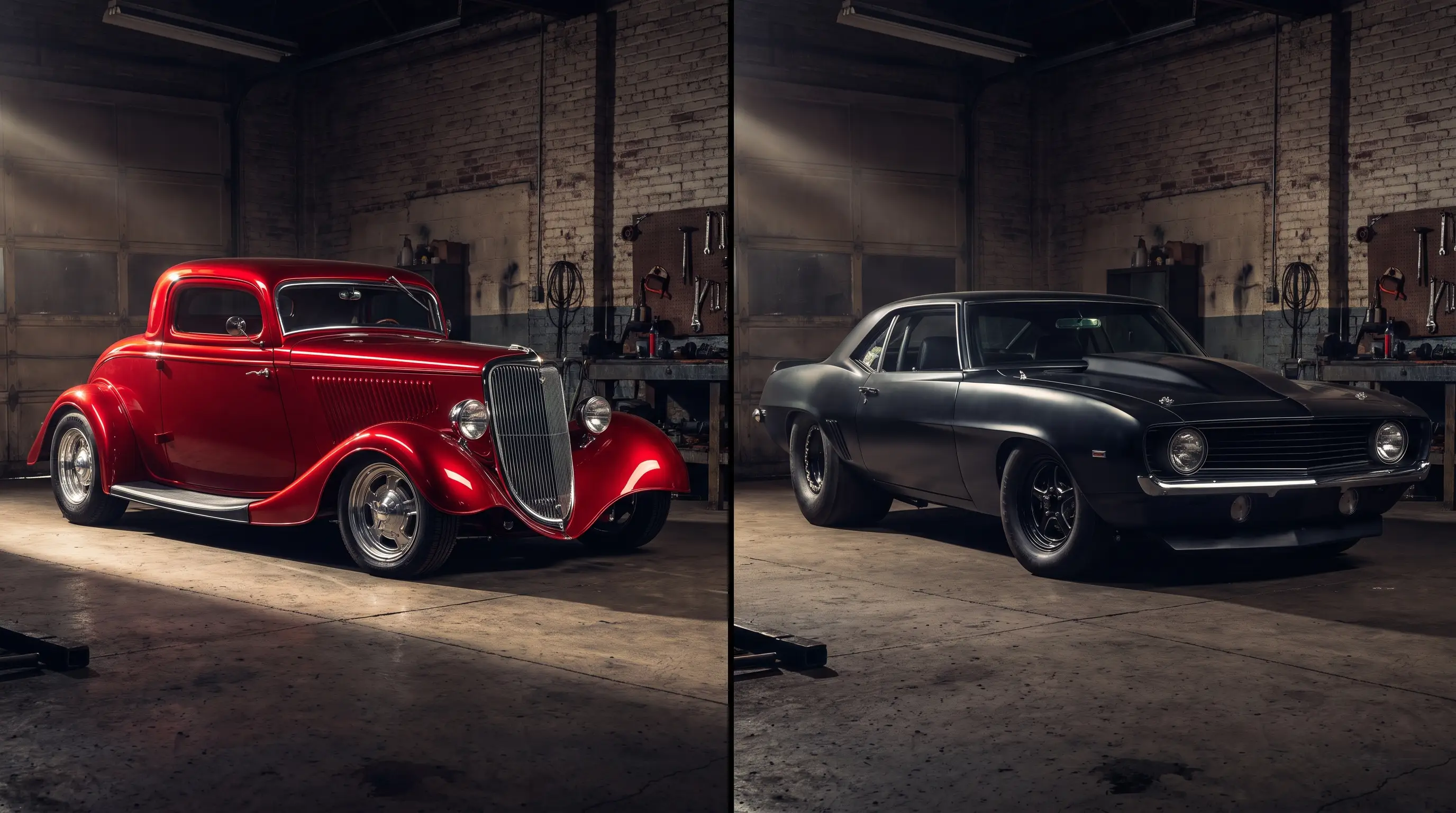
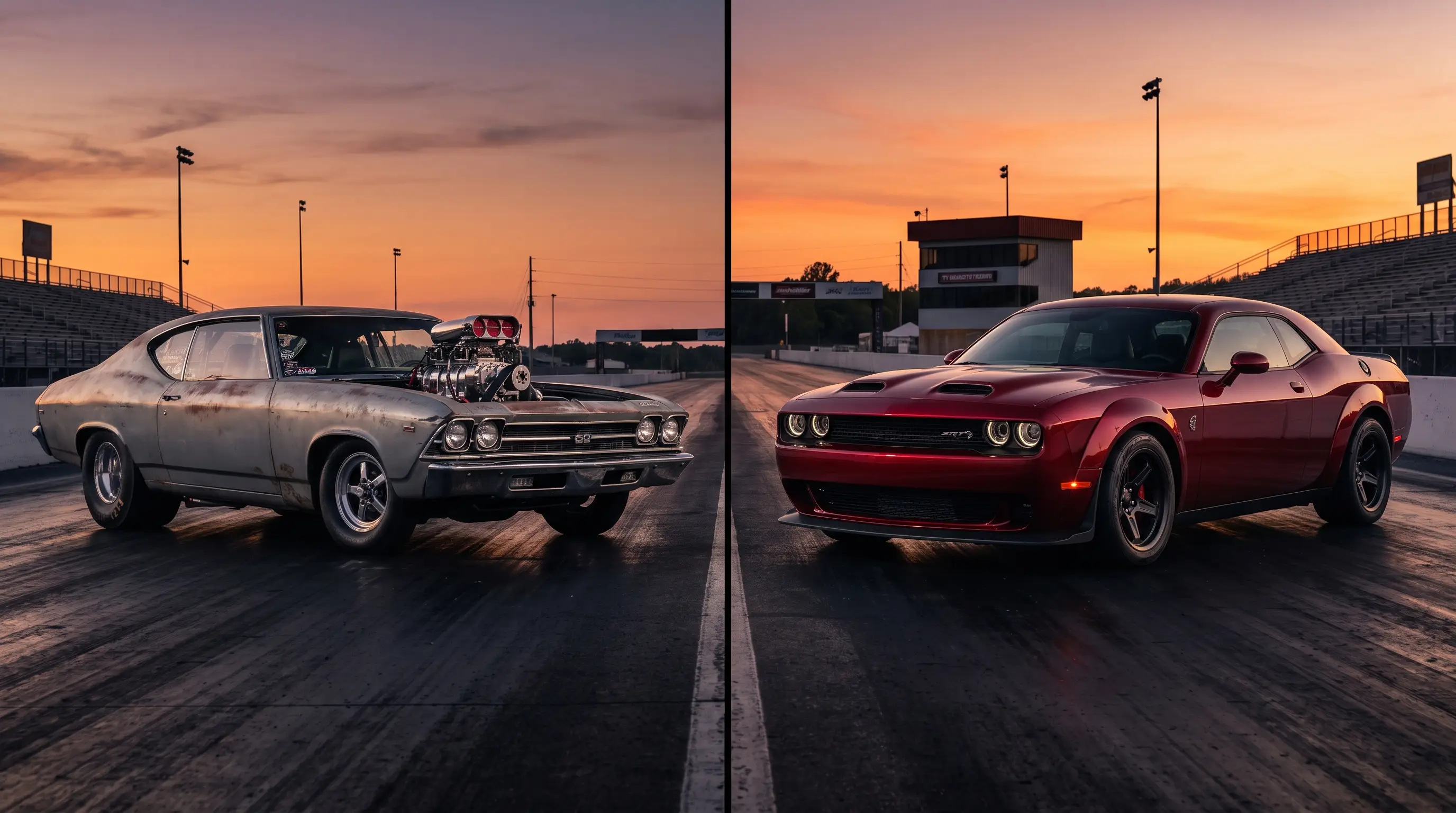
Here is the plain difference. Stand behind both cars. The Pro Street car has skinny front tires and a fat, tall rear stance built for traction off the line. The Pro Touring car sits level with meaty tires at all four corners built for grip in a corner. The rake tells you the mission before you ever hear the engine start.
The rest of the family
Pro Street and Pro Touring get the headline fight, but they are not the only two styles sharing the same garage. A few others matter, because a car for sale will get described with these terms and you should know what they mean.
| Style | Core mission | Tell-tale sign | Peak era |
|---|---|---|---|
| Pro Street | Drag look on the street | Tubbed rear, blower through the hood | 1980s |
| Pro Touring | Handling and braking | Level stance, wide tires all around | 2000s |
| Restomod | Comfort and reliability | Modern drivetrain, factory-ish stance | 2010s |
| Resto | Factory-correct restoration | Date-coded parts, stock everything | Ongoing |
| Sleeper | Fast and plain | Stock body, hidden power | Ongoing |
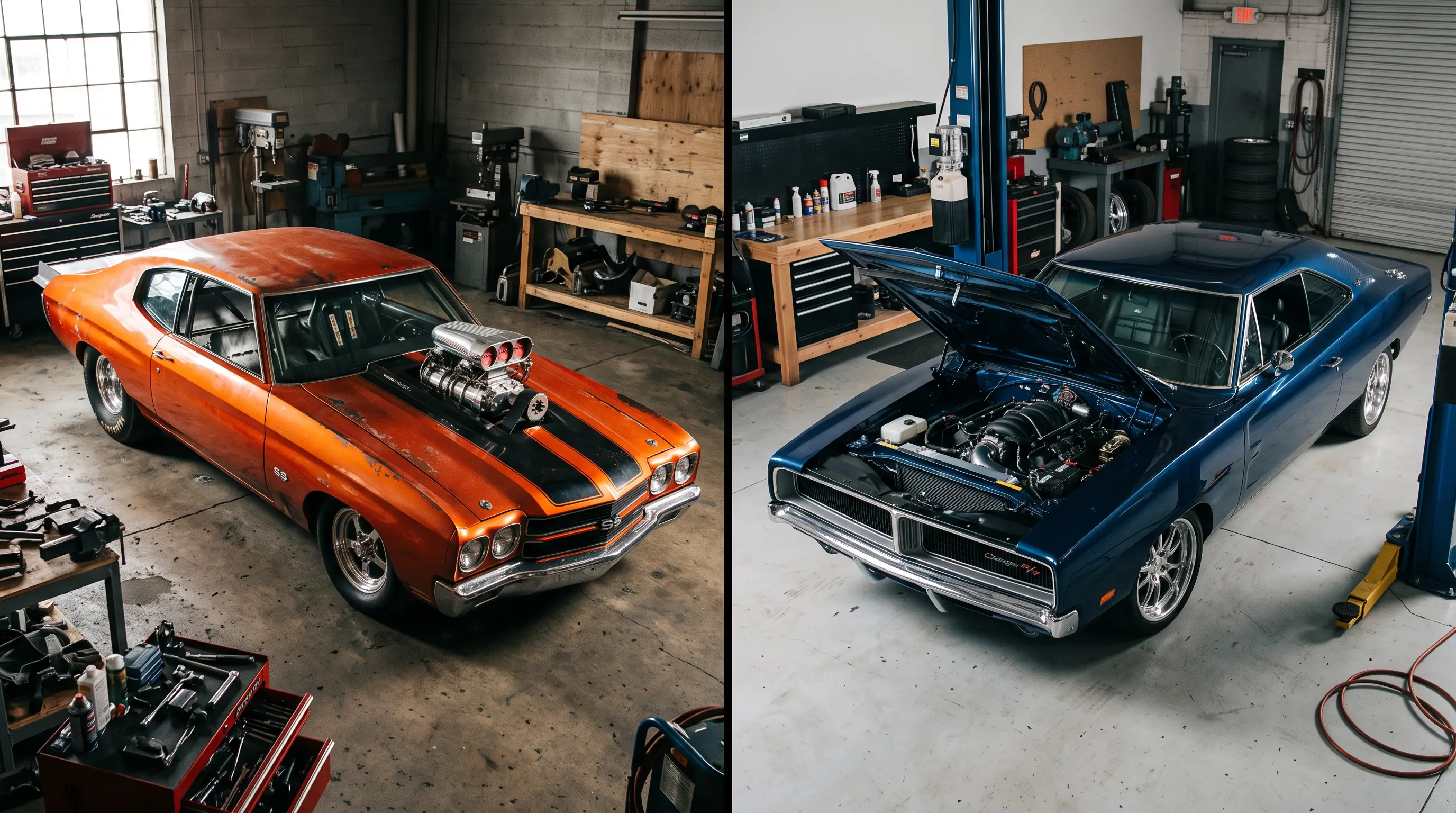
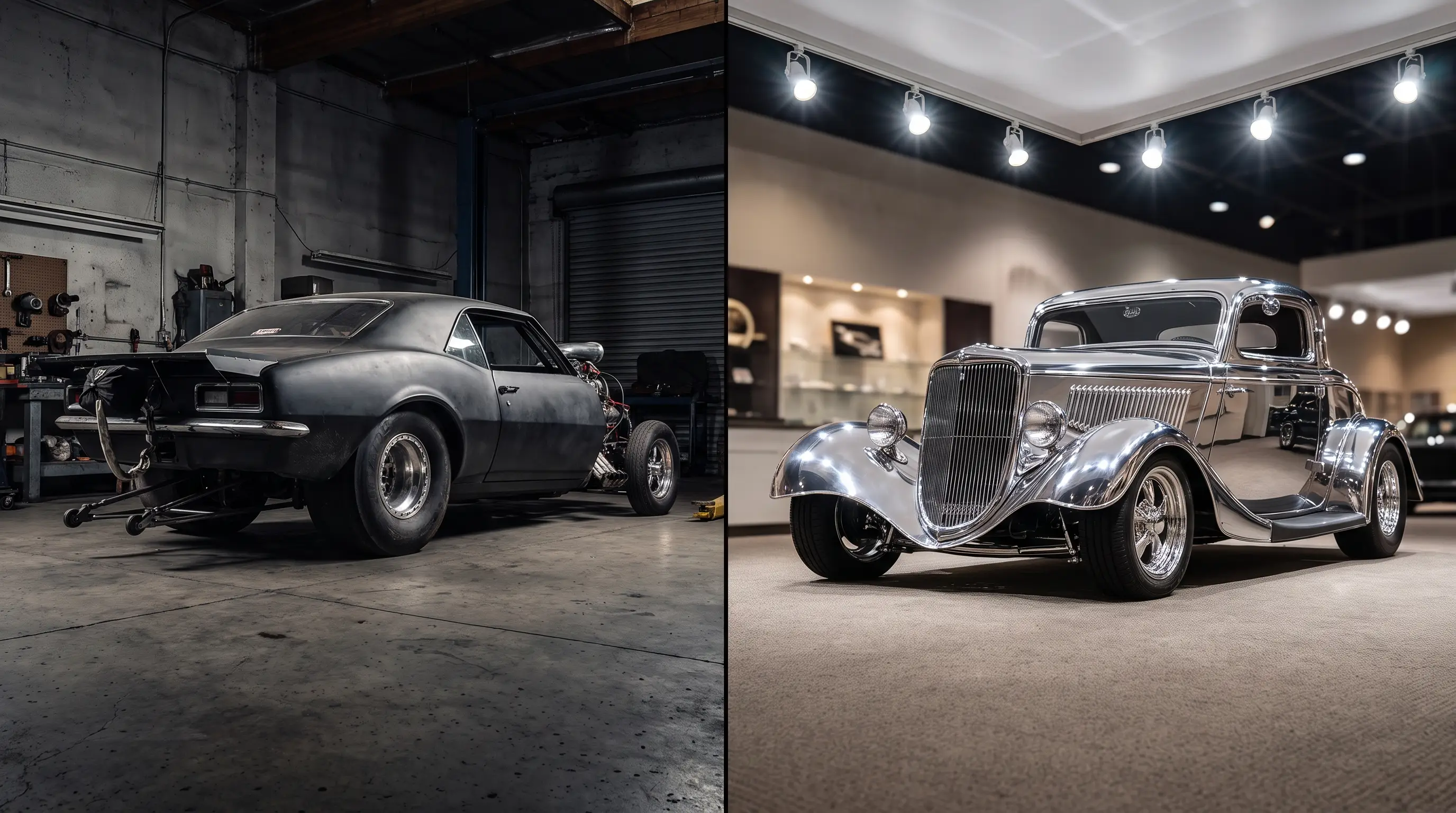
A restomod is the sensible cousin. It keeps the body looking mostly stock but stuffs modern brakes, air conditioning, fuel injection, and an overdrive transmission underneath. The goal is a car you can drive to another state without a chiropractor appointment. A sleeper is the opposite of Pro Street in attitude. It hides all the power under a stock, boring-looking body so nobody sees it coming. Where Pro Street shouts, the sleeper whispers.
Where the styles actually overlap
This is where guys get into trouble at the swap meet. A lot of parts cross over between styles, so you cannot judge a car by any single component. A big-block does not make it Pro Street. A wide tire does not make it Pro Touring. You have to read the whole car.
Take the tubs. Pro Street cars are tubbed to fit huge rear tires. But some Pro Touring and drag-radial cars have mild tubs too, just done differently and to a smaller degree. Take the engine. Pro Street loves a blown big-block, but plenty of modern Pro Street cars run LS power now, which used to be strictly a Pro Touring move. The lines have blurred over the years, and a lot of newer builds borrow freely from both camps. That is not cheating. It is just where the hobby went.
"I stopped arguing about labels years ago. Pop the hood, look at the stance, look at the tire, and the car tells you what it wants to be. The badge on the fender does not decide it. The build does."
- Mike Sullivan
What each style costs you to live with
Nobody talks about this part enough, so I will. These styles do not just look different, they live different. A Pro Street car is a commitment to discomfort. The stiff chassis, the tall engine blocking your view, the fat tires wandering across every seam in the road. You do not daily drive one. You drive it to the show, you park it, you enjoy it, and you accept that it was built to be seen more than used. That is not a knock. It is just the deal you sign.
A Pro Touring car asks for a different kind of patience. It will corner and stop like something modern, but you paid for that with a busy, firm ride and usually a stripped, purposeful interior. A restomod is the one you can actually live with. Cold air conditioning, an overdrive so the engine is not screaming at highway speed, brakes that work in traffic. If your plan is to drive the thing regularly, the restomod wins on comfort every time, and the resto wins on originality if you care about that instead.
So the buying question is really a lifestyle question. What do you want the car to do on a random Saturday? Sit at a show and draw a crowd, run an autocross, or take a four-hour road trip without punishing you? Answer that honestly and the right style picks itself. A lot of buyer's regret in this hobby comes from people falling for the look of one style while needing the manners of another.
How to tell them apart in a parking lot
You do not need a lift or a spec sheet to sort these out. You need about thirty seconds and a decent eye. Here is my quick field guide for the next time you are walking a show and want to know what you are actually looking at.
Which one is right, and which one holds up
People ask me which style is better, and that is the wrong question. They are built for different reasons. If you want a car that turns heads at a show and looks like it belongs on a 1985 magazine cover, Pro Street is exactly right. If you want to actually flog the thing on a road course and drive it home, Pro Touring is your answer. Neither is wrong. They are just different jobs.
What has changed is how the market treats them. For a long time Pro Street was out of fashion. The hobby chased handling and drivability, and the tubbed drag-look cars got called dated. That has turned around. The originals from the golden era are being recognized as genuine period pieces now, and the well-documented ones are getting respect and money they did not get fifteen years ago. If you are shopping, it is a good time to look at what is out there. You can see how the values compare when you browse classic Pro Street cars on the market and stack them against the Pro Touring builds sharing the same auction.
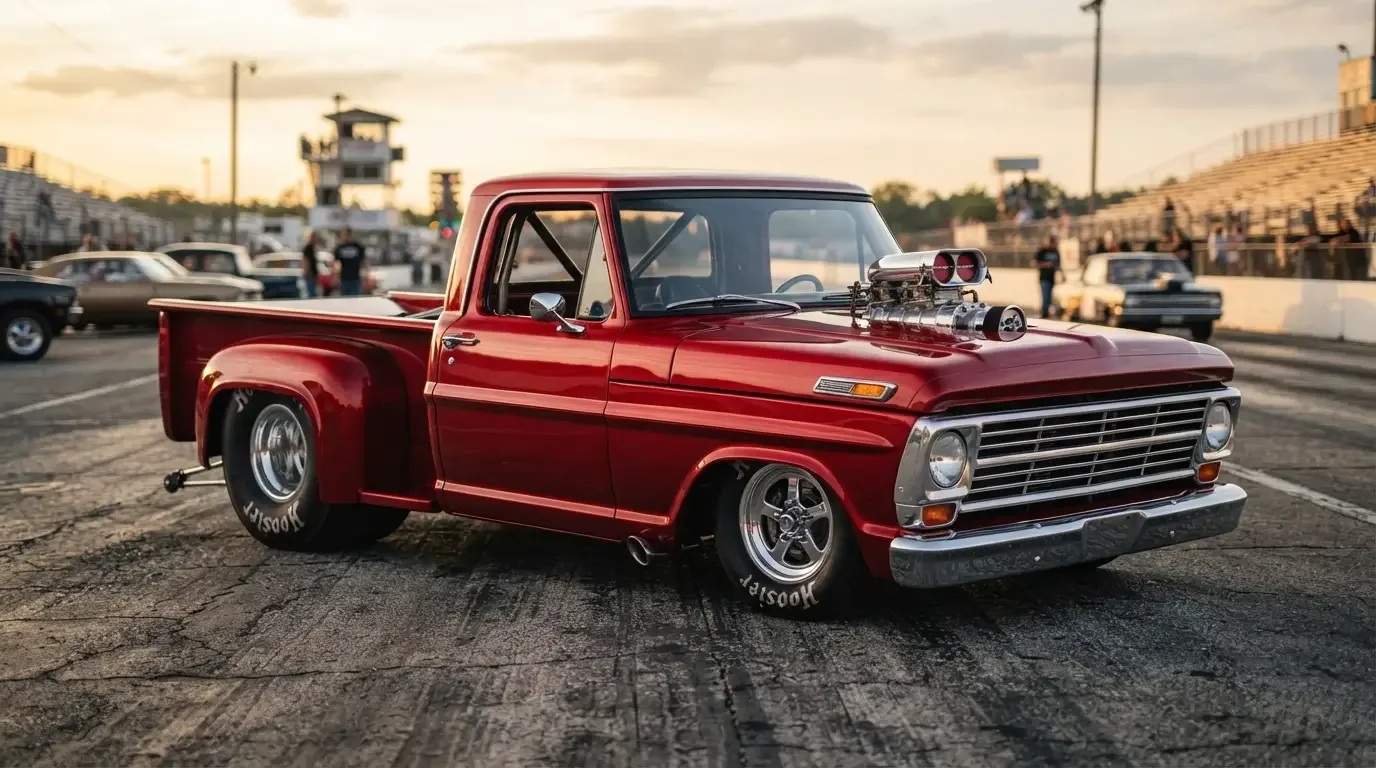
My honest take, and I have owned versions of most of these, is that the best car is the one built with a clear idea. A committed Pro Street car that knows exactly what it is beats a confused build that tried to be everything. The style does not matter as much as the conviction behind it. A car that picks a lane and commits will always look right, whether that lane is the strip, the corner, or the open road. And if all this has you curious where the movement went next, the trucks and oddball builds are the next chapter worth reading.
So the next time somebody tells you their tubbed Nova is Pro Touring, or their autocross Camaro is Pro Street, you will know better. Read the stance, read the tire, read the whole car. It will tell you the truth even when the owner gets the name wrong.
Sources and notes
- Defining Muscle Car Terms: Pro Touring, Pro Street and Street Freak (In The Garage Media)
- Pro Street vs Pro Touring (RacingJunk News)
- Pro Touring, Resto Mod, or Pro Street? (V8 Speed and Resto Shop)
- The History of the Street Machine Nationals (Street Machine Central)
- Racing Styles: Pro Street vs Pro Touring vs Stage Rally (eBay Motors)