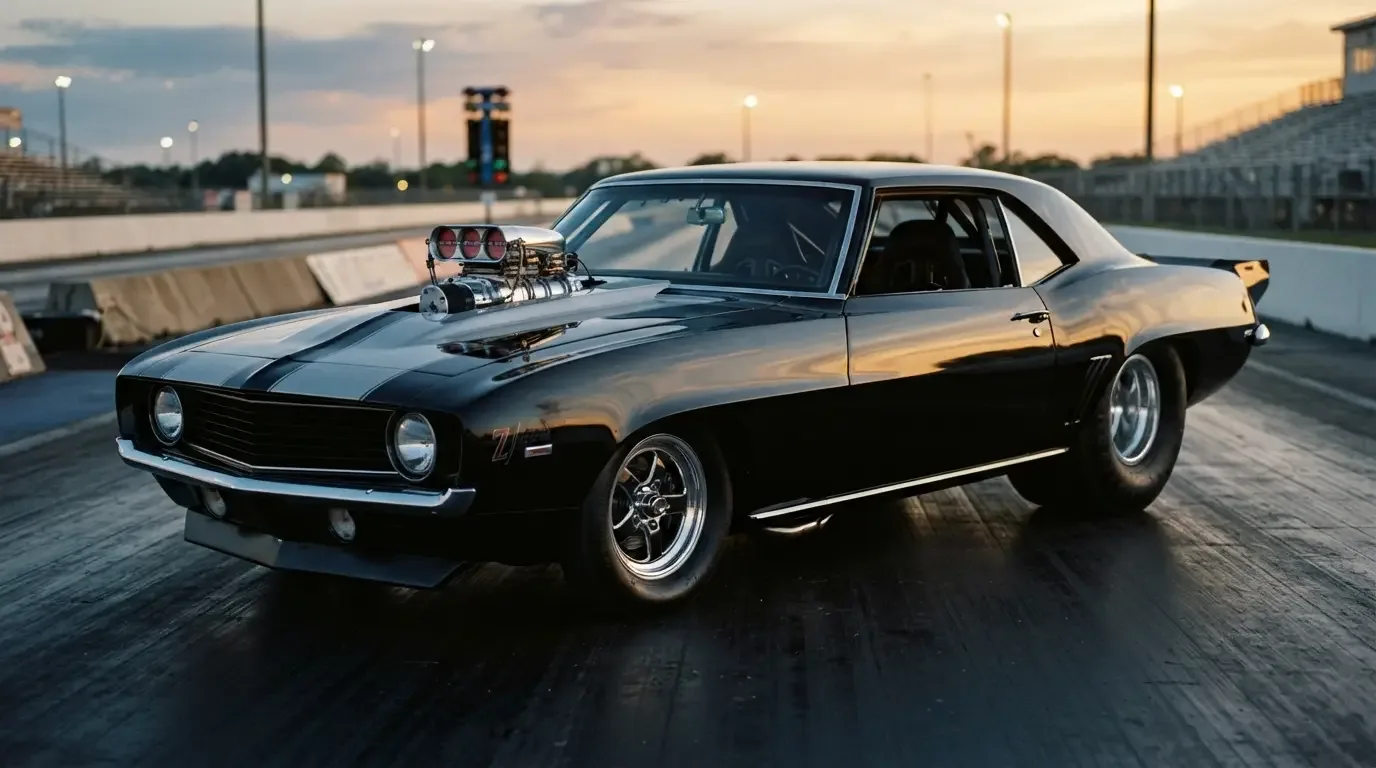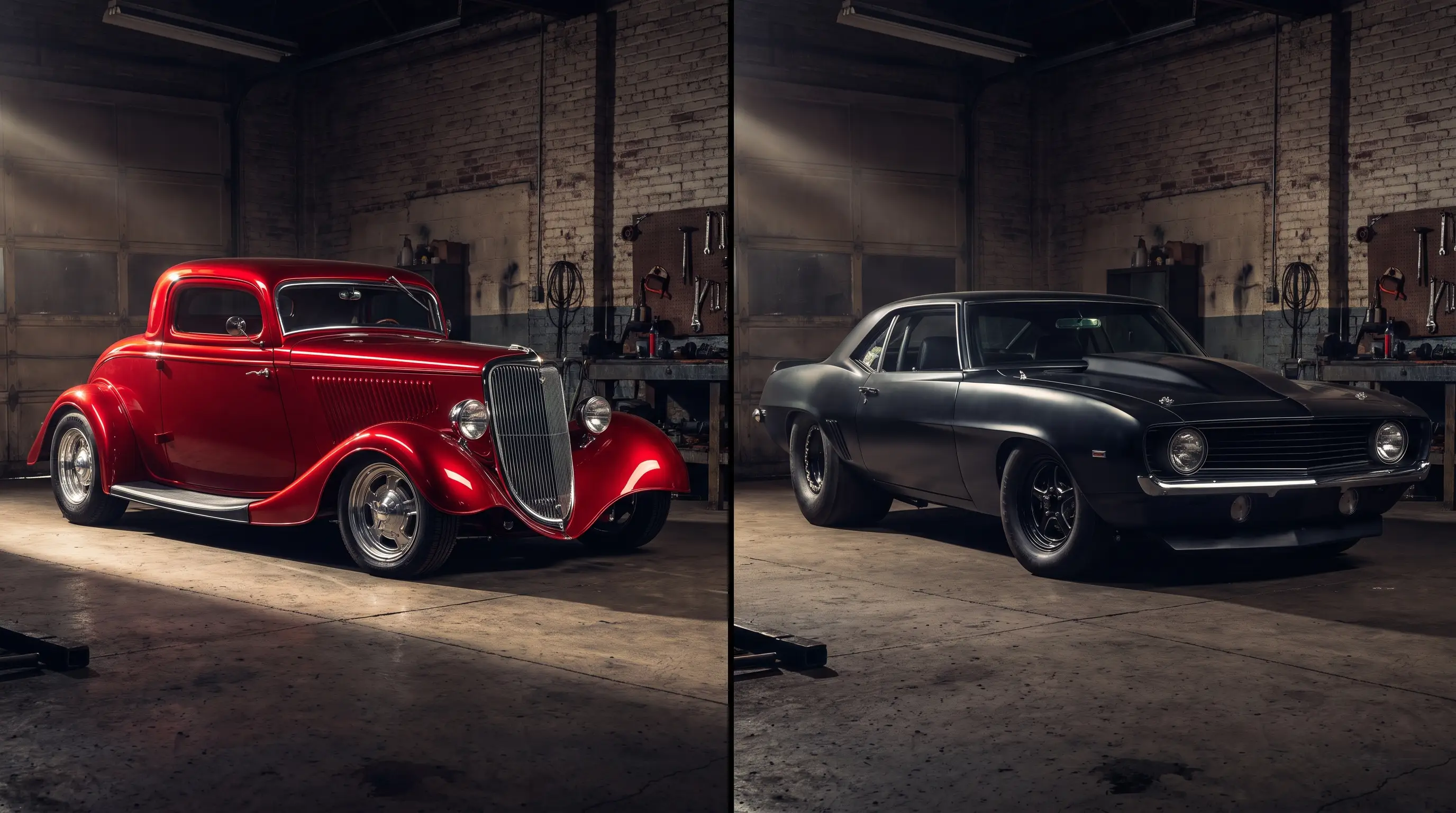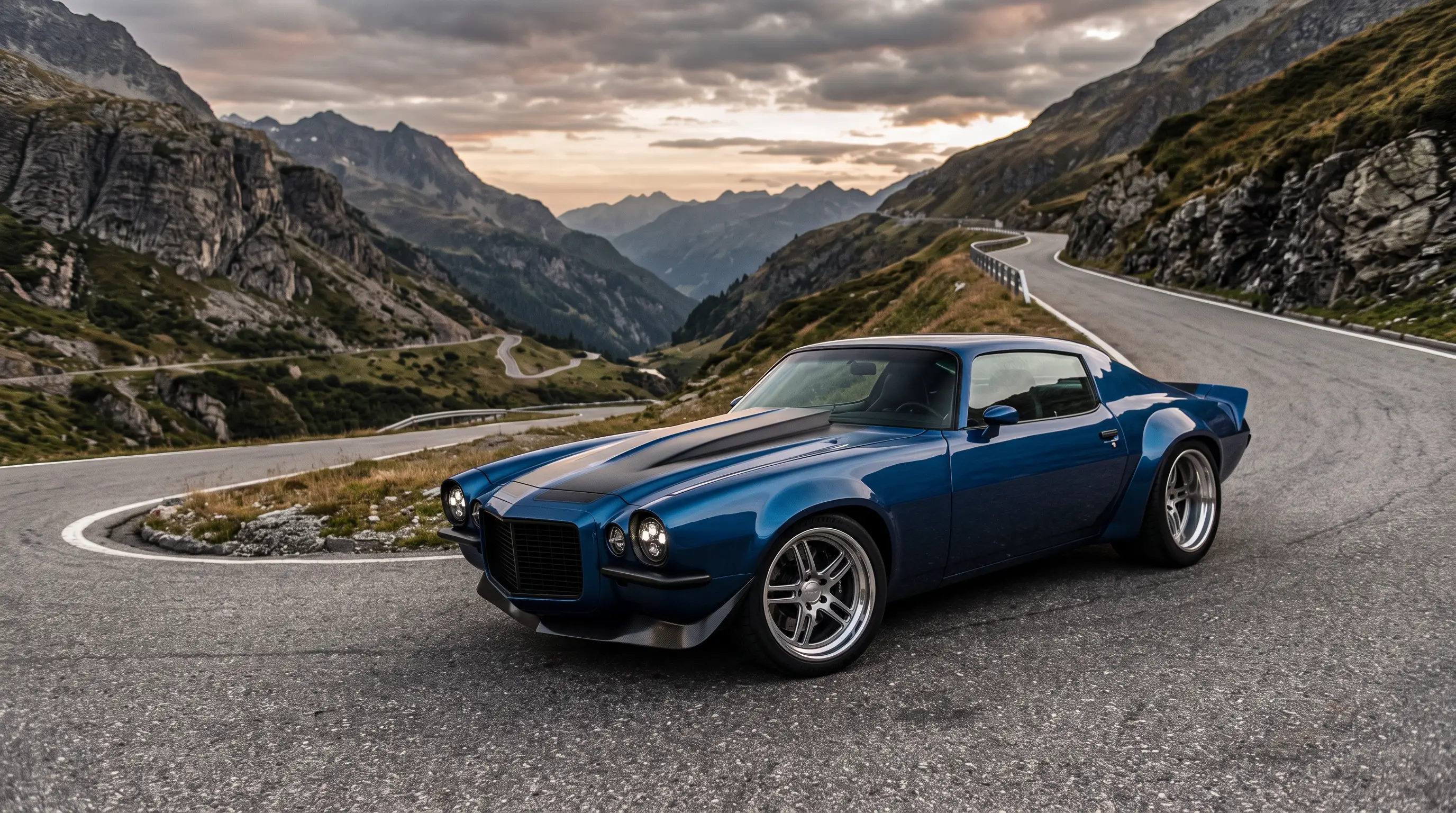
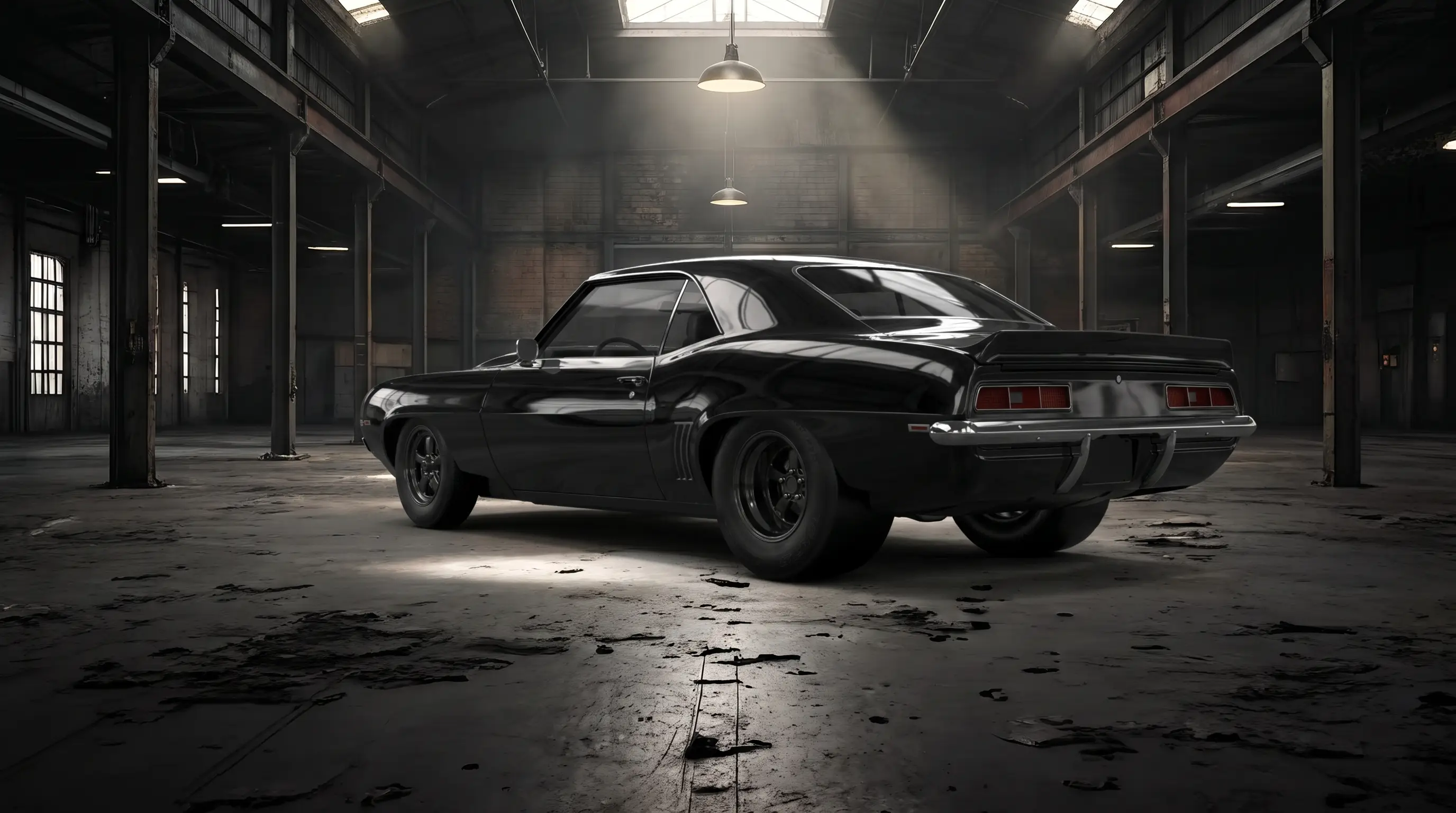
Tubbed versus non-tubbed is the question that sits underneath almost every Pro Street conversation, even when nobody says it out loud. Tubbing means cutting into the factory rear wheel wells and fabricating new, wider sections, called tubs, to clear a rear tire way bigger than anything the factory ever intended. Non-tubbed cars keep the stock wheel well dimensions and either run a smaller tire or find other ways to fit extra rubber. Both approaches showed up as Pro Street took shape in the late 1970s, and the argument over which one counts as "real" Pro Street has never fully settled.
Tubbed vs non tubbed, the split that defines the look
Tubbing a car means removing the inner wheel house structure and replacing it with a fabricated tub, usually rolled from sheet metal, that pushes the clearance out toward the center of the trunk or bed area. Done right, it lets a builder run a rear tire well over 30 inches wide on a car that rolled off the factory floor with room for something a third that size. It's serious structural work. A bad tub job weakens the chassis and can create handling problems that show up exactly when you don't want them to, under hard acceleration.
| Aspect | Tubbed | Non-Tubbed |
|---|---|---|
| Rear wheel wells | Cut and widened, fabricated tubs | Stock dimensions, unmodified |
| Max practical tire width | Very wide, often 30+ inches | Limited by stock wheel well size |
| Structural work required | Extensive, cuts into the chassis | Minimal to none |
| Reversibility | Difficult, essentially permanent | Easy to return to stock |
Why some builders skip tubbing on purpose
Non-tubbed Pro Street builds run a tire that fits, or nearly fits, inside the stock wheel wells, sometimes with minor trimming rather than full fabrication. Builders choose this route for a few honest reasons. It keeps the car's resale value higher since the chassis was never cut. It's a faster, cheaper build since there's no fabrication labor involved. And for guys who plan to eventually put the car back closer to stock, or who just don't want to commit to permanent chassis surgery, staying non-tubbed keeps that door open. The tradeoff is obvious: less tire, less of that signature Pro Street stance.
"Tubbing is a one-way door. Once you've cut those wheel wells, you're not putting the car back to stock on a slow Sunday afternoon. Know that going in."
- Mike Sullivan
How judges and buyers actually read the difference
At a show, a tubbed car reads as committed. Anybody looking underneath knows the owner made a permanent decision and backed it with real fabrication money. That commitment carries weight with a certain crowd of buyers and judges who see tubbing as proof the build is more than cosmetic. A non-tubbed car reads differently, sometimes as a work in progress, sometimes as a deliberate choice by an owner who values a car that still drives close to stock. Neither reading is wrong, but a shopper needs to know which story a seller is telling before assuming a smaller tire means a less serious build.
What it means for the way the car actually drives
A properly tubbed car with a genuinely wide rear tire puts down power in a way a non-tubbed car simply cannot match, more contact patch means more traction off the line. But that extra width comes with real compromises: a stiffer ride from the wider tire and reworked suspension geometry, reduced trunk space since the tubs eat into it, and a repair bill that grows if the fabrication work wasn't done to a high standard in the first place. A non-tubbed car rides closer to stock, handles more predictably at street speeds, and costs less to insure and maintain, but it never delivers that same visual and mechanical drama a tubbed rear end provides.
The history behind why tubbing became the standard
Early Pro Street builders in the late 1970s and early 80s didn't invent tubbing out of nowhere. They borrowed the idea straight from Pro Stock drag cars, which had been running wide tires under factory-style bodies at the strip for years already. What changed was the audience. A Pro Stock car ran the tub because a rules book and a stopwatch demanded it. A street guy running the same modification did it because he wanted his car to look like it belonged on that same starting line, even if it spent most weekends parked outside a burger joint instead. By the mid 1980s, tubbing had become so closely tied to the Pro Street look that a non-tubbed car sometimes had to work harder to be taken seriously by the crowd that grew up on magazine photos of full tubs and enormous slicks.
Cost is the argument that settles most decisions
Ask most builders why they went one way or the other and the honest answer usually comes down to money before it comes down to philosophy. A quality tub job, done by a fabricator who knows what they're doing, is a real line item, often rivaling the cost of the engine build itself once labor and materials are added up. A non-tubbed build sidesteps that cost entirely, which matters a great deal to a first-time builder working with a limited budget and a desire to get the car on the road sooner rather than later. Plenty of owners plan a tub job for a future phase of the build and simply run a smaller tire in the meantime, treating non-tubbed as a stepping stone rather than a final decision.
Deciding which route fits your build
If the goal is the full, unmistakable Pro Street look with a tire wide enough to stop traffic, tubbing is the only way to get there, and it's worth paying a builder with a real fabrication reputation rather than cutting corners on work that holds the whole rear of the car together. If the goal is a more affordable, more reversible build that still captures some of the attitude, a non-tubbed setup with a moderately wide tire can scratch that itch without the commitment. Whichever direction you land on, the whole picture of how Pro Street's signature look developed is worth reading before you commit to cutting metal, and if you'd rather buy a finished example, you can shop classic Pro Street car listings and compare tubbed and non-tubbed builds side by side.