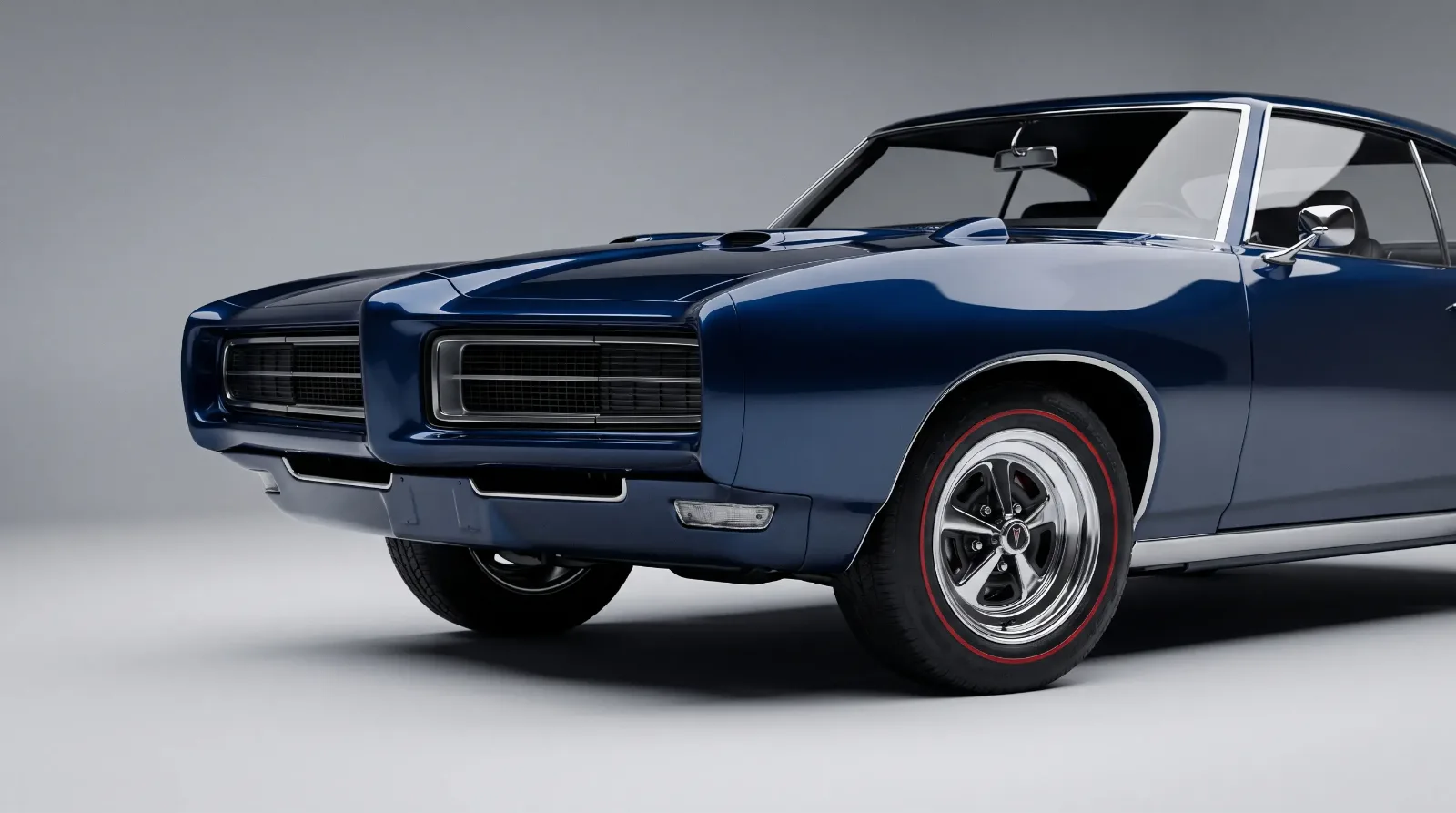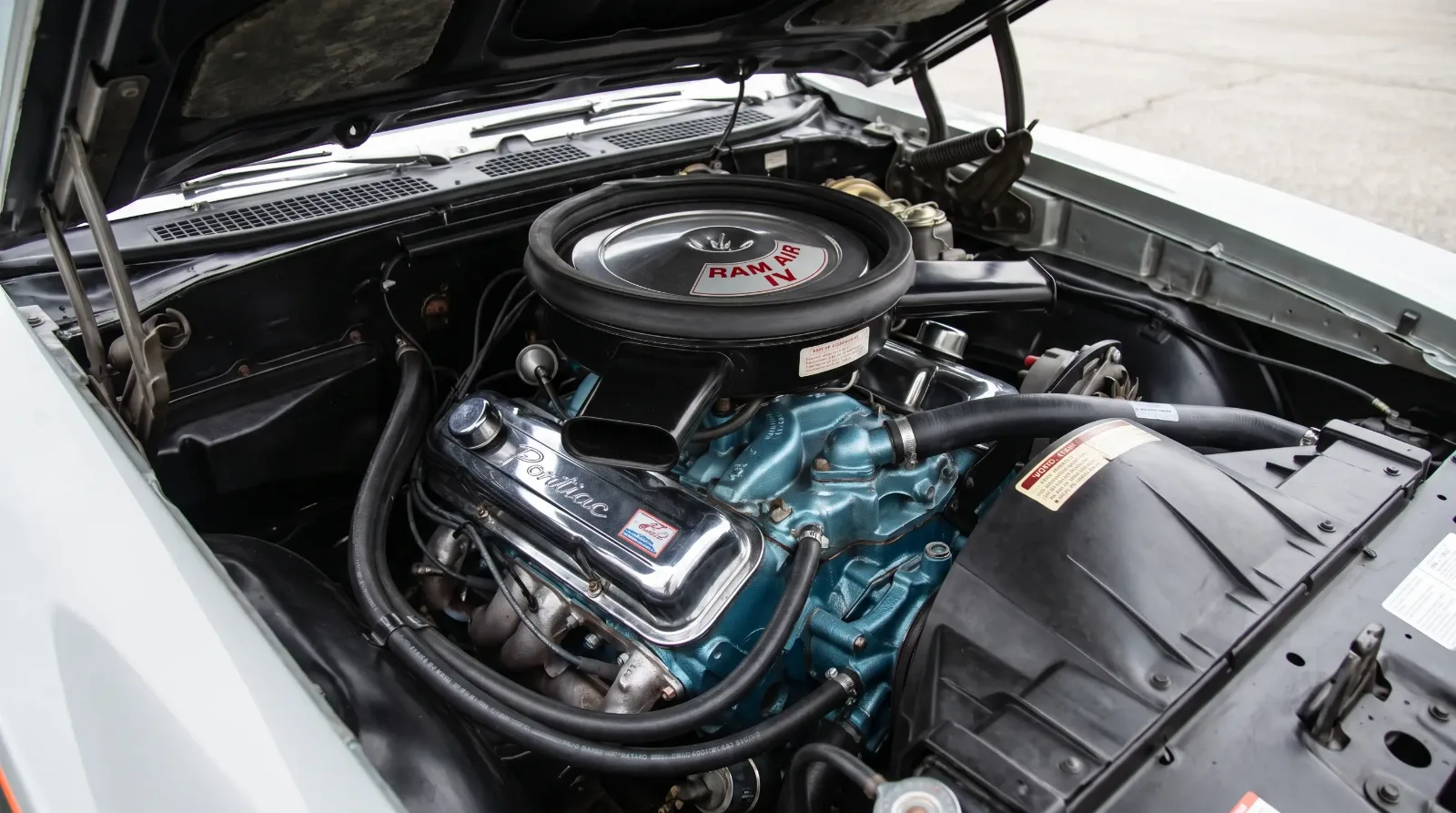
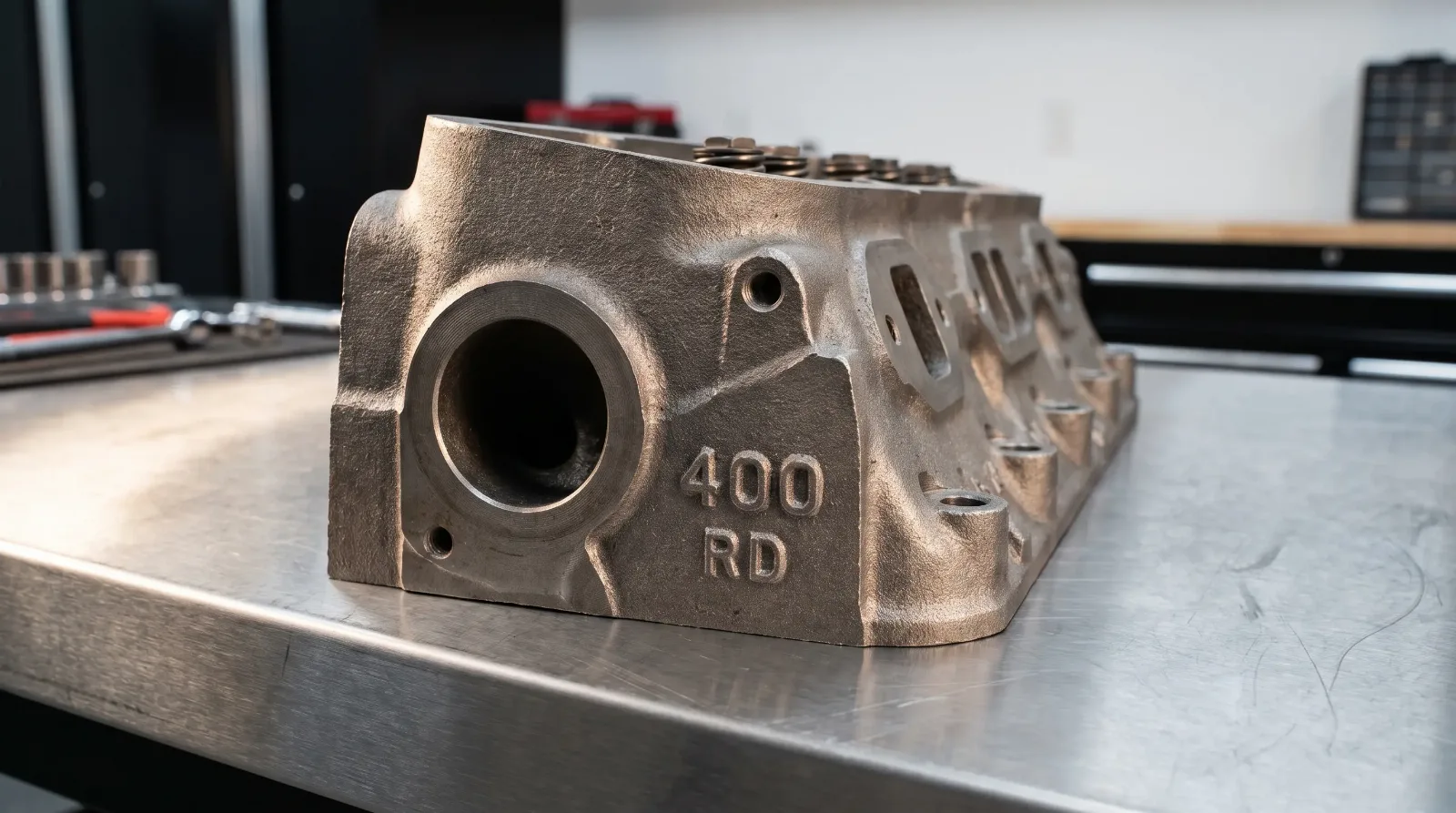
Ram Air II is the designation that started the round-port conversation on the Pontiac 400, and if you're trying to make sense of how that story connects to the better-known Ram Air IV of 1969, the short version is this: Ram Air II was the running change, introduced during the 1968 model year on the 1968-69 GTO, that moved Pontiac away from the oval-port cylinder head design and toward a round intake port shape built specifically to improve high-RPM airflow. Ram Air II was a one-model-year-only proposition, offered only through roughly August 1968 on fewer than 400 cars, and it shares real hardware DNA with the 1969-70 Ram Air IV, including the same "041" camshaft, though the two use different rocker arm ratios and aren't the same part. Buyers chasing a documented example should verify casting numbers against period records rather than trust a generic "Ram Air II" label on a parts list.
Why the port shape was the whole story
An oval intake port and a round intake port aren't just different shapes stamped into the same casting for variety. The port geometry directly affects how air and fuel move into the combustion chamber at different engine speeds. Oval ports tend to favor low and midrange torque, good street manners, strong response off idle. Round ports, particularly the way Pontiac's engineers shaped them for the Ram Air II heads, favor higher-RPM flow at the cost of some of that low-end fatness. That's the trade Pontiac's engine team made deliberately, chasing a head design that would let the 400 breathe at the RPM ranges where the factory Ram Air III oval-port castings started running out of air.
The number that gets thrown around most on these heads is out of the intake runner shape itself, not a horsepower figure. Anyone who tells you Ram Air II is worth some flat, universal horsepower bump over the standard 400 is oversimplifying a change that was about airflow characteristics, not a fixed power adder. The real gain depended on the rest of the combination, the cam, the exhaust, the compression, and the RPM range the car was actually being driven in.
| Head type | Port shape | Strength |
|---|---|---|
| Standard 400 | Oval port | Street torque, low-RPM response |
| Ram Air III | Oval port | Performance-tuned, still street-friendly |
| Ram Air II / round-port lineage | Round port | High-RPM airflow, less low-end torque |
"People treat round-port versus oval-port like a horsepower argument, and it's really an RPM argument. A round-port head isn't automatically stronger. It's stronger where it's designed to be stronger, which is up top. Put that head on a car that never sees four thousand RPM and you've made a worse street engine, not a better one."
— Dan Reeves
How to actually identify a round-port head in person
Casting numbers are the first thing to check, but they're not the last, because a numbers-matching claim only means as much as the documentation backing it. Beyond the casting number itself, a genuine round-port head shows the intake runner shape clearly if you look straight down the port with a flashlight, an oval cross-section on the standard and Ram Air III castings versus a distinctly rounder profile on the round-port pieces. Date codes cast into the head should also line up with the engine's build date within a reasonable window, and a mismatch there is a flag worth asking a seller about directly rather than waving off.
None of that replaces a proper inspection by someone who's handled a number of these heads in person. Photographs from a listing rarely show the runner shape clearly enough to confirm anything, and a seller's description of "round-port heads" means nothing without casting numbers to back it up. If a car's asking price hinges meaningfully on the heads being genuine Ram Air II castings, that's worth a pre-purchase inspection on its own, separate from whatever general mechanical inspection the rest of the car gets.
What this means for buyers today
Round-port heads and the Ram Air II designation carry real weight with collectors because low production numbers and the documented performance intent behind the design make these among the most sought-after pieces in the whole Pontiac 400 family. That desirability has also made them one of the more commonly misrepresented parts on the market. Reproduction and remanufactured round-port castings exist, and they're not automatically a problem, plenty of engine builders use them for good reason, but a seller claiming original factory Ram Air II heads on a numbers-matching car needs to back that claim with casting numbers, date codes, and ideally PHS or comparable factory documentation.
The practical takeaway if you're cross-shopping cars: don't let "Ram Air II" or "round-port" on a listing description substitute for verification. Ask for casting numbers. Ask for documentation. The premium these heads command in the market is exactly why they get claimed more often than they're actually present.
Where Ram Air II fits on a build sheet
Casting numbers aside, the practical question most buyers actually have is simpler: how would a Ram Air II or round-port car have been ordered in the first place. The honest answer is that the option's exact place on Pontiac's order form during the 1968 running change is one of the murkier corners of GTO documentation, which is part of why specialists treat casting-number verification as non-negotiable rather than a nice-to-have. A running change by definition doesn't show up cleanly as a single, stable line item across an entire model year the way a well-established option like power steering does. It shows up in a window, sometimes overlapping with what came before and after it, and that overlap is exactly what makes the Ram Air II to Ram Air IV chronology a subject specialists still work through case by case rather than from a single settled reference table.
For a buyer, that murkiness cuts both ways. It means a seller can't simply point to a clean factory order code and call the case closed, but it also means an inexperienced buyer shouldn't dismiss a claim just because it doesn't match a simplified version of the story they read somewhere online. The right move is always the same: casting numbers, date codes, and cross-referenced documentation, not a name on a listing.
The bigger arms race
Ram Air II matters beyond its own spec sheet because it's the clearest evidence of how fast the muscle car horsepower race was moving inside a single manufacturer. Pontiac wasn't standing still between model years, or even within a model year. The round-port head program shows an engineering team actively chasing more RPM headroom while the competition from Chevrolet, Ford, and Chrysler kept raising the bar. That internal pressure, as much as anything happening on the street, is what pushed the Pontiac 400 as far as it went by the end of the decade.
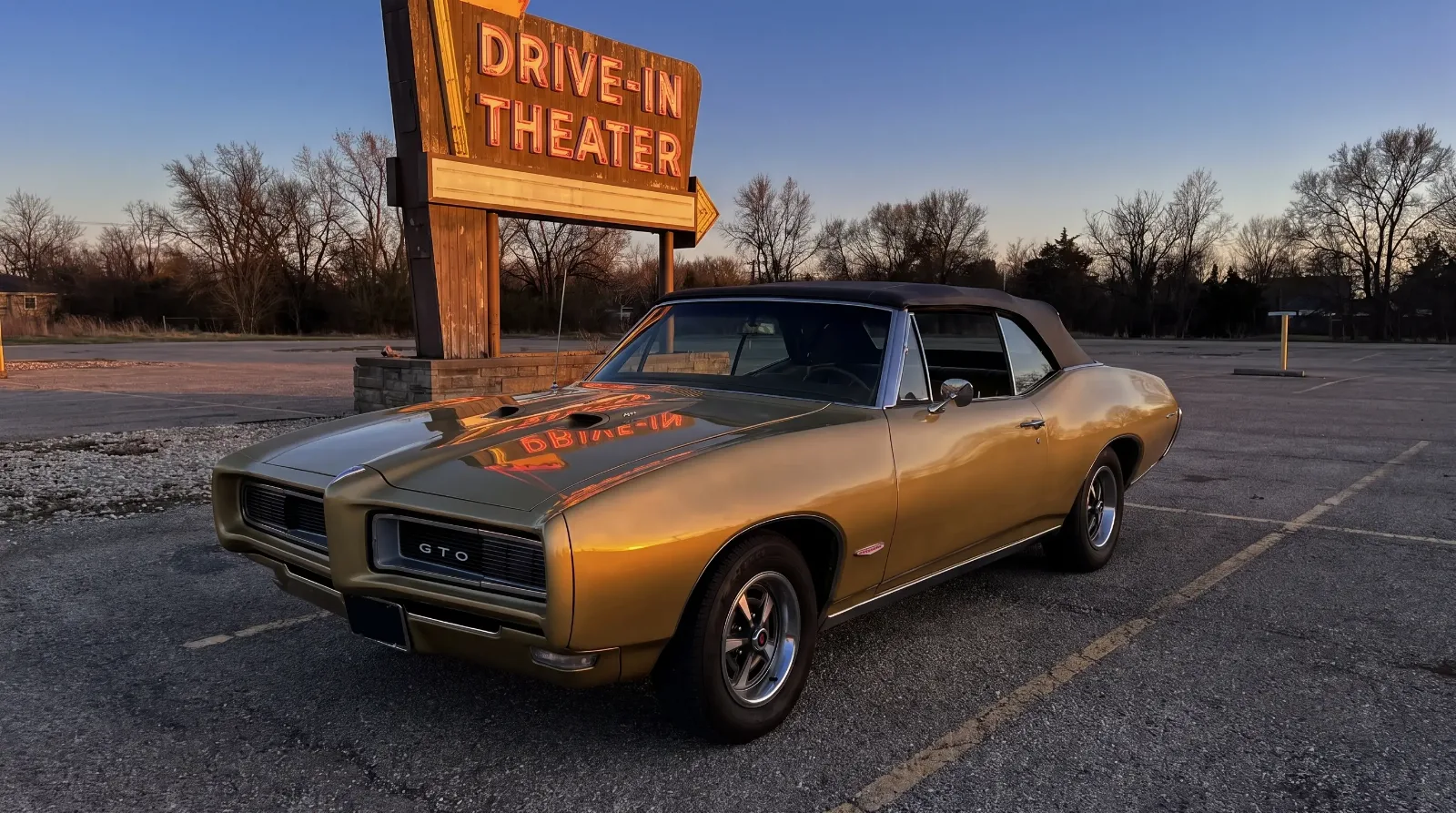
For the other side of this era's story, the open-air version of the same platform, read on for a look at the 1968 GTO convertible.