
Pull the cowl tag on a real 1968 Road Runner and the paint code tells you more about the car's honesty than the seller ever will. I have stood over enough fenders with a flashlight to know that 1968 road runner colors get repainted wrong more often than any other detail on these cars, because the palette Plymouth offered that first year was louder and stranger than most people remember, and shops chasing a quick resale job tend to reach for whatever looks close instead of what actually matches the tag.
Car Features
6 min read
1968 Road Runner Colors
The 1968 Road Runner color chart was louder than most buyers remember, and getting the paint code wrong is the fastest way to sink a restoration's credibility.
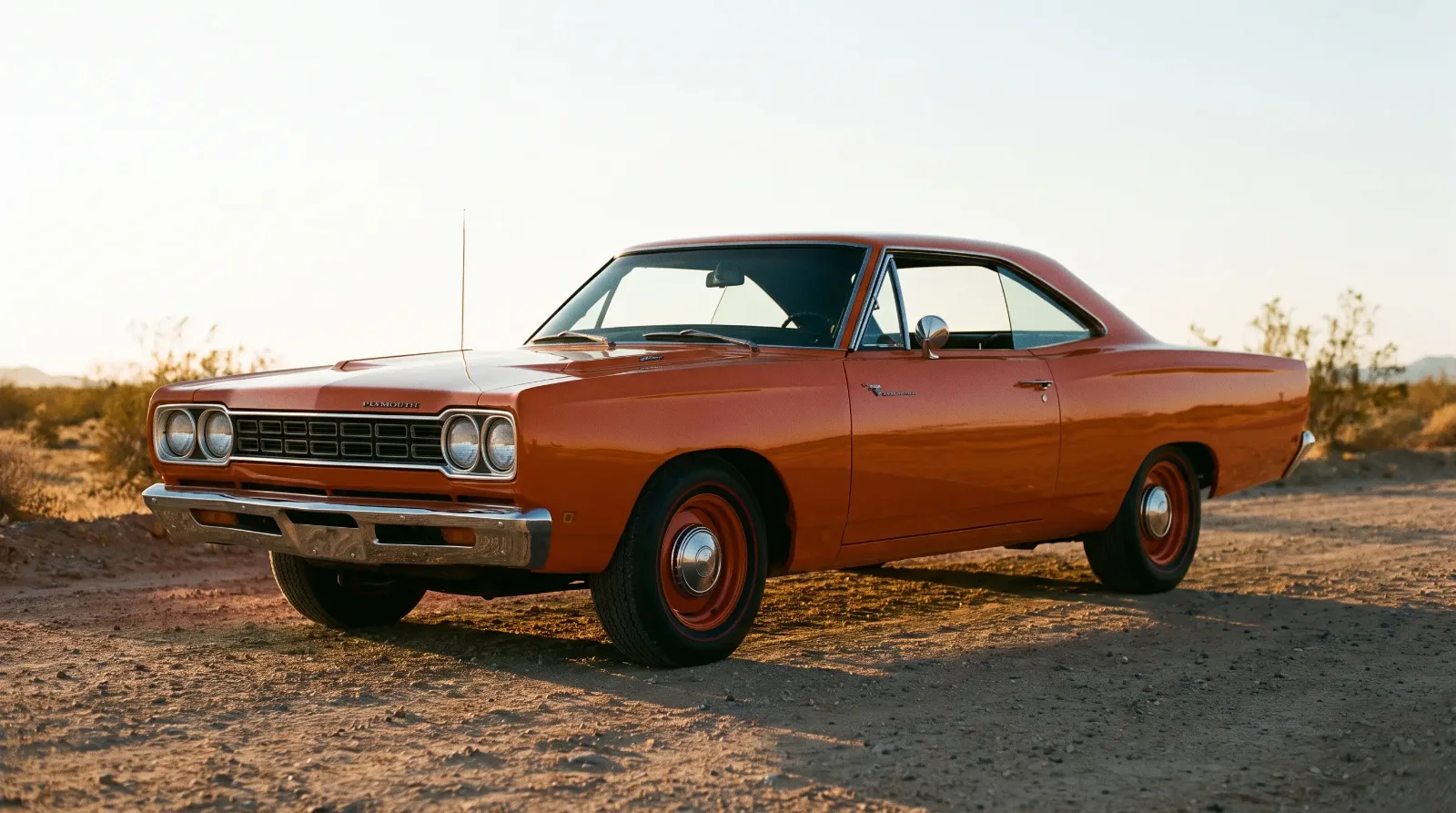
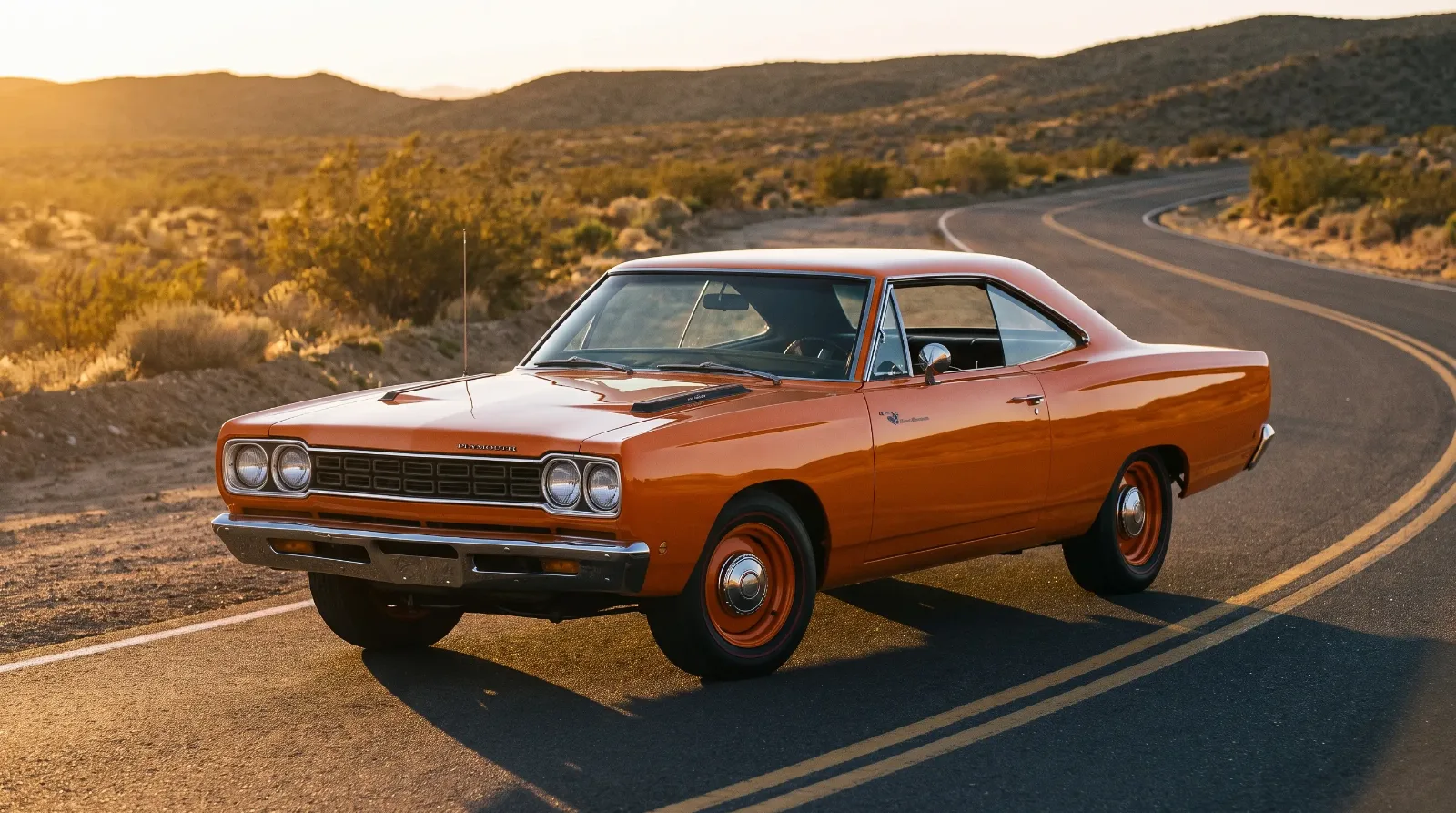
The base Road Runner was built to be cheap, and the paint list reflected that. No fancy two-tone packages, no vinyl roof pushed as standard, just a strong lineup of solid colors that leaned hard into the late sixties taste for saturated, almost aggressive hues.
What was actually on the order sheet
Plymouth's 1968 exterior color chart included a mix of period-standard tones and a few that only really make sense in the context of the muscle car boom. Buyers could order the Road Runner in shades ranging from a restrained white or black through deep blues and greens, up to the brighter reds and golds that became closely associated with the car's image once magazine road tests started running color photography.
| Color family | Example code names | Builder's note |
|---|---|---|
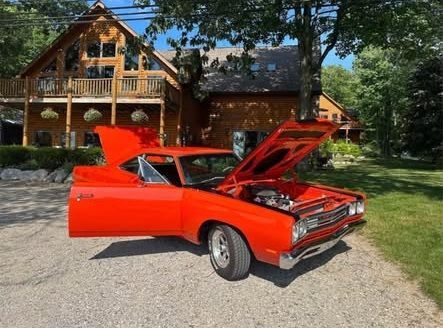
| Reds and burgundies | Matador Red (code P) | Popular for reshoot and photo cars, heavily represented in surviving builds |
| Blues | Electric Blue, Frost Blue, Medium Blue, Mist Blue, Midnight Blue | Common on hardtops, ages toward a chalky finish if not maintained |
| Gold and yellow tones | Sunfire Yellow (code S), Yellow Gold (code H), Ember Gold (code J) | Harder to match today, pigment fades faster under UV than reds or blues |
| Whites and blacks | Sable White (code W), Black Velvet (code B) | Simplest to source in reproduction paint, most common on base coupes |
None of those color names should be treated as gospel without checking a fender tag against Chrysler's own build sheet reference, because Plymouth's naming and coding conventions shifted slightly between 1968 and the years that followed, and shop-floor mixing wasn't always perfectly consistent car to car in an era before computerized paint matching.
Why matching original color matters more than people think
I have watched a straight, solid Road Runner lose real money at a show because the paint on the car did not match the number on its own tag. Judges notice. Serious buyers notice even faster, because a color mismatch is usually the first sign that a car has been repainted at some point in its life, and that opens up a dozen follow-up questions about what else got touched during that work.
A correct repaint starts with the tag, not with a paint chip book and a guess. Any shop worth hiring will cross-reference the code against period documentation before mixing a drop of paint, because getting it close is not the same as getting it right, and on these cars the difference shows up the moment the car sits next to another Road Runner in the correct factory shade.
"Anybody can spray a car red. Getting the right red, the one that matches what left the plant in 1968, that's the job. Skip that step and you've built a nice looking car that will never be a correct one."
- Jim Vasquez
What survives, and what got repainted along the way
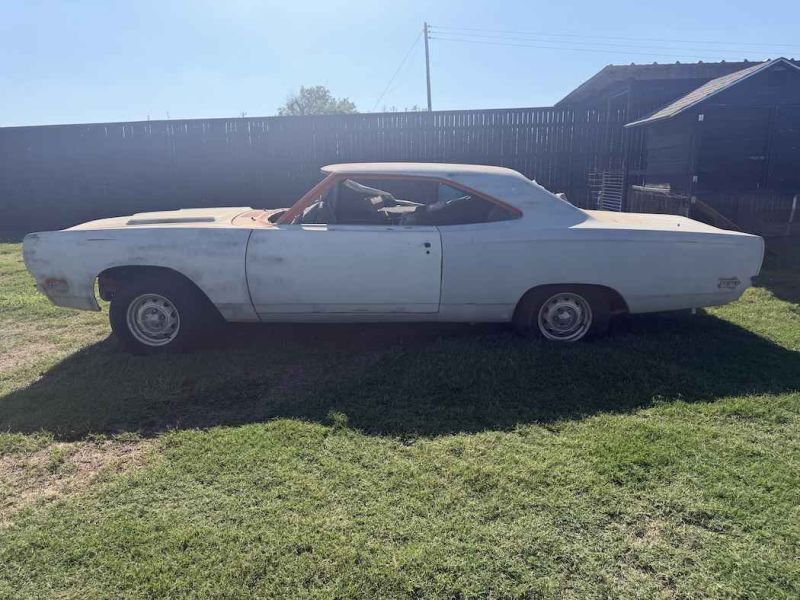
Decades of resale, sun damage, and cheap bodywork mean a large share of surviving 1968 Road Runners no longer wear their factory color. Some owners upgraded to a bolder shade during a later restoration because it looked better in photographs. Others simply matched whatever paint was cheapest at the time and never bothered chasing the correct code. Both choices are common enough that an unmolested, factory-color 1968 car has become a genuine point of pride among owners, not just a technicality for judges.
That scarcity has started to show up in what these cars bring at sale. A documented, numbers-correct car in an original, less common shade like a factory gold or an early ivory tends to draw more attention from serious buyers than an identical car resprayed in a more common red, purely because the original color adds a layer of verified authenticity that a repaint can't fully replace.
Interior and engine bay colors matter too
Exterior paint gets most of the attention, but a proper restoration has to account for interior trim colors and engine bay finishes that Plymouth coordinated with specific exterior codes. A red exterior didn't automatically mean a red interior was available, and mixing an incorrect trim color combination is one of the fastest ways I can spot a car that's been restored by someone working from guesswork instead of documentation.
Engine bay color is its own trap. Chrysler didn't paint every engine bay the same shade as the exterior, and shops unfamiliar with Mopar practice sometimes assume body color extends under the hood when it doesn't. I always tell customers doing a numbers-correct build to treat the engine bay, the trunk, and the door jambs as separate research questions from the exterior panels, because Chrysler's paint schedule for 1968 treated them that way on the assembly line.
Reading a fender tag without getting fooled
Before trusting any seller's claim about 1968 road runner colors, get the tag in hand and check the stamped code against a reliable Chrysler reference, not a generic online color chart that may blend years together. Look for consistent overspray patterns, masked edges that don't quite line up, and paint depth differences around door jambs and trunk seams, all classic signs of a repaint done to a different shade than the factory code calls for.
For the full context on how this car came together in its debut year, the full story covers the pricing and engine decisions that shaped what buyers were choosing alongside their paint color. If a correctly colored 1968 car is what you're after, there is usually a classic Runner for sale worth cross-referencing against its own tag before you commit.
Color is a small line on a build sheet and a big part of what separates a genuinely correct restoration from a nice looking car that happens to share a body shape with the real thing. On a 1968 Road Runner, get the paint wrong and everything else you did right stops mattering to the people who actually know the car.
Sources and notes
Related Reading
Have a
Plymouth Road Runner
for Sale?
Reach thousands of serious classic car collectors across the US.
Sell It Here →
Are You a Classic Car Dealer?
List your full inventory and connect with targeted classic car buyers.
Join as a Dealer →
#Plymouth Road Runner
#fender tag codes
#mopar restoration
#classic car colors
#1968 Road Runner
#muscle car paint colors

About the author
Jim Vasquez
Southern California hot rod and custom car builder with roots in the traditional kustom kulture scene.
Related Listings - Plymouth Road Runner




Comments
Be the first to comment on this article.