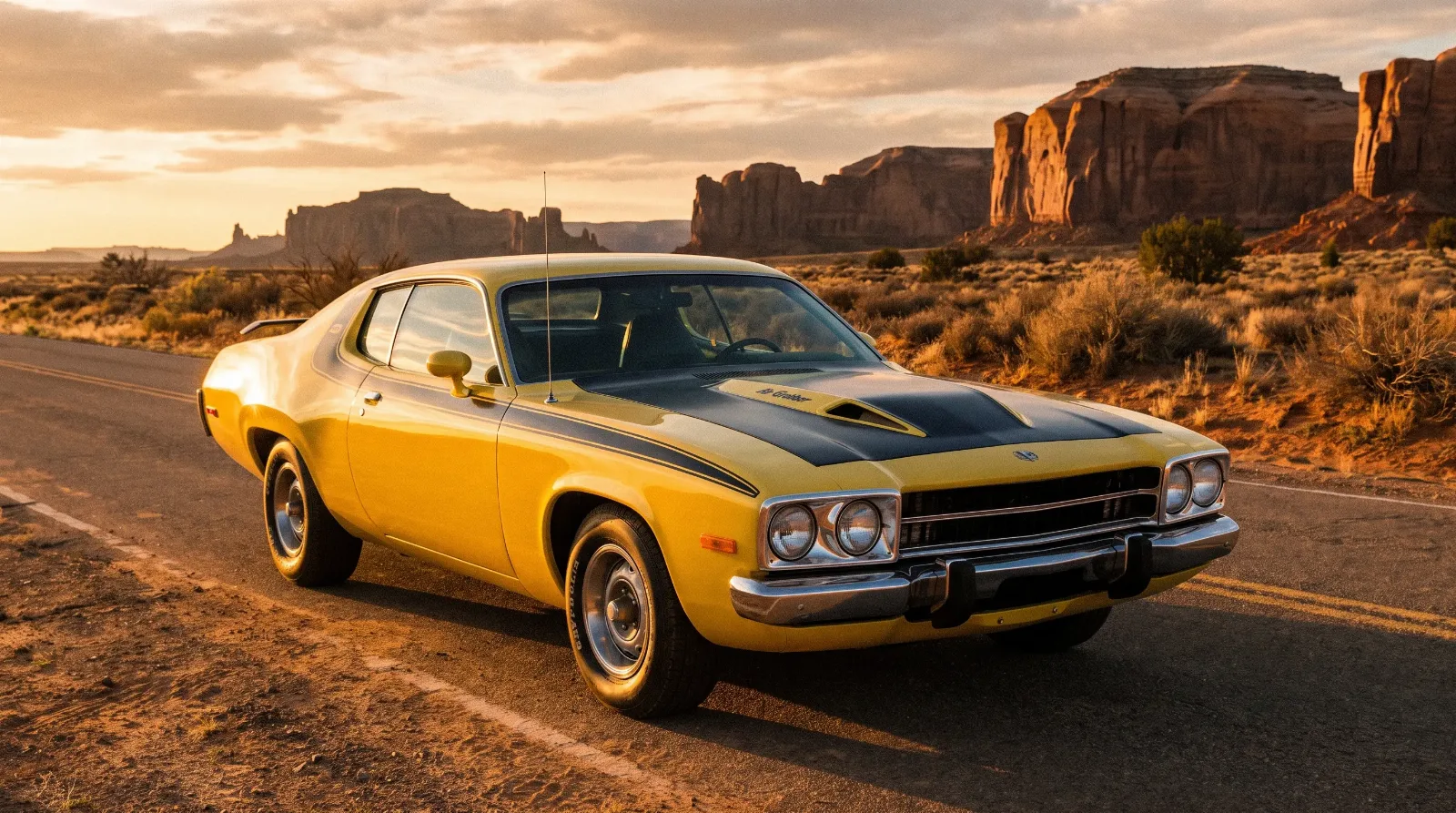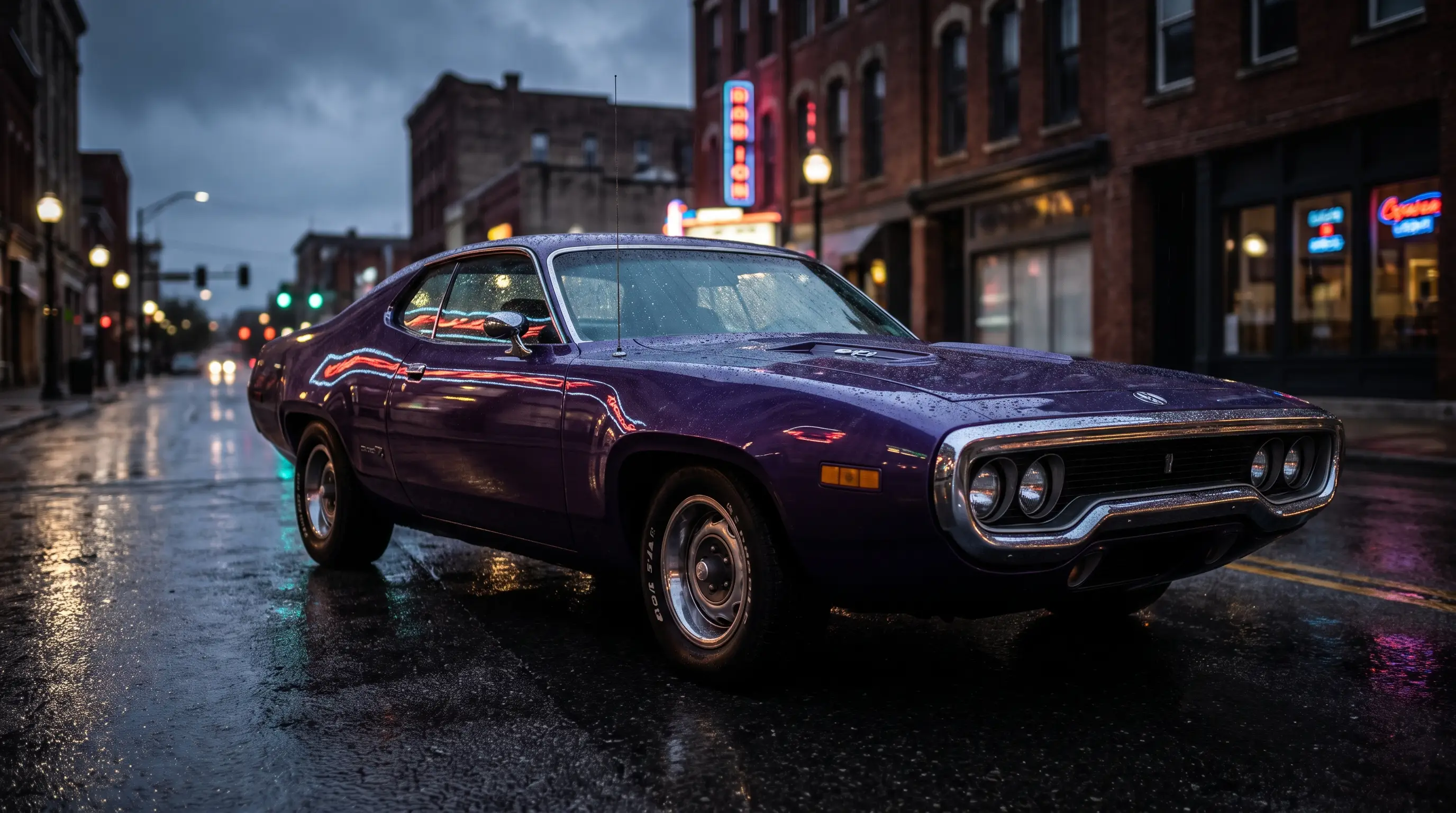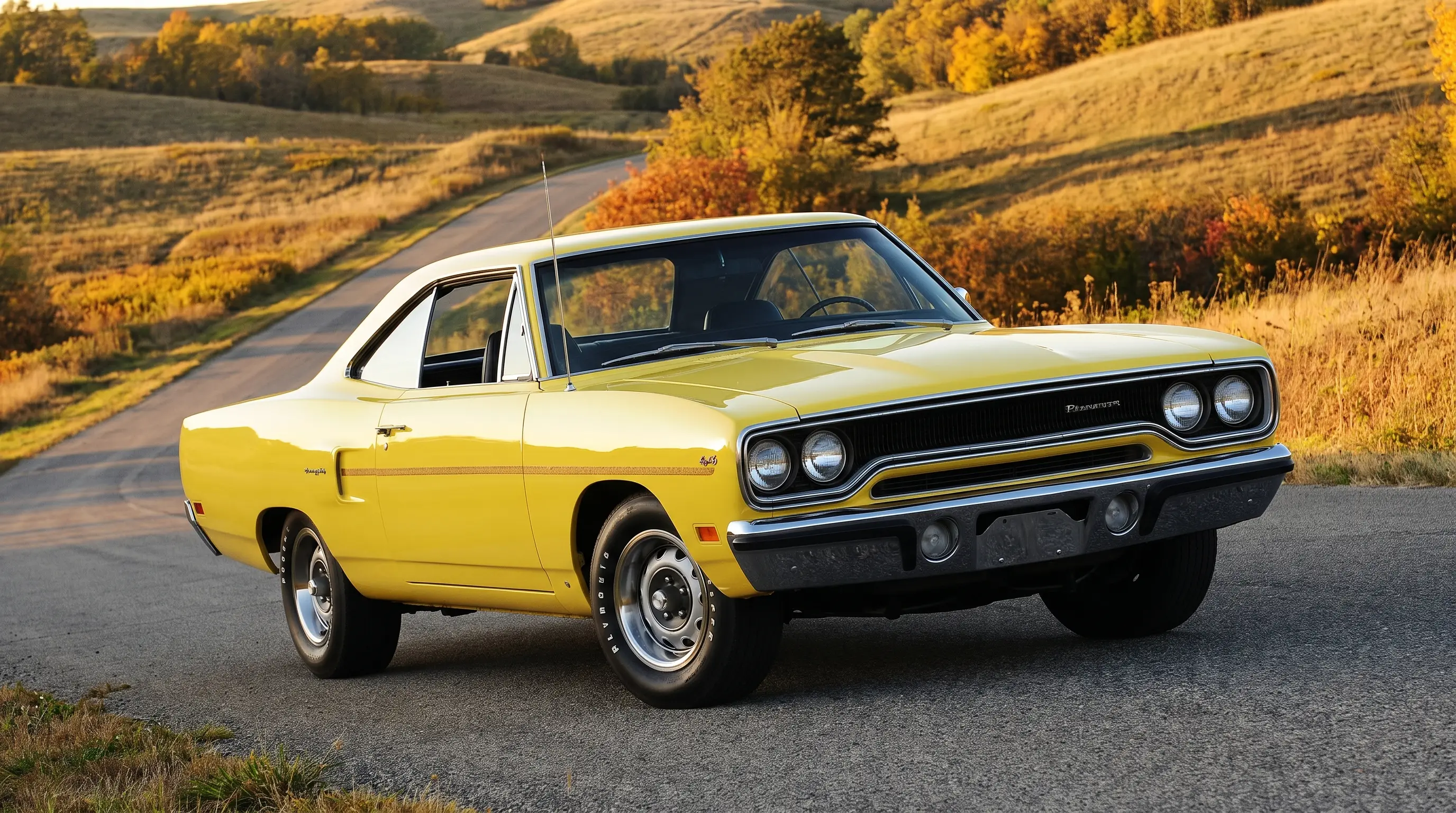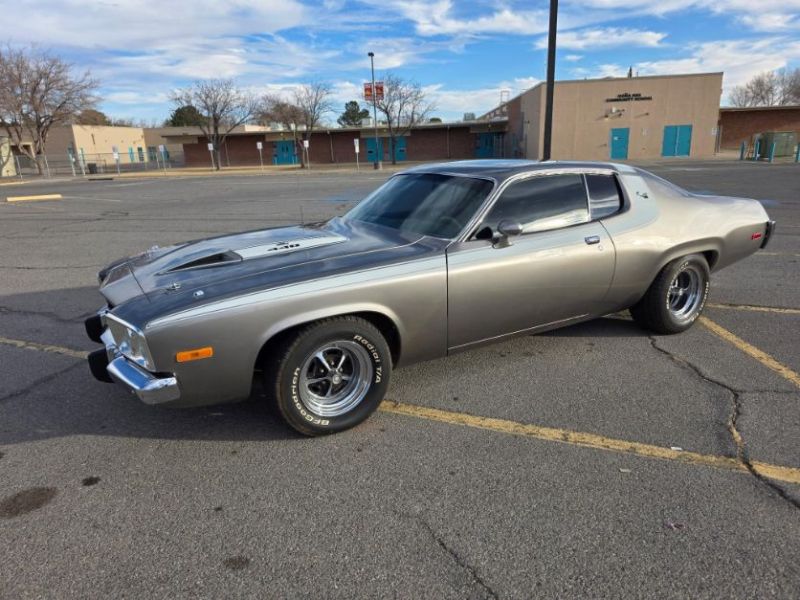
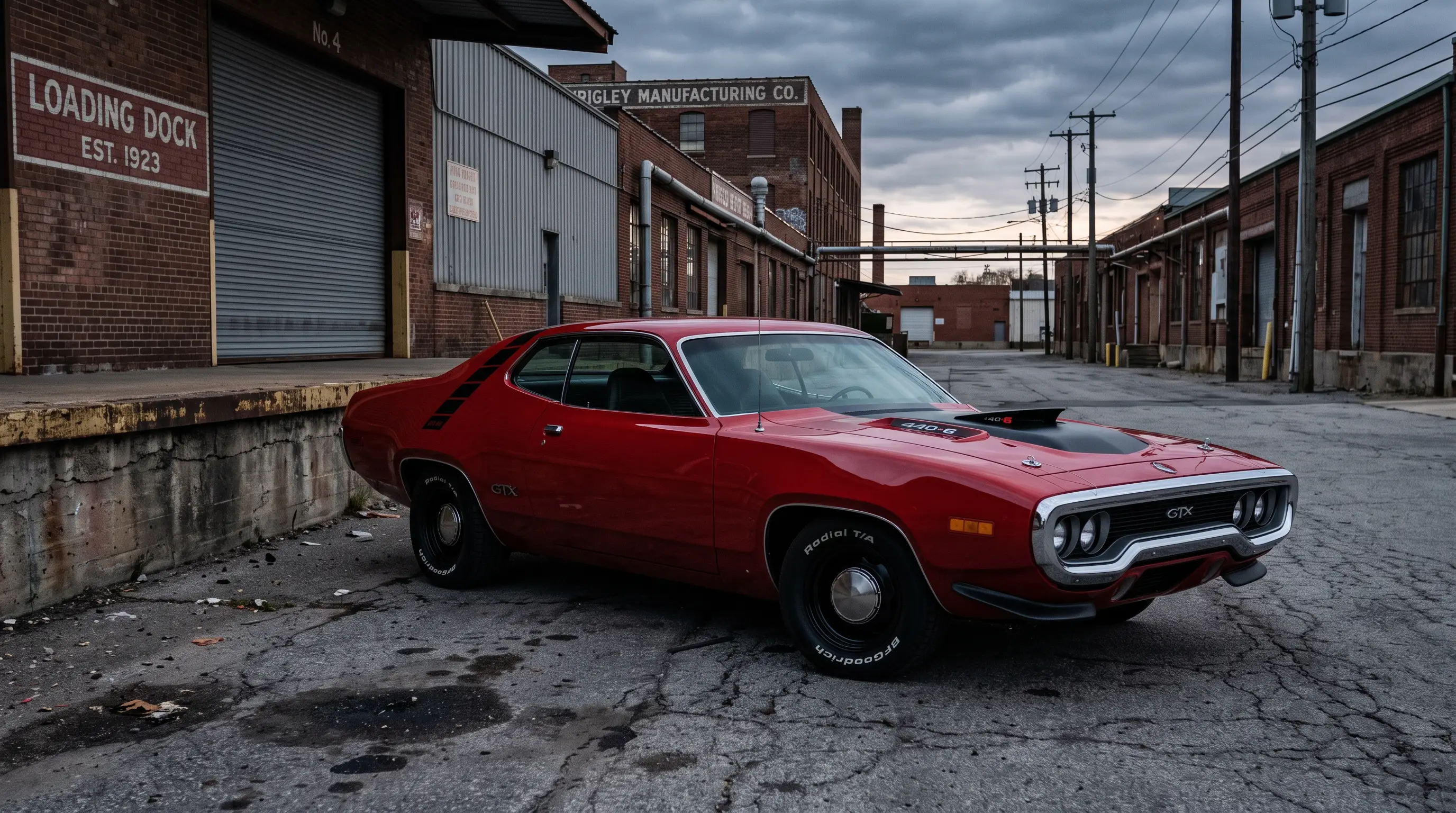
By the close of the 1971 model year, Plymouth was running two performance nameplates that had grown close enough in specification to make a buyer's decision between them almost arbitrary. The 1971 Road Runner GTX question, whether these were truly separate cars or simply two trim levels wearing different badges, sits at the center of one of the more overlooked corporate decisions in Chrysler's muscle car history. Within a year, the GTX would cease to exist as a standalone model, absorbed into the Road Runner lineup as an options package. Understanding why requires looking closely at what these two cars actually were in their final season apart.
Two names, one platform
The GTX debuted for 1967 as Plymouth's upscale performance flagship, a Belvedere based coupe built around Chrysler's largest engines and dressed with more standard equipment than the stripped down Road Runner that arrived the following year. The Road Runner had launched in 1968 with a specific mission, deliver Hemi and 440 level performance at a price closer to a base model Belvedere, stripped of carpet upgrades, sound insulation, and the badge prestige that came with GTX ownership. For three model years the pairing worked as intended. The GTX buyer paid for comfort and status alongside power. The Road Runner buyer paid for power alone and accepted a plainer interior in exchange.
By 1971, that distinction had eroded considerably. The Road Runner had picked up enough factory options, air conditioning, vinyl tops, upgraded interior trim, bucket seats, that a well equipped example could match a GTX in comfort while still wearing the cartoon badge and carrying a lower base price. Meanwhile GTX production numbers had fallen sharply from their late sixties peak. Plymouth built only about 2,942 GTX cars for 1971, a fraction of Road Runner volume that year, and the writing on the wall was not subtle. A nameplate that could not move meaningful units on its own was not going to survive a corporate belt tightening exercise, and Chrysler was tightening its belt across the entire performance lineup as insurance surcharges and softening demand cut into profitability.
The 1972 merger
For 1972, Plymouth folded the GTX into the Road Runner as the GTX option package, badged on the new car as Road Runner GTX rather than as its own separate model. Buyers could still order the big block engines and the firmer suspension tuning associated with the GTX name, but they were now ordering options on a Road Runner rather than choosing between two distinct cars on the showroom floor. It was a rationalization move, consolidating engineering and marketing resources onto the nameplate that was actually still selling in volume, and it reflected a broader pattern across Detroit as the early seventies forced manufacturers to prune underperforming badges rather than continue subsidizing prestige for its own sake.
The merger also coincided with Chrysler's broader retreat from big block performance. The 426 Hemi was gone from the passenger car lineup after 1971, and the 440 in its various states of tune became the top available engine for the newly combined Road Runner GTX. Compression ratios were falling across the board as engines were retuned to run on lower octane, lead reduced gasoline, and the horsepower ratings printed in Plymouth's brochures for 1972 reflected both the new SAE net measurement standard and genuine reductions in output. A car that wore the GTX name in 1972 was measurably less powerful on paper than one built just two years earlier, even accounting for the more honest net rating system.
What the merger meant for buyers at the time
Contemporary Plymouth dealers marketed the change as an upgrade path rather than a loss. A 1972 Road Runner GTX buyer got the performance heritage of the GTX name without paying for a separate model line, and Plymouth's literature from the period frames the option package as giving Road Runner buyers access to equipment previously reserved for the pricier nameplate. In practice, the merger reflected retrenchment more than expansion. Two nameplates competing for the same shrinking pool of performance buyers made less sense in 1972 than it had in 1969, and folding one into the other let Plymouth concentrate its remaining performance marketing budget on a single, more recognizable name.
For collectors researching cars from this period, the distinction matters when tracing a vehicle's factory documentation. A genuine 1971 GTX carries its own separate model code and production data distinct from the Road Runner built the same year, while a 1972 or later Road Runner GTX is a Road Runner with an options package coded onto its broadcast sheet. Getting that distinction right is essential to accurately dating and valuing a car from this transitional period, since the two are easily confused by anyone unfamiliar with Chrysler's model coding for these years.
"When you pull the fender tag on a 1971 car and see GTX coded as its own model rather than an option, you are holding a piece of a nameplate that had less than one more year left on its own. That context changes how you read the whole car."
- Sarah Whitfield
| Model year | GTX status | Approx. production |
|---|---|---|
| 1969 | Standalone model | Roughly 15,600 |
| 1970 | Standalone model | Roughly 7,700 |
| 1971 | Standalone model, final year | Roughly 2,942 |
| 1972 | Road Runner GTX option package | Roughly 672 |
Laid out year over year, the decline in standalone GTX production tells the story more clearly than any dealer brochure from the period could. A model that had sold over fifteen thousand units in 1969 was down to under three thousand by 1971, and no automaker keeps a distinct nameplate alive on numbers that thin once a cheaper, better selling alternative sits one showroom space away.
Reading 1971 as the hinge point
The 1971 model year, then, functions as the last moment the Road Runner and the GTX existed as genuinely separate propositions within Plymouth's lineup. For the full account of how the Road Runner evolved through this period, including the fuselage restyle that arrived the same year as this merger question, our complete history traces the model from its 1971 redesign through the end of the fuselage generation in 1975. The GTX merger is one thread within that larger story, but it is a telling one, a small corporate decision that captured exactly how Chrysler was recalibrating its performance ambitions as the muscle car market began its long decline.
Cars from this exact window, genuine 1971 GTX models and the earliest Road Runner GTX option cars from 1972, remain relatively obscure among collectors focused on the more famous 1968 to 1970 Road Runners. That obscurity has kept prices more approachable than the early Hemi cars command, and buyers interested in the transitional years of Plymouth's performance lineup can still find a classic Runner from this period without competing against the deepest pocketed corners of the Mopar market.