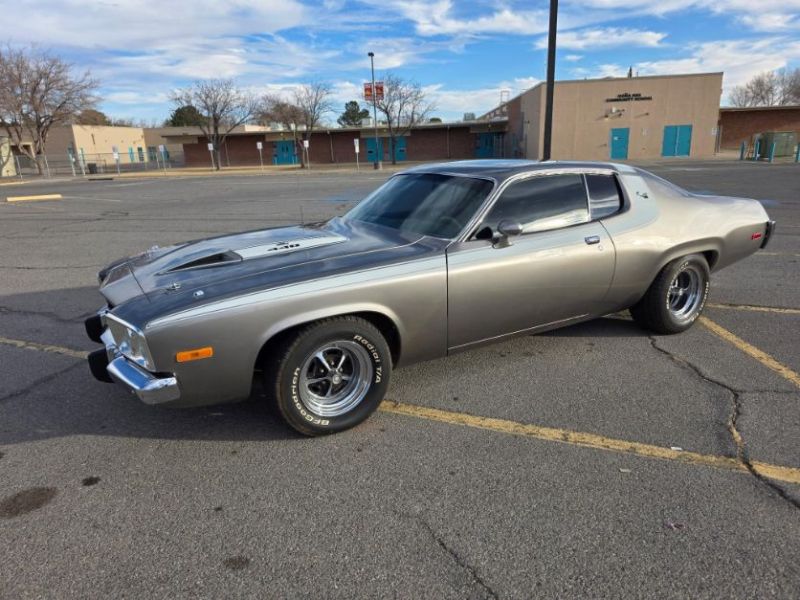
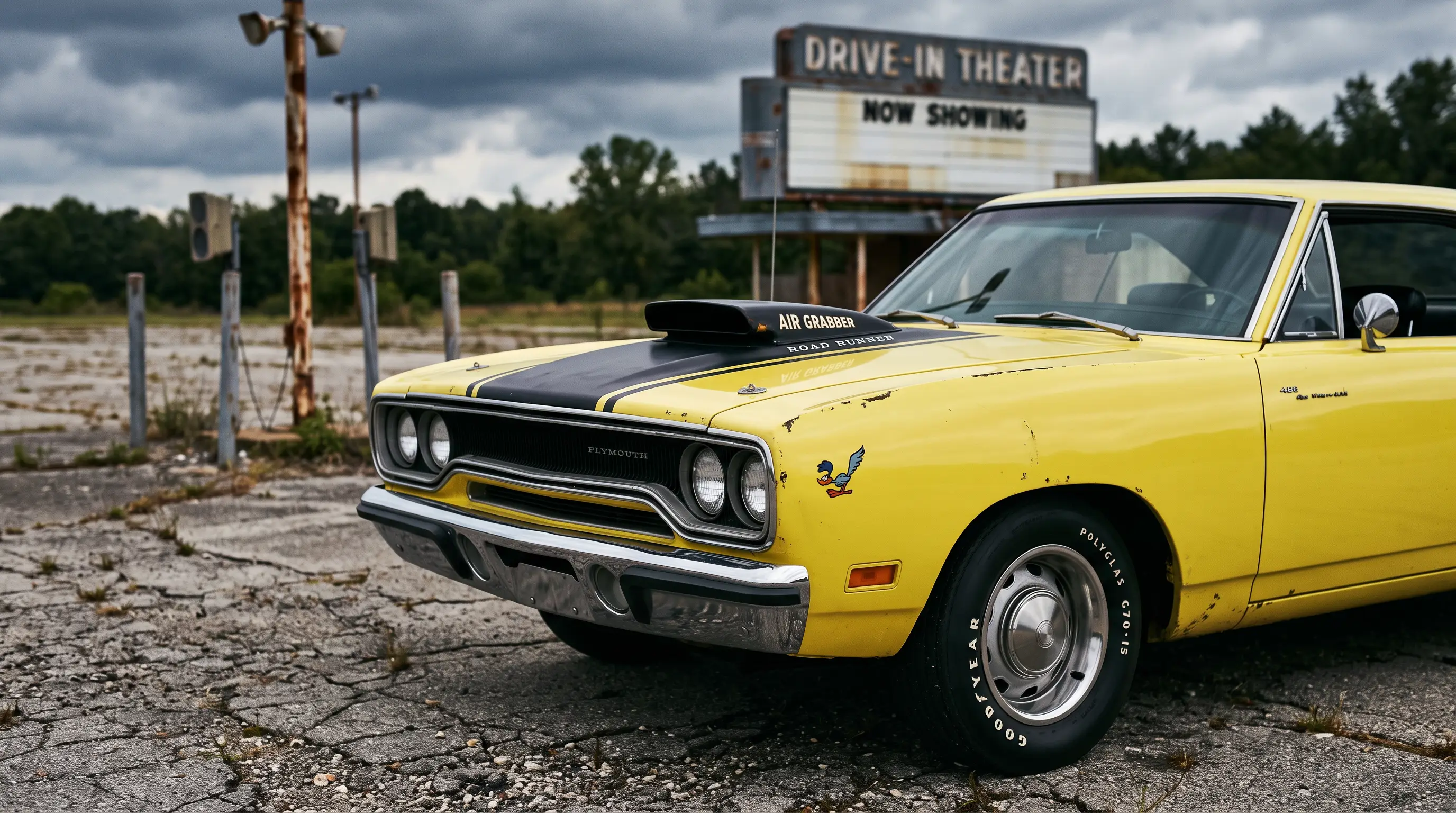
The Road Runner Air Grabber hood is the one option on the order form that turned a good running joke into an even better one. Pop the pin, flip the lever under the dash, and a flap on the hood scoop stood up like the cartoon bird flexing its neck before the sprint. It sold on theater as much as function, but the numbers behind it were real, and that combination is why the option still commands a premium on Road Runner ads today.
What the option actually did
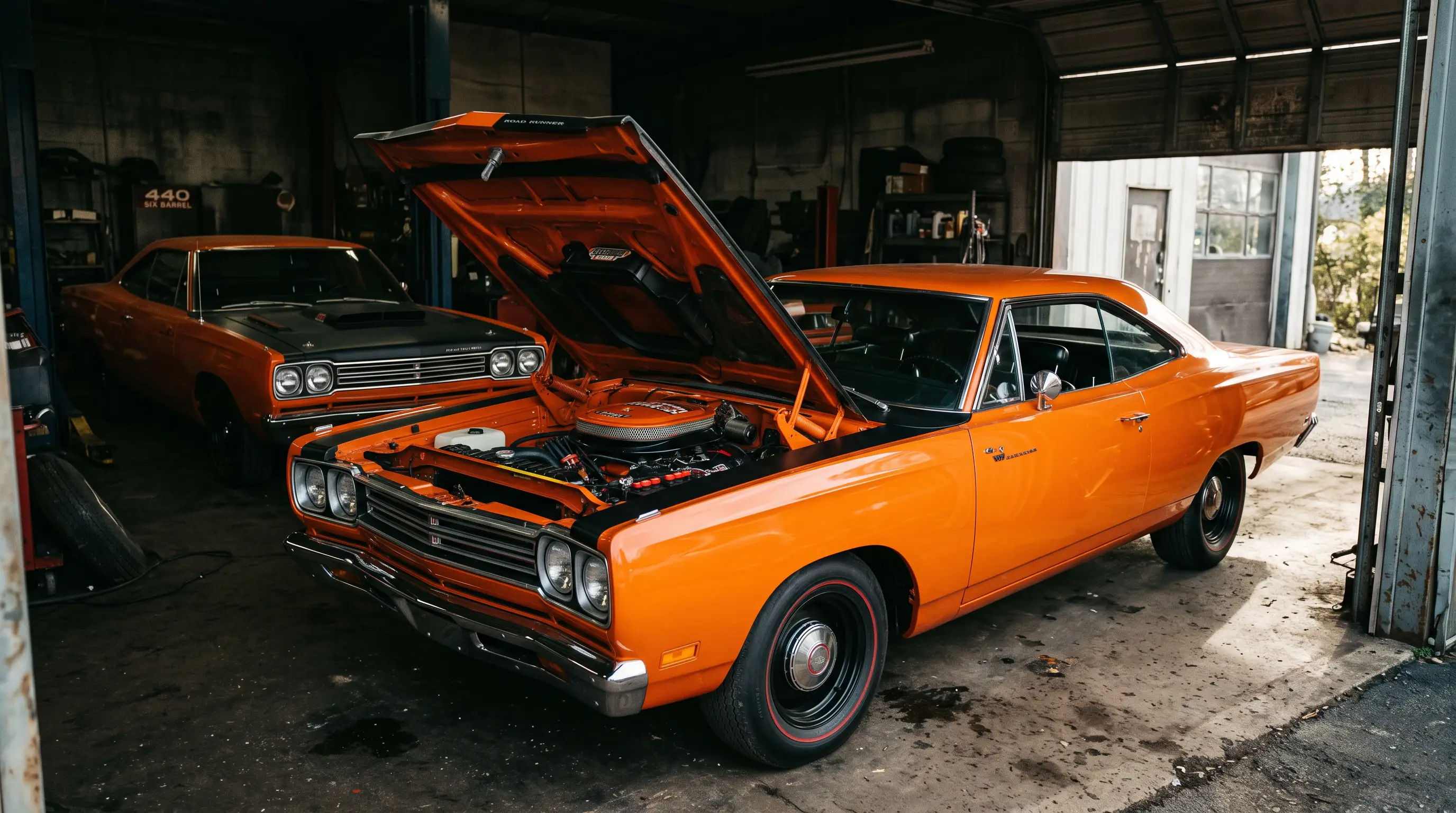
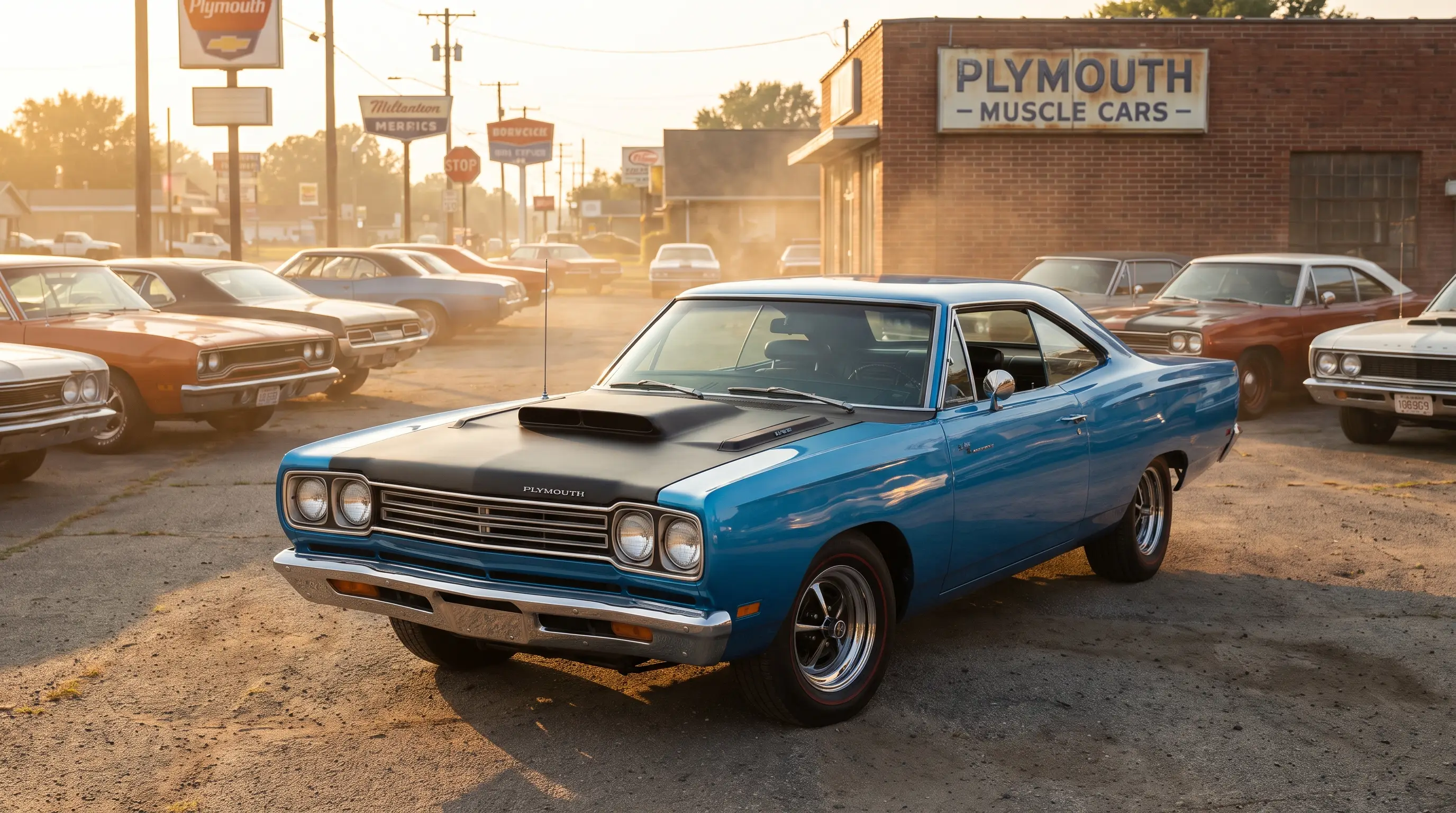
Here is what buyers got for the money. Air Grabber was a hood scoop system, introduced for 1969 and refined through the early 1970s, that fed outside air directly to the carburetor once the driver worked a dash-mounted control. Before the flap opened, the hood looked stock. After it opened, a fiberglass or steel scoop stood up at roughly a 45-degree angle with "6 BARREL" or "440" or "426 HEMI" stamped on the sides depending on the engine underneath. It was cold-air induction with a showman's timing, and Plymouth knew exactly what it was selling.
The engineering case for it was simple. Underhood air runs hotter and thinner than outside air, and horsepower likes cold, dense air. A functional scoop pulling from the base of the windshield, where pressure is higher, gave a real if modest gain, most credible estimates put it in the 15 to 25 horsepower range depending on engine and conditions. That is not a huge number against a 383 or a 440, but it was free once you had already paid for the option, and it looked like a much bigger number when the flap snapped open.
The switch and the theater of it
The dash-mounted control is the detail Road Runner owners talk about more than the horsepower claim. Work it at a stoplight and the hood came alive, two panels rising with a mechanical clunk that other drivers could hear over the idle. It was pure marketing built into hardware, timed for exactly the moment a challenge got issued at a light. Plymouth's own advertising leaned into it hard, framing the car as a machine that literally opened its mouth before it ran.
That showmanship is inseparable from the option's value today. A numbers-matching Air Grabber car with the vacuum system intact and functional is worth meaningfully more than an otherwise identical car with a fixed, non-functional hood scoop or a reproduction that never learned to move. Buyers are not just paying for horsepower. They are paying for the flap to work.
Which engines got it and when
Air Grabber rode along with the Road Runner's engine lineup rather than being tied to one motor. It showed up as an option across the 383, the 440, the 440 Six Barrel, and the 426 Hemi in various model years, with the stamped callouts on the scoop sides changing to match. For a full breakdown of which engine got which treatment and how the outputs stacked up across the run, our road runner 440 six barrel retrospective covers the mechanical side in more depth than a hood option story needs to.
The road runner air grabber hood was never sold as a standalone horsepower fix. It was packaged as part of a performance-image strategy that Plymouth ran across the whole muscle car range, and the option's popularity tracked closely with how aggressively a given model year's advertising pushed the "beep beep meets business" angle. Years with heavier magazine coverage of the Air Grabber system tend to show higher factory take rates in production records, though exact percentages vary by source and year, so treat any specific take-rate figure you see quoted as an estimate rather than gospel.
"People ask me what the flap actually does for the quarter mile and I tell them the truth, not much, and that misses the point entirely. Nobody bought Air Grabber for a tenth of a second. They bought it because it made the other guy look at his own hood and feel underdressed."
- Dan Reeves
Reproduction parts and what to check
Because Air Grabber hoods are a common upgrade on tribute and clone builds, the aftermarket has caught up with decent reproduction scoops, vacuum canisters, and switch assemblies. That is good news for drivers who want the look and bad news for anyone trying to verify originality on a car being sold as numbers-matching. A few things separate a correct original setup from a bolt-on reproduction: the vacuum canister casting numbers, the routing of the vacuum lines through the firewall, and the specific stamping on the scoop panels matching the engine actually under the hood rather than a generic "440" badge slapped on a small-block car.
None of that is a dealbreaker for a driver-quality car. It matters a great deal on anything being represented and priced as an original, documented Air Grabber build, where the difference in value can run into five figures. If you are shopping and want to see how the option shows up across current listings, or how sellers describe and price it, a related story on this site walks through engine documentation in more detail, and browsing Runners for sale now is the fastest way to see how much of a premium a working, documented Air Grabber car commands over an otherwise similar Road Runner without it.
How the system changed over the years
The Air Grabber hardware itself was not static across its run. The earliest 1969 setup was comparatively simple, a fiberglass duct under the hood with twin vents opened by a cable-and-lever control on the dash, no vacuum involved. For 1970 Plymouth redesigned the system around a vacuum servo that slowly raised a forward-facing scoop, and refined the seal between the scoop and the air cleaner housing, closing off some of the underhood air leakage that had blunted the horsepower gain on the first version. None of these changes were dramatic on their own, but taken together they made the later Air Grabber setups noticeably more effective at actually delivering cold air to the carburetor rather than just looking like they were.
Paint and callout details changed too, and those changes matter enormously to restorers today. The lettering stamped or applied to the scoop panels needs to match both the model year and the specific engine under the hood, a 1970 440 Six Barrel car should never be wearing a 426 Hemi callout, and a car that is should raise immediate questions about whether the hood came from a different vehicle entirely. Judges at concours and correctness-focused shows check this detail closely, and it is one of the fastest ways to spot a hood that has been swapped from a donor car or reproduced incorrectly.
Why it still matters to buyers
Strip away the cartoon branding and the road runner air grabber hood is still, on paper, a modest cold-air induction option with a theatrical actuator. But strip away the theatrics and you lose the reason people bought the car in the first place. The Road Runner was built to be the muscle car with a sense of humor, priced below its flashier stablemates, and Air Grabber was the one option that let the joke breathe every time the driver worked that dash control. That is a hard thing to fake convincingly, which is exactly why the real ones are worth chasing.
Sources and notes
- Plymouth Road Runner - Wikipedia
- The Ultimate Stoplight Intimidator: Air Grabber & Ramcharger Fresh Air Induction - Mopar Connection Magazine
- 11 of Our Favorite Hood Scoops - Hagerty Media
- Getting the Scoop on Factory Air Induction and Scoops - For A Bodies Only Mopar Forum
- 1969 Plymouth Road Runner Hides Aftermarket Goodies Under Air Grabber Hood - autoevolution