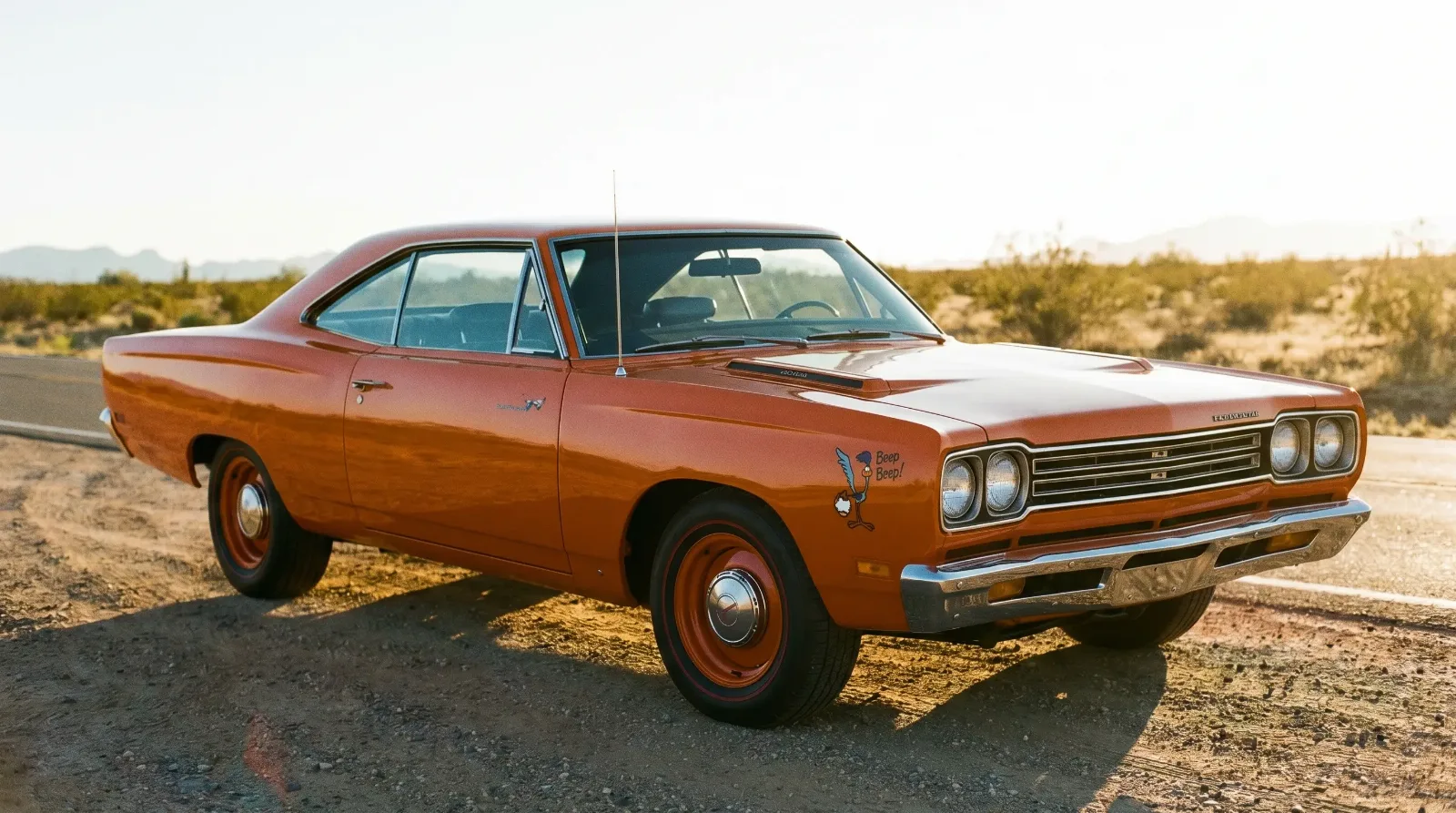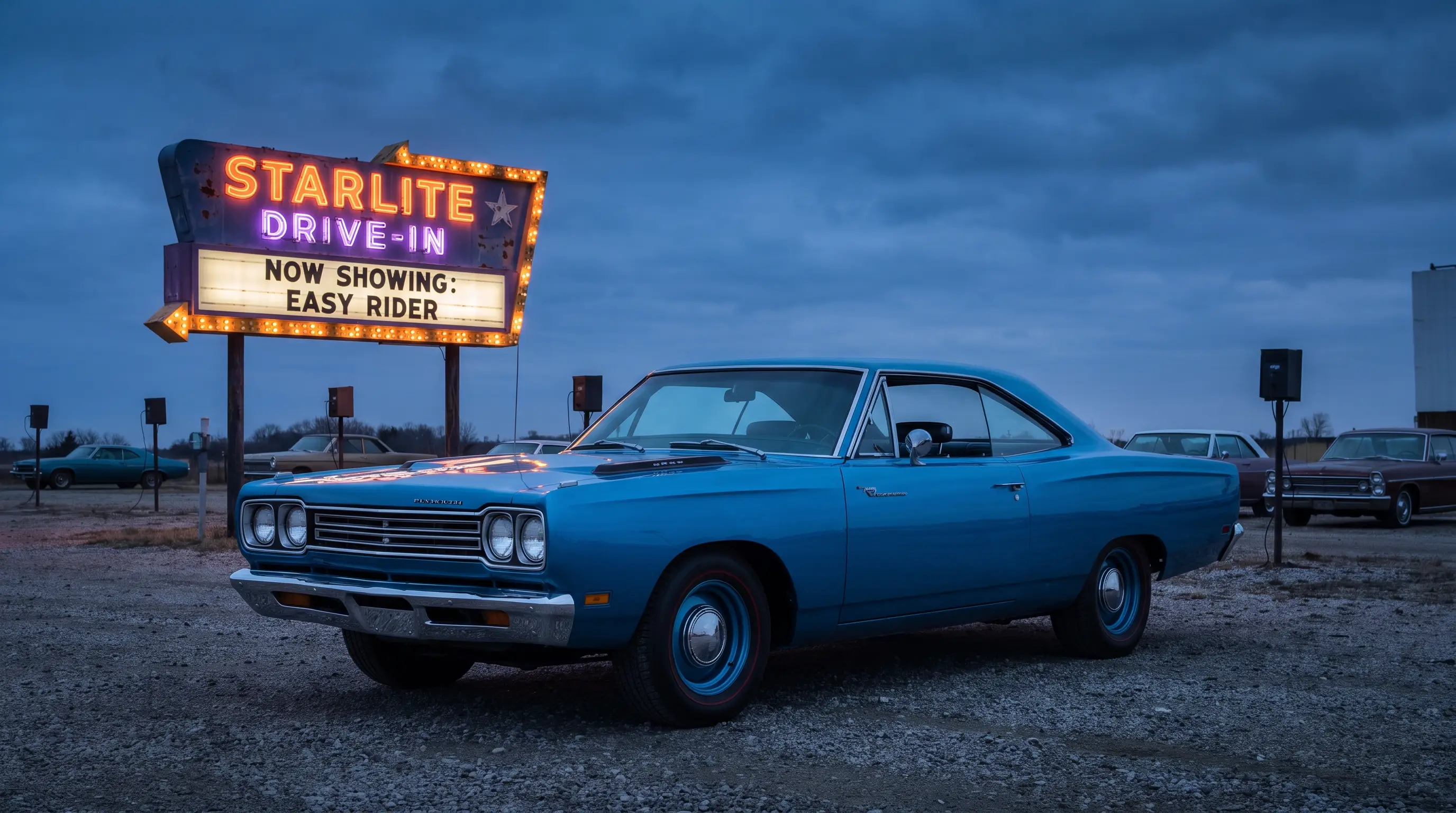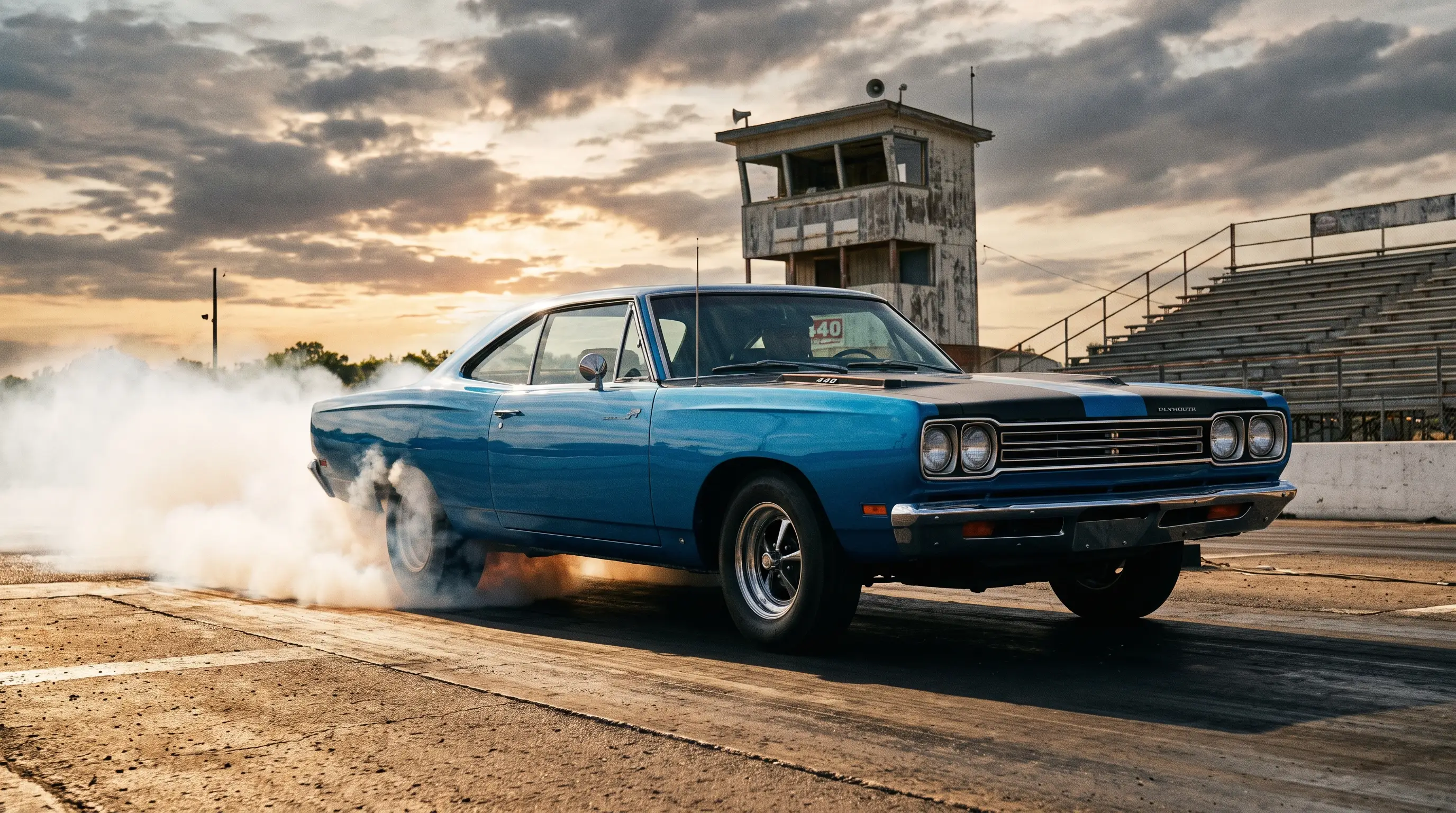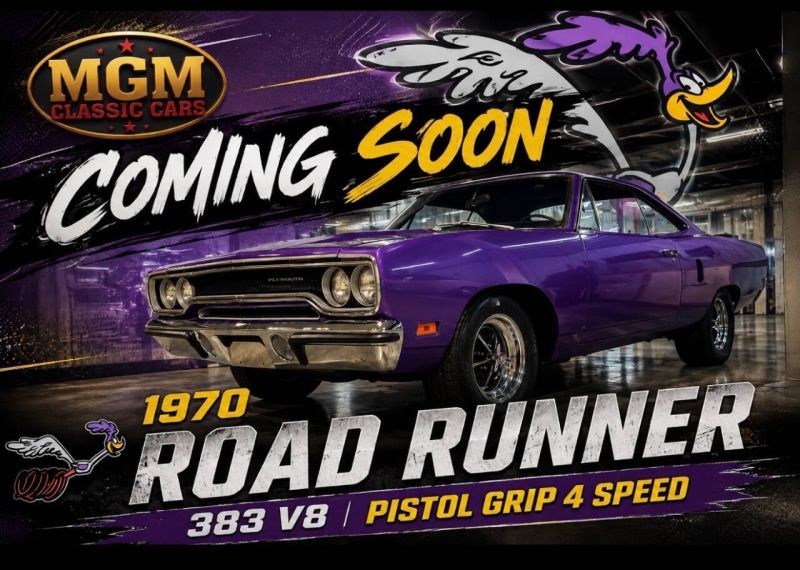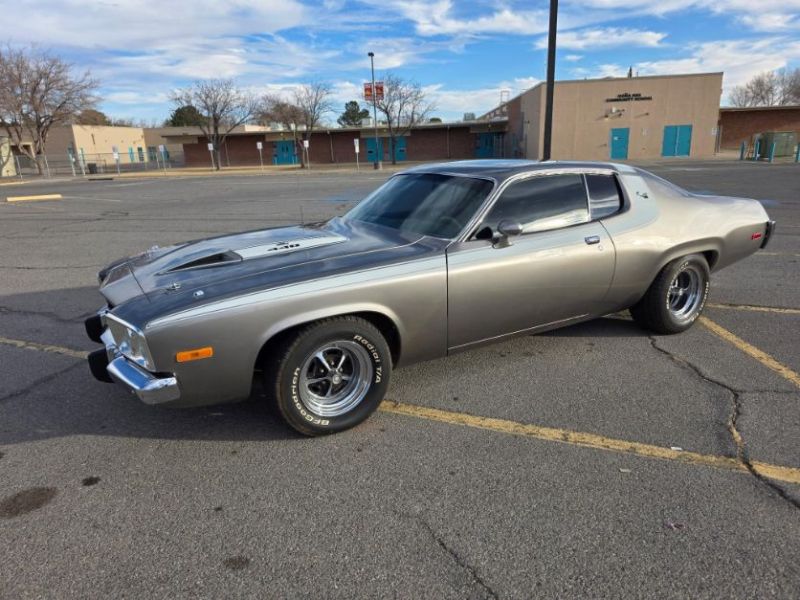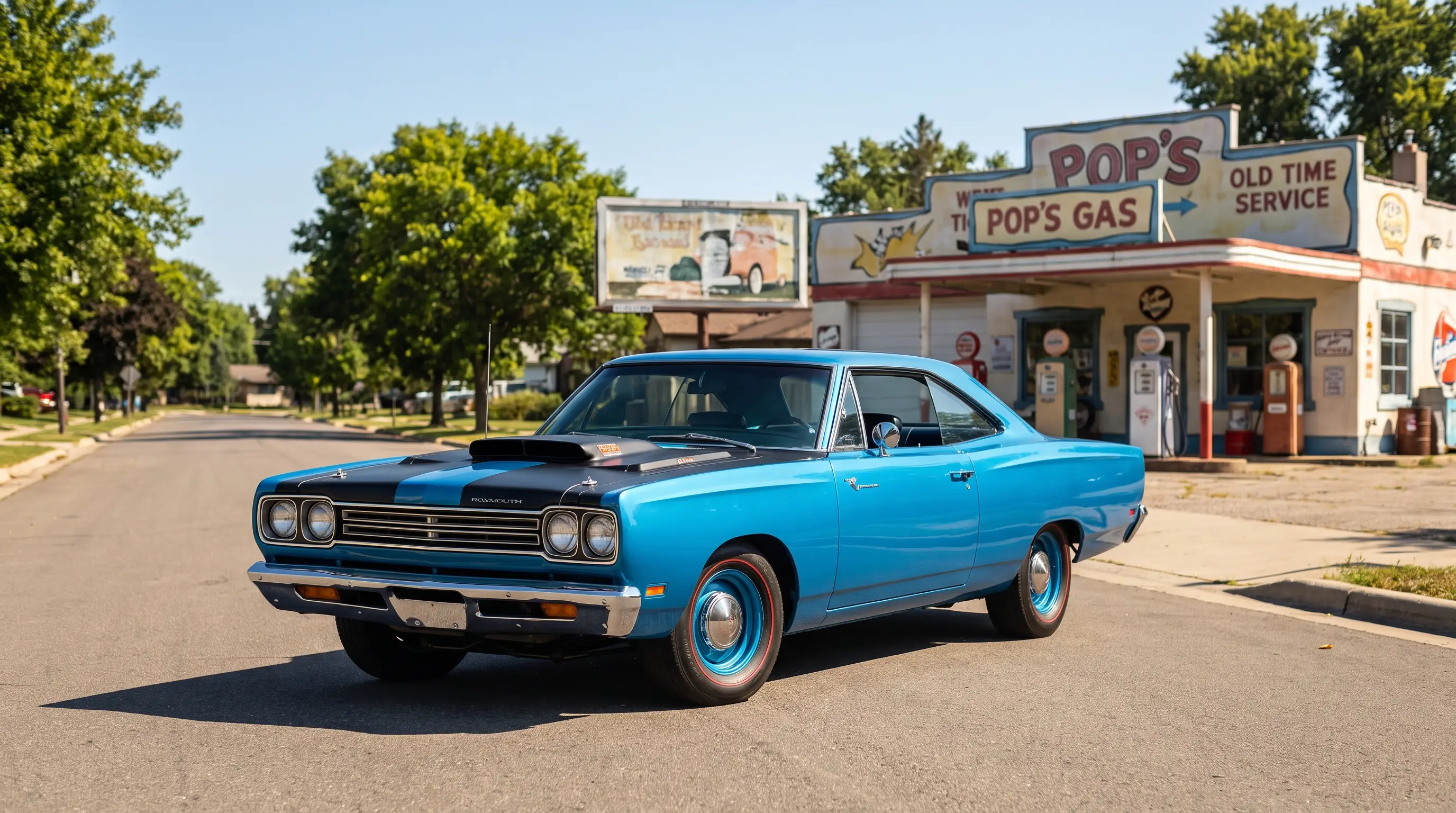
Walk any large car show today and watch what happens when a Plymouth Road Runner rolls through the gate. People do not just glance and move on the way they might for another anonymous 1970s coupe. They point, they smile, some of them make the horn noise under their breath before the owner even gets the chance to honk it. That reaction, decades after the last one left a Detroit assembly line, is what a genuine road runner cult classic looks like in the wild, and it did not happen by accident. The car earned that affection through a specific combination of timing, honesty, and a joke that never really stopped being funny.
Built for the joke, not the trophy case
Plymouth never positioned the Road Runner as a prestige purchase. It was engineered from the ground up to be the cheapest way into serious muscle car performance, and that stripped-down honesty is central to why it built a cult following rather than a purely collector-driven one. Buyers who wanted the fastest car for the least money got exactly what they paid for, no more, no less, and that transparency built trust in a market full of dealers happy to upsell chrome and badges that did nothing for performance. A car that delivers precisely what it promises tends to earn loyalty that outlasts fashion, and the Road Runner promised speed and a laugh, then kept both promises for over a decade of production.
The joke that kept working
Most automotive gimmicks age badly. A clever ad campaign from 1968 usually feels dated and a little embarrassing by 1978, let alone fifty years later. The Road Runner's central joke, a cartoon bird that always outruns whatever is chasing it, avoided that fate because the underlying cartoon itself never really left television. Reruns kept introducing new generations to the same bit, which meant the car's branding did not have to be explained to anyone who saw it, whether they were seeing it new on a dealer lot in 1969 or seeing a restored survivor at a show fifty years later. That kind of built-in, self-renewing relevance is rare, and it is a large part of what separates the Road Runner's cult status from muscle cars that depended entirely on their own original marketing push to stay memorable.
A community that never really left
Cult status requires more than a good original product. It requires people willing to keep the flame lit long after a manufacturer stops caring, and Road Runner owners have done exactly that. Regional and national owner clubs have kept documentation standards, parts networks, and event calendars running continuously since the car went out of production, and that infrastructure matters enormously for a model's long-term reputation. A car with no organized community fades into obscurity even if it was genuinely good when new. The Road Runner had the opposite experience, an active, opinionated, detail-obsessed fan base that turned ownership into an ongoing conversation rather than a one-time purchase. For the full account of how that cartoon-branded identity took root in the first place, the road runner beep beep story covers the licensing deal and early marketing decisions that gave the community something specific to organize around.
"A cult classic needs people who care more than the manufacturer ever did. Plymouth moved on to other projects decades ago. The owners never did, and that stubbornness is the whole reason this car still gets a crowd at a cars and coffee event today."
- Patrick Walsh
Accessible enough to actually own
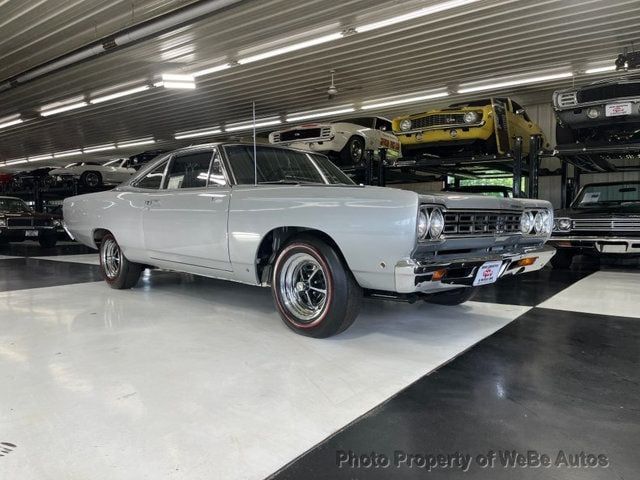
Cult status also depends on accessibility, and the Road Runner has that in a way rarer muscle cars simply do not. Plymouth built the car in large enough numbers across enough model years that a genuine example, even a numbers-matching one, remains within reach of a buyer who is not independently wealthy. That accessibility keeps the fan base growing rather than shrinking into an exclusive club priced out of new blood. Compare that to nameplates where six-figure auction results have pushed ownership entirely out of reach for anyone but serious collectors, and the Road Runner's continued cult relevance starts to make more sense. A cult needs converts, and converts need an actual, affordable path into the club. For the complete history of the model across its full production run, the full story traces the car from its 1968 debut through its final years on the market.
Underdog appeal in a segment full of showoffs
The muscle car era produced plenty of nameplates built around bravado, wide-body stances, aggressive graphics, names meant to intimidate rather than amuse. The Road Runner stood apart by leaning into self-deprecation instead. A car named after a cartoon character who exists specifically to outwit a much larger, more determined predator is not making a claim about dominance. It is making a claim about cleverness and speed winning out over raw size and money, and that underdog framing resonated with buyers who saw themselves the same way, working people competing against wealthier rivals with faster reflexes and better instincts rather than deeper pockets. That identification runs deeper than most marketing campaigns manage, because it was not selling an aspiration so much as reflecting back an attitude buyers already had about themselves.
Cult status, in car culture as in music or film, tends to attach to things that never quite got the mainstream respect their quality deserved during their original run. The Road Runner won its share of period magazine comparisons and outsold Plymouth's own projections in its debut year, so it was never exactly overlooked. But it also never carried the same prestige weight as a Corvette or a Shelby product among casual observers who judged a car by badge alone rather than by what it could actually do on a track. That gap between genuine capability and perceived status is fertile ground for cult devotion, because it gives owners something to prove and defend, a car worth championing precisely because outsiders sometimes underestimate it.
Why the icon status has staying power
What ultimately makes the Road Runner a durable cult classic rather than a passing nostalgia trend is the layering of all these factors together: an honest, no-frills product, a self-renewing cultural joke, an organized and stubborn owner community, and genuine affordability compared to its muscle car peers. Remove any one of those elements and the car probably fades into the same forgotten territory as dozens of other late-1960s intermediates that never built the same following. Together, they explain why a car built to be cheap and funny has outlasted plenty of nameplates that were built to be prestigious and serious. Anyone who wants to understand that appeal firsthand rather than read about it can look at classic Runners on the market and see what continues to draw a crowd at every show it attends.
Sources and notes
- Plymouth Road Runner - Wikipedia
- Beep Beep: The Irreverent Plymouth Road Runner - Ate Up With Motor
- The 1968 Plymouth Road Runner was a Very Popular Muscle Car - MotorCities
- Budget Muscle: The Plymouth Road Runner Started a Trend - Hagerty Media
- In-Motion Classic: 1971 Plymouth Road Runner - Curbside Classic