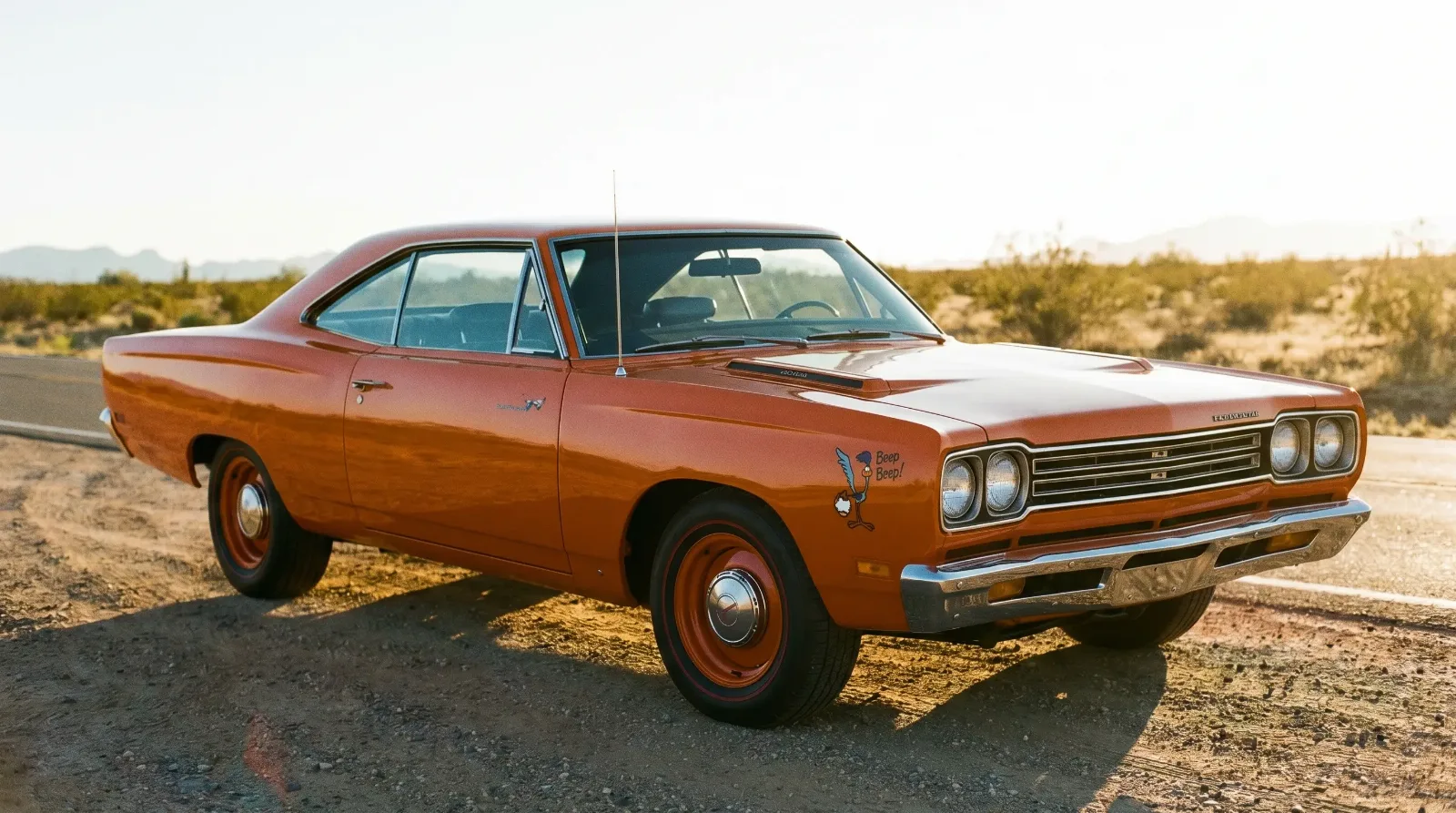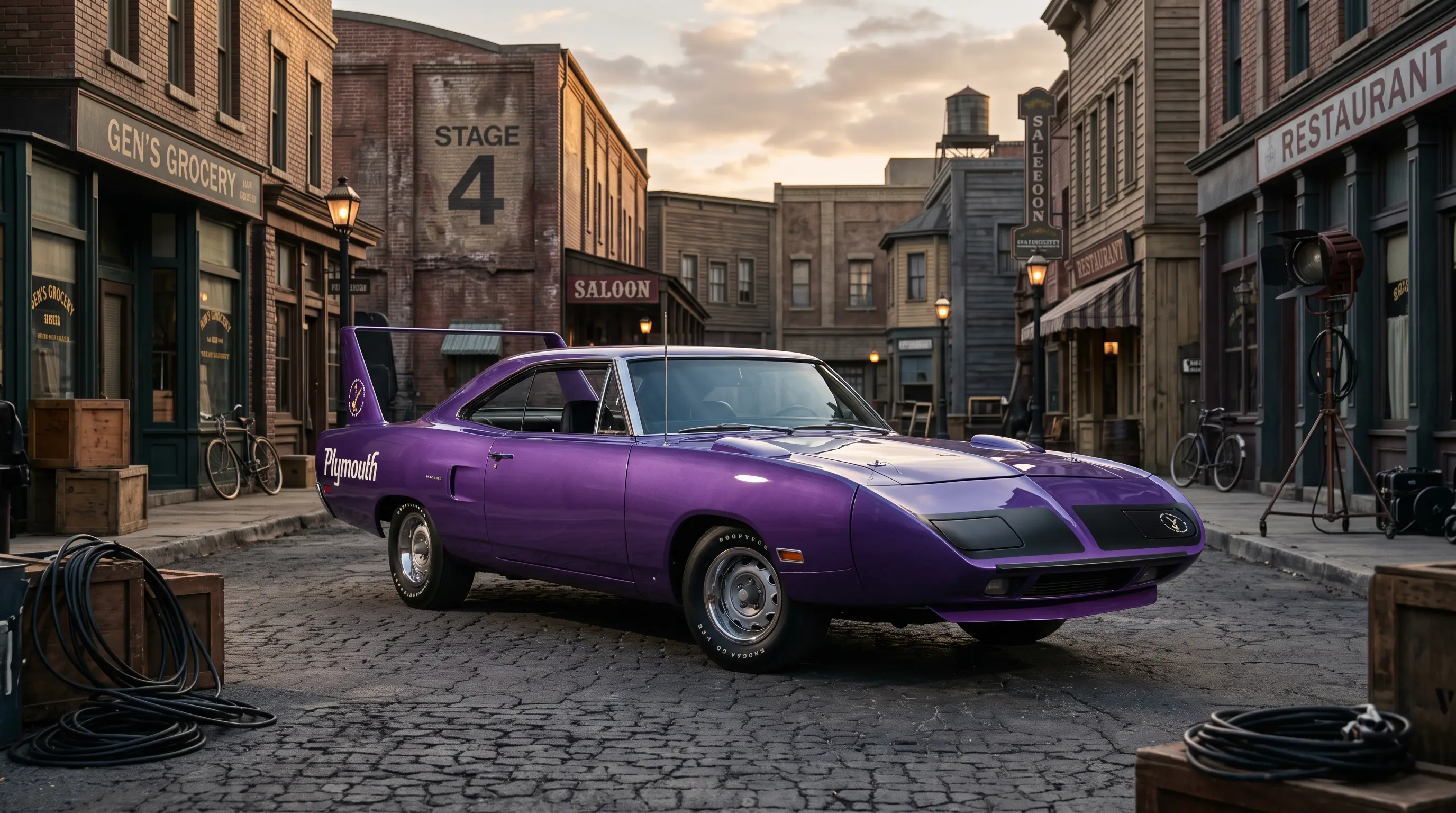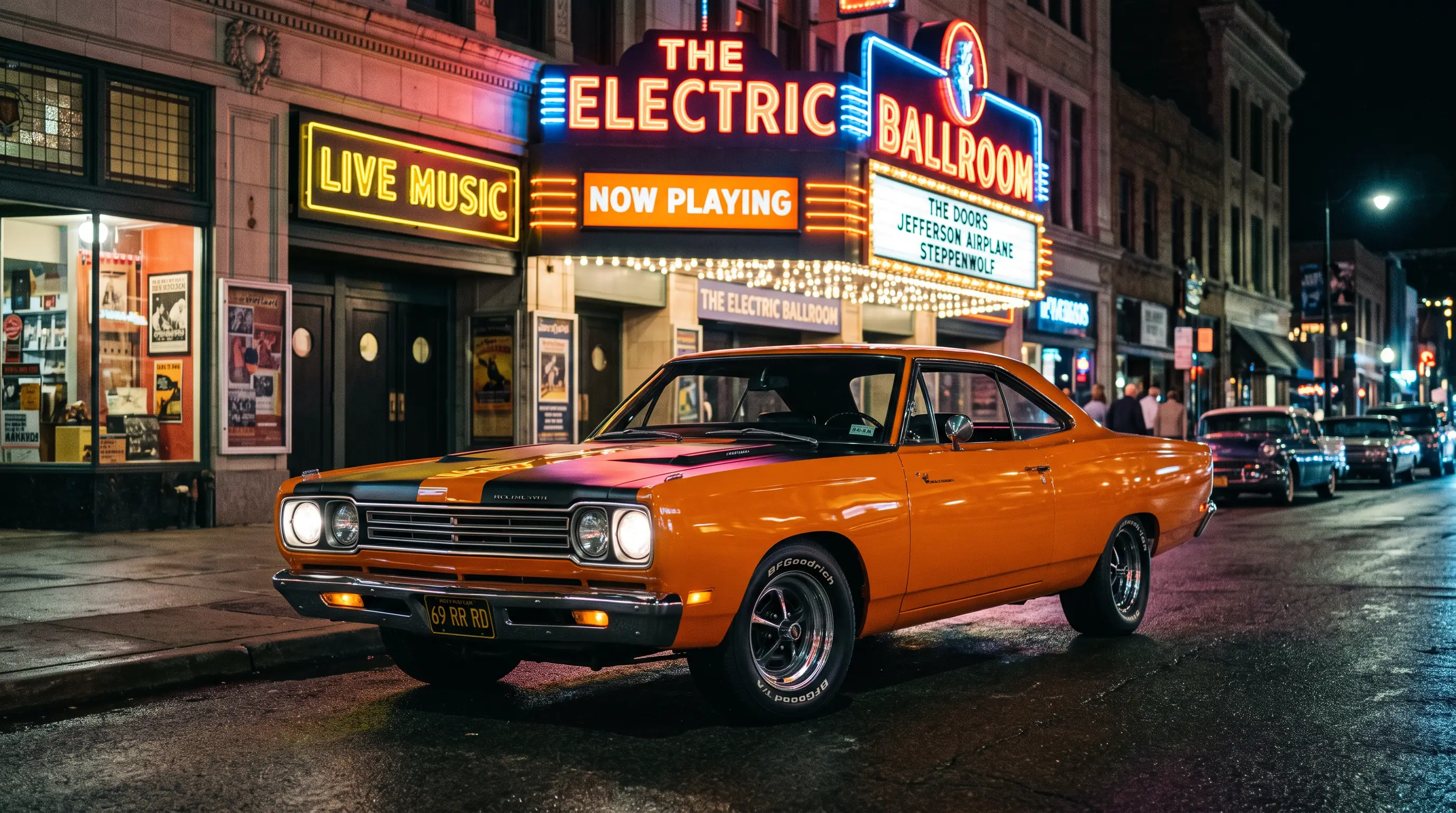
A working musician pulling into a Los Angeles session in 1969, still smelling like a smoke-filled club from the night before, parks a Plymouth Road Runner at the curb instead of anything fancier, and nobody in the parking lot thinks that is strange. That was the appeal of the car from the start. Famous Road Runner owners were rarely the sort who needed a status symbol. They wanted something fast that did not announce old money, and the Road Runner's whole identity, a cheap car with a cartoon horn and a serious engine underneath, fit people who liked to keep their bank balance and their attitude a little bit hidden.
The musician's choice
Several touring musicians of the late 1960s and early 1970s are said to have gravitated toward the Road Runner for the same reason regular buyers did: it was fast without being flashy. Specific period ownership by individual musicians is difficult to confirm from surviving records, but the broader pattern holds up in modern celebrity garages, where performers like comedian Kevin Hart, who owns a restomodded 1969 Road Runner packing a 426 Hemi, have kept the same instinct alive: pick the car with the real engine under it rather than the one that just looks expensive. The Road Runner let someone with real money spend it on speed rather than chrome, and that quiet flex appealed to people whose whole public identity was built on not looking like they were trying too hard.
Racers who drove what they sold
Professional drag racers of the muscle car era had an easier relationship with the Road Runner than most celebrities, because plenty of them were sponsored by dealerships that sold the car and drove it both on the strip and on the street. It was common for a regional drag racing name to campaign a Hemi Road Runner at the track on Saturday and be seen in a nearly identical street version around town during the week, since the factory car and the race car shared so much hardware to begin with. That overlap meant the Road Runner earned its reputation honestly, built by people who staked their name on the car performing exactly as advertised in front of a paying crowd.
Character actors and character cars
Hollywood's relationship with the Road Runner extended past the screen and into real garages. Character actors working steadily through the late 1960s and 1970s, the kind of performers recognized by face more than name, often bought Road Runners for the same reason the car appealed to musicians. It did not require explaining. Anyone who saw the bird decal already knew what kind of car it was and roughly what it cost, and that built-in familiarity meant an owner did not have to perform wealth to be taken seriously behind the wheel. For a deeper look at how that recognition got built in the first place, our road runner beep beep retrospective covers the marketing decisions that made the bird instantly readable to anyone on the street.
The dealership connection
A surprising number of notable owners came to the Road Runner through a dealership relationship rather than a showroom purchase off the lot. Regional Plymouth dealers who sponsored drag racing teams often kept a few Road Runners on hand specifically for local celebrities, radio personalities, and sports figures who wanted a fast car without the hassle of ordering one and waiting weeks for delivery. That arrangement worked well for both sides. The dealer got a recognizable face driving their product around town, and the borrower or buyer got a car that came with instant credibility among people who actually knew what a 383 or a 440 meant under the hood. Some of those relationships turned into long-term ownership, with a local sports announcer or a regional TV personality keeping the same Road Runner for a decade or more, long after the sponsorship arrangement that first put them behind the wheel had ended.
Everyday owners who became the story
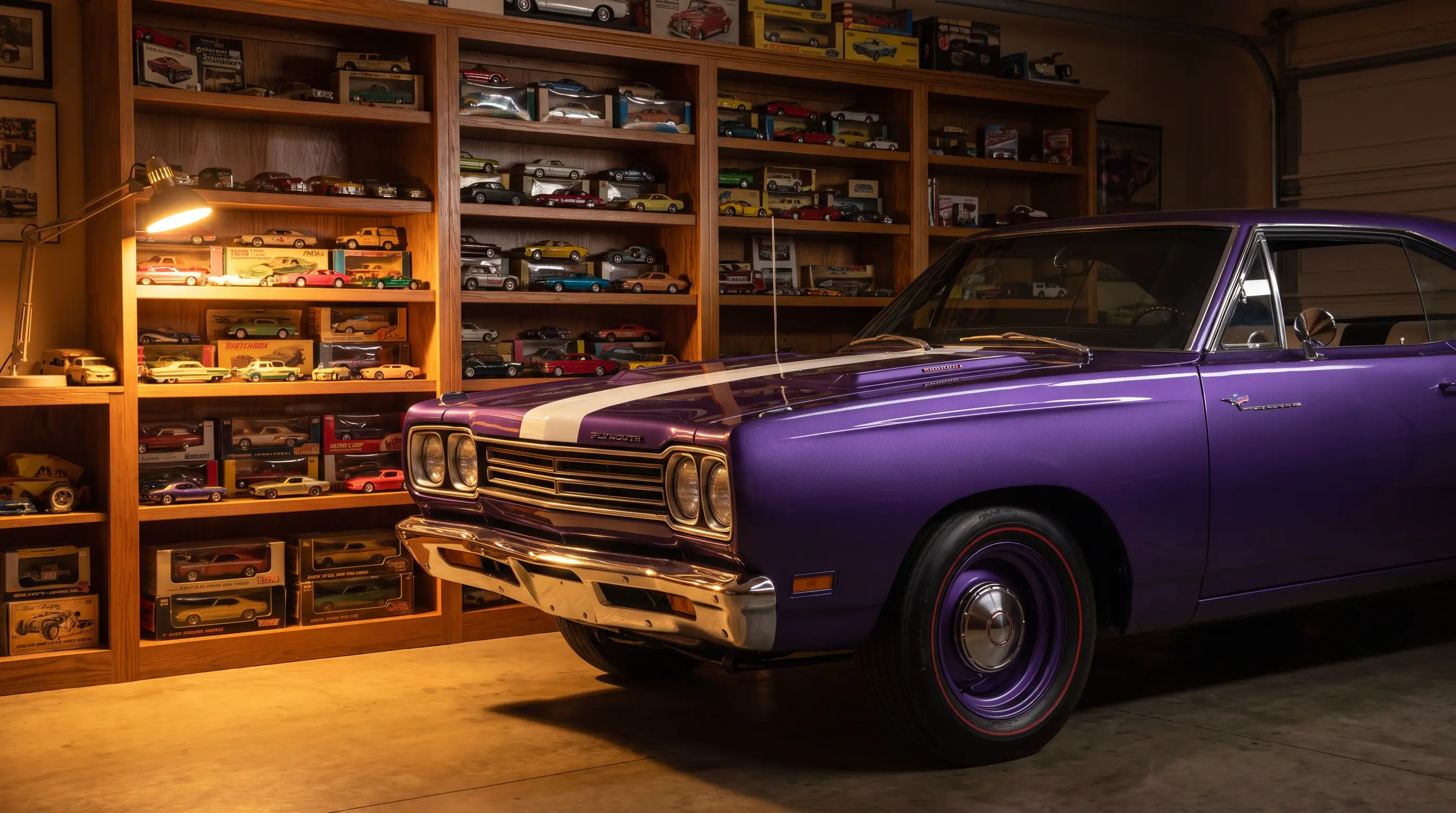
Not every famous Road Runner owner was famous before they bought the car. Plenty of ordinary buyers became minor legends within car culture itself, the local drag strip champion whose Road Runner beat cars that cost twice as much, or the high school kid whose father's dealership let him take one home for a summer that turned into decades of ownership. These stories rarely made national news, but they circulated for years within regional car clubs and still surface at reunions and swap meets. Some of that same collector-toy culture eventually turned famous ownership into something you could hold in your hand rather than just read about, which is covered in a related story about how the model made the jump from full-size car to pocket-sized collectible.
"Half the appeal of owning a famous person's old Road Runner isn't the fame at all. It's that the car proves the owner actually understood what they were buying, that they picked the honest performance car over the car that just looked expensive."
- Patrick Walsh
Why the car attracted these owners
Look across the list of notable Road Runner owners, real or rumored, and a pattern holds. These were not people chasing prestige. They were people who valued performance per dollar and did not mind if a car came with a joke attached. The Road Runner offered genuine muscle car credentials, a Hemi or a big-block 440 under the hood in top trim, wrapped in a package that cost less than a well-optioned Impala. That combination appealed to a specific kind of buyer regardless of their tax bracket, someone confident enough not to need the car to do their bragging for them.
That preference shows up again and again once you start comparing owner profiles across the muscle car segment. Buyers drawn to a Corvette in the same period were often signaling arrival, a first taste of real money spent on something unmistakably expensive. Road Runner buyers, famous or not, tended to be people already comfortable enough that they did not need the car to announce it for them. A touring musician with real record sales, a working actor with steady credits, a drag racer with sponsorship money, all of them had other ways to prove they had made it. The Road Runner let them spend that money on raw speed instead of status, which is a quieter kind of flex but arguably a more honest one, and it is a large part of why the car kept attracting the same type of confident, unshowy owner year after year through the entire run of the muscle car era.
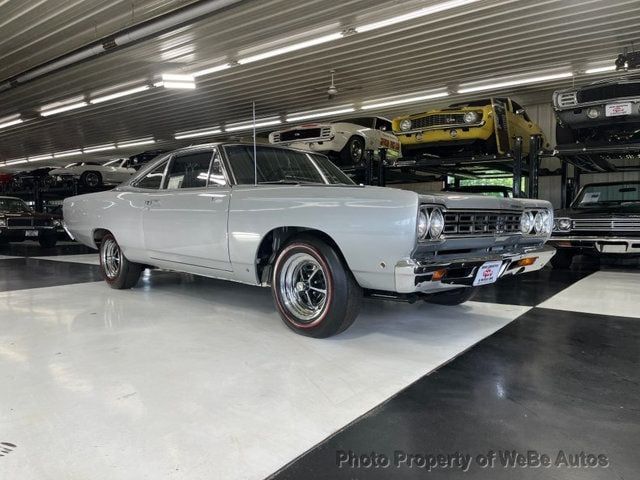
The ownership story continues
Today's Road Runner owners inherit that same reputation whether or not they know the history behind it. Buying one still signals a preference for substance over show, a willingness to drive a car whose value comes from what is under the hood rather than what badge sits on the trunk lid. That continuity is part of why the model holds steady interest among collectors who could afford flashier options and choose the bird instead. Anyone drawn to that same combination of honest performance and cultural weight can look at Runners for sale now and decide whether they want to add their own chapter to a list of owners that already includes musicians, racers, and character actors who all landed on the same conclusion for slightly different reasons.