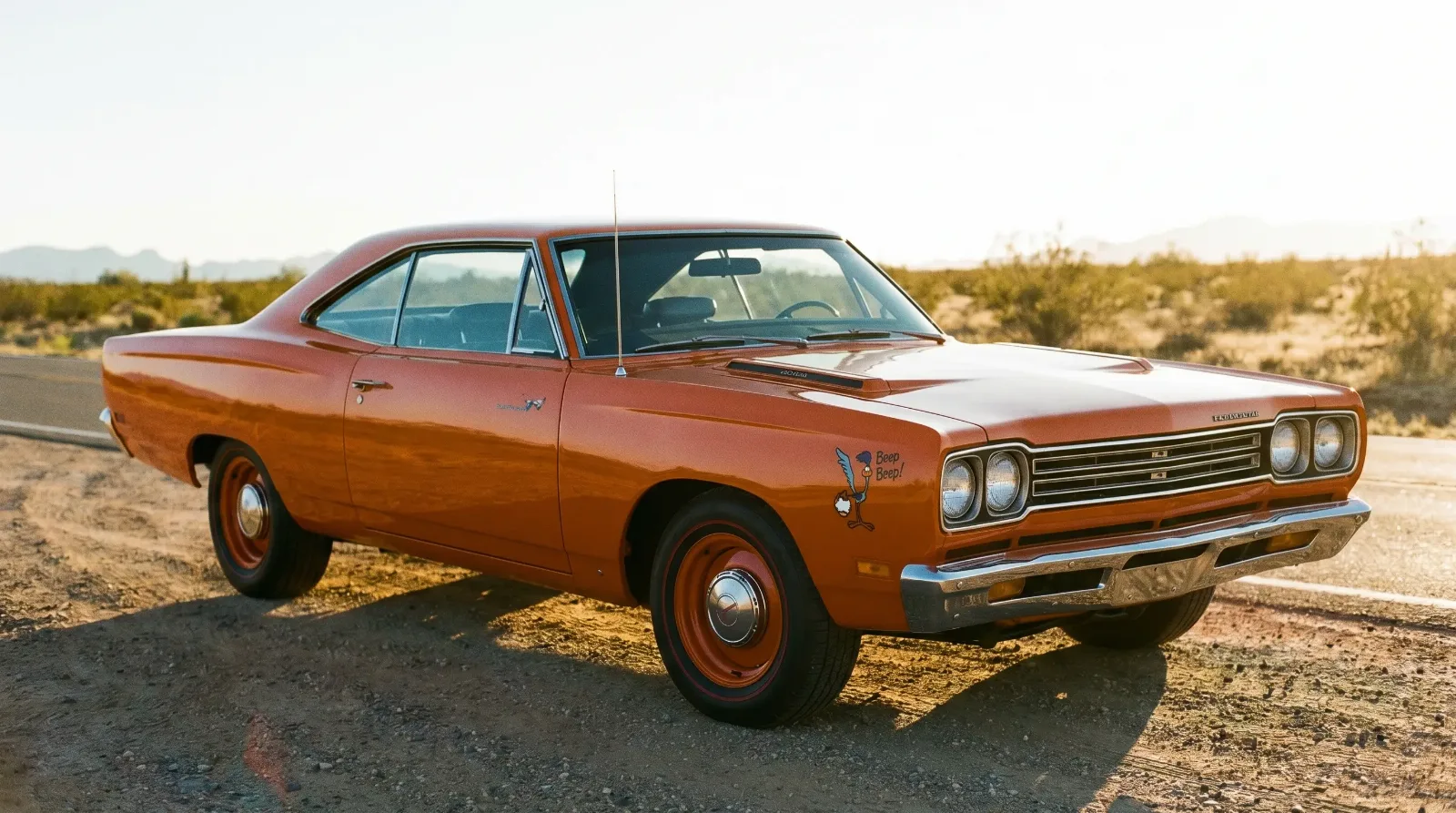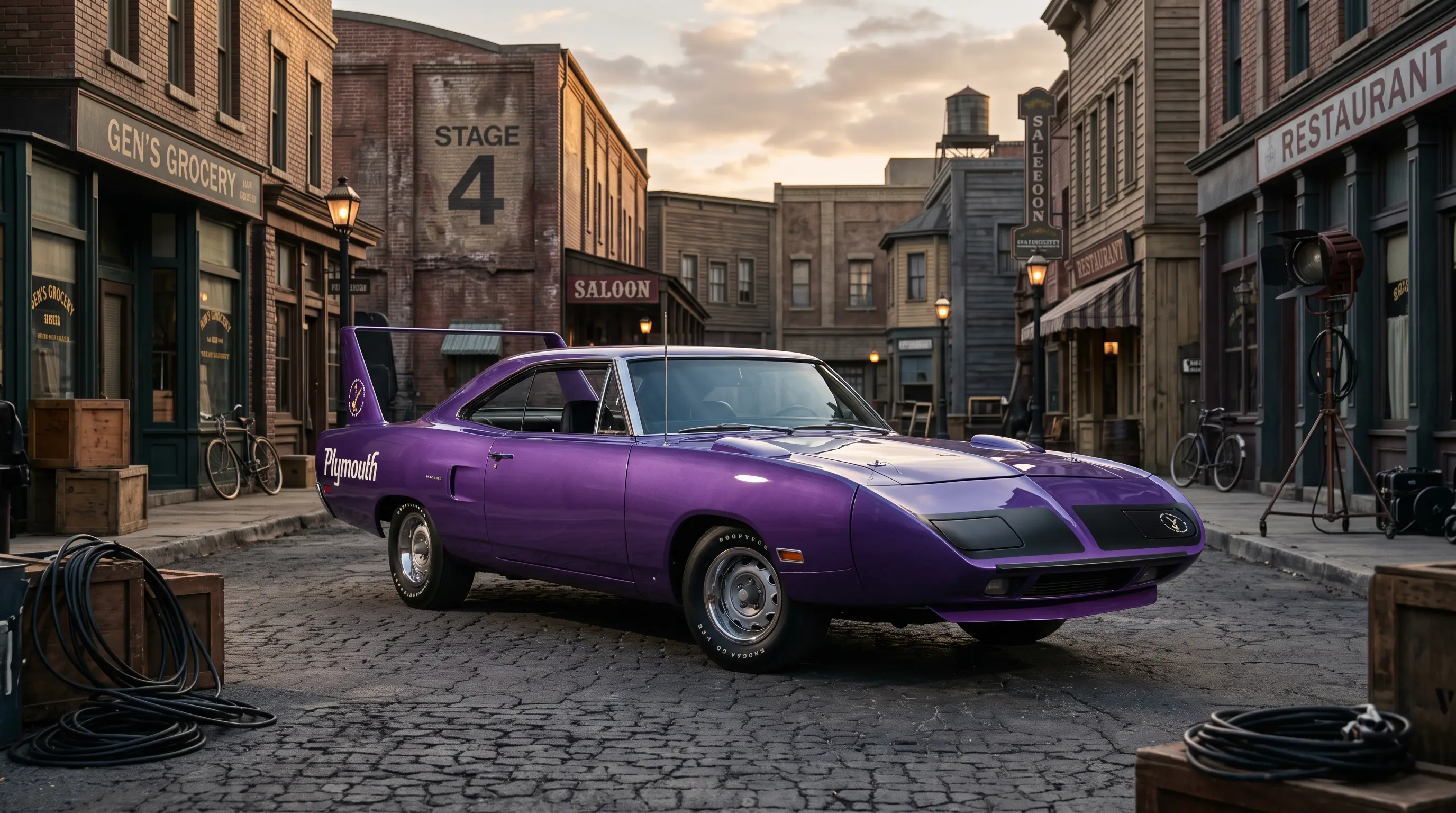
A kid in the front row of a drive-in somewhere in Ohio, sometime around 1970, watches a yellow car with a bird decal on the fender chirp its horn and vanish off the top of the screen in a cloud of dust, and he never forgets it. That is the kind of first contact most people had with the Plymouth Road Runner on film, not through a magazine road test but through a single loud, funny scene wedged into a movie that was mostly about something else entirely. The Road Runner in movies and television was rarely the star of the picture. It was the car a director reached for when a scene needed attitude fast, cheap, and a little bit cartoonish, and that reputation followed the model for decades after Detroit stopped building it.
A star before it was a car
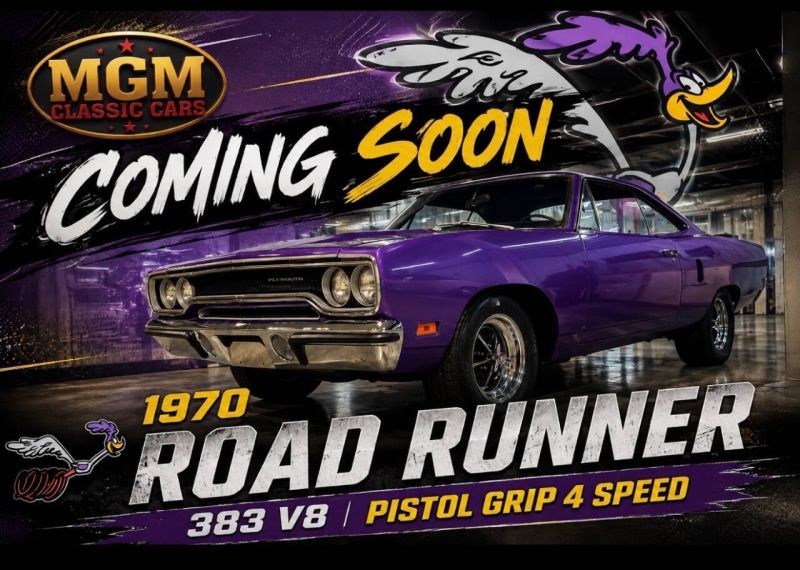
The Road Runner had a head start no other muscle car of its era enjoyed. The character it was named for had already been chasing a coyote across movie screens and television sets for the better part of two decades by the time Plymouth licensed the name in 1967. Audiences did not need to be introduced to the joke. A filmmaker who put a Road Runner in a chase scene was borrowing goodwill that Warner Bros. animators had built up since the 1940s, and viewers picked up on it instantly, often laughing at the horn before the car had done anything else.
Saturday morning cameos become screen cameos
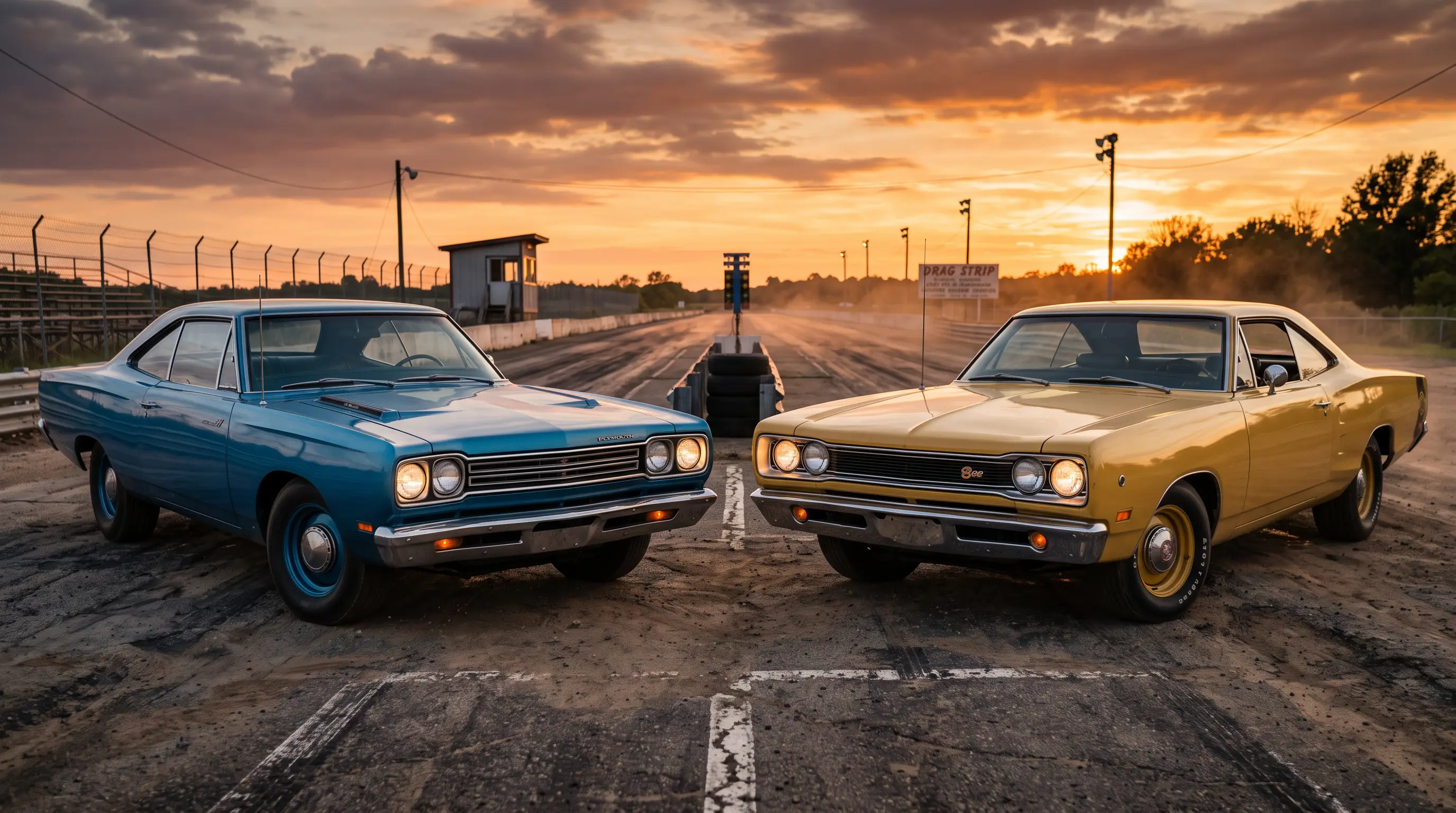
Because the car doubled as a piece of branding for a cartoon, low-budget productions loved it. Drive-in features built around street racing and outlaw car culture in the early 1970s used Road Runners as easy shorthand for a character who was broke but fast, someone who bought the muscle car with the joke built in because it was the loudest statement available for the least money. Television leaned on the same idea. Cop shows and detective series of the period would frequently cast a Road Runner as the getaway car in a chase sequence, since the model's low price when new meant plenty of used examples were available cheap for stunt work by the time a show needed one to wreck.
The big screen years
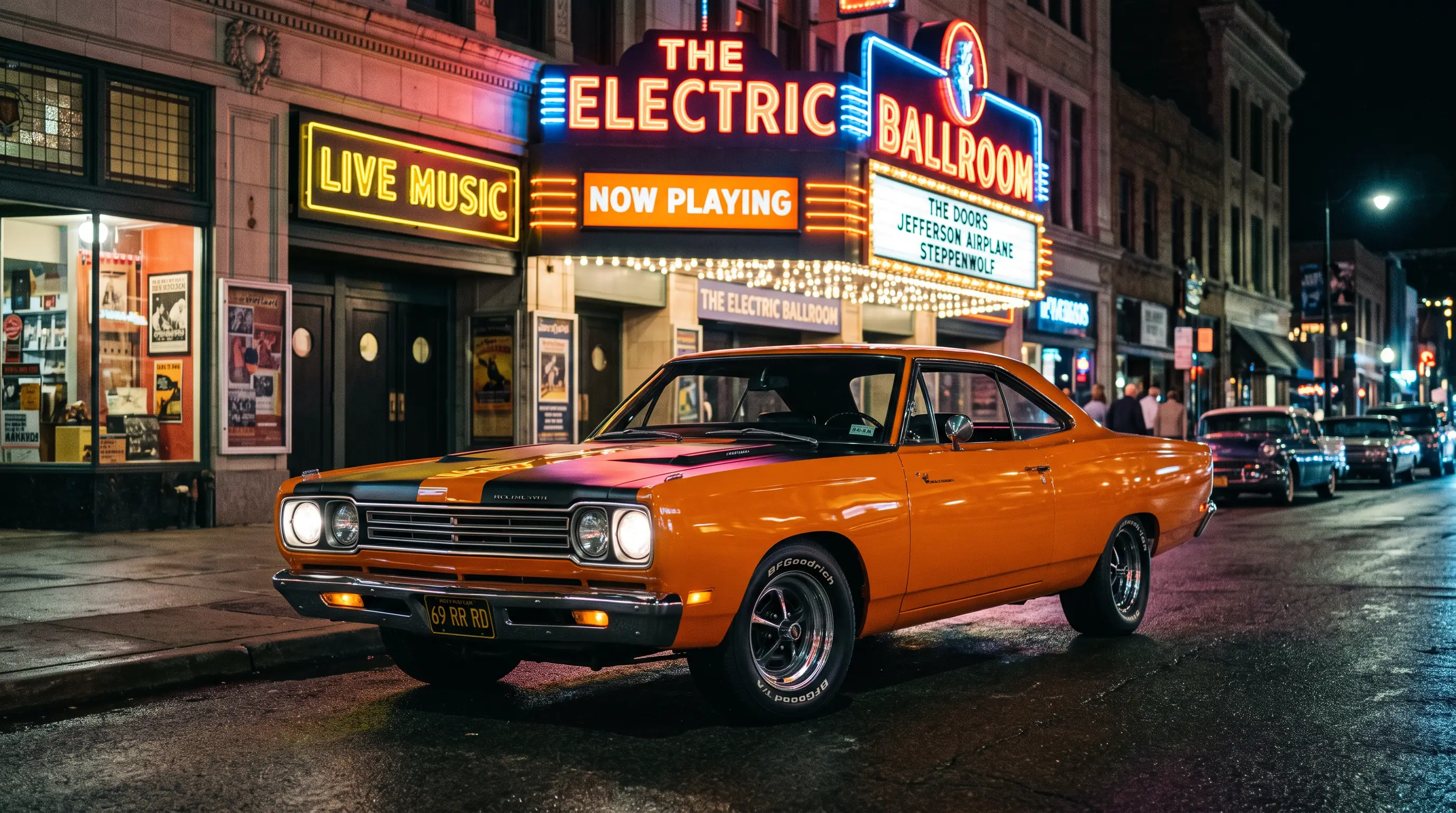
By the middle of the 1970s the Road Runner had settled into a specific role in film: not the hero's car, usually, but the car that told the audience something about a character before a single line of dialogue was spoken. A Road Runner parked outside a diner signaled a certain kind of person, working class, a little rebellious, more interested in speed than status. Later decades brought a wave of nostalgia pictures that used the car deliberately, casting it as a period prop meant to place a scene precisely in its era the way a specific song or a specific haircut would. Those appearances rarely got the same attention as a Charger or a Mustang in the credits, but they kept the silhouette in front of new audiences generation after generation. For readers who want the earlier chapters of that story, the full story covers how the cartoon license came together in the first place and why it mattered so much to how the car was marketed and later remembered on screen.
Small screen reruns and nostalgia
Television syndication did more for the Road Runner's cultural footprint than any single feature film. Reruns of both the original cartoon and the shows that borrowed its car kept the bird's grinning face and that distinctive horn sound in front of children who had never seen a new one on a dealer lot. That constant low-level exposure is a large part of why the name still means something to people who were not alive when Plymouth built the last one. A car does not need a starring role to stay culturally relevant if it keeps showing up in the background of things people watch on a loop.
"Nobody remembers the plot of half these movies. They remember the horn. That's a strange kind of immortality for a car, getting famous for a sound effect it was born with instead of anything it actually did on screen."
- Patrick Walsh
Why Hollywood keeps casting the bird
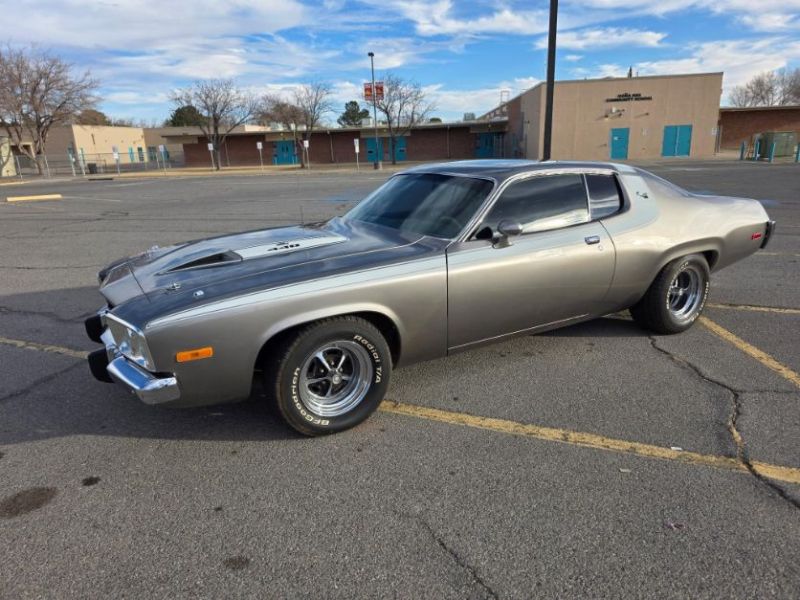
Casting directors and prop coordinators are practical people, and the Road Runner offers something few other period muscle cars can match: instant recognition without the price tag or paperwork headaches of a rarer, more valuable model. A production does not want to risk a numbers-matching Hemi car in a stunt sequence, but a clean, common Road Runner reads just as well on camera and costs a fraction as much to insure. That practicality has kept the model in rotation for set dressing and background action long after flashier nameplates priced themselves out of casual film work. It is a strange kind of respect, being the car a production trusts enough to actually crash.
A legacy built on recognition
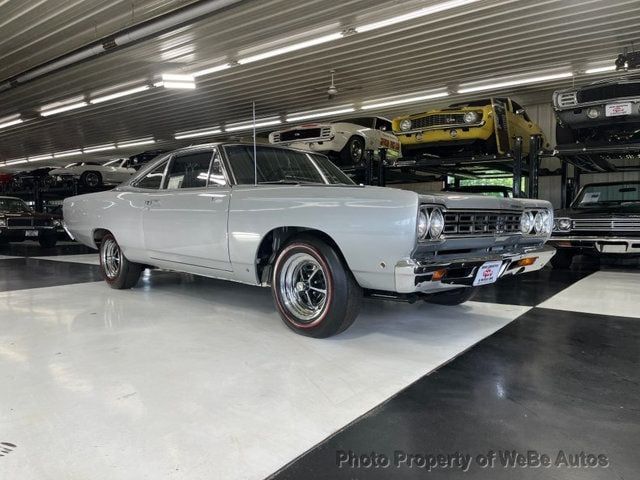
What ties all of these appearances together is recognition rather than reverence. The Road Runner rarely gets the hero shot a Shelby Mustang or a Hemi Cuda earns in a film, but it does not need one. The name and the horn do the work that a slow-motion reveal would do for another car, because audiences already know the joke. That built-in familiarity is exactly what Plymouth was betting on back in 1968, and it turned out to be a bet that paid off for the model's reputation long after the last one rolled off an assembly line. Anyone who wants to own a piece of that recognizable silhouette rather than just watch it on a screen can browse classic Runner listings and see what is currently available.
The car's screen career also says something about how differently muscle cars age in the public imagination. Some become untouchable icons, kept behind velvet rope at auctions and never risked in front of a camera. The Road Runner took the opposite path, staying accessible, staying common enough that a production could put one through a real stunt without a studio's insurance department having a heart attack. That accessibility is exactly what made the cartoon joke land in 1968, and it is exactly what has kept the car working steadily in the background of American film and television ever since, a blue-collar star that never needed top billing to be recognized on sight.
There is also something fitting about a car built to be affordable ending up as the affordable choice for production budgets decades later. Plymouth's whole pitch in 1968 was that speed and personality did not require a premium price, and that same logic is what makes the model useful to a location scout or a stunt coordinator today. It photographs like a serious muscle car because it is one, but it does not carry the fragility or the six-figure price tag that keeps rarer siblings locked in a climate-controlled garage instead of out on a closed set earning its keep in front of a camera.
Sources and notes
- Plymouth Road Runner - Wikipedia
- Plymouth RoadRunner Year-by-Year: History, Engines, Production - Muscle Car Club
- 1960-76 Mopar Production Numbers - Classic Industries
- Plymouth Road Runner: Evolution of the Roadrunner (1968-1980) - Muscle Cars Illustrated
- 1968 Plymouth Road Runner Specifications - Conceptcarz