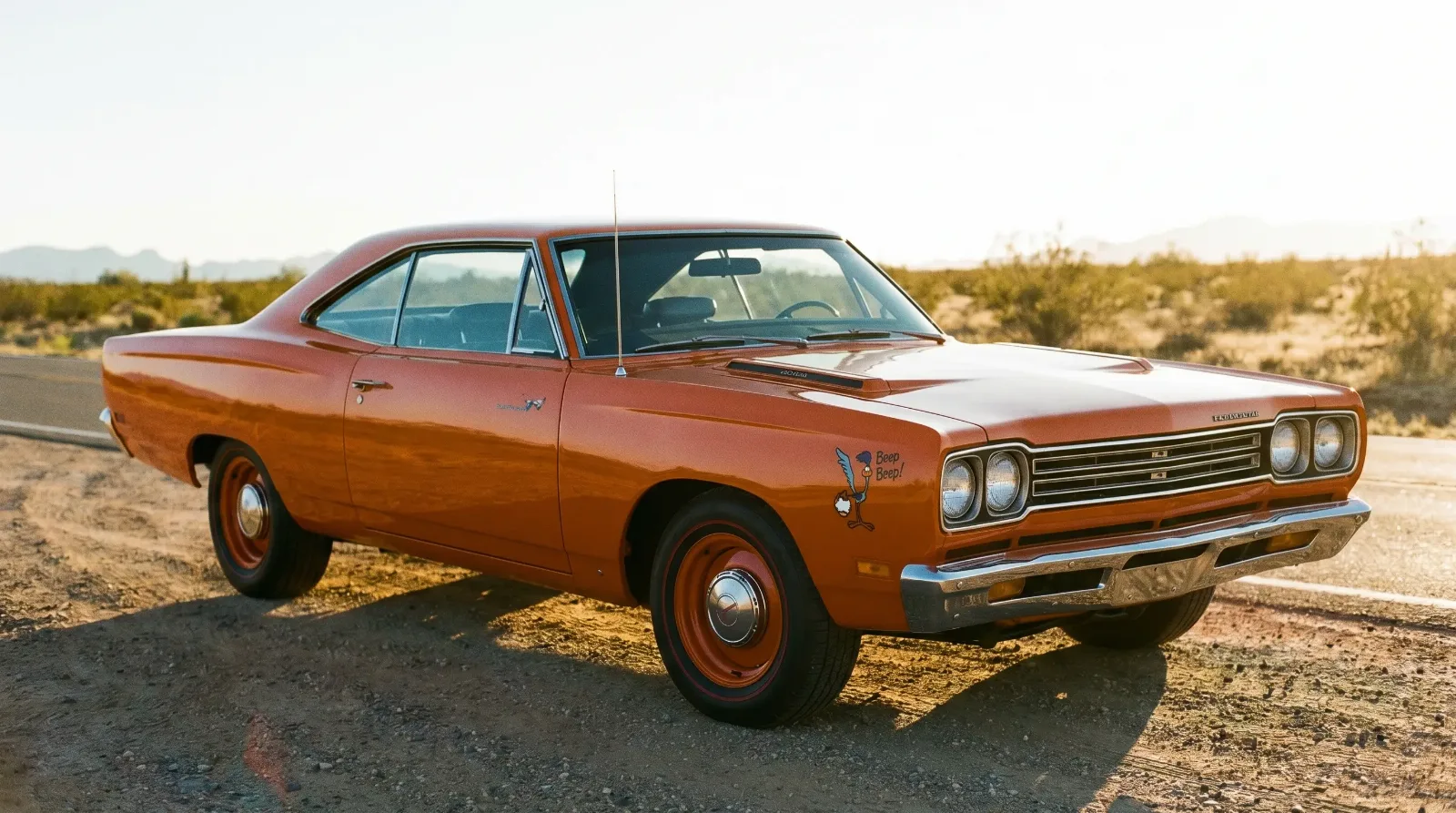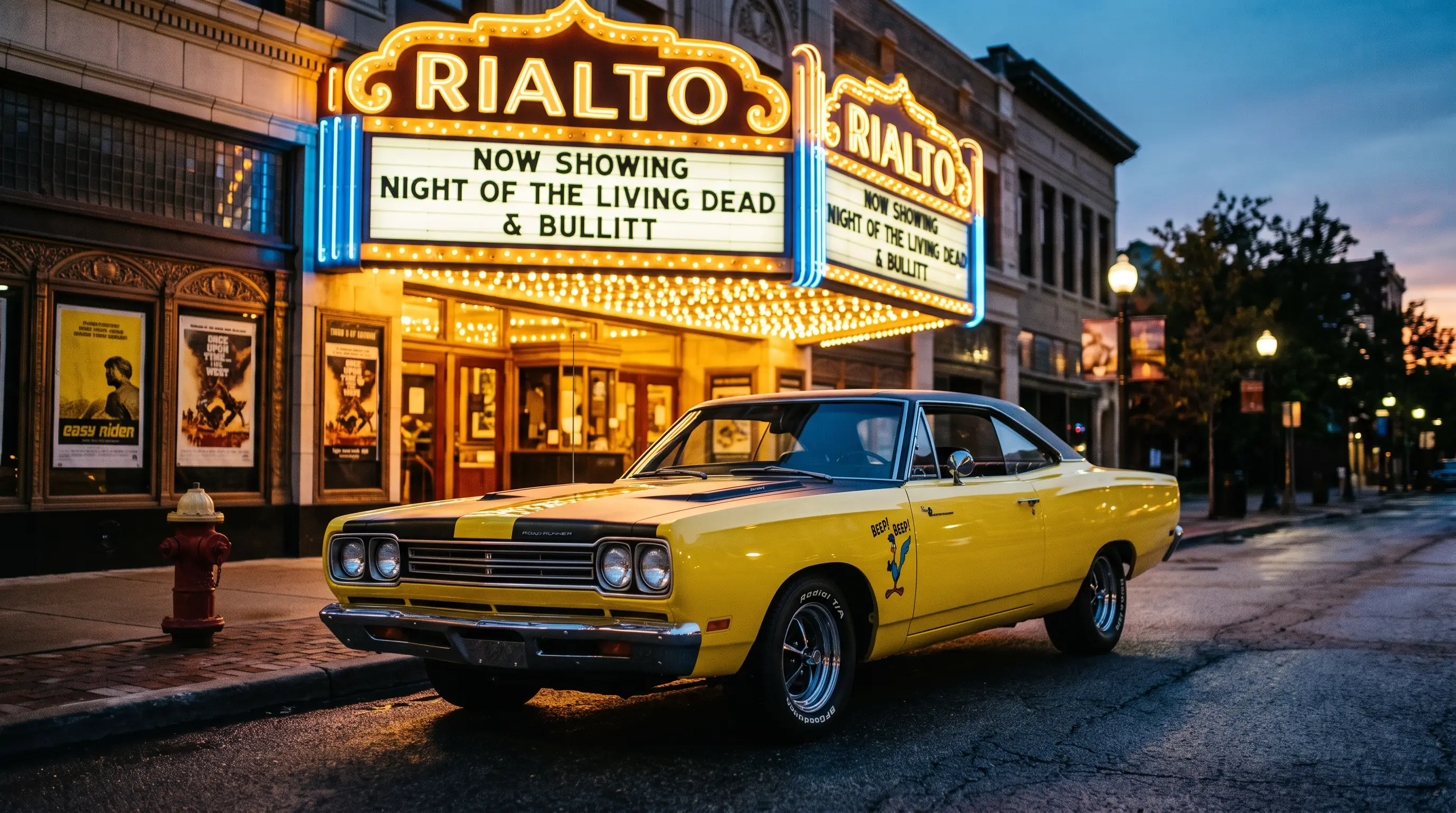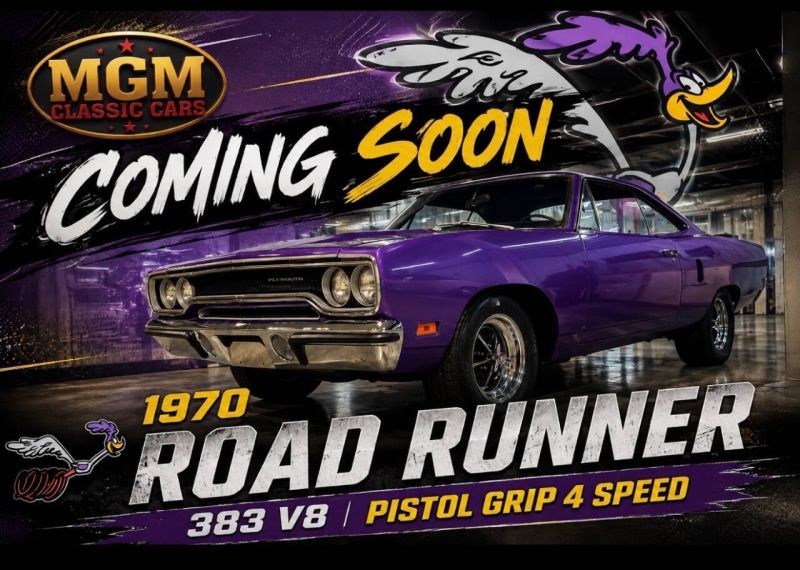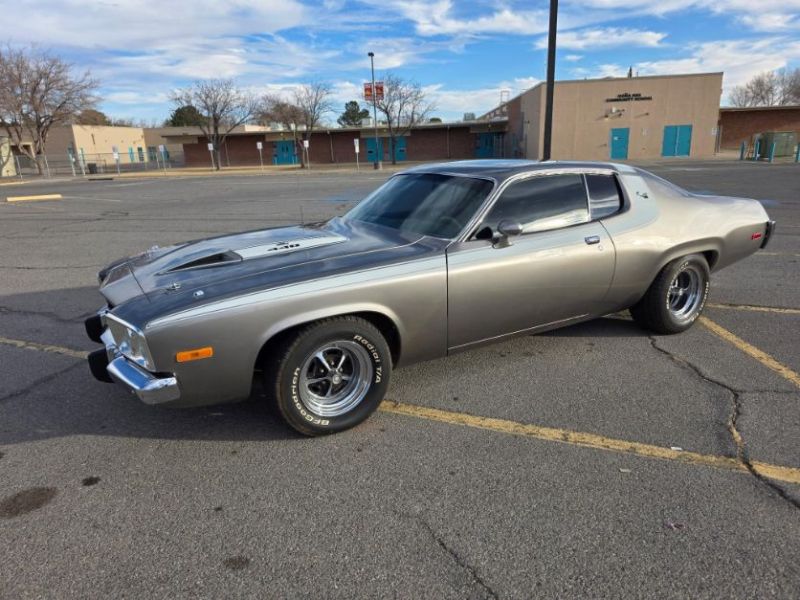
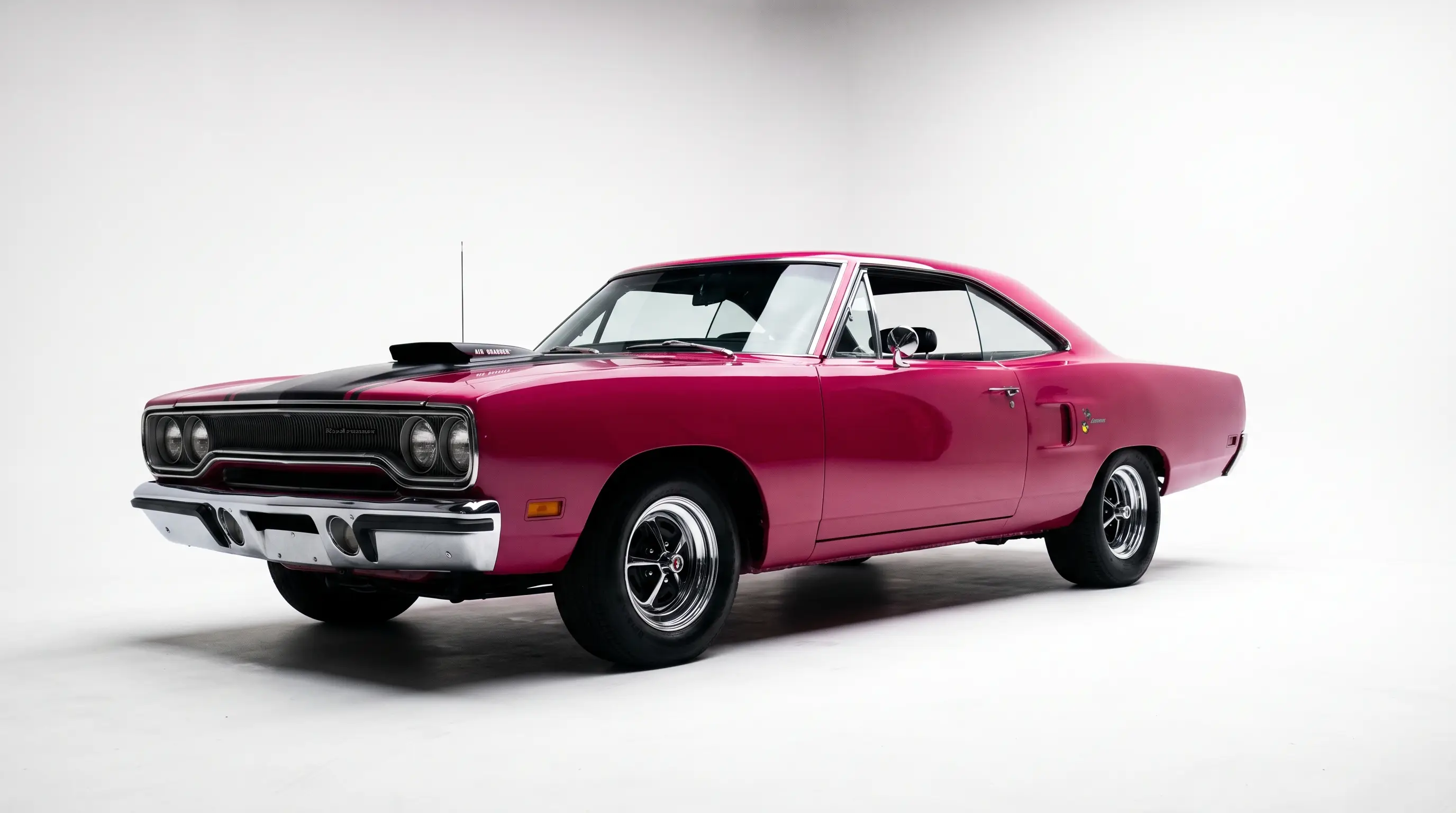
Picture a Plymouth dealer lot in the spring of 1969, rows of sensible sedans in gray and beige, and then one car parked at the end of the row in a color so loud it looked like it had wandered in from a different decade. That was the point. Plymouth's High Impact colors turned the Road Runner and its stablemates into rolling arguments against restraint, and the names alone, Vitamin C, Moulin Rouge, Tor Red, In-Violet, told you exactly what kind of argument they were making.
Where the names came from
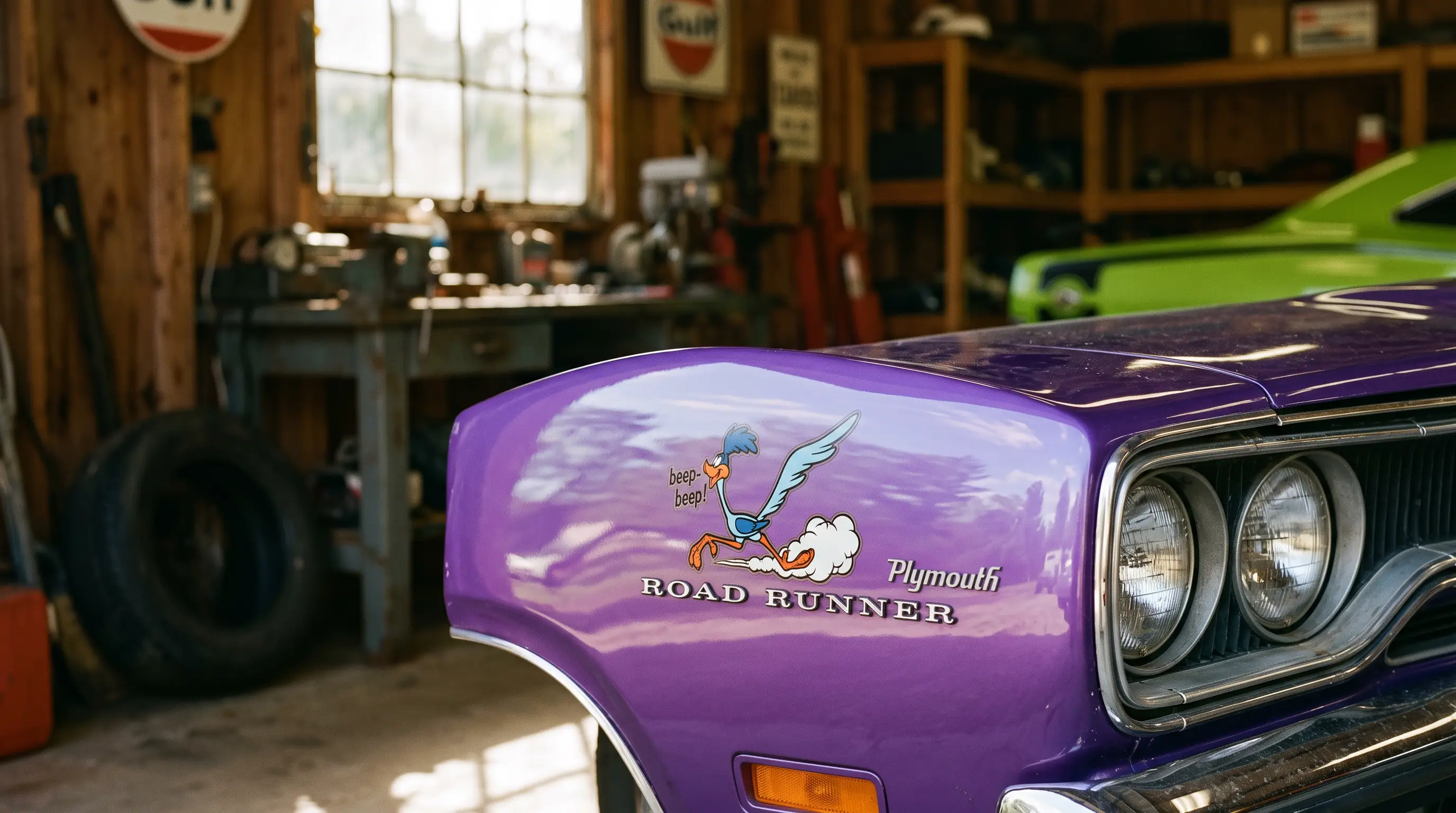
Plymouth's marketing team did not settle for boring paint code numbers when it launched the High Impact palette. Every color got a name built to be repeated, joked about, and remembered. Vitamin C was a screaming orange. Moulin Rouge was a hot pink that had no business existing on a factory muscle car and existed anyway. In-Violet leaned purple with enough intensity to look almost electric under direct sun. Lime Light, added slightly later, was a bright yellow-green that became one of the most instantly recognizable colors of the entire muscle car era (Dodge sold the identical paint code as SubLime).
These were not subtle upgrades to an existing palette. They were a deliberate break from it, aimed squarely at a younger buyer who wanted their car to be loud in every sense, not just under the hood.
A response to a crowded market
By 1969, the muscle car segment had gotten genuinely crowded. Ford, Chevrolet, Pontiac, and Plymouth's own sibling Dodge were all selling variations on the same basic formula, a mid-size body, a big engine, aggressive stripes. Standing out on horsepower alone had gotten harder and more expensive, since insurance companies were already starting to react to engine displacement. Standing out on color was cheap by comparison, and it worked instantly, visible from across a parking lot in a way a spec sheet never could be.
The Road Runner was a particularly good canvas for the strategy because the whole car was already built around a sense of humor. A cartoon bird on the fender and a horn that beeped like the cartoon already signaled that this was not a car for buyers who wanted to blend in. High Impact colors extended that same personality from the badge to the paint.
| Color name | General hue | Approximate introduction |
|---|---|---|
| Tor Red | Bright orange-red | 1969 to 1972 |
| Vitamin C | Deep orange | 1969 to 1970 |
| Moulin Rouge | Hot pink | Spring 1970, special order 1971 |
| In-Violet | Purple | 1970 to 1971 |
| Lime Light | Yellow-green | 1970 only |
Dodge sold several of these same paint codes under different names on the same year's cars, Tor Red as Hemi Orange and Lime Light as SubLime among them, so a color name alone does not tell you which brand a car left the factory wearing.
Marketing the palette to a younger buyer
Plymouth did not just offer these colors quietly on the order form and hope buyers noticed. Print advertising built around the High Impact palette leaned hard into the names themselves, running copy that read almost like a dare, describing the colors in language usually reserved for describing food or drink rather than automotive paint. That approach was deliberate, aimed at a buyer demographic Plymouth's marketing research had identified as younger, more image-conscious, and more willing to make a bold, even impractical choice than the traditional family car buyer the brand had built its reputation on for decades.
The gamble extended to dealer floor plans too, since ordering a meaningful number of cars in shades like Moulin Rouge or In-Violet meant dealers were betting those specific colors would move rather than sit unsold for months. Some dealers reportedly hesitated to stock the loudest colors in volume for exactly that reason, which is part of why surviving originals in the boldest shades remain comparatively rare today, the initial production numbers were never especially high to begin with.
Take rates and why they matter now
Most Road Runner buyers, even at the peak of the High Impact era, still ordered their cars in conventional colors, black, white, red, the safer choices that dominated volume production. The loud colors were always a minority of total production, which is exactly why they carry such a premium in the collector market today. A documented, original-paint Road Runner in Moulin Rouge or In-Violet is a genuinely uncommon car, not because the option was expensive, it was not, but because comparatively few buyers were bold enough to drive one home in that shade every day.
Rarity alone does not explain the premium entirely. These colors have also become visual shorthand for the entire muscle car era in a way that black or white paint never will. A Lime Light Road Runner photographs like 1970 itself. That cultural weight, on top of genuine production scarcity, is why color has become one of the single biggest value factors buyers weigh when shopping this generation of car.
"I've stood next to a Sublime Road Runner in full sun and watched three strangers stop mid-sentence to look at it. Fifty-five years later, the color is still doing exactly the job Plymouth designed it to do."
- Nora Beckett
How the palette moved through the lineup
High Impact colors did not stay confined to the Road Runner alone. Plymouth rolled the same palette across other performance models in its lineup during the same window, which means color alone is never sufficient to identify a car, but it does explain why the names became such a recognizable piece of period vocabulary across the whole brand rather than a single model's quirk. Buyers cross-shopping a Road Runner against a GTX or a Barracuda from the same showroom floor in 1970 could have been choosing between the exact same paint colors on three different bodies, a detail dealers leaned into when trying to sell the same customer a second or third car.
The palette also evolved year to year rather than staying frozen. Some names persisted across multiple seasons while others appeared for a single year and then disappeared from the order form entirely, occasionally reappearing later under a slightly different name and code. That inconsistency is exactly why cross-referencing a specific car's paint code against documented references for its exact model year matters more than trusting a color name alone, since a name like Vitamin C does not automatically map to the same paint code in every single year it appeared on an order sheet.
Buying with color in mind
For anyone shopping today, road runner high impact colors are worth treating as a distinct category from the rest of the car's specification, engine and trim matter, but original paint color can move a price more than a modest options difference would. Verifying originality matters here too, since the popularity of these shades has led to plenty of cars being repainted into a High Impact color they never wore from the factory. A fender tag paint code cross-referenced against known factory codes is the simplest way to confirm what a car actually left the plant wearing. The broader cultural story behind these colors, the cartoon licensing, the advertising, the whole personality Plymouth built around the car, is covered in our complete history of the Road Runner brand. If a High Impact color has you hunting for the real thing, you can find a classic Runner and start comparing what is actually on the market right now.
Sources and notes
- Mopar Paint: Dodge & Plymouth High-Impact Paint Colors - Classic Industries
- High-Impact Colors: When Hot Muscle Cars Got Some Crazy Paint - Hagerty Media
- Mopar High Impact Colors: The Definitive Guide - Muscle Cars Illustrated
- The 10 Mopar High-Impact Colors: Complete Guide - autoevolution
- Plymouth Road Runner - Wikipedia