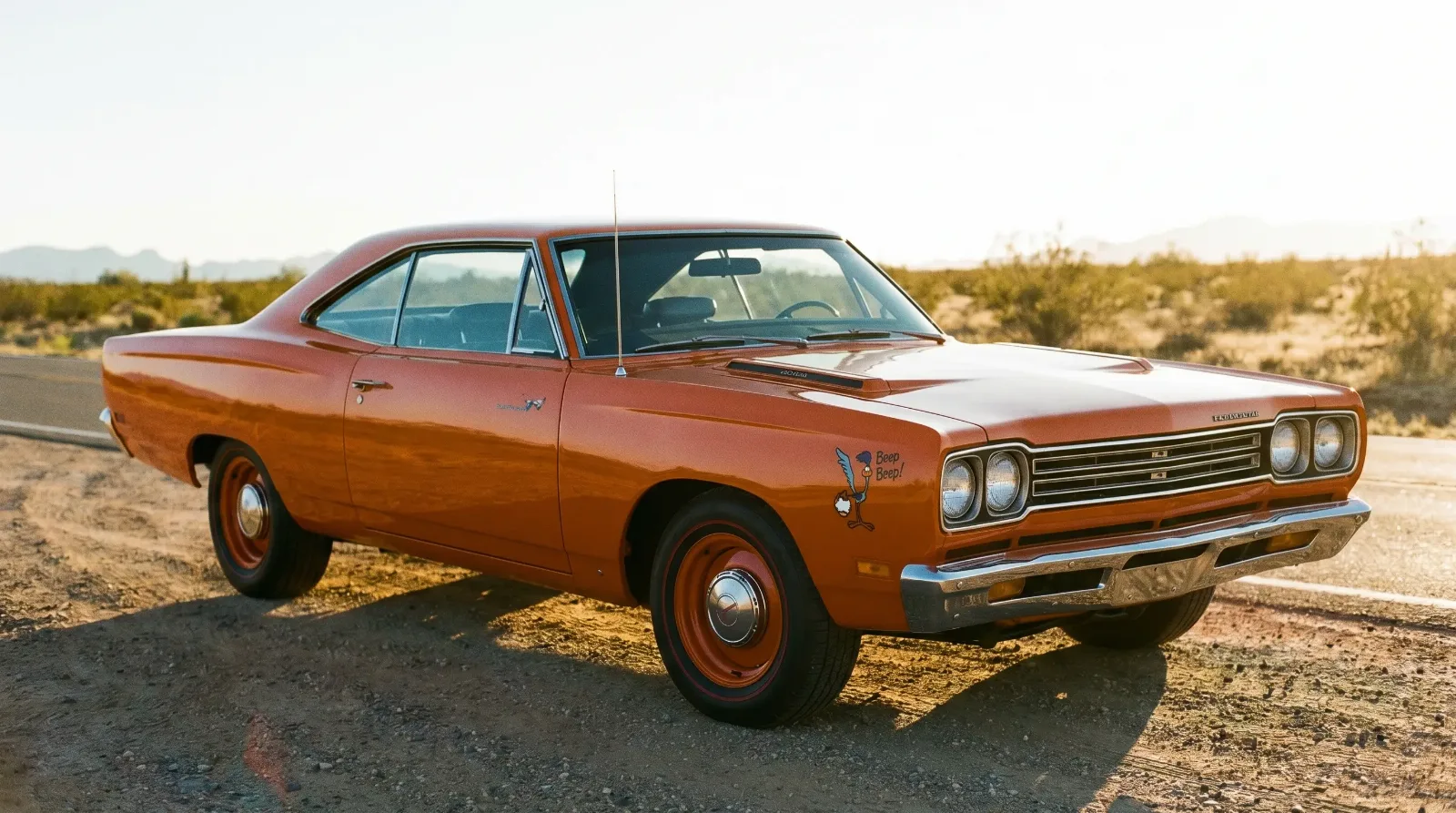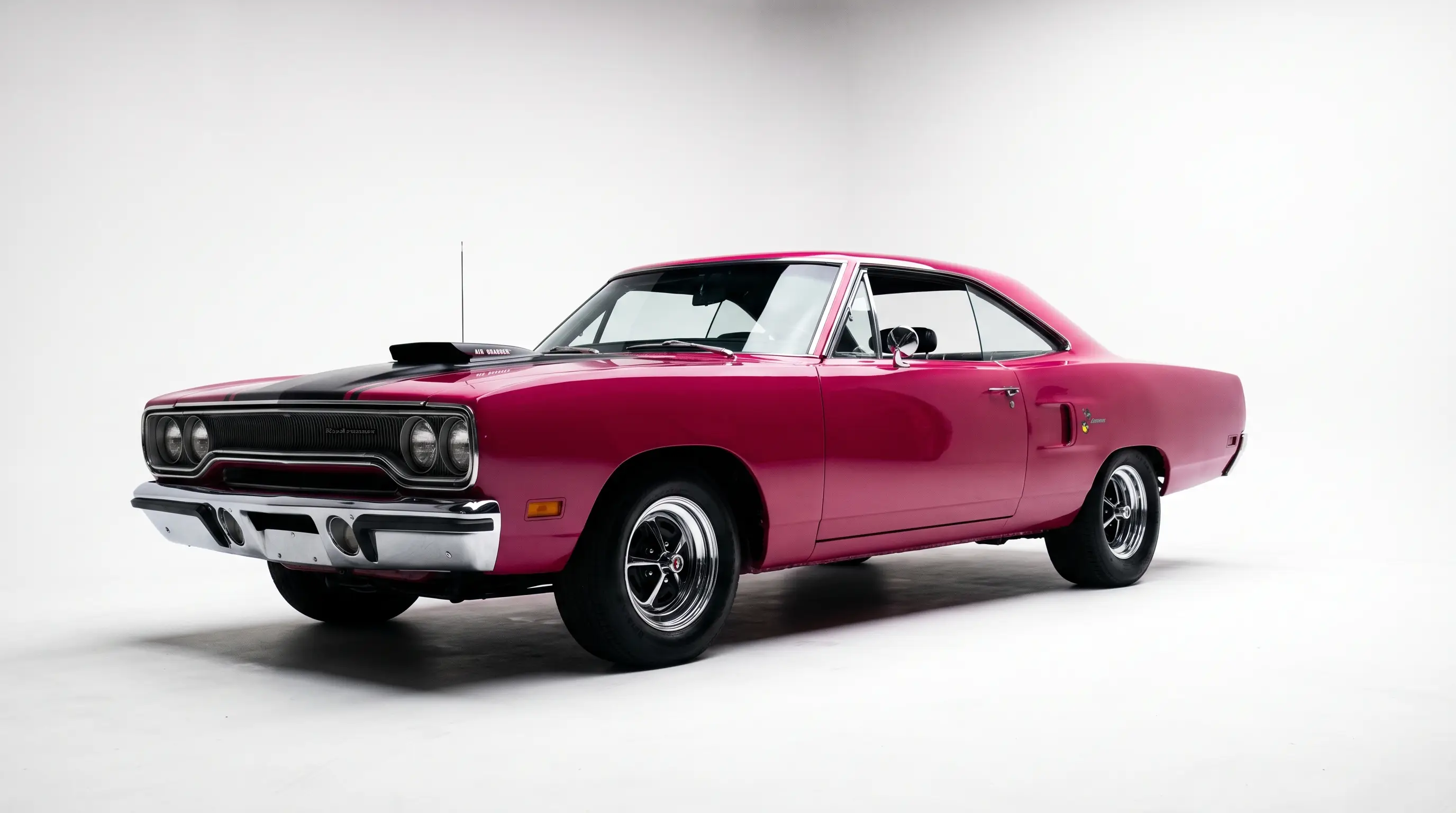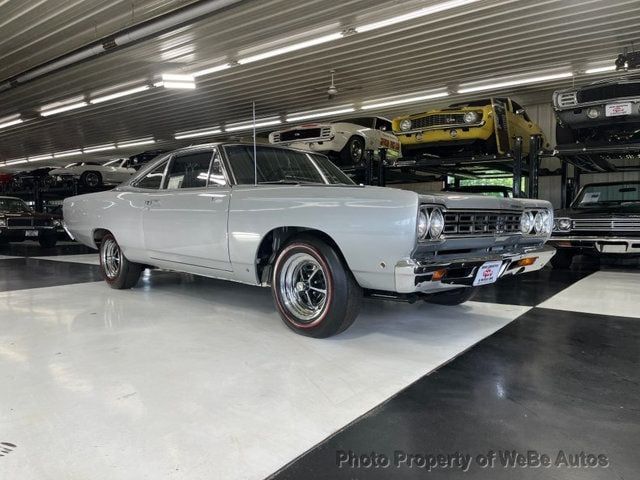
Somewhere in a Detroit conference room in late 1966 or early 1967, a Plymouth product planner picked up a phone and asked Warner Bros for permission to put a cartoon bird on a car. It sounds like a small ask. It was not. The road runner warner bros deal that came out of that conversation is one of the strangest, smartest licensing agreements in automotive history, and it shaped how an entire generation of Americans thought about a Plymouth sedan with a big block under the hood.
A car company asks a cartoon studio for its name
Plymouth's engineers already knew they wanted to build a stripped-down, affordable performance car for 1968. What they did not have was a name that captured the idea in one word, something fast, a little mischievous, unmistakably American. Somebody in the room thought of the Road Runner cartoons, the ones where a bird outran a coyote with nothing but speed and a horn honk, and the idea stuck hard enough that Plymouth's legal team called Warner Bros to ask about licensing the character and the name.
Warner Bros said yes, for a price. Plymouth reportedly paid a flat fee just north of fifty thousand dollars for the rights to the Road Runner name, likeness, and that unmistakable horn sound, a genuine gamble for the era. Nobody had built a car around a licensed cartoon character before, not at this scale, and there was no guarantee buyers would take a bird-branded sedan seriously as a performance machine rather than dismissing it as a novelty.
Negotiating terms neither side had a template for
There was no established playbook in the mid-1960s for licensing a cartoon character onto a mass-produced automobile at this scale, which means Plymouth's legal and marketing teams were negotiating largely uncharted territory. Warner Bros had licensed the character for merchandise before, toys, lunch boxes, the usual consumer products, but a full production automobile was a different category of risk for a studio protective of a character it had spent decades building. The eventual agreement had to account for how the bird would be depicted, where the name could and could not appear, and how the studio's approval process would work for future model years, since nobody involved expected the arrangement to be a one-time transaction.
That kind of multi-year commitment from both sides is part of why the partnership held together as long as it did. Plymouth was not simply borrowing a name for a single splashy launch year and moving on. The studio and the automaker built a working relationship that renewed itself across the car's entire production run, an unusual level of continuity for what began as a fairly speculative marketing idea.
Getting the horn to actually beep
The most beloved detail of the entire deal almost did not survive engineering. Plymouth wanted a horn that reproduced the cartoon's signature "beep beep" sound, not an approximation, the actual sound. Getting a mechanical horn to reliably reproduce a hand-drawn cartoon's audio cue took real engineering effort, and the result became a factory option buyers specifically sought out, a small mechanical joke that turned out to be one of the most talked-about features on the entire car.
That horn, more than any badge or decal, is what made the license feel earned rather than slapped on. A car with a bird on the fender and a regular horn would have been a marketing gimmick. A car that actually beeped like the cartoon was something people wanted to show their friends.
Why Plymouth's bet paid off
Plymouth projected around two thousand first-year sales for the Road Runner. The car sold more than 44,000 units in 1968 alone, a number that turned the licensing fee into one of the best-spent fifty thousand dollars in the company's history. The cartoon connection did something no traditional badge could, it gave the car a personality before a single buyer ever sat in the driver's seat. People who had grown up watching that bird outrun a coyote on Saturday mornings walked into a Plymouth showroom already primed to like the car.
The full arc of how that cartoon identity carried through the car's advertising, its decals, and its reputation in period culture is a longer story than any one deal can tell. Road runner beep beep history follows that thread from the licensing handshake through the decade the car spent living up to it.
"I think about the person who signed off on that first check to Warner Bros, some executive putting his name behind fifty thousand dollars for a cartoon character, and I wonder if he had any idea he was authorizing one of the smartest marketing decisions Detroit ever made."
- Nora Beckett
What the deal required Plymouth to protect
Licensing a well-known cartoon character came with obligations that went beyond writing a check. Warner Bros retained approval rights over how the character was depicted, meaning Plymouth's design and marketing teams could not simply reinterpret the bird however they pleased. Every decal, every horn button illustration, every print advertisement featuring the character needed to stay recognizably faithful to the studio's version, a constraint that shaped the restrained, careful way the bird actually appeared on the finished car rather than the looser, more exaggerated style seen in the cartoons themselves.
That approval requirement is part of why the branding feels so consistent across the car's entire run. Plymouth was not free to chase every marketing trend of the following years and reinvent the mascot to match, the character had to stay recognizably the same bird Warner Bros had licensed out in the first place, which gave the whole program a stability that purely in-house mascots rarely enjoy.
A license that outlived its own decade
Licensing deals in the auto industry rarely age well. Most feel dated within a few years, tied to whatever pop culture moment inspired them. The Road Runner name never fell into that trap, partly because the cartoon itself remained in syndication for decades, and partly because Plymouth committed to the bit fully rather than treating it as a one-year gimmick. The bird appeared on decals, on floor mats, on the horn button, carried through multiple generations of the car as Plymouth kept finding new ways to lean into the branding, including the wild palette of colors the company rolled out alongside it. A related story covers how those colors extended the same playful spirit the Warner Bros deal started.
What began as a phone call between a car company and a cartoon studio became one of the defining identities of an entire muscle car era, and it is still the first thing most people mention when the Road Runner comes up in conversation. If that history has you thinking about owning a piece of it, browsing Runners for sale now is a reasonable place to start looking.