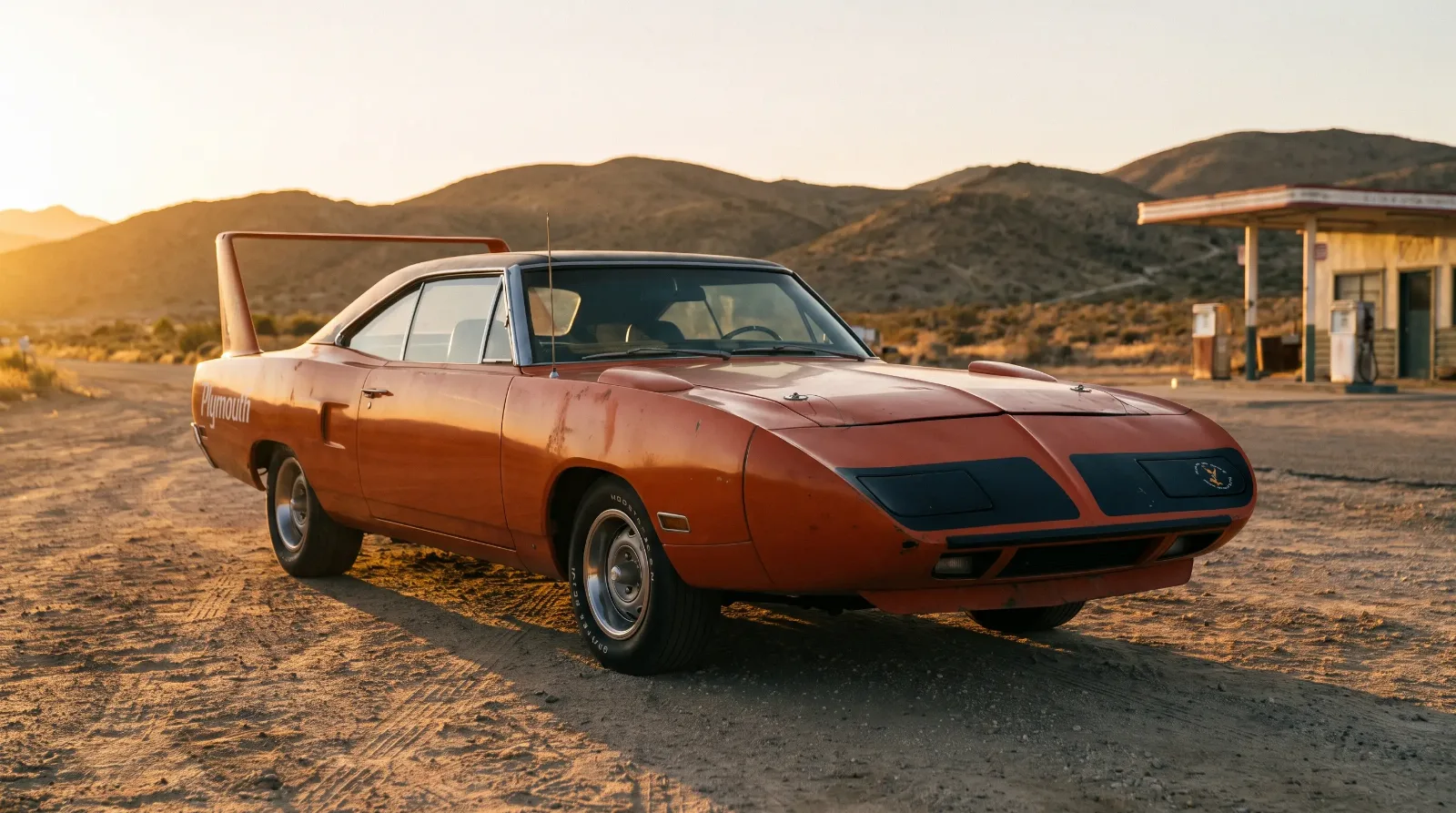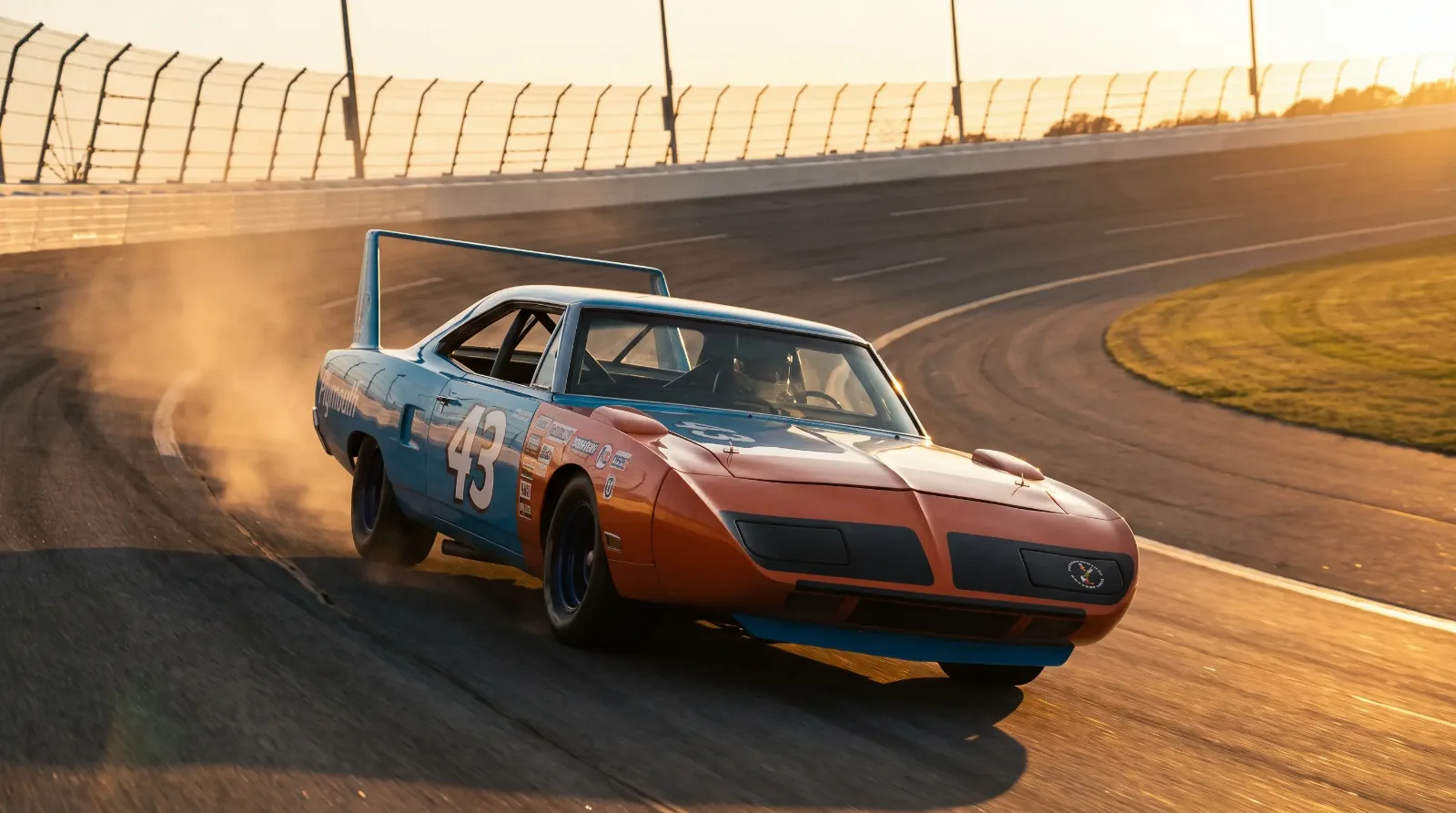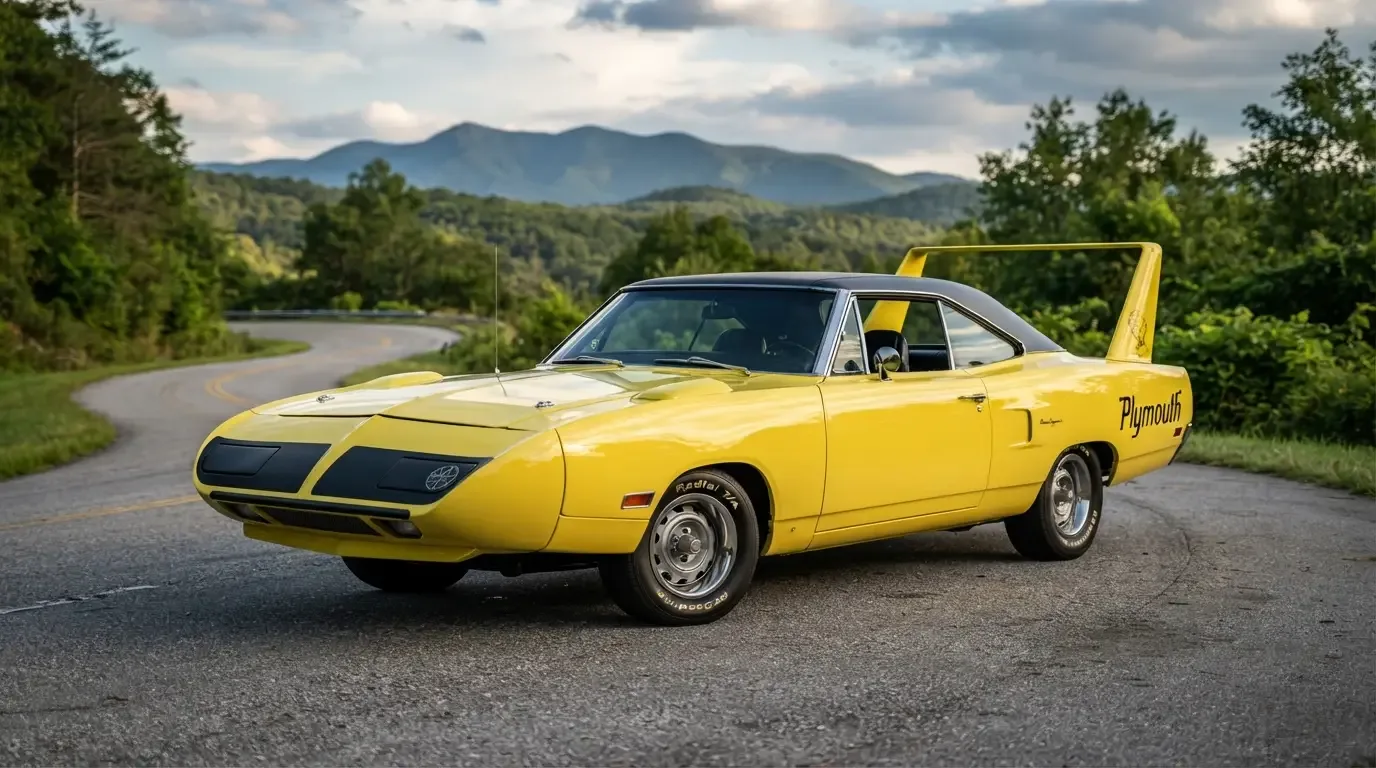
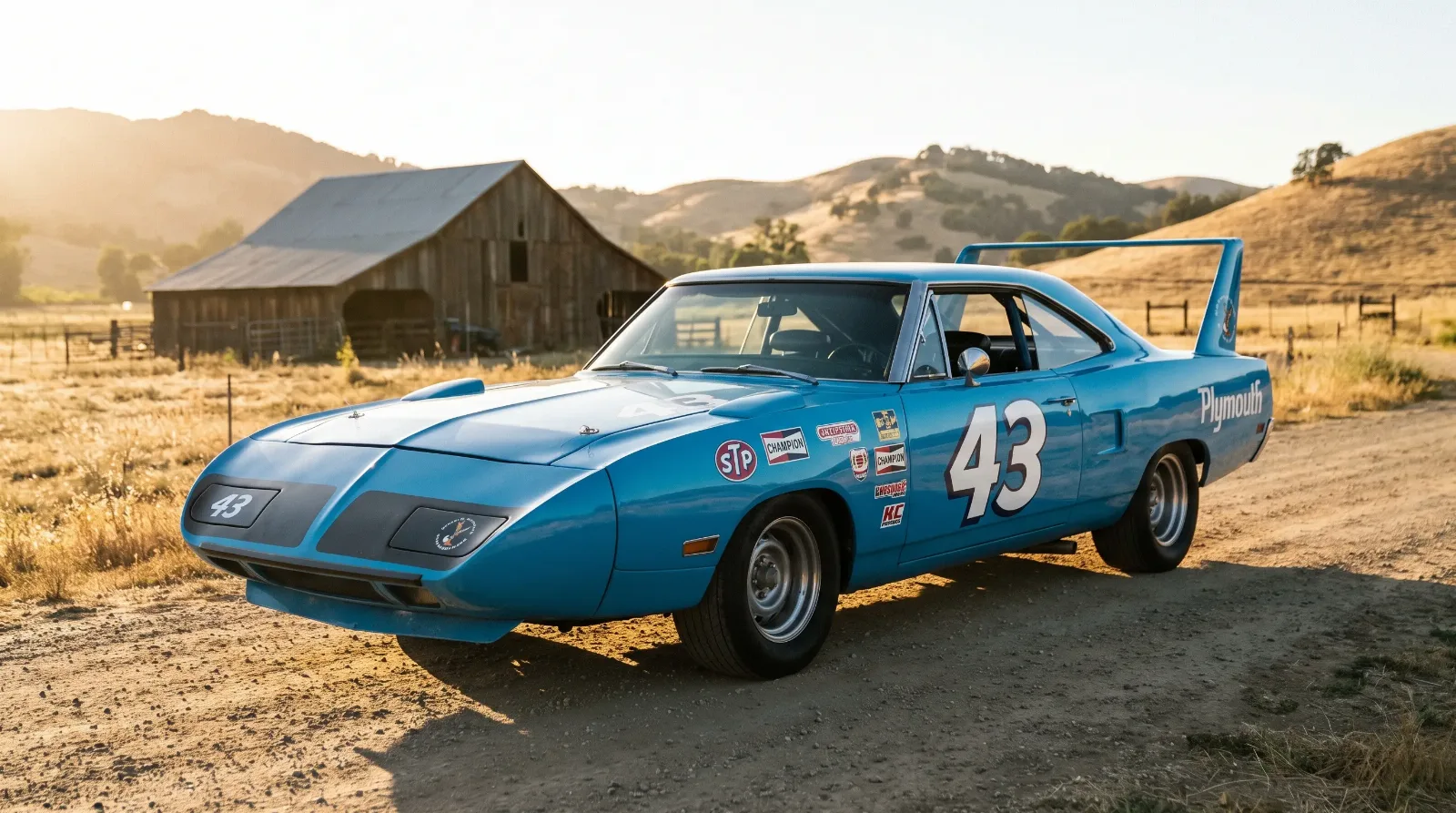
The richard petty superbird story gets told wrong more often than not, usually as some tidy fairy tale about loyalty and a wing shaped car. The real version has more grease under its fingernails than that. Petty left Plymouth for Ford in 1969 over a business dispute, not a styling preference, and Plymouth built the Superbird partly to get him back in a Mopar. It worked, but not because the car was pretty. It worked because it was fast, and Petty cared about fast a lot more than he cared about how a car looked sitting still.
Why Petty actually left in the first place
Plymouth would not give Petty the deal he wanted for the 1969 season, and Ford made an offer he found more attractive, plain and simple. Petty ran a Ford in 1969, still winning races, which should have told Plymouth's management everything they needed to know about how much the driver mattered relative to the badge on the hood. When Plymouth built the Superbird for 1970, they were not just chasing NASCAR's aero rulebook. They were building a car specifically capable of luring their biggest star back onto the payroll.
It worked. Petty returned to Plymouth for the 1970 season and campaigned the Superbird, and that alone tells you something about how seriously manufacturers took driver relationships during this era. A car this specialized, this expensive to homologate, got built at least partly to solve a personnel problem.
What Petty actually thought of the car mechanically
Petty's crew worked on these cars the way any good crew works on a race car, which means they cared about weight distribution, aerodynamic balance, and reliability a lot more than they cared about the visual drama of the wing and nose cone. The aero package was not decoration to these guys. It was a measurable performance advantage on the superspeedway ovals where NASCAR's biggest races happened, and every inch of that nose cone earned its place through wind tunnel data rather than styling committee preference.
I have talked to old timers who worked adjacent to Petty enterprises in this period, and the consistent theme is that nobody on that crew treated the Superbird as some kind of showpiece. It was a tool built to solve a specific problem, namely getting more speed out of a stock bodied car on a track designed for speeds the base Road Runner was never going to hit consistently.
The wins that mattered and the ones that get exaggerated
Petty had a strong 1970 season back with Plymouth, though it is worth being straight about this rather than inflating the numbers the way some retellings do. The Superbird years overlap with a broader period of Petty's dominance, and separating what the car specifically contributed from what Petty's own talent and his crew's preparation contributed is harder than most casual accounts admit. What is not in dispute is that the aero package gave the car a real speed advantage on the superspeedways, and that advantage mattered on tracks like Daytona and Talladega where top end velocity decided a lot of races.
Anyone wanting the fuller technical rundown on how that aero package worked and how the car came together should check the background on the Superbird itself. Read the background for the engineering side of the story before drawing your own conclusions about how much of Petty's success traces back to the car versus the driver.
"People want the Petty Superbird story to be about a wing and a paint scheme. It is really about a guy who left for better money, came back for a faster car, and then went out and proved the car was worth building. That is a business story wearing a race car's paint job."
- Mike Sullivan
Why this story still gets repeated at every Mopar gathering
Petty's return to Plymouth in a Superbird has become one of the defining narratives of the entire winged car era, partly because it has all the ingredients people want in a good story, a star player, a contract dispute, and a car radical enough to justify the reconciliation. Strip away the mythology and what is left is still a solid story, just a more practical one than the legend suggests. Manufacturers built cars to win races and keep drivers happy, and the Superbird did both jobs at once for exactly one season before NASCAR changed the rules and made the whole aero car concept pointless.
The nose cone and wing that made the aero package work deserve their own look too, since that engineering is what actually gave Petty's crew the advantage they were chasing. Worth a look too if you want to understand exactly what problem those parts were solving.
What buyers should know if they want a piece of this story
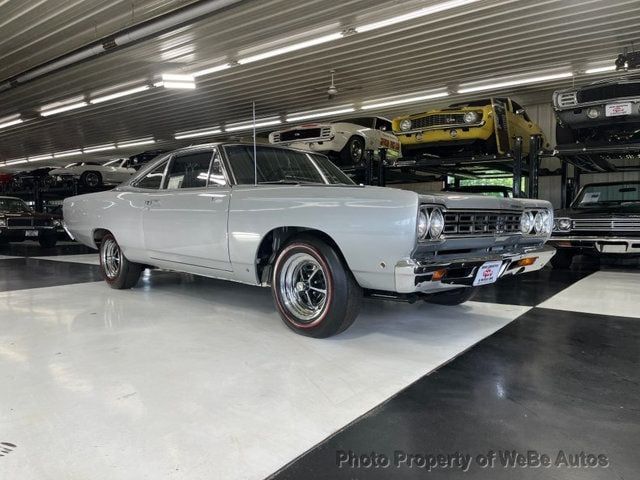
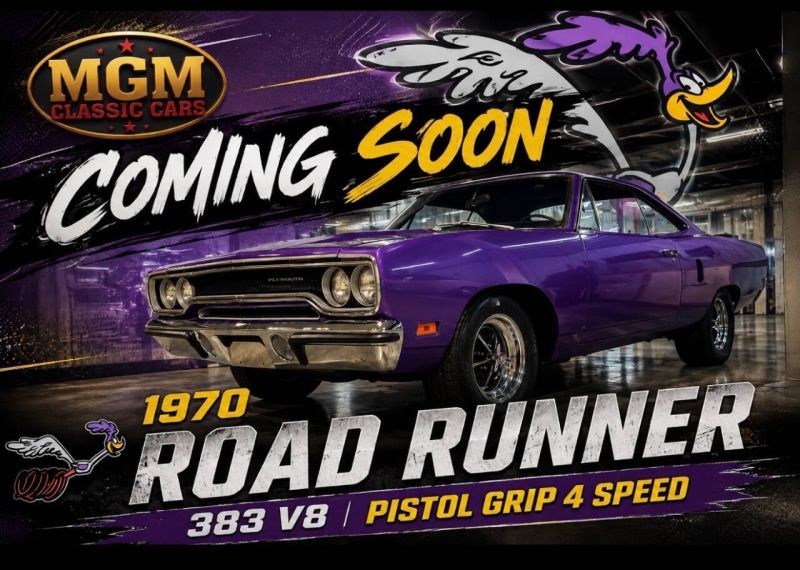
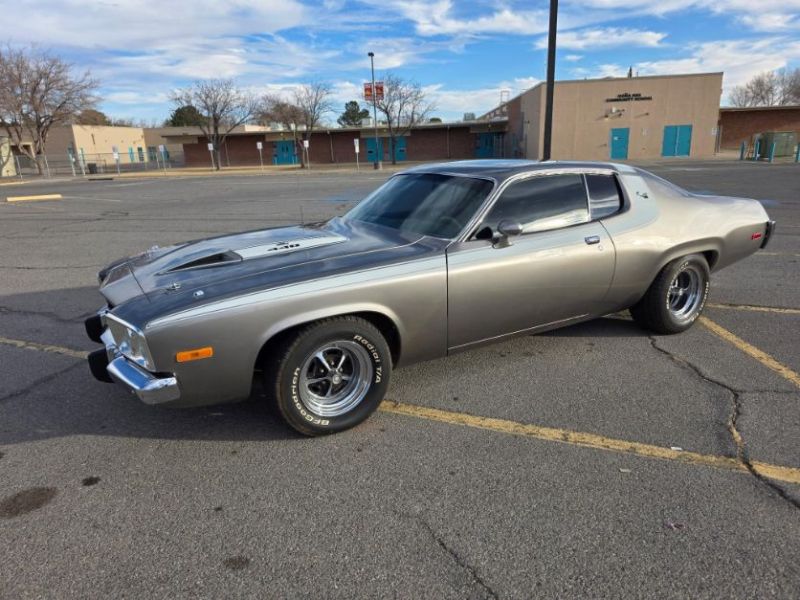
Genuine Petty connection cars, whether actual race history or period correct street examples built the same year Petty ran his own, carry a premium that has nothing to do with mechanical rarity and everything to do with provenance. Buyers chasing that connection need documentation just as rigorous as any other high value collector car purchase, arguably more so given how often the Petty name gets attached loosely to cars with no legitimate tie to his team. Anyone ready to shop the broader Road Runner platform this whole story is rooted in can shop classic Runner listings and work from there toward whatever specific piece of this history they are chasing.
What the crew side of the story rarely gets credit for
Every discussion of this era centers on Petty, which is fair given the name recognition, but the mechanics and engineers who actually built and maintained these cars deserve more mention than they usually get. Setting up a Superbird for superspeedway racing meant balancing the aerodynamic advantage of the nose and wing against handling characteristics that changed noticeably from a standard Road Runner, and getting that balance wrong could turn a theoretical speed advantage into a car that was harder to control at the limit. Petty's crew chief and the engineers working with them spent real time dialing in suspension geometry and weight distribution to actually realize the gains the wind tunnel promised on paper.
That is the part of the story I find more interesting than the contract dispute, honestly. Any manufacturer can build a car with a long nose and a tall wing. Making that car actually faster around a track full of other cars trying to do the same thing takes a level of practical mechanical skill that does not photograph nearly as well as a winged car parked in victory lane, but it is exactly the work that turned Plymouth's aero gamble into results on race day.
The straight version, one more time
Richard Petty left Plymouth over money, came back for a faster car, and then backed up that decision with results on the track. The Superbird gave him and his crew a real, wind tunnel proven advantage on the tracks where it mattered most, and that combination of business pragmatism and genuine engineering is a lot more interesting than the simplified version most people repeat at car shows.