
Here's a number that trips people up every time it comes up at a car show: starting in 1970, the "396" badge on a lot of Chevelles was sitting on top of an engine that actually displaced 402 cubic inches. Not a typo, not a rumor, an actual bore increase that Chevrolet made and then kept calling the engine a 396 anyway, because the 396 name had more brand equity on the street than an accurate cubic inch count did. It's one of the more openly cynical, and honestly kind of funny, marketing decisions in the whole muscle car era.
Car Features
5 min read
The 396 That Became a 402
Starting in 1970, Chevrolet's Chevelle 396 actually displaced 402 cubic inches after a bore increase, but kept the 396 badge for brand recognition. Here's the real story.
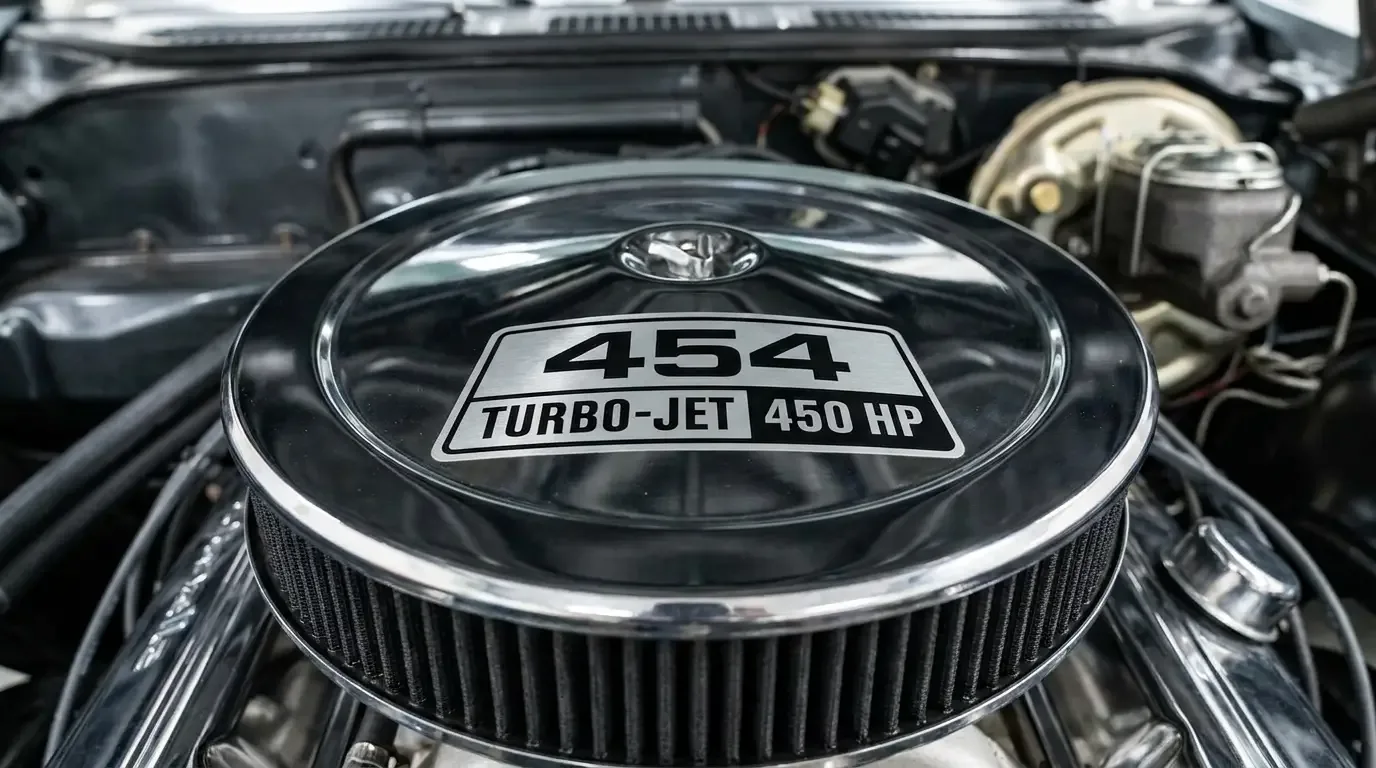
I build engines for a living, and displacement numbers matter to me more than badges do, so this one always gets my attention. If you're trying to understand the full arc that led here, it connects directly back to the LS6 legend that eventually took over as Chevrolet's top-tier big-block a year later.
What actually changed
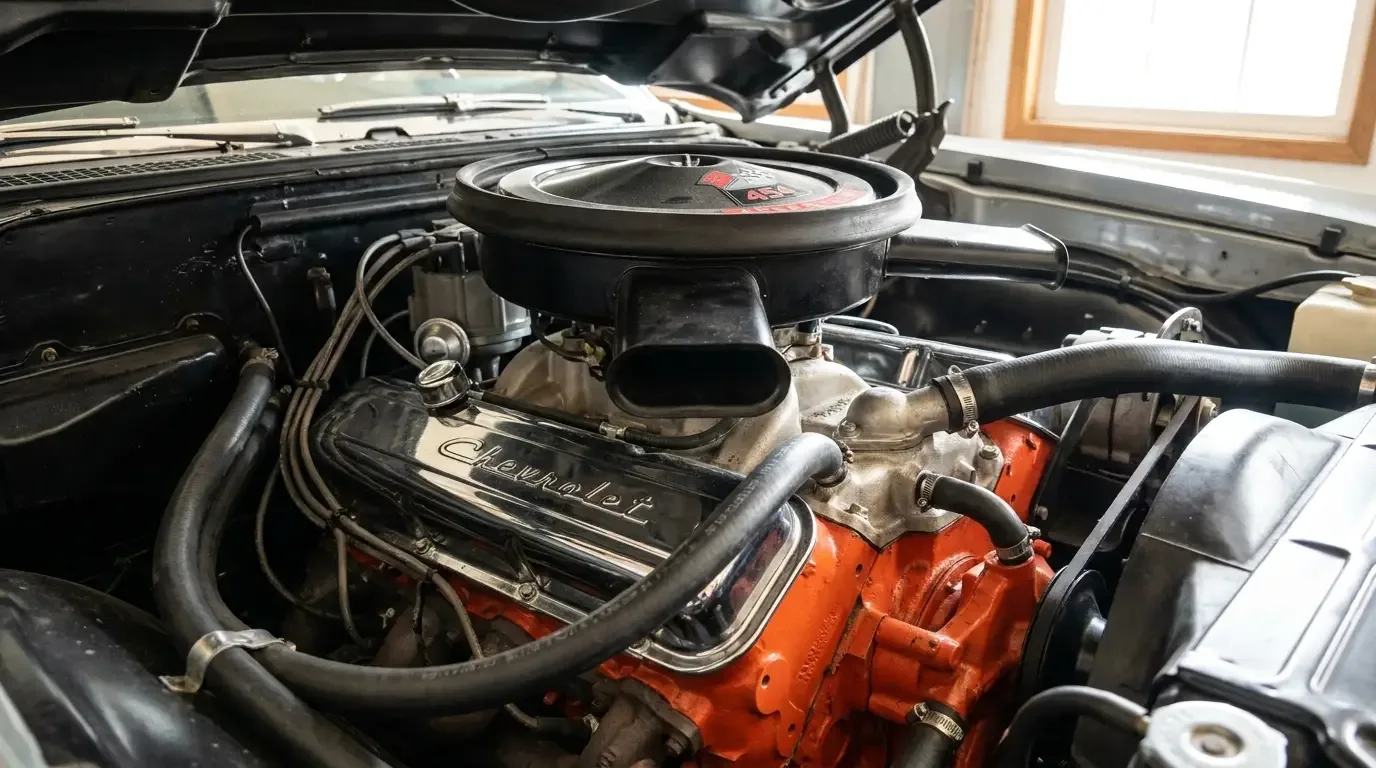
The bore on the 396 block grew from 4.094 inches to 4.126 inches for 1970, while the stroke held at 3.76 inches. Run that math and you land at 402.185 cubic inches, rounded to 402, not 396. Chevrolet made this change across the board on the big-block Chevelle lineup that wasn't getting the new 454, and then left the exterior badging, the option codes, and the marketing copy alone, still calling it the 396.
The internal engineering reason is straightforward enough: bore it out slightly, gain a little more displacement and a little more breathing room, and you get a modest bump in output without a full redesign. That's a legitimate engineering move. What's less legitimate, or at least more calculated, is deciding not to update the badge to match, because "396" had four full model years of muscle car reputation built into it by 1970 and "402" had zero.
| Spec | Pre-1970 396 | 1970+ "396" (actual 402) |
|---|---|---|
| Bore | 4.094 in | 4.126 in |
| Stroke | 3.76 in | 3.76 in |
| Actual displacement | 396 cid | ~402 cid |
| Badge / RPO naming | 396 | 396 |
Why Chevrolet made this call
Brand recognition is worth real money, and by 1970 the 396 name had been doing marketing work for Chevrolet since the Z16 introduced it back in 1965. That's five years of magazine coverage, dealer advertising, and word of mouth built around a specific number. Ditching that for "402," a number with zero built-in reputation, would have been a genuinely strange marketing decision even though it was the more honest one. Chevrolet wasn't alone in this kind of move across the industry during this era, badge inertia outlasting actual displacement wasn't unique to this engine, but the Chevelle 396-that's-a-402 is one of the more widely known examples specifically because so many were built and so many owners eventually noticed the mismatch.
The option codes for the era still reference the "396" nomenclature on the build sheets and RPO documentation, which adds to the confusion for anybody researching a car today. You'll see period literature and dealer materials referring to 396 cubic inches on cars that a tape measure and a calculator will tell you are actually 402s.
Does this affect performance or value?
Marginally on performance, in the sense that the small bore increase did bump output slightly, though nowhere close to enough to matter in a straight-line argument against the actual LS5 or LS6 454s that were the real step up in output for this same era. It's a rounding error in the bigger performance conversation. Where it actually matters is documentation and buyer expectations. If you're researching a 1970 through 1972 Chevelle with a "396" badge and expecting exactly 396 cubic inches under the hood, you're working from an inaccurate premise, and that matters if you're trying to match parts, order a correct rebuild kit, or verify a car's numbers against period literature.
On value, this doesn't move the needle much on its own. Buyers who know the history treat a 1970 to 1972 "396" and an actual 402 as functionally the same conversation, since the badge, the option code, and the market treat them identically. Where it does matter is when you're sourcing parts. A rebuild kit ordered for "396 cubic inches" without accounting for the actual bore will be wrong, and that's an expensive mistake to discover after the machine work is already done.
What to check if you're buying one of these
Get the actual bore measured if you're doing any internal work, don't trust the badge or the build sheet nomenclature to tell you the real displacement. Casting numbers on the block will tell you which version you're actually looking at, and that number matters more for parts ordering and machine work than whatever's printed on the air cleaner decal. This is a case where the paperwork and the metal genuinely disagree, and the metal wins every time.
For the full picture of how this fits into the model's overall engine story, the Chevelle's complete history lays out the whole timeline from the six-cylinder base cars through the big-block years.
"Chevrolet bored it out, called it the same name, and nobody at the dealership was going to correct a buyer who wanted to believe he was getting a 396. The metal says 402. The badge never changed its story."
Dan Reeves
The badge mismatch is a small footnote in the bigger Chevelle engine story, but it's the kind of detail that separates a buyer who actually knows the car from one who's just repeating what the fender emblem tells them. If you want the other end of the displacement spectrum, next: Small-Block Chevelles covers the 307 and 350 that most Chevelles actually left the factory wearing.
Sources and notes
Related Reading

Have a
Chevrolet Chevelle
for Sale?
Reach thousands of serious classic car collectors across the US.
Sell It Here →
Are You a Classic Car Dealer?
List your full inventory and connect with targeted classic car buyers.
Join as a Dealer →

About the author
Dan Reeves
Performance engine builder from North Carolina's motorsports corridor, focused on swaps, forced induction and making real, repeatable power.
Related Listings - Chevrolet Chevelle




Comments
Be the first to comment on this article.