
Ask anybody at a Monte Carlo club meet who put the Chevrolet Monte Carlo on the map, and you will get a name before you finish the question. Usually it is Dale Earnhardt. Sometimes it is Bobby Allison or Cale Yarborough, depending on how old the guy answering happens to be. The truth is the Monte Carlo nascar drivers hall of fame story is not one man's story. It is a run of a decade and a half where a mid-size Chevrolet coupe, built for shopping trips and church parking lots, also happened to win stock car races on Sunday and sell cars on Monday.
Car Features
7 min read
The Hall-of-Fame Drivers Who Made the Monte a Legend
From Bobby Allison to Dale Earnhardt, the drivers who turned the Chevrolet Monte Carlo into a NASCAR institution and why that legacy still pulls collectors to the showroom cars today.
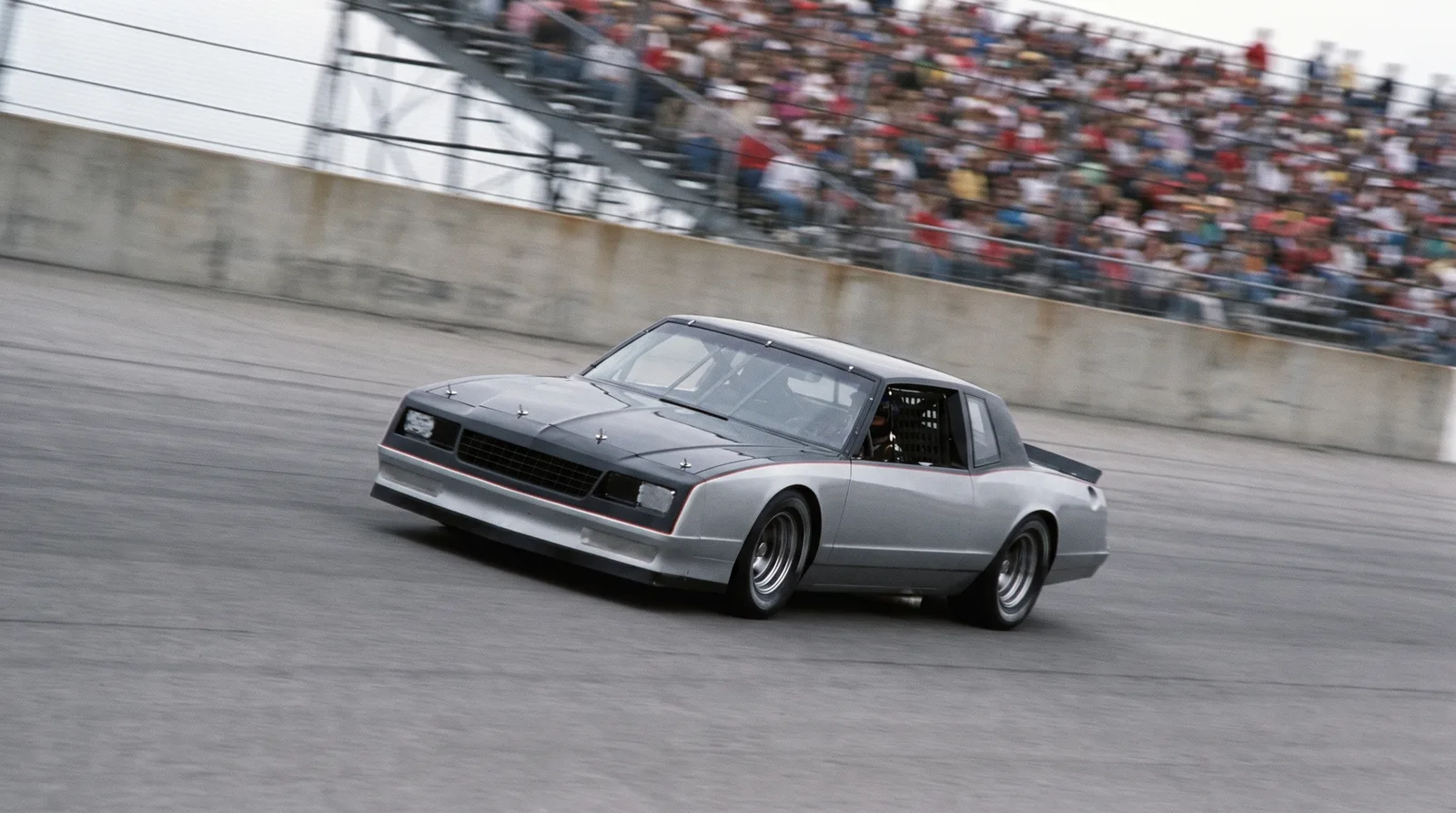
I have owned three Monte Carlos over the years, none of them race cars, all of them proof that the shape people remember from television found its way into ordinary driveways. That connection between the showroom and the superspeedway is why this car still pulls a crowd at a swap meet forty years later.
Bobby Allison and the first big wins
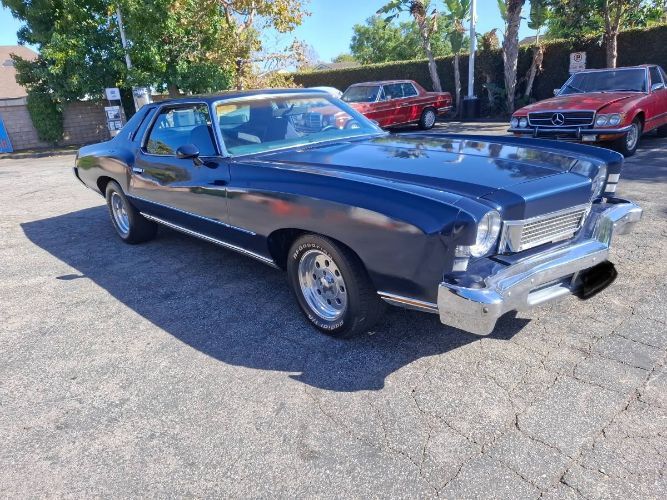
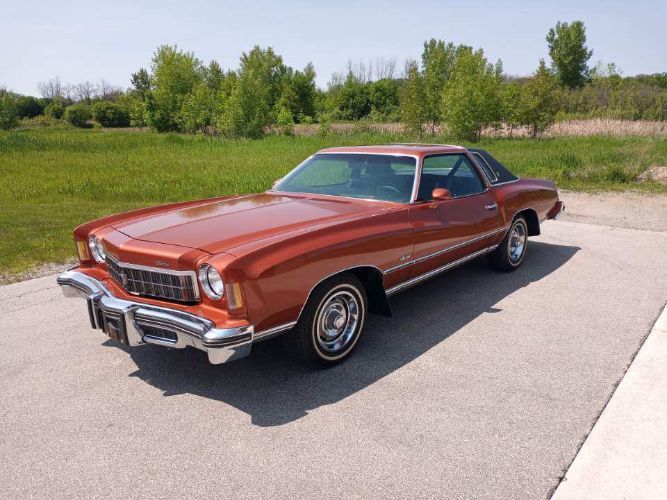
Bobby Allison is where a lot of old-timers start the conversation, and they are right to. Allison ran Monte Carlos through the mid 1970s, first for Junior Johnson in 1972 and then for his own team through 1973 and 1974, and he put the car in victory lane often enough that Chevrolet noticed. This was the Colonnade-body Monte Carlo, 1973 through 1977, heavier and more formal looking than the car that came before it, but it had the aerodynamics and chassis balance that NASCAR crew chiefs could work with.
Allison was not flashy behind the wheel. He was consistent, and consistency is what wins championships even when it does not win headlines. His Monte Carlo seasons built the foundation that later drivers would stand on, and any honest telling of the Monte Carlo nascar drivers hall of fame lineage has to start with him.
Cale Yarborough and Darrell Waltrip carry it forward
By the late 1970s and into the 1980s, Cale Yarborough and Darrell Waltrip were the names winning races in Monte Carlos, often for Junior Johnson's team. Yarborough had the reputation of a driver who did not back off, ever, and Waltrip had the mouth to match his talent, which made him plenty of enemies in the garage and plenty of fans in the stands.
Both men won championships in this era, and both did real work behind the scenes pushing for the aerodynamic changes that eventually produced the Monte Carlo Aerocoupe. Waltrip in particular understood early that stock car racing was becoming an aero game as much as a horsepower game, and he leaned on his team to chase every advantage the rulebook allowed.
The Aerocoupe and Dale Earnhardt
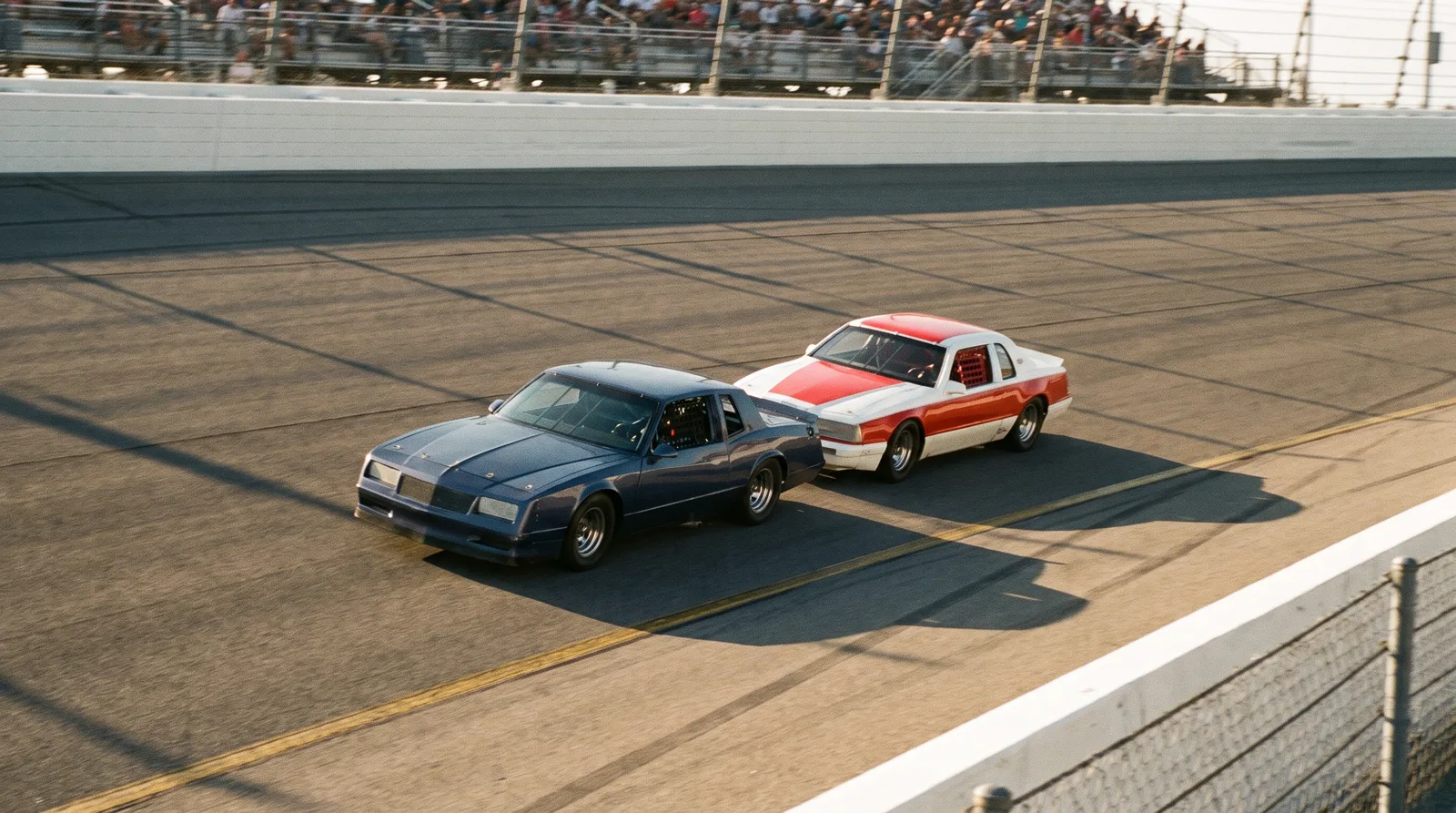
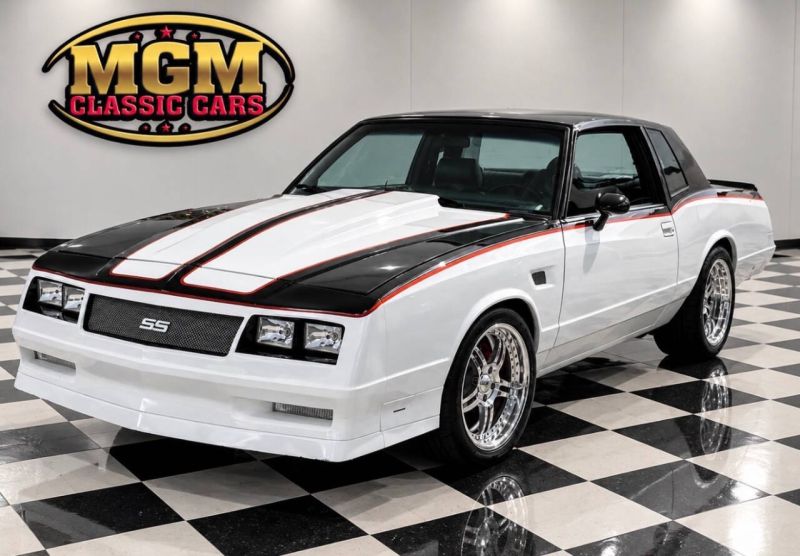
The 1986 and 1987 Monte Carlo SS had a blunt rear window that caught air like a parachute at high speed. Chevrolet's answer was the Aerocoupe, built for the 1986 and 1987 seasons in small numbers, with a stretched rear window and a sloped back glass that cut drag enough to matter on the superspeedways. Only a handful were built for public sale, 200 for 1986 and 6,052 for 1987, but the racing versions are what everybody remembers.
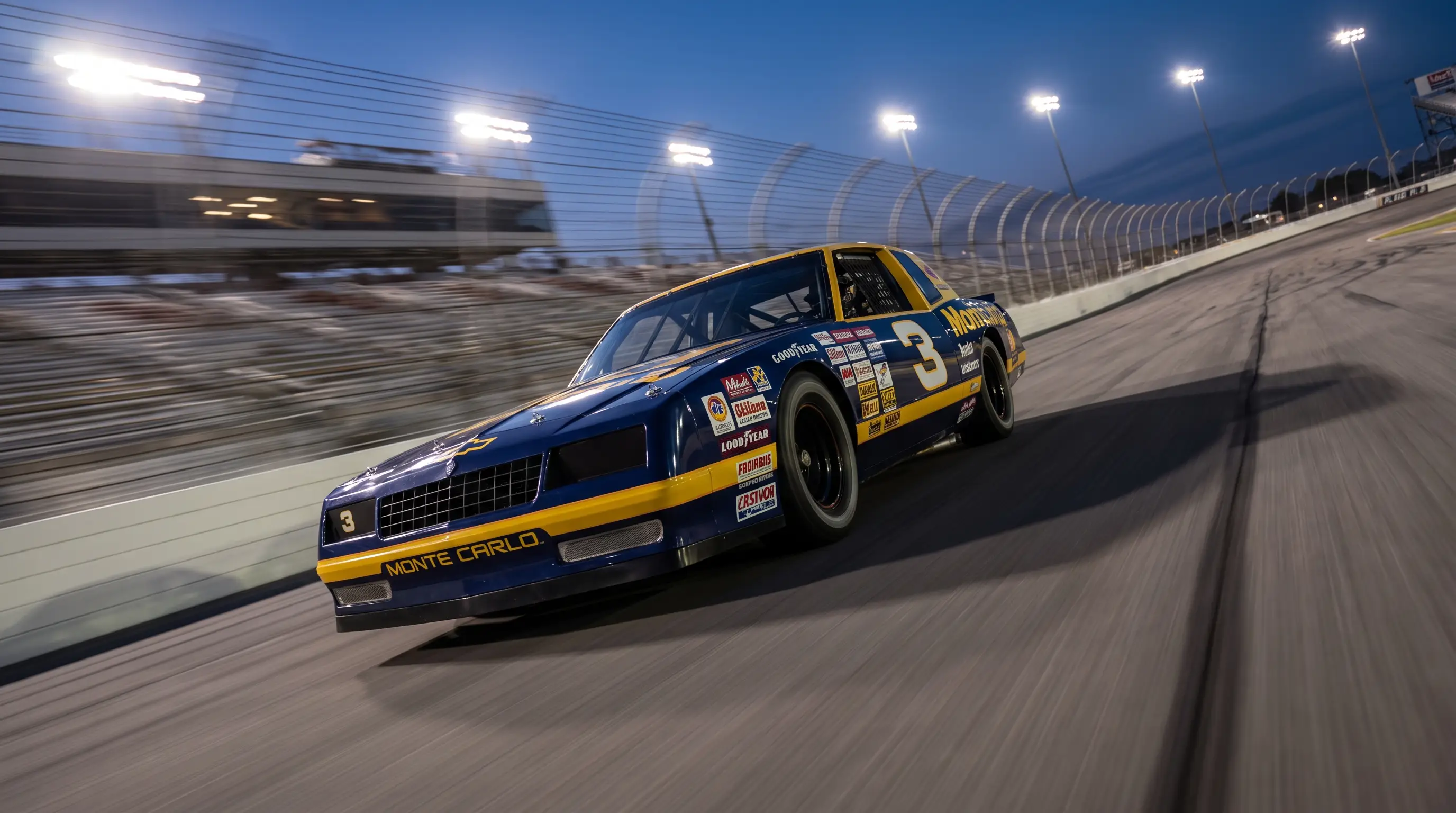
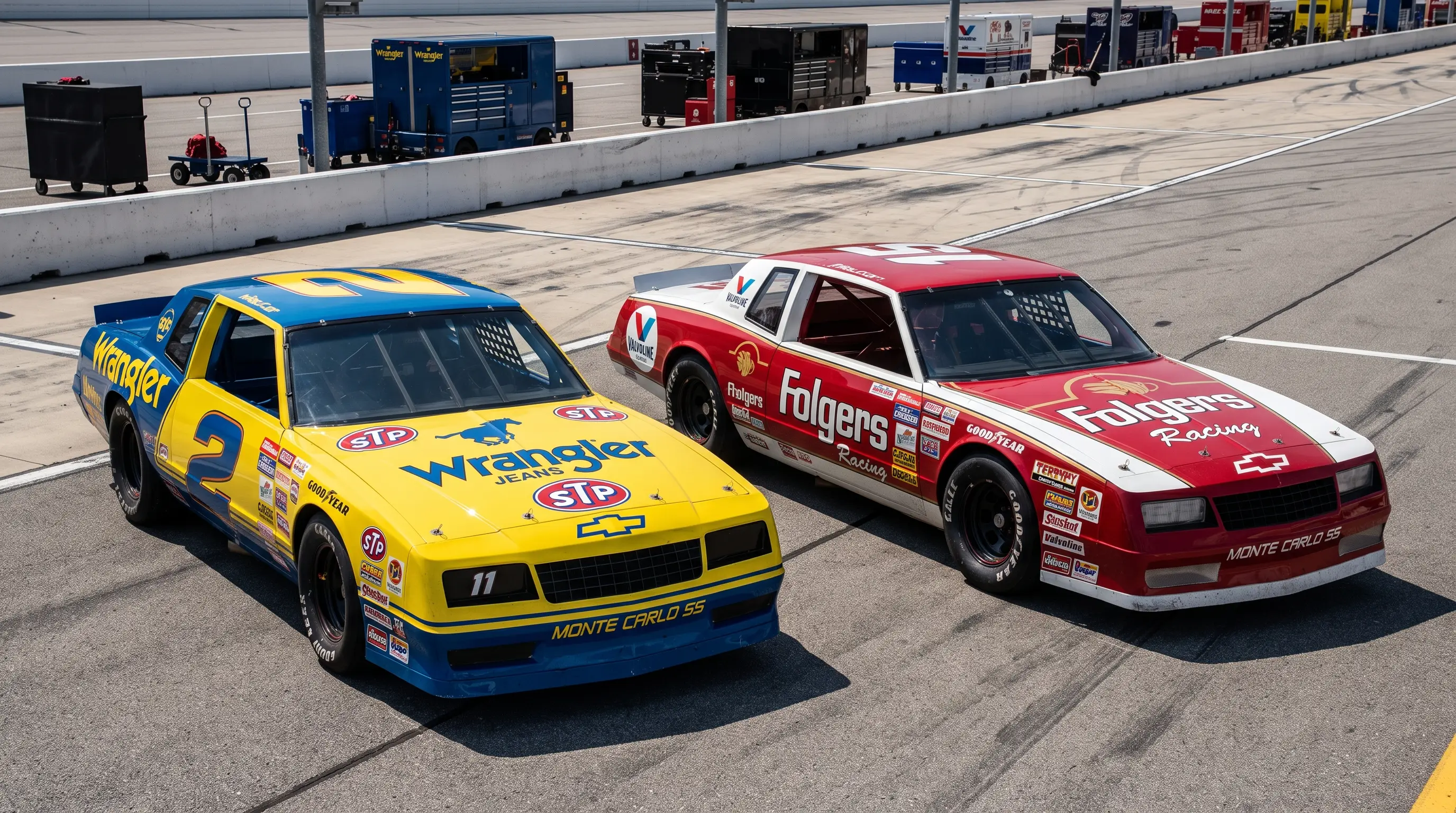
Dale Earnhardt drove the black and gold Wrangler Monte Carlo for Richard Childress Racing in these years, and that partnership turned into one of the defining images in NASCAR history. Earnhardt was aggressive, occasionally reckless, and absolutely fearless about running a car right at the edge of what it could handle. He won a championship in a Monte Carlo, and the car's black paint scheme became so recognizable that people who never followed racing still know it on sight.
Earnhardt's success with the Monte Carlo is the single biggest reason the model still has crossover appeal beyond the traditional collector car crowd. Racing fans who never cared about a 1970 SS 454 will still stop at a table with an Earnhardt Monte Carlo diecast on it.
What made the Earnhardt years different from the Allison and Yarborough eras before them was television. By the late 1980s NASCAR broadcasts reached a national audience that had never seen a Winston Cup race live, and the black number three Monte Carlo became a fixture in millions of living rooms every weekend. A driver from an earlier decade might win just as many races and still stay a regional name. Earnhardt won at the exact moment the sport's audience exploded, and the Monte Carlo happened to be the car under him when it did.
Why these drivers still matter to collectors
None of this racing pedigree directly touches the street cars most of us own and drive, and that is worth being honest about. A 1978 Monte Carlo Landau in your garage never turned a lap at Daytona. But the association matters anyway, because it shaped how an entire generation saw the nameplate. When you tell somebody outside the hobby that you own a Monte Carlo, more often than not the first thing they picture is Earnhardt's black number three, even if your car is bronze and has a vinyl roof.
That halo effect keeps interest in the model alive among people who would otherwise never look twice at a mid-size 1970s or 1980s Chevrolet coupe. For our our complete history of how the Monte Carlo went from showroom car to stock car champion, the full arc covers more ground than any one driver's career, but the drivers are the names people remember first.
A short list helps here, because the Monte Carlo nascar drivers hall of fame conversation tends to circle the same handful of names.
- Bobby Allison, early Colonnade-era wins and championship contention
- Cale Yarborough, championship seasons and a hard-charging reputation
- Darrell Waltrip, wins and a hand in pushing aero development
- Dale Earnhardt, the Wrangler and GM Goodwrench Monte Carlos, a championship, and the car's most famous paint scheme
- Darrell Waltrip, who gave the Monte Carlo its final Winston Cup win at Martinsville in April 1989 before Chevrolet moved on to the Lumina
"People ask me why an old man's Colonnade coupe gets so much attention at a car show, and I tell them straight. It is not the vinyl roof. It is that this same shape won on Sunday with some of the toughest drivers who ever strapped into a stock car."
- Wayne Coburn
Where to see it for yourself
If the racing history has you looking twice at the real thing, you can browse classic Monte Carlo listings and see how many of these cars survive in driveable condition. Most of what turns up will be the street cars, the SS coupes and Landaus rather than anything with a racing pedigree, but sitting in one gives you a feel for the platform that Allison, Yarborough, Waltrip, and Earnhardt turned into a NASCAR institution.
The club meets I go to still argue about which of these drivers deserves top billing. I do not think there is a wrong answer. Each one added a chapter, and together they are why this unassuming Chevrolet coupe earned a permanent place in stock car racing history.
Sources and notes
Related Reading

About the author
Wayne Coburn
Longtime Corvette owner, judge and club figure who knows the cars, the records and the people behind them.
Related Listings - Chevrolet Monte Carlo
More in Car Features


Comments
Be the first to comment on this article.