
Every few months a client calls asking me to confirm that their Chevelle's LS6 is "the same engine" as the one in a 1971 Corvette they almost bought instead. It isn't, not exactly, and the difference matters more to a valuation file than most sellers want to admit. RPO codes get treated like family names in this hobby, passed down and assumed to mean the same thing wherever they show up. They don't. A code is a build instruction on a factory order form. What it produced depended on the year, the compression ratio mandated by that year's fuel and emissions reality, and the car it went into.
Car Features
7 min read
The LS6's Family Tree: Corvette LT-1 and Chevelle's Cousins
How the LS6 RPO code links a 1970 Chevelle, a 1971 Corvette, and a solid-lifter small-block cousin, and why the lineage matters for appraisals.
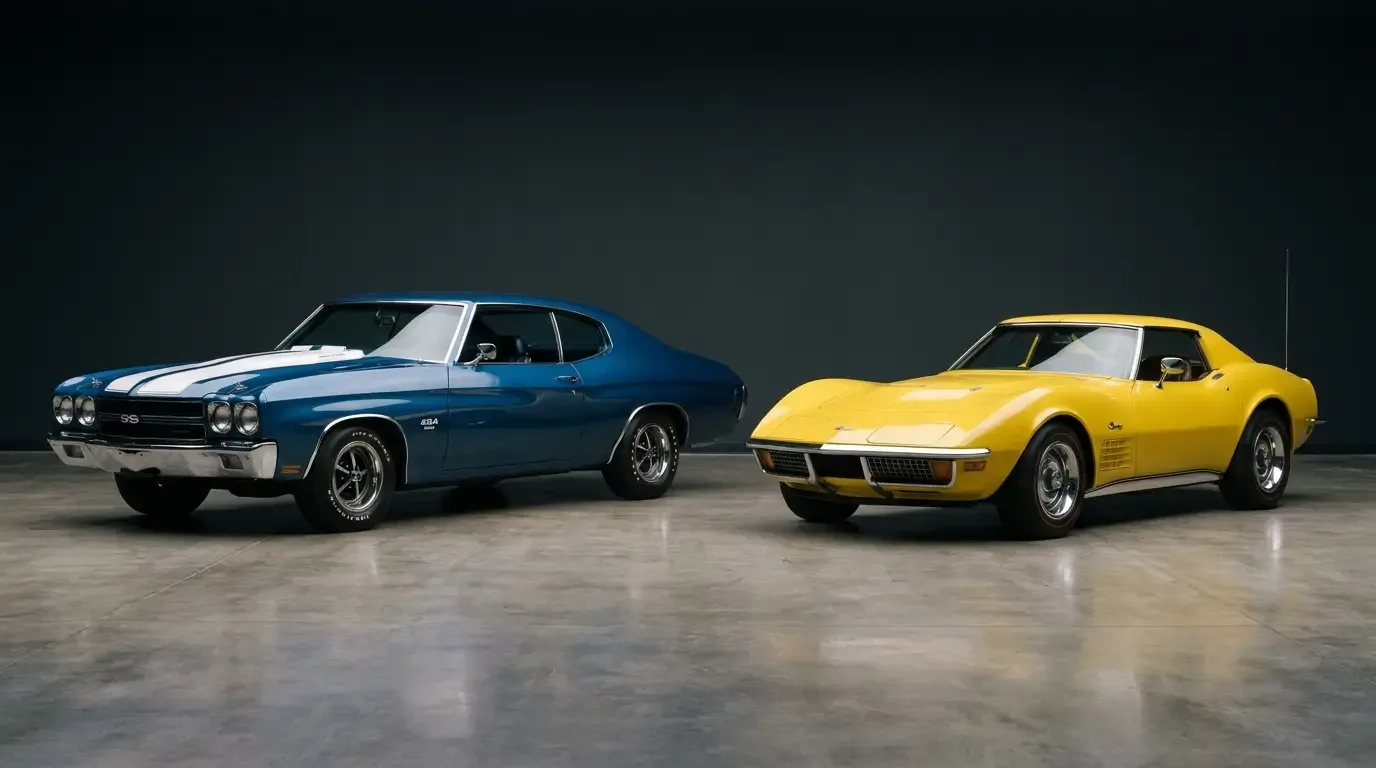
So when I get asked to appraise a big-block Chevelle and the seller starts talking about its Corvette cousins, I want the actual family tree in front of me, not the marketing version. There is a real lineage here, and it does connect to Chevrolet's small-block solid-lifter program and to a one-year-only Corvette application of the same RPO. But the connections are about engineering philosophy and shared parts-bin thinking, not about badge-swapping the same 454 across two nameplates and calling it a day. Getting this straight is the difference between a defensible number on an appraisal and a story that falls apart the first time a buyer's mechanic looks under the hood.
The RPO code is not the engine
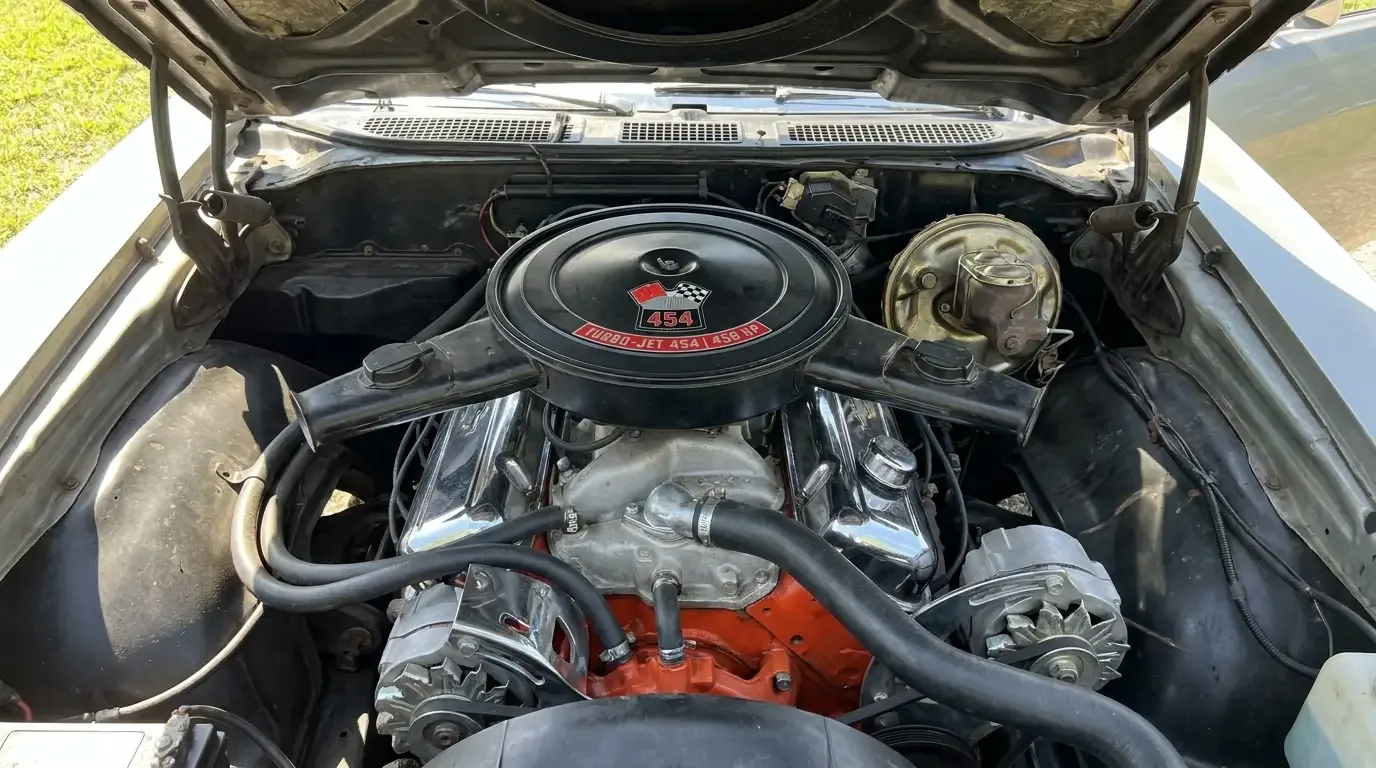
RPO LS6 shows up in Chevrolet paperwork twice in the muscle car era, and only one of those appearances is the 454 most buyers picture when they hear the name. The first is the 1970 Chevelle SS 454, where LS6 designated the solid-lifter, high-compression big-block rated at 450 hp SAE gross, with 11.25:1 compression and 500 lb-ft of torque. The second is the 1971 Corvette, where Chevrolet reused the LS6 code for a 454 rated at 425 hp gross, one model year only, before the option disappeared from the Corvette order sheet entirely. Same displacement family, same RPO letters, different compression, different rating, different production context. Anyone treating those two applications as interchangeable on a bill of sale is either careless or hoping the buyer won't ask.
The two engines do share more than the RPO letters, and this is where the family tree earns its name instead of just being a coincidence. The 1971 Corvette LS6 used the same short block as the 1970 Chevelle LS6, but Chevrolet topped it with the open-chamber aluminum heads carried over from the late-1969 L88 Corvette program, dropping compression from 11.25:1 to 9.0:1. That is a real, documentable connection, block-level, not just a badge coincidence, and it is exactly the kind of detail worth having on hand before a seller starts talking about "the same engine." The 1971 drop in rating was not Chevrolet losing its nerve. Compression across the entire GM lineup came down that year to run on lower-octane, emissions-friendlier fuel, and the LS6 in the Corvette reflects that shift directly through the head swap, not through a redesigned block. It is the same basic short-block architecture doing less work under a lower squeeze, wearing different heads. That is a legitimate engineering story. It is also a story that gets flattened into "the Corvette had it too" by sellers who want the Chevelle's number to sound bigger than it is, or conflated into "it's literally the same engine" by sellers who skip the heads entirely.
The small-block cousin: solid lifters, different displacement
The other branch of this family tree runs through the small-block side of the house, in the solid-lifter 350 that powered the Corvette and the Camaro Z/28 across the same general period. It shares almost nothing with the 454 mechanically, different block, different bore and stroke, different power band entirely, but it shares the philosophy that made the LS6 what it was: a mechanical-lifter, high-compression, factory-race-adjacent engine built for a customer who was going to rev it and live with the maintenance that comes with a solid valvetrain. Chevrolet ran two parallel programs in this era, one making big torque from displacement, one making high-rev power from a smaller, lighter block. The LS6 sits at the top of one program. The small-block solid-lifter engine sits at the top of the other.
I bring this up in appraisals because buyers frequently want to compare a Chevelle's value against a Corvette from the same year running that small-block, as if they are competing for the same collector dollar. They mostly are not. Different buyer, different use case, different comp set. Cross-referencing them for "which one is the better investment" is a comparison that sounds smart at a dinner party and does not hold up against actual auction results.
Why the family tree changes the number on the appraisal
Here is where the lineage stops being trivia and starts affecting a check. Two engines sharing an RPO code across different years creates real confusion in parts sourcing, casting number verification, and documentation review, and confusion is exactly what erodes a #2 car into a #3 car with a good story. I have seen sellers list a Chevelle's engine components against Corvette parts catalogs because the numbers looked close enough, and I have seen buyers get burned paying big-block money for a short block that was rebuilt with whatever LS6-adjacent parts a machine shop had on the shelf. The family tree is real. It is also exactly the kind of real that a casual buyer misreads.
None of this changes the fundamentals of what makes the 454's full story compelling on its own terms. It just means the lineage argument needs sourcing, not assumption, before it moves a valuation.
What the lineage means for a buyer's file
If you are building a documentation file on a big-block Chevelle, treat the family tree as context, not proof of anything. It explains why parts networks, casting numbers, and even period magazine coverage sometimes lump these engines together. It does not substitute for a verified block, a documented build sheet, or a condition assessment grounded in what is actually bolted to the car in front of you. A #2 condition Chevelle with a correct, documented LS6 and clean provenance carries real exposure to upside. A car leaning on "it's basically the same engine as the Corvette" as its main selling point is leaning on a story, and stories do not clear at auction the way paperwork does. For the fuller picture of where this generation of Chevelle sits in the model's run, the classic Chevelle story lays out the broader context these engine variants sit inside.
"A shared RPO code across two model years and two nameplates is not a shared identity. It's a coincidence of Chevrolet's parts-bin engineering, and treating it as more than that is how a #2 car gets appraised like a #1."
Marcus Feld
| Application | Year | Rating (gross/net) | Notes |
|---|---|---|---|
| Chevelle SS 454 LS6 | 1970 | 450 hp gross, 500 lb-ft | Solid lifters, 11.25:1 compression, one model year |
| Corvette LS6 | 1971 | 425 hp gross, 475 lb-ft | Same short block as the Chevelle LS6, L88-derived open-chamber aluminum heads, 9.0:1 compression, one model year |
| Corvette LT-1 solid-lifter small-block | 1970-1972 | 370 hp gross (1970) down to 255 hp net (1972) | Different block family (350 cid), shared solid-lifter philosophy; Camaro Z/28 LT-1 rated 360 hp gross in 1970 |
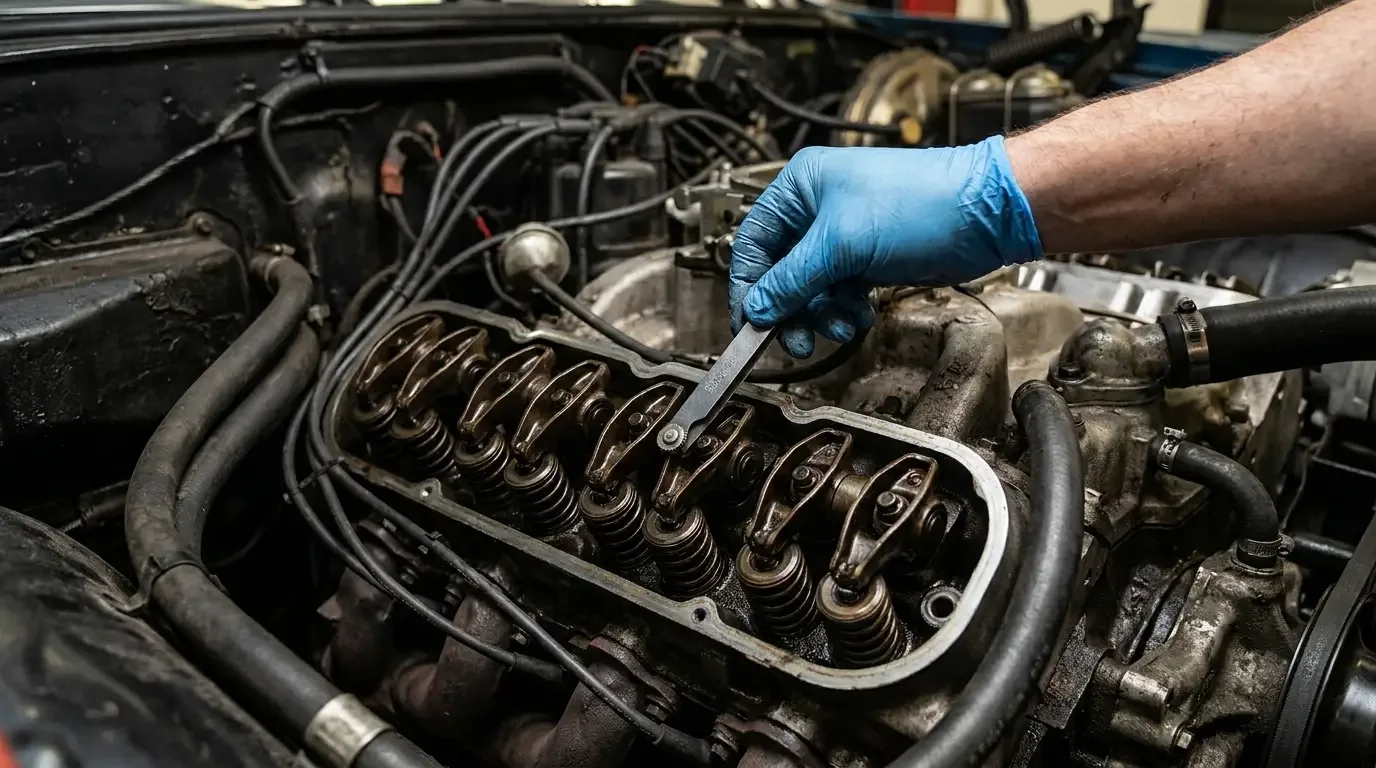
For anyone tracking how the LS6's mechanical hardware actually behaves, next: Solid Lifters, Big Attitude gets into the valvetrain specifics that made this family of engines demand a different kind of ownership than a hydraulic-cam big-block.
Sources and notes
- Corvette Action Center - 1971 Corvette LS6 engine specifications, heads and compression
- Trust Auto - why the 1971 Corvette LS6 is a one-year-only application
- Wikipedia - Chevrolet LT-1, Corvette and Camaro Z/28 ratings by model year
- Hagerty - 1970-72 Corvette LT-1 market spotlight and specifications
- California Speed Shop - 1970 Chevelle SS454 LS6 identification and specifications guide
Related Reading
Have a
Chevrolet Chevelle
for Sale?
Reach thousands of serious classic car collectors across the US.
Sell It Here →
Are You a Classic Car Dealer?
List your full inventory and connect with targeted classic car buyers.
Join as a Dealer →

About the author
Marcus Feld
Accredited collector-car appraiser who reads the market through hammer prices, condition tiers and risk.
Related Listings - Chevrolet Chevelle

Comments
Be the first to comment on this article.