
Before the internet, before forums, before anybody could look up a dyno sheet in thirty seconds, the buff books decided who won these fights. Car and Driver, Hot Rod, Motor Trend, Car Craft, Super Stock magazine. Guys like me grew up reading these things cover to cover, arguing with our buddies about whose numbers were right, and trusting a magazine test more than we probably should have. What most people don't realize now is how much of that "objective" testing had a factory thumb on the scale.
Car Features
6 min read
The Muscle Car Magazine Wars: How Buff Books Picked Sides
Car and Driver, Hot Rod, and Motor Trend didn't test muscle cars on a level field. Here's how the old buff books shaped the Chevelle vs GTO fight.
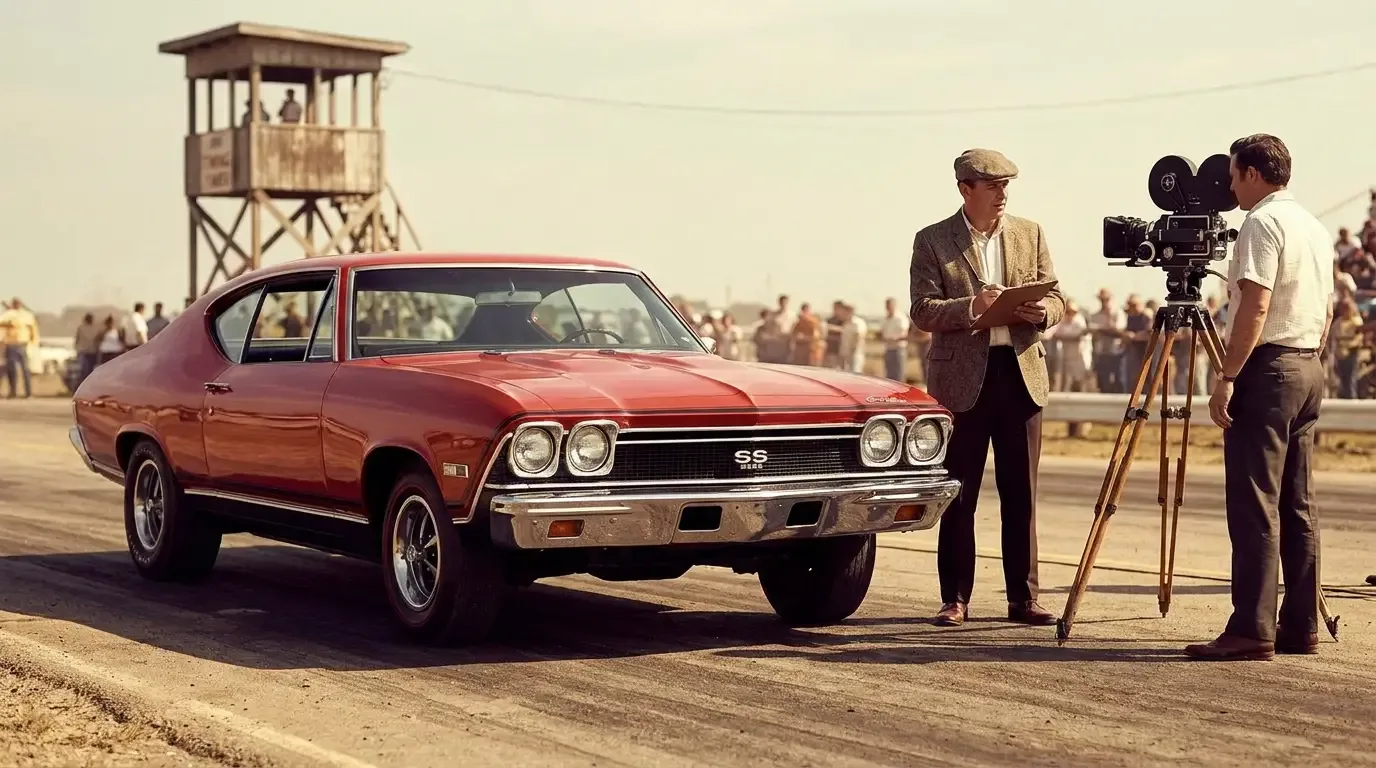
I've read enough of these old test articles over the years to know the game that was being played, and it wasn't always about which car was actually faster. It was about which manufacturer got the better car to the magazine's door.
The prepped car problem
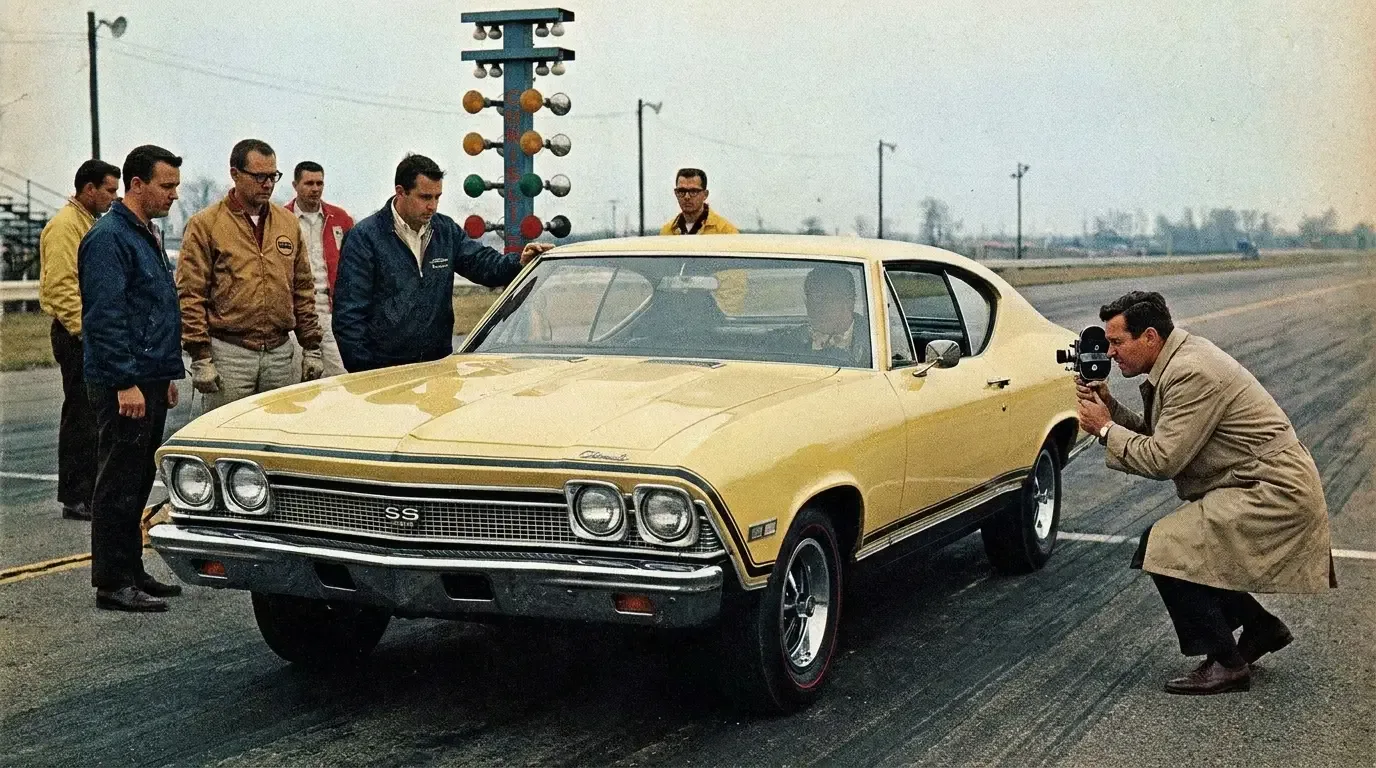
Manufacturers didn't hand magazines a random car off the assembly line. They handed over a car that had been through a factory prep process, sometimes involving blueprinted engines, optimized tune, and rear gearing selected specifically to post the best possible number for that particular test. This wasn't universal cheating, but it wasn't a level playing field either. A Chevelle SS396 that showed up for a magazine comparison might have had more careful assembly and tuning attention than a customer would ever get walking into a dealership. Same story for the GTO, the 442, the GS. Every manufacturer played this game to some degree.
That's part of why period magazine quarter-mile times often don't match what regular owners could actually achieve with a showroom-stock car. It's not that the magazines were lying outright. It's that "as tested" and "as delivered to Joe Average" were two different animals, and readers at the time mostly took the numbers at face value.
Which magazines leaned which way
Car and Driver built a reputation as more skeptical and less brand-loyal than some of its competitors, willing to call out a manufacturer's overreach in a way that made Detroit nervous. Hot Rod and Car Craft, on the other hand, ran closer to the factories in some periods, with editors who had personal relationships with manufacturer performance divisions and access that came with an implicit understanding about how a test would be framed. This isn't a knock on the writers. That's how the industry worked, and readers who paid close attention over years of issues could pick up on which magazine tended to favor which brand.
Motor Trend leaned toward broader consumer coverage rather than pure performance bragging rights, which sometimes made its comparisons feel more balanced but also less exciting to the hardcore crowd who wanted to know exactly which car would win at the strip. Super Stock and Drag Illustrated catered directly to the racing crowd and tended to give more weight to actual competition results over factory-supplied test cars, which is part of why serious racers trusted those numbers a little more than the mainstream buff books.
🔧 Inspection Priorities
- Treat any period magazine quarter-mile time as a best-case number, not a typical number. If you're researching a car's real-world performance, cross-reference multiple period sources rather than trusting one test.
- Check whether a test car's specific options are documented. Some magazine test cars carried non-production or dealer-installed parts not available to regular buyers, which skews any direct comparison to a standard build.
- Watch for reprinted "recreated" test data online. A lot of numbers floating around forums today have been passed along and slightly altered from the original printed source over decades of repetition.
How the rivalry played out in print
The Chevelle SS396 versus GTO fight got covered extensively because both cars sold in huge numbers and both brands had aggressive PR departments feeding magazines test cars, press releases, and access to engineers. Every comparison test between the two became a small battle in itself, with letters to the editor pages filling up for months afterward with readers defending their brand loyalty against whatever the magazine had concluded. I've seen old issues where the letters section ran longer than the original article, because muscle car buyers in that era took these tests personally.
The magazines also shaped which options and configurations got remembered as "the" definitive version of a given car. An L78 Chevelle that ran a strong number in a widely read test, like the 13.60 at 105 mph a magazine recorded on a 1968 example, became the benchmark everyone measured against for decades afterward, regardless of how many actual buyers ordered that exact combination. That's a kind of influence that outlasted the magazines themselves and still shapes which options command a premium in the collector market today.
| Publication | General lean | Known for |
|---|---|---|
| Car and Driver | More skeptical, less brand-loyal | Willing to call out manufacturer overreach |
| Hot Rod | Close relationships with performance divisions | Deep technical access, factory-friendly framing |
| Car Craft | Enthusiast-focused, hands-on | Builder and racer perspective |
| Motor Trend | Broader consumer angle | More balanced but less strip-focused |
| Super Stock | Racing-community focused | Actual competition results weighted heavily |
"I've had guys show me a magazine clipping like it's a legal document, telling me their stone-stock Chevelle should run the exact number some magazine printed in 1968. I tell them the same thing every time. That number came from a car that got more attention in one week of prep than most factory cars saw in their whole life. Read the numbers for what they are, a best case, not a promise."
Mike Sullivan
Why this still matters to buyers today
Collector values today still carry the fingerprints of these old magazine tests. A configuration that a buff book crowned the winner back in 1968 or 1970 often commands a premium now, decades later, simply because that reputation calcified into conventional wisdom and never got seriously challenged. Understanding that history helps you separate genuine engineering merit from decades-old marketing dressed up as objective journalism. It's part of the same story as the A-body muscle war itself, because the war wasn't only fought on the street and at the dealership. It was fought in print, month after month, with real influence over what buyers believed and what they were willing to pay.
Understanding the magazine wars gives you a sharper eye when you're reading old road tests today, whether you're researching a potential purchase or just settling an argument with a buddy at a car show. The numbers were real. The context around them rarely got printed, and that's the part worth knowing before you take any period test as gospel.
To see where this all started, go back to next: SS vs Pontiac GTO, the original fight that kicked off everything the magazines spent a decade covering.
Sources and notes
- HowStuffWorks, 1968 Chevrolet Chevelle SS 396: A Profile of a Muscle Car (period Car and Driver coverage of the L78)
- autoevolution, 1968 Chevrolet Chevelle SS 396: The Muscle Car Icon That Everyone Could Afford
- Wikipedia: Muscle car (era overview, period press context)
- Old Cars Weekly: Car of the Week: 1968 Chevelle SS 396
- Street Muscle Magazine: Muscle Cars of the '60s and '70s Part I
- Supercars.net, 1968 Chevrolet Chevelle SS396
Related Reading


Have a
Chevrolet Chevelle
for Sale?
Reach thousands of serious classic car collectors across the US.
Sell It Here →
Are You a Classic Car Dealer?
List your full inventory and connect with targeted classic car buyers.
Join as a Dealer →

About the author
Mike Sullivan
Detroit-area muscle car enthusiast and restoration specialist with three decades of hands-on experience working on American iron.
Related Listings - Chevrolet Chevelle




Comments
Be the first to comment on this article.