
1969 doesn't get talked about much when people rank Chevelle years. It sits between the all-new 1968 body and the peak-performance 1970 cars, and it gets treated like a placeholder. That's a mistake. I've worked on plenty of 1969 Chevelles over the years, and this is the year GM quietly fixed the rough edges from the redesign without touching the parts that already worked. If 1968 was the big swing, 1969 is where they tightened everything up.
History & Heritage
6 min read
1969 Chevelle and Malibu: The Quiet Refinement Year
Why 1969 was a refinement year for the Chevelle: the SS396 becomes an option, dual-circuit brakes arrive, and rare COPO 427 cars slip through.
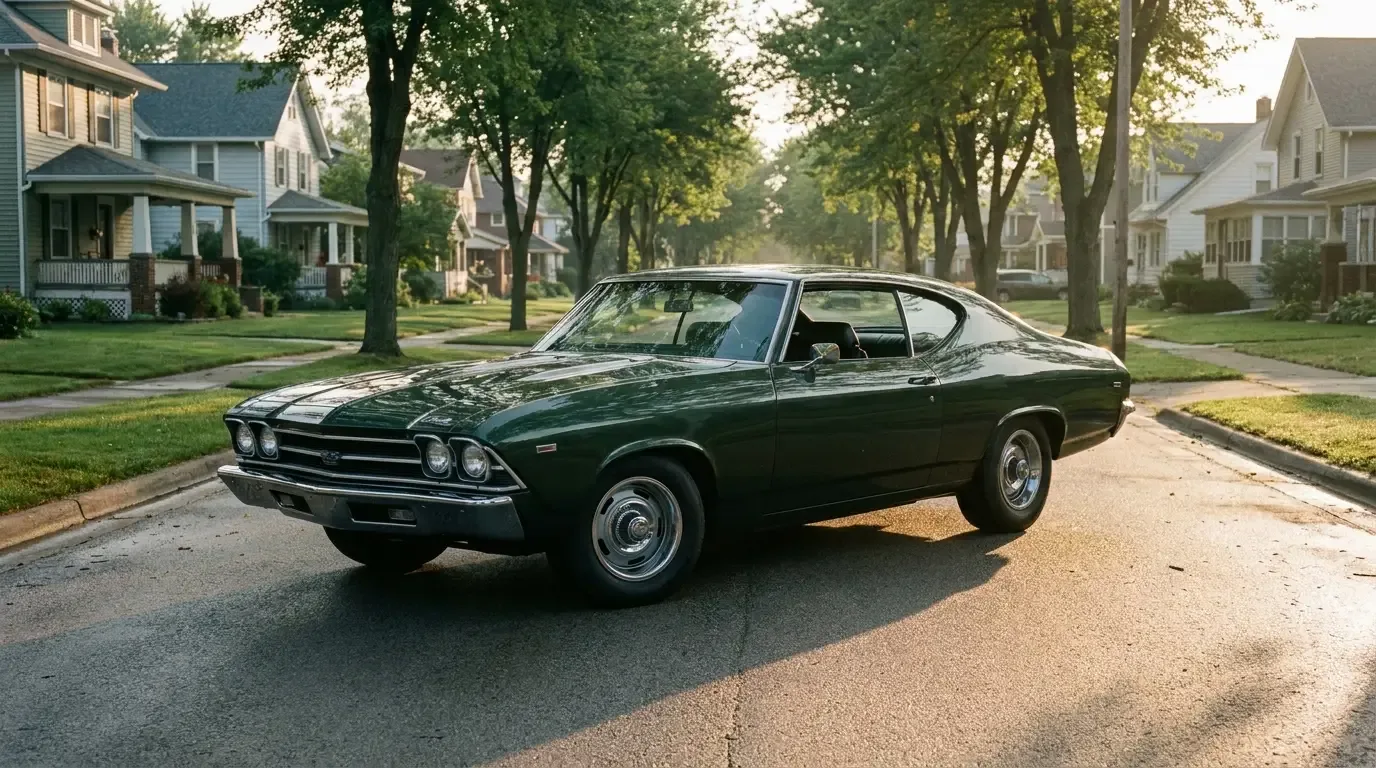
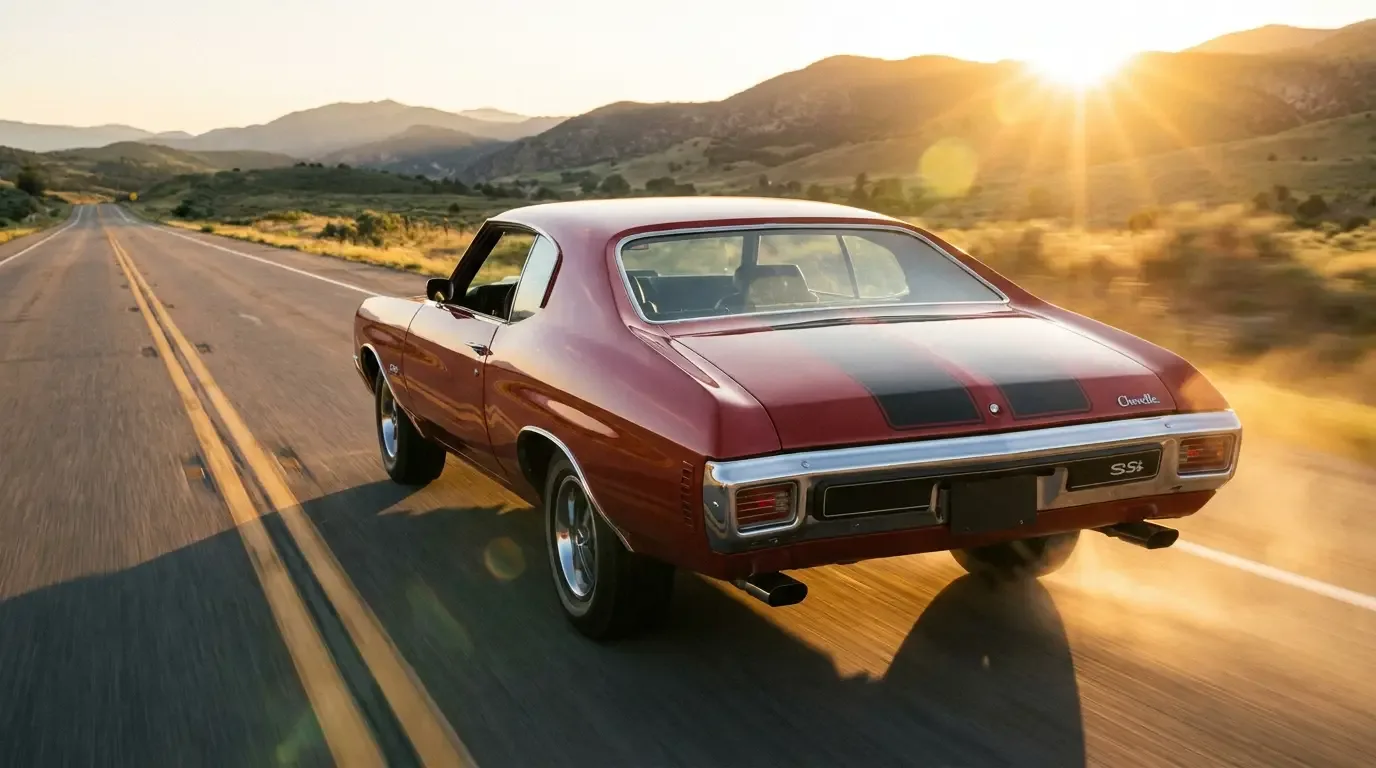
This was also the last year before the displacement rules changed everything for 1970, so the 1969 SS396 cars represent the final, most sorted-out version of that first-wave big-block Chevelle. If you want the wider arc, Chevelle's golden years covers all five model years of the second generation.
What actually changed for 1969
Visually, the changes are subtle enough that a lot of people can't tell a '68 from a '69 at fifteen feet. The grille got a new insert, the taillights were revised, and there were minor trim and badge updates across the lineup. This wasn't a case of GM leaving the car alone because they'd run out of budget. It was a case of the 1968 body being right the first time, so the changes for '69 were about refinement, not correction.
The bigger news was under the car, not on it. Chevrolet made the dual-circuit master cylinder standard across the board in 1969, a genuine safety improvement that split the front and rear brake hydraulics so a single failure didn't take out the whole system. It's not the kind of thing that shows up in a magazine ad, but it's the kind of change that actually mattered to somebody driving the car every day.
The SS396 becomes an option, not a series
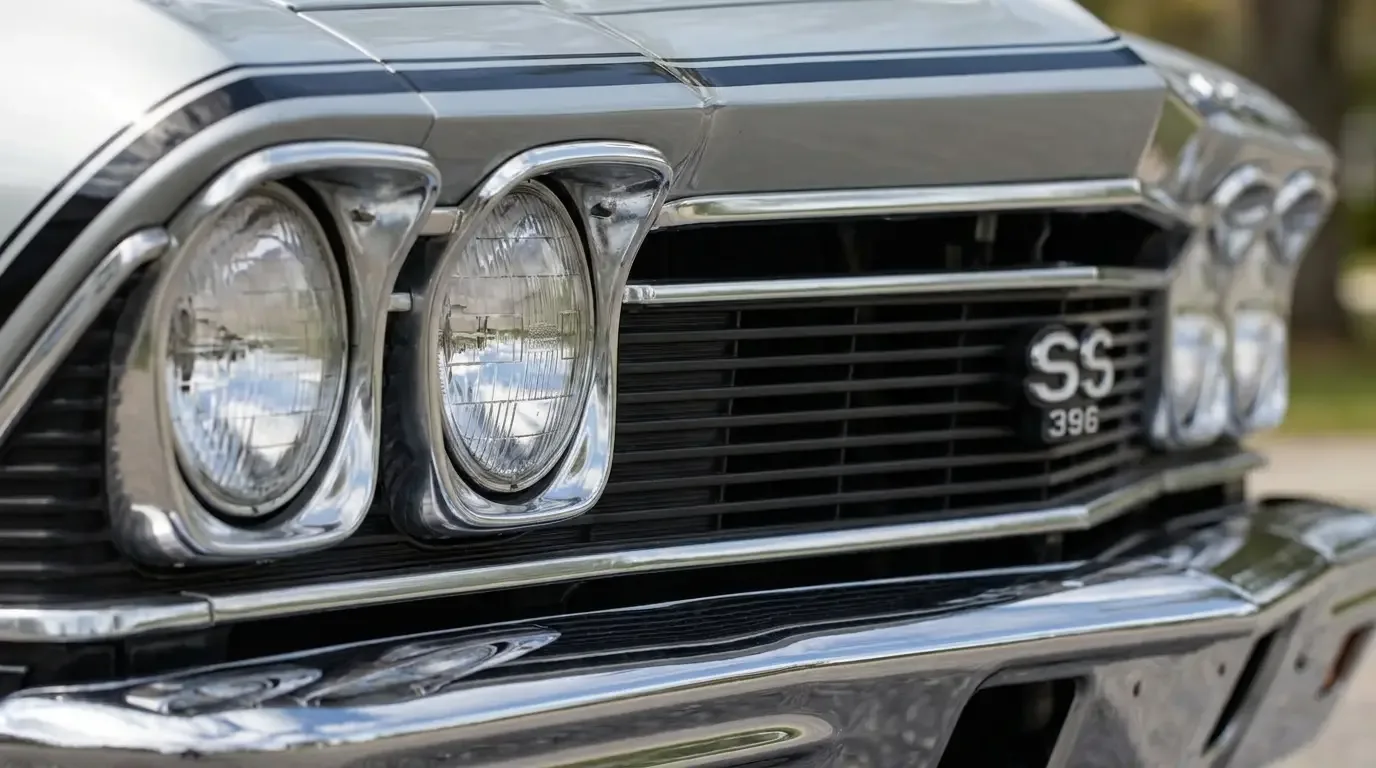
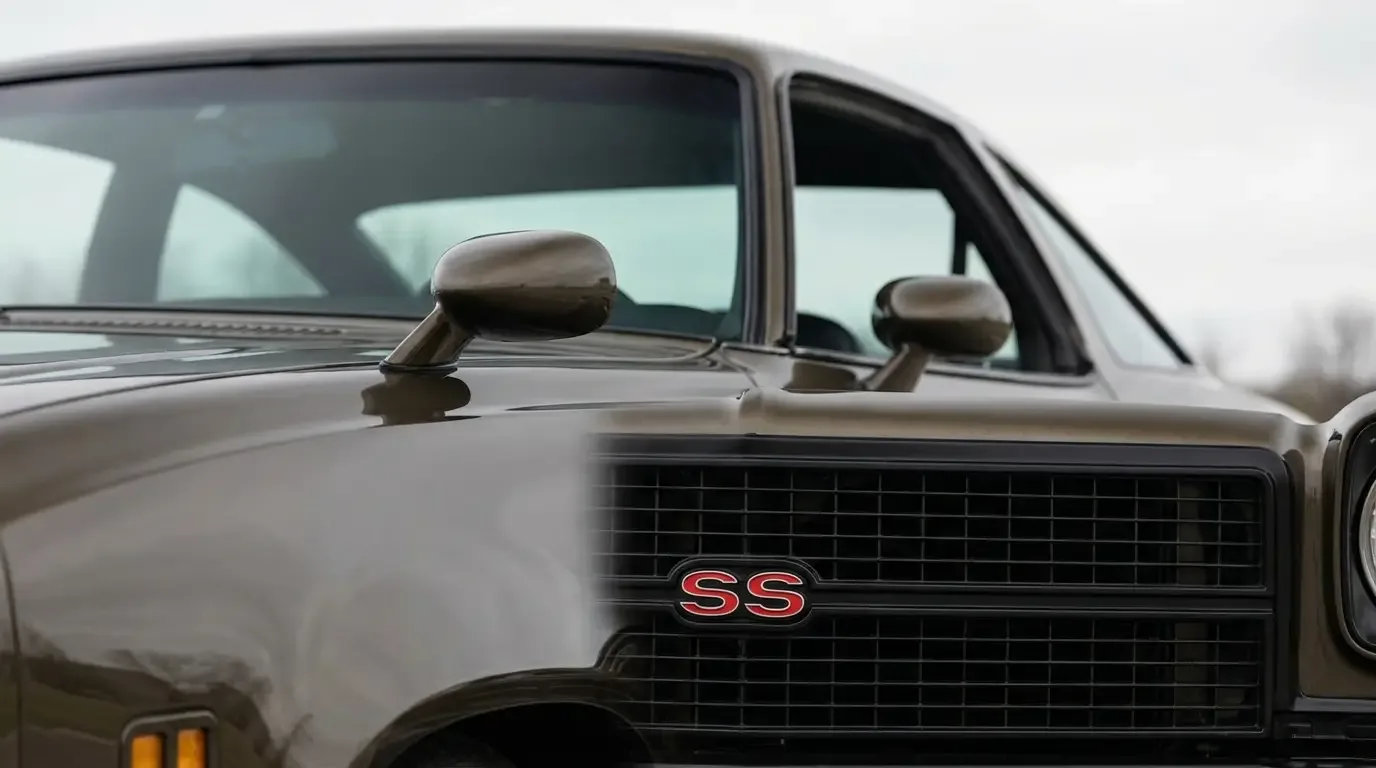
Here's where 1969 gets interesting for anybody who cares about how these cars were actually built. In 1968, SS396 was its own distinct series with its own body-side trim and identity. For 1969, Chevrolet folded it back into the Malibu lineup as RPO Z25, an option package you added to a Malibu rather than a separate model you ordered from the start. That means a 1969 SS396 is fundamentally a well-optioned Malibu, and the paperwork trail matters more than it did the year before.
Engine choices for the SS package ran from the base RPO L35 at 325 horsepower up through the RPO L34 at 350 and the solid-lifter RPO L78 at 375, the same general spread as 1968 but with running changes to carburetion and valve train across the model year that collectors still argue about today.
🔧 Inspection Priorities
- Z25 documentation. Because the SS package is now an option code rather than a standalone series, verifying a real SS396 means checking the cowl tag and build sheet, not just trusting the badges on the car. Missing or mismatched documentation can mean a clone, which changes the value conversation entirely.
- Dual-circuit brake system integrity. The new master cylinder is a two-chamber unit, and on a car that's sat for years, one chamber can seize while the other still holds pressure. Test both circuits independently before you drive it any distance.
- Cowl induction hood linkage on late-production cars. Some sources note running changes late in the 1969 model year moving toward what became standard for 1970. Verify what's actually correct for a specific build date before assuming a hood or induction setup is factory.
- Body seam and quarter panel rust behind the wheel arch. Same body shell as 1968, same rust-prone spots. Don't skip this just because the car "looks like a '69."
COPO cars and the cars nobody talks about
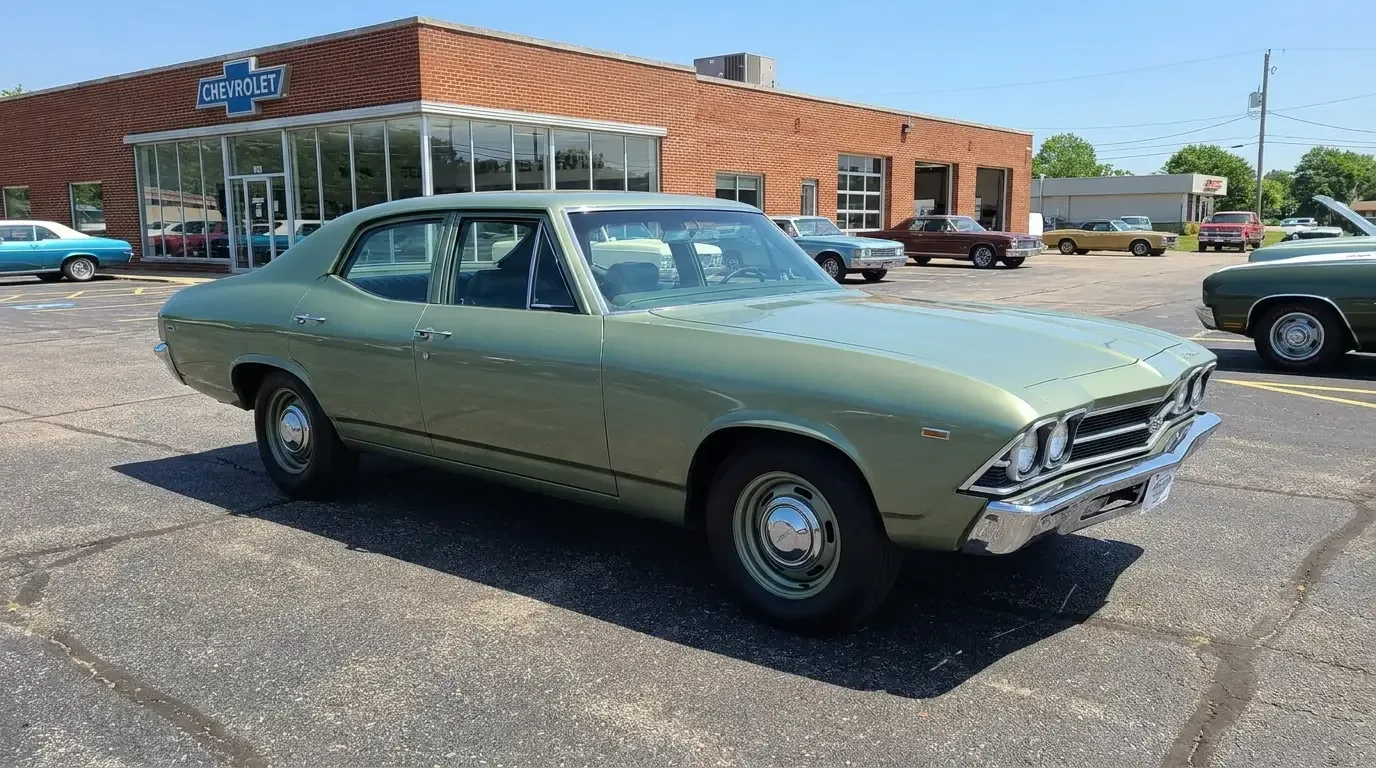
1969 is also the year of the COPO 427 Chevelles, cars ordered through Chevrolet's Central Office Production Order system with the big L72 427 shoehorned into a mid-size body, something the factory never officially offered as a catalog option. Production numbers on these are small, generally put at somewhere between roughly 300 and 360 cars for the model year (Yenko Chevrolet alone accounted for around 99 of them), and they've become some of the most sought-after and most faked cars in the hobby. If you're ever looking at one, get it verified by somebody who does nothing but COPO documentation before you write a check.
Away from the exotic stuff, the base six-cylinder and small-block 300-series and Malibu cars from 1969 are honestly underrated drivers. They're cheap, parts are everywhere, and they don't attract the attention that makes insurance and parking lot dents a headache.
| 1969 Chevelle detail | Notes |
|---|---|
| SS396 status | RPO Z25 option on Malibu, not a standalone series |
| Brake system | Dual-circuit master cylinder, now standard |
| Rare variant | COPO 9562 with L72 427, roughly 300-360 built |
| Body | Carryover 1968 shell with revised grille and taillights |
Driving one versus owning one on paper
There's a real difference between what a 1969 Chevelle looks like on a spec sheet and what it feels like from the driver's seat. A well-sorted L34 350-horse car with a decent rear gear pulls hard enough to satisfy almost anybody, and it doesn't come with the insurance premium or the parking-lot anxiety of an L78 or a COPO car. I tell people looking for a first big-block Chevelle to be honest about how they'll actually use the car before they chase the highest horsepower number on the option sheet.
Manual versus automatic is its own argument. The four-speed cars get more attention at shows and bring more money at auction, but a Turbo Hydra-Matic 400 behind a 396 is a genuinely good combination for a car you plan to drive regularly, especially if you're dealing with stop-and-go traffic instead of a straight road out to a cars-and-coffee meet. Don't let the auction crowd talk you out of an automatic if that's what actually suits how you'll use the car.
If you're shopping the model year, browse 1969 Chevelles and pay attention to whether you're looking at a genuine Z25 car or a tribute built later, because the price gap between the two is significant and the visual difference can be almost nothing.
"Everybody wants to jump straight to 1970 when they talk big-block Chevelles, but 1969 is where Chevrolet worked out the bugs. I'll take a well-documented '69 SS396 over a lot of '70s I've seen, because by this point they'd had a full year to get the build right."
Mike Sullivan
The next chapter in the story is where things get louder. Read on to next: Why 1970 Is Considered the Peak Chevelle Year.
Sources and notes
- 1969 Chevelle's "SS" option (300 Deluxe & Malibu series), ChevelleStuff.net
- 1969 Chevelle Regular Production Options by Style/Model (ChevelleStuff.net)
- 1969 Chevrolet Mid-Size Cars Fact Sheet (Over-Drive Magazine)
- Rare Rides: The 1969 Chevy Chevelle COPO L72 (Street Muscle)
- '69 COPO 427 production totals (Team Chevelle forum)
- Chevrolet Chevelle (Wikipedia)
Related Reading
Have a
Chevrolet Chevelle
for Sale?
Reach thousands of serious classic car collectors across the US.
Sell It Here →
Are You a Classic Car Dealer?
List your full inventory and connect with targeted classic car buyers.
Join as a Dealer →

About the author
Mike Sullivan
Detroit-area muscle car enthusiast and restoration specialist with three decades of hands-on experience working on American iron.
Related Listings - Chevrolet Chevelle
More in History & Heritage
Comments
Be the first to comment on this article.