
I remember the first time a customer rolled a 1968 Chevelle into my bay and I had to walk around it twice before I said anything. Everybody talks about the '70 SS454 like it's the only Chevelle that matters, but 1968 is where this car actually became something. GM tore up the old boxy A-body and started over, and what came out the other end changed how a mid-size Chevy looked and sat on the road.
History & Heritage
6 min read
1968: All-New Body, Split Wheelbase
How GM's 1968 redesign gave the Chevelle its Coke-bottle look and a split wheelbase between two-door and four-door models. What to check when buying one.
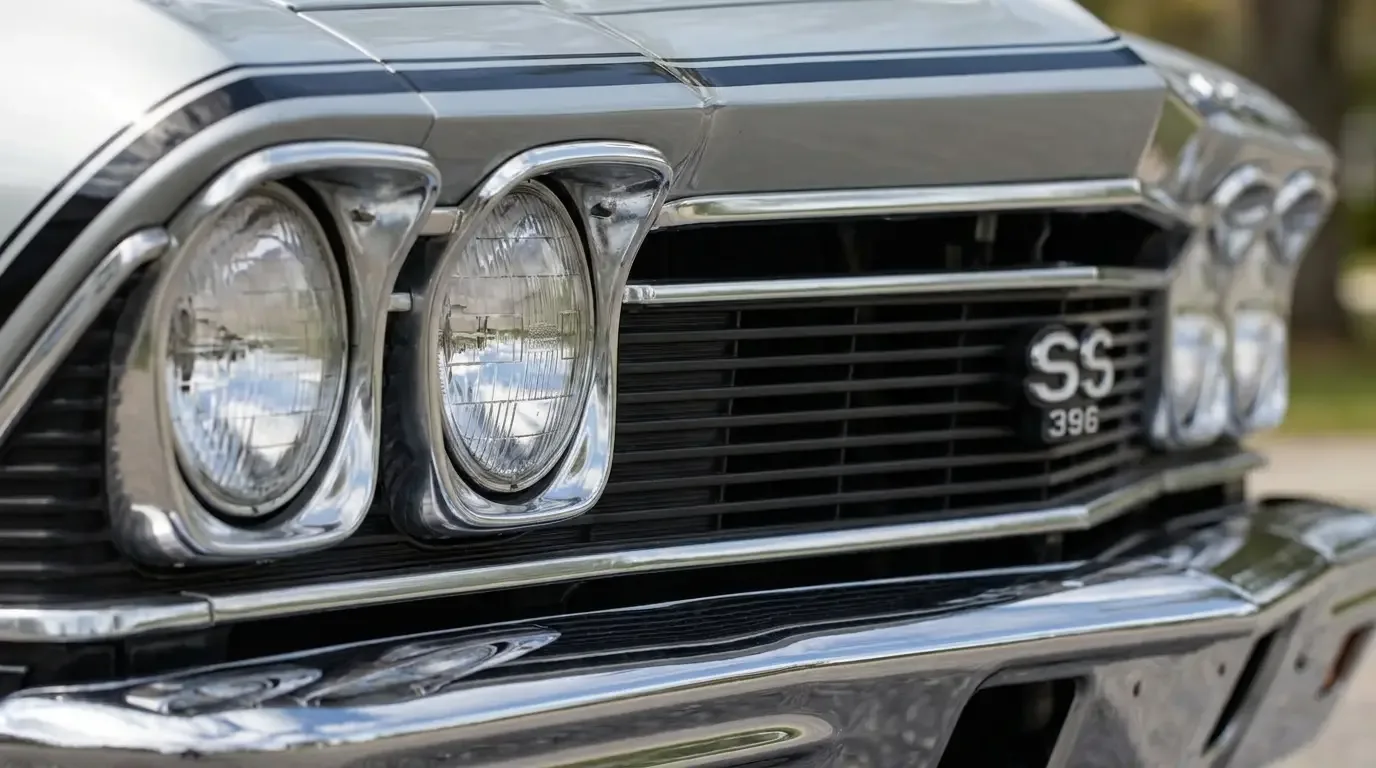
This wasn't a facelift. It was a full redesign, and it's the reason the Chevelle nameplate still gets attention on Woodward Avenue every August. If you want the whole arc of the car, the second-generation story covers all five years. But 1968 is where I want to start, because it's the year that set the template for everything after it.
A body that finally looked like something
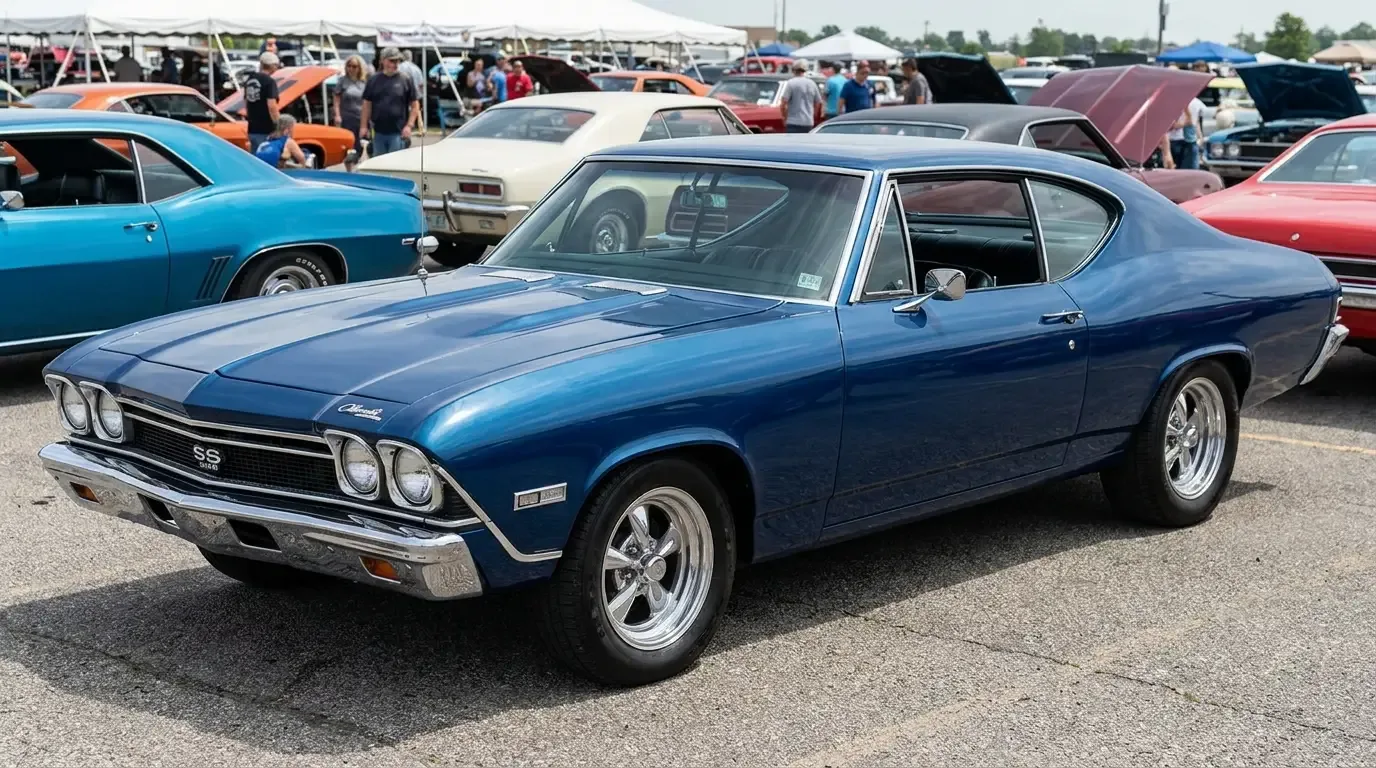
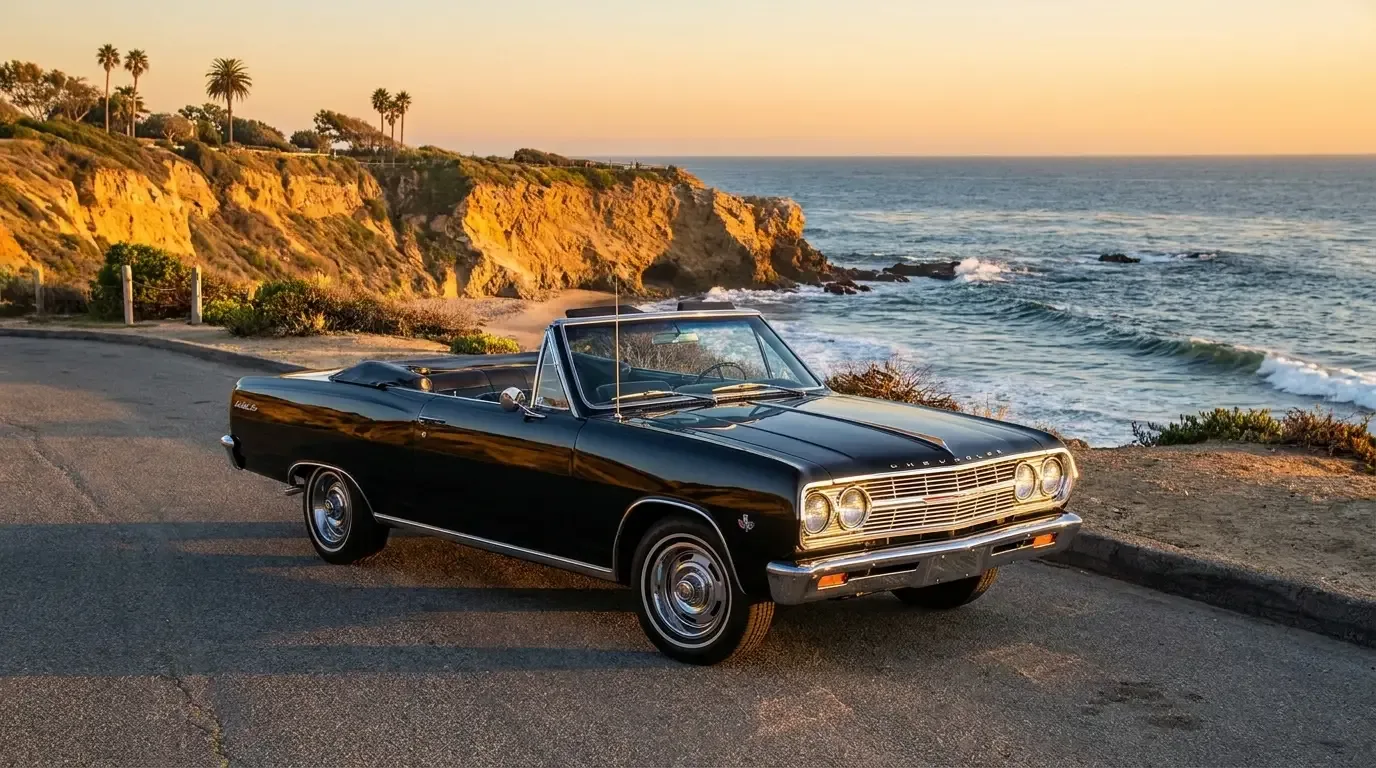
The 1966-67 Chevelle had clean lines, but it was still a fairly upright, three-box design. GM's stylists threw that out for 1968 and drew a body with a semi-fastback roofline on the two-door hardtops, a pronounced "Coke bottle" hip in the rear quarters, and a lower, wider stance overall. The whole car reads as one flowing shape instead of a sedan roof bolted onto a fender line.
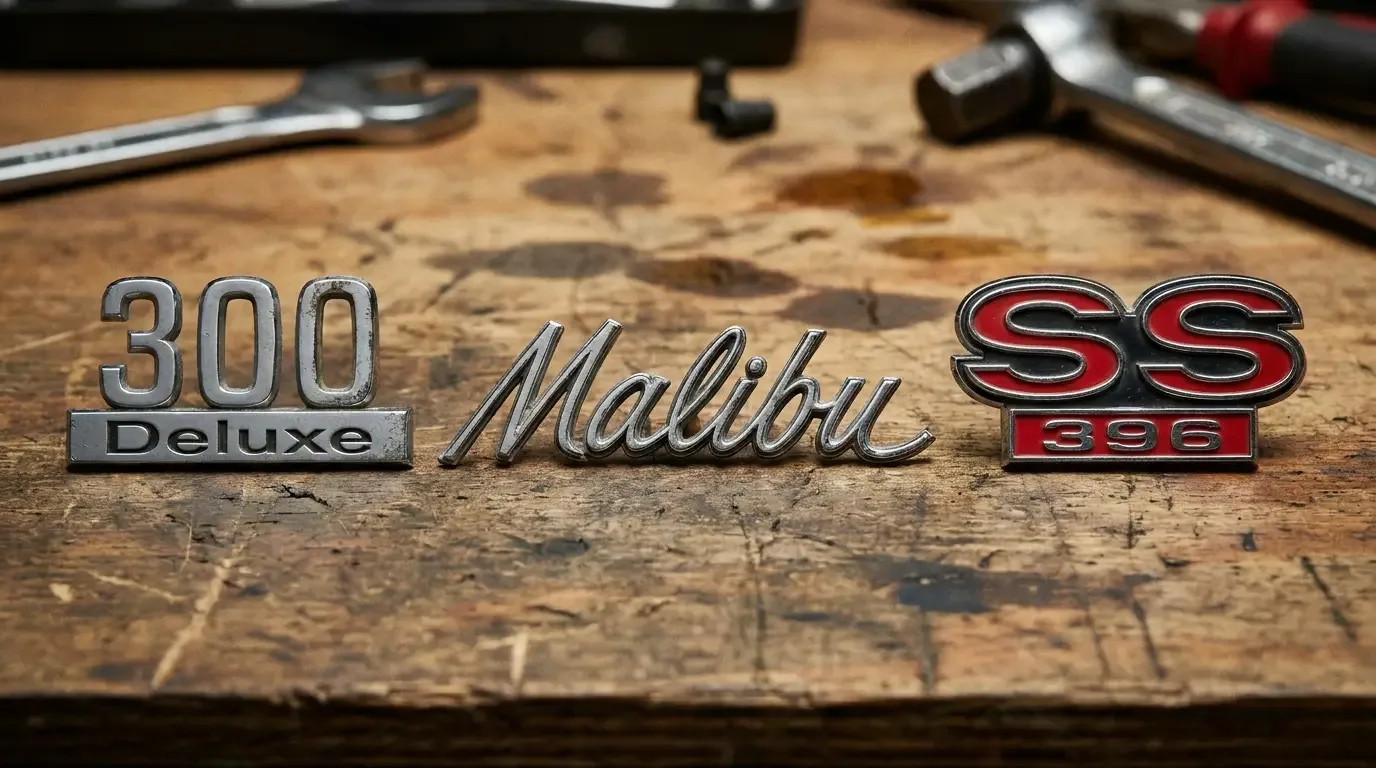
The grille went from a simple horizontal bar setup to a heavier, more aggressive face, and the taillights moved into a full-width treatment that tucked under the rear bumper. Malibu and SS models could be optioned with hideaway headlamps, a detail that set the top trims apart from a base 300-series car at a glance. It's a small thing, but it's the kind of small thing that tells you GM was serious about making this car look expensive.
The split wheelbase, and why it exists
Here's the detail that trips up a lot of people who didn't grow up around these cars: the 1968 Chevelle doesn't have one wheelbase. Two-door models, the coupes and the convertibles, ride on a shorter chassis than the four-door sedans and wagons. GM did this across the whole A-body line that year, not just the Chevelle, and the reasoning was proportion, not cost-cutting. A two-door car looks right with a tighter wheelbase and shorter rear overhang. A four-door needs the extra length behind the rear doors so the roofline and greenhouse don't look stretched.
The exact wheelbase split is worth knowing if you're buying, because it affects everything from driveshaft length to which floor pans and frame sections interchange between body styles. If you're shopping parts, don't assume a two-door's driveline components bolt straight into a wagon. Check before you buy, not after.
🔧 Inspection Priorities
- Cowl and floor pan rust. The 1968 unibody-adjacent perimeter frame construction traps moisture at the cowl and front floor sections. A car that looks solid from the rocker up can still have soft floors under the carpet. Missing this means a full floor pan replacement, easily a few thousand dollars in labor and material.
- Correct wheelbase parts on a rebuilt car. If a car has been in a wreck and repaired with mismatched body-style components, suspension geometry and driveshaft fit can be off. Look for a driveshaft that's clearly been shortened or lengthened with a non-factory slip joint.
- Hideaway headlamp vacuum system. On optioned Malibu and SS cars, the concealed headlamp doors run off engine vacuum. A non-functioning system is common and not hard to fix, but it tells you how well the rest of the car's been maintained.
- Semi-fastback rear window seal. The two-door hardtop's more raked backlight is prone to seal failure and water intrusion into the trunk and rear seat area. Check the trunk floor and package tray for rust bleed-through.
What was under the hood in 1968
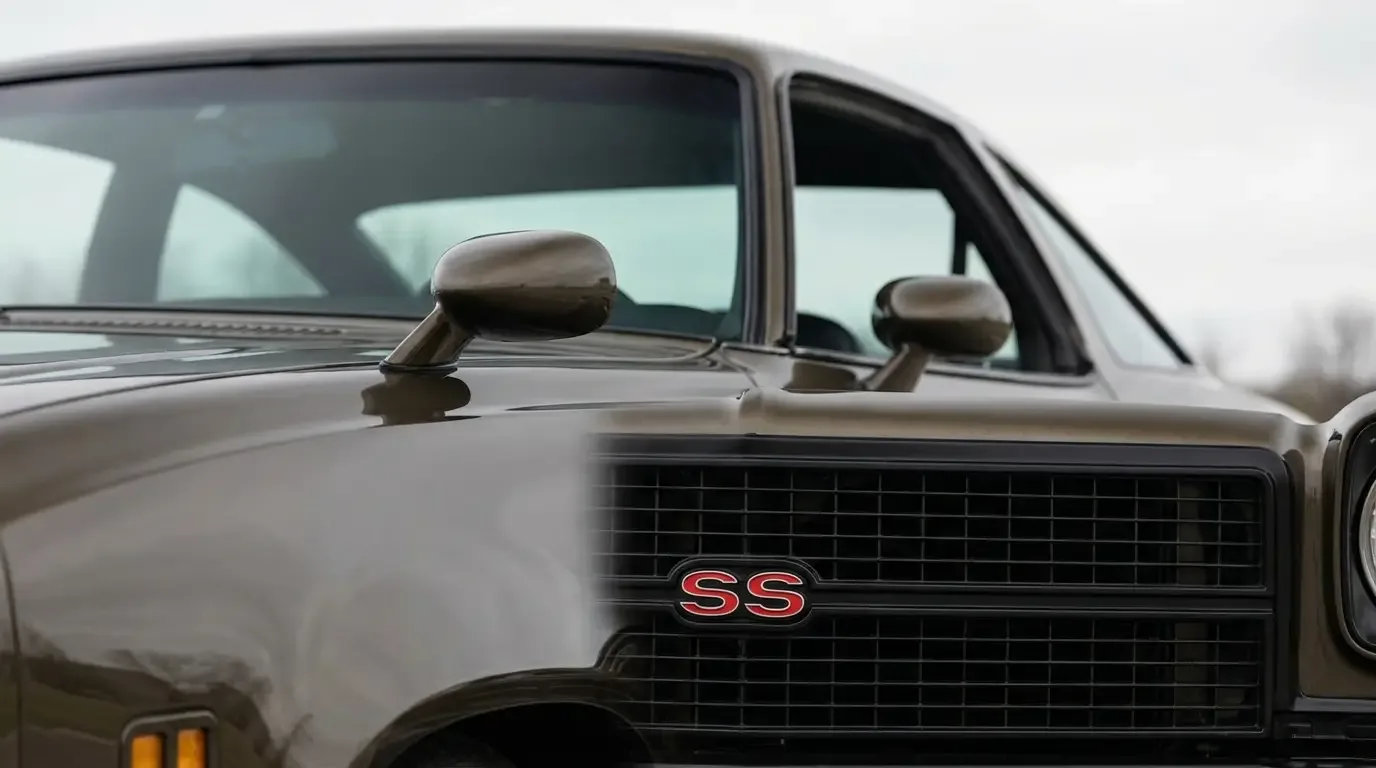
The engine lineup for 1968 ran from a modest inline-six up through a genuine big-block. The SS396 package, which had been an option on the Malibu the year before, became its own distinct trim line for 1968, essentially its own model within the Chevelle family rather than just an appearance and suspension package tacked onto a Malibu. Buyers could get the 396 in a handful of states of tune, and the top engine was the solid-lifter L78, factory rated at 375 gross horsepower, a genuine performance engine that could hang with plenty of cars costing a lot more.
What I want people to understand is that the SS396 wasn't the whole story. A well-optioned Malibu with a smaller V8 and the right rear gear is still a good driver, and those cars are cheaper to buy and live with than a numbers-matching SS. If you're buying your first Chevelle to actually drive, don't chase the SS badge just because it's the one everybody talks about.
| Spec | 1968 Chevelle detail |
|---|---|
| Wheelbase (2-door) | 112 in. |
| Wheelbase (4-door/wagon) | 116 in. |
| Top engine option | L78 396 cu in V8, 375 hp (gross, factory rating) |
| Body styles | 2-door hardtop, convertible, 4-door sedan, wagon |
| SS status | SS396 became its own distinct series, not just a Malibu package |
Buying one today
A driver-quality 1968 Chevelle Malibu with a small-block runs meaningfully less than a documented SS396, and a lot less than a convertible. The base cars get overlooked, which is exactly why they're a decent entry point if you want to be in a second-gen Chevelle without fighting for a six-figure SS at auction. Rust repair and trim availability are your real cost drivers, not the drivetrain, since reproduction sheet metal and interior parts have gotten a lot better over the last decade.
If you're looking at what's actually for sale right now, go shop 1968 Chevelles and pay attention to which body style you're looking at before you start comparing prices, because a wagon and a hardtop aren't really the same car underneath the sheet metal.
"I've pulled the front clip off enough of these to know the split wheelbase isn't a footnote, it's the whole reason the two-door looks as good as it does. GM did the math on proportion before anybody worried about badge engineering. That's the part people miss when they're just looking at a photo."
Mike Sullivan
The 1968 redesign set up everything that came after it through 1972, and if you want to see where the story goes from here, read on to next: 1969 Chevelle and Malibu. And for the full arc of the nameplate from first generation to last, there's the full Chevelle story.
Sources and notes
- Chevrolet Chevelle: Wikipedia
- 1968 Chevelle Regular Production Options by Series/Model: ChevelleStuff.net
- 1968 Chevelle Option/RPO Codes: MySS396.com
- Chevrolet L78: Wikipedia
- 1968-1970 Chevrolet Chevelle SS 396: Specs, History: Motogallery
- 1968 Chevrolet Mid-Size Cars Fact Sheet: Over-Drive Magazine
Related Reading
Have a
Chevrolet Chevelle
for Sale?
Reach thousands of serious classic car collectors across the US.
Sell It Here →
Are You a Classic Car Dealer?
List your full inventory and connect with targeted classic car buyers.
Join as a Dealer →

About the author
Mike Sullivan
Detroit-area muscle car enthusiast and restoration specialist with three decades of hands-on experience working on American iron.
Related Listings - Chevrolet Chevelle
More in History & Heritage
Comments
Be the first to comment on this article.