
By 1977, the Chevelle had been on the same basic Colonnade platform for five model years, longer than any prior Chevelle generation had run without a full restyle. It would run one more. The 1977 Chevelle is the quiet last chapter of a nameplate that started the decade as a genuine muscle car and ended it as a mid-size family sedan wearing the last of a name Chevrolet was already preparing to retire.
History & Heritage
6 min read
1977: The Final Colonnade Chevelle Year
The 1977 Chevelle was the last year of the nameplate before Malibu took over. Trim levels, engines, and what to know before buying one today.
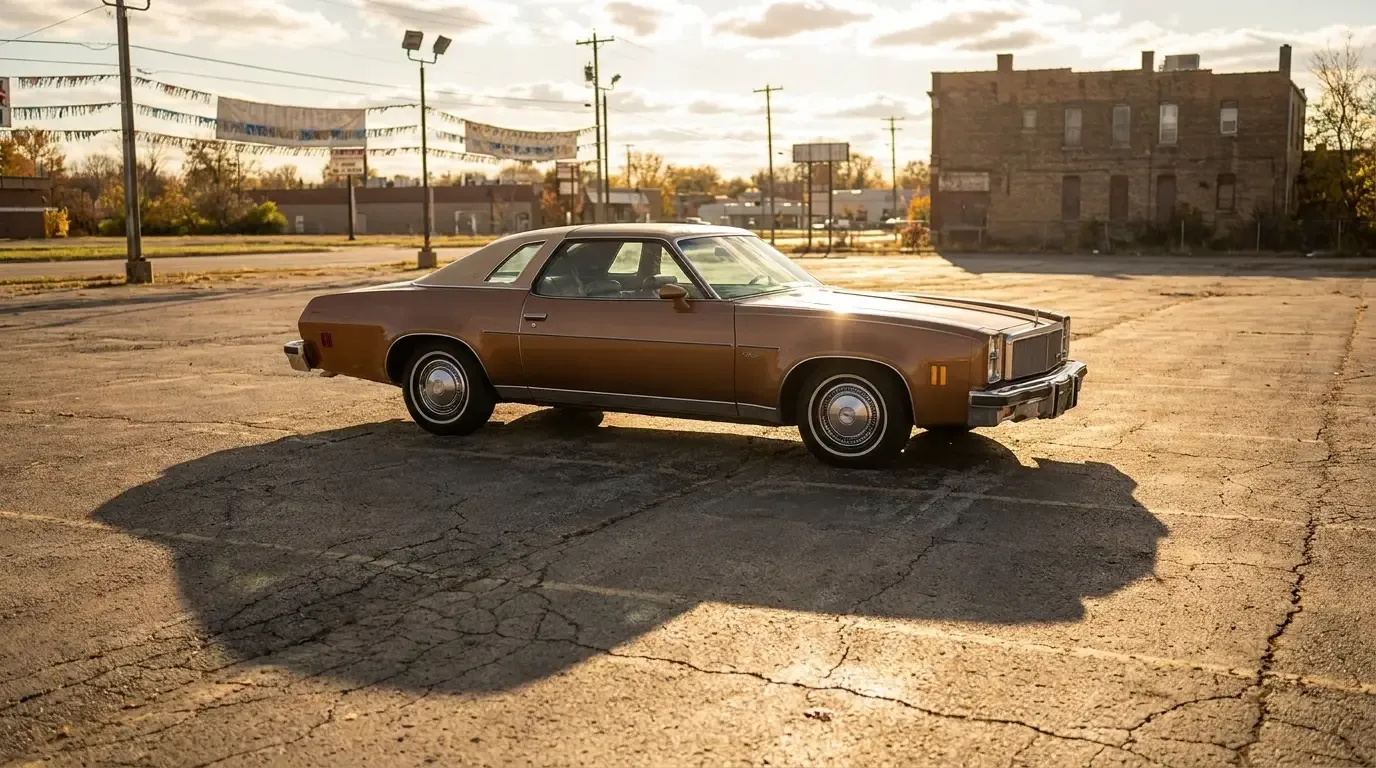
There is nothing dramatic in the 1977 build sheets. That is exactly what makes the year worth documenting carefully. It is the last snapshot of the Chevelle as its own model before the Malibu name absorbed everything the following year, and the paperwork from that final year deserves the same scrutiny collectors give the much showier SS454 build sheets from earlier in the decade.
What actually changed for 1977
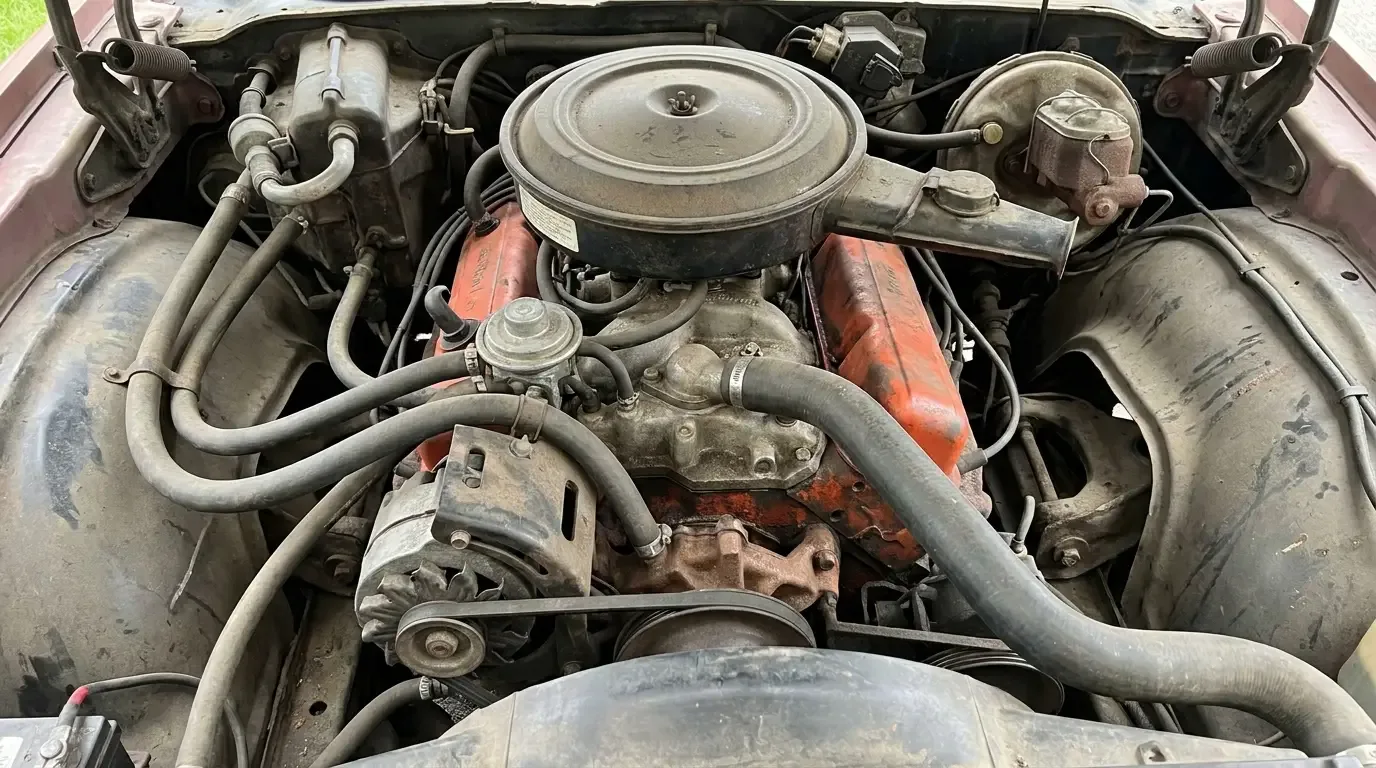
Mechanically, the 1977 Chevelle carried over almost everything from 1976, minus one engine. The base engine remained the 250 cubic inch inline six, with a 305 cubic inch V8 (145 hp) as the step-up option and a four-barrel 350 cubic inch V8 (170 hp) at the top of the sheet. The 400 cubic inch V8 that had been available in 1976 was dropped for 1977, and the 454 big-block was already gone, both casualties of the emissions and fuel economy pressure that had been reshaping the whole GM mid-size lineup since 1975.
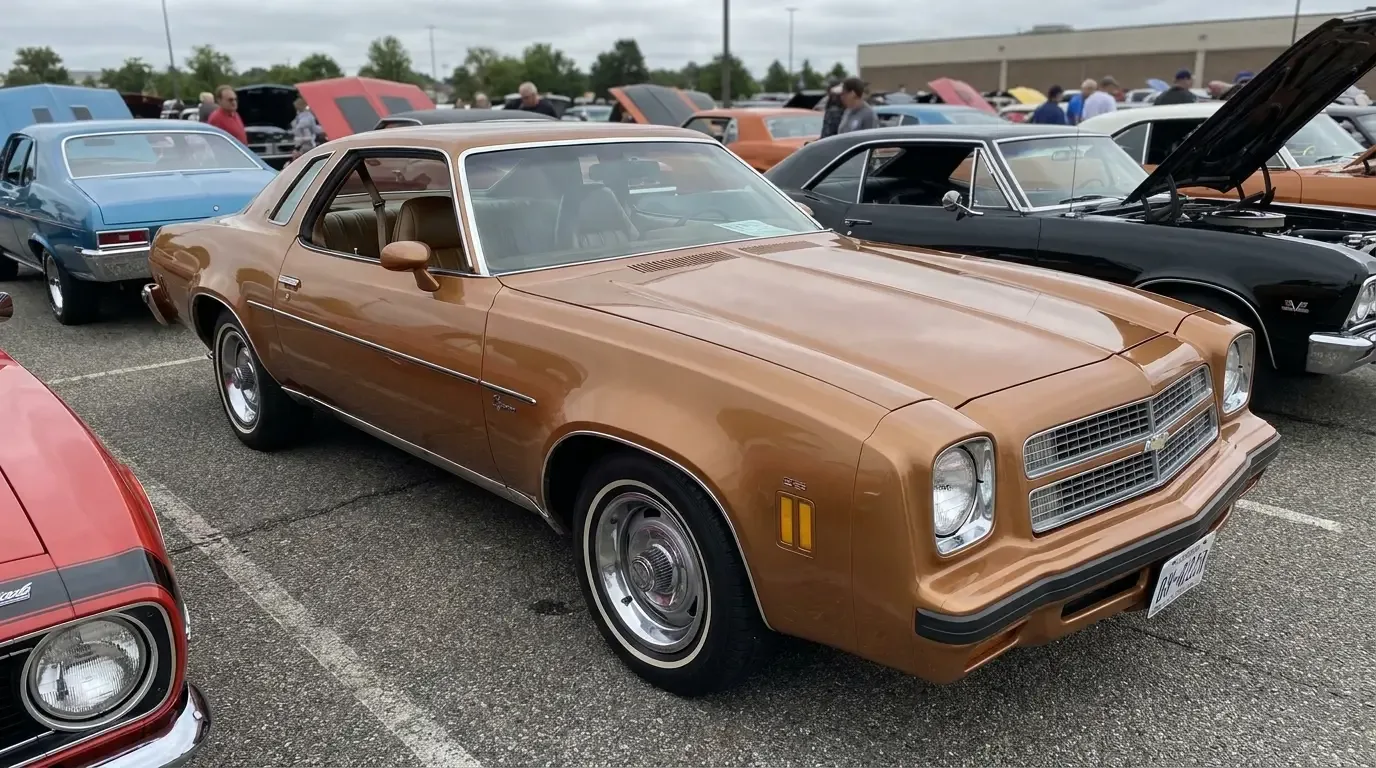
Trim-wise, 1977 kept the same basic structure as the previous two years: base Chevelle Malibu, Malibu Classic, and the Laguna S-3 for buyers who wanted the sportier front clip and blacked-out trim. Chevrolet was clearly running out the string on the Colonnade body rather than investing in anything new for what everyone inside the company knew was the final year of this generation.
Production numbers for 1977 show the Chevelle nameplate still moving a meaningful volume of cars. The Malibu Classic trim alone accounted for 238,322 units that year, more than the base Chevelle Malibu and the Laguna S-3 combined, a pattern that had been building since at least 1975 and that directly foreshadowed the naming decision Chevrolet made for the following model year.
The downsized 1978 GM A-body was already locked in
The reason 1977 feels like a placeholder year is that it was one. General Motors had already committed to a completely new, significantly smaller A-body platform for 1978, part of the broader downsizing program that reshaped nearly every GM mid-size and full-size car in the late seventies in response to fuel economy standards and the lingering effects of the 1973 and 1979 oil shocks.
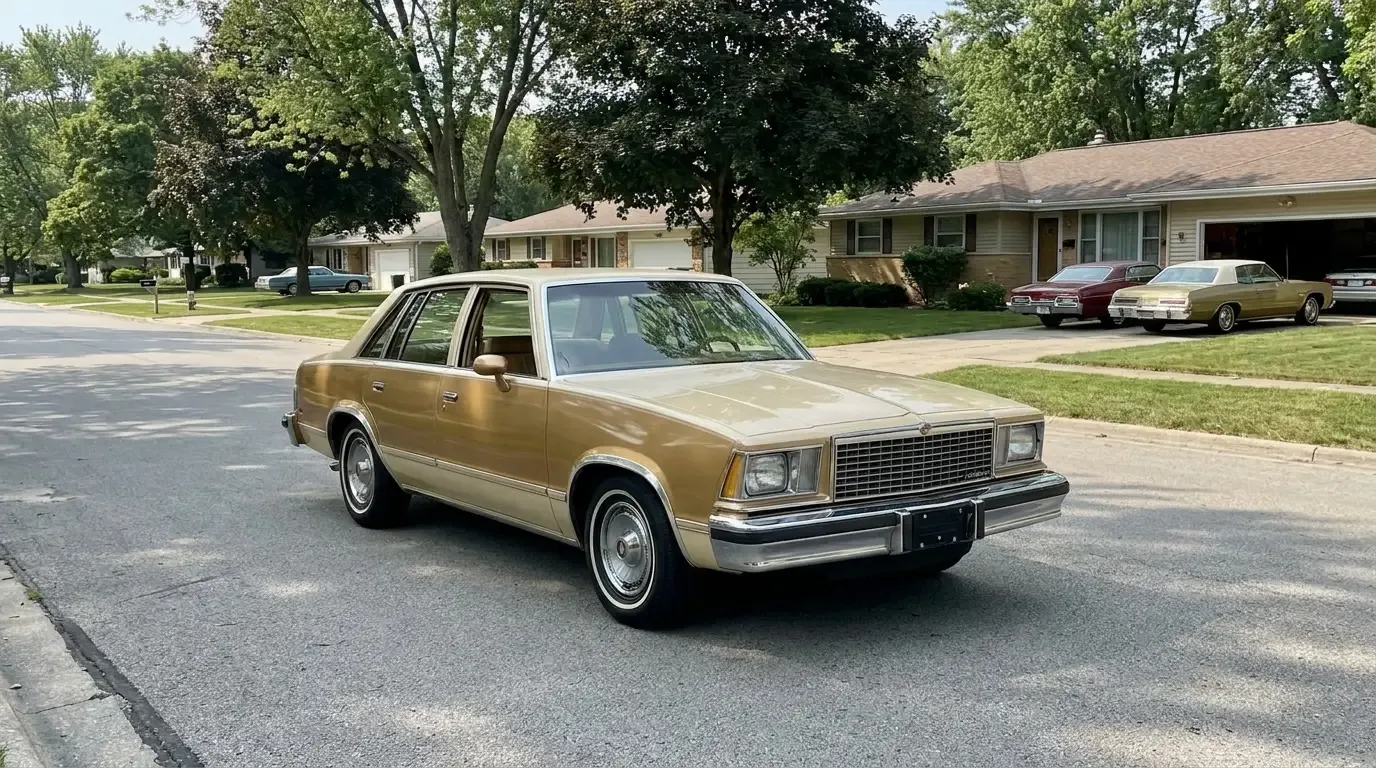
That new 1978 car would not be sold as a Chevelle. Chevrolet folded the nameplate into the Malibu name entirely, a decision that had been coming for a few years as Malibu increasingly outsold the base Chevelle trim within its own lineup. The 1977 Chevelle Malibu Classic, in particular, previewed exactly where the nameplate strategy was headed before the name disappeared.
Inside the 1977 cabin
Interior changes across the 1976-to-1977 span were minor, mostly limited to trim fabric choices and dash graphics rather than any structural rework. The Malibu Classic continued to offer the swivel bucket seat option that had defined Colonnade interior comfort since its introduction earlier in the platform's run, letting the front seats rotate outward to make entry and exit easier, a feature aimed squarely at the family buyer rather than the performance crowd.
Options carried over largely unchanged too: full instrumentation was still available on Malibu Classic and Laguna S-3 trims, while the base Malibu kept a simpler dash with fewer gauges. Air conditioning, power windows, and an AM/FM stereo were all available across the lineup by 1977, reflecting how much the car had shifted toward comfort-focused equipment compared to the performance-option sheets a Chevelle buyer would have seen in 1970 or 1971.
Buying a 1977 Chevelle today
For collectors, the 1977 model sits in an odd spot. It carries the last-of-its-kind story, but it does not carry big-block power or the SS badge, both of which had already left the lineup by this point. What it does offer is the final expression of the Colonnade body style before GM moved to a smaller, boxier design, and for buyers who care about that specific styling era, a clean 1977 Malibu Classic or Laguna S-3 is a legitimate way into the hobby at a lower price point than an earlier SS car.
Rust and interior wear are the two things to check closely on any surviving 1977 example. These cars were built during a period when Chevrolet was managing costs aggressively across the lineup, and corrosion protection had not yet caught up to where it would be by the early eighties. A 1977 Chevelle with solid floors, decent frame rails, and its original vinyl top intact is not common, and it is worth more to a serious buyer than the modest engine specs might suggest.
| Trim | Engine options | Notable equipment |
|---|---|---|
| Chevelle Malibu (base) | 250 I6, 305 V8 | Entry trim, cloth or vinyl bench seats |
| Malibu Classic | 305 V8, 350 V8 | Upgraded interior trim, swivel bucket option carried over |
| Laguna S-3 | 350 V8 | Blacked-out grille, sport suspension, last year of the S-3 |
Anyone researching this final year should read it alongside the rest of the Chevelle's later era rather than in isolation, since so much of what made 1977 unremarkable was set in motion two or three years earlier. The story does not end cleanly with this model year either. Chevrolet still had to fold the entire nameplate into Malibu, a transition covered directly in next: 1978.
Buyers shopping late-model Chevelles should treat the 1977 model as a distinct proposition from anything built before 1973. It is a comfortable, honestly built mid-size car with a well-documented final-year story, not a performance car wearing a performance badge it no longer earns.
"The 1977 cars get overlooked because nothing loud happened to them. That's the point. Everything loud had already happened by then. What's left is a clean, honest last chapter, and honest last chapters are worth documenting too."
Tom Ramirez
Sources and notes
- Chevrolet Chevelle: Wikipedia (1977 last Chevelle-badged year, 1976-77 engine and horsepower figures)
- Chevrolet Chevelle Generations Guide: HotCars (400 cid dropped for 1977, 305/350 engine lineup)
- Chevrolet Chevelle-Malibu production numbers, automobile-catalog.com (238,322 Malibu Classic units, 1977)
- 1977 Chevrolet Chevelle Malibu Classic specifications, conceptcarz.com
- 1977 Chevrolet Malibu and Malibu Classic in depth: Mac's Motor City Garage
Related Reading
Have a
Chevrolet Chevelle
for Sale?
Reach thousands of serious classic car collectors across the US.
Sell It Here →
Are You a Classic Car Dealer?
List your full inventory and connect with targeted classic car buyers.
Join as a Dealer →

About the author
Tom Ramirez
Corvette researcher and historian based in Bowling Green, Kentucky. Two decades documenting Corvette production history from original factory records.
Related Listings - Chevrolet Chevelle
More in History & Heritage
Comments
Be the first to comment on this article.