
Somewhere in a General Motors product planning meeting in the mid-seventies, a decision got made that a lot of longtime Chevelle owners never fully accepted: the name was going away. Not the car itself, not the platform, not even most of the trim structure. Just the word "Chevelle" on the fender.
History & Heritage
6 min read
1978: The Year the Chevelle Became the Malibu
Why Chevrolet dropped the Chevelle name for 1978 and let Malibu take over, and what carried over from the Colonnade years to the downsized car.
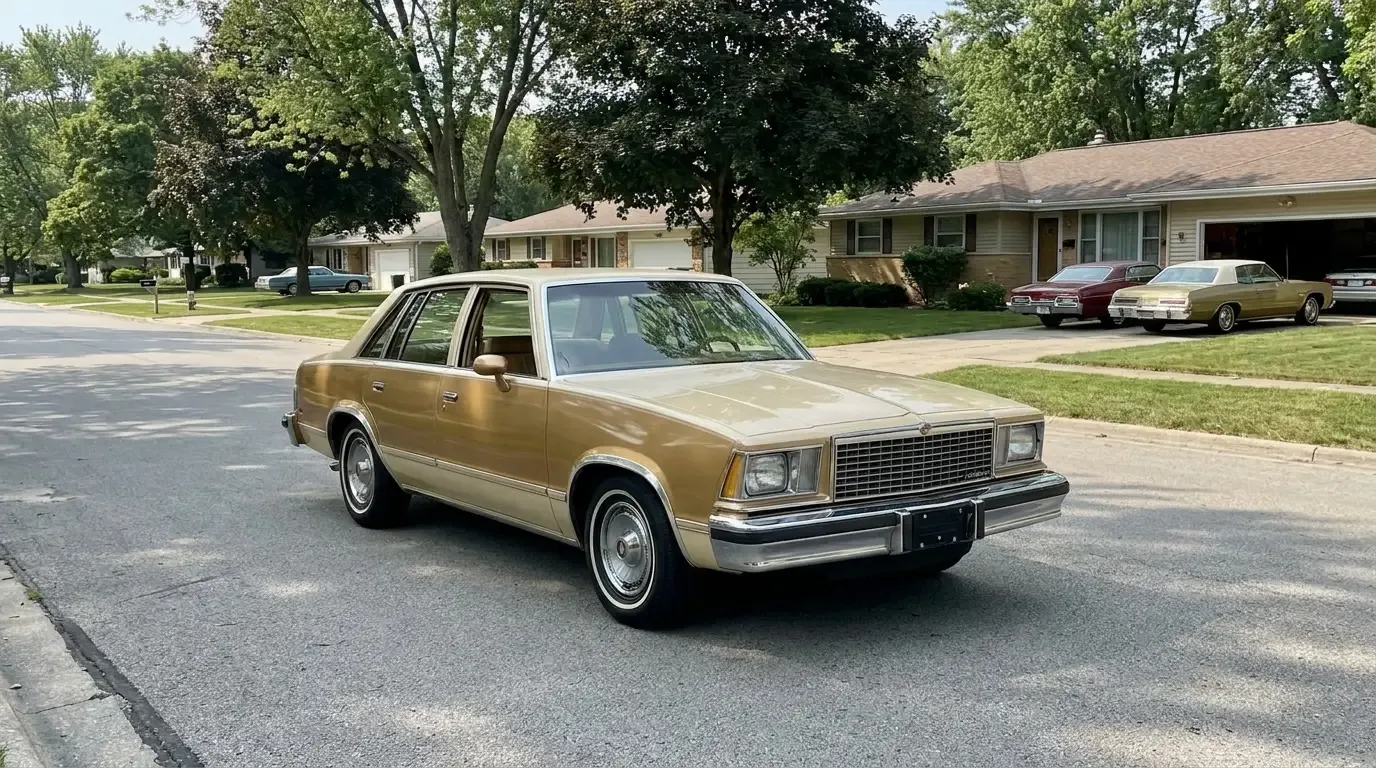
1978 is the year that decision took effect. The mid-size Chevrolet built that year was, mechanically and philosophically, a direct descendant of the Colonnade Chevelle. Chevrolet simply stopped calling it that and let the Malibu name, which had been a trim level on the Chevelle since 1964, become the whole car.
It is worth being precise about what actually happened here, because it gets simplified into "the Chevelle became the Malibu" so often that the mechanics of the change get lost. This was not a merger of two separate model lines. It was one continuous car, redesigned for the new fuel economy era, that Chevrolet chose to market under a different name than it had used the year before.
Why the name change happened when it did
The immediate cause was the 1978 downsizing program that reshaped nearly every GM mid-size car. Federal fuel economy standards under the Corporate Average Fuel Economy program, phased in starting with the 1978 model year, pushed GM toward smaller, lighter platforms across the board. The new A-body that replaced the Colonnade Chevelle was shorter, narrower, and considerably lighter than the car it replaced.
Chevrolet's marketing logic was straightforward once you look at the sales data leading up to the change. By the mid-seventies, the Malibu trim was consistently outselling the base Chevelle trim within the same lineup. Buyers already thought of the car as a Malibu that happened to have "Chevelle" in small print on the options sheet. Dropping the Chevelle name and promoting Malibu to the top of the badge was less a rebrand than a formal acknowledgment of how customers were already shopping.
What carried over and what did not
The 1978 Malibu kept the basic engine family from the last Colonnade Chevelles: a 200 cubic inch V6 (95 hp) as the base engine, an optional 231 cubic inch V6 (105 hp), a 305 cubic inch V8 (around 135-140 hp), and a 350 cubic inch V8 (165-170 hp, limited to the wagon and El Camino). The big-block 454 that had defined the Chevelle SS a decade earlier was long gone by this point, having exited the lineup mid-way through the 1975 model year during the horsepower decline that reshaped the entire nameplate.
What did not carry over was the body. The 1978 Malibu rode on a 108-inch wheelbase, about 4 inches shorter than the outgoing Colonnade car, ran roughly 13 inches shorter overall, and came in at approximately 600 pounds lighter, a direct response to the fuel economy mandate rather than a styling choice. The new sheet metal was boxier, more upright, and clearly designed around aerodynamic and packaging efficiency rather than the long-hood, short-deck proportions that had defined the Chevelle since 1968.
The trim structure Chevrolet kept in place
Chevrolet did not throw away the trim hierarchy that had worked for the Chevelle. The 1978 Malibu lineup kept a base model, a Malibu Classic, and a wagon body style, essentially the same structure the Chevelle had used in its final years, just without the Chevelle name attached to any of it. The Laguna nameplate, which had briefly served as a sportier sub-model within the Chevelle range, did not survive the transition to the downsized car.
For anyone tracing the lineage directly, the 1978 Malibu Classic is the clearest continuation of what the late Colonnade Chevelle had been building toward: a comfortable, well-equipped mid-size sedan aimed at buyers who wanted GM quality without the size, thirst, or price of a full-size Impala or Caprice.
How buyers and dealers reacted
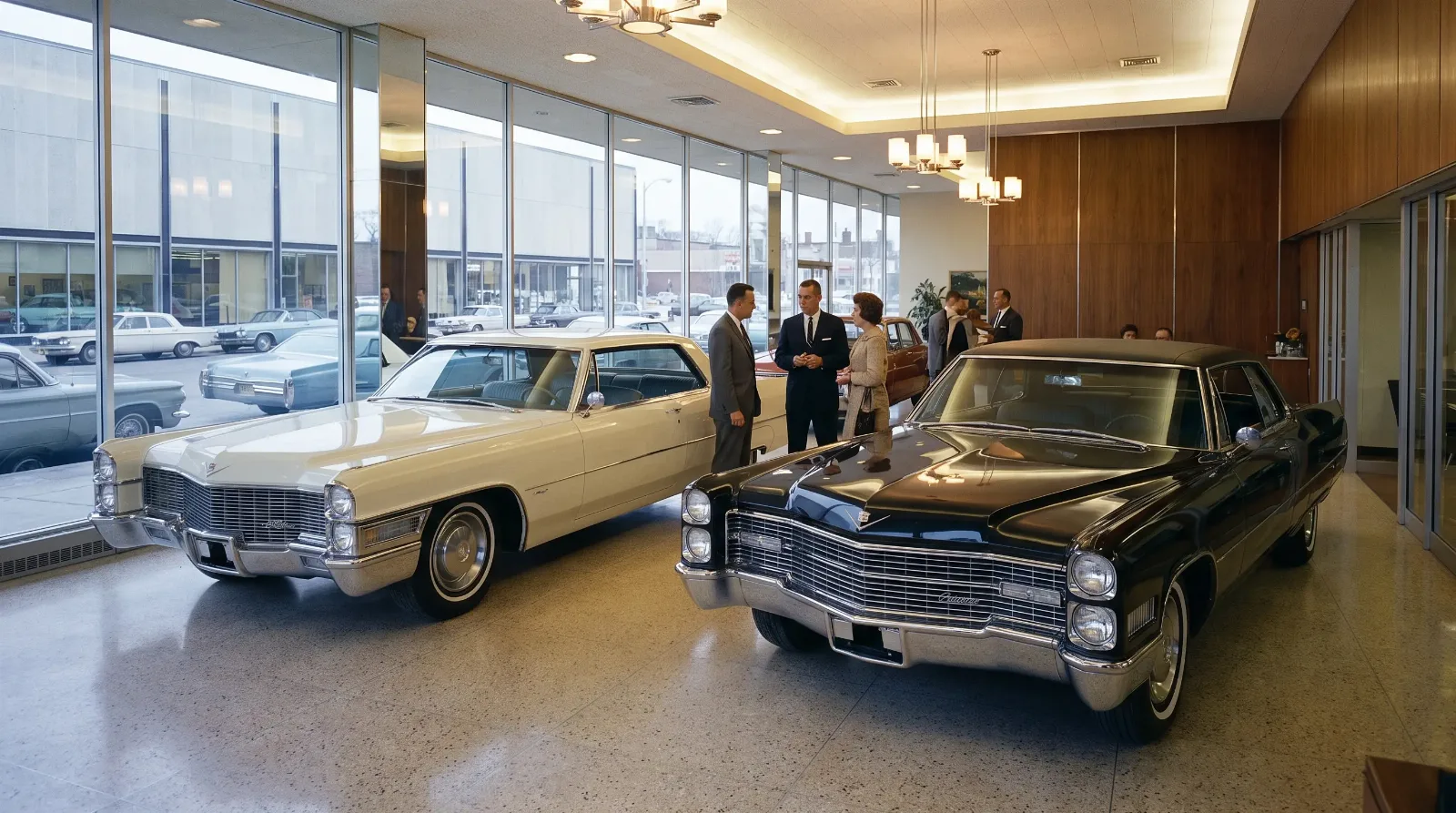
The transition was not universally smooth on the sales floor. Some longtime Chevelle owners walked into showrooms expecting the familiar name and found dealers explaining that the car they wanted was now called something else entirely, even though the mechanical bones underneath were recognizable. Period road tests generally framed the change as continuity rather than replacement, describing the new Malibu as the same Chevrolet mid-size proposition, just smaller and lighter to meet the new fuel economy rules.
Reviews at launch generally credited the smaller Malibu with better fuel economy and more manageable size for daily driving, while noting the reduced interior room compared to the outgoing Colonnade cars, a tradeoff that mirrored what was happening across the entire GM downsizing program that year. The Malibu name proved durable. It carried the mid-size Chevrolet nameplate for another decade and a half after 1978, far longer than the Chevelle name itself had managed on its own.
| Feature | 1977 Chevelle | 1978 Malibu |
|---|---|---|
| Nameplate | Chevelle Malibu / Malibu Classic | Malibu / Malibu Classic |
| Body | Colonnade A-body | Downsized A-body |
| Top V8 option | 350 cid | 350 cid |
| Approx. weight reduction | - | ~600 lb lighter |
The full arc from performance nameplate to family sedan is easiest to follow by reading straight through the 1973-1977 Chevelle story before landing here, since the 1978 change makes more sense once you have seen how gradual the shift toward Malibu-first marketing already was by the final Colonnade years.
For readers who want the complete picture from the first 1964 Chevelle through this final rebrand, the Chevrolet Chevelle story lays out the whole fourteen-year run in one place. And the downsizing story itself did not stop with the sedan and coupe body styles. The wagon variant went through its own version of this transition, covered in next: The Colonnade Chevelle Wagon.
"People ask what happened to the Chevelle name like it vanished overnight. It didn't. Malibu had been doing the heavy lifting in that lineup for years. Chevrolet just finally put the right name on the fender."
Tom Ramirez
Sources and notes
- Good News, New Size: The 1978 Chevrolet Malibu: Mac's Motor City Garage (200 V6 base engine, 108-inch wheelbase, 13 inches shorter, 600 lb lighter)
- Chevrolet Malibu: Wikipedia (1978 engine lineup: 200/231 V6, 305/350 V8)
- Chevrolet Chevelle: Wikipedia (1977 last Chevelle-badged model year, Malibu name folded in for 1978)
- 1975 Malibu with a factory 454: Team Chevelle forum (454 dropped mid-way through the 1975 model year)
- Vintage Road & Track Review: 1978 Chevrolet Malibu: Curbside Classic
Related Reading
Have a
Chevrolet Chevelle
for Sale?
Reach thousands of serious classic car collectors across the US.
Sell It Here →
Are You a Classic Car Dealer?
List your full inventory and connect with targeted classic car buyers.
Join as a Dealer →

About the author
Tom Ramirez
Corvette researcher and historian based in Bowling Green, Kentucky. Two decades documenting Corvette production history from original factory records.
Related Listings - Chevrolet Chevelle
More in History & Heritage
Comments (1)
N
Norm Delgado
2 weeks ago
Good article for someone doing research. Keeps newer buyers from making the same expensive mistakes experienced buyers already made.