
Ask an American in 1955 to name the best of anything and the phrase came out automatically: it was "the Rolls-Royce of" refrigerators, of typewriters, of whatever was being sold. Nobody said "the Bentley of" anything. That single fact tells you most of what you need to know about how the two marques landed in the United States. They were corporate siblings by then, built in the same factory from many of the same parts, but in the American mind they occupied completely different rooms.
History & Heritage
6 min read
How American Buyers Saw Rolls-Royce and Bentley Differently
Why American buyers saw Rolls-Royce as status and Bentley as an obscure enthusiast's choice, and how that perception gap moves values today.
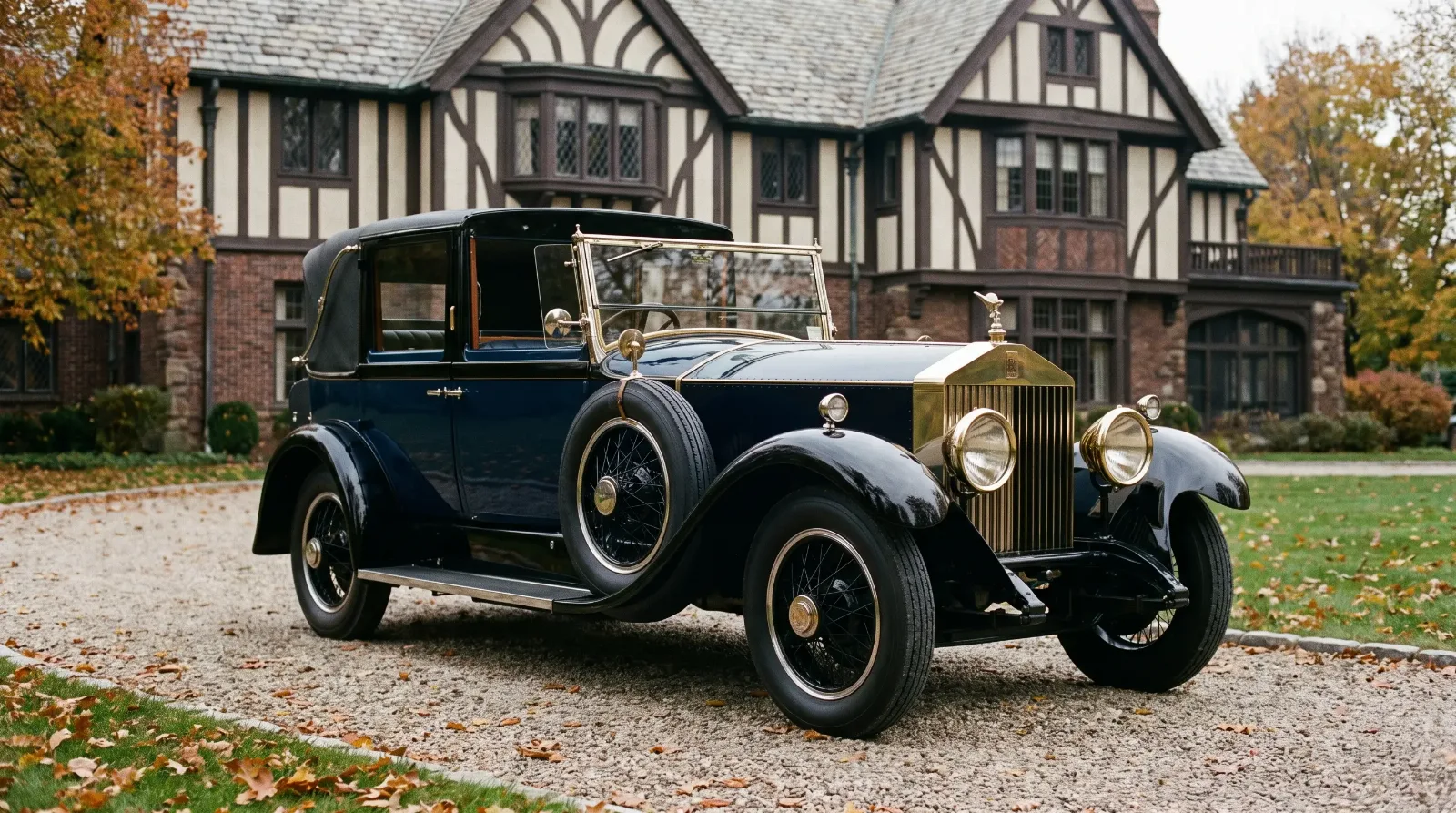
The perception gap was never really about the machinery. It was about what each name signaled, who was expected to sit where, and how much of the brand had actually reached American shores. For anyone tracking values today, that history still moves prices, so it is worth understanding where it came from.
Rolls-Royce got here first, and it got here properly
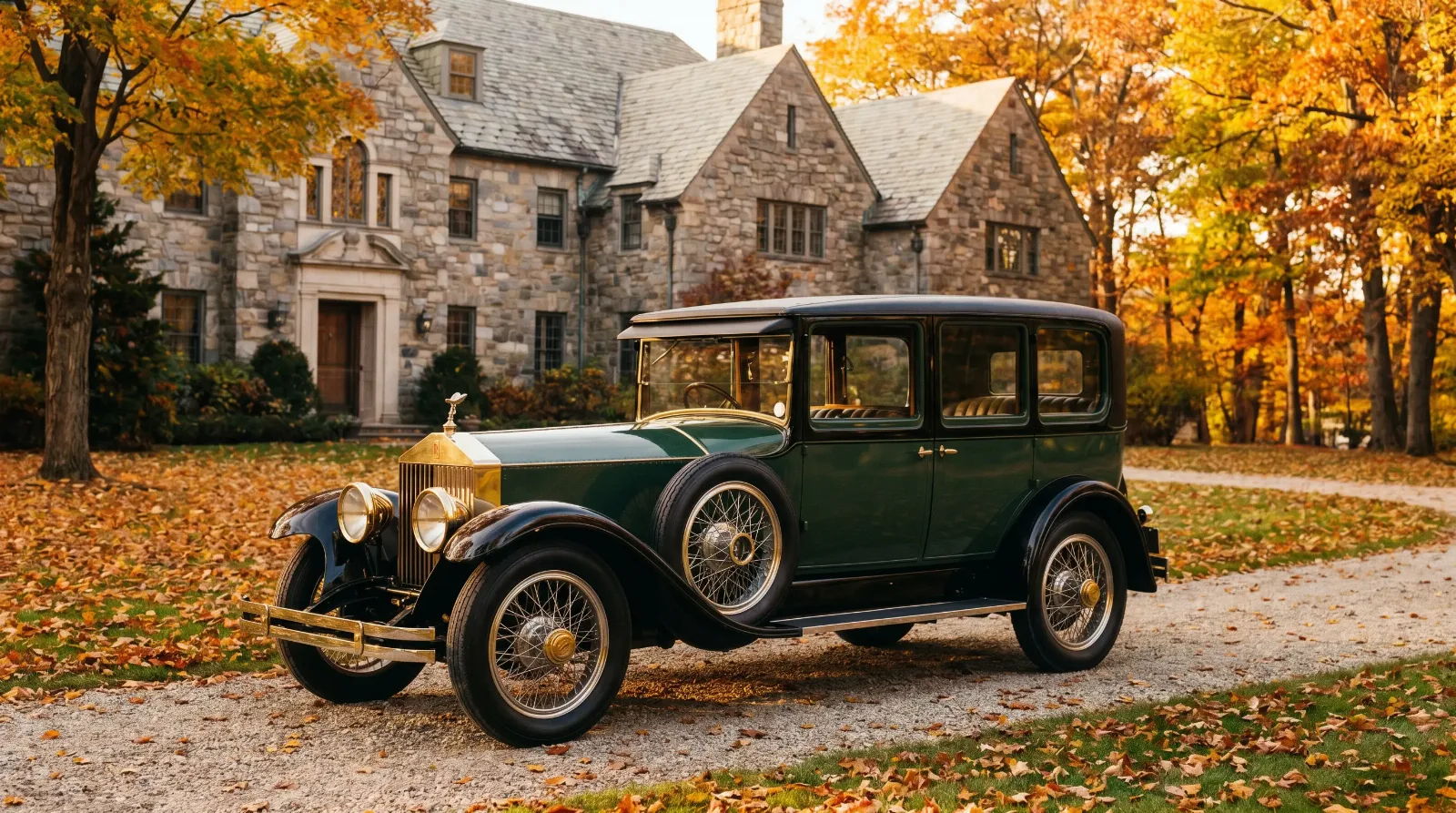
Rolls-Royce made a serious, physical commitment to the American market that Bentley never matched. From 1921 to 1931 the company built cars at its own factory in Springfield, Massachusetts, producing left-hand-drive Silver Ghosts and later Phantom I chassis for American buyers. The total was modest, just under 3,000 cars over the decade, but the point was the presence. A wealthy American could buy a Rolls-Royce built in America, bodied by American coachbuilders like Brewster, and serviced through an American organization.
That decade of Springfield production planted the name deep. By the time the factory closed in 1931, a casualty of the Depression, Rolls-Royce already meant something specific to Americans: the car the very rich were driven in. It was aspirational shorthand, the automotive equivalent of a Tiffany box.
Bentley barely registered
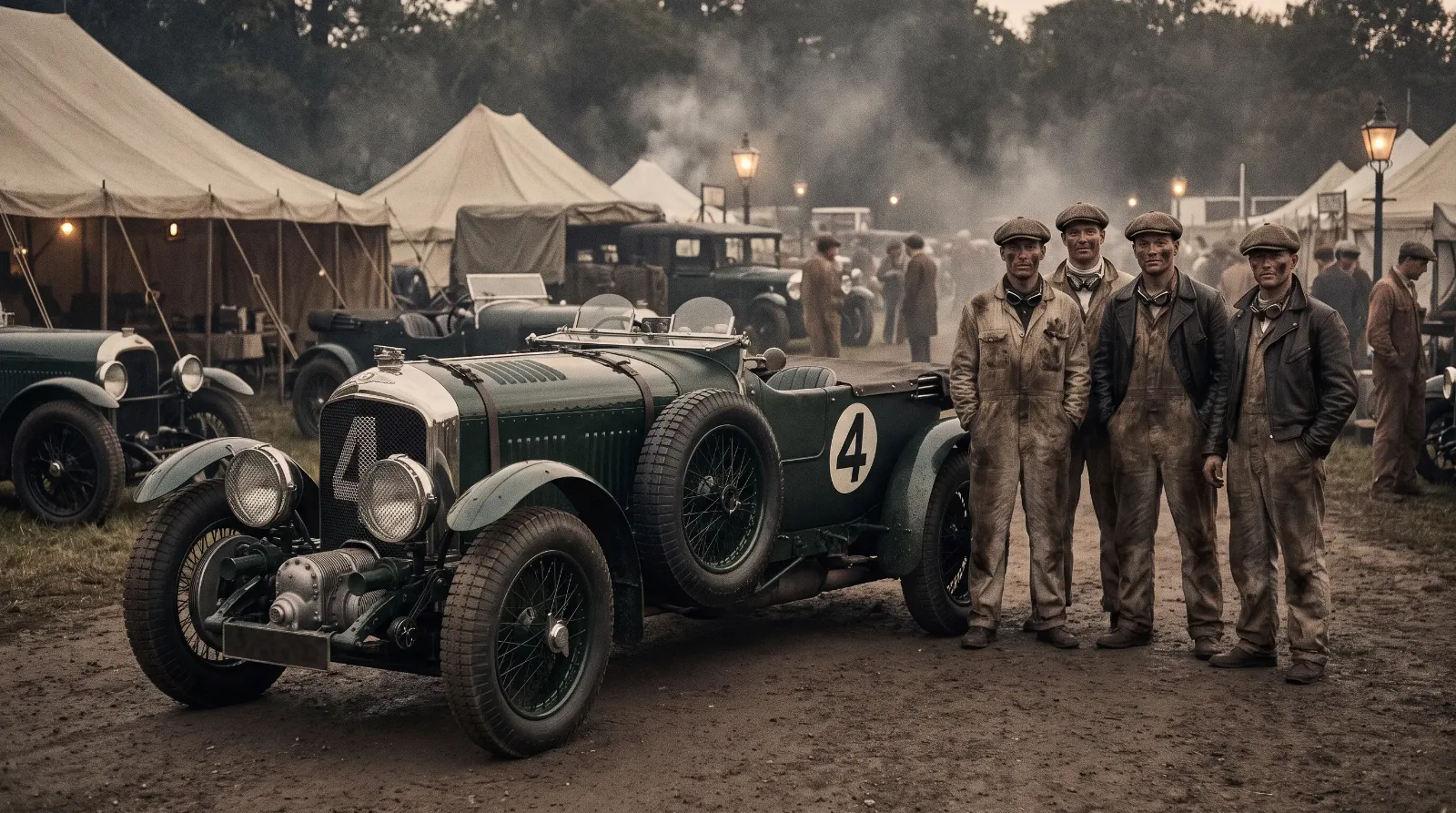
Bentley had no equivalent story here. In the pre-war years the marque sold in tiny numbers in the United States, and its racing fame at Le Mans, which meant everything in Britain, meant almost nothing to an American public that did not follow European endurance racing. There was no Springfield-style operation, no coast-to-coast dealer presence, no cultural foothold.
The result was a lasting asymmetry. Rolls-Royce was famous in America for being Rolls-Royce. Bentley, when Americans encountered it at all, tended to be explained in terms of the other marque: it was described as the sportier one, or the one that shared the Rolls engine, or the connoisseur's alternative. Being defined by your sibling is a weak market position, and it took decades to shake.
The pattern hardened after the war. Rolls-Royce leaned into the American appetite for visible status, and Hollywood obliged, putting the cars in films and driveways where the whole point was to be recognized. Bentley had no such platform here. When examples did reach American roads, often through private import rather than an organized dealer network, they arrived as the choice of someone who already knew the difference and did not need the wider public to. That quiet quality became part of the marque's American identity: the car for the person who had moved past wanting to be seen.
How the perceptions actually split
By the 1950s and 1960s, when badge-engineered pairs like the Silver Cloud and the Bentley S-series were nearly identical under the skin, Americans still sorted them by image rather than specification. The split looked roughly like this.
| Dimension | Rolls-Royce (American view) | Bentley (American view) |
|---|---|---|
| Primary association | Status, wealth, being chauffeured | Enthusiast, in-the-know, owner-driver |
| Name recognition | Universal | Limited, often explained via Rolls |
| Buyer motive | To be seen in it | To know what it was |
| Cultural shorthand | "The Rolls-Royce of…" | None |
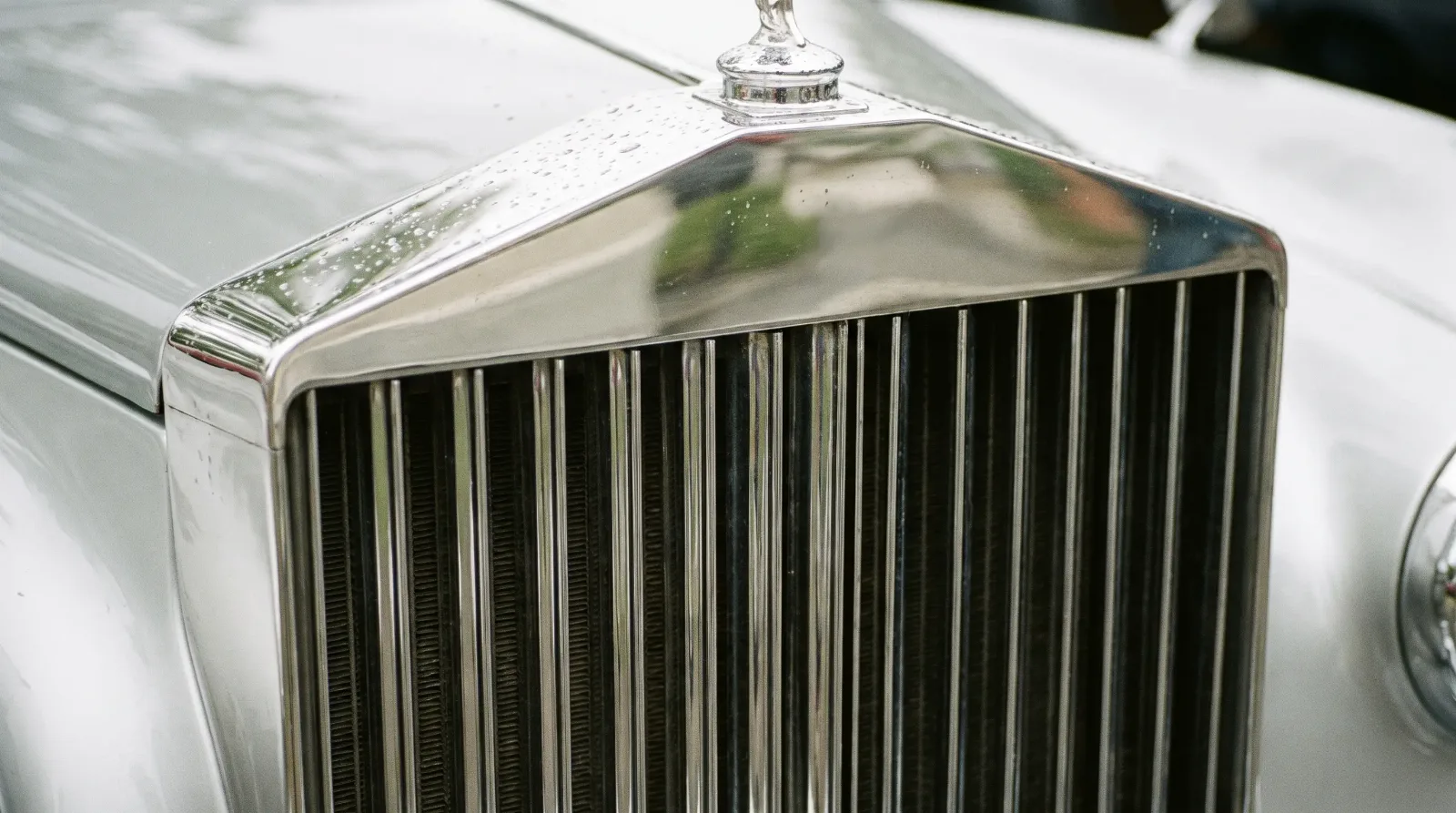
None of this reflected a real gap in engineering. A Silver Cloud and an S-series shared the same body, the same six-cylinder and later V8 engines, and the same build quality. The difference an American buyer paid for, or perceived, was almost entirely in the badge and the grille. That is the paradox at the center of the Rolls-Royce/Bentley story: two cars, one factory, and two completely separate reputations in the American market.
What the perception gap does to values now
Here is where it gets interesting for a collector. The historical asymmetry has partly inverted. Because Rolls-Royce was the volume seller and the aspirational default, more of them came to America and more survive, which keeps supply healthy and prices grounded. Bentley's period obscurity means fewer examples of some models exist on this side of the Atlantic, and rarity has a way of correcting old perceptions.
In the current market, a well-documented Bentley of a given era frequently trades on par with, and sometimes above, its Rolls-Royce twin, precisely because it is the less common car with the more interesting backstory. I would not overstate this as a rule; condition, documentation, and specific model still drive the number more than the badge does. But the buyer who once got the Bentley for less because nobody recognized it may now be holding the scarcer asset. If you are weighing examples of either marque, it pays to look at the actual comparable sales rather than the old assumptions, and to browse the current classic luxury cars for sale with the rarity question in mind.
"The market took two generations to catch up to a simple truth: an American buyer in 1960 was paying a premium for a name he recognized, not for a better car. Today the money often moves the other way, toward the Bentley, because scarcity outlasts fashion. Reputation sets the opening bid. Supply decides where it closes."
David Mercer
The perception gap was a product of history, of one marque committing to America and the other staying home. It shaped how a generation of buyers chose, and it still leaves fingerprints on the auction results. The next piece of the puzzle is a name that confused American buyers for a different reason entirely, so read next: The Continental Name Confusion.
Related Reading

Have a
Classic Car
for Sale?
Reach thousands of serious classic car collectors across the US.
Sell It Here →
Are You a Classic Car Dealer?
List your full inventory and connect with targeted classic car buyers.
Join as a Dealer →

About the author
David Mercer
Classic car market analyst with two decades of experience tracking collector car valuations, auction results, and investment trends.
More in History & Heritage
Comments (1)
A
Art Novak
3 weeks ago
The documentation point can't be overstated. I've seen beautiful cars pass at auction because the seller couldn't back up what they were claiming.