
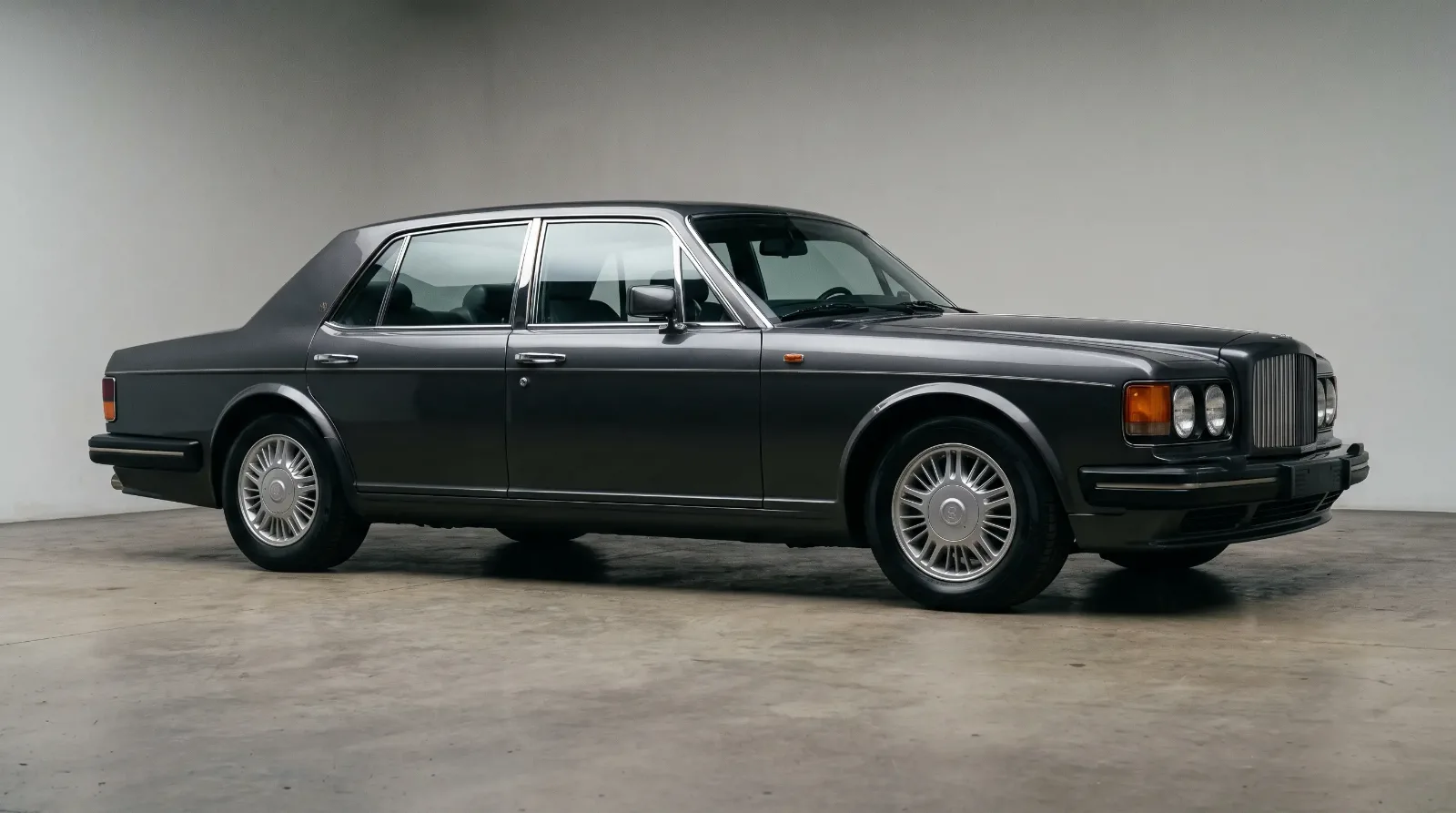
Two of the most admired luxury cars of the 20th century carry the same word on their flanks, and they have nothing to do with each other. A Bentley Continental and a Lincoln Continental share a name and a certain grand-touring aspiration, but they emerged from different countries, different design traditions, and different reasons for reaching for the word "Continental" in the first place. The overlap causes real confusion, particularly among American buyers who grew up with the Lincoln and later encountered the Bentley.
History & Heritage
6 min read
The Continental Name Confusion: Bentley, Lincoln, and a Shared Word With Different Histories
Why Bentley and Lincoln share the Continental name yet have no shared history, from the 1940 Lincoln to the 1952 Bentley R-Type Continental.
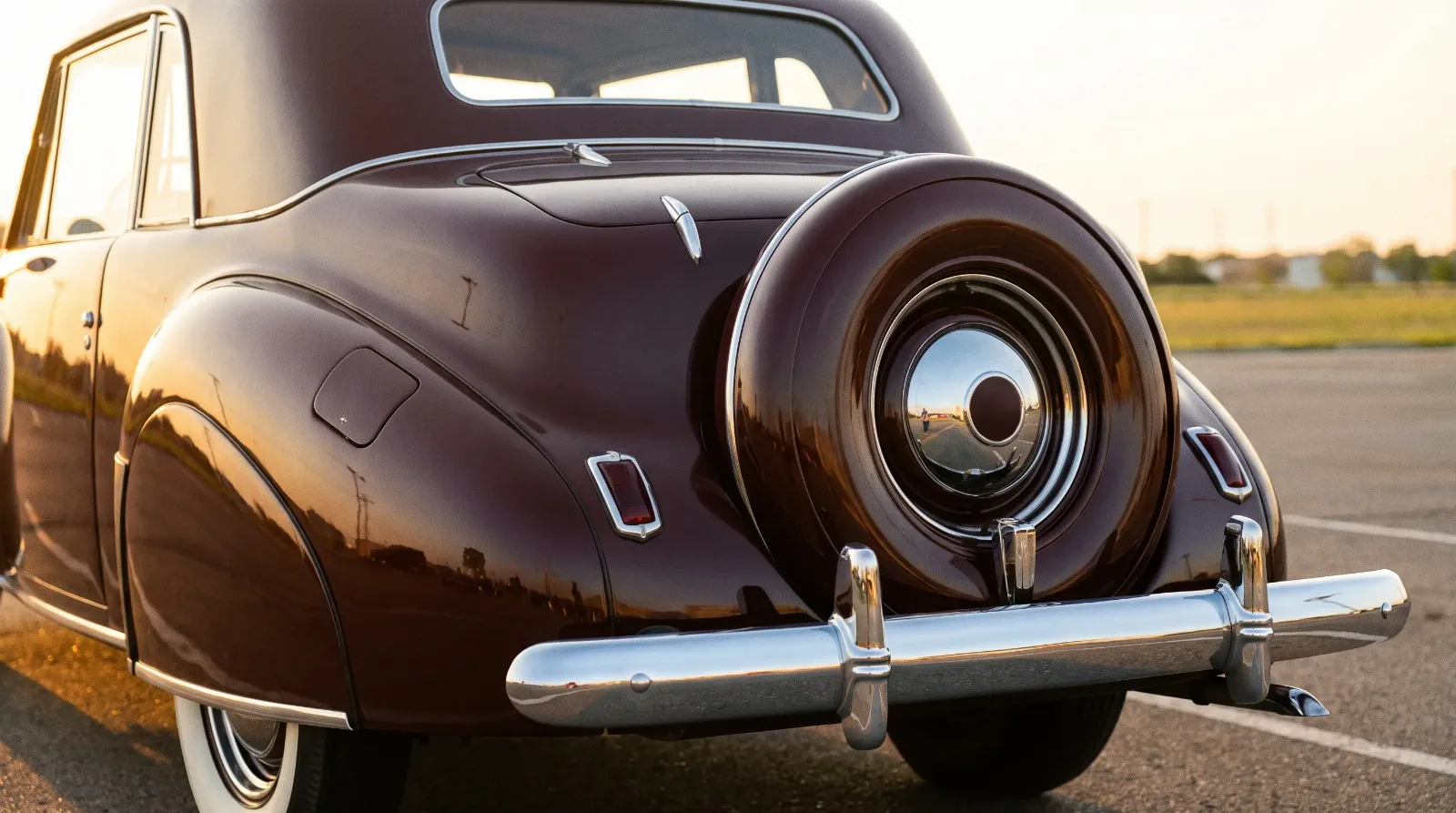
The confusion is worth untangling carefully, because the two nameplates sit on opposite sides of the Atlantic and answer to different histories. Neither borrowed from the other. Both drew, independently, on the same old idea.
What "Continental" actually meant
Before either car existed, "Continental" was simply an adjective describing the European mainland, the Continent, as seen from Britain or from America. It carried associations of cosmopolitan travel, of long distances covered in comfort, of a certain worldliness. Coachbuilders and carmakers on both sides of the ocean reached for it because it flattered the buyer and promised a car built for serious touring rather than short errands.
So the shared name is not evidence of a shared origin. It is evidence that two firms, working separately, found the same word useful for the same reason. Once you see that, the rest of the history falls into place cleanly.
Lincoln got there first, in 1939
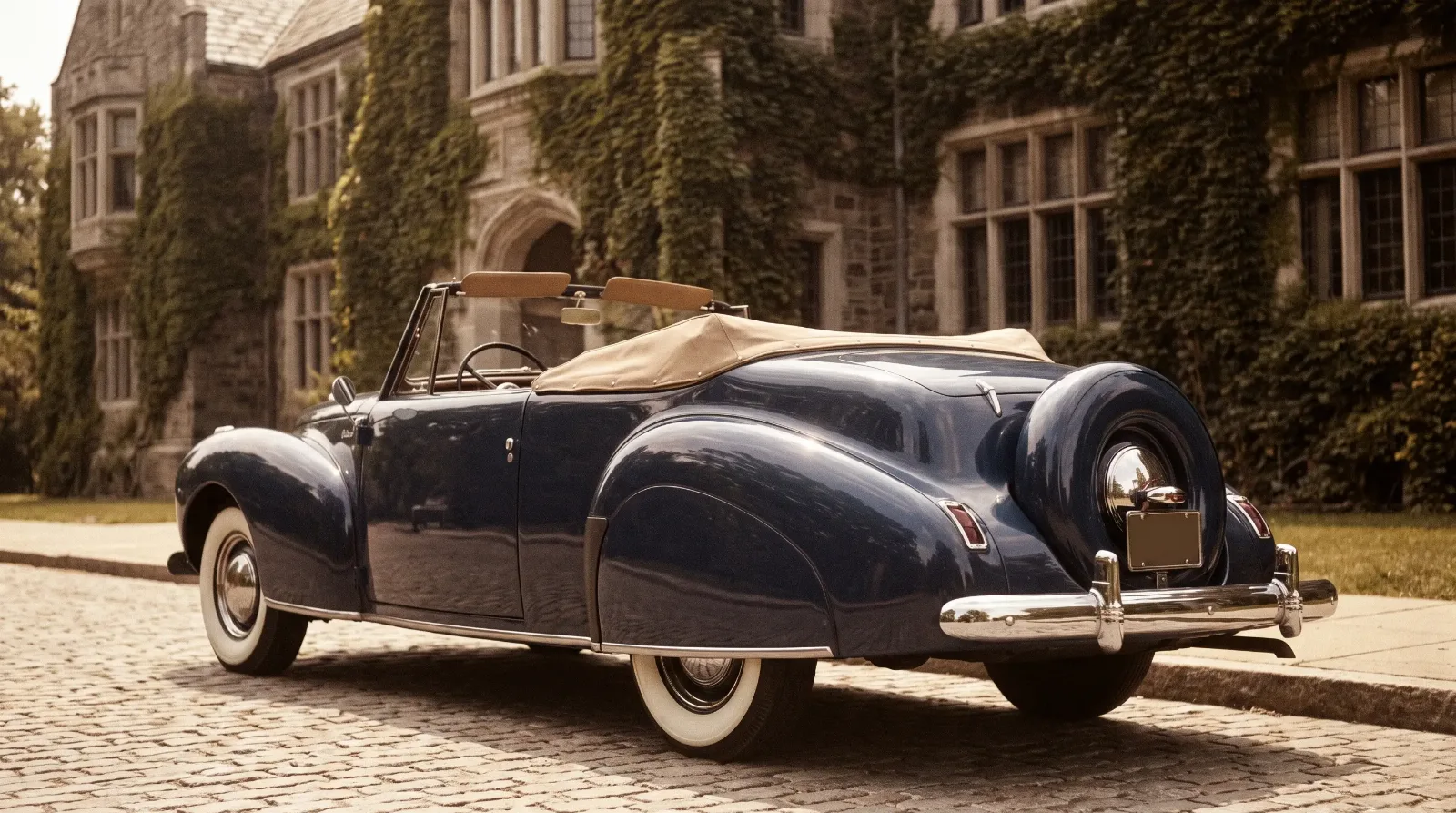
The Lincoln Continental came first as a model name. It began as a personal project for Edsel Ford, who wanted a car with the low, clean, European look he admired from his travels. The prototype appeared in 1939, and it was distinctive enough that Lincoln put it into production for the 1940 model year. Its defining feature was the exposed spare tire mounted at the rear, a styling cue borrowed from European practice that became so associated with the car that the industry started calling any rear-mounted spare a "continental kit."
That first generation ran through 1948. The name then went quiet before Ford revived it in spectacular fashion with the Continental Mark II of the mid-1950s, built by a dedicated division, and again with the clean, slab-sided 1961 Lincoln Continental with its rear-hinged back doors. By the time most postwar Americans thought of a "Continental," they pictured a Lincoln.
Bentley's Continental arrived in 1952
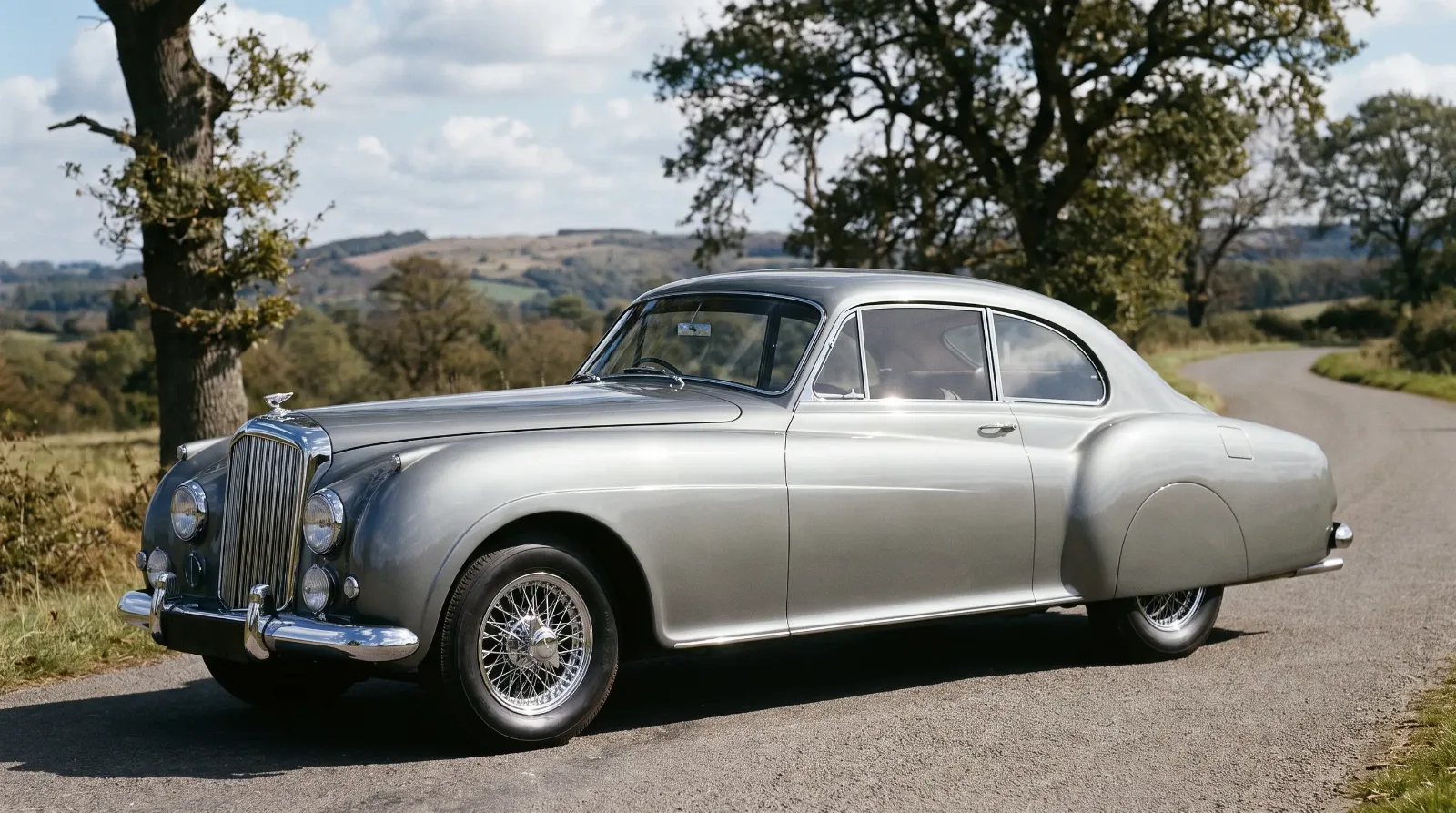
Bentley applied the name to a very different kind of car, and it did so a little over a decade after Lincoln. The Bentley R-Type Continental of 1952 was a high-speed fastback, built on the R-Type chassis with a lightweight, aerodynamically considered body largely by the coachbuilder H.J. Mulliner. It was one of the fastest four-seat cars in the world at its launch, and it was named for exactly the purpose it served: covering the European continent at sustained high speed, the sort of car in which one crossed France to reach the Alps without stopping to let the machinery cool.
Bentley carried the Continental name through the S-series coachbuilt cars of the late 1950s and into the 1960s. It lapsed for a time, then returned, most notably on the Continental R of the early 1990s and, in the modern era, the Continental GT. Throughout, the meaning stayed consistent: a Continental Bentley was the driver's grand tourer, the fast one, distinct from the formal saloons.
The coachbuilt origins matter to the distinction. The early Bentley Continentals were not standard cars with a nameplate added. They were built on a shortened or lightened basis and bodied by firms like Mulliner and Park Ward to a form that put speed and line ahead of interior volume. A Lincoln Continental of the same years was a production car, styled in Dearborn and built on the line in numbers a British coachbuilder would never approach. The two Continentals were not only unrelated in lineage; they came from entirely different ways of making a car, one an individually bodied specialty and the other a mass-produced flagship.
| Nameplate | First used as a model | Character | Reason for the name |
|---|---|---|---|
| Lincoln Continental | 1939 prototype, 1940 production | American luxury car, later formal saloon | European styling, the "continental" look |
| Bentley Continental | 1952 (R-Type Continental) | British high-speed grand tourer | Built for fast continental touring |
Why the confusion persists
The two nameplates rarely met in the same showroom, which is part of why the overlap surprises people when they notice it. An American who knew the Lincoln as the presidential car of the early 1960s might assume any Continental descended from it. A British enthusiast who knew the Bentley R-Type Continental as a coachbuilt landmark might never think of the Lincoln at all. When the two histories collide, usually at a concours or in a collector's garage, the shared word looks like it must mean something. It does not.
What the two cars genuinely share is intent. Both were the grand-touring interpretation of a luxury marque, the version meant for distance and for the person who enjoyed driving, or being driven, over long stretches of good road. That is a meaningful parallel, but it is a parallel of purpose, not of lineage. Understanding the distinction is one small thread in the sibling rivalry explained across the wider marque history, and it rewards the same close attention any period detail does.
"When a name recurs across two unrelated cars, the instinct is to assume influence, one copying the other. The more careful reading is that both reached, independently, for a word that already carried the meaning they wanted. The Lincoln and the Bentley are not relatives. They are two answers to the same question about what a touring car should promise."
Sarah Whitfield
For the collector, the practical lesson is to read each car on its own terms and never let a shared word imply a shared history. The Bentley Continental and the Lincoln Continental are both worth study, and both earned their name honestly, but they earned it in separate places for separate reasons. Where the two British siblings finally pulled their styling apart is a related story, so look next: Silver Spirit and Silver Spur vs Bentley Mulsanne.
Related Reading

Have a
Classic Car
for Sale?
Reach thousands of serious classic car collectors across the US.
Sell It Here →
Are You a Classic Car Dealer?
List your full inventory and connect with targeted classic car buyers.
Join as a Dealer →

About the author
Sarah Whitfield
Third-generation classic car collector specializing in pre-war American and European coachbuilt automobiles. Researcher and concours enthusiast.
More in History & Heritage
Comments
Be the first to comment on this article.