
For most of the postwar era, telling a Rolls-Royce from its Bentley twin came down to two things: the shape of the radiator and the badge on the wheel. The cars underneath were the same. When Rolls-Royce replaced the long-serving Silver Shadow in 1980 with the Silver Spirit, and gave Bentley the near-identical Mulsanne, that pattern held at first. What makes this generation worth studying is that it is the moment the pattern finally broke. Over the decade that followed, the Bentley stopped being a rebadged Rolls-Royce and became a genuinely different car.
History & Heritage
6 min read
Silver Spirit and Silver Spur vs Bentley Mulsanne: The Styling Finally Diverges
How the 1980 Silver Spirit and Bentley Mulsanne started identical, then split apart through the turbocharged Mulsanne Turbo and Turbo R.
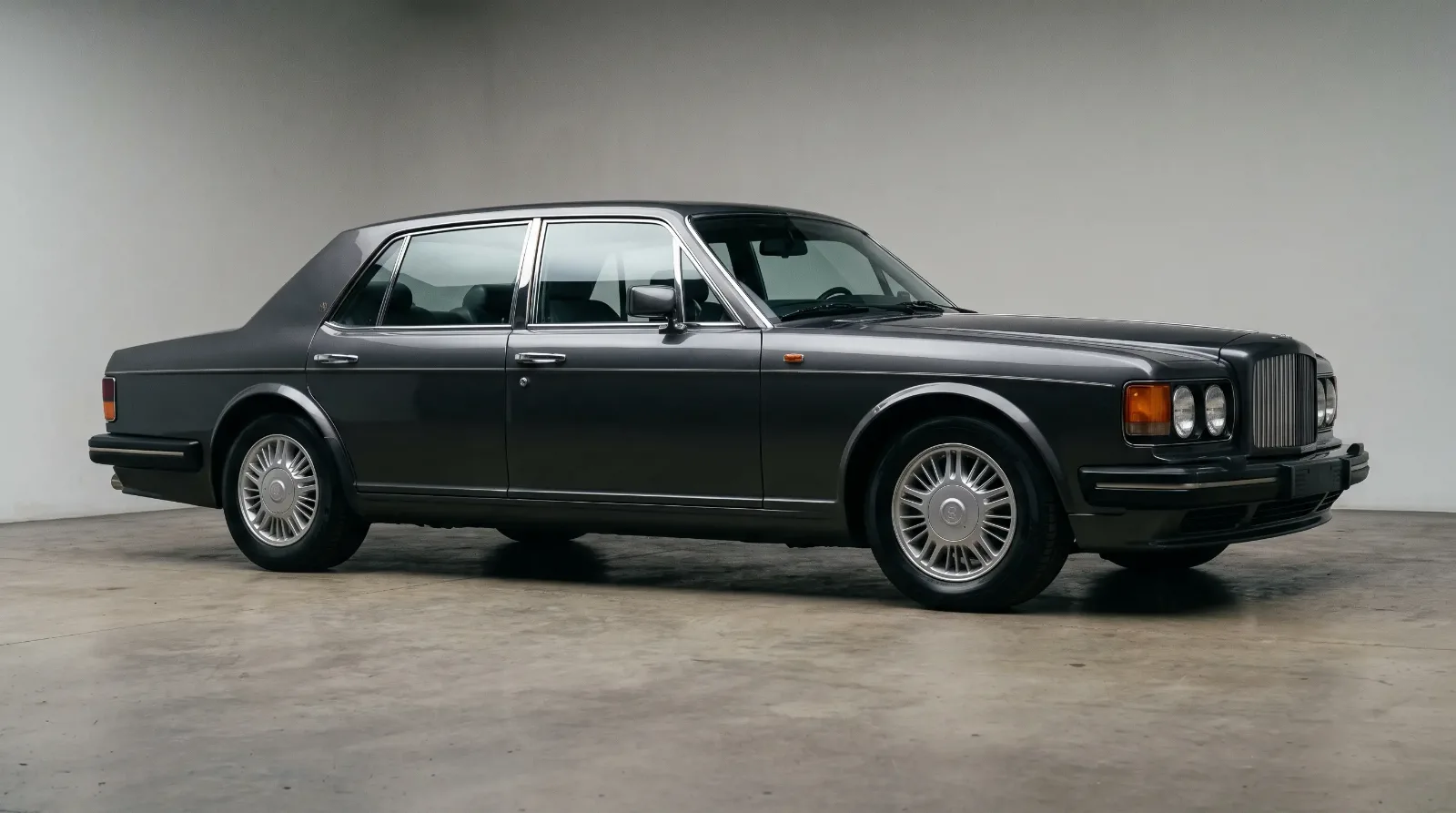
The divergence did not happen at launch. It happened in stages, and the reasons behind it say a great deal about how the two marques understood themselves once they were forced to compete for their own identities.
1980: two badges, one car
The Silver Spirit arrived in 1980, with the long-wheelbase Silver Spur alongside it, replacing the Silver Shadow after fifteen years. The Bentley Mulsanne appeared at the same time as the badge-engineered equivalent. Both used the same 6.75-litre V8, the same monocoque body, the same running gear. Rolls-Royce, as was its habit, declined to quote a power output and described it only as adequate.
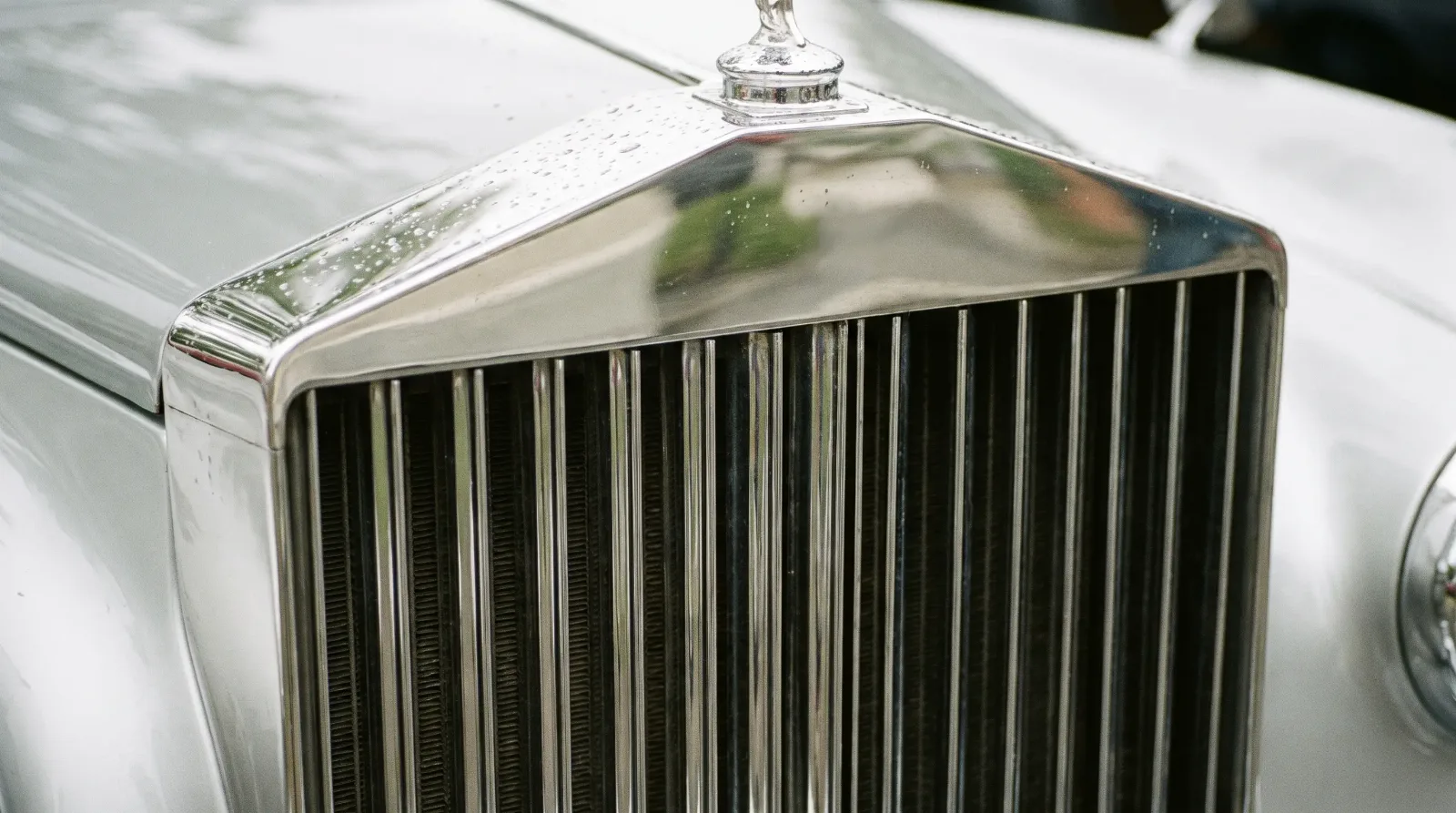
At this point the differences were what they had always been. The Rolls-Royce wore its upright Palladian grille and the Spirit of Ecstasy. The Bentley wore its rounded radiator shell and the winged-B. Beyond the nose and the badging, a buyer would have struggled to tell them apart. The Mulsanne even took its name from the Mulsanne straight at Le Mans, a quiet reminder of a racing history that the car itself did nothing to honor.
The name that pointed backward
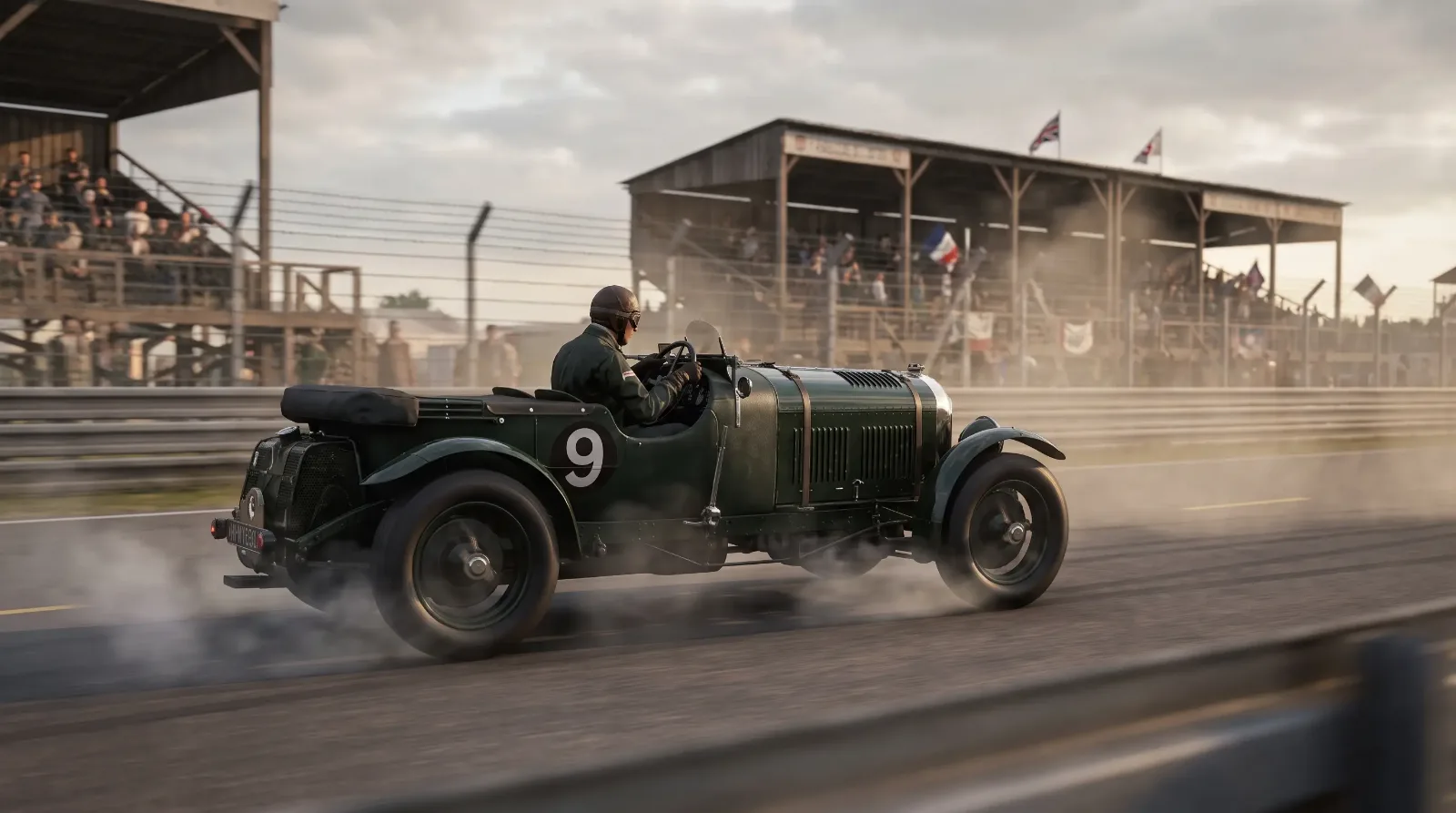
That name choice is more interesting than it looks. Calling the car Mulsanne, after the fastest section of the Le Mans circuit where the Bentley Boys had made their reputation, was a signal that the marque had not forgotten what it once was. In 1980 it was only a signal. The car was a serene, heavy saloon with no sporting pretension whatsoever. But the name planted a flag, and within a few years the engineering caught up to it.
1982 to 1985: the turbo changes everything
The break came with forced induction. In 1982 Bentley introduced the Mulsanne Turbo, fitting a turbocharger to the 6.75-litre V8 and lifting power by an estimated 50 percent over the standard engine, though Crewe, as was its custom, never published an official output figure. Rolls-Royce offered no equivalent. For the first time in a generation, the Bentley did something the Rolls-Royce did not, and it did it in a way that suited the marque's older character.
Then in 1985 came the Turbo R, and this is the car that truly separated the two lines. The "R" stood for roadholding. Bentley engineers gave it uprated suspension, wider wheels and tyres, and a chassis set up to handle the extra power rather than merely absorb it. Where the Silver Spirit remained a car built to isolate its occupants from the road, the Turbo R was built to engage with it. The two badges now sat on cars with genuinely different purposes.
| Feature | Silver Spirit / Silver Spur | Bentley Mulsanne / Turbo R |
|---|---|---|
| Launch | 1980 | Mulsanne 1980, Turbo 1982, Turbo R 1985 |
| Grille | Upright Palladian, Spirit of Ecstasy | Rounded radiator shell, winged-B |
| Engine focus | Naturally aspirated, refinement first | Turbocharged from 1982, performance |
| Chassis | Soft, isolating | Uprated on Turbo R, roadholding biased |
| Character | Chauffeur and rear-seat comfort | Owner-driver, sporting saloon |
How the look followed the engineering
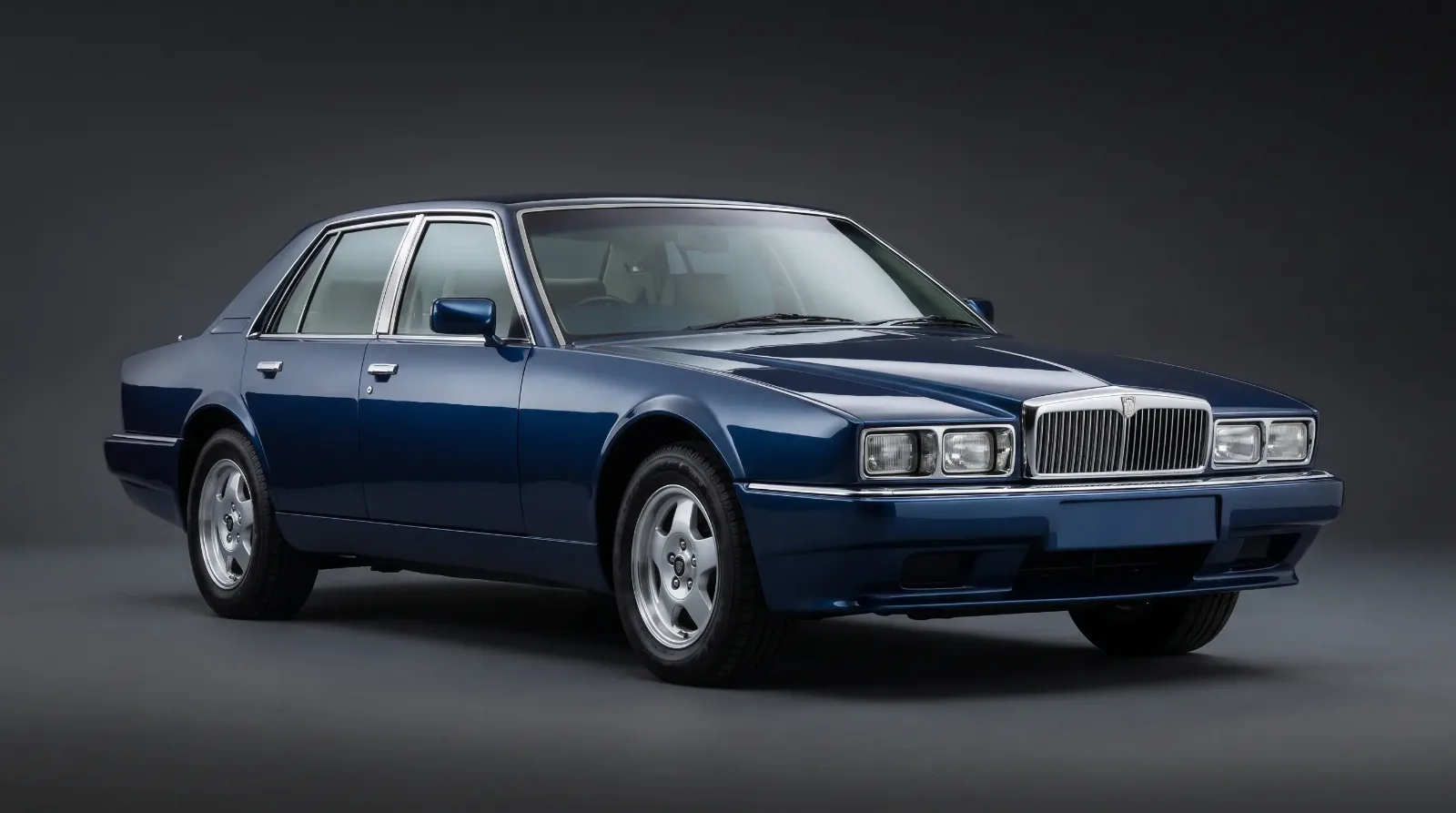
Once the mechanical divergence existed, the styling followed it. The Bentleys began to shed the shared brightwork. Body-colored bumpers replaced chrome, darker detailing appeared, and purposeful alloy wheels went on where the Rolls-Royce kept its formal, restrained appearance. The visual language of the two cars, identical in 1980 apart from the grille, gradually pulled apart until a Turbo R looked like what it was: a fast car that happened to be enormous and beautifully trimmed.
The commercial effect was dramatic. Bentley had been a tiny fraction of Crewe's output for decades, a marque kept alive more from sentiment than sales. The turbocharged cars reversed that. By the late 1980s and into the 1990s, Bentley's share of production rose sharply, by some accounts to something approaching parity with Rolls-Royce. The driver's car had found its audience again.
Why this generation matters
The Silver Spirit and the Mulsanne began life as the same car with two faces, exactly as their predecessors had for thirty years. What made the 1980s different is that the two marques used this generation to stop pretending they were interchangeable. Rolls-Royce doubled down on serenity. Bentley remembered it was supposed to be quick. That split is the clearest single illustration of the whole Rolls-Royce and Bentley sibling story, because you can watch it happen across one model line in one decade.
"You can put the two cars side by side and read the entire history of the marques in the changes. In 1980 they differ only at the nose. By 1985 they differ everywhere that matters. The Bentley did not rediscover its character by accident. It was engineered back into it, one turbocharger and one suspension revision at a time."
Sarah Whitfield
For anyone studying how these cars were actually made rather than merely badged, the natural next question is what went on beneath the skin, so look next: Coachbuilt vs Production Line and how the two marques built their bodies.
Related Reading
Have a
Classic Car
for Sale?
Reach thousands of serious classic car collectors across the US.
Sell It Here →
Are You a Classic Car Dealer?
List your full inventory and connect with targeted classic car buyers.
Join as a Dealer →

About the author
Sarah Whitfield
Third-generation classic car collector specializing in pre-war American and European coachbuilt automobiles. Researcher and concours enthusiast.
More in History & Heritage
Comments
Be the first to comment on this article.