
Nobody buys a Chevelle for the door panels. But if you're the guy sitting in one for two hours on a Saturday drive, the interior is what you actually notice, and it changed more between 1968 and 1972 than most buyers give it credit for. Some of that change was Chevrolet chasing a nicer-looking cabin. A good chunk of it was federal safety regulation forcing changes whether GM wanted them or not, and knowing which is which tells you a lot about what you're looking at when you open the door on a car for sale.
History & Heritage
7 min read
Interior Evolution 1968-72: How the Cabin Grew Up
How Chevelle cabins changed from 1968 to 1972, from mandated headrests to bucket seat redesigns, and what to check before you buy.
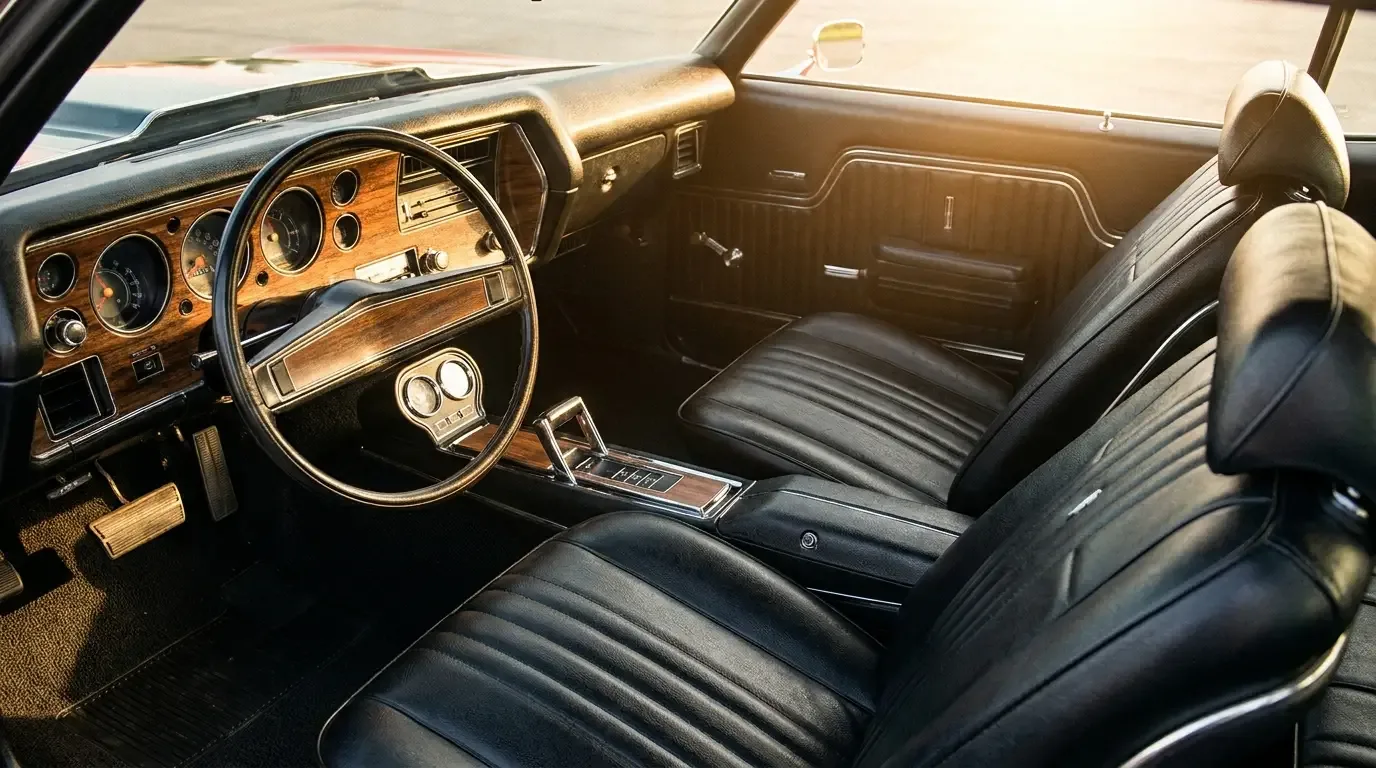
I've sat in enough of these across the years to know the difference between a car that's been sympathetically kept and one that's had every soft part replaced with whatever the last owner could find at a swap meet. Let's go year by year on what actually changed and what that means for you at inspection time.
1968: the new body, the old rules mostly still applied
The all-new second-generation body brought a redesigned dash with a more integrated instrument cluster and a cleaner sweep to the panel than the first-generation cars had. Base 300 and 300 Deluxe interiors were bench seat, rubber mat, minimal trim. Malibu stepped up with better door panel material and optional cloth or vinyl seat choices, and the SS package could be layered over either with its own dash-mounted tach and gauge options depending on what the buyer checked on the order form. Bucket seats and console were available but not standard even on SS cars, so plenty of genuine SS396 Chevelles left the factory with a bench seat and a column shift. If you're expecting every Super Sport to have buckets, you've been looking at too many restored show cars and not enough original build sheets.
1969: the year the government showed up in the cabin
This is the year the interior changed for reasons that had nothing to do with styling committees. Federal regulation mandated head restraints on front seats starting with 1969 models, so every Chevelle built that year has some form of headrest or integrated high-back seat where earlier cars didn't. Chevrolet also introduced the locking steering column across the lineup this year, which changed the ignition switch location and column design in ways that matter if you're trying to keep a car period-correct versus swapping in later parts to solve a worn-out lock cylinder. Deluxe interior trim packages continued to add nicer door panel inserts, wood-grain dash accents on higher trims, and improved carpet quality over the base cars.
1970-1971: bucket seat changes and the SS454 cabin
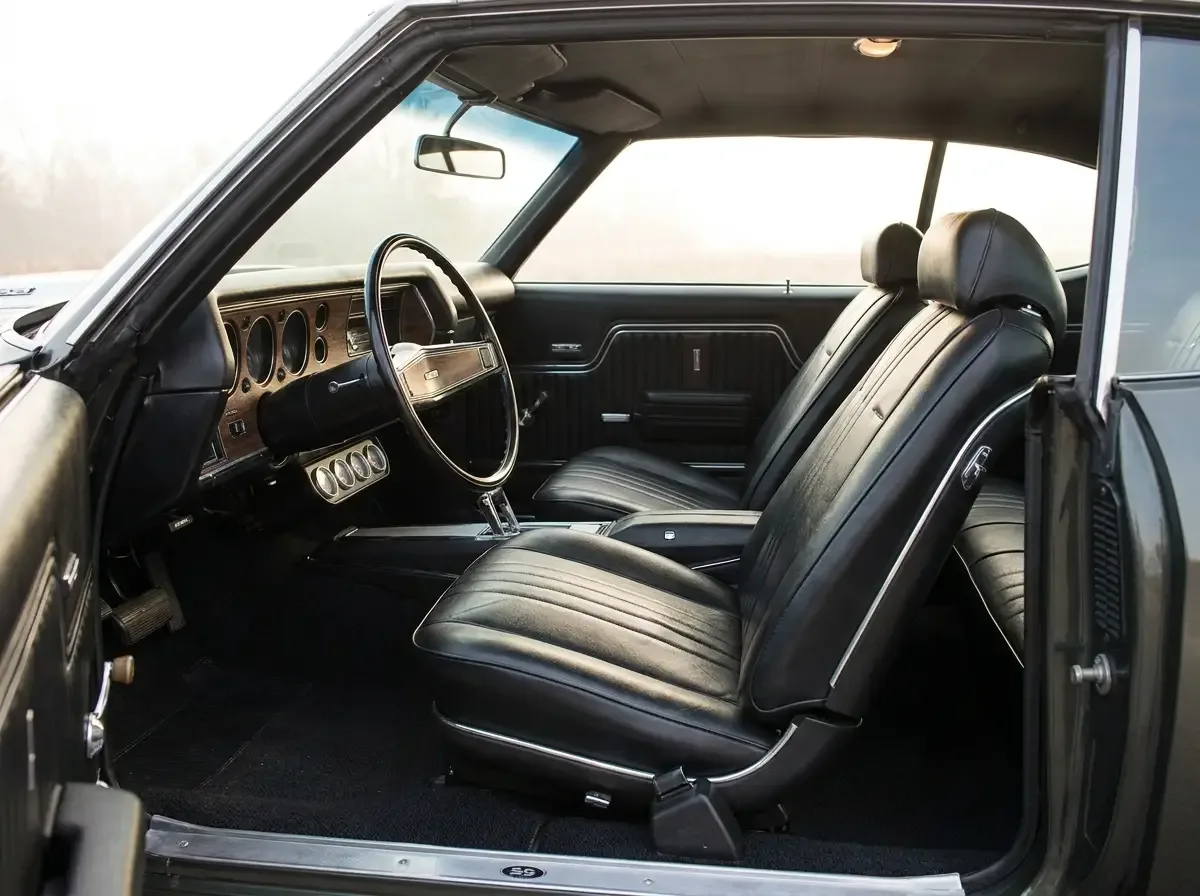
The real Strato bucket seat break in this generation actually happened between 1968 and 1969, not at 1970 the way some restorers assume. A 1968 bucket uses a different internal latching system and a different upper cushion frame than every 1969-72 bucket that followed, so a 1968 seat cover or frame swap onto a later car is the mismatch to watch for, not a 1968-69-versus-1970 split. Within the 1969-72 buckets, the change is smaller: 1969 seats use a single headrest post while 1970-and-later seats use two, a detail worth knowing before you order reproduction upholstery but not a full shell redesign. The SS454 cars of 1970 could be optioned up with the full gauge package, console, and Strato bucket seats, and a well-equipped SS454 interior from that year is about as nice as a second-generation Chevelle cabin ever got. 1971 brought the single-headlamp exterior restyle up front, replacing the prior dual-headlamp face with a single combined high/low beam unit per side, and inside, trim and color options shifted along with it, though the fundamental dash architecture carried over from the 1970 design rather than changing again.
| Year | Key interior change | Buyer relevance |
|---|---|---|
| 1968 | New dash, bench standard on base trims | Don't assume every SS had buckets |
| 1969 | Mandated headrests, locking steering column | Verify ignition lock is period-correct or documented replacement |
| 1969-70 | New bucket seat frame from '68 (1969), two-post headrest added (1970) | Match reproduction seat covers to the correct frame generation, watch for '68-onto-later swaps |
| 1971-72 | Trim and color carryover on 1970 dash architecture | Fewer unique parts, generally easier sourcing |
What actually fails and what to check before you buy
Dash pads crack. Every single one of these cars will show some UV damage on the dash top after fifty-plus years unless it's been replaced or the car spent its life garaged, and a cracked pad is a cosmetic issue, not a mechanical one, so don't let it scare you off a good car. Seat foam breaks down and door panel clips snap when somebody who doesn't know what they're doing tries to remove a panel without releasing the clips properly first. I've fixed more broken door panel retainers caused by impatient mechanics than by actual age.
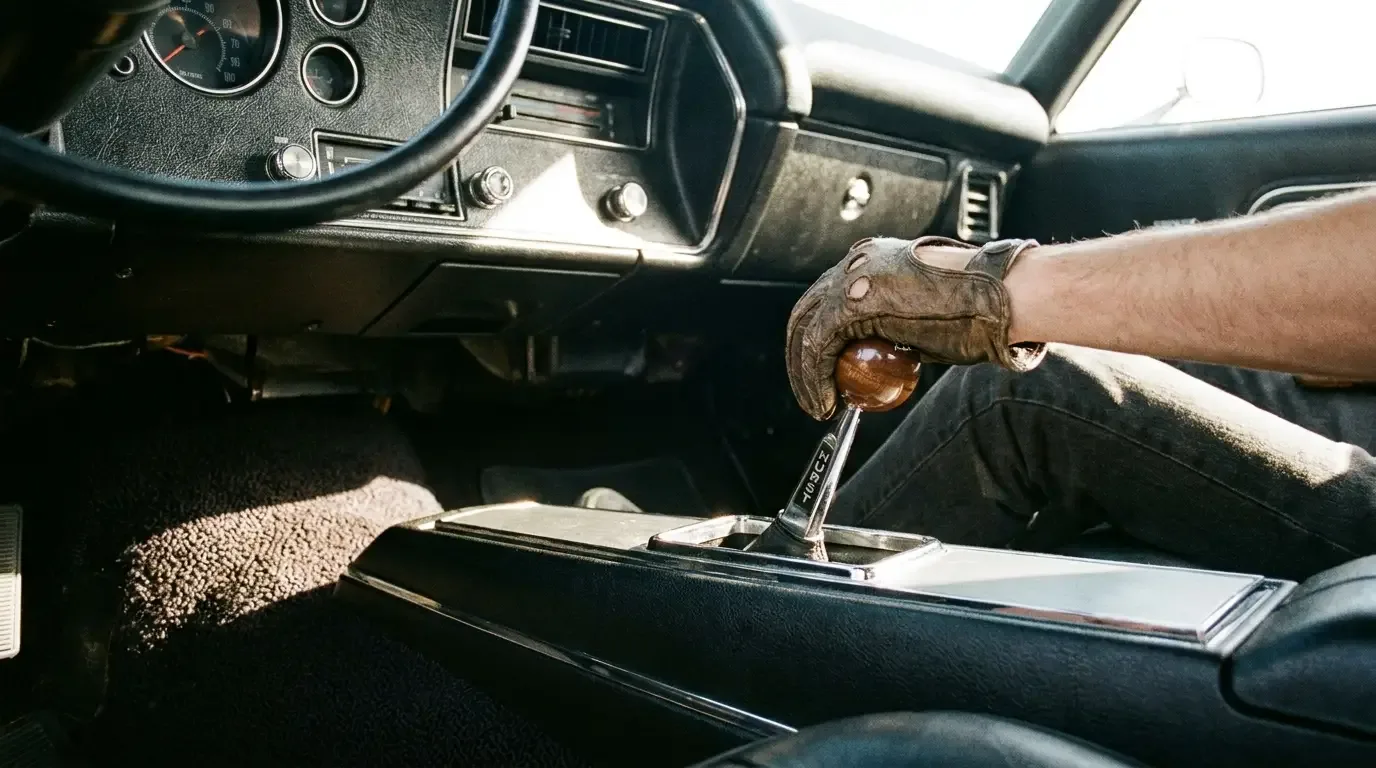
Console-equipped cars need the console's internal components checked, specifically the shifter boot and the gauge package wiring if one was ordered, since console gauges get disconnected during other repairs and never get hooked back up correctly. Carpet and headliner condition tell you more about how a car was actually stored than the paint does. Paint gets redone all the time. Nobody bothers replacing a headliner on a car they're trying to flip quickly, so a sagging headliner on an otherwise "fully restored" car is worth asking pointed questions about.
🔧 Inspection Priorities
- Dash pad and gauge cluster condition. Cracking is common and mostly cosmetic, but a non-functioning gauge cluster on an SS with the factory tach package is a bigger repair than it looks.
- Ignition and steering column lock function. On 1969-and-later cars, confirm the lock mechanism works correctly and hasn't been hacked around with a bypass, which is a common shortcut on cars with lost keys.
- Seat frame and cover generation match. A 1968 frame is a different animal than a 1969-72 frame, and a mismatched reproduction cover on the wrong generation never fits right and tells you the restoration wasn't done with real research.
- Headliner and carpet originality. These are the parts owners skip when they're rushing a car to sale. Their condition is a good honesty check on the rest of the "restoration."
"I've seen guys spend real money on a shiny dash pad and matching numbers under the hood, then completely ignore that the seat frames are from the wrong year. Nobody notices it in photos. Everybody notices it the first time they sit down and the seat doesn't hold them right."
Mike Sullivan
The cabin these cars carried was shaped as much by federal rulemaking as by Chevrolet's own design department, and that same regulatory pressure kept reshaping what was under the hood through the rest of the second-gen Chevelle run. Next: Emissions Tightening 1971-72 picks up that thread on the engine side.
Sources and notes
- Good Car Bad Car: The history of the mandatory headrest, effective January 1, 1969
- Chevy DIY: How to identify a 1970-1972 Chevelle by its headlights and taillights
- Ausley's Chevelle Parts: 1969-72 Chevelle/El Camino complete bucket seats, frame generation grouping
- Wikipedia: Head restraint, FMVSS 202 mandate history
Related Reading
Have a
Chevrolet Chevelle
for Sale?
Reach thousands of serious classic car collectors across the US.
Sell It Here →
Are You a Classic Car Dealer?
List your full inventory and connect with targeted classic car buyers.
Join as a Dealer →
#classic car restoration
#Chevrolet Chevelle
#Chevelle interior
#second-generation Chevelle
#Chevelle buyers guide

About the author
Mike Sullivan
Detroit-area muscle car enthusiast and restoration specialist with three decades of hands-on experience working on American iron.
Related Listings - Chevrolet Chevelle
More in History & Heritage
Comments
Be the first to comment on this article.