
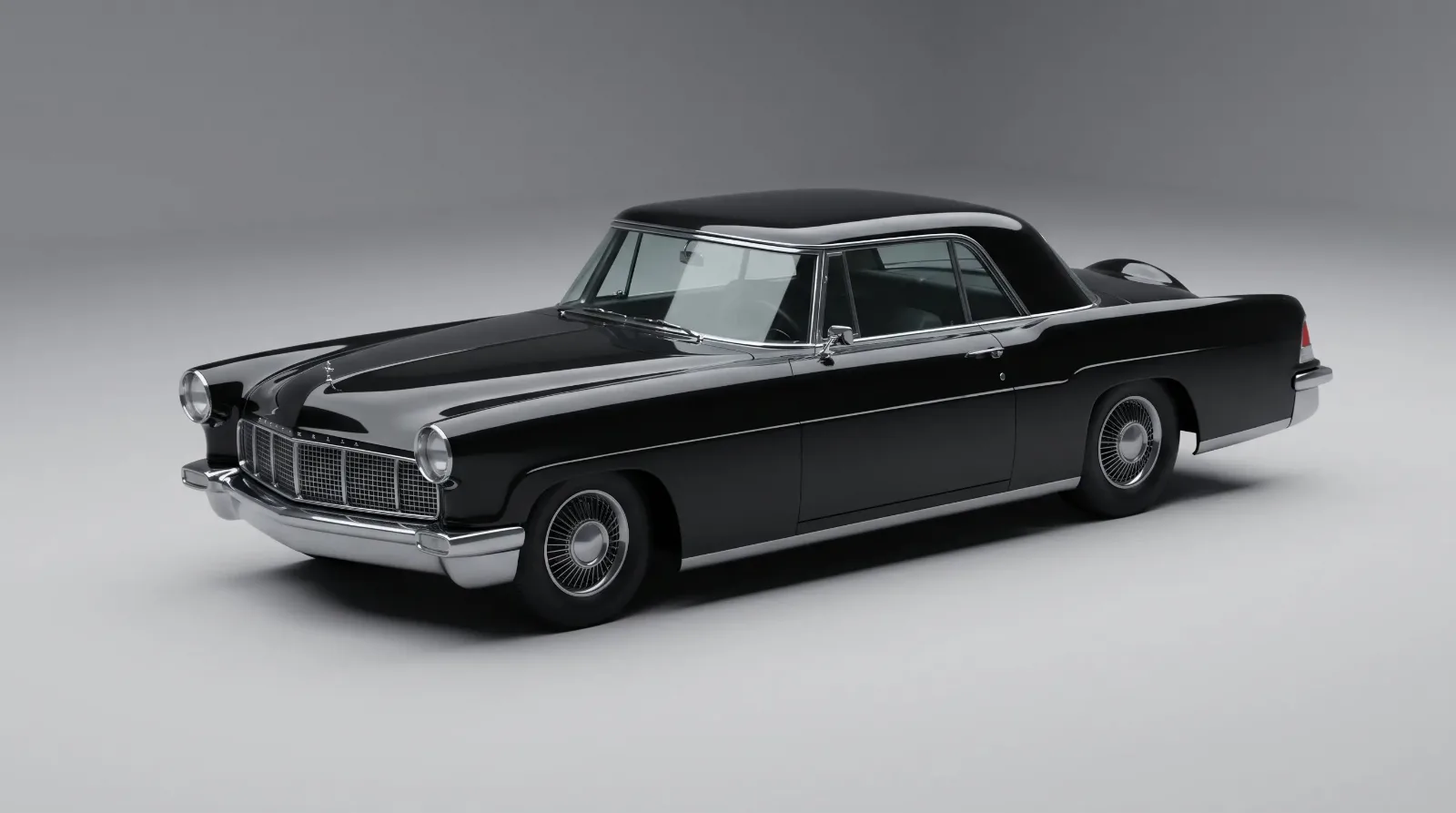
The first duel between these two nameplates was fought in the mid-1950s, when the Continental Mark II and the Eldorado Brougham traded blows at the very top of the American market. Both were hand-finished, both were priced against European coachbuilt cars, and both lost money for their makers. When the personal-luxury coupe returned in force at the end of the 1960s, the terms had changed. This second round was not about limited production or bespoke assembly. It was about volume, and about which company could sell a large, expensive two-door in the tens of thousands without apology.
History & Heritage
5 min read
Continental Mark III and IV vs Eldorado: Round Two
The Lincoln Continental Mark III and IV against the front-drive Cadillac Eldorado. How two very different luxury coupes fought the second round of the rivalry.
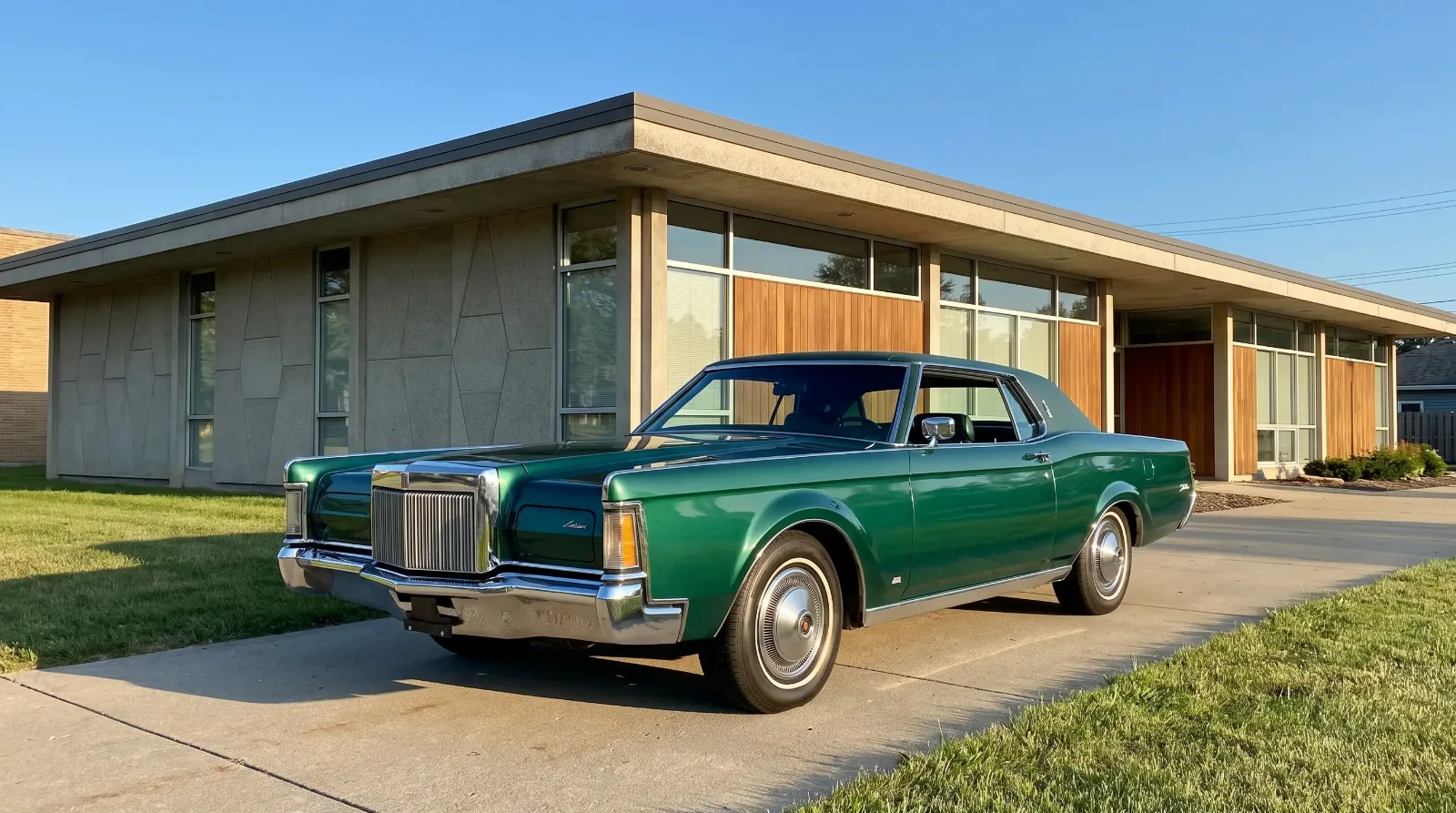
The Lincoln Continental Mark III arrived first, introduced in the spring of 1968 as a 1969 model. Cadillac answered by rethinking the Eldorado entirely for 1967, moving it to front-wheel drive. For most of the following decade these two cars defined the segment, and their differences ran deeper than trim and grille. They disagreed about how a luxury coupe should be built.
Two very different mechanical philosophies
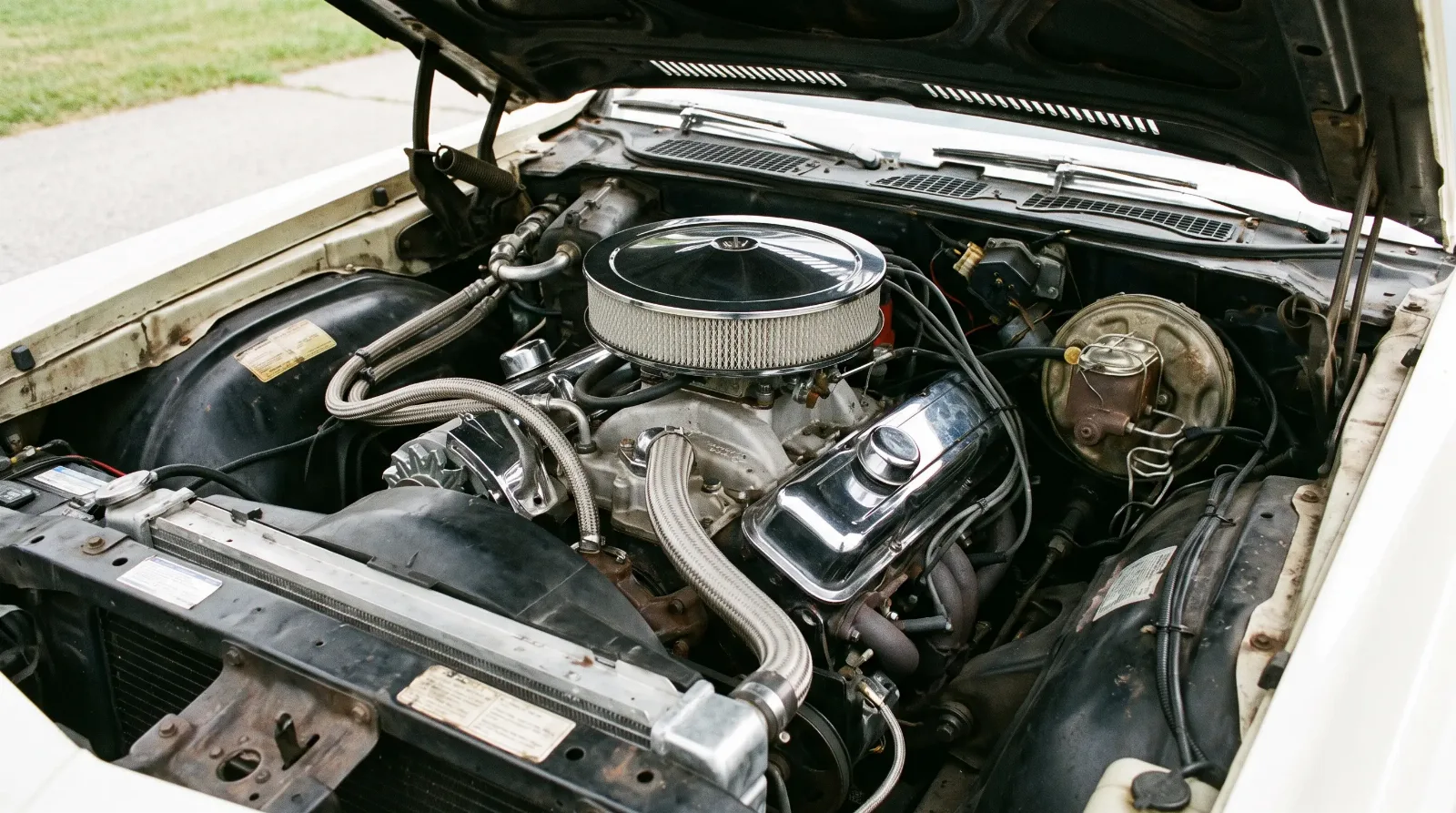
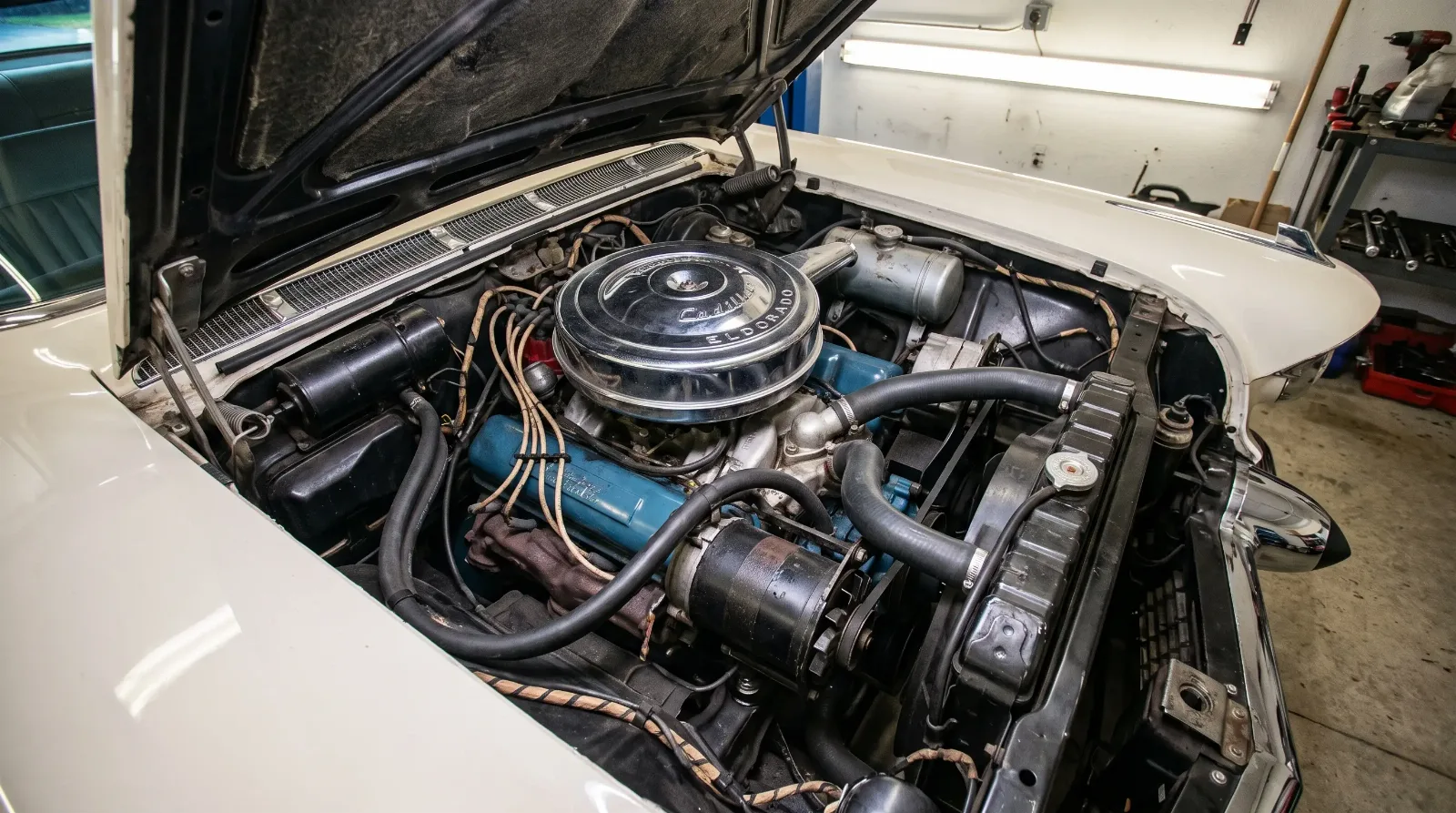
The Eldorado made the bolder engineering statement. For 1967 Cadillac put it on the front-wheel-drive platform it shared with the Oldsmobile Toronado, using a longitudinal V8 driving the front wheels through a chain-and-torque-converter arrangement. This was unusual for a full-size American car of the period, and it gave the Eldorado a flat floor and a distinctive driving character. Early cars used the 429 cubic inch V8, replaced by the 472 for 1968 and then the enormous 500 cubic inch (8.2 liter) engine from 1970, which produced somewhere around 400 horsepower gross before emissions controls began cutting into those figures. The rating fell sharply once net measurement and lower compression arrived mid-decade.
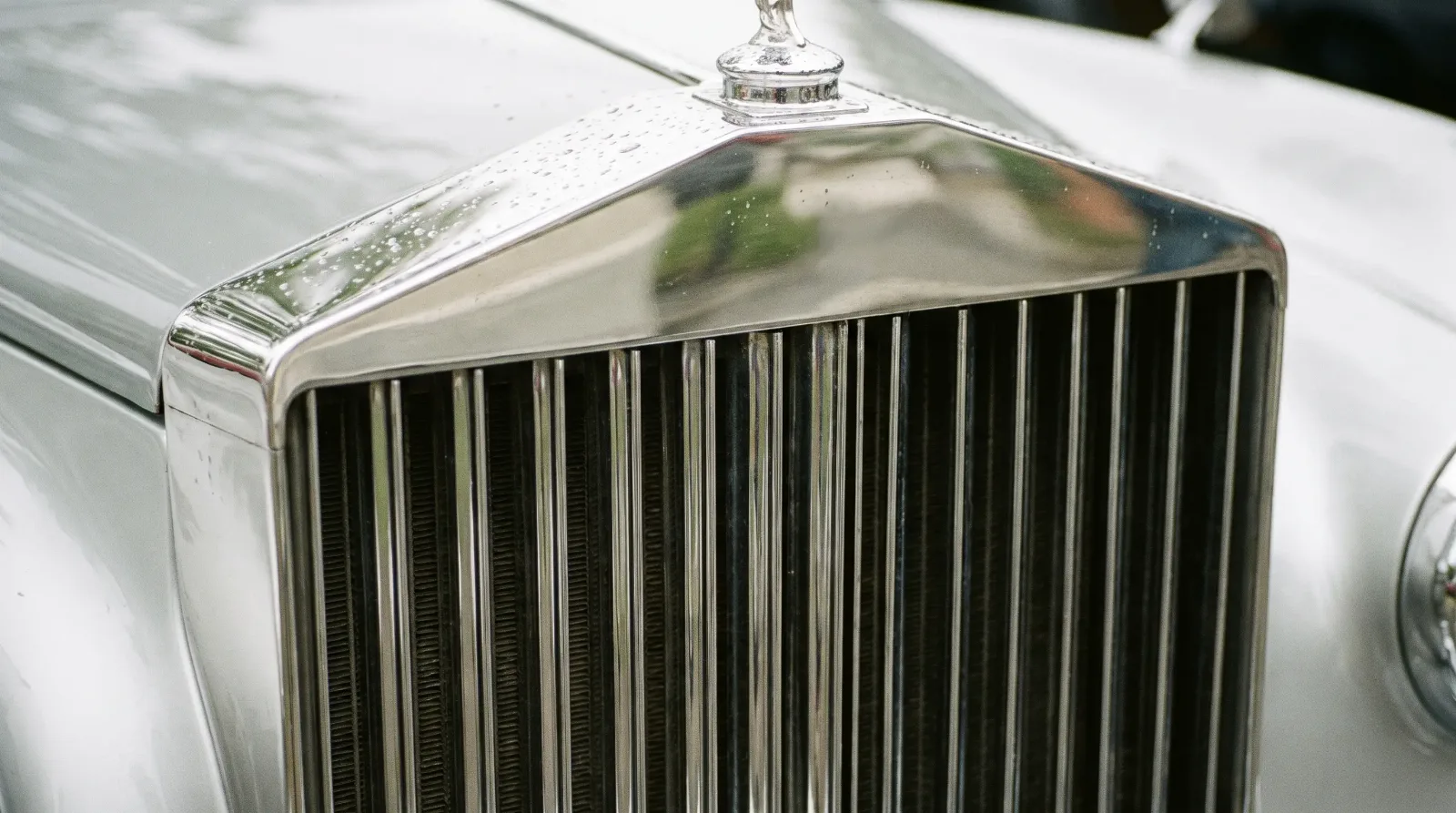
Lincoln took the conservative route, and did so deliberately. The Mark III used a shortened four-door Thunderbird platform, front engine and rear-wheel drive, powered by the 460 cubic inch V8 rated at 365 horsepower gross when new. Lee Iacocca drove the program, and his instinct was to spend the budget where buyers could see and touch it rather than on novel drivetrain layouts. The Mark III wore a long hood, a Rolls-Royce-inspired radiator grille, and a false spare-tire bulge stamped into the trunk lid, a styling cue borrowed straight from the original Continental of the 1940s. It felt like heritage made physical. This continued the argument I traced in the earlier chapters of the Cadillac-Lincoln rivalry, where the two makers rarely reached for the same solution.
Head to head on the numbers
Comparing them side by side shows how each company read the same buyer differently. The Eldorado sold engineering ambition. The Mark III sold visual continuity with a famous name.
| Dimension | Continental Mark III / IV | Cadillac Eldorado |
|---|---|---|
| Debut | Mark III spring 1968 (as 1969); Mark IV 1972 | FWD Eldorado 1967; restyled 1971 |
| Drivetrain | Front engine, rear-wheel drive | Front engine, front-wheel drive |
| Engine | 460 cu in V8 (365 hp gross, early) | 472 then 500 cu in V8 (~400 hp gross, early 500) |
| Platform basis | Shortened Thunderbird | Shared with Oldsmobile Toronado |
| Signature cue | Spare-tire trunk bulge, formal grille | Sheer FWD flanks, hidden headlamps (later) |
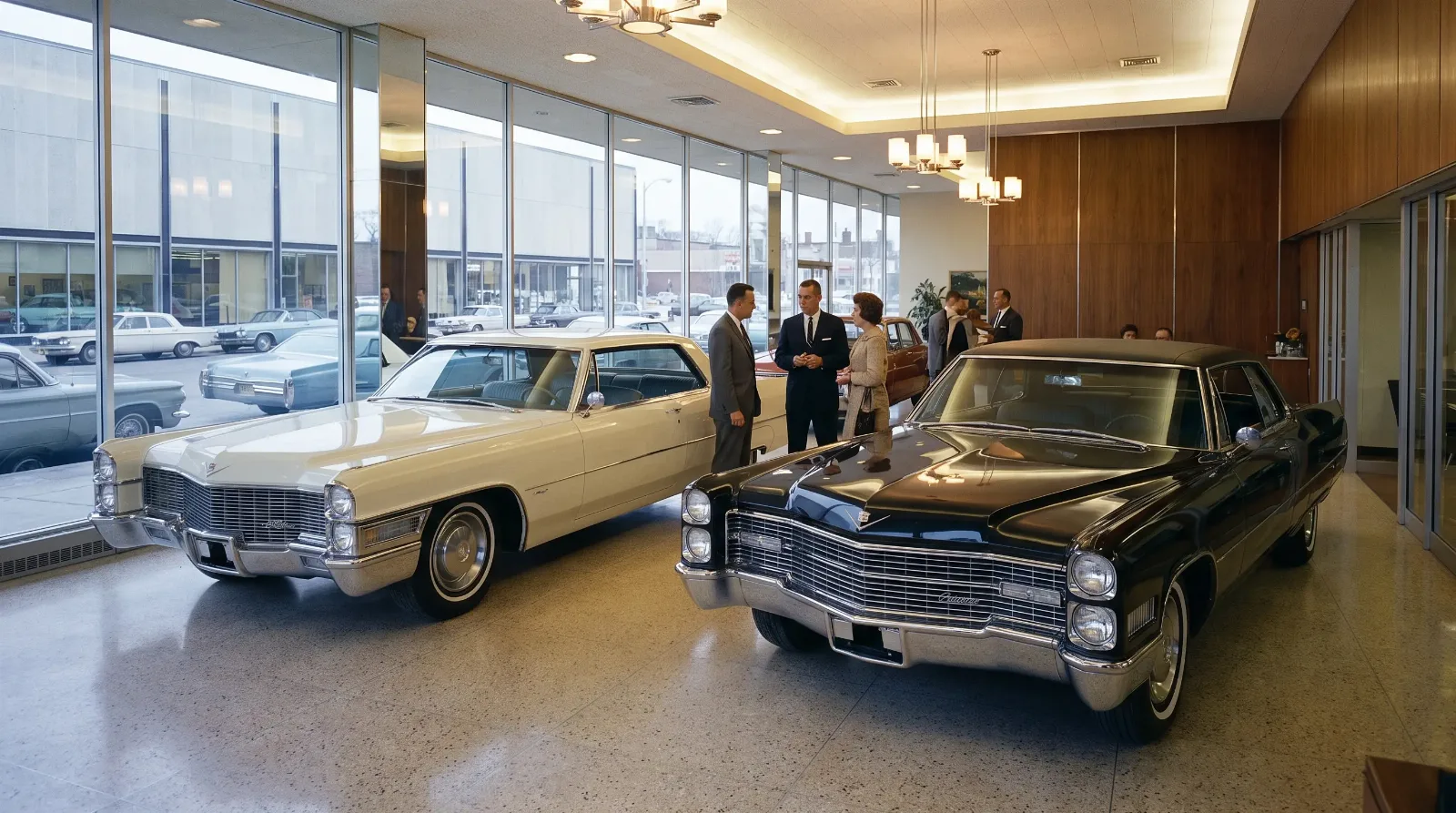
The Mark III proved that Lincoln had finally found a coupe that could stand next to the Eldorado on the showroom floor without flinching. Sales in the first full years ran close between the two, each moving in the low-to-mid twenty-thousands annually through the early years of the contest.
Round two goes to the Mark IV and the big Eldorado
The rematch escalated. Lincoln replaced the Mark III with the larger Mark IV for 1972, adding oval opera windows and a longer, heavier body. Cadillac had already grown the Eldorado for 1971 into a substantially bigger car, and offered a convertible, which the Mark IV never did. That convertible mattered. When Cadillac announced the 1976 Eldorado as, supposedly, the last American convertible, it created a buying frenzy and a wave of speculation that the earlier duel never saw. The Mark line had no equivalent theater.
What the Mark IV had instead was the designer edition. Lincoln partnered with fashion houses to create the Cartier, Bill Blass, Givenchy, and Pucci editions, packaging color and trim as a status signal. It was a marketing idea more than an engineering one, and it worked. Cadillac responded with its own trim exercises, but the designer-series concept belonged to Lincoln, and it shaped how the whole segment was sold through the rest of the decade.
"The Eldorado argued its case through the drivetrain and the Mark through the sheet metal, and both arguments found their buyers. What strikes me looking at surviving cars today is how completely each one committed to its own idea of luxury."
Sarah Whitfield
What survives, and what to watch
For collectors, condition and originality separate these cars far more than badge preference does. The front-wheel-drive Eldorado carries a more complex drivetrain, and a neglected transaxle or chain drive turns an affordable coupe into an expensive one. The Mark cars are mechanically simpler, but their vinyl roofs, opera windows, and elaborate trim hide rust and water intrusion that a quick walk-around will miss. On both marques the interiors are where value lives or dies, because reproduction leather and correct-grain vinyl are hard to source and expensive to fit correctly.
Neither car has become a blue-chip investment in the way a coachbuilt prewar Cadillac or Lincoln has, and that is precisely their appeal. They are usable pieces of a specific moment, when two American companies still believed a large personal coupe was worth fighting over. The story of how that fight began, and how it fits the longer arc of American prestige motoring, runs through next: Self-Leveling Suspension, where the engineering contest between the two marques took a quieter but revealing turn.
Related Reading
Have a
Classic Car
for Sale?
Reach thousands of serious classic car collectors across the US.
Sell It Here →
Are You a Classic Car Dealer?
List your full inventory and connect with targeted classic car buyers.
Join as a Dealer →

About the author
Sarah Whitfield
Third-generation classic car collector specializing in pre-war American and European coachbuilt automobiles. Researcher and concours enthusiast.
More in History & Heritage
Comments
Be the first to comment on this article.