
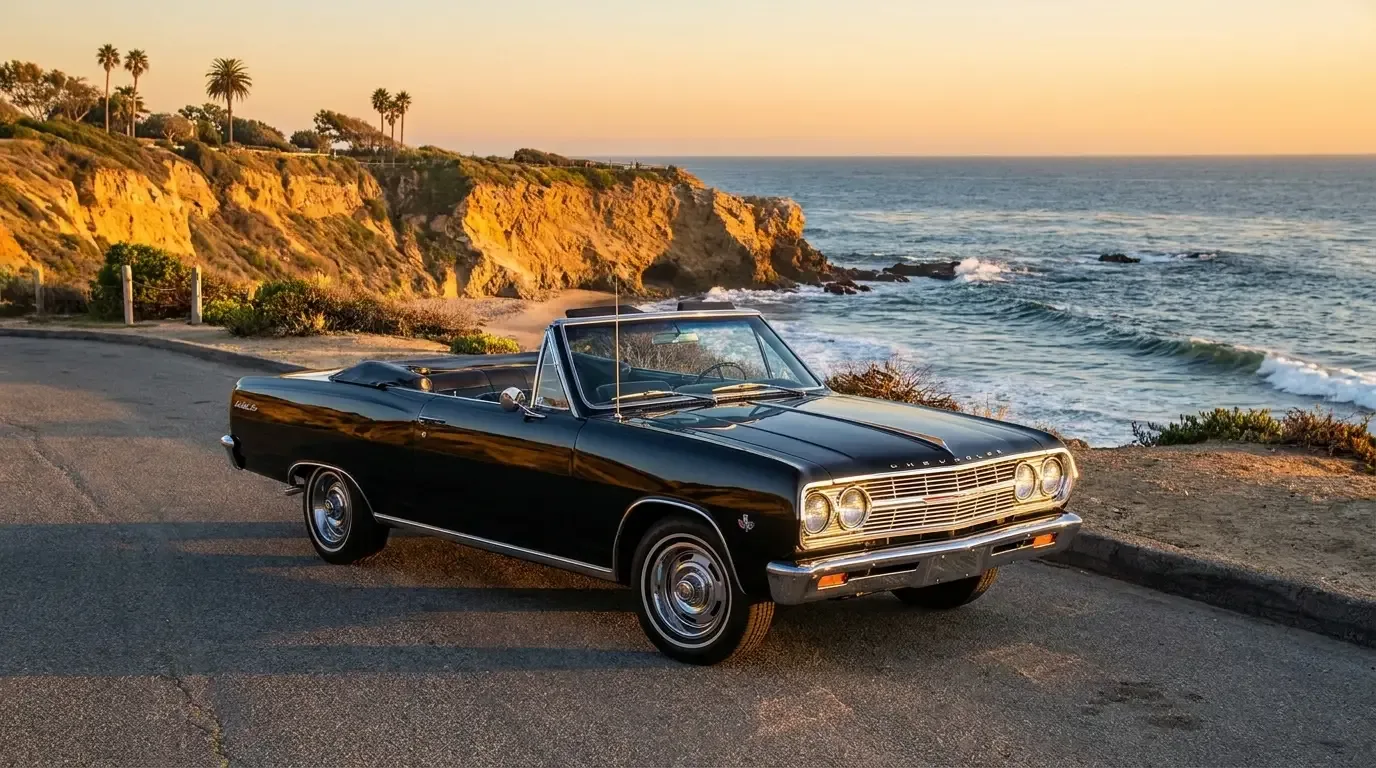
There's a specific kind of car show conversation that happens next to a first-generation Chevelle convertible. Somebody walks up, admires the top-down profile, and asks whether it's rarer than the hardtop. The honest answer is almost always yes, though how much rarer depends on the year and the trim, and that gap between "yes" and "how much" is where the real story of these cars lives.
History & Heritage
7 min read
The First-Generation Convertible Story
Why the 1964-1967 Chevelle convertible was rarer than the hardtop, what makes it different to own, and what to check before buying one.
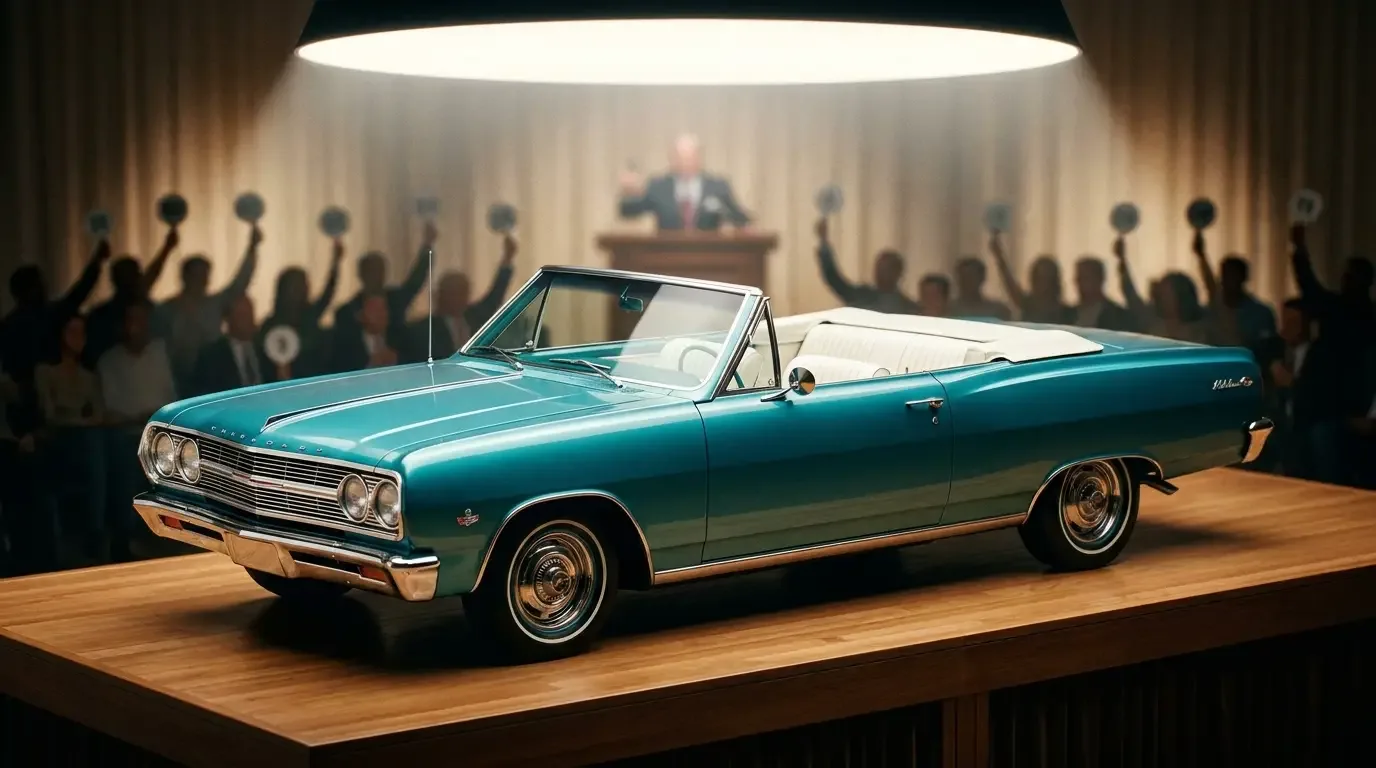
Convertibles were never the volume seller in the Chevelle lineup. Chevrolet built the car to be a practical mid-size family option first and a performance icon second, and most buyers in 1964 through 1967 walked out of the dealership with a sedan, a coupe, or a wagon. The convertible existed for the buyer who wanted the open-air option and was willing to pay the premium for it, and that smaller buyer pool is exactly why these cars stand out today.
A convertible from the very first year
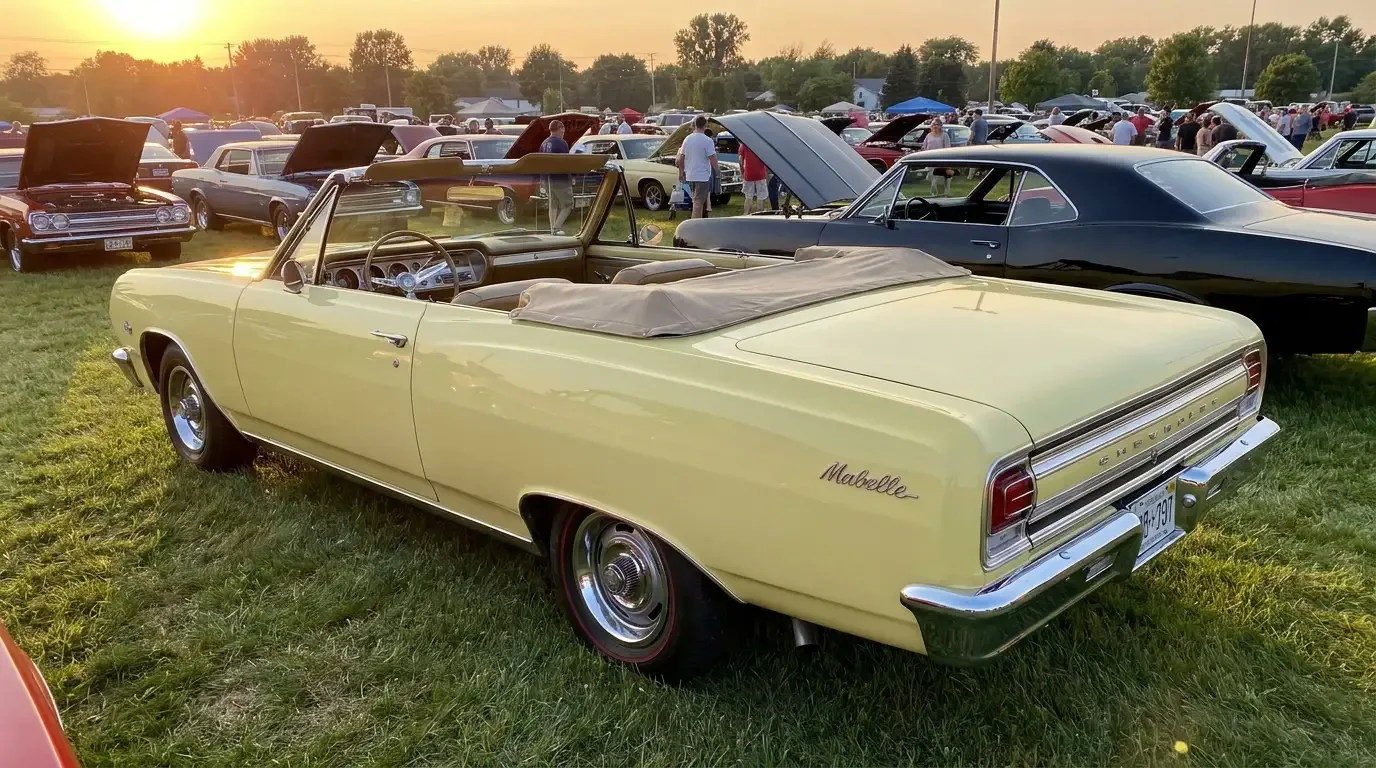
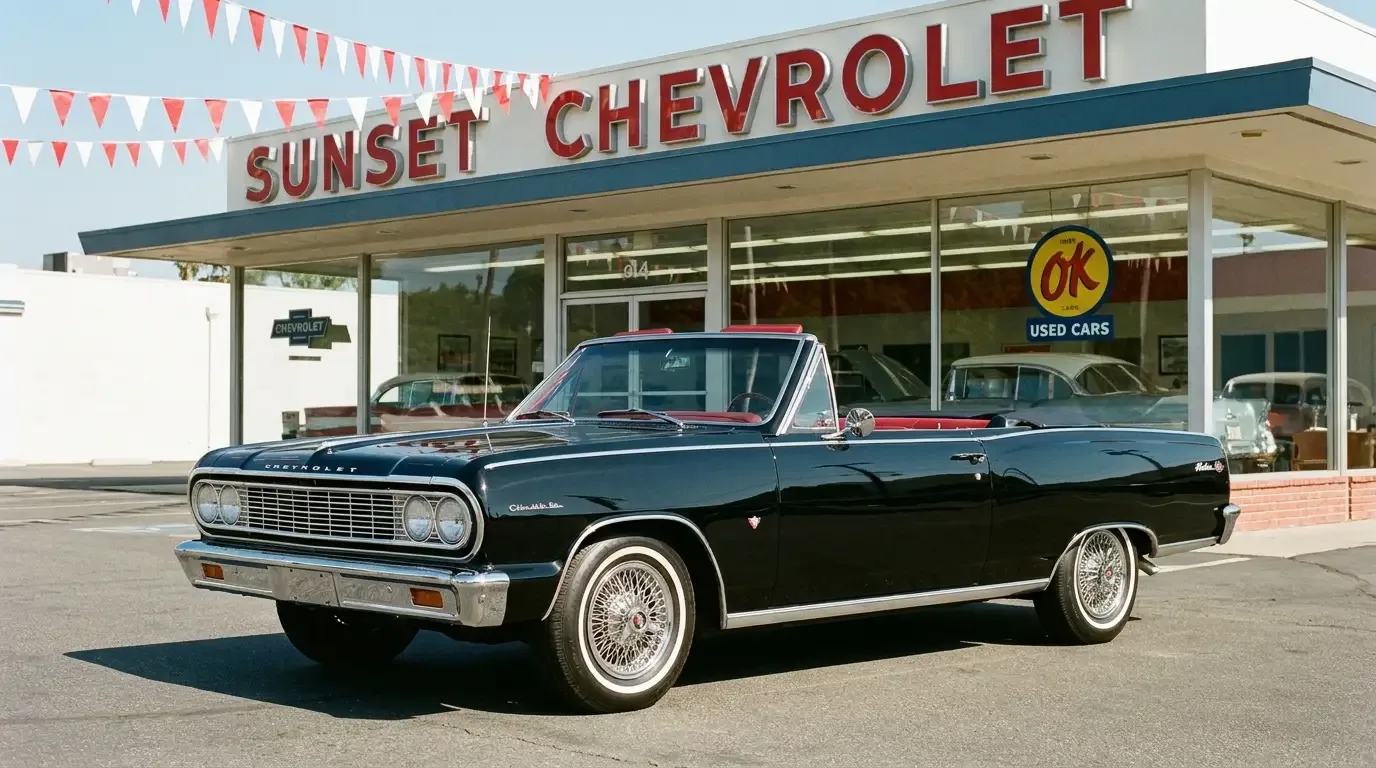
Chevrolet offered a Chevelle convertible starting with the 1964 launch, available across the Malibu and, later, SS trim lines. It wasn't a mid-cycle addition or a special promotional model, it was part of the plan from day one, which tells you Chevrolet expected real demand for an open Chevelle even in a market where Impala and Chevy II already covered a lot of that same territory. If you want the fuller context of how the whole nameplate got off the ground, the A-body's early years covers that launch in detail.
The convertible carried the same basic engine and trim choices as the rest of the range, everything from the base six-cylinder up through the SS's V8 options depending on the model year, so buying a convertible didn't mean giving up performance. It meant paying more for the folding top mechanism, the reinforced structure needed to keep a topless mid-size car rigid, and the added weight and complexity that came with both.
What made the top-down Chevelle different to own
Any convertible from this era asks more of an owner than the equivalent hardtop, and the Chevelle is no exception. Removing the fixed roof structure meant Chevrolet had to beef up the frame and rocker panels to keep the body from flexing, and that extra structure is part of why convertibles command a premium even in the collector market decades later. It's not just nostalgia. It's a genuinely different, more involved piece of engineering than the coupe sitting next to it on the showroom floor.
Top mechanisms from this period were simple by modern standards but not maintenance-free. Owners had to deal with power top motors, the canvas or vinyl top material itself weathering under sun and rain, and the general reality that a convertible top is one more system that can fail compared to a fixed roof. None of that stopped people from buying them. It just meant the convertible buyer was signing up for a different kind of ownership experience than the coupe buyer down the street.
Why the convertible market moves differently
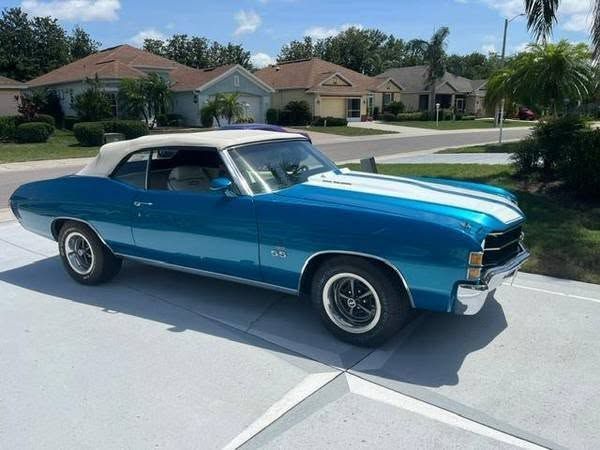
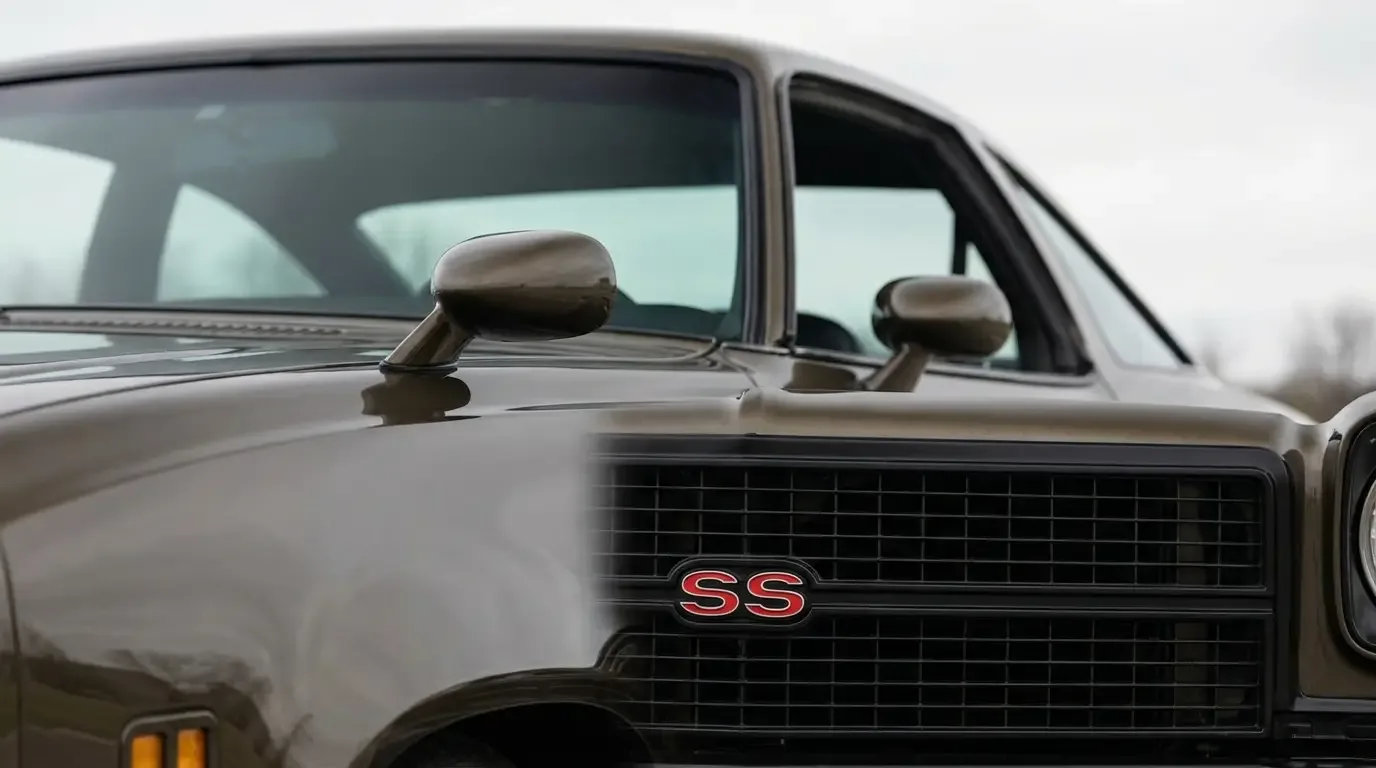
Talk to anyone who's shopped this segment and you'll hear the same thing: a convertible Chevelle in SS trim, with the right documentation, sits in a different price bracket entirely from a base convertible with a six-cylinder under the hood. The gap between a plain convertible and a documented SS convertible is wider than the equivalent gap on the hardtop side, because the convertible buyer pool skews more toward people chasing a specific, rare combination rather than just wanting a driver-quality Chevelle.
That means shopping for one takes more patience. You're not just cross-shopping a handful of listings in your area, you're often watching the broader market for months before the right combination of year, trim, and condition shows up. It's worth taking the time to actually see what's out there rather than working from memory of what these cars used to sell for, so it helps to find first-gen Chevelle convertibles currently listed and get a feel for where the market actually sits today.
"I met a guy at a regional show a few years back who'd been looking for a '65 Malibu convertible in a specific color combination for almost two years before he found one. Not an SS, just a Malibu, because that was the car his mother drove when he was a kid and he wanted the same thing. That's the convertible market in a nutshell. People aren't always chasing horsepower. Sometimes they're chasing a very specific memory, and that patience is part of what makes these cars special to track down."
Patrick Walsh
Buying one today
Structural soundness matters even more on a convertible than a coupe, since the extra reinforcement built into the body can hide rust just as easily as it hides in any other Chevelle. Check the rocker panels, the floor pans, and especially the areas around the top mechanism and rear quarters, since water intrusion around an aging convertible top is a real and common issue on cars this age. Beyond that, the buying advice tracks closely with any first-generation Chevelle: verify the trim and engine combination against the paperwork, and don't assume rarity alone justifies the asking price if the car needs serious structural work.
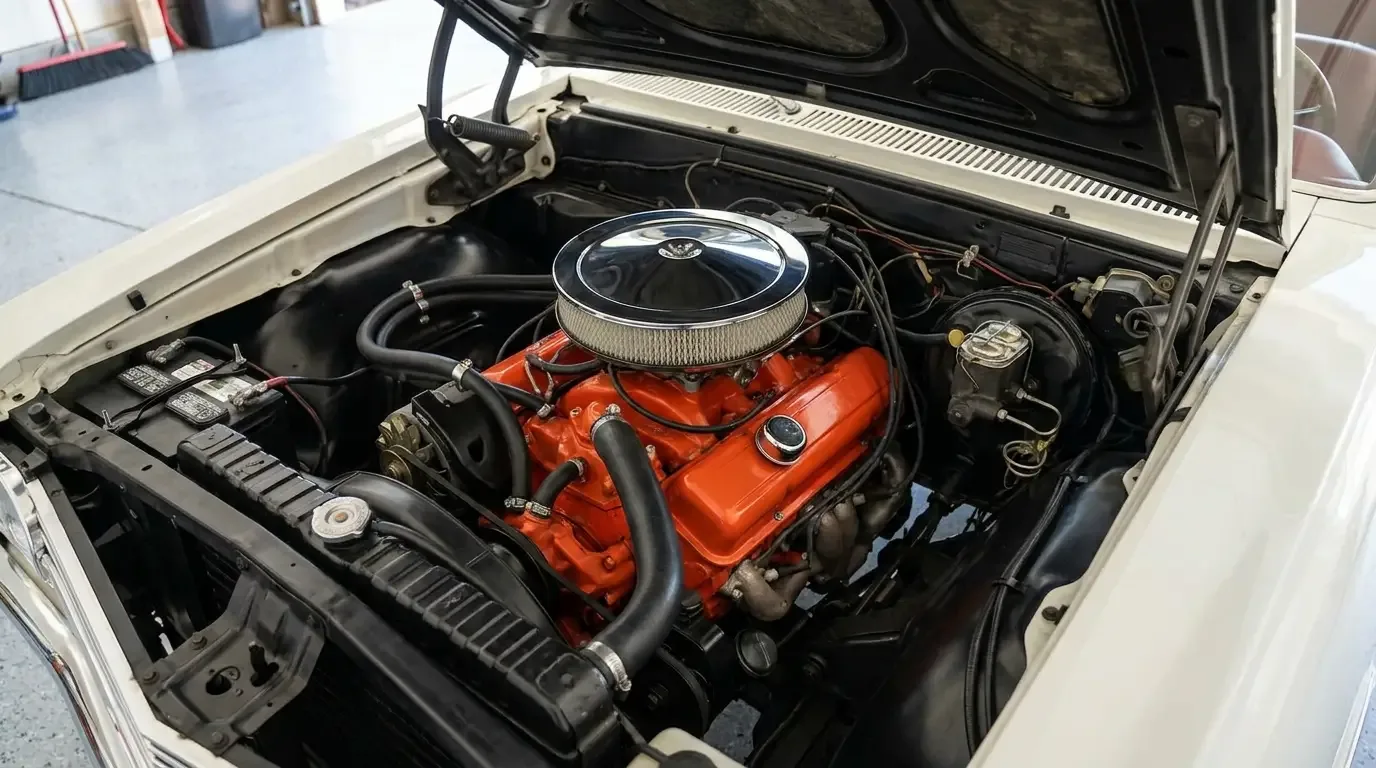
Engine choice on these convertibles ran the same range as the rest of the lineup during these years, and the small-block options in particular were common, reliable choices that a lot of buyers picked for everyday open-top driving rather than outright performance. If you're curious how those engines held up and which ones are worth seeking out, the early 283 and 327 V8 story covers that ground next.
The year-to-year differences that matter for convertible buyers
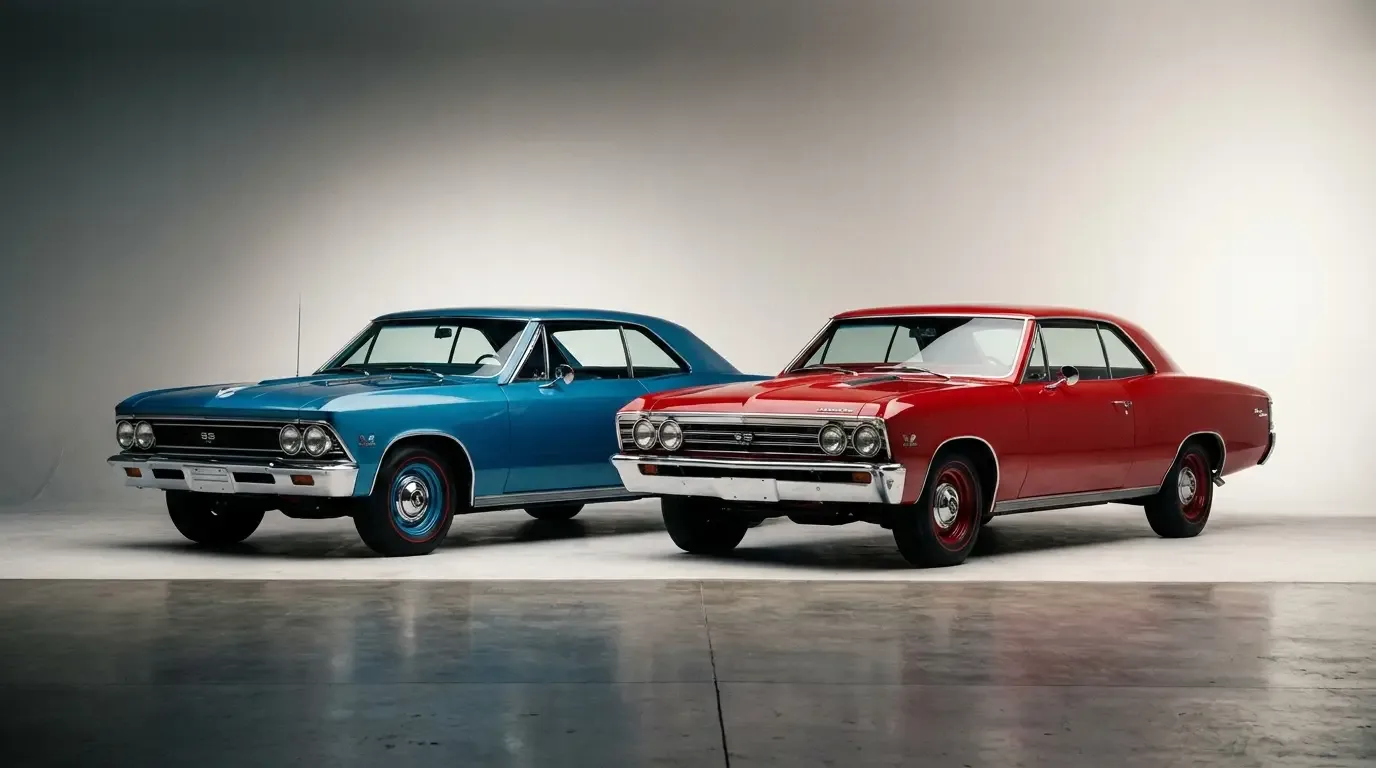
Every one of the four first-generation model years offered a convertible, but they're not interchangeable in the collector's mind. A 1964 convertible carries launch-year appeal, the first chance anyone had to buy an open Chevelle at all. A 1965 convertible carries its own weight in the story too, though the Z16 SS396 package that made that year famous was built almost exclusively as a hardtop, 200 of the 201 total, with the sole convertible a one-off built to GM general manager Semon "Bunkie" Knudsen's personal order rather than a car any regular buyer could order off a form. That single car isn't something a collector goes shopping for; it's a footnote most enthusiasts will only ever read about. The 1966 restyle brought the more sculpted body to the convertible line, giving it the same aggressive stance the hardtop picked up that year, and the 1967 convertible closed out the generation with the added front disc brake option that made the car more livable as a daily driver.
None of these years is objectively "the" year to chase. It depends entirely on what you want out of the car. A collector chasing rarity and history looks hard at 1964 and 1965. A collector who wants the boldest styling with the top down looks at 1966 and 1967. Either way, the convertible body style adds a layer of scarcity on top of whatever trim and engine considerations already apply, and that compounding effect is exactly why these cars don't show up on the market as often as the sedans and coupes people see every weekend at a local show.
Sources and notes
- Chevellestuff.net: 1964 Chevelle Production Numbers by Series/Model
- Mac's Motor City Garage: Birth of the Big-Block Chevelle, the 1965 Z16
- Barn Finds: One of Only 201, 1965 Chevrolet Malibu SS396 Z16
- SS396.com: 1965 Chevelle SS 396 Z16, A Legend Is Born
- Wikipedia: Chevrolet Chevelle
- SS396.com: 1965 Chevelle Restoration Specifications
Related Reading
Have a
Chevrolet Chevelle
for Sale?
Reach thousands of serious classic car collectors across the US.
Sell It Here →
Are You a Classic Car Dealer?
List your full inventory and connect with targeted classic car buyers.
Join as a Dealer →
#Malibu SS
#first generation Chevelle
#Chevrolet Chevelle history
#Chevelle convertible
#classic convertibles

About the author
Patrick Walsh
Automotive journalist covering classic car shows, events, and the enthusiast community across North America.
Related Listings - Chevrolet Chevelle
More in History & Heritage
Comments
Be the first to comment on this article.