
Ask ten collectors when the muscle car actually peaked and most of them land on the same short window. Not the 1964 opening act, not the tail end when the insurance companies and the regulators had their say. The middle. Those three model years from 1968 through 1970, when Detroit stopped testing the water and jumped in with both feet.
History & Heritage
6 min read
The Golden Era 1968-1970: Why It Was the Peak
Why 1968 to 1970 was the golden age of muscle cars, from the redesigned A-body to the 1970 LS6 454 and Hemi Cuda peak before the squeeze began.
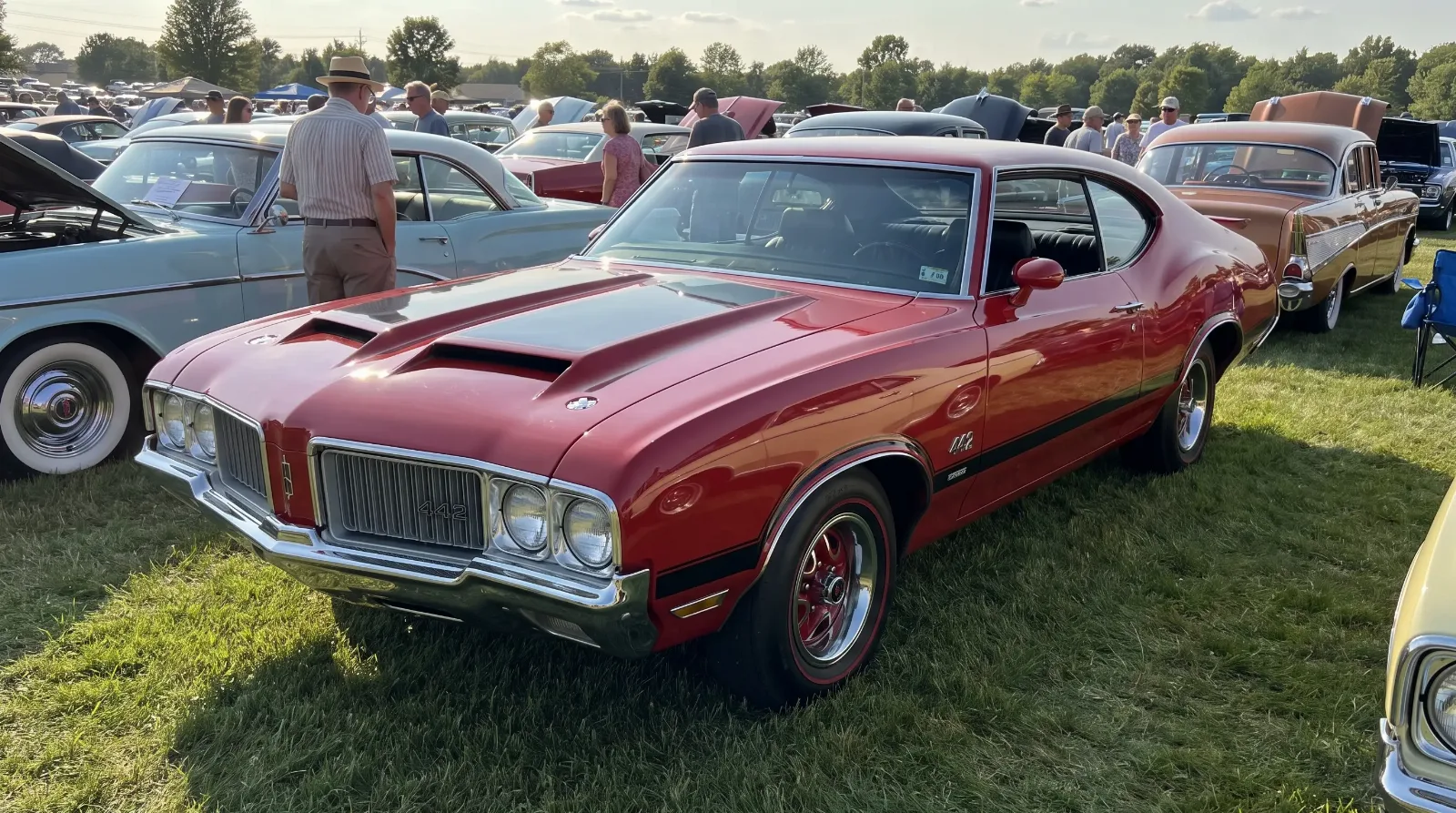
There is a reason people who lived through it get a little misty about it. For about thirty-six months every division of every American automaker was trying to out-gun the one down the hall, and the buyers were young, employed, and cheerfully uninsurable. If you want the long arc, you can read more here, but the short version is simple. This was the top of the mountain.
What made these three years different
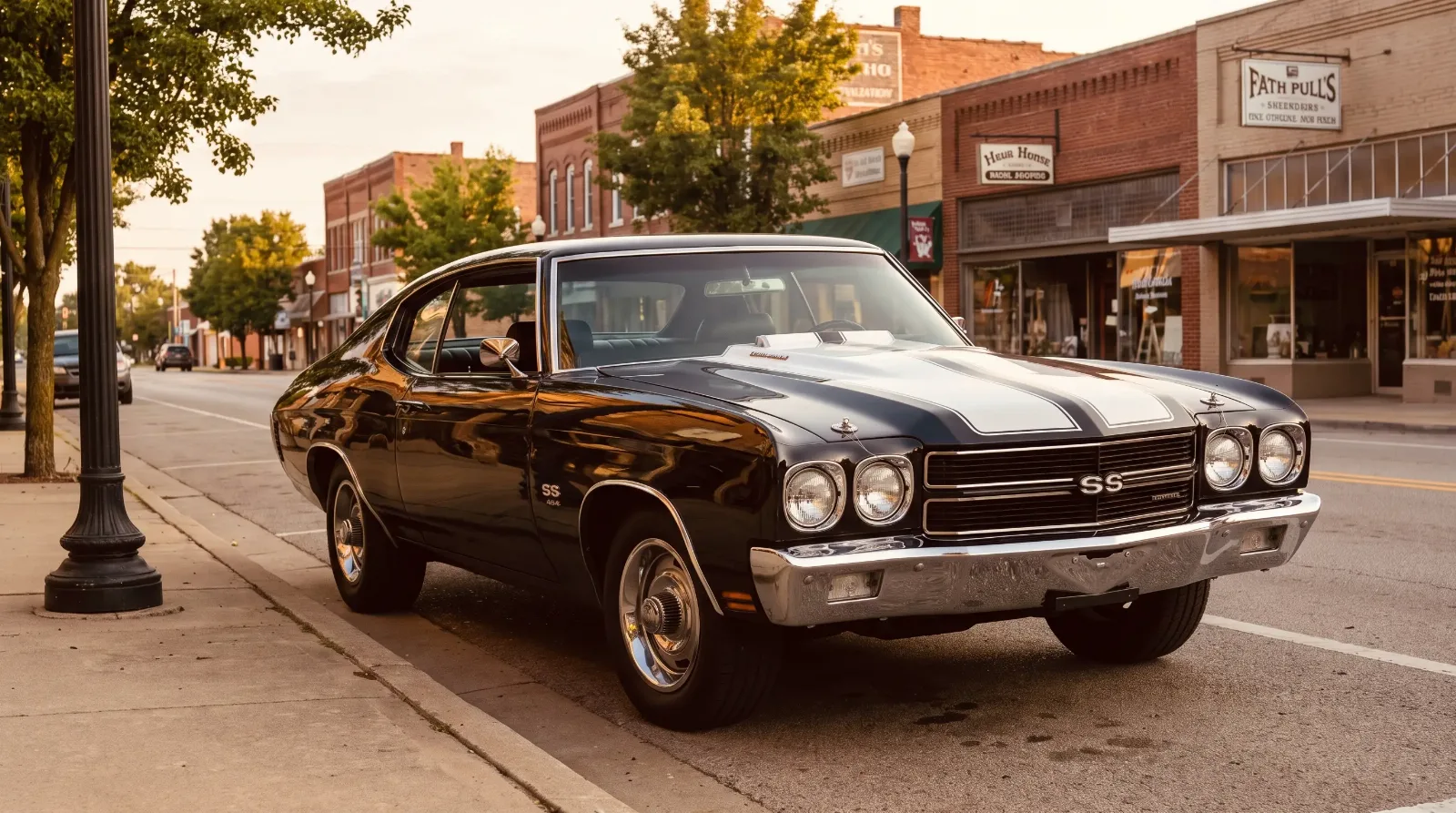
The formula had already been proven by 1968. A mid-size body, a big engine lifted out of the full-size car, and a price a factory worker could swing. What changed in this stretch was the sheer number of players and the willingness to go too far. Chevrolet, Pontiac, Buick, Oldsmobile, Plymouth, Dodge, Ford, Mercury, AMC. Every one of them fielded something with a hood scoop and an attitude.
Compression ratios sat high because premium fuel was cheap and leaded. Insurance surcharges had not yet strangled the youth market. Emissions rules were coming but had not landed hard. For a builder, a dealer, or a nineteen year old with a down payment, everything lined up at once. That alignment did not last, and that is exactly why these cars carry the weight they do.
1968: the template gets set
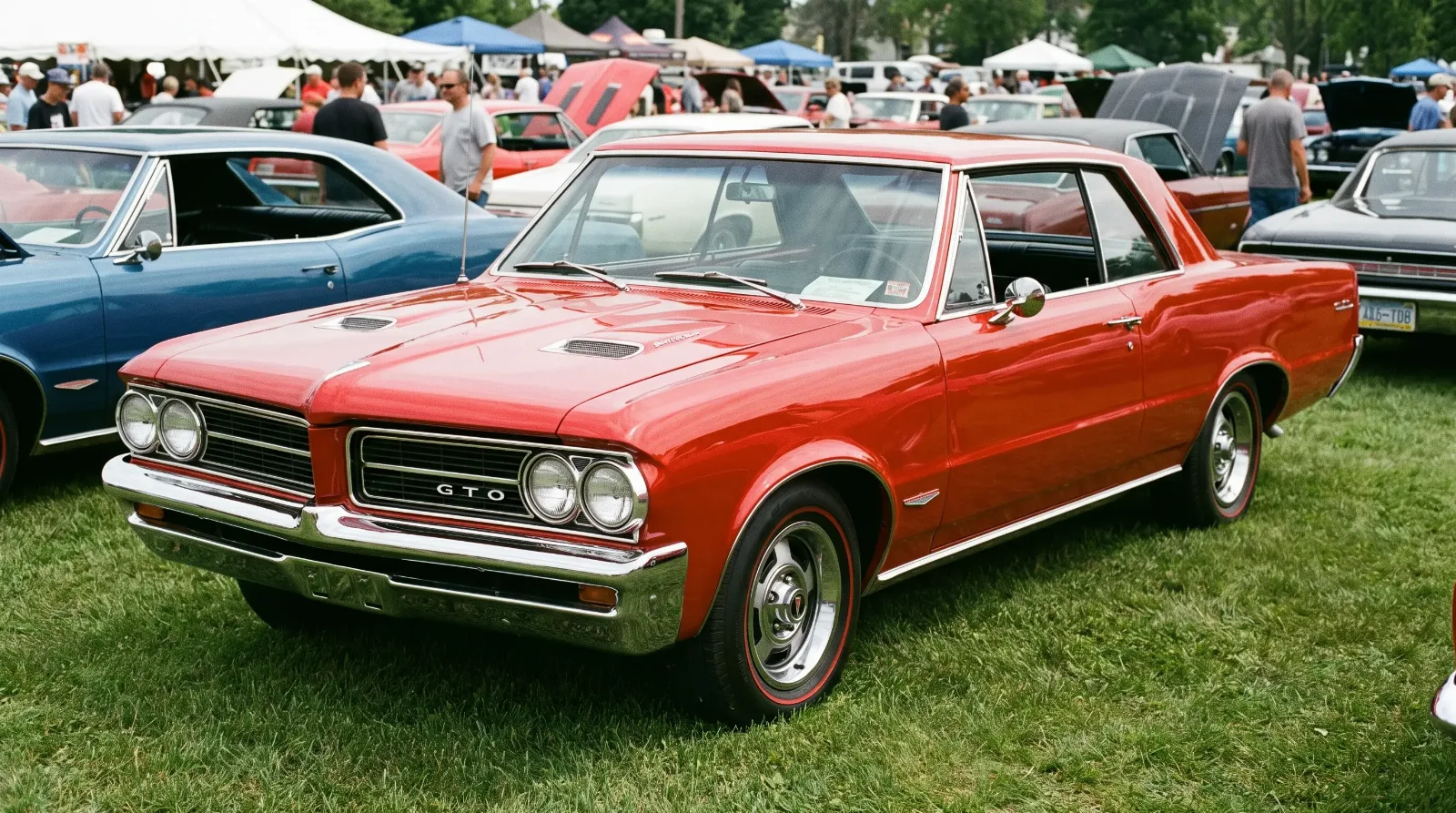
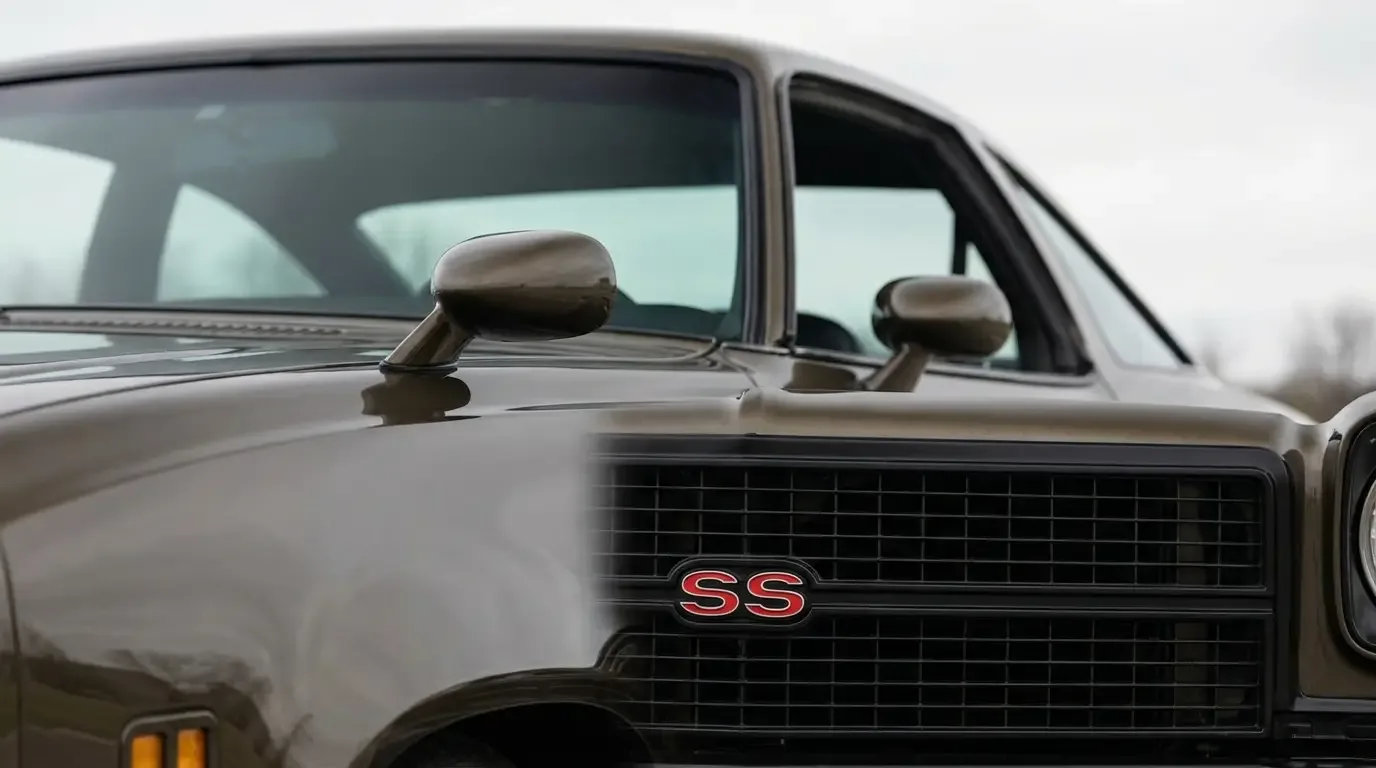
The redesigned GM A-body arrived for 1968 with the shorter wheelbase and the coke-bottle shape, and it gave the Chevelle SS and the GTO a look that still reads as the definition of the breed. Same year, Plymouth did something quietly radical. The Road Runner showed up as a stripped, cheap, no-nonsense package with a 383 and a horn that went beep-beep, and it sold far better than anyone at Chrysler expected. Around 45,000 in its first year, if memory and the old sales figures serve.
That Road Runner mattered more than its spec sheet. It proved buyers wanted the engine and would happily skip the carpet upgrade to afford it. Dodge answered with the Super Bee. The race to the bottom on price and the top on power was on.
1969: everything escalates
If 1968 set the table, 1969 turned it over. Chevrolet built the Camaro in a fistful of serious flavors, including the COPO cars that slid the 427 into a body that was never supposed to have one. Ford countered with the Boss 302 and the Boss 429. Pontiac split the GTO into the Judge. Dodge put a nose cone and a wing on a Charger and called it the Daytona so it could win on the NASCAR banking.
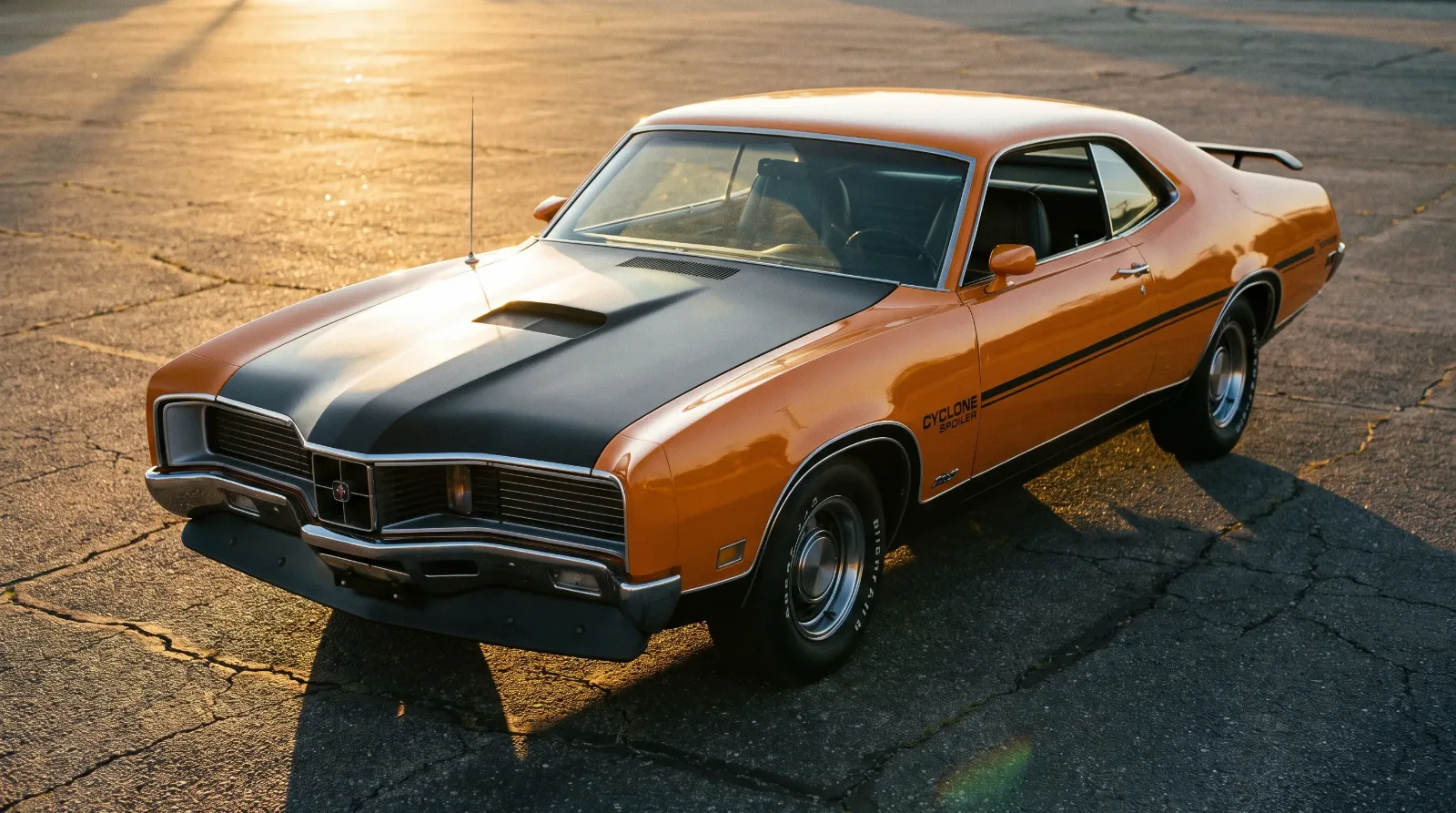
Even the smaller players jumped in. AMC, the independent that was supposed to build sensible economy cars, fielded the SC/Rambler and then the Hurst SC/Rambler and the AMX, painting them red white and blue and daring anybody to laugh. When the company that built the Rambler is running a hood scoop, you know the whole industry has lost its mind in the best possible way.
The point of 1969 was excess for its own sake. The factories were no longer just selling transportation. They were selling bragging rights, and the customer was buying. You can trace how that arms race reshaped the whole industry in the muscle car origin story.
1970: the high-water mark
Then came 1970, and this is the year the true believers point to. Compression was still high. The big blocks were at their largest and least apologetic. Chevrolet dropped the LS6 454 into the Chevelle and rated it at 450 horsepower, which was the highest factory gross rating of the era. Buick built the GSX with the Stage 1 455 and a torque figure north of 500 lb-ft that embarrassed cars with bigger reputations. Plymouth would sell you a Hemi Cuda. Oldsmobile had the 442 W-30. Pontiac had the Ram Air GTO.
| 1970 flagship | Engine | Rated output (gross) |
|---|---|---|
| Chevrolet Chevelle SS | LS6 454 | 450 hp |
| Buick GSX Stage 1 | 455 | 360 hp / ~510 lb-ft |
| Plymouth Hemi Cuda | 426 Hemi | 425 hp |
| Oldsmobile 442 W-30 | 455 | 370 hp |
| Pontiac GTO Ram Air IV | 400 | 370 hp |
Those are gross ratings measured without accessories, so they read higher than the net numbers that arrived a year later. Even accounting for the optimism, 1970 was the biggest, boldest slate the American industry ever put on a showroom floor at one time. Nothing after it matched the spread.
"I have talked to guys who bought these new and thought nothing of it. They were just fast cars you could afford. Nobody in 1970 knew they were standing at the top of a hill that was about to fall away underneath them."
Patrick Walsh
Why the window closed
The end did not arrive as a crash. It came as a slow squeeze. For 1971 the manufacturers cut compression ratios to get ready for unleaded fuel and tighter emissions standards, and the switch to net horsepower ratings in 1972 made the decline look even steeper on paper. Insurance surcharges aimed squarely at young buyers dried up the demand. Bumper and safety mandates changed the way the cars looked and drove. If you want to see how the regulatory side played out, you can read the full story.
That is the real reason 1968 to 1970 gets called the golden age. It was not just that the cars were fast. It was that everything came together for one brief moment and then never did again. Collectors chase that moment now, and if you want to see what the survivors are worth today, you can see muscle cars on the market. The prices tell you exactly how much people still care about those three years.
Related Reading
Have a
Classic Car
for Sale?
Reach thousands of serious classic car collectors across the US.
Sell It Here →
Are You a Classic Car Dealer?
List your full inventory and connect with targeted classic car buyers.
Join as a Dealer →

About the author
Patrick Walsh
Automotive journalist covering classic car shows, events, and the enthusiast community across North America.
More in History & Heritage
Comments
Be the first to comment on this article.