
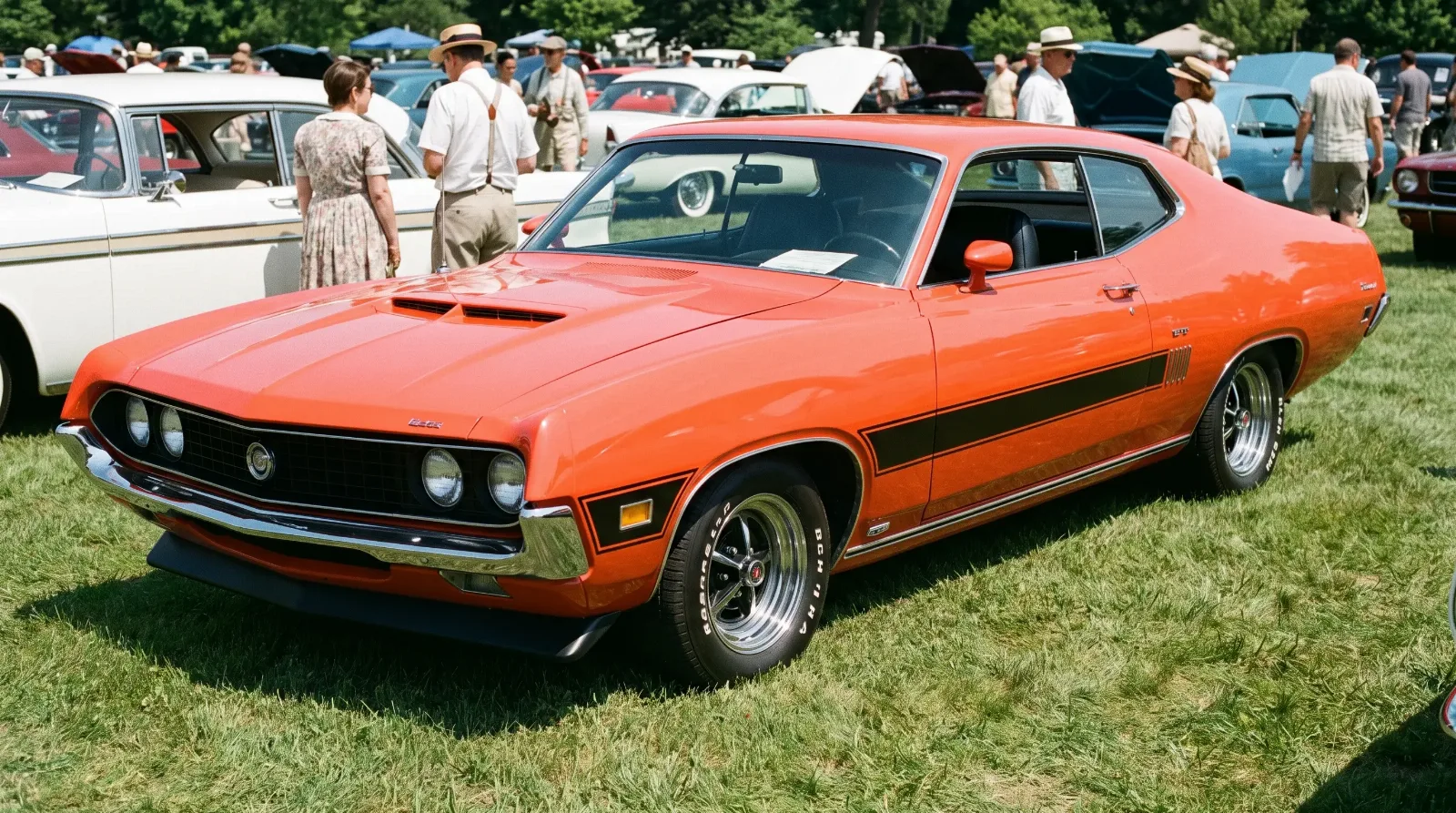
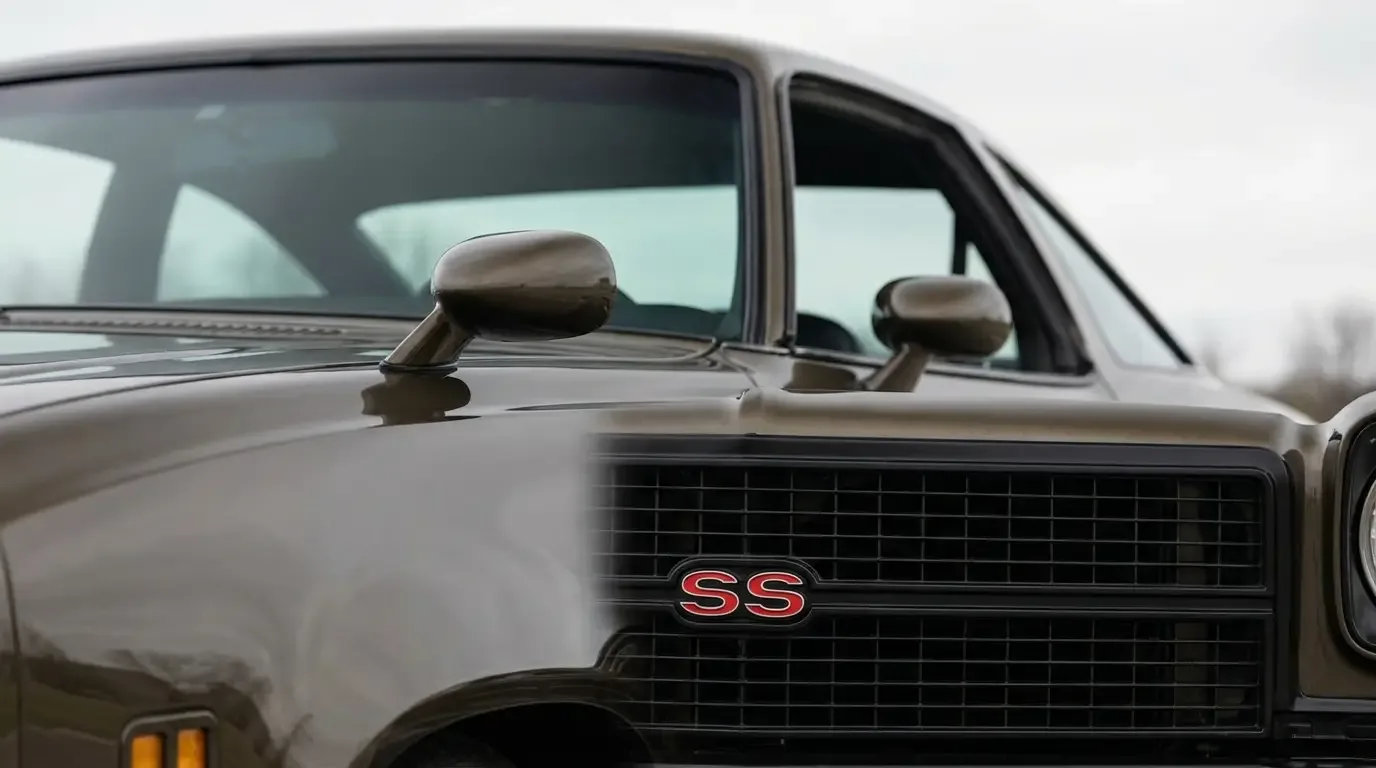
People blame the death of the muscle car on the gas crisis and the insurance companies, and both deserve a share. But there is a third culprit that gets less press, and I see it every time one of these early-seventies cars rolls into the shop. The federal bumper rules. Look at the nose of a 1970 Chevelle and then look at a 1974. Same basic car. Completely different face, and not by choice.
History & Heritage
6 min read
Safety Regulations and the 5-mph Bumper Era
How federal safety rules and the 5-mph bumper standard reshaped early-1970s muscle cars, added weight, and created today's undervalued bargains.
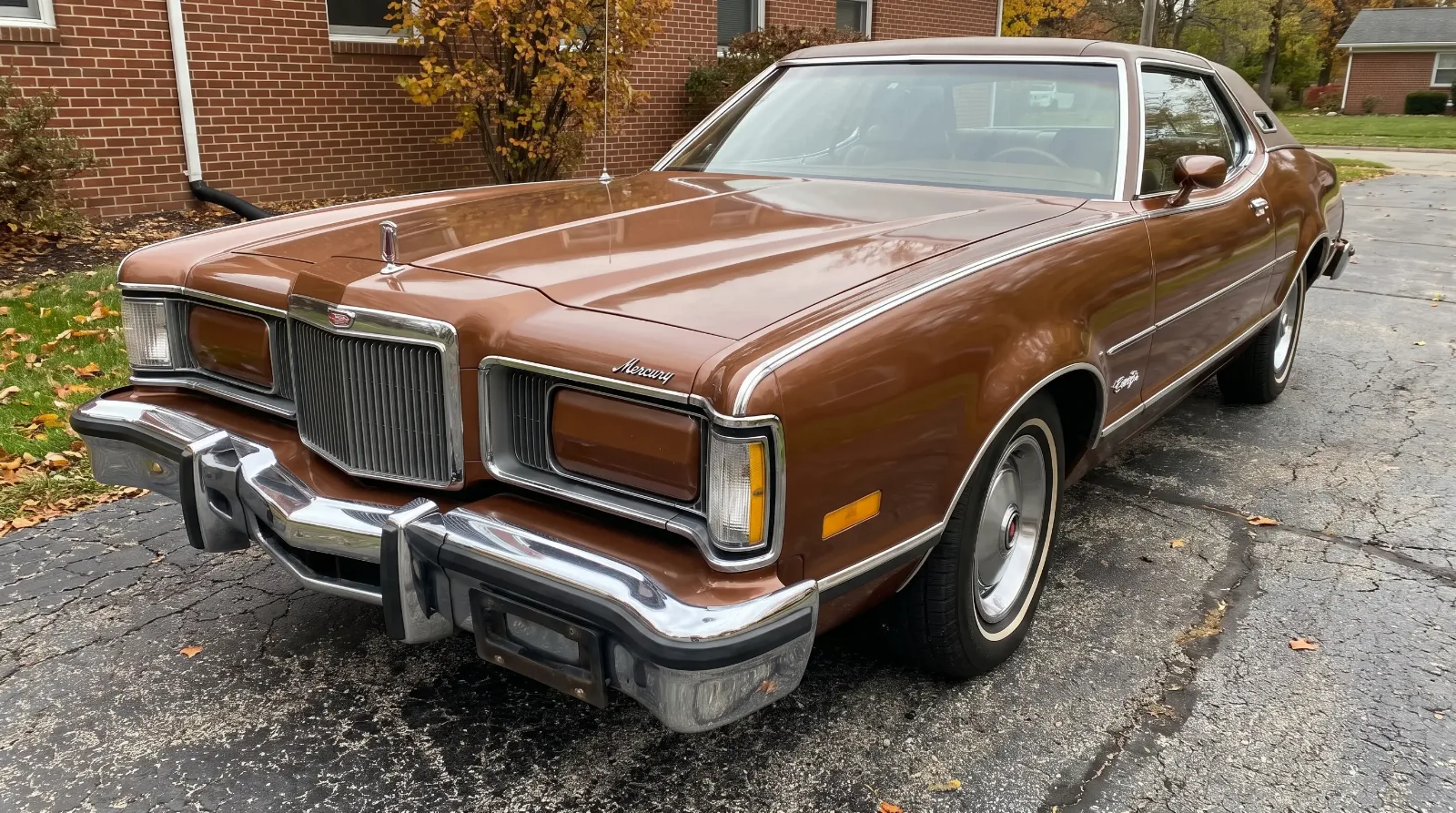
I have pulled apart enough of these to know what those regulations did under the skin, not just on the surface. The chrome got heavier, the mounting got complicated, and a car that used to look lean started looking like it was wearing a catcher's mask. Here is what actually happened.
Where the rules came from
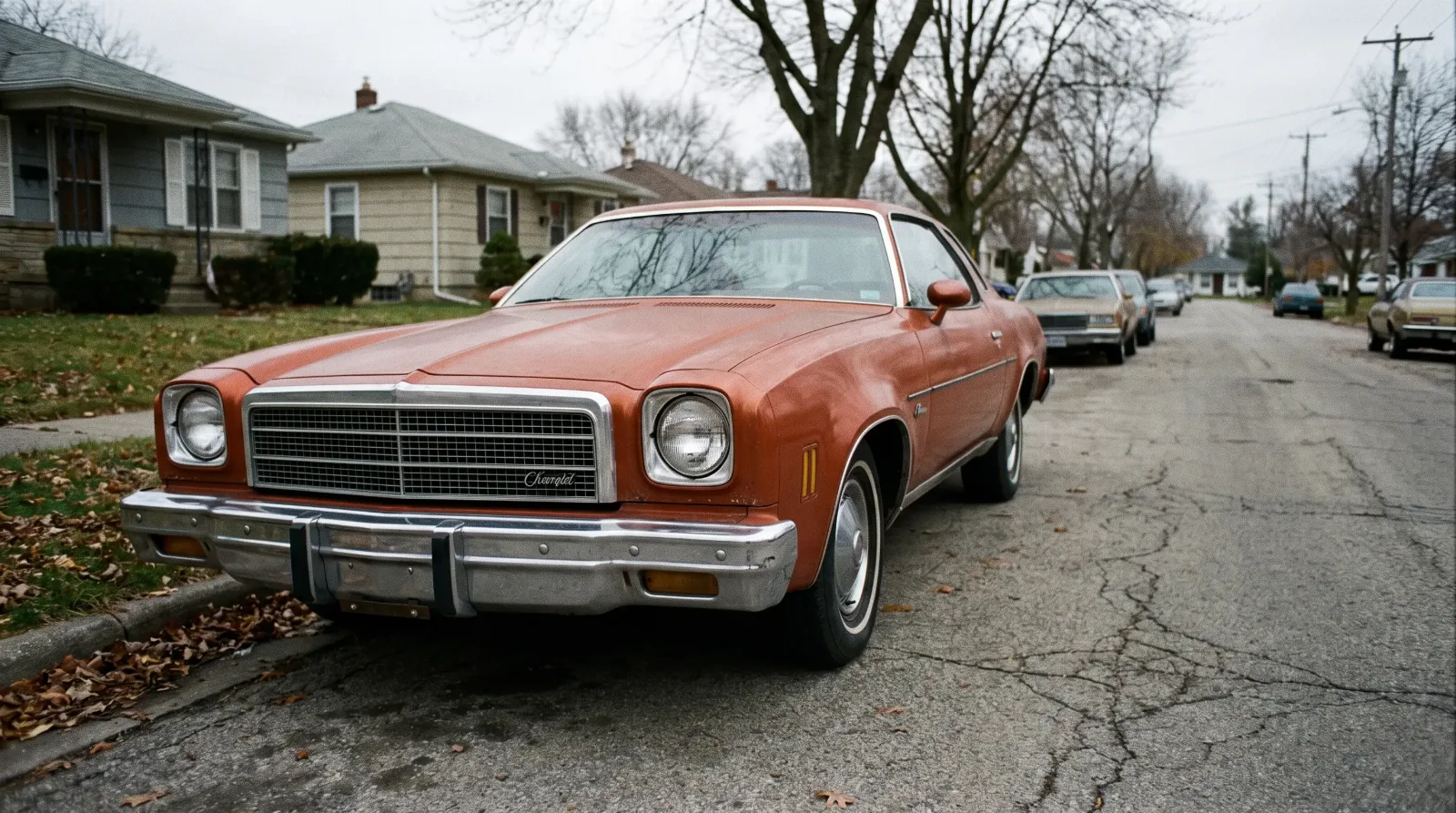
The National Highway Traffic Safety Administration got stood up in 1970, and it came in swinging. Federal Motor Vehicle Safety Standards had already started stacking up through the late sixties. Side marker lights for 1968. Head restraints for 1969. Those were nuisances but they did not change the character of the car. The bumper standard did.
The rule that mattered to muscle car looks was FMVSS 215, the exterior protection standard. It said the bumper had to protect the car's safety equipment in a low-speed hit without damage. That sounds reasonable on paper. In a factory trying to build a fast coupe on a deadline, it meant adding mass and hardware right where the car used to look its best. If you want the wider context on how the era wound down, the the muscle car history breakdown covers the timeline.
The 5-mph standard and what it did to the front end
The standard phased in. For the 1973 model year the front bumper had to survive a 5-mph barrier impact, with the rear held to a lower 2.5-mph number. For 1974 both ends had to take the full 5 mph. To hit that, the engineers bolted the bumper to hydraulic or foam energy absorbers, basically small shock units, and pushed the whole assembly forward off the body.
That is why a 1973 and 1974 car looks like the bumper is standing away from the sheet metal. It is. The battering-ram front end on a 1974 GTO or a big Mopar is not a styling choice anybody at the studio wanted. It is a shock-absorber package doing its federally mandated job. Some divisions hid it better than others. None of them hid it well.
What it cost the cars under the sheet metal
Weight is the enemy of a performance car, and the bumper rules piled it on at both ends. Worse, they added it out past the wheels, where it hurts the way the car changes direction. So you had a car making less power because compression got cut for unleaded fuel, carrying more mass because of the bumpers, and pointed at a buyer the insurance companies had already scared off.
The mounting hardware is its own headache. Those energy absorbers were never built to last fifty years. The hydraulic units leak. The mounting points rust because they trap dirt and water in a spot nobody ever cleans. When one of these cars comes in with a bumper sitting crooked, nine times out of ten it is a seized or blown absorber, not a bent bracket.
Different divisions handled the mandate with different amounts of grace. Some cars got a redesigned front clip that worked the big bumper into the styling. Others just shoved the old bumper forward on brackets and called it done, which is why a 1973 model can look tacked together next to its 1972 twin. The engineers were working against a deadline and a rulebook, not a clean sheet. When you look at one of these cars, you are really looking at how much time and money a given division was willing to spend hiding a federal requirement. That tells you something about where each company's head was at during a rough stretch.
Living with a bumper-era car today
Here is the part that surprises people. The bumper cars are often the bargain of the muscle era. They wear the ugly-duckling reputation, they make less power on paper, and the market has always paid less for them. For a buyer who wants to drive an early-seventies coupe without paying golden-age money, that is an opportunity, not a warning.
"Everybody wants the clean 1970 front end. Fine. But I have watched guys pass on a solid 1974 for half the money because the bumper offends them, then spend two years and real cash hunting the car they walked away from."
Mike Sullivan
Whether one of these even counts as a real muscle car is a fight collectors have been having for years, and you can read the full story on that argument. My take is simpler. The bumpers were federal law, not a lack of nerve at the factory. Judge the car under the chrome, look at the frame, listen for a dead absorber, and you will find some of these mid-seventies cars are honest, drivable, and priced like nobody was paying attention. Because for a long time, nobody was.
Updated October 6, 2026: Corrected the regulation name: the 1973-74 bumper rule was FMVSS 215; the Part 581 bumper standard came later, for 1979.
Related Reading
Have a
Classic Car
for Sale?
Reach thousands of serious classic car collectors across the US.
Sell It Here →
Are You a Classic Car Dealer?
List your full inventory and connect with targeted classic car buyers.
Join as a Dealer →

About the author
Mike Sullivan
Detroit-area muscle car enthusiast and restoration specialist with three decades of hands-on experience working on American iron.
More in History & Heritage
Comments
Be the first to comment on this article.