
Most people blame the emissions rules and the 1973 oil embargo for killing the muscle car, and both did real damage. But the market data points to a quieter culprit that was doing its work earlier and, in some ways, more effectively. The insurance industry priced these cars out of reach of the exact buyers who wanted them, and it did so with cold actuarial logic that no horsepower figure could argue with. By the time the gas lines formed in 1973, the insurers had already done most of the demolition.
History & Heritage
6 min read
How Insurance Surcharges Strangled the Muscle Car
Before the oil crisis, insurance surcharges priced muscle cars out of reach of young buyers. How underwriting math killed the segment.
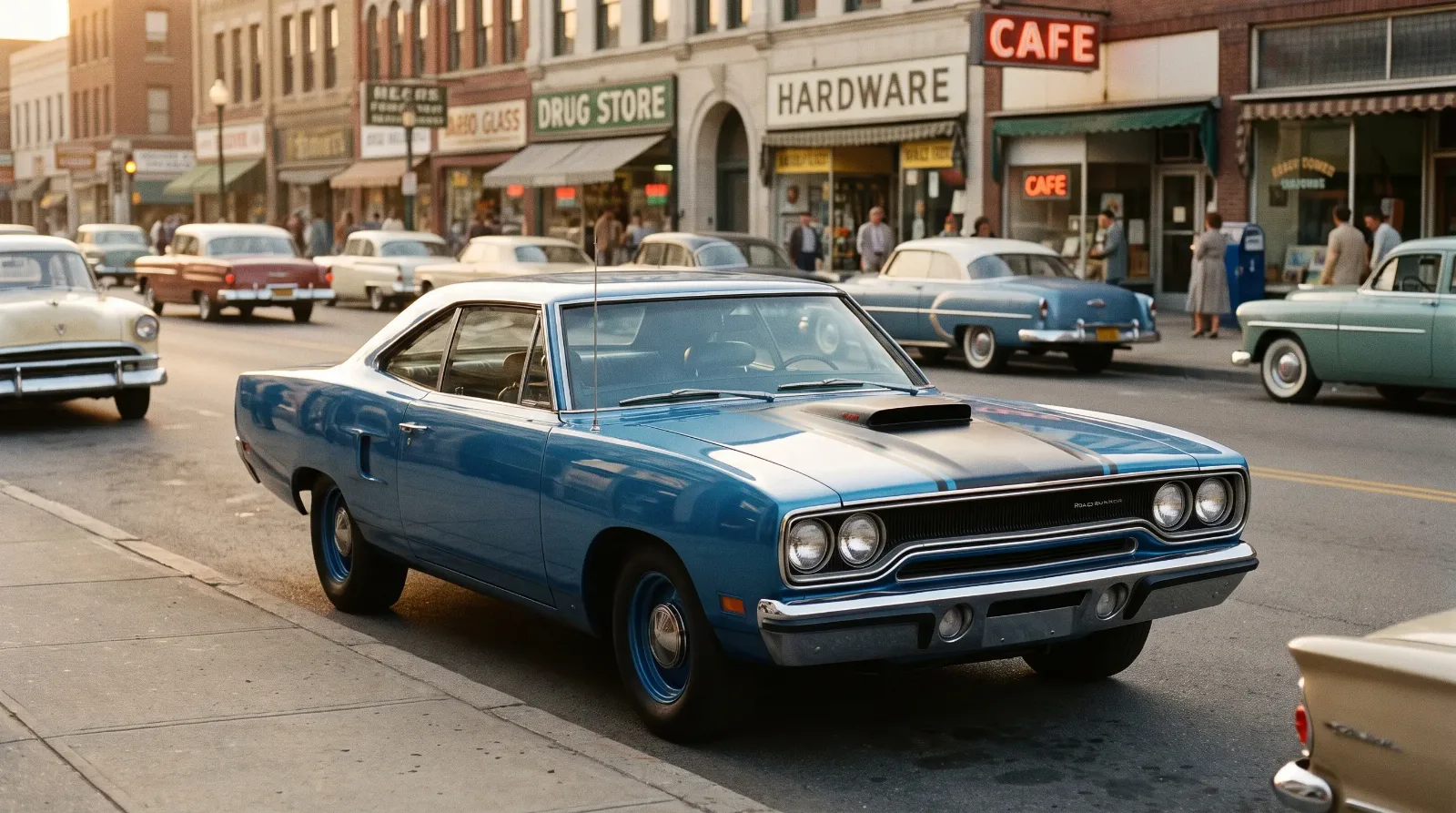
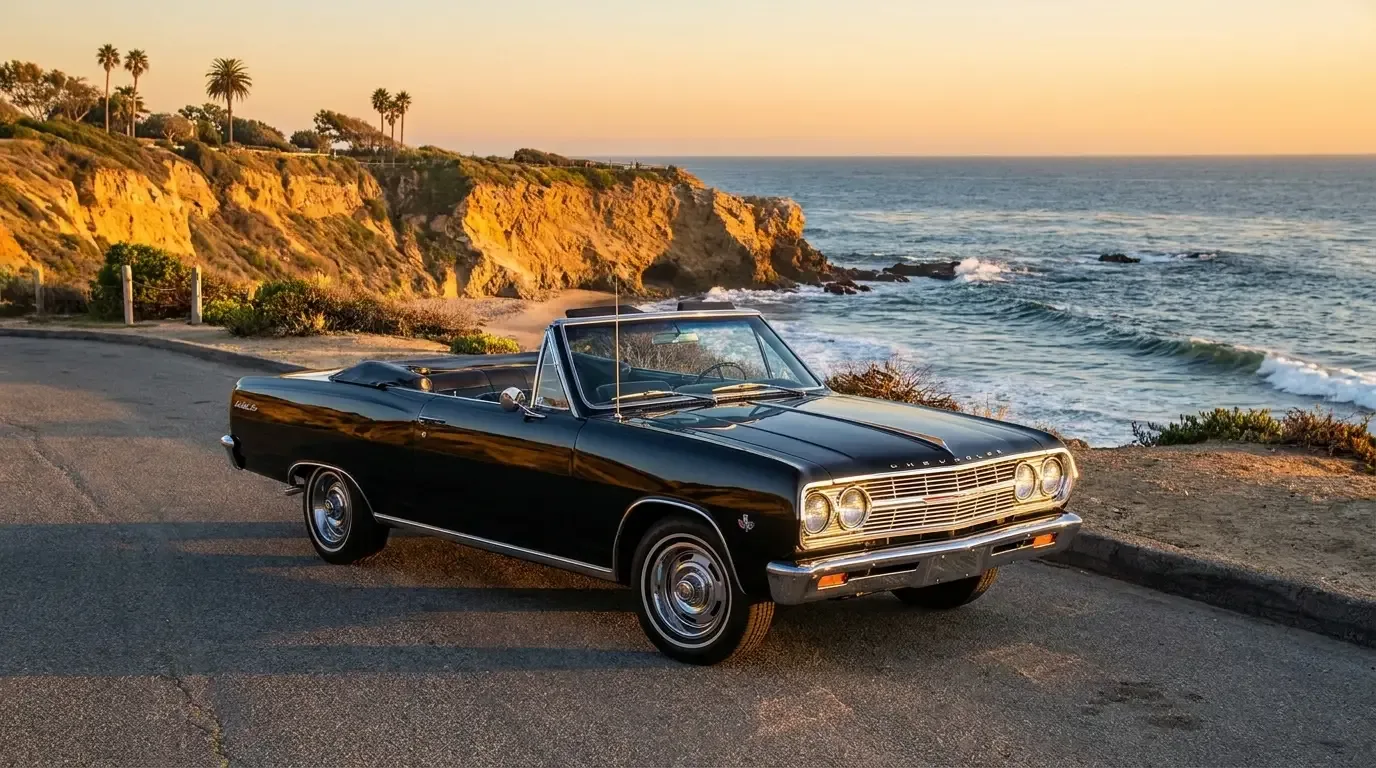
This is a story about numbers, and specifically about a number that had nothing to do with the dyno. A young man could afford the monthly payment on a new 1970 GTO. What he often could not afford was the premium the insurer attached to it. When the cost of coverage rivals the cost of the car, demand does not soften. It collapses. For the wider context, our coverage of muscle car history sets the scene, but the insurance angle deserves its own accounting.
The surcharge nobody saw coming
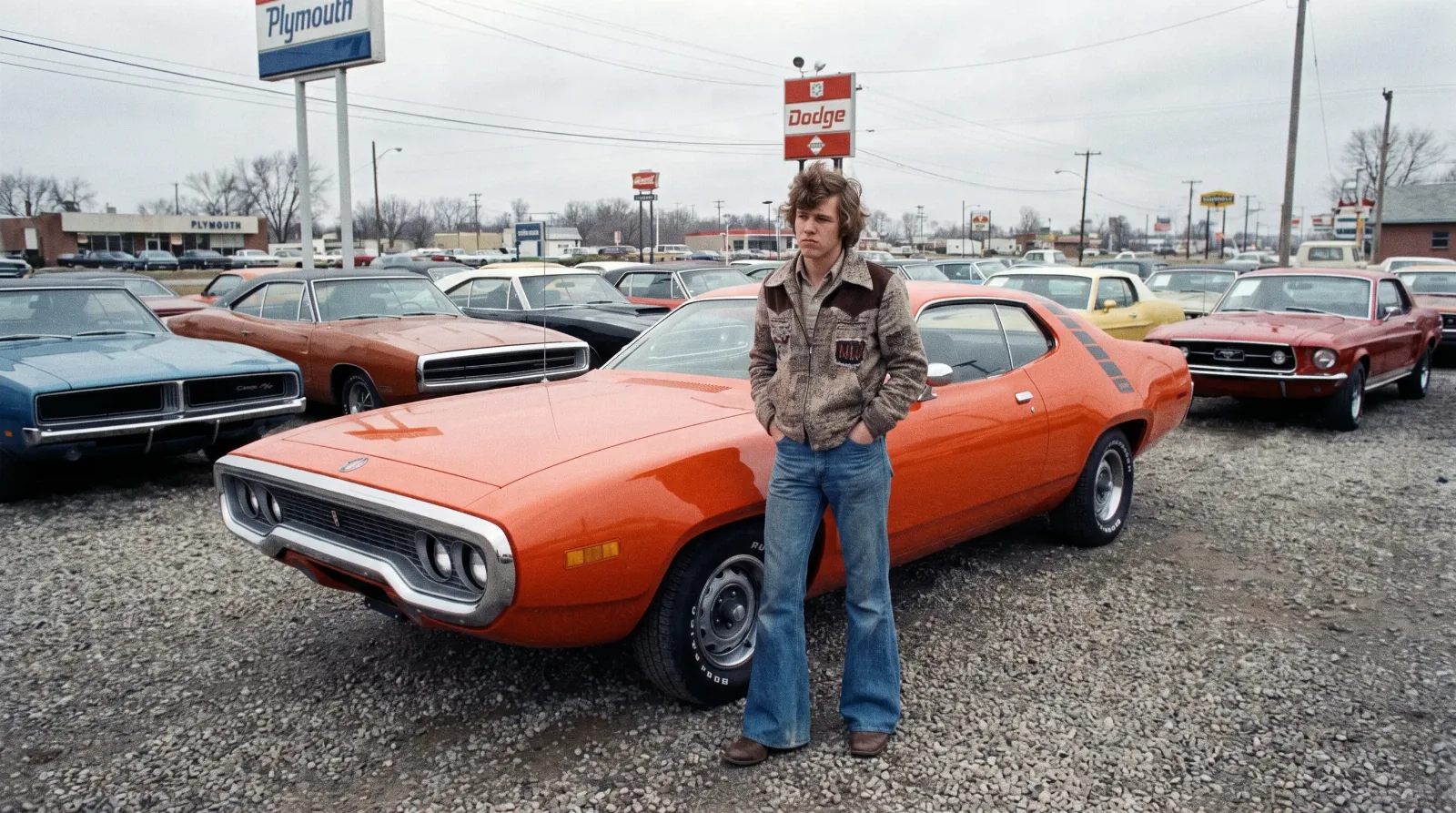
Through the mid-1960s a performance car was insured more or less like any other car. That changed as the decade wore on and the loss data came in. Insurers watched claims pile up on high-output intermediates driven by young men, and they responded the way underwriters always do, by raising the price to match the risk. The surcharge, an added percentage on top of the base premium, became the tool of choice.
What made it lethal was the combination. A surcharge on the car, stacked on top of the already high base rate for a single male under twenty-five, produced premiums that in many cases doubled or worse. The buyer and the car that the whole segment was built around were the two highest-risk inputs in the formula. Put them together and the math turned hostile.
How insurers defined a muscle car
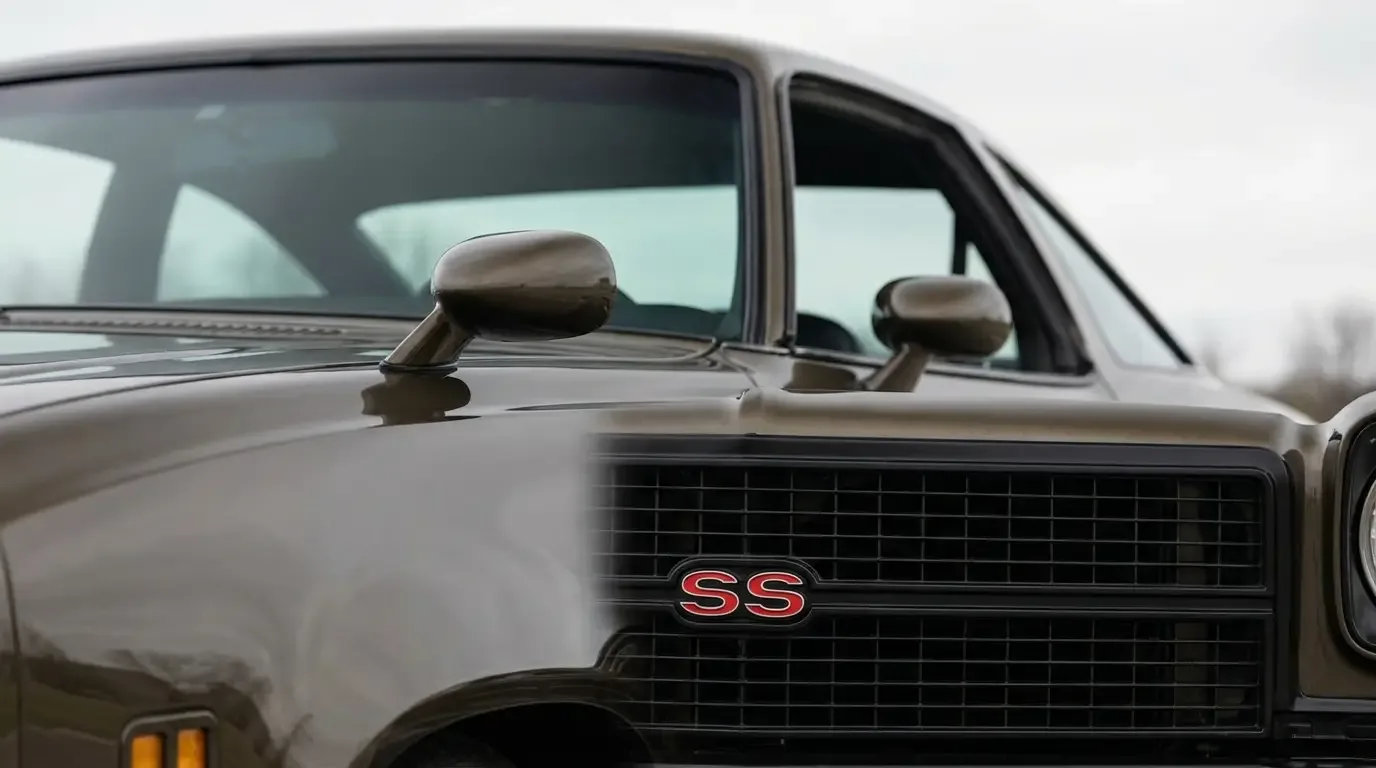
The insurers needed a rule they could apply without arguing about badges, so most leaned on a power-to-weight calculation. A car that carried too few pounds per horsepower got flagged as a performance risk, regardless of what the fender said. That single metric captured almost every car we now call a muscle car, because the whole point of the segment was a big engine in a light body.
Engine displacement and horsepower ratings fed straight into the classification. A big-block intermediate landed in the surcharge bracket automatically. Some carriers went further and simply declined to write certain models for younger drivers at all. The definition was crude, but it was effective, and it caught the cars that mattered most to the market.
| Underwriting input (late 1960s to early 1970s) | Effect on premium |
|---|---|
| Power-to-weight below the carrier's threshold | Performance surcharge applied |
| Single male driver under 25 | Highest base-rate class |
| Big-block or high-output engine option | Automatic risk flag |
| Surcharge stacked on high base rate | Premiums often doubled or more |
What it did to the buyer
Consider the position of the target customer around 1970. He is in his early twenties, single, and he wants the car the advertising was aimed directly at him. The sticker is within reach. Then the insurance quote arrives, and the annual premium approaches or exceeds a meaningful fraction of the car's price. The purchase that made sense on the showroom floor stops making sense in the parking lot.
Buyers are rational under pressure. Faced with that quote, many stepped down to a milder engine, a smaller displacement option, or a pony car with a modest V8 that slipped under the surcharge threshold. Others left the segment entirely. The demand did not disappear so much as it got redirected toward whatever the underwriter would price reasonably.
The market response
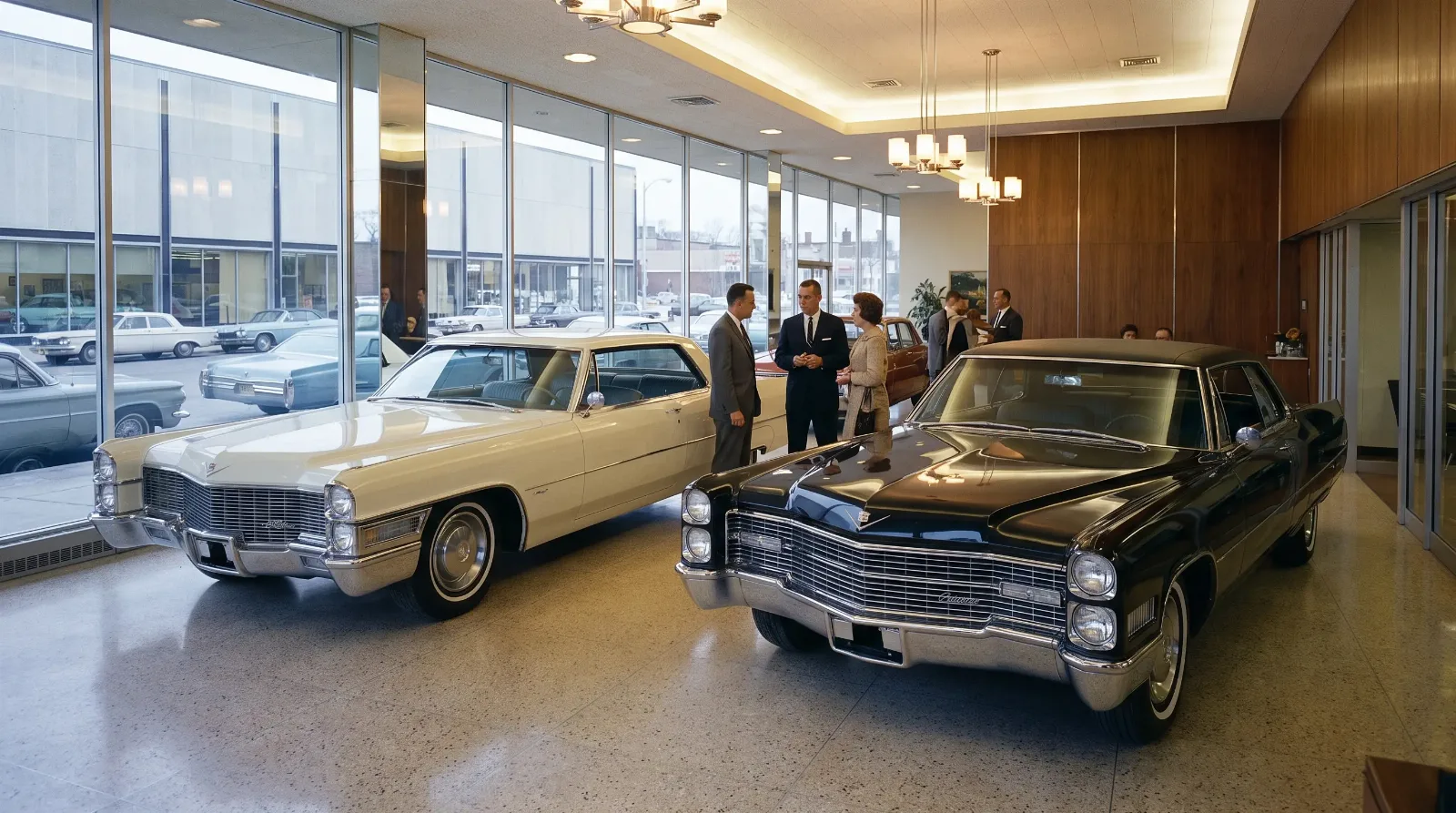
Detroit noticed, because dealers were reporting the same thing across the country: interested young buyers walking away after the insurance conversation. The manufacturers had no direct answer, since they did not set premiums. What they could do was read the trend and adjust the product plan, and by 1971 and 1972 the catalog was already shifting toward lower compression and tamer options for other reasons that happened to align with what the insurers wanted.
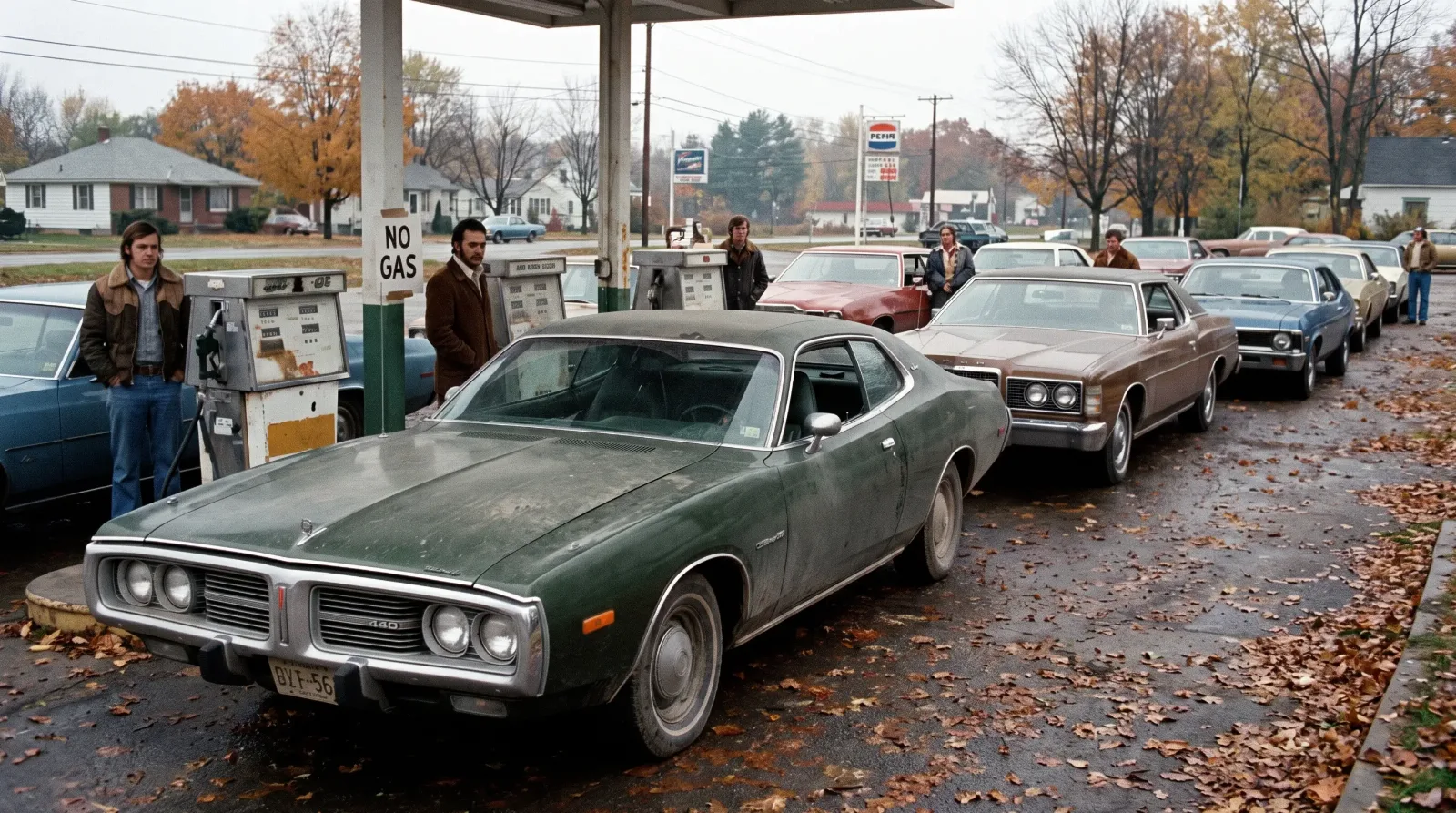
The result was a self-reinforcing decline. Fewer high-output cars sold, which did nothing to improve the loss data, which kept the surcharges in place. Layer on the compression cuts, the net-rating change, and then the fuel shock, and the segment had no path back to its late-1960s peak. You can read the full story of how the 1973 embargo finished what the underwriters started.
"When you study why a market segment dies, you look for the input that changed before the others. In the muscle car case, the insurance surcharge was moving demand a year or two before the fuel crisis ever hit. The embargo gets the headlines. The underwriters did the quiet work."
David Mercer
The lasting distortion
There is a market irony in all of this that shows up at auction today. The cars that were hardest to insure new, the high-output big-block intermediates, are the ones that command the strongest hammer prices now. Scarcity did the collectors a favor. Fewer sold when they were new, fewer survived, and the ones that did carry the premium that the segment's peak years earned.
The insurance chapter is a reminder that a car's fate is rarely decided by the car alone. The 1970 models were as good as the era produced. What changed was the cost of living with one, and that cost came from an actuary's table, not an engineer's. The muscle car did not lose a horsepower war. It lost an underwriting argument, and that argument was over before most enthusiasts realized it had started.
Related Reading
Have a
Classic Car
for Sale?
Reach thousands of serious classic car collectors across the US.
Sell It Here →
Are You a Classic Car Dealer?
List your full inventory and connect with targeted classic car buyers.
Join as a Dealer →

About the author
David Mercer
Classic car market analyst with two decades of experience tracking collector car valuations, auction results, and investment trends.
More in History & Heritage

Comments (1)
B
Barry Hutchins
2 months ago
Good article for someone doing research. Keeps newer buyers from making the same expensive mistakes experienced buyers already made.