
I have pulled apart enough of these engines to tell you the big block was never subtle. It was a lot of iron making a lot of torque, and for about six years Detroit acted like displacement was the only answer to any question. Then it stopped, almost overnight, and a generation of guys who grew up on 454s and 440s spent the next decade wondering what happened. The rise took a while. The fall took about two model years.
History & Heritage
5 min read
The Rise and Fall of the Big-Block Era
How Detroit's big-block V8s climbed to 450 hp by 1970, then collapsed in two model years under fuel rules, insurance, and emissions.
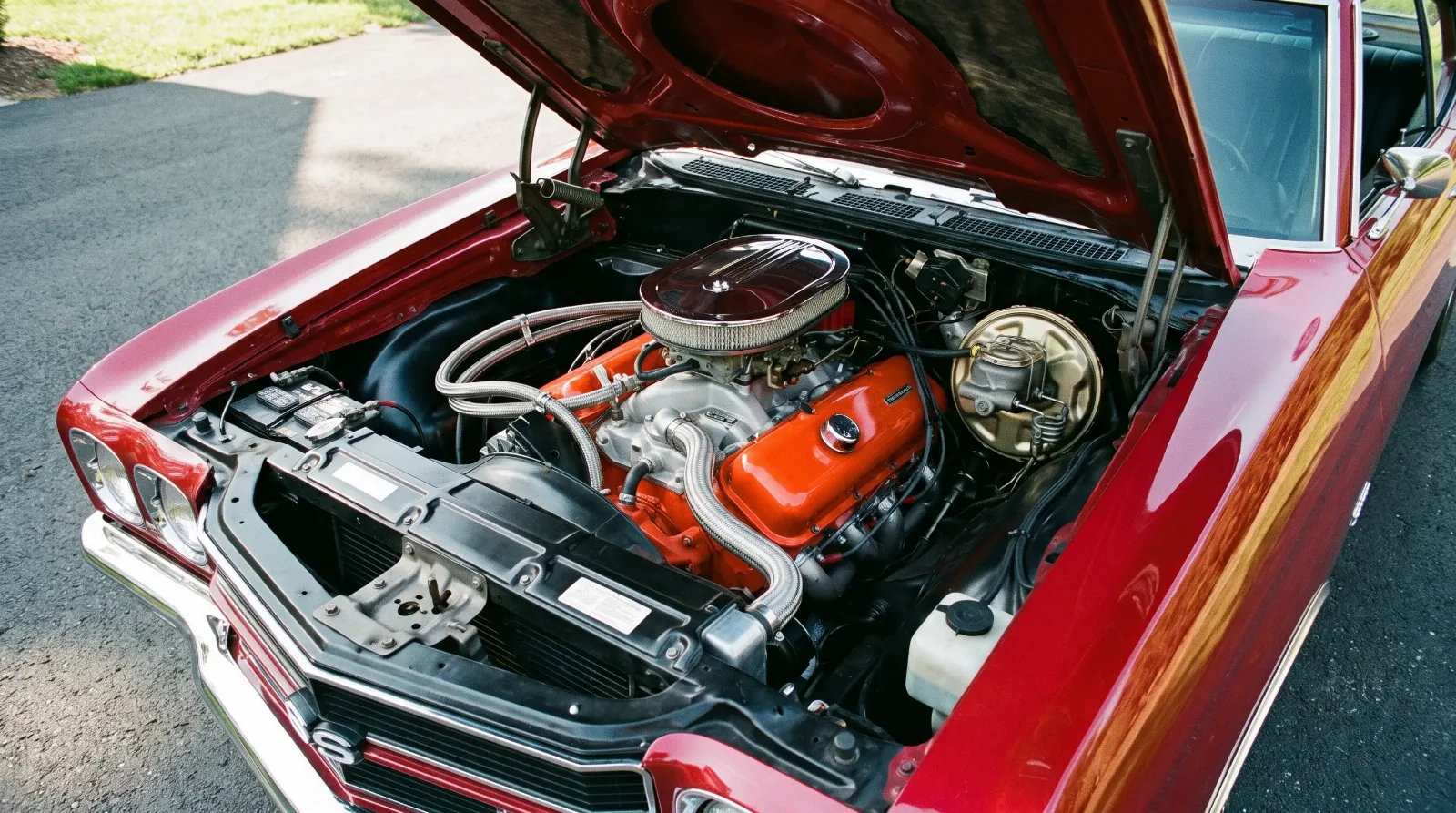
The big-block era is the loud middle chapter of the muscle story. It starts as a horsepower war between divisions and ends buried under fuel rules, insurance bills, and an oil embargo. If you want the whole timeline laid out, there is more on muscle car history in our full breakdown, but this is the part where the engines got as big as they were ever going to get.
What a big block actually is
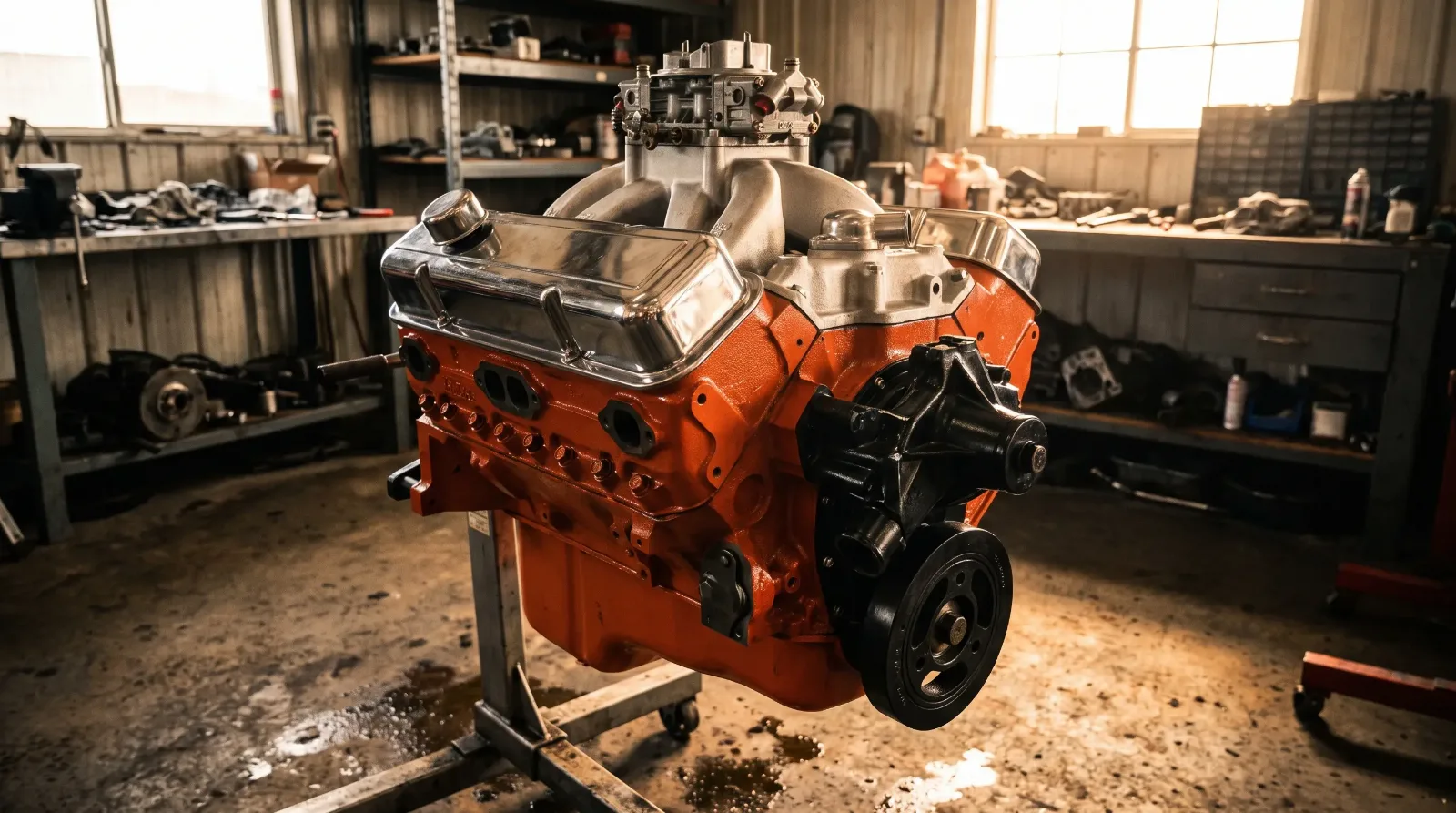
People throw the term around loosely, so let me be plain about it. A big block is a physically larger engine architecture, taller deck, bigger bore spacing, heavier castings, built to swing large displacement. Chevrolet's Mark IV started at 396 cubic inches in 1965 and grew to 402, 427, and finally 454. Chrysler had the B and RB engines, 383 and 440, plus the 426 Hemi in a class of its own. Ford ran the FE family, the 427 and 428, then the 429. Pontiac, Oldsmobile, and Buick each landed at 455.
The point of all that iron was low-end torque. A small block will rev and make power up high. A big block hits you in the chest off idle and pulls like a freight train. That character is exactly what made these cars feel the way they did, and it is why the market still chases them.
The climb from 1965 to 1970
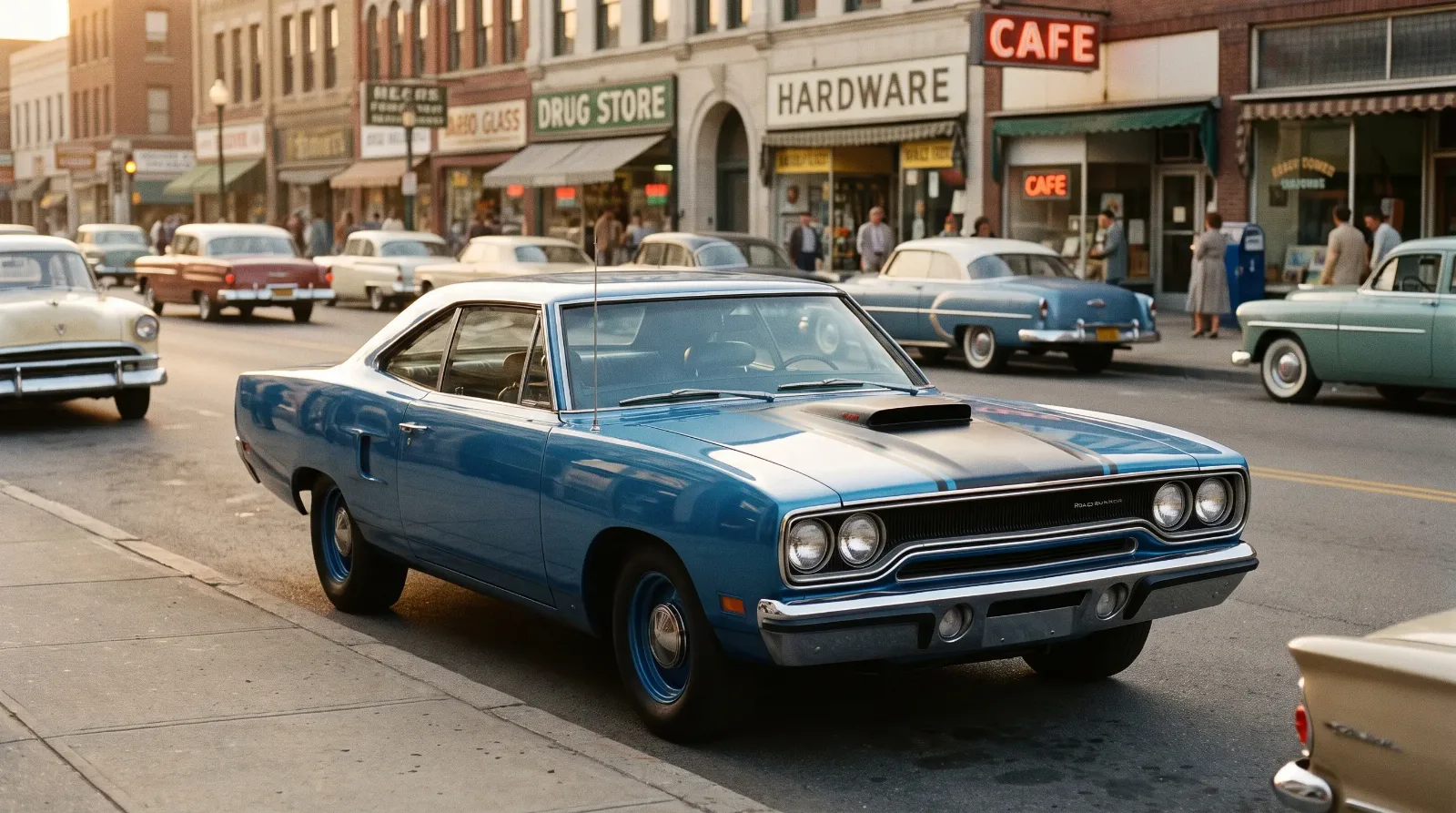
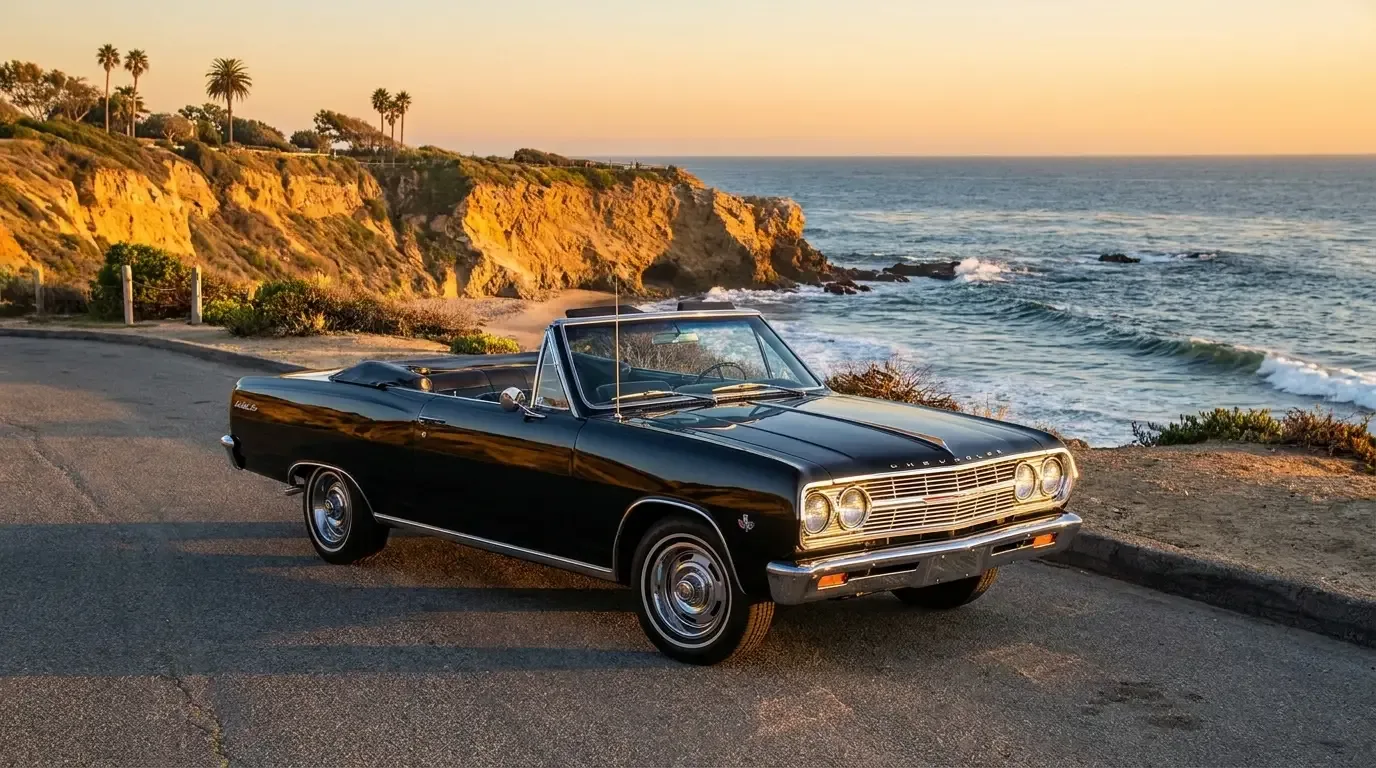
The escalation was quick once it got going. Chevrolet dropped the 396 into the Chevelle in 1965. Chrysler put the 426 Street Hemi in showroom cars for 1966, rated at 425 horsepower on the old gross scale. Ford had its 427s and later the 428 Cobra Jet. Every division was reading every other division's spec sheets and answering with more cubic inches or more carburetor.
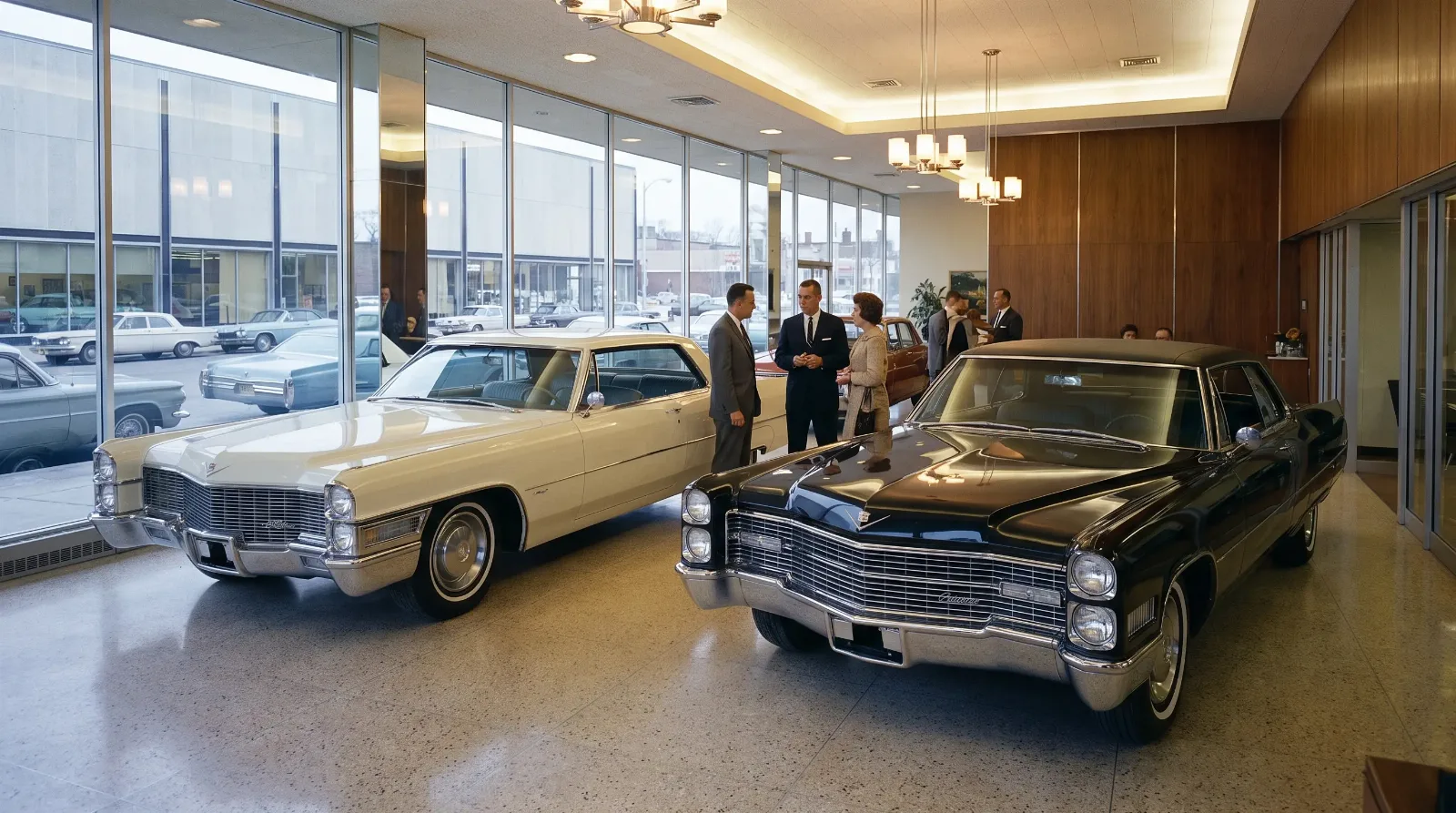
By the end of the decade the arms race was out of control in the best way. You could walk into a dealer and order a mid-size car with an engine that belonged in a truck, and the factory would happily build it. Over at the magazine, the muscle car story walks through how each brand played this, but the pattern was the same everywhere: whatever the other guy did last year, beat it this year.
| Big-block peak engines (1970) | Gross rating |
|---|---|
| Chevrolet 454 LS6 | 450 hp |
| Chevrolet 454 LS5 | 360 hp |
| Chrysler 426 Hemi | 425 hp |
| Buick 455 Stage 1 | 360 hp, 510 lb-ft |
| Ford 429 Cobra Jet | around 370 hp |
When the numbers peaked
1970 was the top of the mountain, and everybody who was there knows it. Chevrolet's 454 LS6 carried a factory gross rating of 450 horsepower in the Chevelle. Buick's 455 Stage 1 quietly made 510 pound-feet of torque, which is a number that still gets your attention. Olds had the W-30 442. Chrysler had the 440 Six Pack and the Hemi. Pick a division, and 1970 was the year its engine catalog looked the most ridiculous.
Those gross ratings need a caveat, because they were measured on a test stand with no accessories, open exhaust, and optimal tuning. Real installed output was lower. Still, even discounting the number, a 1970 LS6 Chevelle was a genuinely violent car, and there was nowhere higher to go. The ceiling had been reached, and the room was about to get smaller.
What actually killed the big block
It was not one thing. It was four, and they arrived close together. First, in 1971 General Motors dropped compression across the board so its engines could run on low-lead fuel, ahead of the coming emissions hardware. Lower compression means less power out of the same displacement, plain and simple. Second, for 1972 the industry switched from gross to net horsepower ratings, so the numbers on paper fell even where the engine had not changed much.
Third, the insurance companies figured out how to price these cars out of reach, and that mattered as much as any engineering change. Young buyers were the whole market, and surcharges made a big-block car cost a fortune to insure. You can read the full story of how that surcharge math strangled demand. Fourth, the 1973 oil embargo turned a thirsty engine into a liability at the pump. Add it up and the big block had no room left to live.
"The big block did not die because it got slow. It died because everything around it got expensive at the same time. Fuel, insurance, emissions gear. The engine was still willing. The world just stopped paying for it."
Mike Sullivan
What survives today
The good news for anybody working on these now is that the iron was built tough, and a lot of it survived. A correct big-block car with matching numbers is the blue chip of this hobby, and the 1970 cars sit at the top of that pile. The parts support is strong, the community knows these engines cold, and a well-sorted 454 or 440 will still pull hard on a back road.
If you are looking to own one instead of just reading about them, you can shop muscle cars for sale and see where the market sits today. The big-block era was short, and that is exactly why the survivors matter. Detroit only built these at full strength for a handful of years, and it never quite went back.
Related Reading
Have a
Classic Car
for Sale?
Reach thousands of serious classic car collectors across the US.
Sell It Here →
Are You a Classic Car Dealer?
List your full inventory and connect with targeted classic car buyers.
Join as a Dealer →

About the author
Mike Sullivan
Detroit-area muscle car enthusiast and restoration specialist with three decades of hands-on experience working on American iron.
More in History & Heritage
Comments
Be the first to comment on this article.