
Start this conversation at any car show in the country and you will lose an afternoon. Point at a 1969 Camaro and call it a muscle car, and somebody in a folding chair will tell you it is a pony car. Point at a 1966 Chrysler 300 and call it something else, and a different guy will tell you it had muscle before the word existed. Everyone is a little bit right, which is exactly why the fight never ends.
History & Heritage
6 min read
What Counts as a 'True' Muscle Car?
What is a muscle car really? The mid-size body and big-V8 definition, why pony cars and full-size cars spark the debate, and where the line falls.
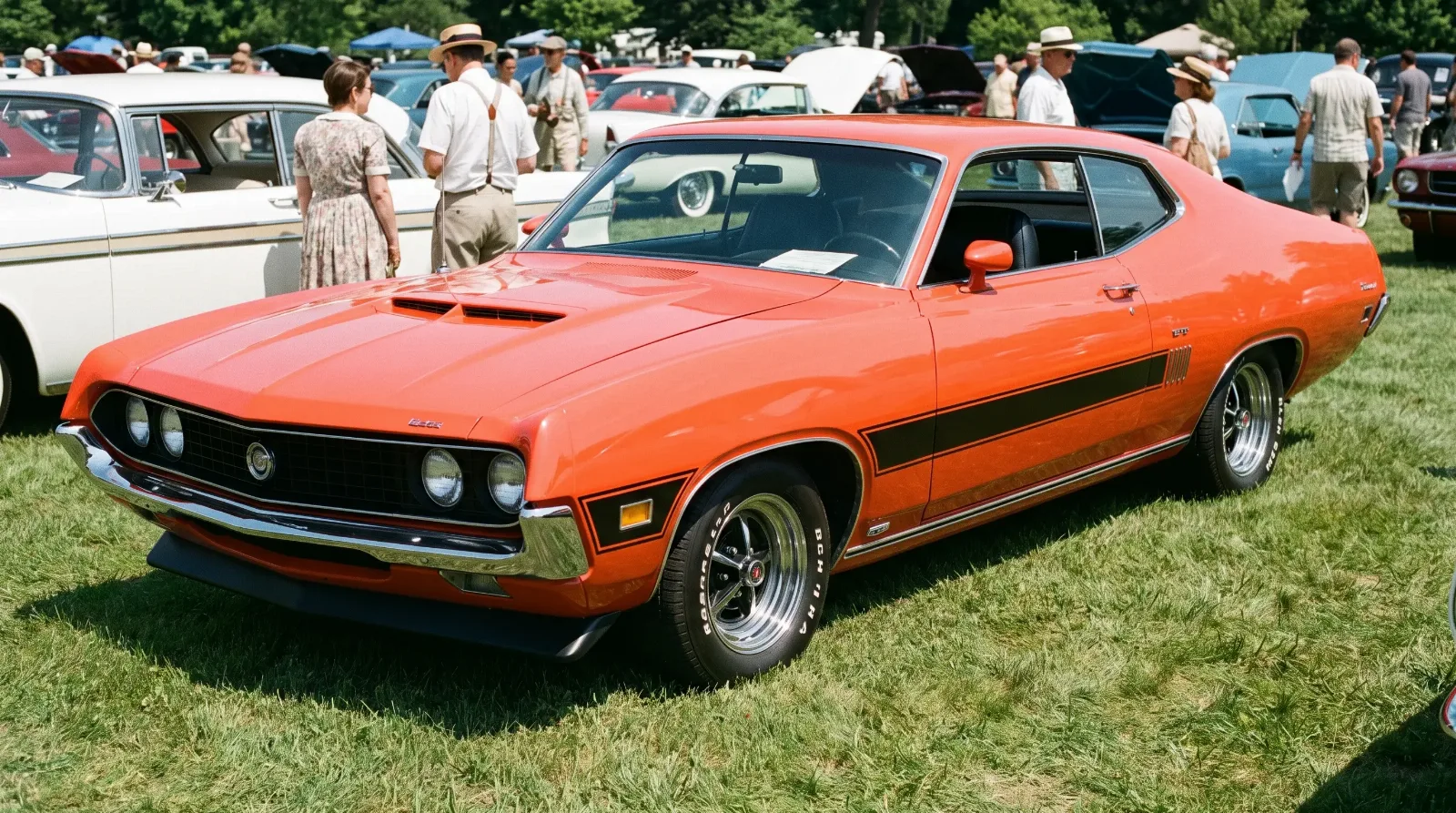
I have had this argument in parking lots from Carlisle to Pomona, and I have come to believe the definition is not as slippery as people make it. There is a real answer. It just has edges, and the edges are where the fun is.
The one-sentence definition most people accept
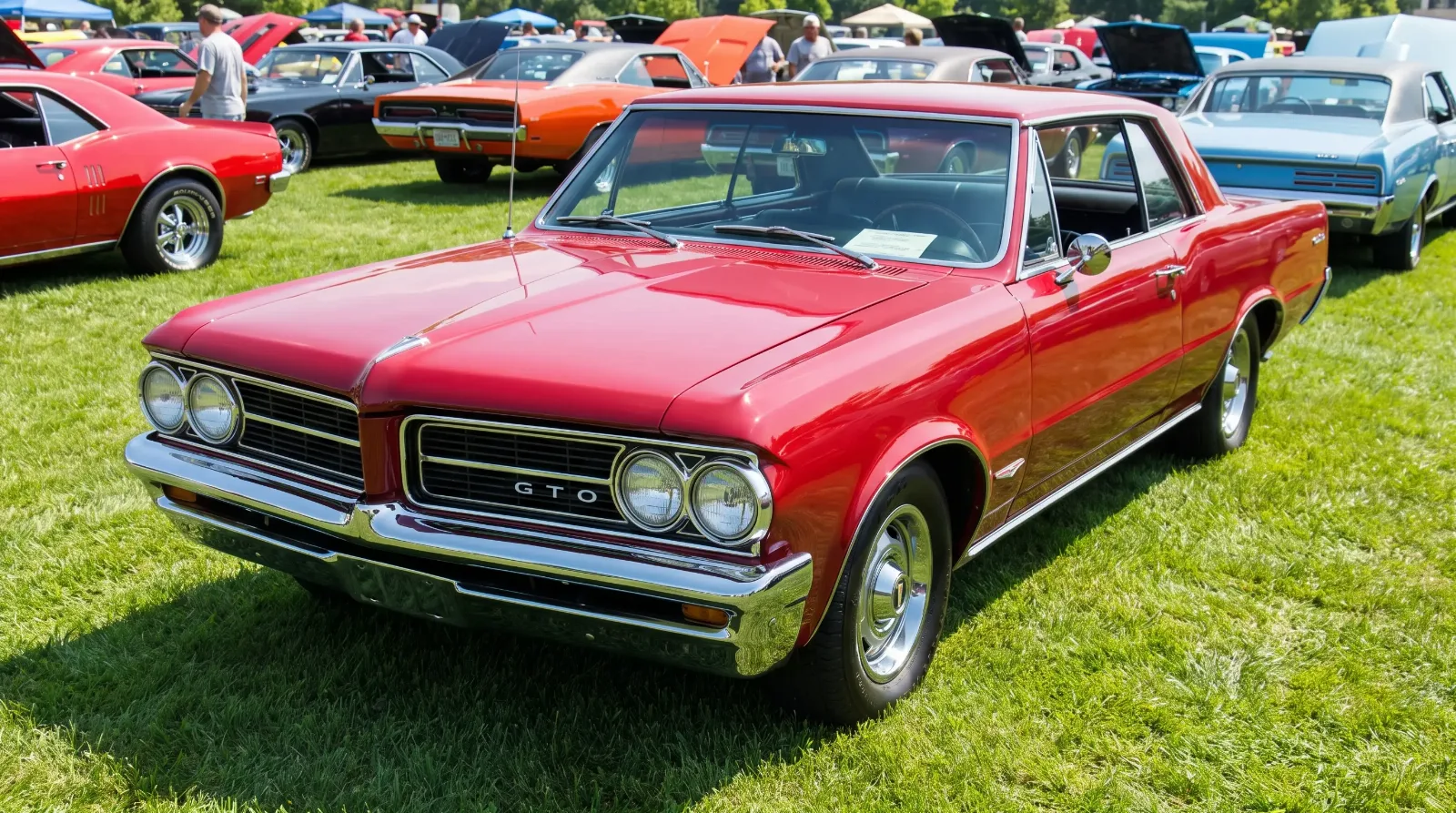
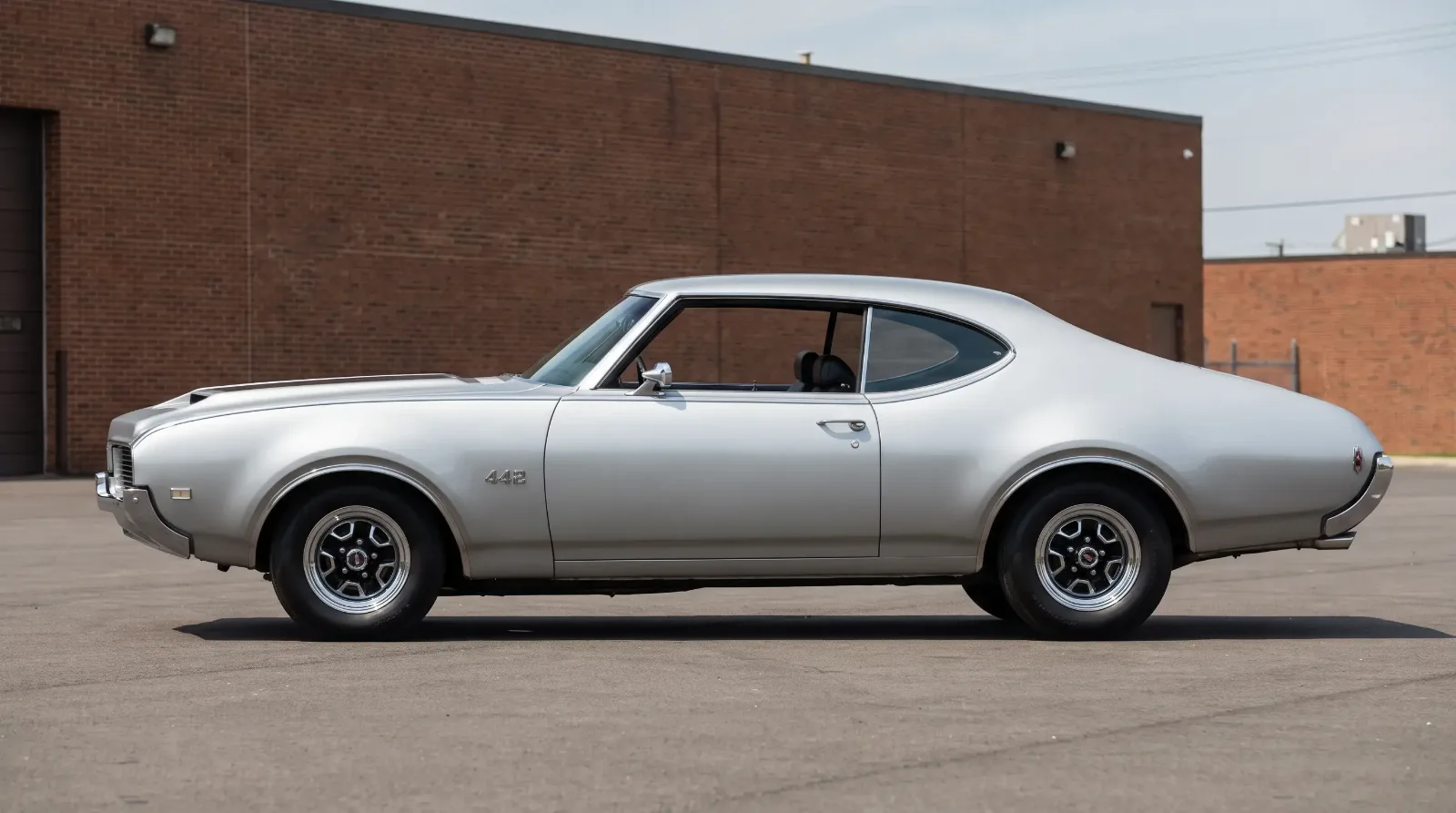
Here is the version most historians will sign off on. A muscle car is an affordable, mass-produced, mid-size American car fitted with a large-displacement V8 built for straight-line speed. That is it. Affordable, intermediate body, big engine, made in numbers a regular buyer could reach. The 1964 Pontiac GTO is the car everyone points to as the one that nailed all four at once.
Every word in that sentence is doing work. Affordable rules out the exotics. Mid-size rules out the big cruisers. Large V8 rules out the economy stuff. Mass-produced rules out the one-off specials. If you want the whole arc of how the recipe came together, understanding muscle car history lays out the timeline better than any parking-lot debate ever will.
The engine and the body: the two non-negotiables
If you strip the definition down to what actually cannot be waived, it comes to two things. A big engine and a mid-size body. The whole idea was born when Pontiac dropped its 389 into the intermediate Tempest and sidestepped a corporate rule about engine size in the smaller cars. Take the big engine out and you have an ordinary family coupe. Put that same engine in a full-size sedan and you have something older and heavier that predates the muscle idea.
The magic was the mismatch. Too much engine for the platform, sold cheap to a young buyer. That tension is the thing. A car that had the right badge but a small V8 and a soft suspension was never really in the club, no matter what the brochure promised.
Where the arguments start
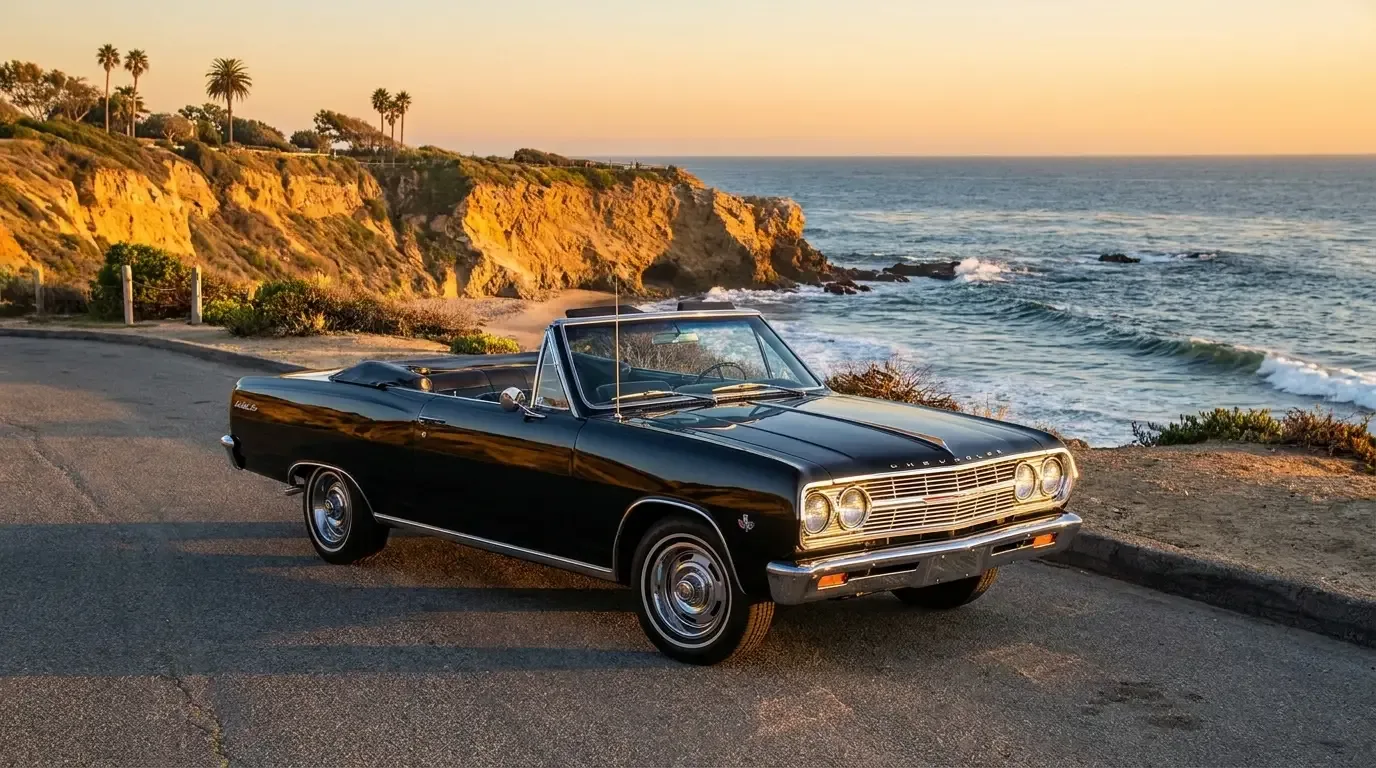
Now the edges. The first and loudest fight is pony cars. A Mustang, a Camaro, a Firebird, a Barracuda. These were built on smaller compact platforms with long hoods and short decks, aimed at a slightly different buyer. When they got the big engines, a Boss 429 Mustang or a Hemi Cuda, they blur the line badly. Plenty of people call them muscle cars anyway. The purists put them in their own category, and they have a point about the body size.
| Type | Body | Classic example | In the club? |
|---|---|---|---|
| Muscle car | Mid-size intermediate | 1964 Pontiac GTO | Yes, the archetype |
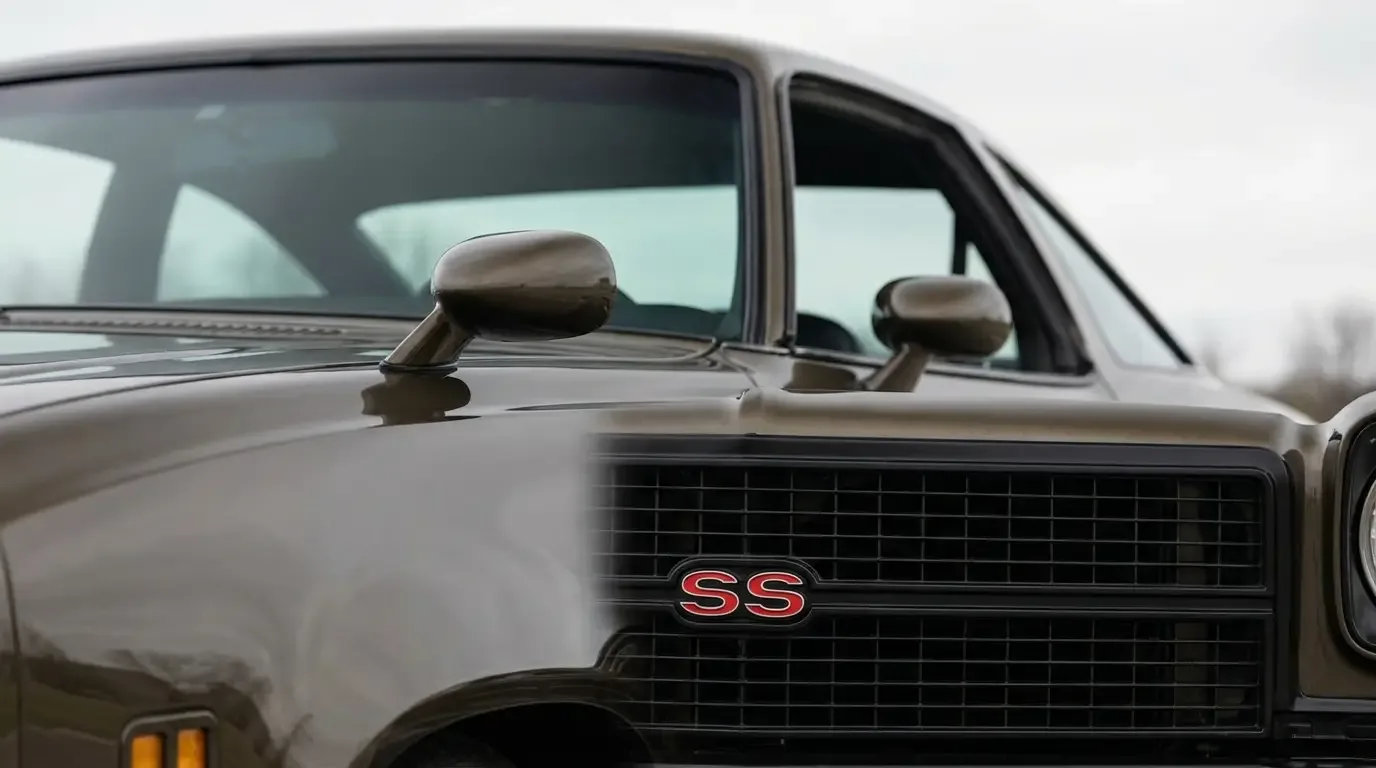
| Pony car | Compact, long hood | 1967 Camaro SS | Debated, often yes |
| Full-size performance | Large body | 1966 Chrysler 300 | Predates the idea |
| Sports car | Two-seat, handling-focused | Chevrolet Corvette | No, different mission |
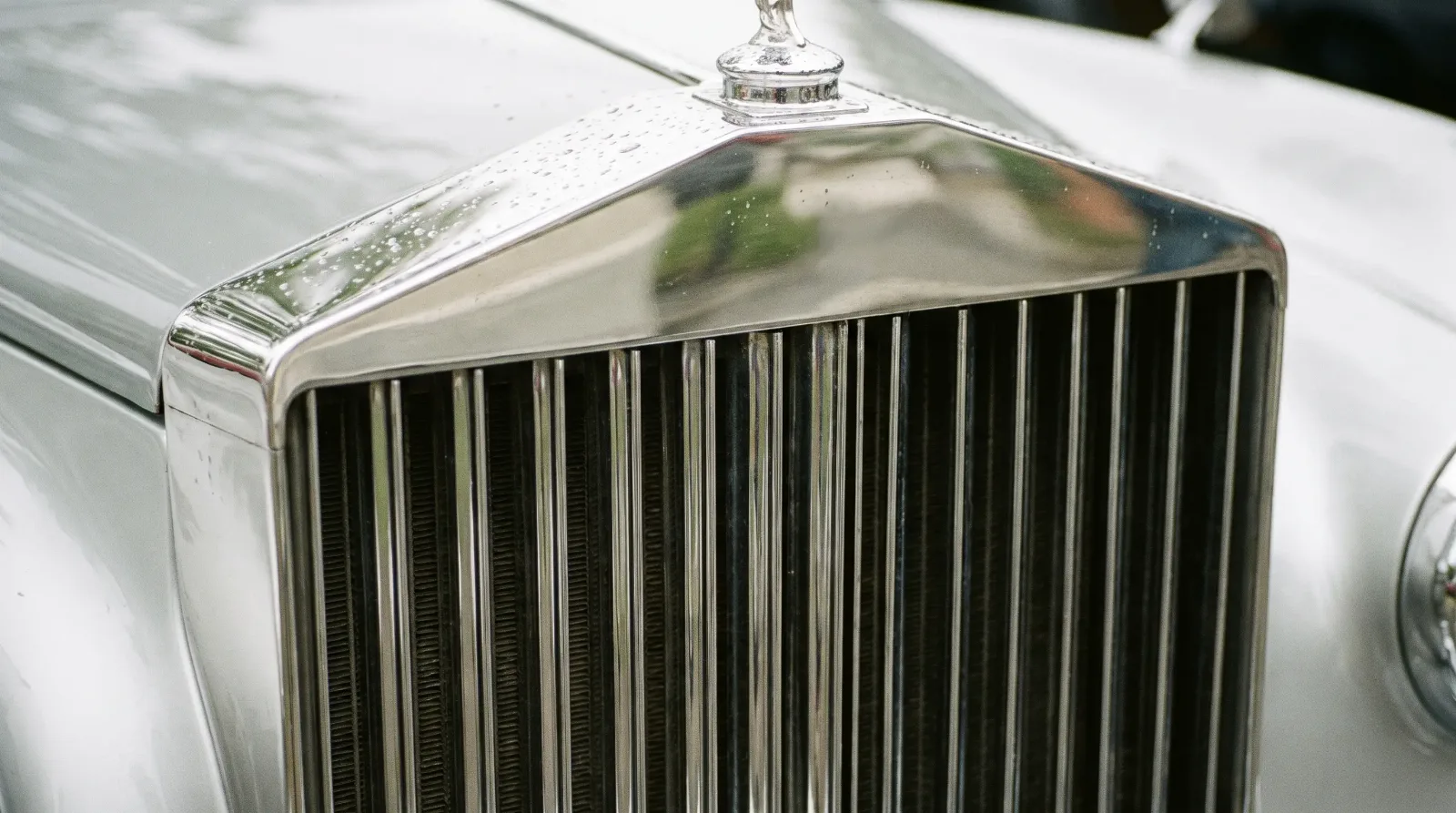
The second fight is the full-size cars. A 1966 Chrysler 300 or an early Impala SS 409 had huge engines and real speed. But they were big, heavy, and built before the mid-size formula took over, so most historians treat them as ancestors rather than members. The third fight is the sports cars. A Corvette is fast and American, but it was built to corner and stop, not just to launch, and it only ever had two seats. Different mission entirely.
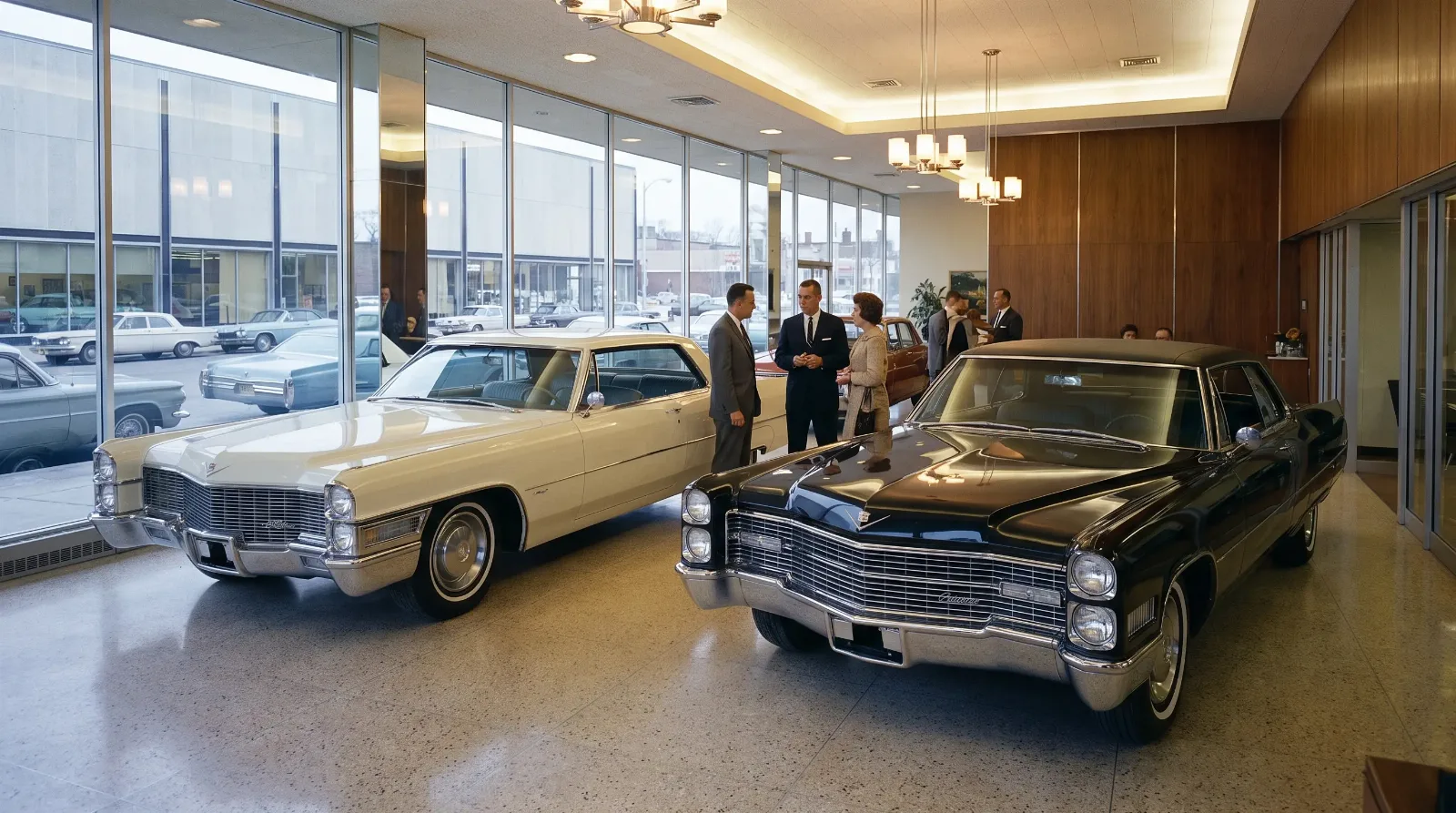
Then there are the personal luxury cars, the Grand Prix and the Monte Carlo and their kin. Some of them shared a platform with genuine muscle cars and could be ordered with big engines. But they were sold on comfort and style, not straight-line speed, and the buyer was older and had more money. Close relative, wrong intent. The muscle car was always about doing the most with the least, a cheap body and a big cheap engine. The moment a car got soft and expensive, it left the family, even if the engine stayed the same.
"The definition is not there to keep people out. It is there so we all know what we are talking about. When I say muscle car, I want you to picture the same thing I do, an intermediate coupe with too much engine and a price a kid could afford."
Patrick Walsh
Why the size question keeps coming up
The reason the intermediate-body rule matters so much is that it is the one line that actually separates the categories cleanly. Full-size cars had the engines but not the balance. Compacts and pony cars had the balance but a different body brief. The mid-size sat right in the middle, and that middle is where the whole segment lived. If you want to see exactly how the platform size shaped the argument, you can read the full story on that divide.
Why the definition even matters
You could shrug and say who cares, a fast old car is a fast old car. But the definition matters to the people who buy, judge, and value these cars. A show class needs a boundary. An auction description needs to be honest. And a buyer walking up to a car with a big engine badge deserves to know whether the thing under the hood was ever really part of the story or just borrowed the look later.
My rule of thumb is loose but useful. If it is a mid-size American car, built in real numbers, sold at a price a working person could manage, and carrying a V8 clearly too big for the platform, it is a muscle car. Everything else is a cousin, and the cousins are welcome at the show. For the full sweep of how all of it fits together, the complete muscle car story is the place to start. Then go find your own folding chair and pick a fight. That part never gets old.
Related Reading
Have a
Classic Car
for Sale?
Reach thousands of serious classic car collectors across the US.
Sell It Here →
Are You a Classic Car Dealer?
List your full inventory and connect with targeted classic car buyers.
Join as a Dealer →

About the author
Patrick Walsh
Automotive journalist covering classic car shows, events, and the enthusiast community across North America.
More in History & Heritage
Comments (1)
R
Rick Fontaine
2 months ago
Helpful breakdown. The bit about what to actually prioritize at inspection is the part most buyers learn the hard way if they don't read something like this first.