
The Malibu Classic didn't replace anything so much as it absorbed a job the Chevelle had never really had before. Through the muscle years, the Chevelle line was built around the SS, and everything else in the lineup existed mostly to make the SS look good by comparison. By the middle of the Colonnade run, that arrangement had flipped. The Malibu Classic became the car Chevrolet actually wanted to sell in volume, and the record backs that up. It's worth understanding on its own terms, not as a footnote to the Colonnade and Laguna years, but as the trim that quietly kept the whole Chevelle line profitable while the performance models faded.
History & Heritage
6 min read
Malibu Classic: The Chevelle Goes Personal-Luxury
How the Malibu Classic trim redefined the Colonnade-era Chevelle, what separated it from base Malibu, and why it outsold every performance variant.
How the Classic trim came to be
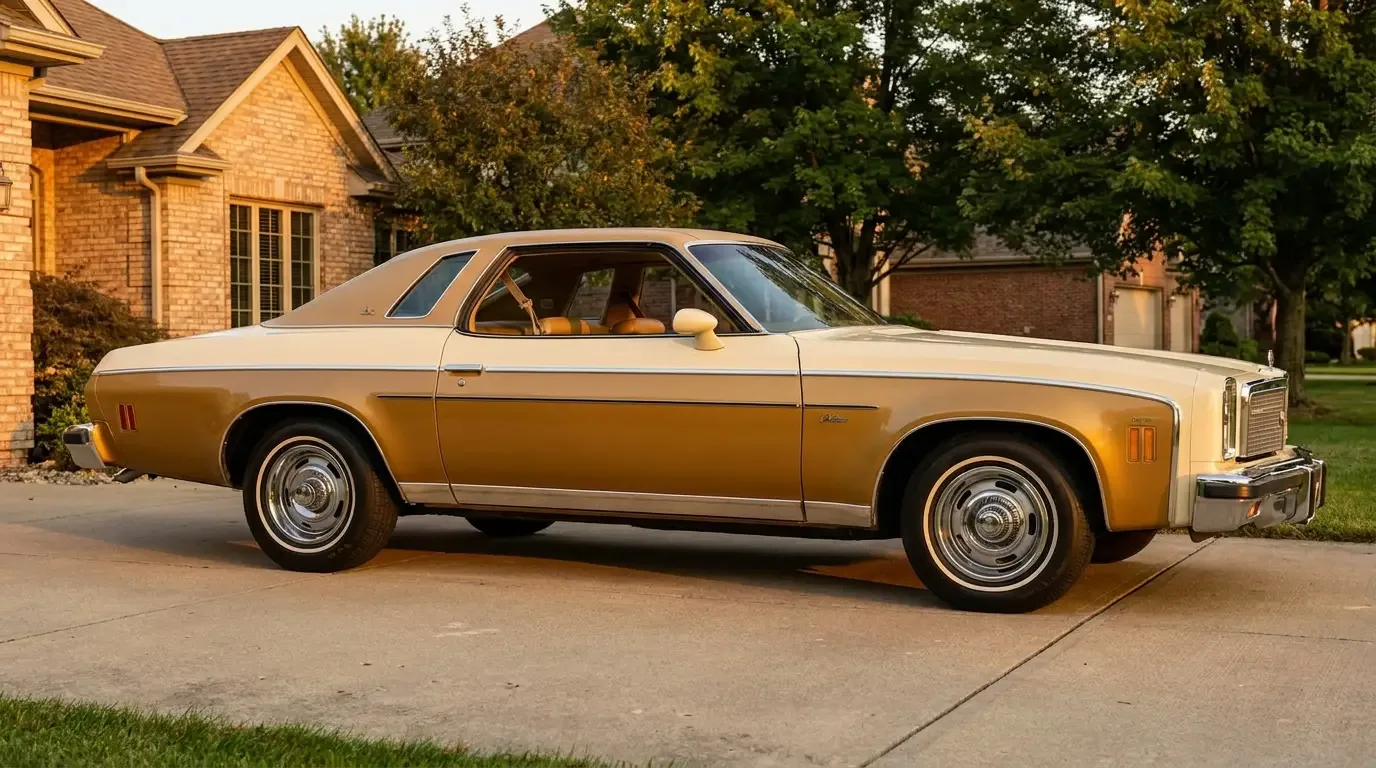
Malibu had been a Chevelle trim level since the mid-1960s, sitting above the base Chevelle 300 and Deluxe models but below the SS package. When the Colonnade body arrived for 1973, the top spot in the lineup actually belonged to Laguna, positioned above Malibu the same way it had been late in the previous generation. Malibu Classic arrived a year later, for 1974, stepping into that top-trim position as the base Deluxe series was dropped and Laguna narrowed into the coupe-only Laguna Type S-3. The Classic added brightwork the standard Malibu didn't get, a nicer instrument panel appearance, upgraded seat trim, and eventually a broader menu of comfort options that included items like the swivel bucket seats Chevrolet was pushing hard across its personal-luxury offerings that decade. It wasn't a performance trim and never pretended to be. It was Chevrolet's answer to what a Cutlass Supreme or a Grand Prix had already proven buyers wanted: a mid-size car that felt a step above ordinary without stepping up to a full-size price tag.
The Classic name carried through both the two-door Colonnade coupe and the four-door sedan, plus the Malibu Classic Estate wagon, giving Chevrolet a spread across body styles from 1974 on that the sportier trims never really matched. That range is a big part of why Malibu Classic production numbers dwarf anything the Laguna Type S-3 or the fading SS package managed during the same years, though exact year-by-year Classic-specific breakouts aren't something Chevrolet's public records make easy to pin down with confidence. Treat any single production figure for this trim as approximate unless it comes from a documented build sheet for that specific model year.
What separated a Classic from a standard Malibu
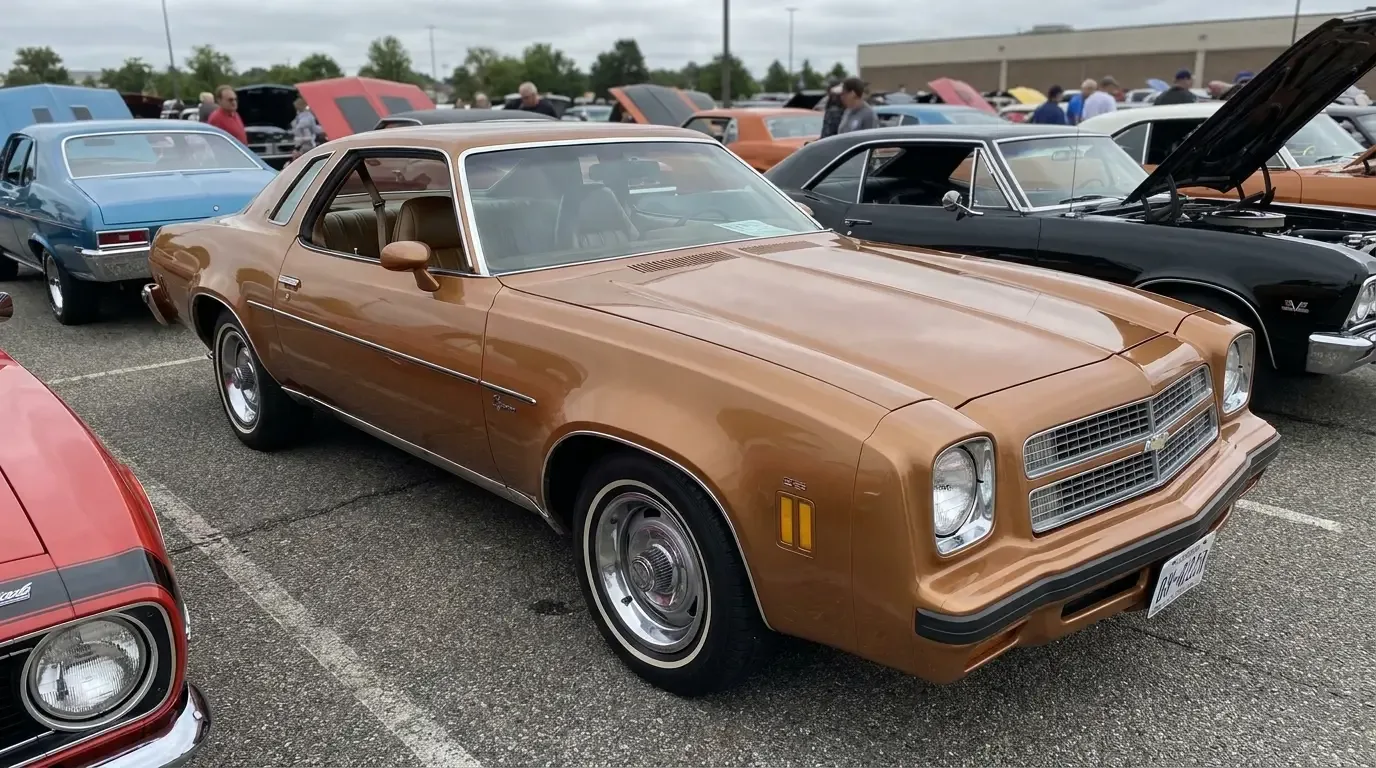
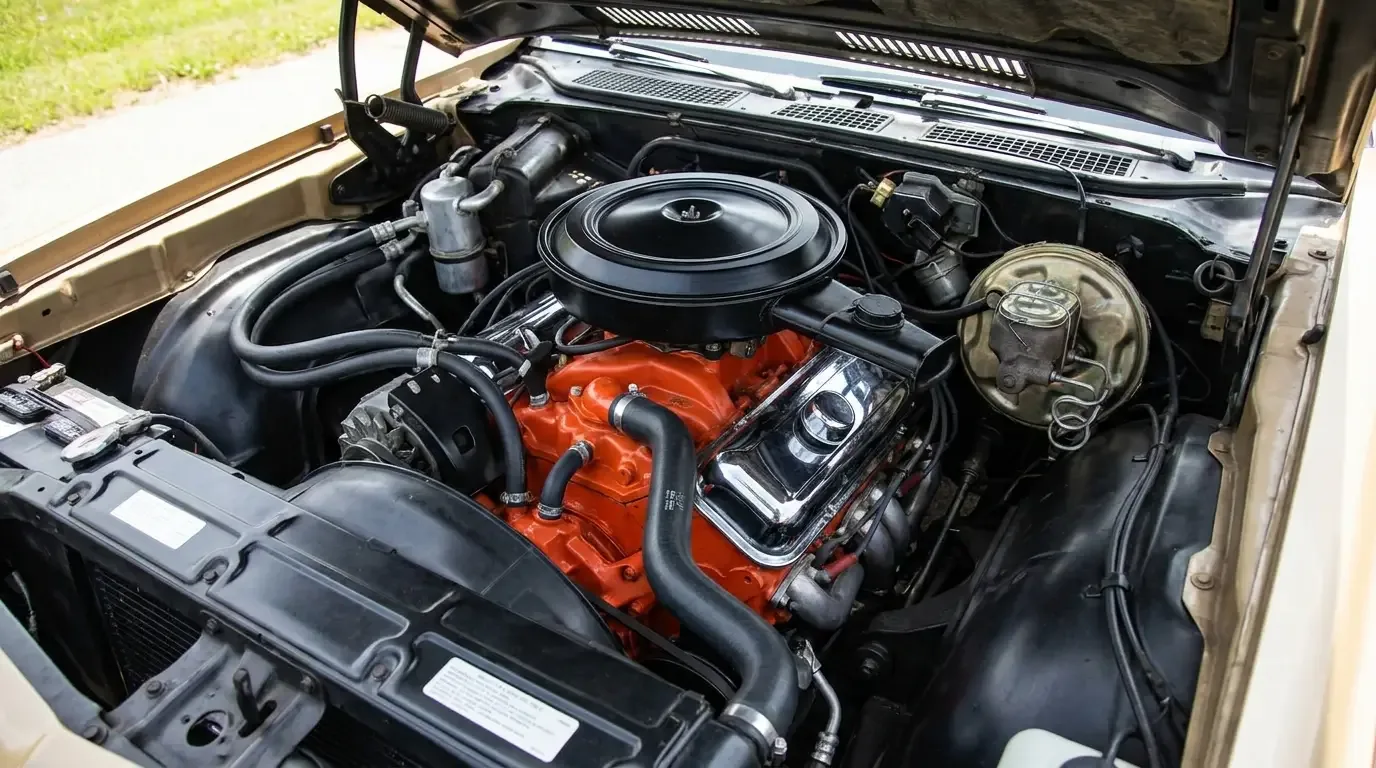
Visually, the giveaways are modest but consistent across the run: additional brightwork around the wheel openings and rocker panels, a different grille treatment in some years, Classic-specific badging on the fenders and trunk, and a noticeably nicer cloth or vinyl interior than the base Malibu offered. Underneath, mechanically, a Classic and a standard Malibu built the same model year with the same engine option are essentially identical. This was a trim built on presentation and comfort, not on anything under the hood. That's an important distinction for buyers today who sometimes assume Classic badging implies a performance difference. It doesn't. The engine choices, from the base inline-six through the small-block and big-block V8 options, ran across both trims depending on the year.
Where the Classic earns its keep is in the options list. This was the trim most likely to be ordered with the fuller comfort package: power windows, air conditioning, an upgraded sound system, the swivel buckets, and eventually the softer velour interiors that became fashionable as the decade wore on. A well-optioned Malibu Classic from 1975 or 1976 reads almost like a different car from a stripped 1973 base Malibu, even though the sheet metal underneath is nearly the same.
Why this trim mattered more than the sales charts suggest
It's easy to look at Colonnade-era Chevelles now and focus entirely on the SS454 and the last of the big-block muscle cars, because that's the story collectors chase hardest and the one with the clearest performance narrative. But the Malibu Classic is the trim that tells you what Chevrolet actually believed about its own customer base by the mid-1970s. The company wasn't betting on a resurgence of muscle car demand. It was betting on buyers who wanted comfort, a badge that read as a step up, and a car that could serve as a family sedan or a personal coupe depending on which body style they picked. That bet paid off. The Malibu Classic outsold every performance-oriented Chevelle variant of the same years by a wide margin, and it's a large part of why Malibu-trim Chevelles are the most common survivors from this generation today.
| Trim tier | Positioning | Typical buyer focus |
|---|---|---|
| Malibu (base) | Value mid-size, minimal brightwork | Practical transportation |
| Malibu Classic | Upgraded trim, comfort options, brightwork | Personal-luxury feel at mid-size price |
| Laguna / Laguna Type S-3 | Sportier styling, soft-nose front end | Buyers wanting a European-flavored coupe look |
Buying a Malibu Classic today
The good news for a collector or a daily driver buyer is that condition, not rarity, is the main factor in what these cars cost. There's no shortage of surviving Malibu Classics, so a buyer can afford to be picky about rust, interior condition, and documented service history rather than settling for whatever example turns up first. The bad news, if it counts as bad news, is that a Classic will never carry the investment upside of a documented SS454. It's not built to. It was built to be a comfortable, good-looking, reasonably priced car for someone who had no interest in a stoplight race, and it does that job as well now as it did new.
"People ask me why I spend as much time on Malibu Classic history as I do on the SS models, and the honest answer is that the Classic tells you what actually happened to this car line. The SS gets the magazine covers. The Malibu Classic is what Chevrolet actually built and sold in the numbers that kept the whole Chevelle program alive through the back half of the decade."
Tom Ramirez
The Classic's comfort-first approach set the stage for the biggest engine option Chevrolet still offered during these years, which is where next: The 454 Big Block in the Colonnade Era picks up the story.
Sources and notes
- Wikipedia, "Chevrolet Chevelle"year-by-year third-generation trim structure, confirming Malibu Classic's 1974 debut and Laguna's 1973 top-trim position.
- Wikipedia, "Chevrolet Chevelle Laguna"Laguna's shift to Laguna Type S-3 for 1974-1976 as Malibu Classic took the top-luxury slot.
- Wikipedia, "Chevrolet Malibu"Malibu Classic's continuation as top trim of the downsized Malibu after the Chevelle name was dropped for 1978.
- HowStuffWorks, "1973-1977 Chevrolet Chevelle Models, Prices, Production"Colonnade-era model lineup and pricing context.
- ChevelleStuff.net, "Chevelle Family Tree"trim lineage across the Chevelle's full production run.
- CarBuzz, "Chevrolet Malibu Generations"cross-check on Malibu/Malibu Classic generational timeline.
Related Reading
Have a
Chevrolet Chevelle
for Sale?
Reach thousands of serious classic car collectors across the US.
Sell It Here →
Are You a Classic Car Dealer?
List your full inventory and connect with targeted classic car buyers.
Join as a Dealer →

About the author
Tom Ramirez
Corvette researcher and historian based in Bowling Green, Kentucky. Two decades documenting Corvette production history from original factory records.
Related Listings - Chevrolet Chevelle
More in History & Heritage
Comments
Be the first to comment on this article.