
For a long stretch of the prewar era, if an American wanted the finest homegrown motorcar and did not want the theatrics of a Duesenberg, the answer was a Packard. The marque built something rarer than a fast car or a beautiful one. It built trust. Any serious account of Packard prewar luxury history has to explain how a firm from Warren, Ohio, became the name that wealthy, careful buyers reached for by reflex, and how it held that position for the better part of thirty years.
History & Heritage
6 min read
Packard's Rise to America's Premier Prewar Luxury Marque
Packard prewar luxury history: from Warren, Ohio to the Twin Six, outselling Cadillac, and the One Twenty that saved the company.
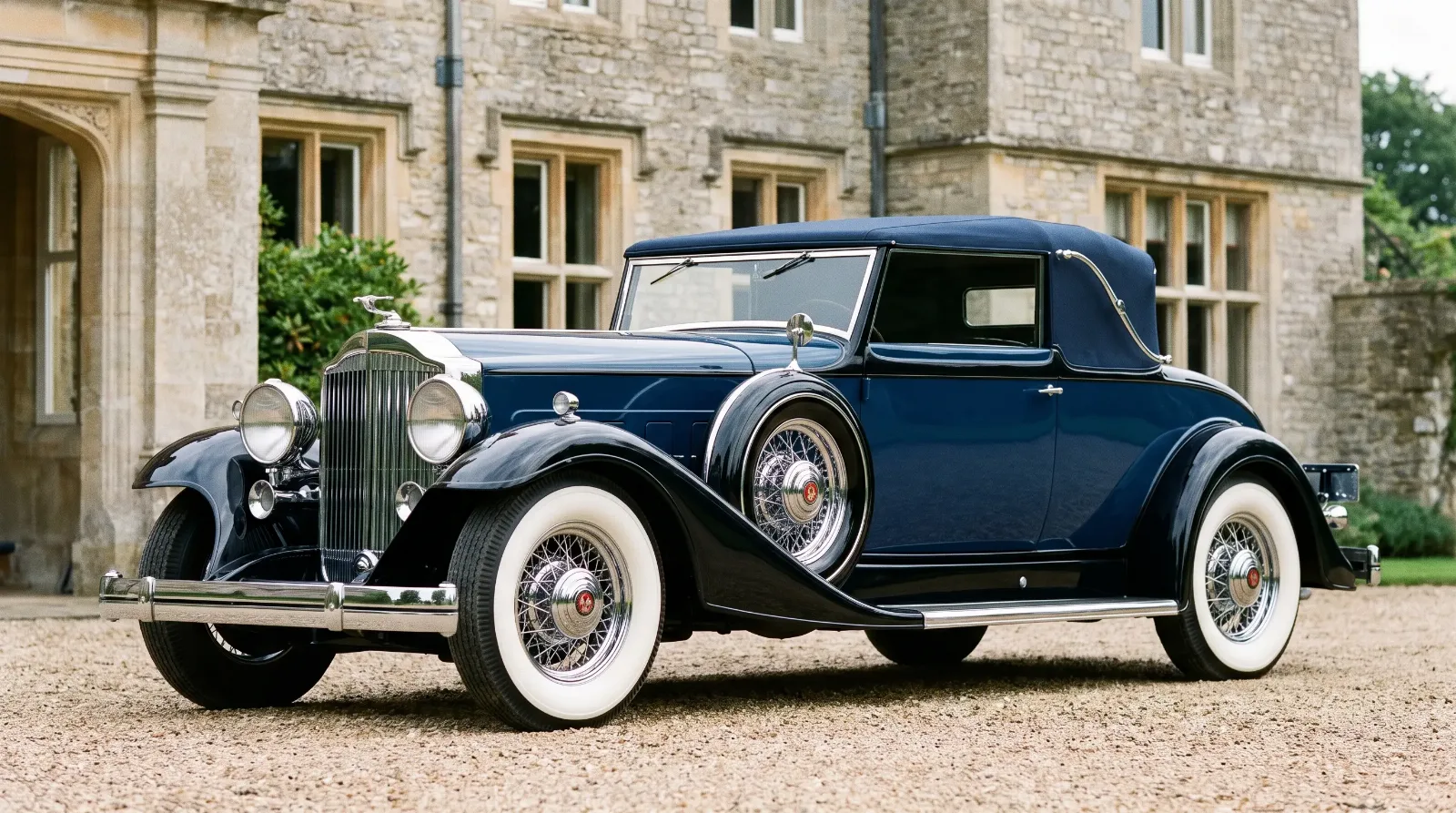
Packard did it without gimmicks. The company's own advertising said it plainly, and the phrase became one of the most quoted slogans in American business: "Ask the Man Who Owns One."
From Warren, Ohio, to Detroit
Packard began in 1899, when brothers James Ward Packard and William Doud Packard built their first automobile in Warren, Ohio. The story that circulates, that James Ward built his own car after being unimpressed with one he had bought, captures the temperament of the firm from the start. It was engineering-led and quietly proud.
The business soon outgrew Ohio. In 1903 the operation moved to Detroit under the financial backing and leadership of Henry Bourne Joy, and it was there that Packard grew into a major manufacturer. The Detroit plant, designed with the help of architect Albert Kahn, became one of the most advanced automobile factories of its day. Packard was not a boutique. It was a large, serious industrial concern that chose to build expensive cars well. That larger context is laid out in the story so far.
The Twin Six and the engineering reputation
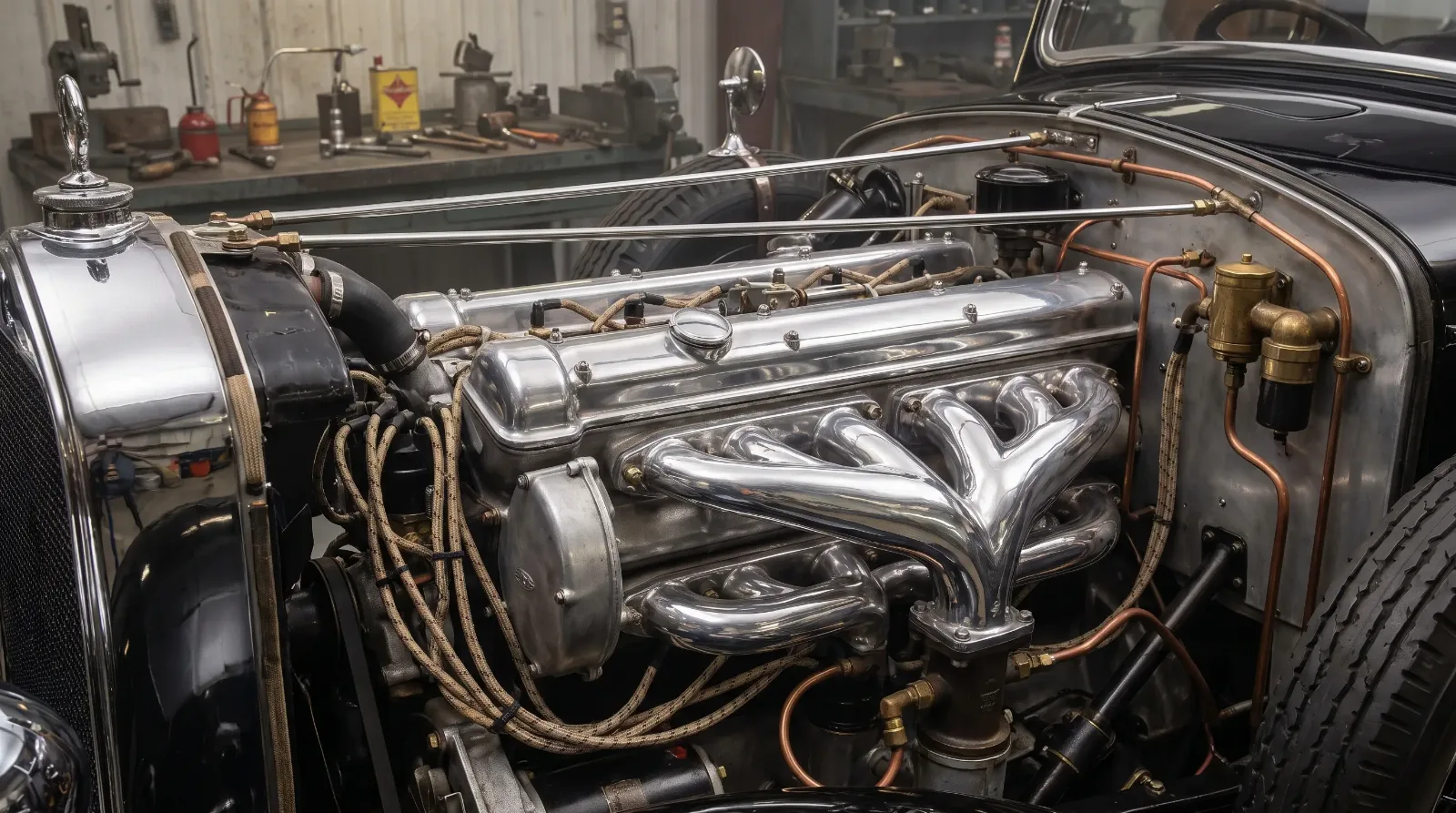
The car that lifted Packard to the top of the American field arrived in 1915. The Twin Six was the first production twelve-cylinder engine offered by an American manufacturer, engineered under Jesse Vincent, and it gave Packard a technical calling card that no rival could immediately match. A twelve was smooth in a way buyers could feel, and it signaled that Packard would lead on engineering rather than follow.
That reputation compounded over the following two decades. Packard built inline eights and, later, a new Packard Twelve for the 1930s, and its cars earned a name for durability that mattered enormously to the kind of buyer who kept a car for years and expected it to work.
Outselling Cadillac at the top
Through the 1920s and into the early 1930s, Packard was the dominant force in the American luxury market. In the senior, most expensive class of car, Packard regularly outsold Cadillac and every other domestic rival. This is the fact that surprises people raised on Cadillac's postwar dominance. Before the war, the prestige leader was Packard, and it was not particularly close.
The reasons were consistent quality, a conservative and dignified styling language, and that hard-won reputation for reliability. A Packard did not shout. It reassured. For a certain kind of successful, established buyer, that was exactly the point, and it is a big part of why well-kept examples remain sought after among classic luxury cars for sale today.
| Milestone | Year | Significance |
|---|---|---|
| First Packard built | 1899 | Warren, Ohio, by the Packard brothers |
| Move to Detroit | 1903 | Under Henry Bourne Joy |
| Twin Six V12 | 1915 | America's first production twelve |
| Packard Twelve | 1932 to 1939 | Senior flagship of the classic era |
| One Twenty | 1935 | Mid-priced eight that saved the company |
The One Twenty and the price of survival
The Depression forced a hard decision. The market for very expensive cars nearly vanished, and Packard, unlike a division inside a giant like General Motors, had to survive on its own. In 1935 it introduced the One Twenty, a well-built but mid-priced eight aimed at a far broader audience. It worked. The One Twenty sold in numbers the senior cars never could, and it kept Packard alive through the worst years.
The cost was to the brand's exclusivity. Once Packard built a car ordinary professionals could afford, the name no longer meant only the summit. Historians still argue about whether the One Twenty saved Packard or began the long dilution that eventually undid it. Both things can be true.
"The One Twenty is the decision that kept the lights on and, in the same stroke, spent a little of the mystique that made Packard Packard. Survival is rarely free."
Sarah Whitfield
The senior cars and their coachwork
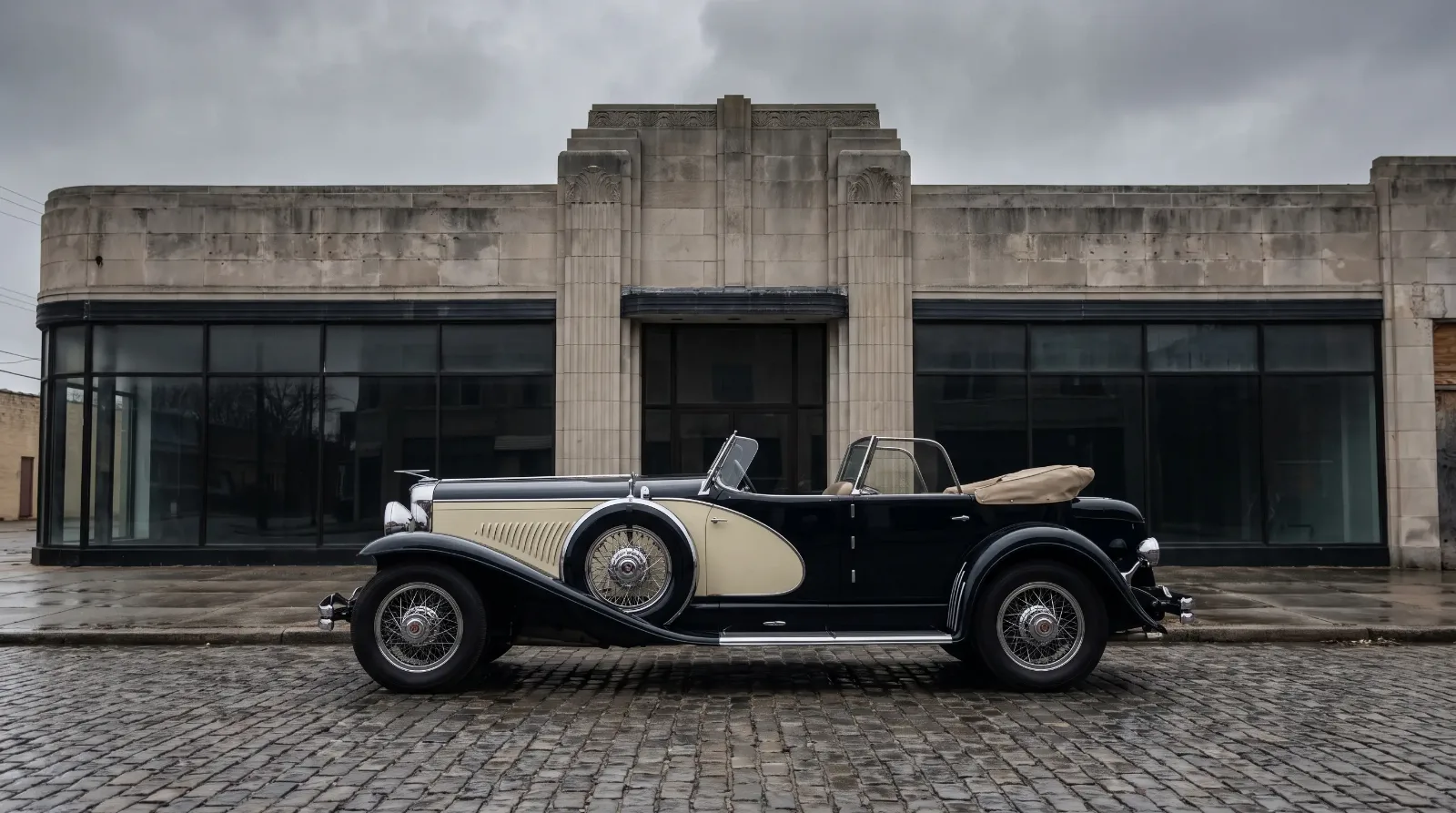
The Packards that collectors prize most are the senior cars of the classic era, the long-wheelbase Eights and the Twelves. These carried both factory bodies and custom coachwork from firms such as Dietrich, LeBaron, and Rollston, and a coachbuilt senior Packard is among the most dignified American cars of the period. Packard's own design office, under Alvan Macauley's management and later Werner Gubitz's styling direction, kept the house look consistent even across many body styles.
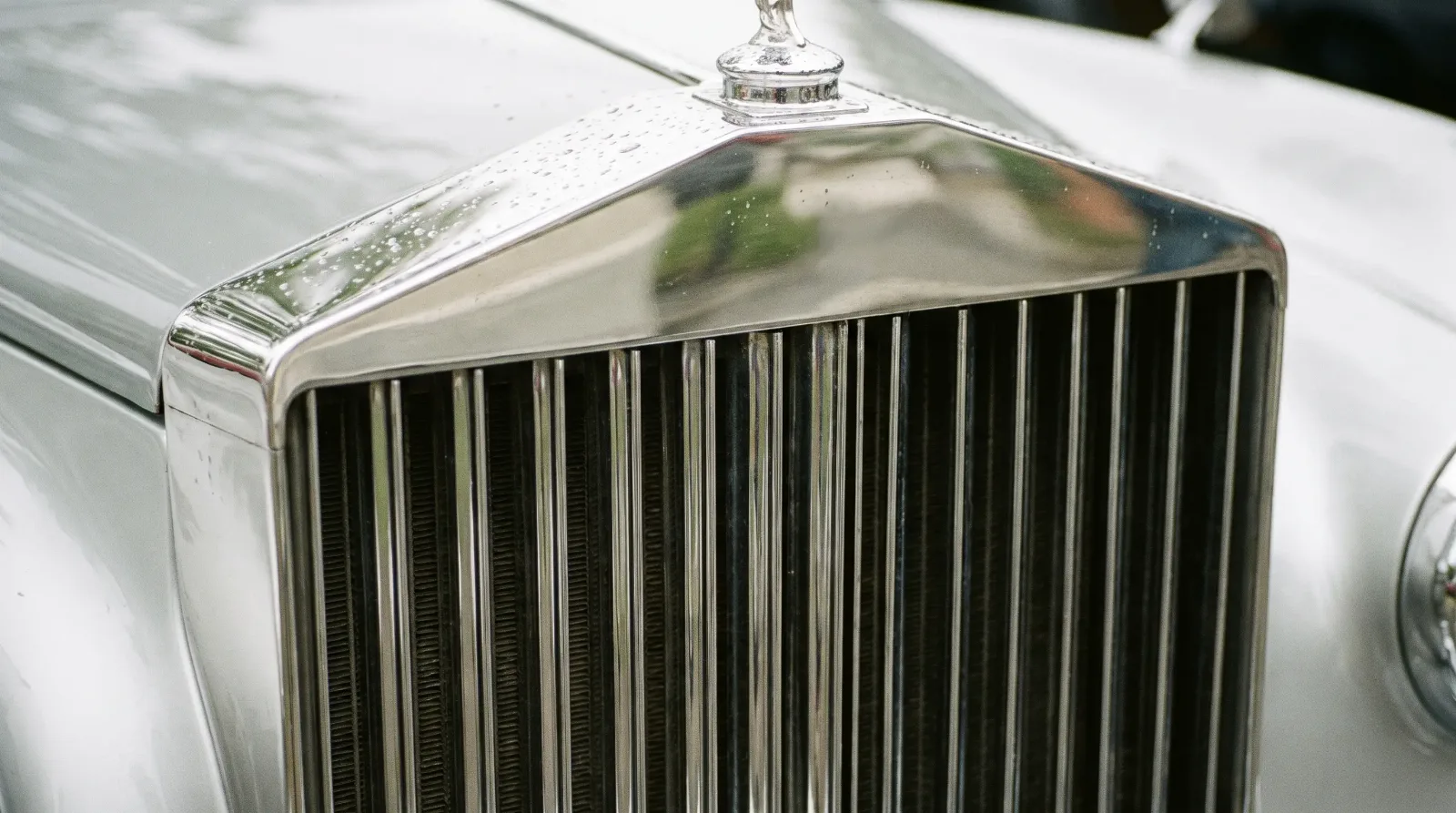
The consistency was deliberate. Packard's radiator shape, its ox-yoke grille outline, and its proportions were recognizable across decades, and the company protected that identity rather than chasing yearly fashion. For a marque built on reassurance, looking familiar was a feature, not a failure of imagination. A buyer wanted a car that would still look like a Packard, and still be respected as one, five years on.
That restraint is exactly what makes the senior cars read so well today. They were not trying to shock anyone when new, and they have aged with a dignity that flashier contemporaries sometimes lack. The best of them stand comfortably beside a Duesenberg or a senior Cadillac in any concours field.
The legacy of the prewar peak
The Packard of the 1920s and 1930s stands as the most complete expression of American luxury built on engineering credibility rather than spectacle. Its senior cars are among the most desirable classics, and its story is a case study in how a company earns the top of a market and then has to fight to keep it once the ground shifts.
That shifting ground did more than pressure Packard. It ended a whole generation of independent luxury makers outright. What the Depression did to them is the next chapter: next: How the Great Depression Killed America's Independent Luxury Makes.
Related Reading
Have a
Classic Car
for Sale?
Reach thousands of serious classic car collectors across the US.
Sell It Here →
Are You a Classic Car Dealer?
List your full inventory and connect with targeted classic car buyers.
Join as a Dealer →

About the author
Sarah Whitfield
Third-generation classic car collector specializing in pre-war American and European coachbuilt automobiles. Researcher and concours enthusiast.
More in History & Heritage
Comments
Be the first to comment on this article.