
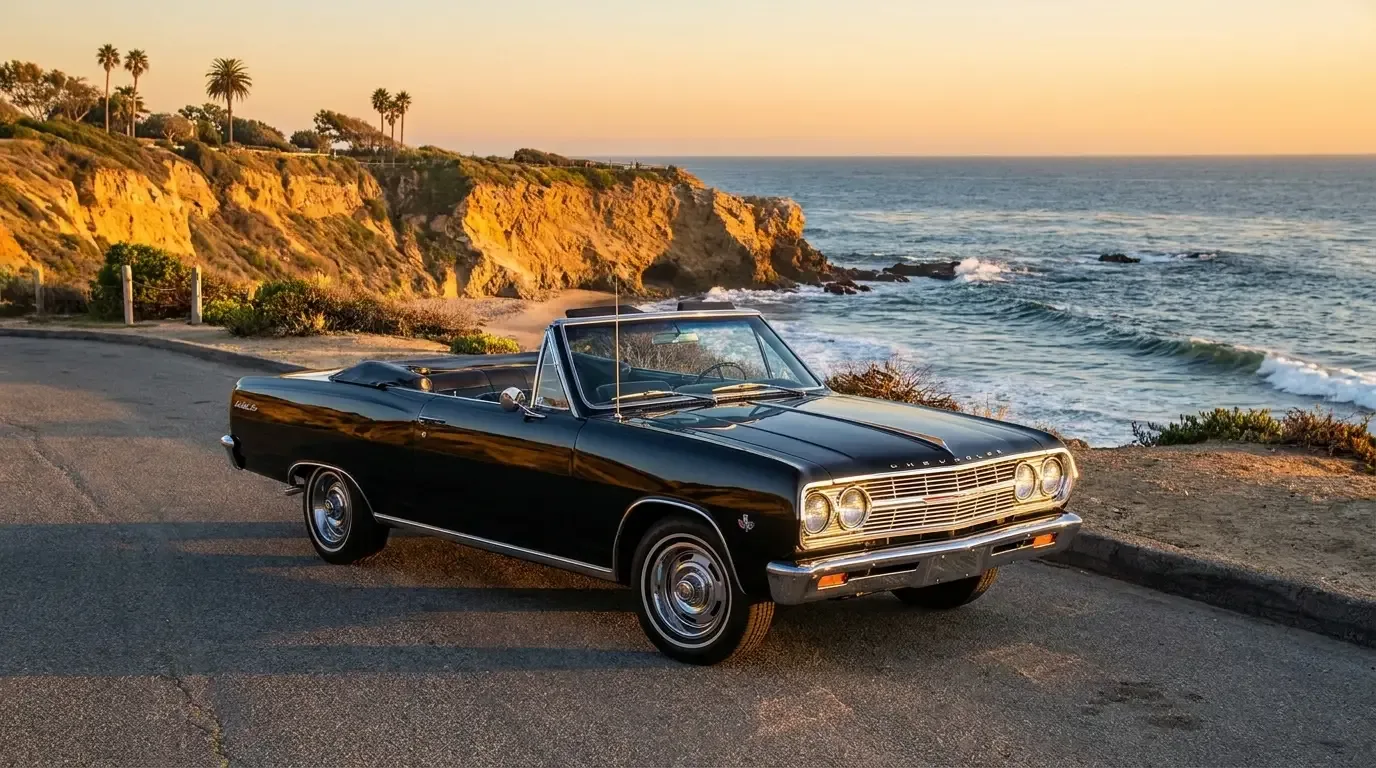
Convertible production numbers tell a plainer story than most people expect. Every year from 1968 through 1972, Chevrolet built fewer open cars than hardtops in every Chevelle series, and the gap widened as the run went on. That's not a controversial claim, it's just what the factory records show once you go looking for them. What's more interesting is why, and what that scarcity means for anyone trying to verify a convertible today instead of just admiring one.
History & Heritage
6 min read
Second-Gen Convertibles: Chevelle's Open-Air Muscle Years
Chevelle convertible production shrank fast from 1968 to 1972. How to read the tag, verify a real one, and understand SS convertible rarity.
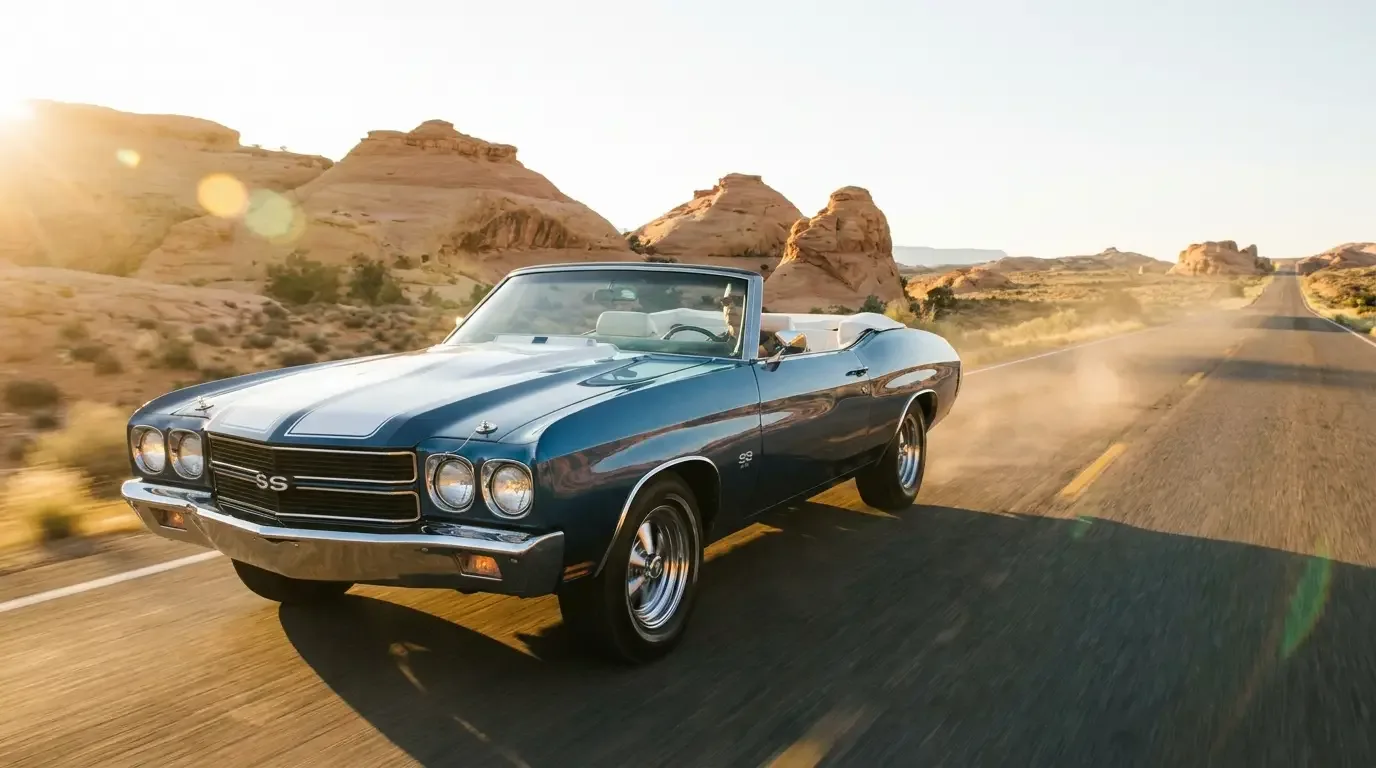
I don't put much stock in round numbers people repeat at shows without a source behind them. The build sheet, the trim tag, and the factory production breakdowns are the only things I trust completely, and even those need to be read correctly. A convertible body style code that gets misquoted by one digit turns a documentation project into a guessing game, so let's start with the tag itself.
Reading the tag on a real convertible
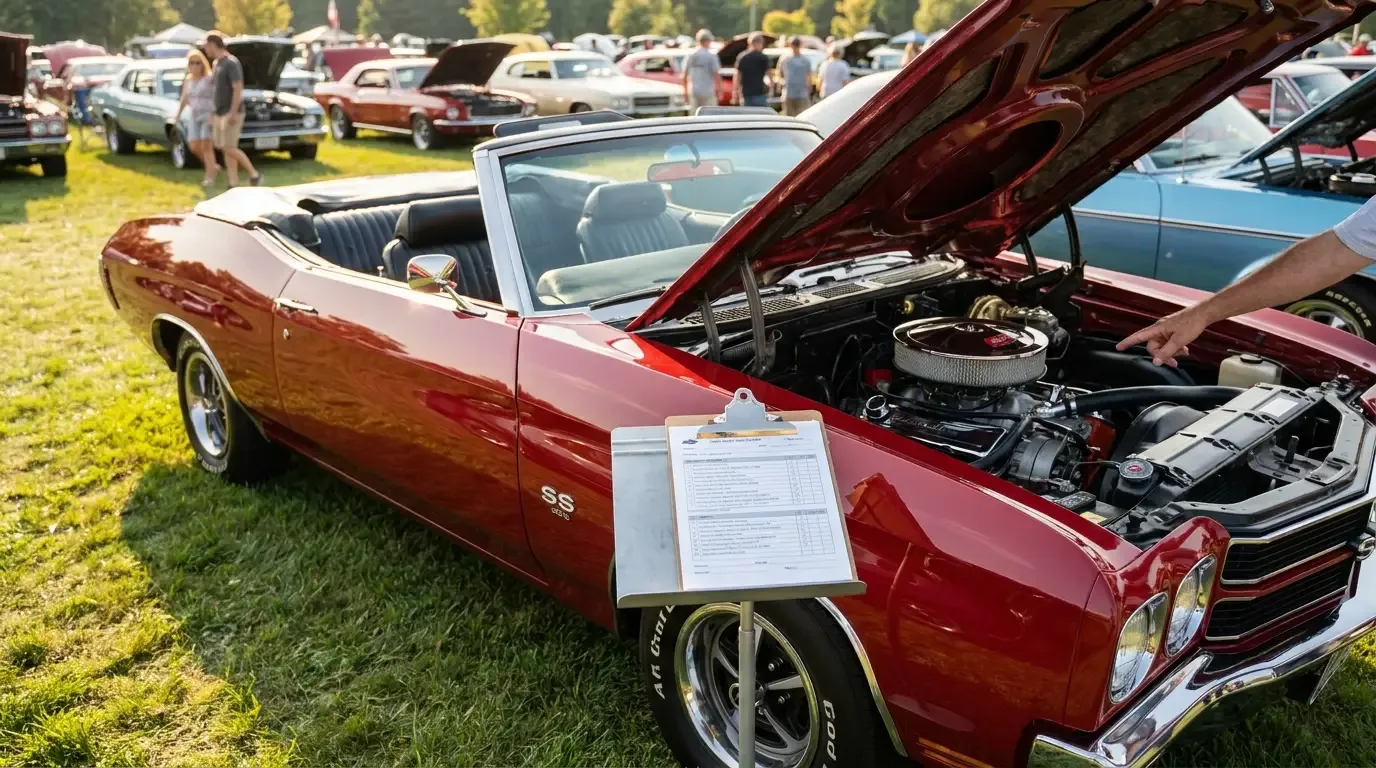
The second-generation Chevelle used GM's standard trim tag and cowl tag system, stamped with a body style number specific to each series and body configuration. Convertibles carried their own distinct body style codes separate from the hardtop and coupe within each series. The last two digits of that code are 67 for a Malibu or SS convertible in this generation (a 1972 Malibu convertible reads 13667, for example), with the leading digits changing by series and model year. If you're looking at a car represented as a factory convertible, the tag needs to show a convertible-specific body code, not a coupe code with a later top conversion. Aftermarket and shop-built convertible conversions from these cars exist, and they're not rare. A tag that reads coupe on a car wearing a top is the first thing that should stop the conversation.
Beyond the body code, the tag carries the paint code, trim code, and build date, all of which should agree with any other documentation offered, whether that's a Protect-O-Plate, a dealer invoice, or later NCRS-style documentation packages some owners have assembled. I've seen tags that were correct in every digit and owners who still couldn't produce a single supporting document beyond that. That's not automatically a problem. Paperwork gets lost over fifty years. But it changes what you can claim with confidence and what you're taking on faith.
Year-by-year, the numbers get thinner
1968 opened the second generation with the highest convertible volume of the five years, at roughly 10,000 open Malibu and SS cars combined. By 1969, convertible orders had already softened to around 8,400 as buyers increasingly favored the hardtop's cleaner lines and the growing popularity of factory air conditioning, which worked better with a fixed roof. The trend continued through 1970, when Malibu/SS convertible production landed around 7,500 despite that being the first year for the 454, and by 1971 convertible orders had fallen to roughly 5,100. 1972 finished lower still. This wasn't unique to Chevelle. It reflected an industry-wide shift away from convertibles that would end open-top GM intermediate production entirely within a few years of 1972.
| Model year | Approx. Malibu/SS convertibles built | Notes |
|---|---|---|
| 1968 | ~10,000 | Highest of the generation, all three trims offered as convertibles |
| 1969 | ~8,400 | Hardtop and A/C preference growing |
| 1970 | ~7,500 | First year for the SS454, but convertible take rate stayed soft |
| 1971 | ~5,100 | Single-headlamp restyle year |
| 1972 | Lowest of the generation | Last year before the body change |
Anyone who tells you an exact production number down to the last unit for a specific engine-and-trim convertible combination in a given year is usually rounding, estimating, or repeating a figure from a source they haven't verified themselves. I'd rather tell you the trend is well documented and the exact count for your specific car needs a Chevrolet build-sheet reference or a marque-specific registry to nail down properly than hand you a number I can't stand behind.
SS convertibles specifically
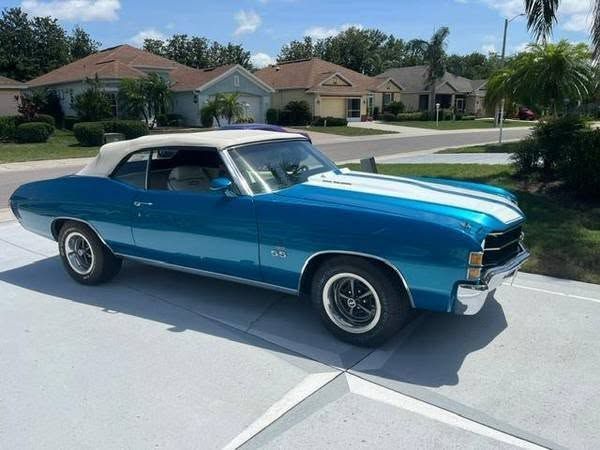
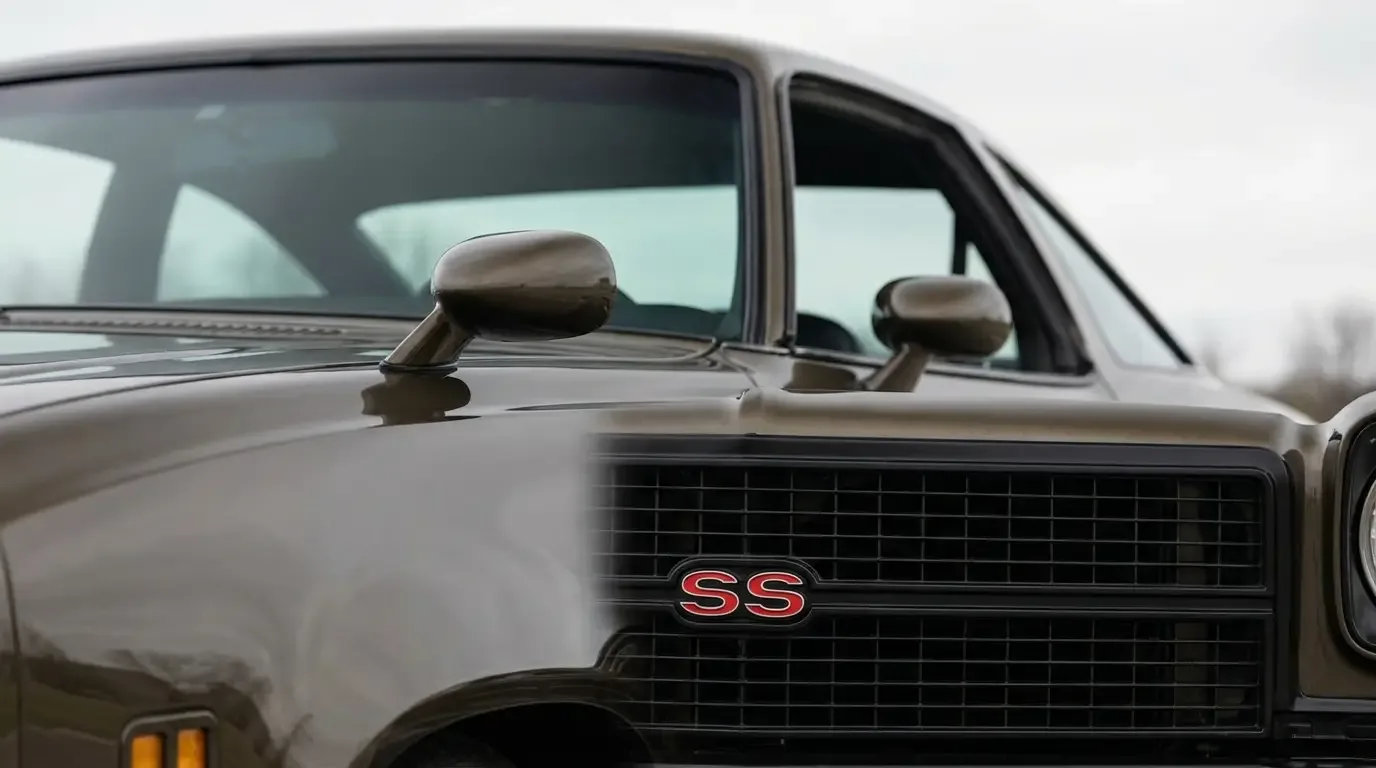
Within that shrinking convertible pool, SS-package convertibles were a smaller pool still, since the SS package itself was an option layered on top of Malibu or 300 Deluxe rather than a separate model. An SS396 or SS454 convertible represents two overlapping rarities stacked on each other: fewer convertibles ordered overall, and a smaller percentage of those with the SS package checked. That's exactly why SS convertibles from 1970, when the 454 became available, draw disproportionate attention relative to their hardtop SS siblings. Of the roughly 8,773 SS454-optioned Chevelles built that year, only a small fraction were convertibles, and estimates for the LS6-specific convertible count run in the range of 20 to 30 genuine cars, with most Chevelle authorities placing genuine LS6 convertible production between 19 and 26 cars, and plenty of forum debate beyond that because GM's own records don't break the number out cleanly by body style. The documentation standard for these cars needs to be higher, not lower, because the incentive to convert a plain convertible into an "SS convertible" using reproduction trim is real and has been for decades.
What this means for a buyer today
If you're looking at a second-generation Chevelle convertible and the seller can't show you a body style code that matches a factory convertible designation, ask why. Sometimes the answer is a documented top swap done decades ago for reasons that had nothing to do with deception, and the seller is upfront about it. Other times the answer doesn't come at all, and that tells you something too. I'd rather walk away from a car I can't verify than own one I have to explain away every time someone asks about it.
"The tank sticker matters, and so does the cowl tag on a convertible. Not because either one tells you everything on its own, but because together they're the factory's own record of what left the line. A Chevelle convertible without that agreement between tag and title isn't worthless, but it's a different conversation than the one the seller wants to have."
Tom Ramirez
The convertible story only makes sense against the wider arc of Chevelle's golden years, where body style, trim, and engine availability all shifted together across five model years. If you're in the market rather than just researching, it's worth taking the time to find a Chevelle convertible and cross-check the tag yourself before you get attached to the car.
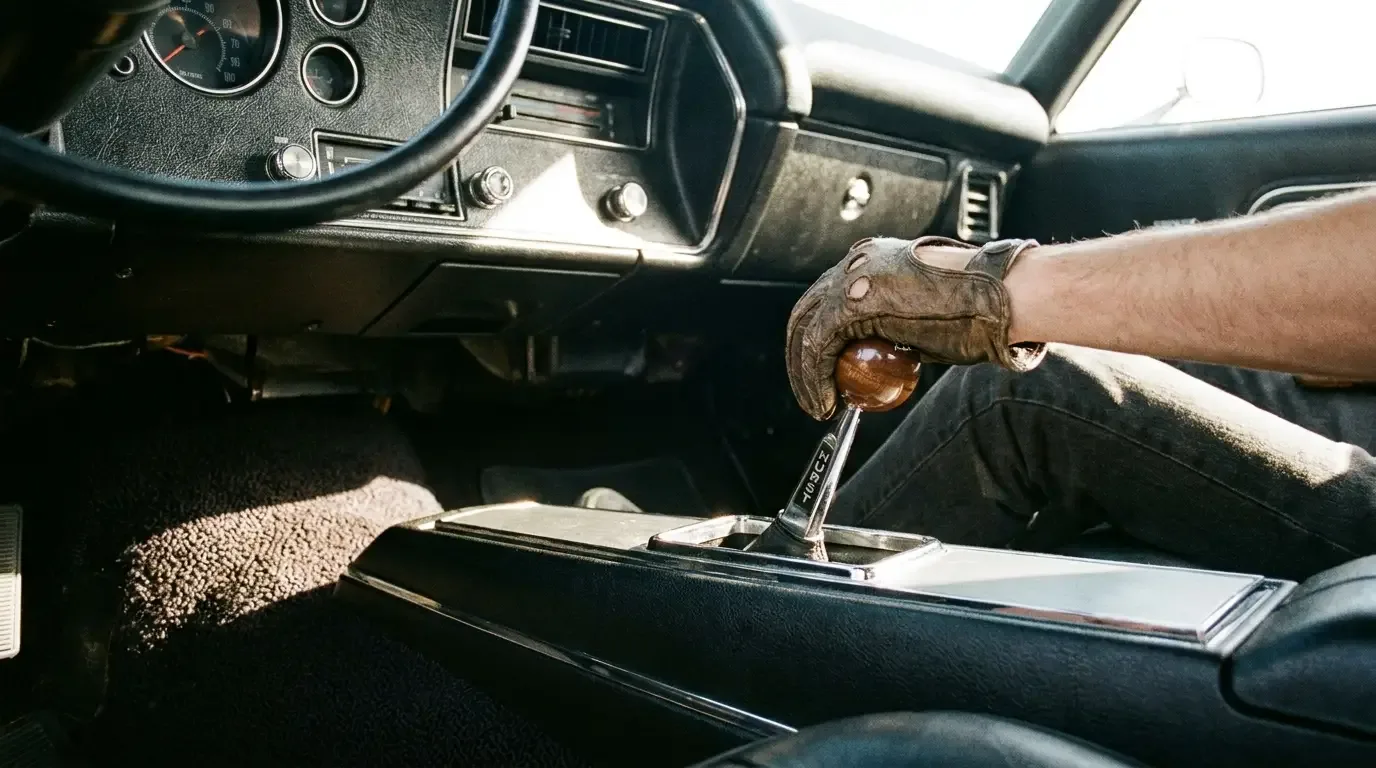
Convertibles weren't the only way second-gen buyers customized the driving experience beyond the standard hardtop. Row-your-own fans went a different direction entirely, and next: The 4-Speed That Wouldn't Quit covers that side of the ordering sheet.
Sources and notes
- Chevelle Stuff: Production numbers by series/model, 1964-1972
- Chevelle Stuff: 1970 Chevelle/Monte Carlo production numbers by series/model
- Chevelle Stuff: 1971 Chevelle/Monte Carlo production numbers by series/model
- Street Muscle: Rare Rides, the 1970 Chevelle SS454 LS6 convertible
- Chevelle Stuff: 1972 Chevelle production numbers by plant
- Wikipedia: Chevrolet Chevelle, second-generation body styles
Related Reading
Have a
Chevrolet Chevelle
for Sale?
Reach thousands of serious classic car collectors across the US.
Sell It Here →
Are You a Classic Car Dealer?
List your full inventory and connect with targeted classic car buyers.
Join as a Dealer →
#Chevelle production numbers
#Chevrolet Chevelle
#Chevelle convertible
#second-generation Chevelle
#SS convertible

About the author
Tom Ramirez
Corvette researcher and historian based in Bowling Green, Kentucky. Two decades documenting Corvette production history from original factory records.
Related Listings - Chevrolet Chevelle
More in History & Heritage
Comments
Be the first to comment on this article.