
For most of the interwar period, buying a Rolls-Royce or a Bentley did not mean buying a car. It meant buying a running chassis, then commissioning a body from a separate firm entirely. The factory at Derby, and later Crewe, built the engine, the frame, the running gear, and the fuel and brake systems, then delivered a bare rolling platform to a coachbuilder who clothed it to the customer's order. That division of labor shaped everything about how these cars looked, what they cost, and why no two early examples are quite alike.
History & Heritage
6 min read
Coachbuilt vs Production Line: How Rolls-Royce and Bentley Bodies Were Actually Built
How Rolls-Royce and Bentley bodies moved from coachbuilt aluminum over ash to pressed-steel production shells, and what it means for buyers today.
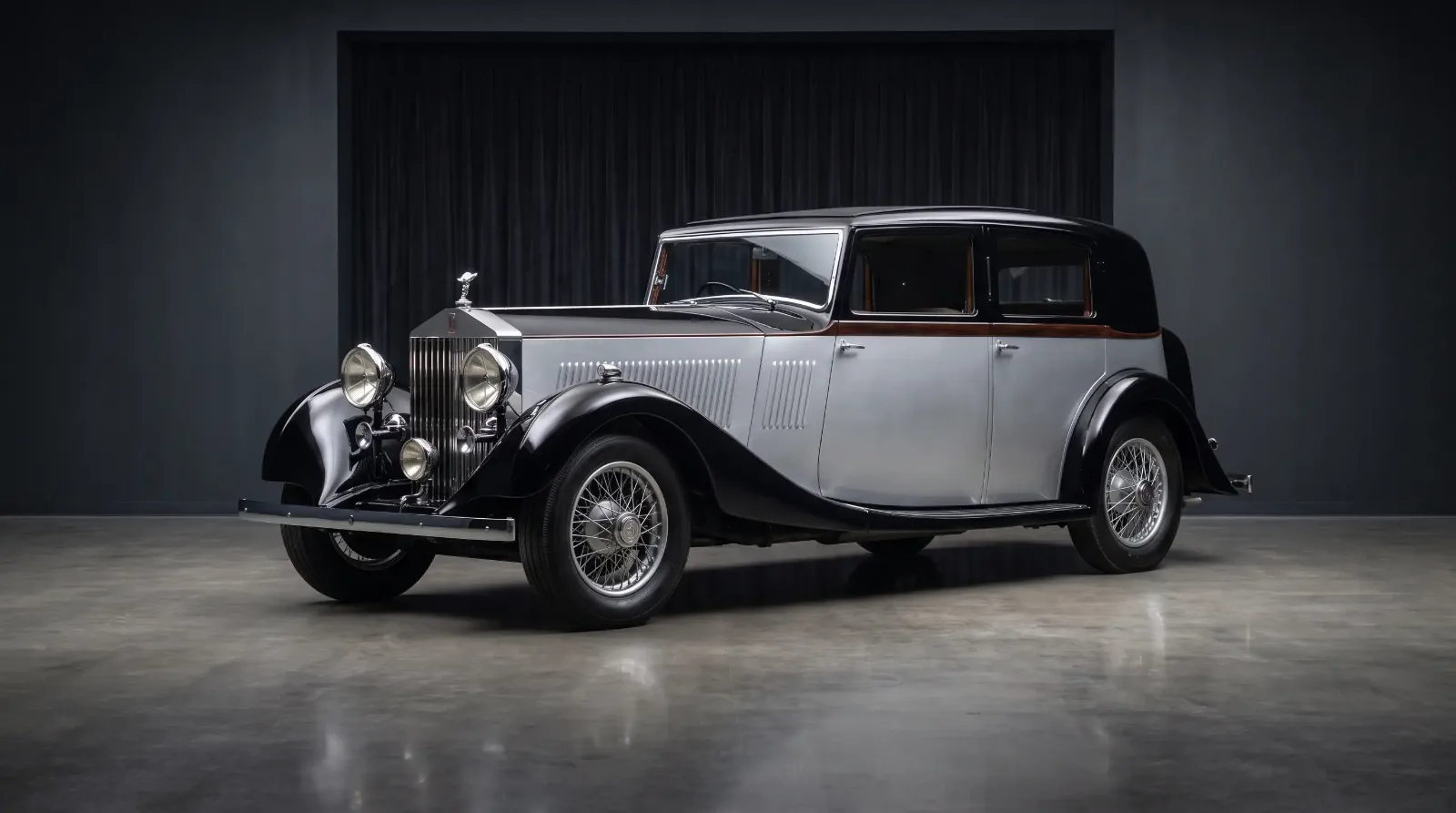
The shift away from that system, toward pressed-steel bodies built in volume, is one of the quieter turning points in the marque's history. It changed the cars from bespoke commissions into recognizable production models, and it is the reason a postwar Silver Dawn feels like a different kind of object than a prewar Phantom. Understanding coachbuilt Rolls-Royce and Bentley bodies, and how they gave way to the production line, explains a great deal about how these cars are valued and judged today. It is a thread that runs straight through the badge-engineered rivalry between the two marques.
How the coachbuilt system actually worked
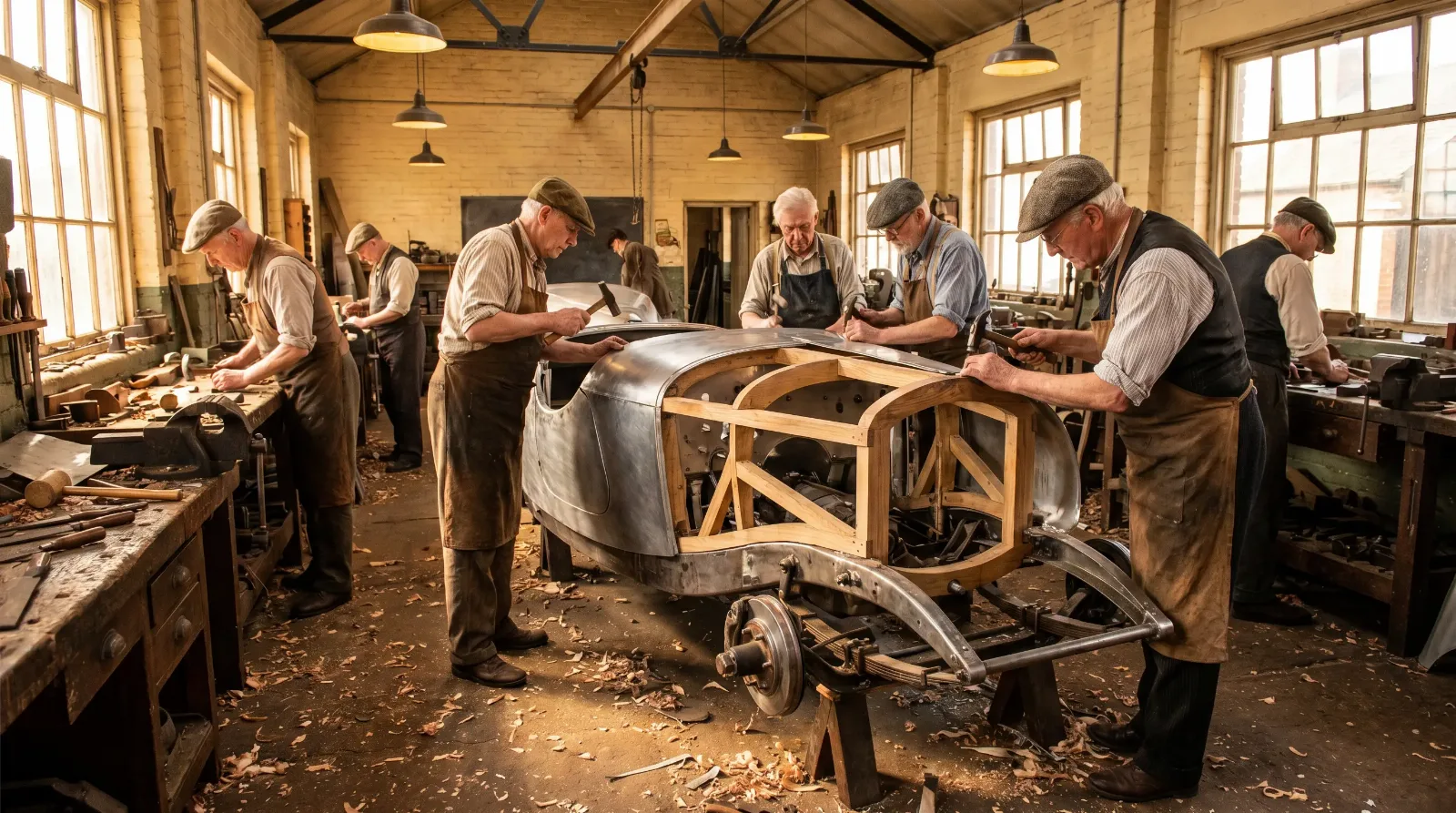
A coachbuilder was a specialist body firm, often with roots in the horse-drawn carriage trade. Names like H.J. Mulliner, Park Ward, James Young, Hooper, and Gurney Nutting took a chassis and built a body around it in aluminum panels over an ash frame. The customer chose the style, whether a formal limousine, a sporting drophead, or a close-coupled saloon, and specified the interior down to the wood veneers, the upholstery hides, and the fittings. Delivery could take months.
The consequence is that survival records for prewar cars are recorded chassis by chassis. Two cars leaving Derby on consecutive chassis numbers might carry entirely different bodies by different firms, one a stately Hooper limousine, the next a rakish Gurney Nutting coupe. That variety is the appeal for the collector who values individuality. It is also the difficulty, because originality is harder to establish when the body was never a factory item to begin with. Many chassis have been rebodied over the decades, sometimes more than once.
"When you inspect a prewar chassis, you are really inspecting two separate histories that happen to share a car. The mechanical provenance and the body provenance rarely line up perfectly, and the ones that do are worth pausing over."
Sarah Whitfield
Where Rolls-Royce and Bentley differed under the same roof
After Rolls-Royce acquired Bentley in 1931, both marques drew on the same pool of coachbuilders and, increasingly, the same chassis engineering. A buyer commissioning a Bentley of the 1930s was often choosing a slightly more sporting character, a lower radiator line, sometimes a livelier state of tune, but the body itself came from the same workshops that clothed the Rolls-Royce sister car. The distinctions were real but subtle, and they lived in proportion and detail rather than in the fundamental way the car was made.
By the late 1930s Rolls-Royce had begun buying two of the leading coachbuilders outright. Park Ward came under Rolls-Royce control in the late 1930s, and H.J. Mulliner followed after the war, the two eventually combining as Mulliner Park Ward. That vertical integration mattered, because it moved body-building from an arm's-length commission toward something closer to an in-house operation, and it set the stage for the change that followed.
The standard steel body arrives
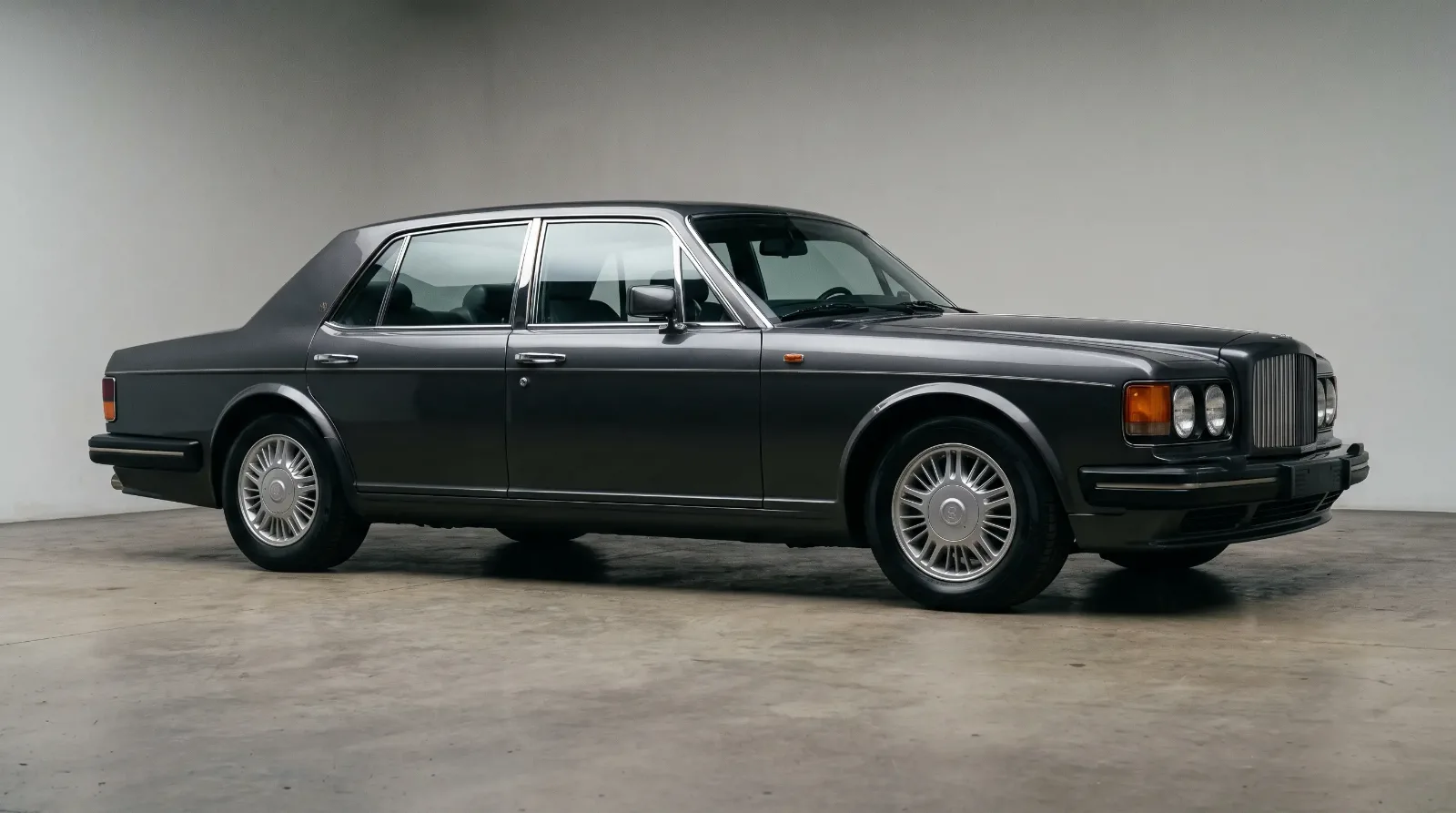
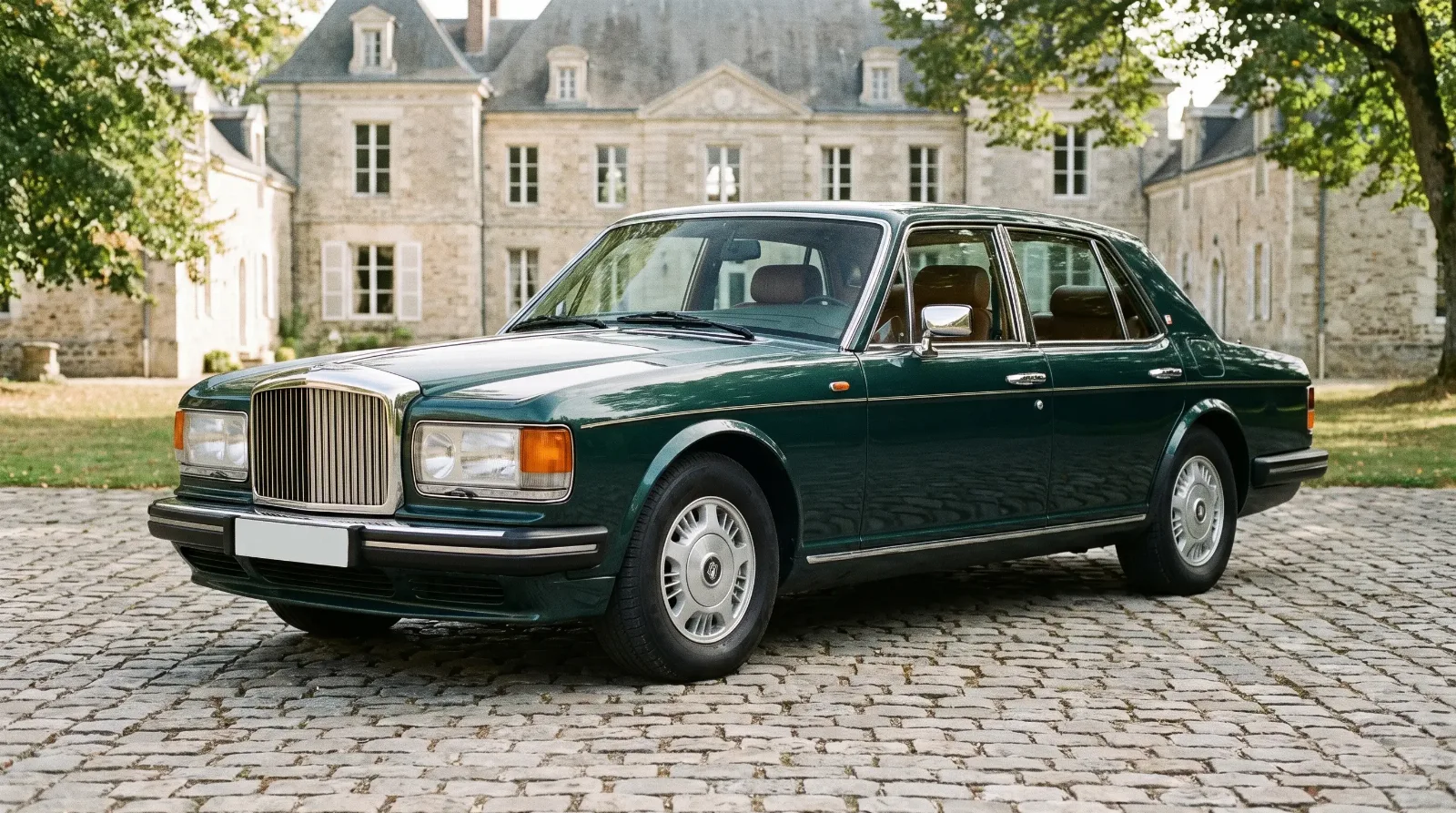
The decisive break came right after the Second World War. The Bentley Mark VI, introduced in 1946, was offered with a "standard steel saloon" body, a pressed-steel shell supplied by the Pressed Steel Company rather than hand-formed by a coachbuilder. Rolls-Royce followed the same logic with the Silver Dawn in 1949, which shared much of that standardized bodywork. For the first time, a buyer could walk in and order a complete car with a factory-designed body, no coachbuilder commission required.
This was a commercial decision as much as an engineering one. A standardized body could be built faster, priced more predictably, and sold to a broader postwar clientele who wanted a finished car rather than a months-long bespoke project. Coachbuilding did not vanish, a customer could still order a bare chassis for special coachwork, and firms kept building drophead coupes and formal bodies into the 1950s and beyond, but the standard steel saloon became the volume product. The exception had become the rule.
| Feature | Coachbuilt era | Standard steel era |
|---|---|---|
| Body construction | Aluminum panels over ash frame | Pressed-steel shell, welded |
| Body source | Independent coachbuilder | Pressed Steel Company / factory |
| Typical lead time | Months, made to order | Much shorter, standardized |
| Two identical cars? | Rare by design | Common by design |
| Landmark models | Prewar Phantom, 3½ Litre Bentley | Bentley Mark VI, Silver Dawn |
What this means for a buyer today
The distinction still governs how these cars are assessed. A coachbuilt car is judged partly on the identity and quality of its body firm, and a documented, original Hooper or H.J. Mulliner body carries a premium that a rebodied chassis cannot match. Aluminum-over-ash construction also brings its own maintenance realities, the ash frame can rot where water sits, and panel repairs demand a craftsman rather than a body shop. A standard steel car, by contrast, is judged more like a conventional production classic, with rust in the steel shell and the box sections being the chief concern.
Neither approach is automatically the better buy. The coachbuilt car offers individuality and, at the top end, real artistry, but demands specialist care and careful provenance work. The standard steel car offers a more knowable, more repeatable ownership experience. Anyone weighing these bodies against one another is really deciding what kind of object they want, and that question sits at the heart of the classic luxury car story. The coachbuilt tradition and the production line were never truly rivals, they were two chapters of the same long effort to build the best car in the world.
Getting one of these cars across an ocean introduced its own set of complications, and the American market found its own routes in. That is a story of paperwork and regulation as much as of cars, which we take up in next: Grey-Market Rolls-Royce and Bentley Imports to the US Explained.
Related Reading
Have a
Classic Car
for Sale?
Reach thousands of serious classic car collectors across the US.
Sell It Here →
Are You a Classic Car Dealer?
List your full inventory and connect with targeted classic car buyers.
Join as a Dealer →

About the author
Sarah Whitfield
Third-generation classic car collector specializing in pre-war American and European coachbuilt automobiles. Researcher and concours enthusiast.
More in History & Heritage
Comments
Be the first to comment on this article.