
By the middle of the 1920s the American custom body had reached its peak. The carriage-trade craft of the previous century now had wealthy patrons, superb chassis, and a group of shops capable of turning all of it into some of the most admired automobiles ever built. Three names sit near the center of that period for anyone studying the LeBaron Fleetwood Brunn coachbuilders and the work they produced. Each had a different origin, a different house style, and a different fate. Together they define the golden age of American coachwork.
History & Heritage
6 min read
The Golden Age of American Coachbuilders: LeBaron, Fleetwood, Brunn
The LeBaron Fleetwood Brunn coachbuilders defined America's golden age of custom bodywork. Their origins, house styles, and fates.
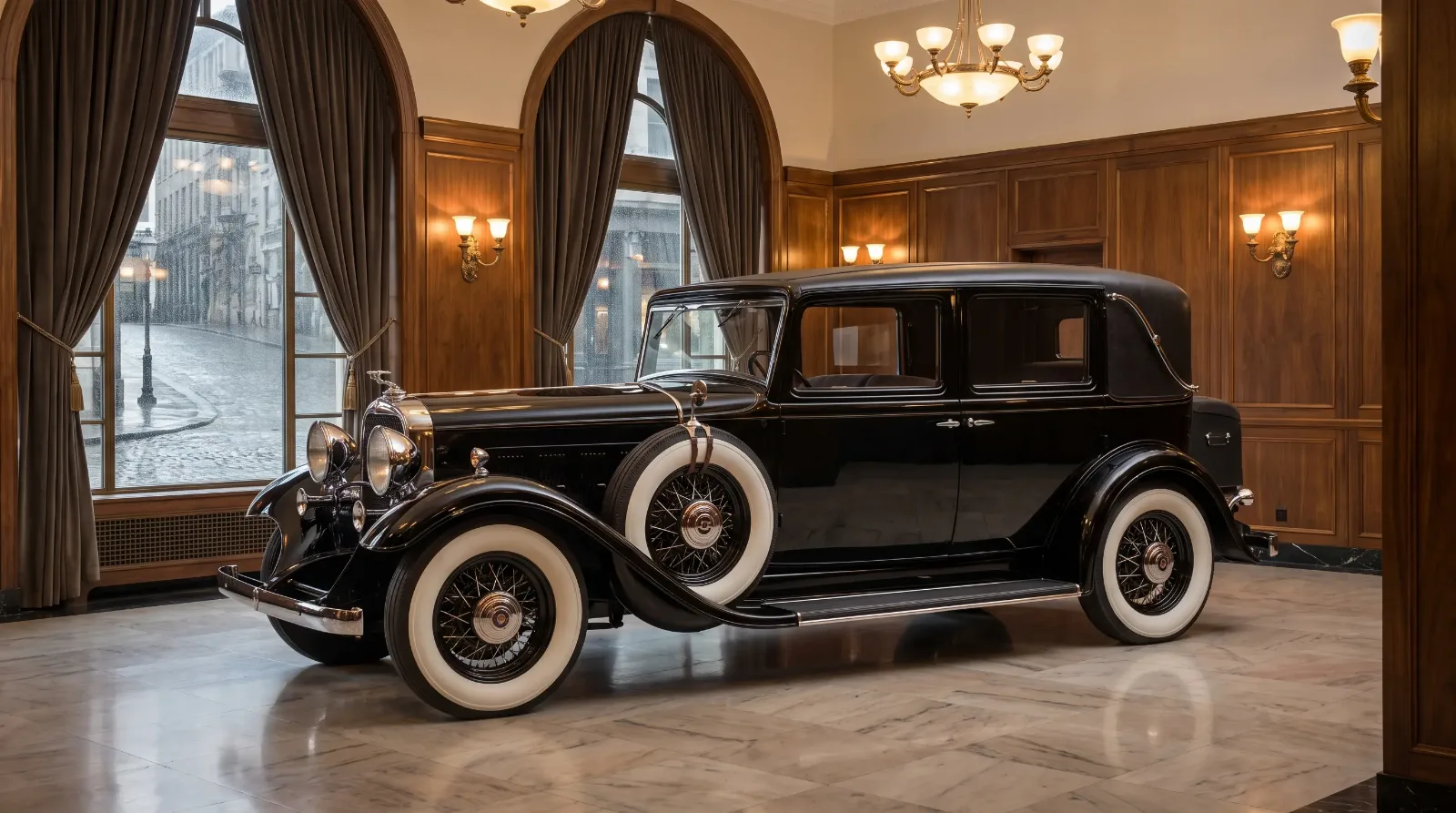
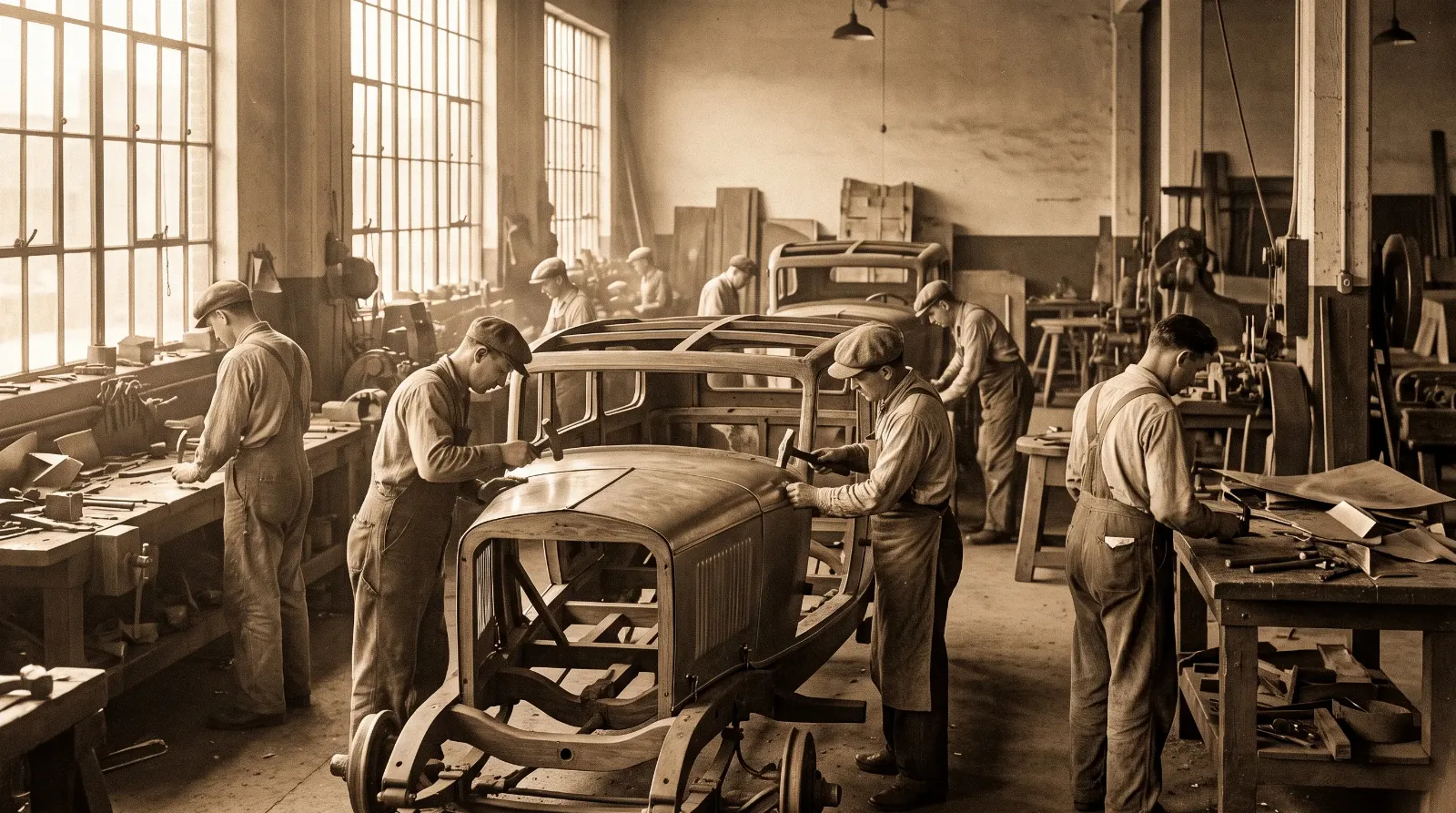
These were not stylists in the modern sense. They were body companies, with drafting rooms, wood shops, metal formers, trimmers, and painters, and their output was measured in individual commissions rather than model years.
LeBaron, the design house
LeBaron began differently from the others. It was founded in New York in 1920 by two young designers, Thomas Hibbard and Raymond Dietrich, who started as a design and engineering studio rather than a manufacturing shop. They drew bodies and farmed out the actual construction, which was an unusual model at the time and a clever one. It let them work across many chassis without the overhead of a full factory.
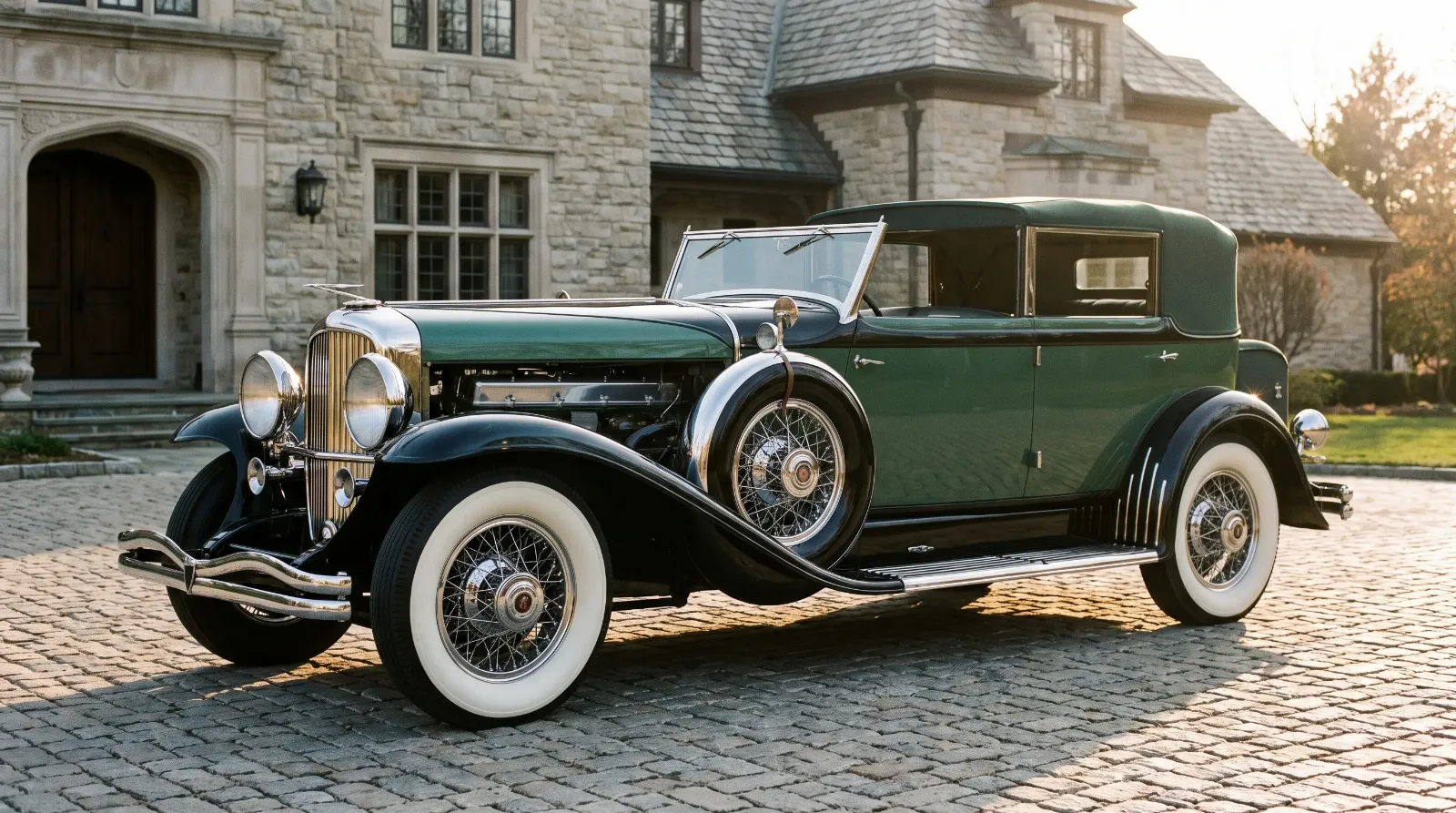
The firm later merged with the Bridgeport Body Company to gain building capacity, and in 1926 it was absorbed by Briggs Manufacturing, a large Detroit body supplier. Under Briggs the LeBaron name continued as a prestige custom line, and it appeared on some of the finest Duesenberg, Lincoln, and Packard bodies of the era. The LeBaron style favored clean, formal lines and a certain restraint that read as confidence rather than decoration.
Fleetwood, absorbed into Cadillac
Fleetwood took its name from the small Pennsylvania town where the Fleetwood Metal Body Company was established in 1909. It built bodies for many of the great chassis of the 1910s and early 1920s and earned a reputation for quality that caught the attention of General Motors. Fisher Body, itself controlled by GM, acquired Fleetwood in the mid-1920s, and the operation was gradually pulled into the corporation as Cadillac's in-house custom body source.
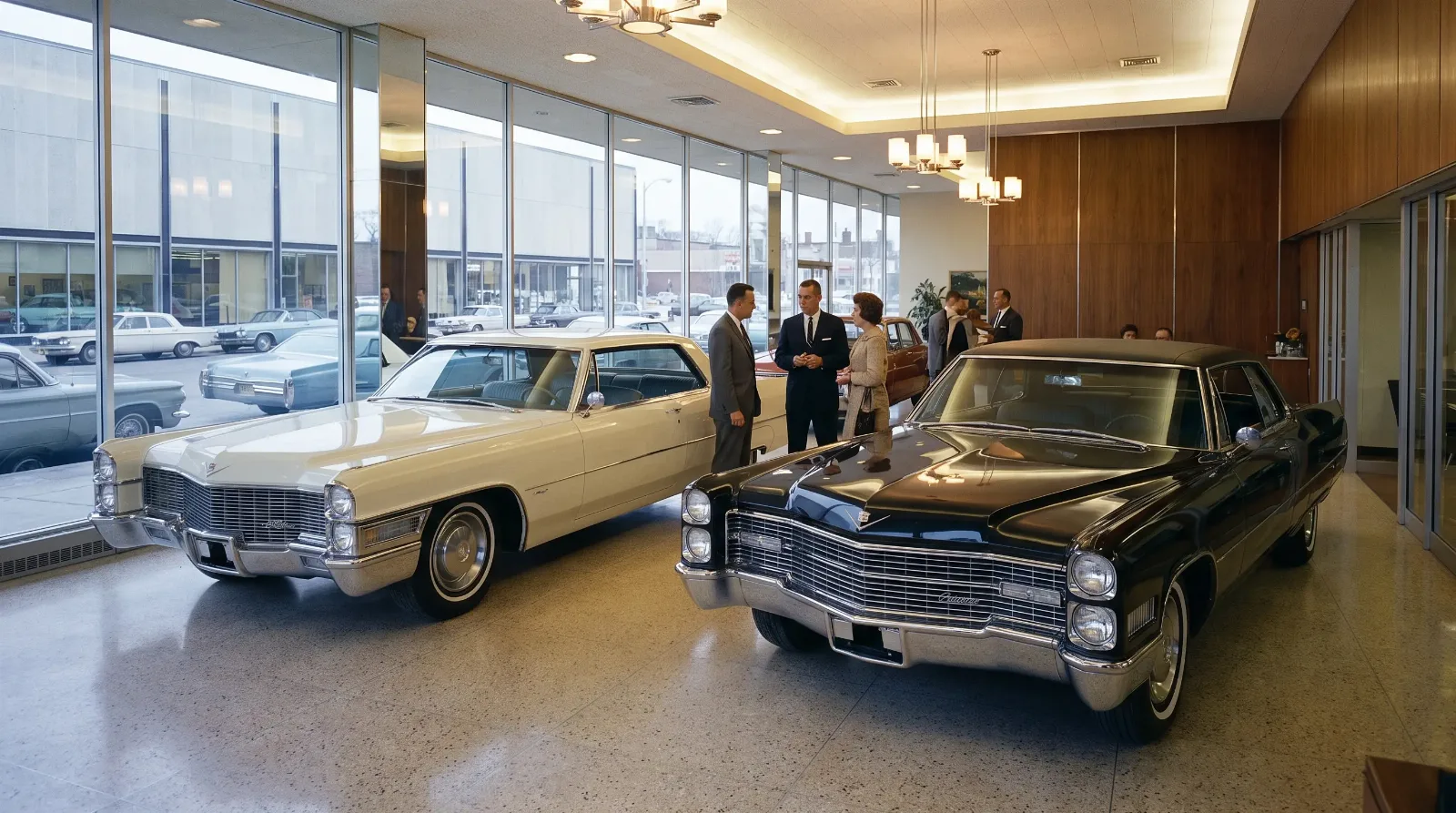
That absorption changed what Fleetwood was. It went from an independent shop serving many makes to the prestige body arm of a single corporation. The upside was survival and scale. Cadillac used the Fleetwood name for decades afterward, long after the original craft operation had been folded into GM production. If you want to see where this fits in the larger arc, it connects to the classic luxury car's full history.
Brunn, the formal-body specialist
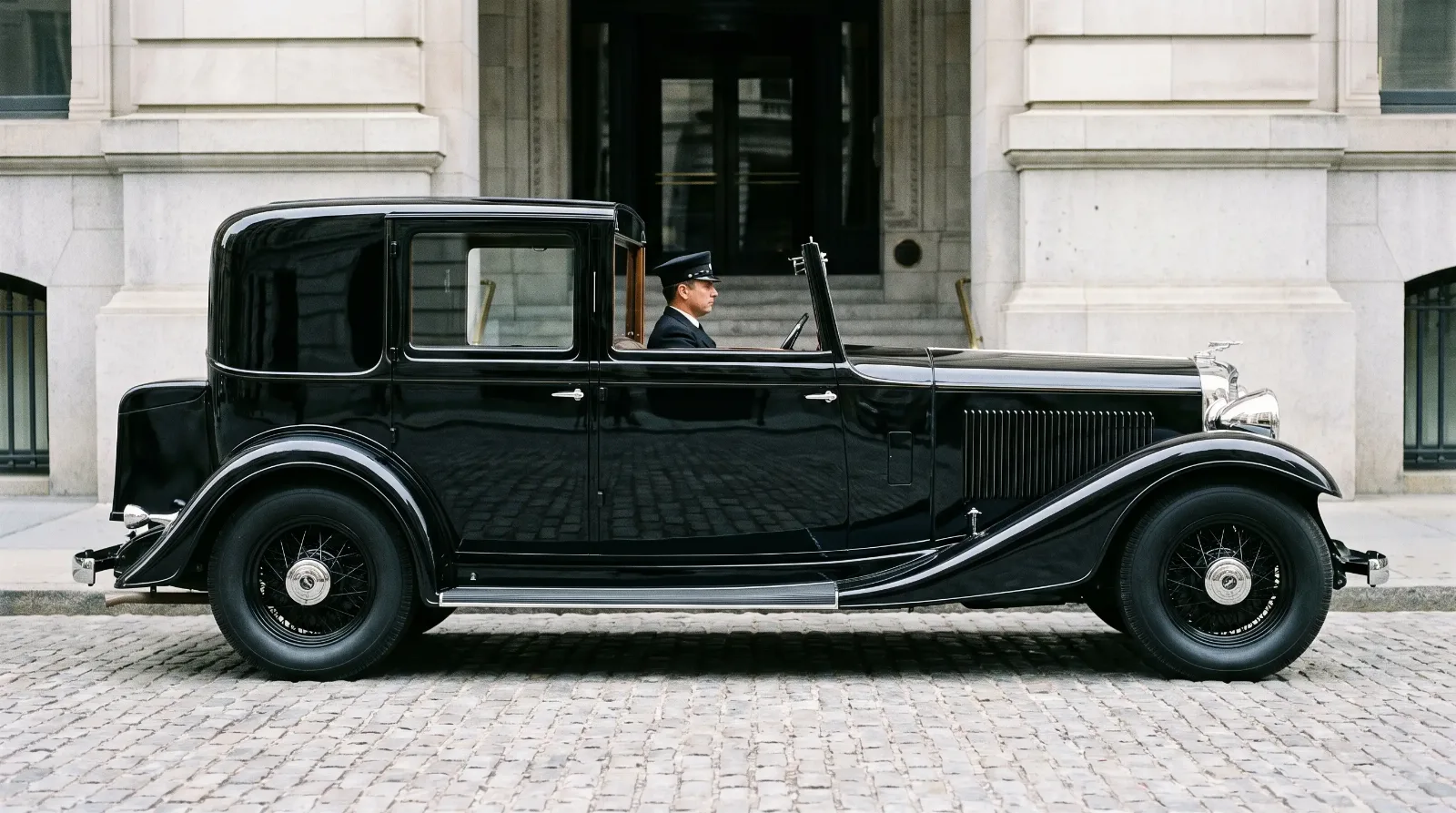
Brunn & Company of Buffalo, New York, founded in 1908 by Hermann Brunn, stayed independent longer than most and built a specialized reputation. Brunn was known above all for formal closed bodies, the town cars and limousines meant to be driven by a chauffeur, and its work found a particular home on the Lincoln chassis. Edsel Ford, who cared deeply about design and pushed Lincoln toward genuine elegance, favored Brunn bodies for some of the company's most dignified cars.
A Brunn formal body was a study in proportion and appropriateness. The point was not flash. It was correctness, the sense that every line belonged to a car meant for a specific kind of use and a specific kind of owner. That discipline is exactly what makes surviving Brunn bodies rewarding to examine now.
| Coachbuilder | Base | Founded | House style | Fate |
|---|---|---|---|---|
| LeBaron | New York / Detroit | 1920 | Clean, formal, restrained | Absorbed by Briggs, 1926 |
| Fleetwood | Fleetwood, Pennsylvania | 1909 | Refined, versatile | Taken into GM via Fisher Body |
| Brunn | Buffalo, New York | 1908 | Formal town cars, limousines | Closed in the early 1940s |
What separated the great shops
The differences between these firms were real and visible to a trained eye. LeBaron drew a line with a designer's confidence. Fleetwood brought a broad competence that GM found worth owning. Brunn concentrated on the formal end of the market and did it better than almost anyone. A collector learning to read coachwork learns to tell them apart the way one learns to tell painters apart, by the choices each made where a choice existed.
"You can put three bodies from these shops side by side on the same chassis and the character changes completely. That is the whole argument for coachbuilding in a single glance."
Sarah Whitfield
Custom, semi-custom, and the economics of the trade
It helps to understand that not every coachbuilt body was a one-off. By the late 1920s the leading shops offered work at two levels. A full custom was designed for a single client, drawn to order, and built as a unique car. A semi-custom, sometimes called a catalog custom, was a design the coachbuilder offered in a small series, so a buyer could order a known body style rather than commission a fresh one. Both carried the coachbuilder's name and quality, but the economics were very different.
The chassis makers encouraged this. A firm like Packard or Lincoln would arrange for a coachbuilder to supply a run of bodies under the coachbuilder's name, giving buyers the cachet of a LeBaron or Fleetwood body without the cost and delay of a true one-off. This is why you can find several examples of a given LeBaron design rather than a single unique car. The line between factory and custom was more of a gradient than a wall.
That arrangement is also what made the great shops financially viable at scale. Pure one-off work was prestigious but slow and thin on margin. The semi-custom runs kept the drafting rooms and metal shops busy and paid the bills, which is exactly why a large body supplier like Briggs found value in owning the LeBaron name in the first place.
The end of the independent era
The golden age did not last. The Depression thinned the ranks of both the wealthy buyers and the shops that served them, and the industry's move toward integrated, steel-bodied production left less room for the custom trade. LeBaron survived as a name inside a large corporation. Fleetwood survived as a Cadillac badge. Brunn, staying independent, did not survive at all and closed in the early 1940s.
What they left behind is a body of work that still sets the standard for the classic era. The next figure in this story is the chassis that carried more of their best efforts than any other, and the definition it eventually helped create. That continues in next: Duesenberg and the Birth of the CCCA “Full Classic” Era.
Related Reading
Have a
Classic Car
for Sale?
Reach thousands of serious classic car collectors across the US.
Sell It Here →
Are You a Classic Car Dealer?
List your full inventory and connect with targeted classic car buyers.
Join as a Dealer →

About the author
Sarah Whitfield
Third-generation classic car collector specializing in pre-war American and European coachbuilt automobiles. Researcher and concours enthusiast.
More in History & Heritage
Comments
Be the first to comment on this article.