
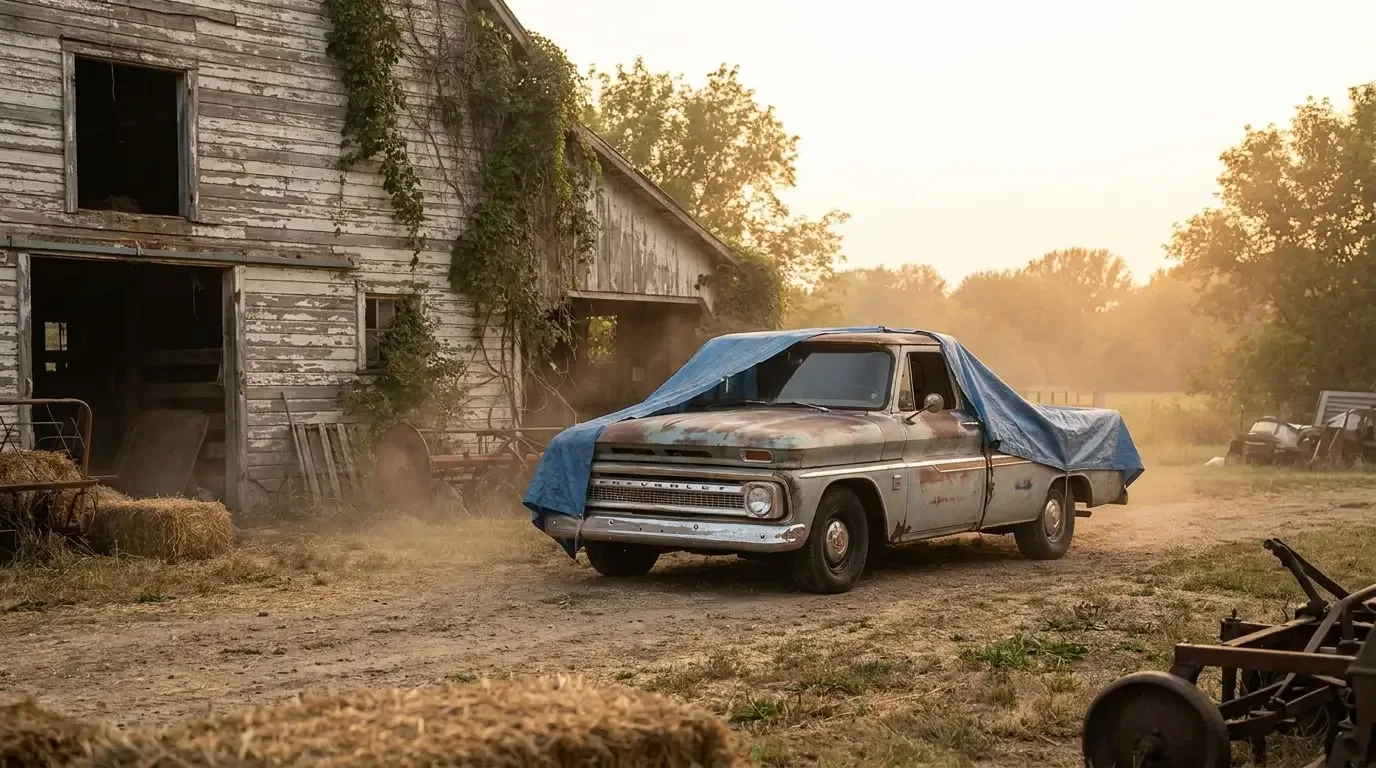
She found the truck under a blue tarp behind her grandfather's shop, its bench seat split along a seam where he used to sit with one arm out the window on the drive out to check fence line. The oil in the crankcase was still the oil he had put in it. The tag riveted to the door post had gone soft with rust, the numbers barely readable by flashlight. When she finally got the engine to turn over on the third afternoon of trying, it caught rough, coughed out exhaust that smelled like every dusty afternoon he had ever spent behind the wheel, and settled into an idle that seemed almost relieved to be needed again. That truck was a Chevrolet C10, one of millions built between 1960 and 1987, and its story is really the story of an entire category of vehicle that quietly stopped being disposable.
The Legacy of the C10 in American Truck Culture
The Chevrolet C10 was built to be used up and forgotten, but somewhere along the way it became one of the defining vehicles of American truck culture. Here is how that happened.
A truck built to disappear into work
Nobody who ordered a C10 off a dealer lot imagined it would still be running, let alone loved, decades later. It was a half-ton pickup, priced to move, built to haul feed and lumber and whatever else needed hauling that week, and expected to be traded in or scrapped once the work stopped being worth the repairs. That was the entire point of a work truck. It existed to be used up, and for most of its life nobody treated it as anything more sentimental than a tool with a heater.
The ones that survived did so mostly by accident, parked in a shed and forgotten rather than rescued on purpose. A farmer bought a newer truck and let the old C10 sit because pulling the stock trailer around the property once a month did not require anything fancy. A contractor's yard truck outlived the contractor's business by twenty years. Nobody was thinking about collector value. They were thinking about whether the thing would start on a cold morning, and for a long time that was the only question that mattered to anyone who owned one.
How the C10 kept changing without losing itself
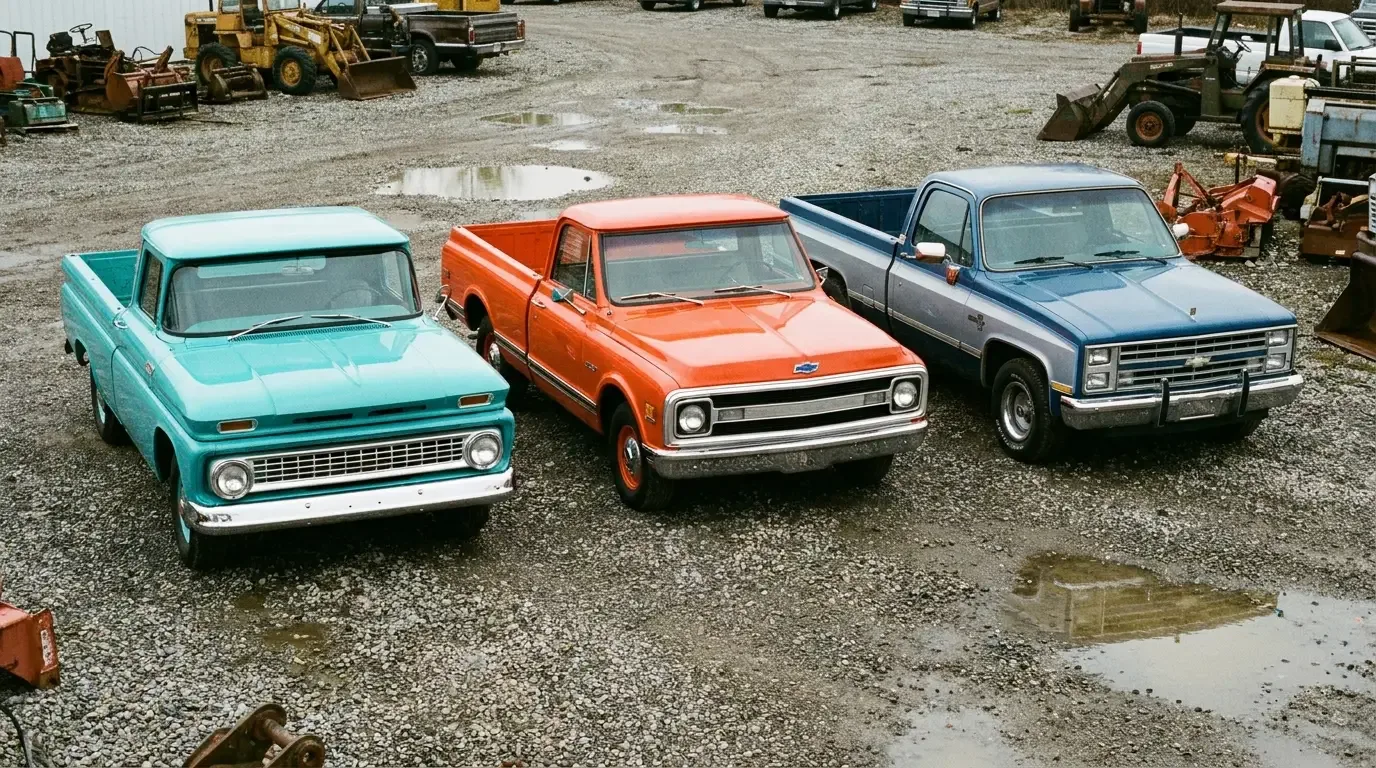
Chevrolet reworked the truck three separate times across almost three decades, and the changes were real enough that a C10 from one era can look like a different vehicle entirely next to one built ten years later. Anyone trying to sort out which era they are looking at eventually ends up reading through the C10 generations the way a family sorts through old photographs, placing a face by the haircut and the car parked in the background. The first trucks were boxy and upright. The next generation smoothed the lines out. The last one, the square body that ran into the mid-1980s, is the version most people picture the moment someone says the letters C10 out loud.
What stayed constant through all of it was the truck's basic promise. Simple mechanicals. A frame strong enough to take abuse. An interior that assumed you might climb in with wet boots and a coffee that had gone cold an hour ago. That consistency is part of why a fifteen-year-old truck and a thirty-year-old truck could sit side by side on the same ranch and both still be doing the same job without either one feeling out of place.
The paperwork that tells the truth the paint can't
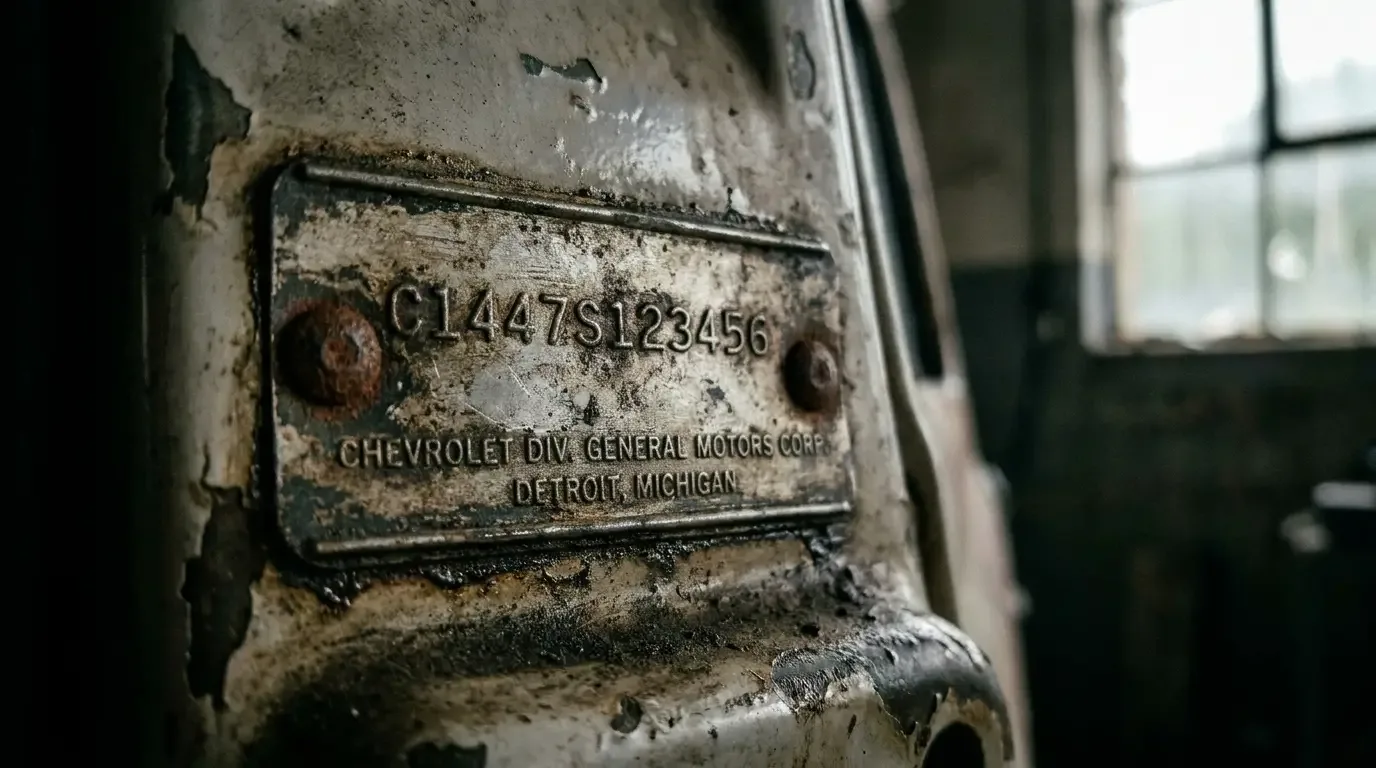
Every C10 carries a small tag that most owners never look at twice, and that tag settles more arguments than any amount of visual inspection ever could. A fresh paint job can hide a lot. It cannot change what the truck actually was when it left the factory. That is why anyone buying, selling, or simply trying to understand a specific example eventually has to sit down with the process of decoding a C10's VIN tag, matching numbers against production codes instead of taking a seller's word for it. It is not a glamorous part of the hobby. It is the part that keeps the stories honest, and honest stories are worth more than convenient ones once real money changes hands.
From ranch tool to rolling billboard of identity
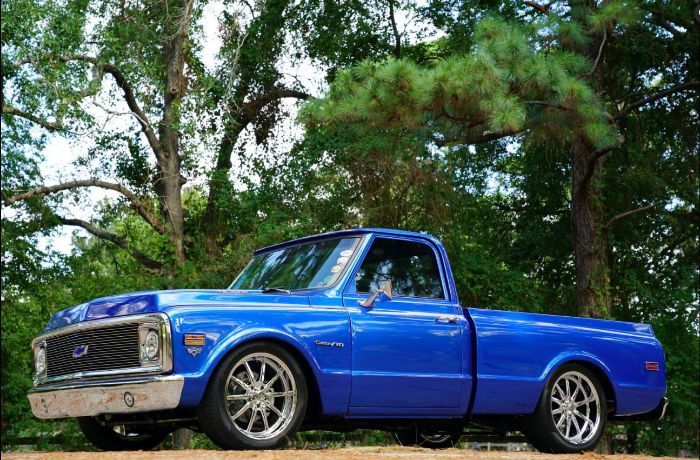
Somewhere along the way, a truck that was designed to be forgettable became something people chose to be seen in. Lowered square bodies rolled through neighborhoods on hydraulics, painted in candy colors that had nothing to do with anything a factory ever offered. Off-road builders lifted them onto oversized tires and took them places no half-ton truck was ever engineered to go. Show builders stripped them to bare metal and rebuilt them as rolling arguments about what a truck could look like if nobody was in a hurry to finish. None of that happened because the C10 was rare or expensive. It happened because the shape was right, the platform was cheap enough to experiment on, and the community around it kept teaching the next generation how it was done. Anyone chasing the full story of C10 culture is really asking how a work truck ended up as a canvas.
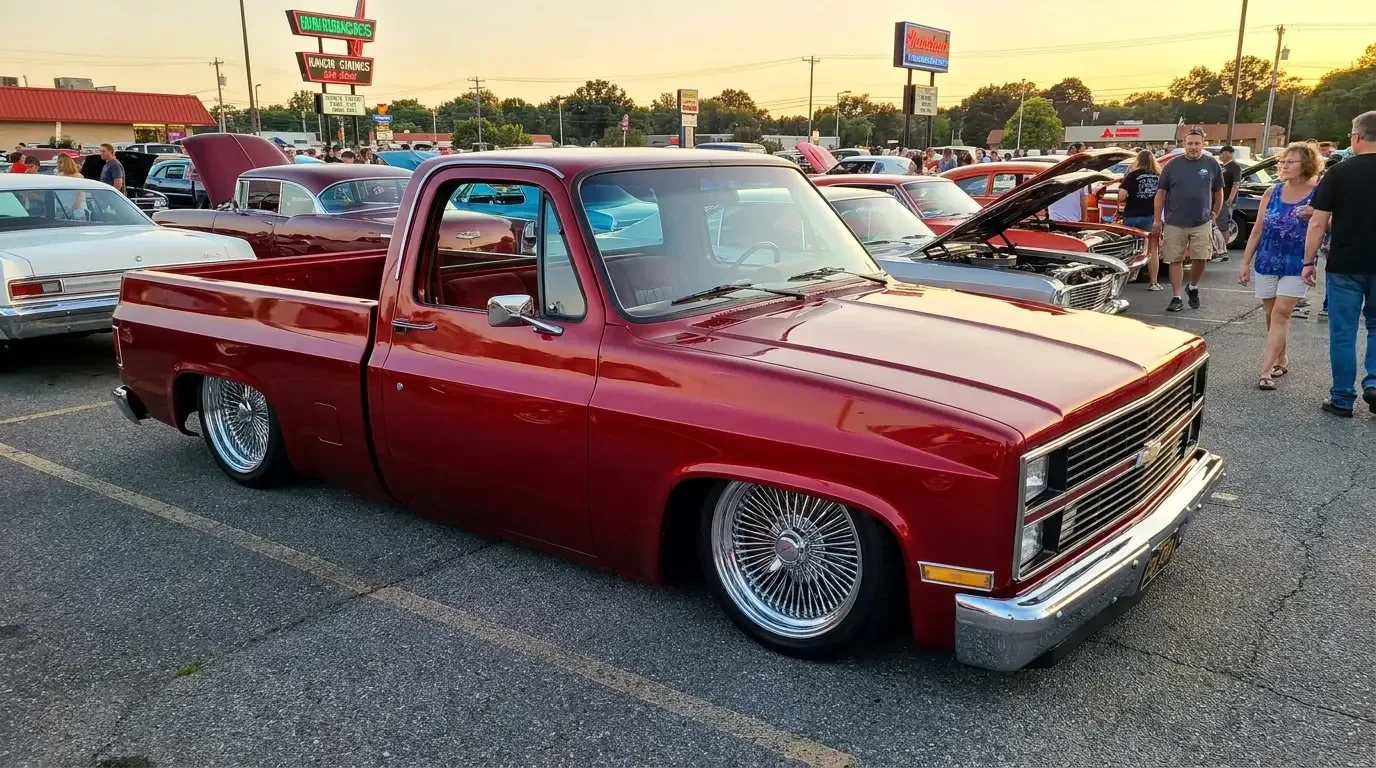
That transformation never actually erased the truck's working-class origins. If anything, it depends on them. A custom C10 reads as authentic precisely because everyone standing around it already knows what the truck used to be for.
Why the C10 still matters
Trucks get replaced. That is the deal manufacturers and owners have always struck with each other, and it is why so few working vehicles from any era survive in meaningful numbers. The C10 broke that pattern, not because Chevrolet built something precious, but because the truck was simple enough to keep alive with basic tools and common sense, and because enough people decided it was worth the effort before the market ever told them it would pay off.
"The trucks that get saved are never the ones anybody expected to matter. Somebody just could not let this one go, and thirty years later the rest of us are glad they did not."
Nora Beckett
The truck under that blue tarp is running again now. It still smells the same when it starts, still idles a little rough until it warms up, still pulls slightly to the left the way it probably always has. Some things are worth keeping exactly because nobody can explain the value of them in numbers.
Sources and notes
Related Reading

Automotive features writer and photographer who tells the human stories behind the cars, from show fields to cross-country road trips.
Related Listings - Chevrolet C10
More in History & Heritage
Comments
Be the first to comment on this article.