
Ask ten enthusiasts when the muscle car was born and you will get a friendly argument that lasts most of an afternoon. Somebody will bring up the Oldsmobile Rocket 88. Somebody else will make a case for the letter-car Chryslers of the late 1950s. They are not wrong about the engineering. But the thing we actually mean when we say muscle car, an affordable mid-size sedan with a big engine shoved into it and sold to a young buyer, that thing has a birthday. It is 1964, and it belongs to the Pontiac GTO.
History & Heritage
6 min read
Why 1964 Is the Birth Year of the Muscle Car
1964 is the real birth of the muscle car. How the Pontiac GTO broke a GM rule and started Detroit's horsepower decade.
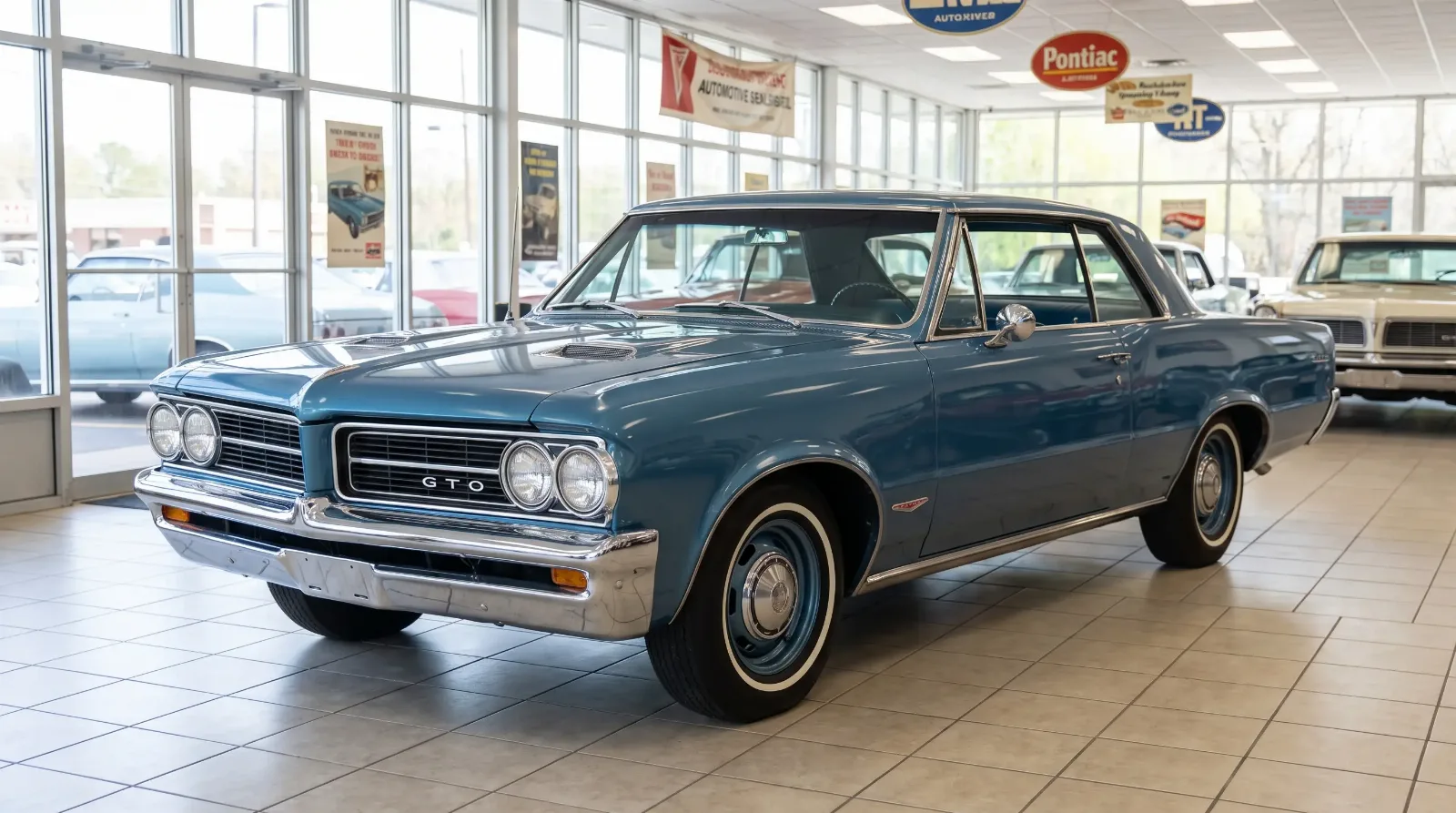
What makes 1964 the real starting line is not just the car. It is the idea, the marketing, and the moment all landing at once. Pontiac did not stumble into this. A small group of engineers and one very stubborn division boss decided to break a corporate rule, and the result rewrote what Detroit sold to America for the next decade. If you want the long version of how the industry got here, we lay out the muscle car history story in full elsewhere, but the short version starts with a memo nobody was supposed to write.
The rule that made the GTO possible
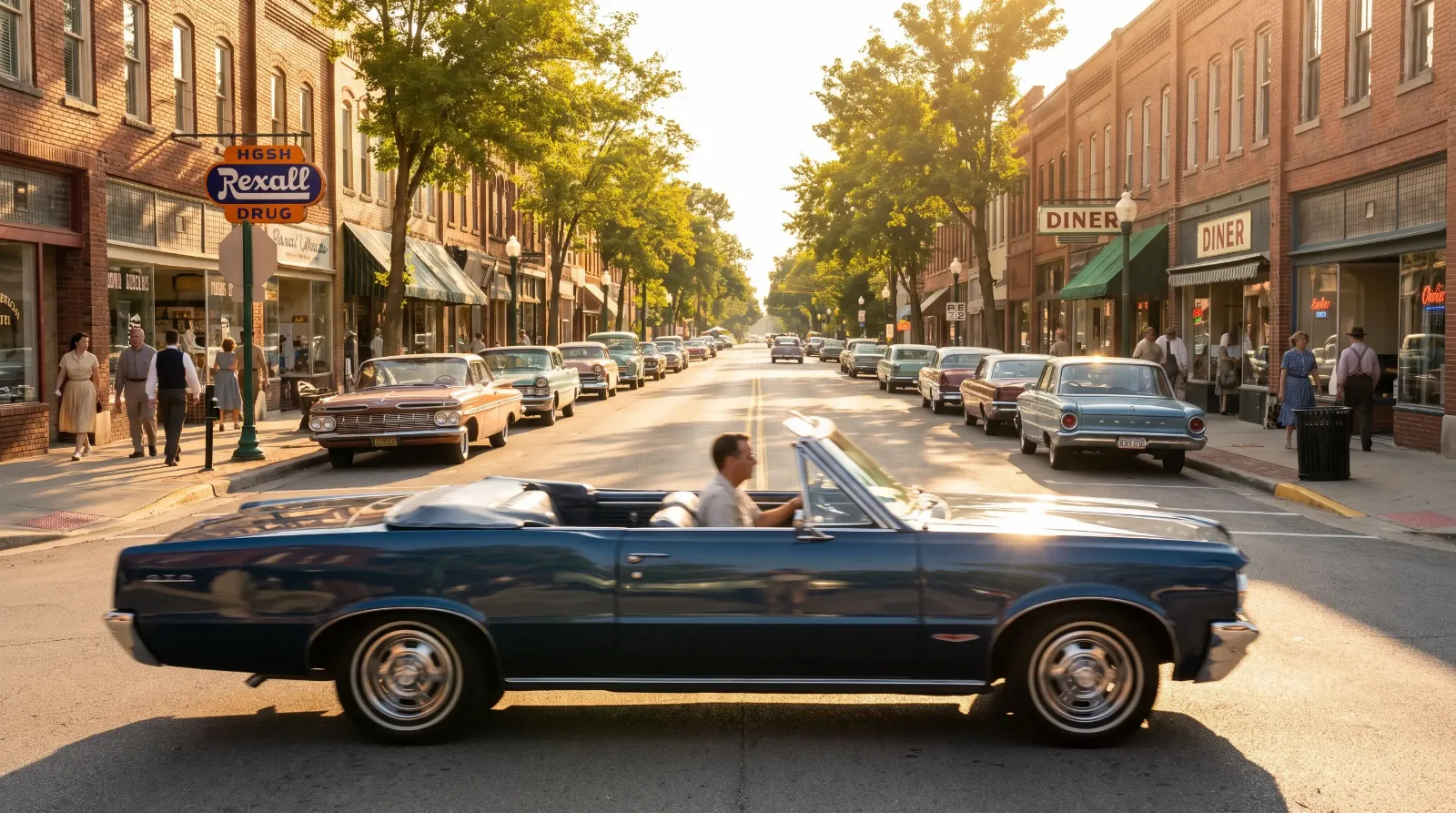
By the early 1960s General Motors had a self-imposed policy that its intermediate cars, the A-body platform that included the Pontiac Tempest and LeMans, could not be fitted from the factory with an engine larger than 330 cubic inches. The corporation was nervous about a horsepower race, nervous about safety optics, and still living under the shadow of the 1957 industry agreement to back away from factory racing. Big engines went in big cars. That was the order of things.
Here is the loophole that changed everything. The rule governed what could be offered as a standard model. It said far less about what a division could bundle as an optional package on a car that already existed. Pontiac did not need to build a new model to get around the ban. It needed to sell the 389 as a box you checked on the order form.
What John DeLorean actually did
The engineering was almost embarrassingly simple. Pontiac's team, with John DeLorean pushing it and engineers Bill Collins and Russ Gee working out the details, took the 389 cubic inch V8 from the full-size Pontiac and dropped it into the lighter LeMans. Then they made it an option package rather than a distinct car. Corporate product planning never got the chance to say no, because there was technically nothing new to approve.
The base 389 in the GTO made 325 horsepower with a single four-barrel carburetor. Order the Tri-Power setup, three two-barrel carburetors sitting on top of that engine, and you got 348 horsepower. In a car that weighed a few hundred pounds less than the sedan the engine came out of, those numbers meant something you could feel in your spine.
| 1964 Pontiac GTO | Detail |
|---|---|
| Platform | Pontiac LeMans (A-body intermediate) |
| Engine | 389 cubic inch V8 |
| Base output | 325 hp (4-barrel) |
| Tri-Power output | 348 hp (three 2-barrel carburetors) |
| Sold as | Option package, not a separate model |
| First-year sales | Roughly 32,450 units |
Why 1964 and not some earlier car
Plenty of fast American cars came before the GTO, and some of them were genuinely quick. So why does 1964 get the crown? Because the earlier cars missed at least one piece of the formula. The Rocket 88 had the engine but sat in a market that was not built around young performance buyers. The full-size factory hot rods of the early 1960s were fast but expensive and heavy. The GTO was the first to line up all of it at the same time: mid-size body, big-car engine, aggressive marketing, and a price a twenty-five-year-old could stretch to reach.
The name mattered too. Pontiac borrowed GTO from the Ferrari 250 GTO, short for Gran Turismo Omologato. Purists howled. Pontiac did not care, and neither did the kids buying them. That confidence, taking a hallowed European racing badge and bolting it onto a Tempest, told you exactly what kind of decade was coming. If you want the deeper origin story of that single car, you can read the full story of how a Tempest LeMans lit the fuse.
The number that stunned Pontiac
That sales figure is the real story. Detroit ran on projections and committee approvals, and Pontiac had quietly bet that a few thousand buyers wanted this. When the orders came in at six times the estimate, the argument was over. You cannot ignore a car that outsells its own forecast by that margin. The GTO did not just succeed. It embarrassed the caution that had kept the big engine out of the small car in the first place.
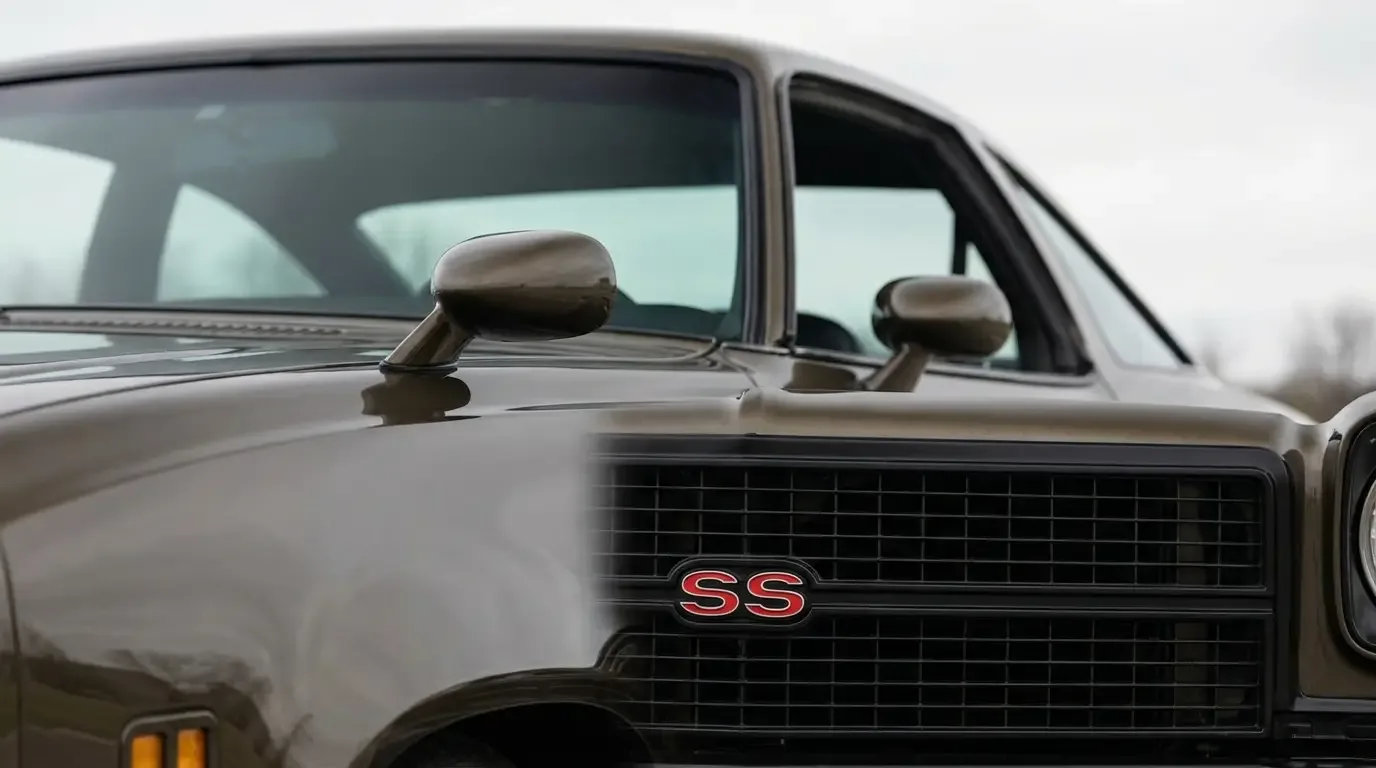
Within a year the copies started. Chevrolet answered with the Chevelle SS and its 396. Oldsmobile had the 4-4-2. Buick built the Gran Sport. Ford and Chrysler read the same sales sheets and moved. The GTO had proven a market existed, and nobody wanted to be the division that showed up late.
"I have talked to guys who bought a GTO new in 1964, and they all describe the same feeling. It was the first car that seemed built for them instead of their fathers. That is what actually started this, not the horsepower number. The horsepower was just the proof."
Patrick Walsh
What the GTO started
The decade that followed was a horsepower war fought with option packages and magazine cover tests, and it traces straight back to one division ignoring a rule it found inconvenient. Every big-block escalation of the late 1960s grew out of the door the GTO kicked open. From here the engines only got larger and the numbers only got wilder, right up until the point they did not, and you can read the full story of that big-block climb and its eventual crash.
1964 earns its title because it is the year the pieces stopped being separate. Big engine, small car, young buyer, real marketing, and a price that worked. Everything Detroit did for the next ten years was a variation on the theme Pontiac wrote that year. For the full arc of how it all connects, our American muscle car story follows the thread from this first spark to the last cars standing.
Related Reading
Have a
Classic Car
for Sale?
Reach thousands of serious classic car collectors across the US.
Sell It Here →
Are You a Classic Car Dealer?
List your full inventory and connect with targeted classic car buyers.
Join as a Dealer →

About the author
Patrick Walsh
Automotive journalist covering classic car shows, events, and the enthusiast community across North America.
More in History & Heritage
Comments
Be the first to comment on this article.