
It usually happens at pickup. The customer walks around the car twice, runs a hand along the fender, and then says it: "I might sell it." Sometimes it is the bill talking. Sometimes the project was always a flip. Sometimes life changed while the car sat on your lift. Either way, the shop is now part of selling a restored car, whether it planned to be or not. How you handle the next ten minutes decides whether that customer sends you work for years or tells everyone the shop tried to cash in. Here is how to handle it straight.
Ownership & Lifestyle
7 min read
When a Restoration Customer Wants to Sell
Your customer wants to sell the car you just finished. Be honest about condition, hand over the records, explain the fees and stay out of the price.
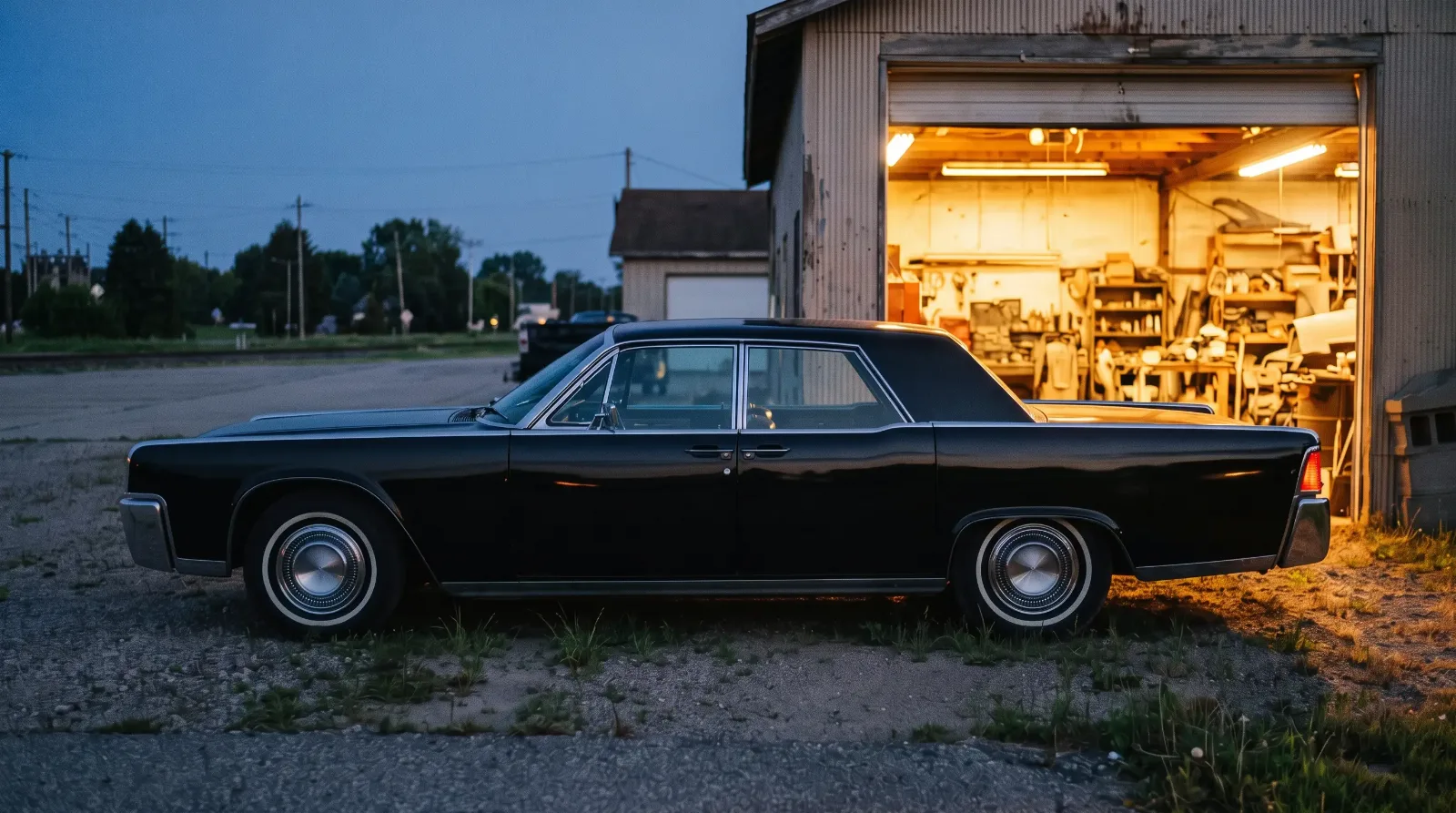
What selling a restored car means for the shop
First, figure out which seller you are talking to. There are three kinds.
The tired one. The job ran long, the money ran out, and selling feels like the only way to stop the bleeding. This customer needs honesty more than help. Do not talk them out of it and do not talk them into it.
The planner. They always meant to sell. They want to know what the car will bring and where to list it. This customer needs information, fast.
The one who is just saying it. Half the people who say "I might sell it" at pickup are still driving the car five years later. Listen. Do not jump.
In all three cases, your job is the same. Give them the facts about the car, hand over the records, explain the selling routes, and stay out of the price. You built it. You are not the appraiser, and you are not the buyer's friend or the seller's agent. The moment you start telling a customer what their car is worth, you own the number when it does not sell.
Be honest about what the car is, not what it cost
The hardest sentence in this business: the money that went into a restoration is not the price the car will bring. Customers know this in theory. At pickup, with the invoice still warm, they forget.
Buyers will judge the car on condition, and Hagerty's condition grades are a useful yardstick. Hagerty describes a #2 "Excellent" car as like new inside and out, or close to it, and says that is where most fully restored cars land; only an expert typically spots the flaws. A #1 "Concours" car is perfect, better than new, and almost never seen outside major concours events. Plenty of owners think their car is a #1. Most are not, and a buyer's inspector will say so.
So tell the customer what the car is, plainly. Which grade the work was built to. What is original, what is reproduction, what was modified. What you would tell a buyer if one called the shop. If the job was a driver-quality restoration, say so, and say why that is a fine thing to own and a fine thing to sell. Then send them to a qualified appraiser for the number. That keeps the shop out of the argument later.
Hand over the records before anyone asks
A restored car with no paperwork is a used car with new paint. Buyers know that, and the sources that write about documentation agree that records add credibility and remove doubt about wrecks, rebuilds and hard use, though none of them puts a dollar figure on it.
If your shop kept a proper record, now is when it pays. Before-and-after photos from the same angles, the VIN and numbers photographed on arrival, dated progress shots at each milestone, itemized invoices with parts, sources and hours. Put it in a binder or a clean digital folder and give it to the customer at pickup, not after they decide to sell. If you want a model for how to lay it out, the guide to the build photo book walks through it.
One warning. Do not pad the record. If a part was reproduction, the invoice says reproduction. If you did not do the engine, the file says who did. A buyer who catches one wrong line will stop trusting every other page, and your shop name is on all of them.
Where the car can sell, and what each route costs
Customers ask the shop where to sell because the shop is the last expert they talked to. Give them the routes and the fees, and let them pick. The figures below come from a third-party fee comparison and Hagerty's own pages, both read in October 2026, plus our own listing prices as shown on the live page that month; platforms change fees, so confirm on the platform before listing.
| Route | Seller pays | Buyer pays |
|---|---|---|
| Hagerty Marketplace (online auction) | $99 listing fee, waived for a limited time | 7% ($500 minimum) |
| Hemmings (online auction) | $99.95 | 5% ($500 minimum, $10,000 maximum) |
| PCARMARKET (online auction) | $99 | 5% ($500 minimum, $5,000 maximum) |
| Barrett-Jackson (live auction) | Entry fee plus 8% | 10% on site, 12% absentee |
| Mecum (live auction) | Entry fee $350 to $1,000 plus 6% no reserve or 10% with reserve | 10% in person, 12% by phone |
| Our classified listings | $49 Starter, $99 Featured or $179 Premium, no cut of the sale | Nothing |
Auctions bring a deadline and a crowd. They also take a percentage, from the seller, the buyer or both, and a buyer's premium comes out of what a bidder is willing to pay for the car. A flat-fee classified takes longer and needs the seller to answer calls and show the car, but nothing comes off the top when it sells. Neither is right for every car. A seller who wants it gone by spring and one who can wait a season are making different trades. For how the different referral and affiliate schemes in the hobby stack up, see the wider picture.
"I don't price cars I built. I tell the customer what's under the paint, hand him the binder, and tell him where the fees are. The number is his problem. That's how you keep a customer after he sells."
Mike Sullivan
Where the shop fits, and where it stops
Some shops want to sell the car for the customer. Think hard before you do. Holding a customer's car on consignment brings in questions about licensing, insurance and who answers when the buyer is unhappy, and the rules vary by state. In Kansas, for example, selling five or more vehicles in a calendar year is presumed to mean you are in the business, which requires a dealer license unless you can show otherwise. Check with your state's dealer licensing agency and your insurer before you take a car to sell.
The lighter option is a referral. Our partner program lists restoration, body, upholstery and detailing shops among its partners, and a link in a follow-up email is enough. If the customer lists through your link, you can refer the sale and earn on the listing: the shop earns 25% of what the customer paid for the package (terms as of October 2026). For example, a $179 Premium listing pays the shop $44.75, confirmed 30 days after the sale, with payout by PayPal once the confirmed balance reaches $50. There is no cut of the car's sale price. If you send that link, tell the customer in the same message that the shop earns a commission, as the FTC requires.
That is a small number. It should be. The real return on handling this conversation well is the next job: the customer who sold one car and calls you about the one they buy next. For the rest of the business behind that, from pricing to insurance, read more here.
Be straight. Hand over the paper. Stay out of the price. The customer will remember who told them the truth about their car.
Sources and notes
- Hagerty: what a car's condition grade really looks like (May 2024)
- CLASSIC.COM: auction fees and prices compared, read October 2026
- Hagerty Marketplace: buyer's premium of 7% with a $500 minimum (November 2024); listing fee from its consignment FAQ, read October 2026
- Automotive Addicts: a practical guide to documenting a classic car restoration (July 2026)
- Kansas Administrative Regulations 92-50-42: five sales a year and the dealer license
- Classic Cars Arena partner program: rates, packages and rules, read October 19, 2026
Related Reading
Have a
Classic Car
for Sale?
Reach thousands of serious classic car collectors across the US.
Sell It Here →
Are You a Classic Car Dealer?
List your full inventory and connect with targeted classic car buyers.
Join as a Dealer →
#condition grades
#restoration shop
#restoration records
#classic car auction fees
#shop referral income
#selling a restored car

About the author
Mike Sullivan
Detroit-area muscle car enthusiast and restoration specialist with three decades of hands-on experience working on American iron.
More in Ownership & Lifestyle
Comments
Be the first to comment on this article.