
A restoration shop sells one thing above everything else: the last car that rolled out the door. Every customer who drives a finished car to a show becomes either your best salesman or the reason a stranger crosses you off the list. That is why good restoration shop marketing looks less like advertising and more like a shop process, a sequence you run on every job, the same way you run a panel from bare metal to primer. This guide lays out that sequence: where the work gets seen, how to collect reviews without breaking platform or federal rules, and how to stay in the customer's life after the keys are handed back. If you are still at the stage of deciding whether to start a classic car restoration business, read that first. This is for the shop that already has a lift, a booth and a few finished cars behind it.
Getting Restoration Customers Without Paid Ads
Finished cars, build photos, car shows and rule-safe review requests: a restoration shop marketing routine that needs no ad budget.
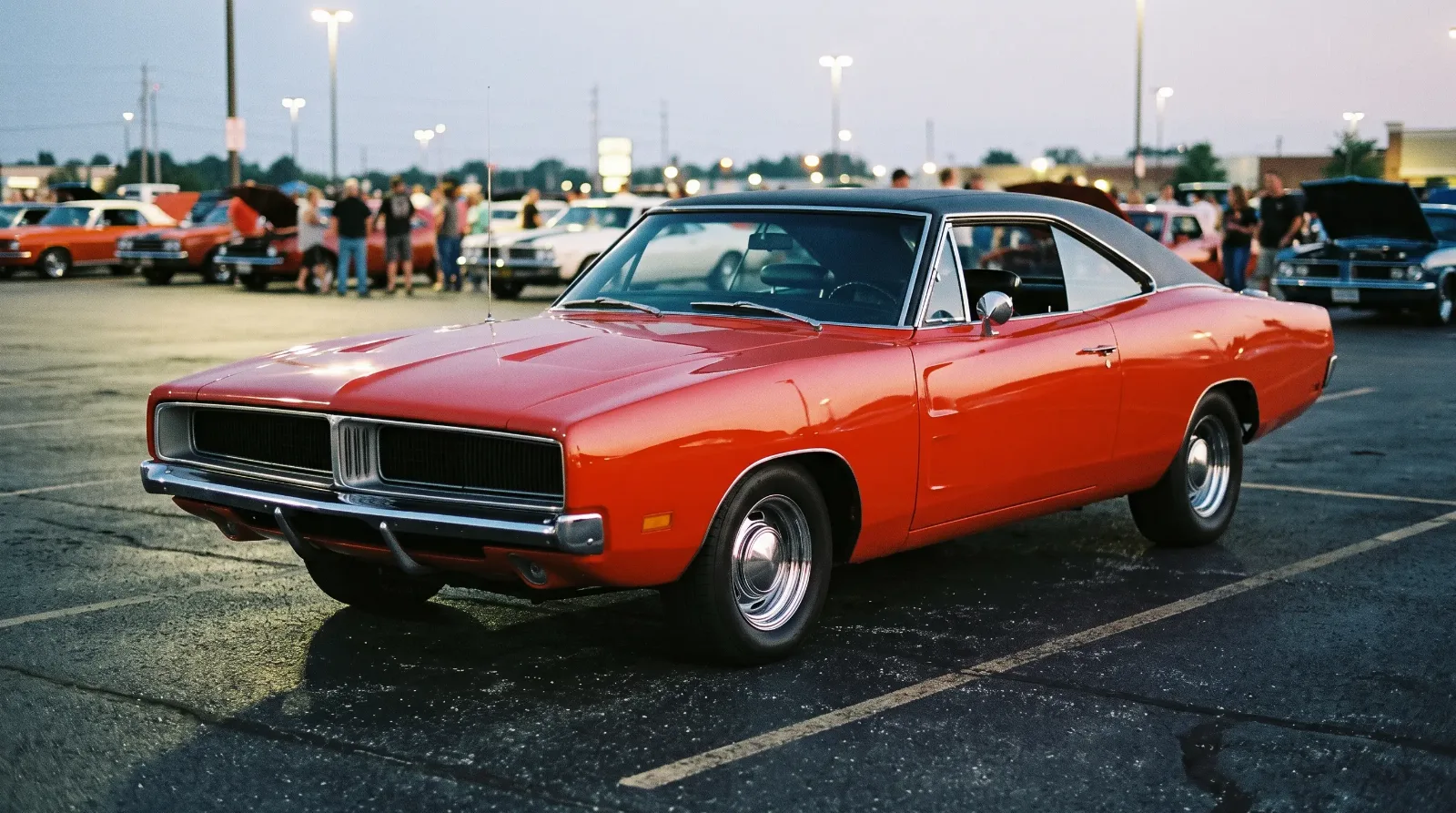
Why restoration shop marketing runs on finished cars
Buyer advice aimed at restoration customers says it plainly: word of mouth will get a shop started, and the smart owner walks a car show asking people where their car was restored and how happy they were with the job. The same advice warns that bad news travels fast. Shops that get the order right can end up with a waiting list of a year, 18 months or longer, according to the expert quoted in that guidance.
Read that from the shop side. Your marketing department is the owner standing next to a finished car with a cup of coffee, answering the question "who did the paint?" What they say depends on three things you control: the quality of the work, whether the job came in near the quote, and how they were treated when something went wrong halfway through. You cannot buy your way past a bad answer to any of those.
The quote matters more than most shops think. A customer who was surprised by the final bill tells that story first, before they mention the panel gaps. Be clear early about how you bill, and if you have not settled on a method, weigh hourly versus fixed quotes before the next job comes through the door.
Make every build visible while it is still on the lift
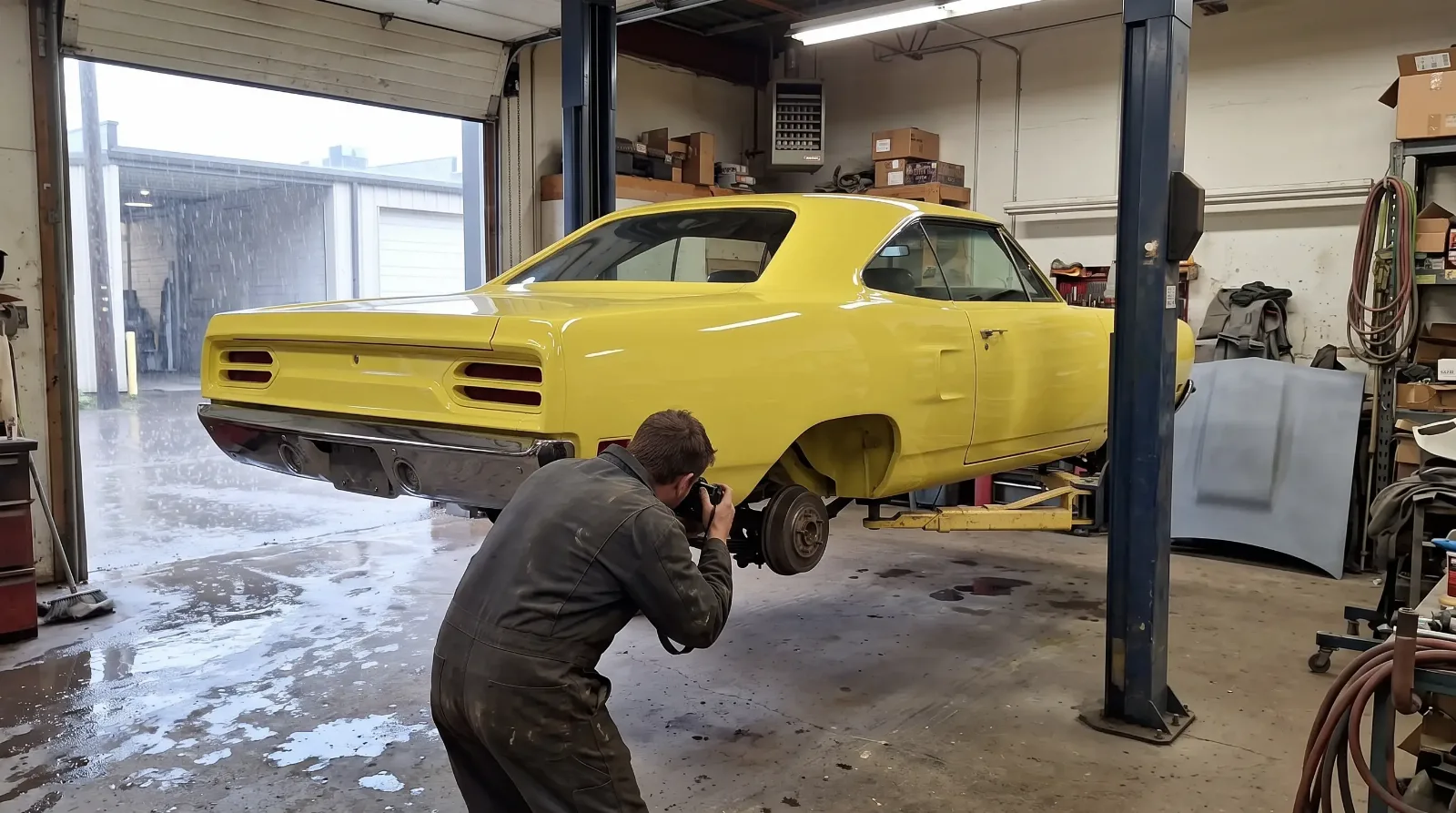
The work a customer pays for is mostly hidden by the time the car is done. Rust repair under the floor, a straightened frame rail, the wiring behind the dash: none of it shows at a car show. Photographs are how you show it.
Set up the routine before the first bolt comes out. Shoot the car from every angle as it arrives, including the engine bay, interior and chassis, plus the VIN, the engine and transmission numbers and the body tag. Then shoot the same angles at each milestone: rust repair, engine assembly, suspension, wiring, paint prep. Same positions, same lighting where you can manage it, dated. Customers are told to ask a shop whether it provides a photo record of the build and itemized invoices, so the record is part of the job, not an extra.
Here is where it goes wrong. The shop takes great photos for six weeks, then the job gets busy, and the record stops at primer. The finished car shows up without the half of the story that justified the bill. Put a photo step on the job sheet for each milestone so it gets done whether or not anyone feels like it.
With the customer's permission, those same photos become your public portfolio: a short build thread on the shop's site, a weekly progress post on social media, a binder on the front counter. Ask before you post a customer's car, and leave out plates and anything that shows where they live.
Show up where the cars already are
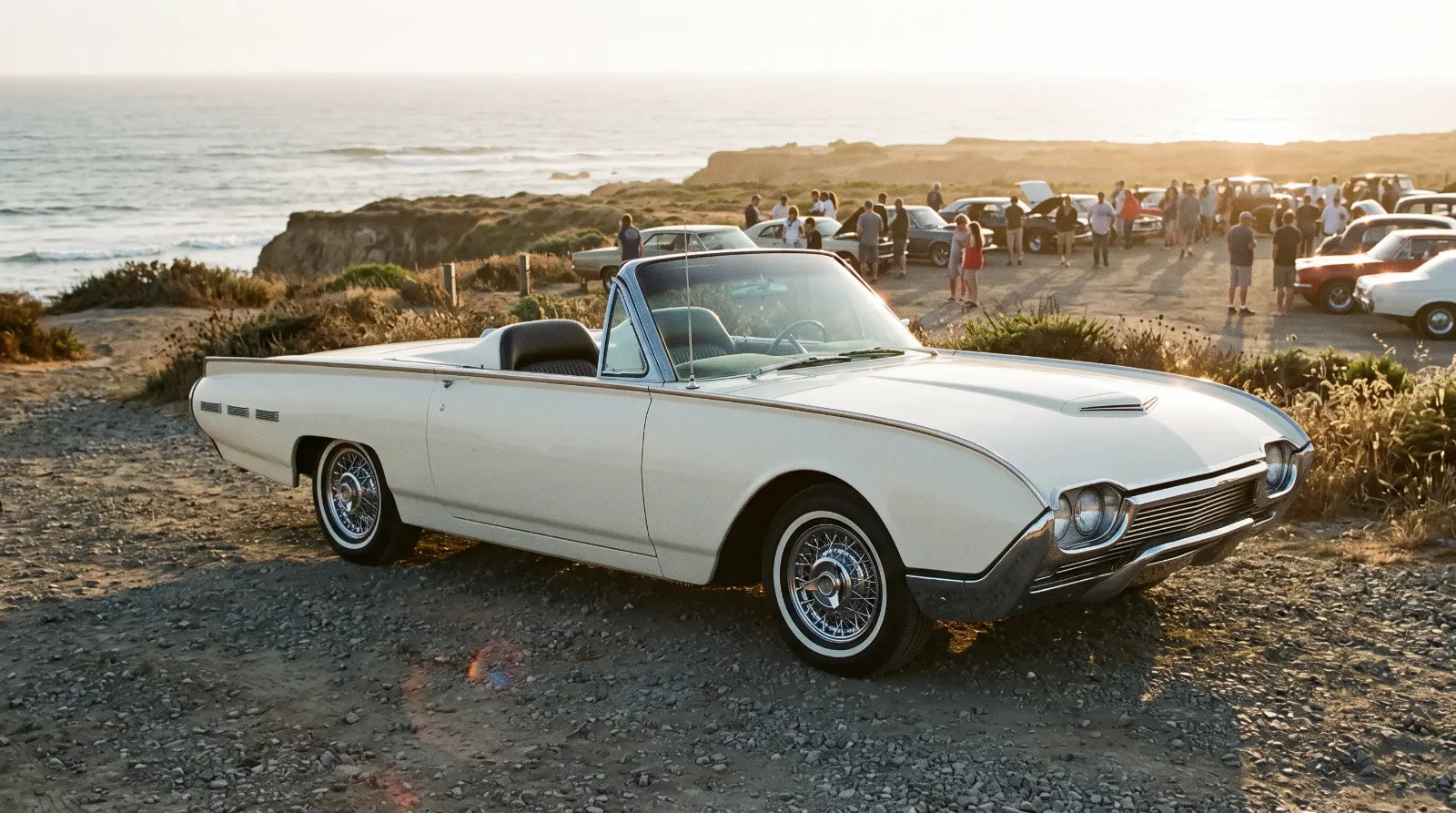
Car shows, cruise nights and club meetings put you in front of exactly the people who will need a shop. Bring a finished customer car if the owner is willing, or your own project mid-build with the panels off so people can see the metalwork. Talk to owners. Hand out cards. Most of the time, that is the whole marketing budget.
Some shops go further and sponsor a local show. A trade magazine profile of GMP Cars, a Northern California restoration and collision shop, described it sponsoring the Nostalgia Days Cruise and Car Show in Novato for three years. The profile notes that many exotic owners had not known the shop also worked on classic and muscle cars. A sponsorship costs money, so it is not free exposure, but it is a different kind of spend from an ad buy: you are paying to stand next to the cars, not to interrupt someone's feed.
The trade side has its own rooms. The Automotive Restoration Market Organization, a council of SEMA, is open to businesses serving the restoration hobby, including restorers; members must join SEMA first. It offers a membership directory and a networking reception at the SEMA Show. That is where you meet the upholstery, chrome and machine shops whose customers will someday need what you do.
Ask for reviews the way the rules allow
Online reviews are the modern version of the conversation at the car show, and they are governed by rules most shop owners have never read. Google's policy for business reviews and the FTC's consumer review rule overlap. The practical version for a shop, as of October 2026:
| You may | You may not |
|---|---|
| Ask every customer for an honest review | Offer payment, a discount or free work in exchange for a review |
| Send a polite follow-up after delivery | Ask only the happy customers, or discourage negative reviews |
| Reply to a bad review calmly and factually | Threaten or intimidate a reviewer, or make false accusations about them |
| Encourage genuine reviews from every kind of customer | Set staff quotas for reviews or ask that a review name an employee |
| Give the customer a link to review later | Pressure a customer to write a review while they are on the premises |
Google also removes reviews written by people with a conflict of interest, such as employees, contractors and relatives. Do not have your brother-in-law post five stars. The FTC rule adds that courts can impose civil penalties for knowing violations. This is a summary, not legal advice; if a review dispute turns serious, talk to an attorney before you respond.
The method that works is boring. When the car is delivered, hand over the photo record, and a few days later send a short message thanking the owner and asking for an honest review with the link included. Ask everyone, the same way, every time.
Stay in the customer's life after delivery
The job does not end at delivery. Customers come back for service, for the next car, and eventually for advice when they decide to sell. That last moment is easy to fumble, and it is worth preparing for the conversation when a customer wants to sell before it happens.
It can also earn the shop something. Our partner program names restoration, body, upholstery and detailing shops among its partners, and a shop can put its link in a quote or follow-up email. If a customer you referred buys a listing package, the shop earns 25% of what the customer paid (terms as of October 2026). For example, on a $99 Featured package that is $24.75, confirmed 30 days after the sale and paid by PayPal once the confirmed balance reaches $50. It is a small sum next to a restoration invoice, and it should be treated that way. If you share the link, say in the same email that the shop earns a commission on it, as the FTC requires. The program's rules also ban paid ads, which suits a shop that was never going to buy them.
"Marketing a shop is like laying out a weld sequence. Do the steps in order on every job, photos, invoice, follow-up, review request, and the panel stays flat. Skip one when you are busy and you will see the distortion a year later."
Ray Delgado
None of this replaces the work. A shop with sloppy panel gaps can follow every step above and still lose. But a shop doing honest work that runs this sequence on every car will find that the customers it already has bring in the next ones.
Sources and notes
- All Chevy Performance: tips on finding the right restoration shop (March 2024 issue)
- Shop Magazine: GMP Cars and its car show sponsorship (August 2019)
- SEMA: Automotive Restoration Market Organization (ARMO), read October 2026
- FTC: Consumer Reviews and Testimonials Rule, questions and answers
- Google Maps: policy on fake engagement and review solicitation, read October 2026
- Classic Cars Arena partner program: rates, packages and rules, read October 19, 2026
Related Reading

Metal fabricator and chassis builder who has spent 25 years turning flat sheet and mild steel into hot rods, gassers and restomod underpinnings.
More in Ownership & Lifestyle
Comments
Be the first to comment on this article.