
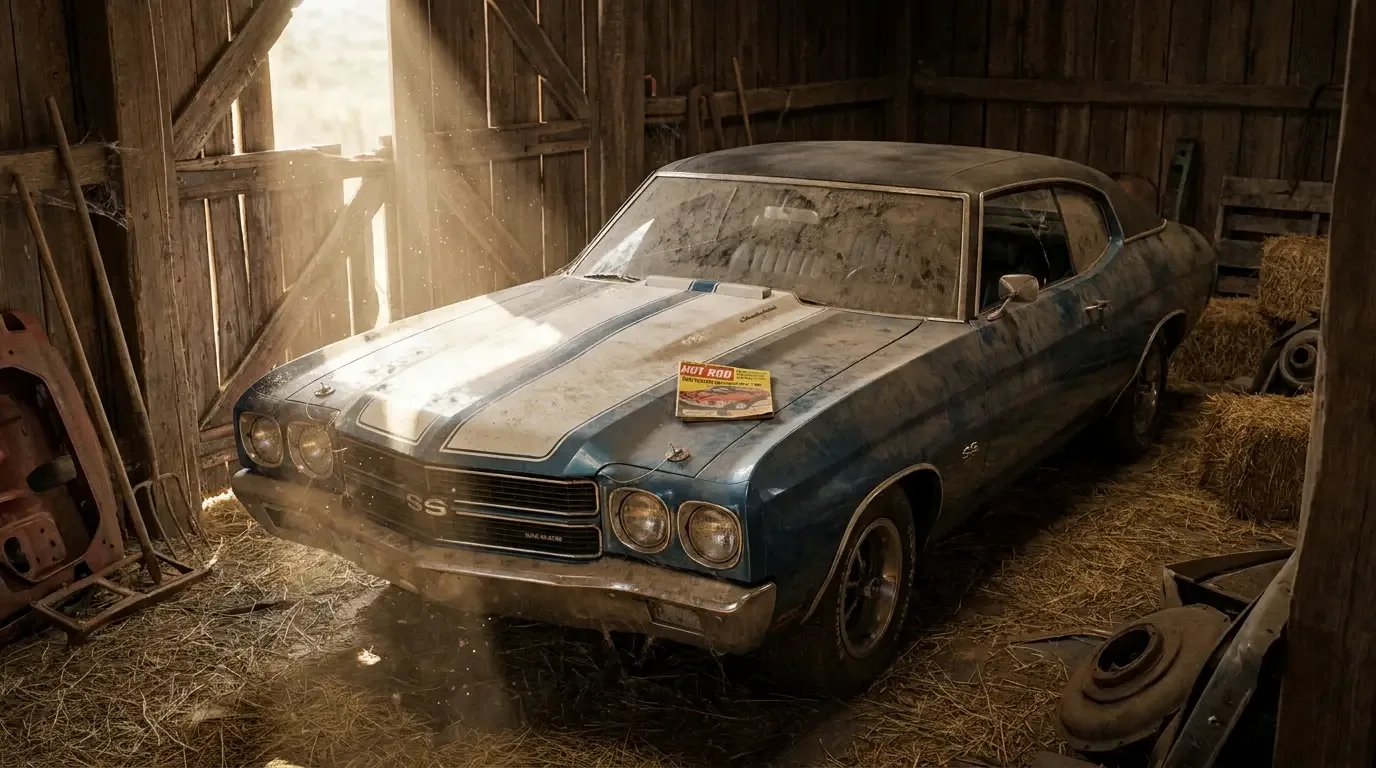
I've stood on enough overpasses watching the Hot Rod Power Tour roll through to know a Chevelle when it's still three cars back in the pack. Something about that fastback roofline and the way the rear glass sits gives it away before you can read the badge. Every year there are a couple hundred of them in the mix, and every year at least a dozen show up with problems they didn't have when they left home. Power Tour isn't a car show. It's a several-thousand-mile road rally that stops in a different city every day for a week, and it separates cars that are actually built to drive from cars that were built to sit under a canopy at a Saturday cruise-in. The Chevelle, for reasons that have a lot to do with how the platform was engineered in the first place, tends to do pretty well out there.
Chevelle at Power Tour
Why the Chevrolet Chevelle shows up in force at Hot Rod Power Tour, what actually breaks on the road, and how to prep one for a real driving event.
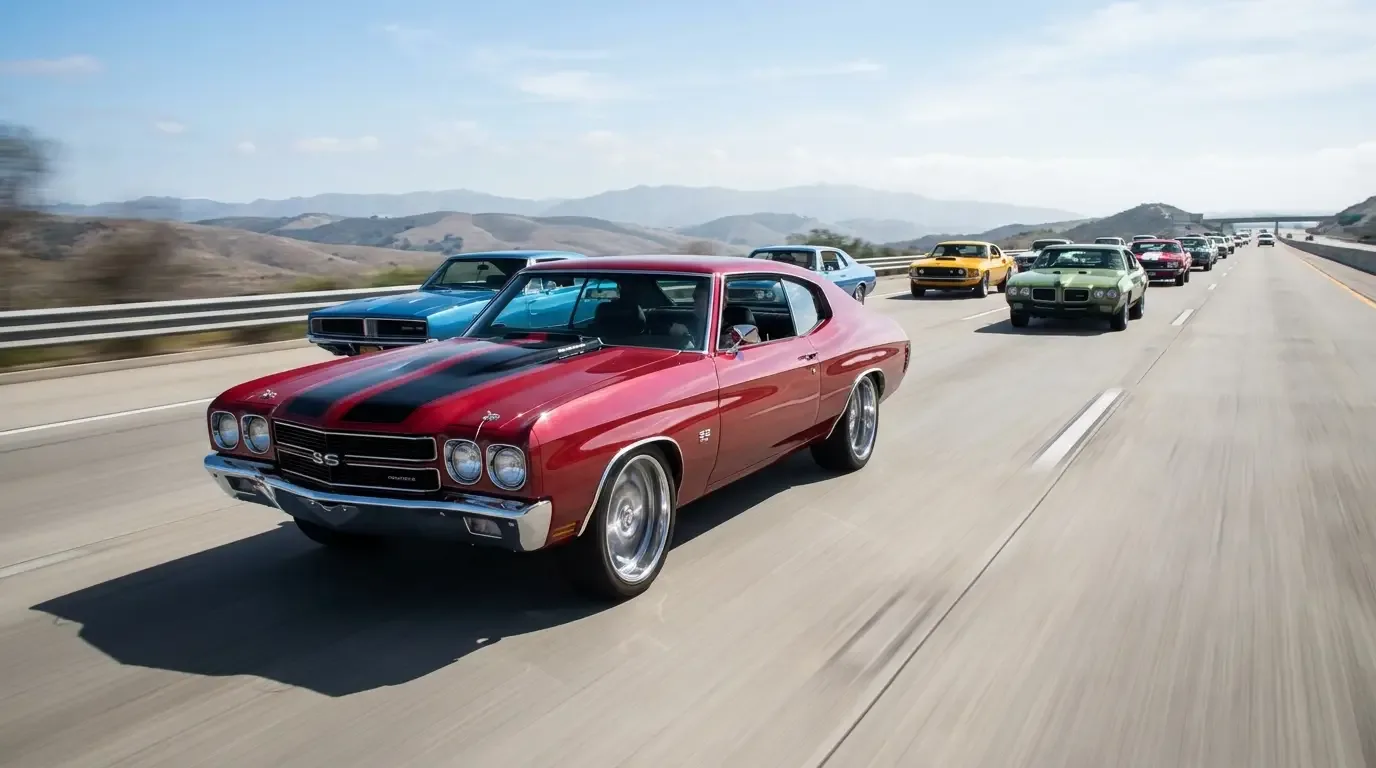
Why the Chevelle shows up in force
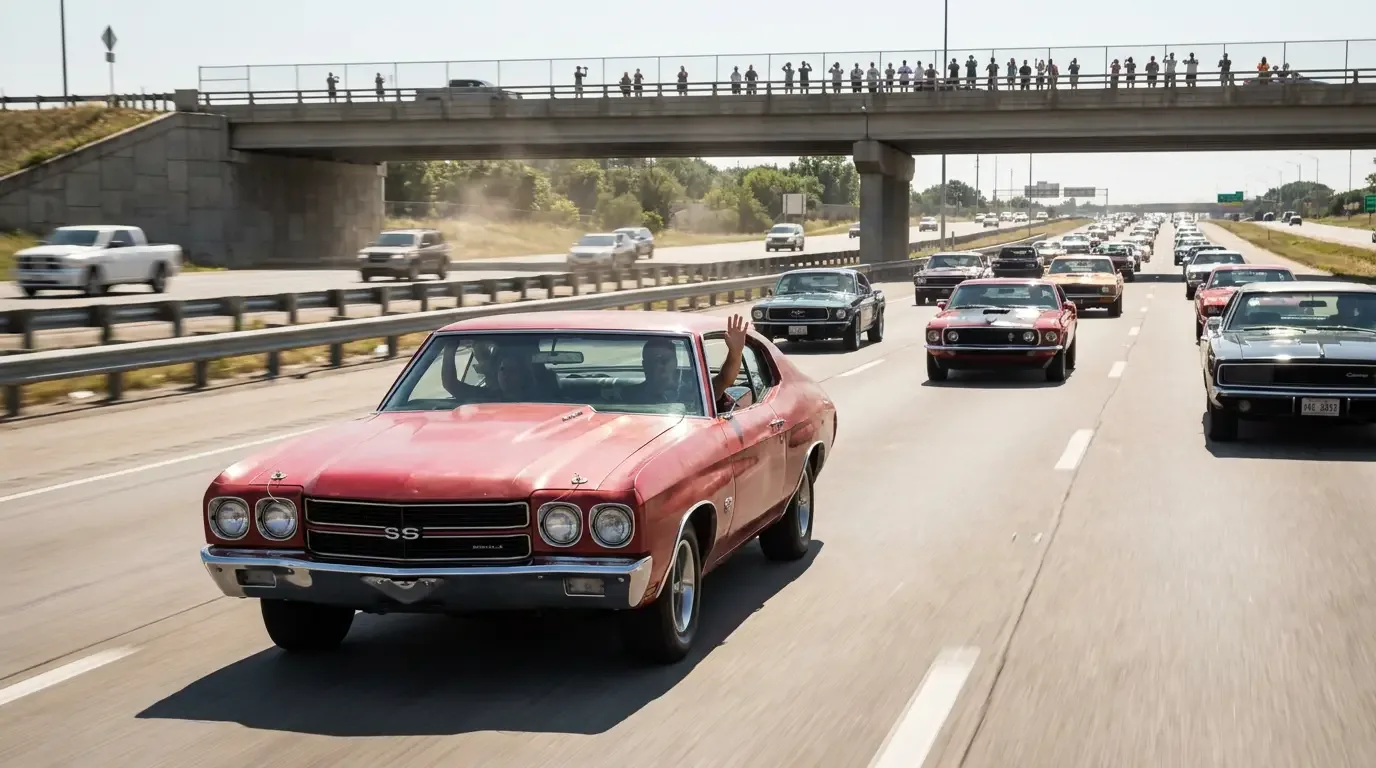
Part of it is simple math. GM built a lot of these cars, so there's a big population of them still on the road, and a big chunk of that population sits in the hands of guys who bought their Chevelle specifically to drive it hard, not to trailer it. The A-body chassis is also a known quantity mechanically, simple front subframe design, good aftermarket parts support, engine bays that were never designed with a modern LS swap in mind but accept one without a fight anyway. I've talked to plenty of Power Tour regulars who run small-block or big-block Chevelles the way they were built, no swap at all, just a well-sorted factory-style drivetrain with modern radiator, ignition, and cooling upgrades to survive interstate speeds in July heat. That says a lot about how solid the original engineering was to begin with, not a knock on the guys who go the LS-swap route instead.
What actually breaks out there
Heat is the real enemy on Power Tour, not distance. A car that's fine on a twenty-minute cruise night can cook itself sitting in stop-and-go traffic for two hours in ninety-five degree weather with a factory-spec cooling system and a two-core radiator that was adequate in 1970 but isn't cutting it in modern summer heat with modern traffic patterns. I see it every year: guys pulled onto the shoulder with the hood up, coolant steaming, looking at a temp gauge that's pegged. The other repeat offender is fuel delivery on cars still running an old mechanical pump and a carburetor that wasn't rebuilt properly. Vapor lock shows up more than people expect on a hot highway with a car that's been sitting in traffic. Nothing sophisticated about the fix, an electric pusher pump and a heat-shielded fuel line solve most of it, but plenty of guys find out the hard way on day two of a seven-day event instead of finding out in their own driveway before they left.
🔧 Inspection Priorities
- Cooling system capacity. A factory two-core radiator is marginal for modern interstate speeds and traffic in summer heat. Upgrade before you tour, not after you're stranded.
- Fuel delivery under heat. Old mechanical pumps and unshielded fuel lines are prone to vapor lock in stop-and-go traffic. Cheap to fix ahead of time, expensive to fix on the shoulder.
- Tire age, not just tread depth. A tire with plenty of tread but ten-plus years of age is a real risk at sustained highway speed. Check the DOT date code, not just the wear bars.
What it does for values and visibility
There's a real argument that events like Power Tour have done more for keeping the Chevelle relevant to a younger generation of enthusiasts than any single magazine feature or auction result. When a nineteen-year-old sees a clean 1970 SS running down the interstate at 75 miles an hour, driven hard, windows down, that leaves a different impression than the same car sitting still on a show field. It's the car doing the job it was built for, and that sells the platform to people who might otherwise only know it from the Chevelle's screen legacy in movies and television. That visibility feeds back into the market too. Cars with documented Power Tour history, especially ones that have done multiple years, sometimes carry a small premium among buyers who value a proven, road-tested car over one that's never left a trailer. It's not a huge number, but it's real, and it tracks with the Chevrolet Chevelle story as a car built first and foremost to be driven.
Getting a Chevelle ready for the road
If you're thinking about running your own Chevelle on an event like this, the prep work isn't glamorous. Fresh fluids across the board. A cooling system upgrade if you're still on anything close to factory-spec. New tires if there's any question about age. A real look at the brakes, because a car that's fine stopping from 40 mph around town needs to be able to stop from 75 mph in traffic with a trailer merging in front of you. Guys who tour these cars every year aren't running trailer queens with a fresh coat of paint and nothing done underneath. They're running well-sorted, honestly maintained machines, and that's exactly the kind of car I'd point a buyer toward if they wanted to find your own Power Tour Chevelle instead of building one from a rough project car.
The bigger picture
Power Tour is one small slice of a much larger nostalgia machine that keeps muscle cars like the Chevelle in the public eye decade after decade. Next up, next: Muscle Car Nostalgia Media looks at how that broader wave of magazines, TV specials, and online content shapes what people expect a Chevelle to be, on the road or off it.
"A trailer queen never taught anybody anything about the car. Watch one of these run a full week of Power Tour in July traffic and you learn more about what GM actually built in 1970 than a hundred magazine articles could tell you."
Mike Sullivan
Sources and notes
Related Reading

Detroit-area muscle car enthusiast and restoration specialist with three decades of hands-on experience working on American iron.
Related Listings - Chevrolet Chevelle
More in Ownership & Lifestyle
Comments
Be the first to comment on this article.