
The buyer's order on a 1960 Cadillac Eldorado Biarritz can carry a dozen lines under the price of the car, and the price of the car is usually the only line anyone negotiated. Classic car dealer fees are where a fair price turns into an ordinary deal without the buyer noticing. Some of those charges are real costs passed to a state agency. Some are dealer margin under another name. An appraiser looks at the total, because the total is what the car cost you, and the total is what this article is about.
Ownership & Lifestyle
9 min read
Classic Car Dealer Fees: What Is Normal and What Is Padding
Doc fees, tag and title charges, transport markups and buyer's fees: which dealer charges are normal and which are padding.
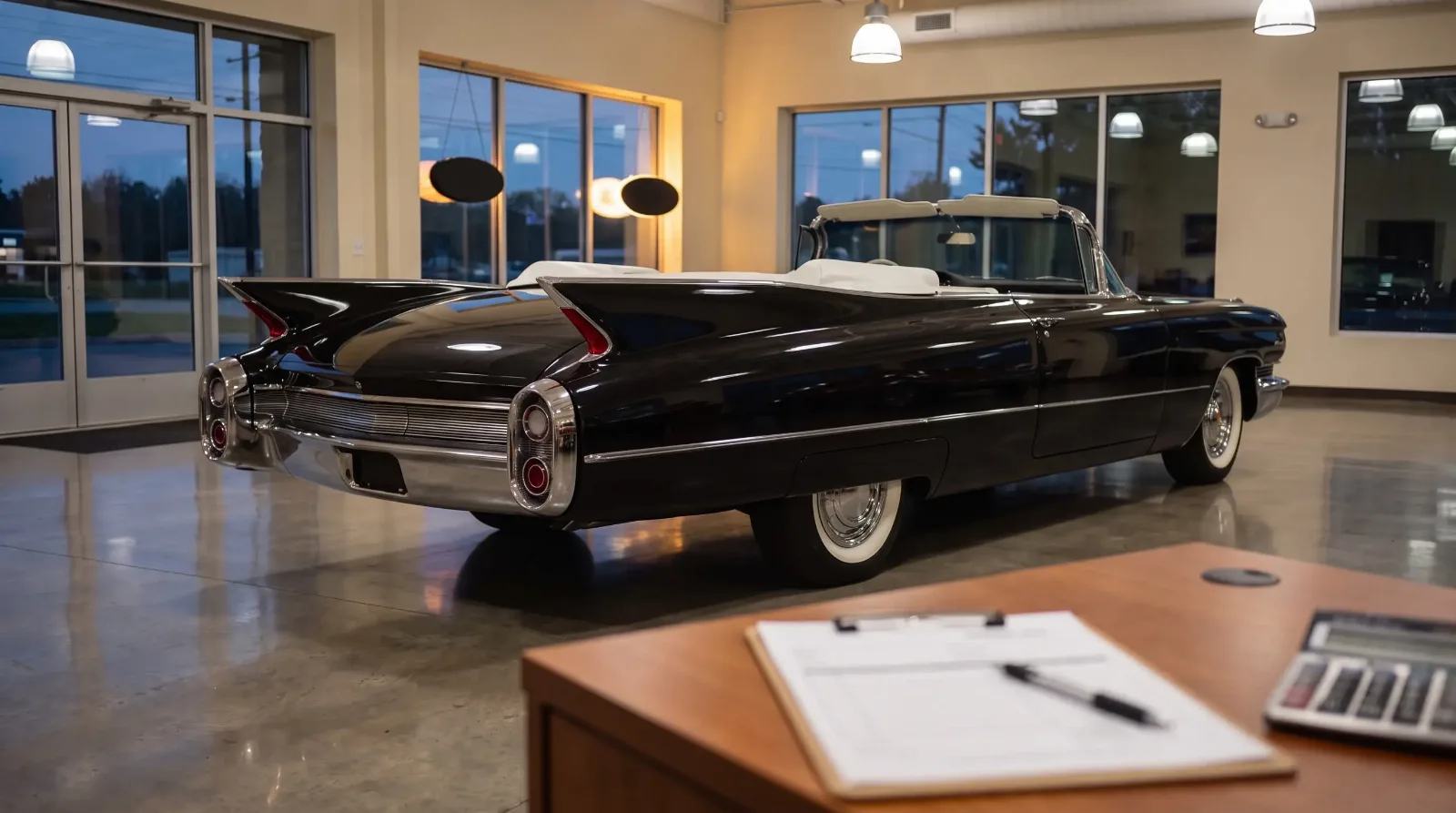
For the full process, from vetting the seller to getting the car home, the main dealer guide covers the bigger picture. Here the subject is one sheet of paper and which lines on it belong there.
What classic car dealer fees are supposed to cover
Every legitimate fee falls into one of two groups. The first is pass-through money: sales or use tax, title, registration and plate charges that the dealer collects and remits to the state. The dealer earns nothing on these, and the amounts can be checked against a published schedule. The second group is dealer revenue: documentation fees, prep and detailing, transport arrangement, inspection and any buyer's fee. Those are prices the dealer sets. All of them are negotiable in substance, even when the line itself cannot be removed.
The distinction matters because a dealer can hold the price of the car firm and move margin into the second group. A $65,000 asking price with $2,400 of dealer charges is a $67,400 car before tax. A $66,500 asking price with a $150 doc fee is the cheaper car. When you compare classic cars for sale from dealers, compare the figure you would actually wire, not the headline number.
| Fee | What normal looks like | Padding sign |
|---|---|---|
| Documentation fee | One flat charge, disclosed before you agree a price, within any state cap | Several hundred dollars above the local norm, or described as required by law |
| Title and registration | Matches the state fee schedule, with a receipt | A round number with no breakdown |
| Temporary tag | The state's fee, itemized | A tag fee bundled with "processing" or "handling" |
| Sales tax | The correct state's rate on a stated taxable amount | No taxable amount shown, or tax on items your state does not tax |
| Transport arrangement | The carrier's quote, plus a disclosed coordination fee if any | A shipping line well above independent quotes for the same route |
| Detailing and prep | Included in the advertised price of a car sold as ready | A separate reconditioning line on a car advertised as ready |
| Inspection | Your own inspector, paid by you directly | A dealer "certification" you are told you must buy |
| Buyer's fee on a consigned car | Stated in the listing before you make an offer | Appears for the first time on the buyer's order |
| Card surcharge | Disclosed, applied only to the amount charged to the card | Applied to the whole price, or to a debit card |
Documentation fees and state caps
The documentation fee, or doc fee, pays for preparing the sale paperwork: the buyer's order, the title application, any state forms and the clerical time behind them. Nearly every dealer charges one. What varies is the amount. Across the country it runs from under $100 in the capped states to several hundred dollars where there is no cap, and the paperwork on a classic is no harder than on a three-year-old commuter car. A high doc fee is margin, not thoroughness.
Some states cap the fee. California limits it to $85 for dealers enrolled in the DMV's electronic registration program and $70 for those that are not. New York caps the dealer's optional title and registration processing fee at $175 and requires the paperwork to say it is not a DMV fee. Illinois set a base of $300 in 2020 and adjusts the maximum each year in line with the Consumer Price Index, and the required notice states that the fee is not an official fee and not required by law. Many other states set no cap at all. Many dealers charge every buyer the same doc fee as a matter of policy, so when a dealer says the doc fee cannot be waived, that can be true in a narrow sense. Do not argue about the line. Ask for an equal reduction in the price of the car, which has the same effect on your total.
Watch for two things. One is a dealer fee described as a government charge when it is not one. The other is a second paperwork line, such as an "electronic filing" or "title service" fee stacked on top of the doc fee. Electronic filing charges are real in some states, but they should be modest and itemized. California, for example, allows a separate electronic filing charge only up to what the dealer's service provider actually charges, and bars dealers from presenting it or the doc fee as a government fee.
Pass-through charges and the taxable amount
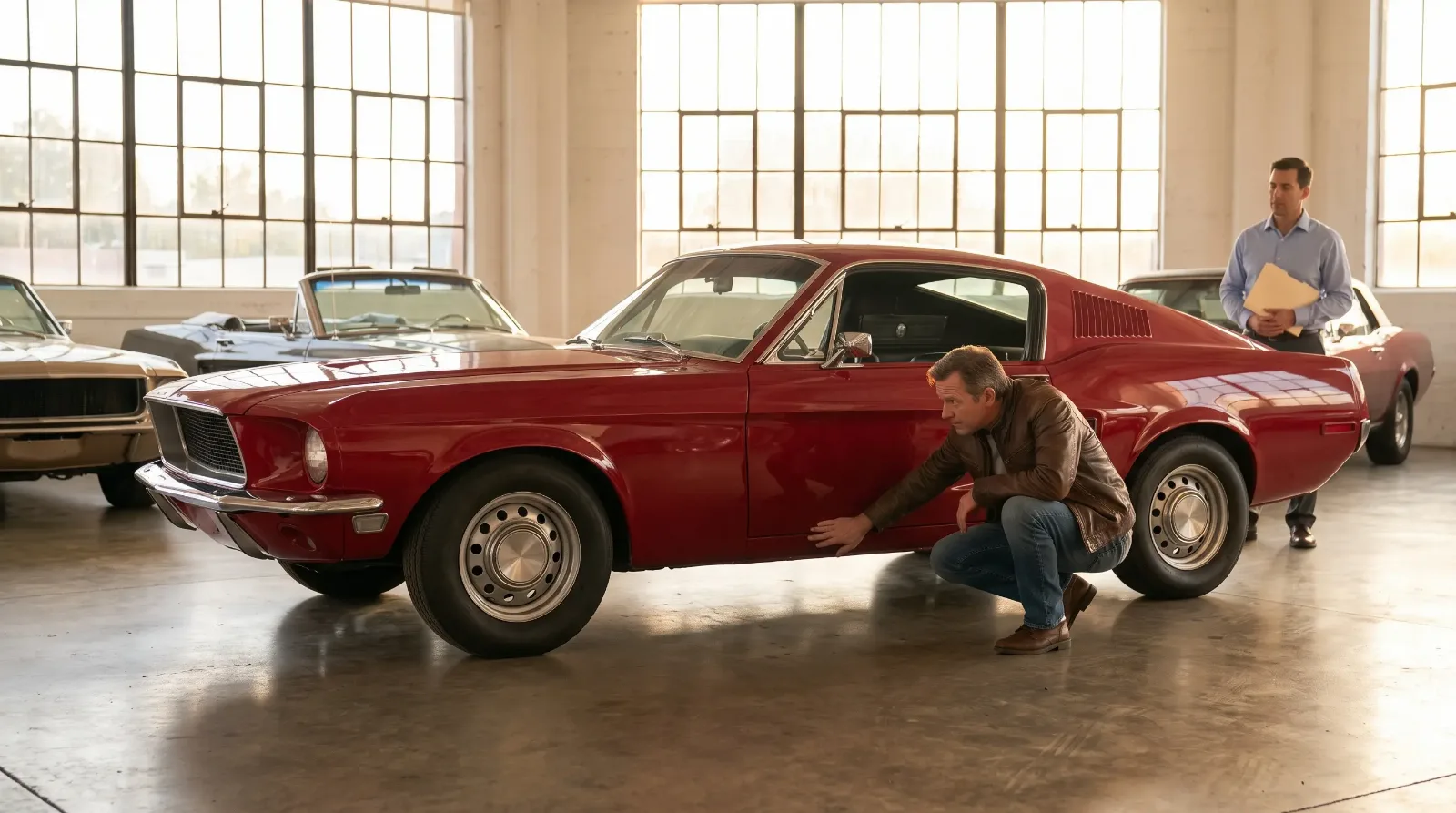
Title, registration and temporary tag fees should match what the state charges, and a dealer should be able to show you the schedule. Some are small: Texas, for example, lets a dealer charge no more than $5 for a buyer's temporary tag. On an out-of-state sale they are often not collected at all, because the car will be titled where you live; a dealer who collects them anyway should say which state gets the money. Buyers who shop dealers in other states should expect the tax and title section of the buyer's order to look different from one dealer to the next.
Sales tax is where the largest numbers sit. A dealer may collect your home state's tax, collect its own state's tax, or collect nothing and leave you to pay use tax when you register. Any of those can be correct depending on the two states involved. What is not correct is tax charged twice, or tax calculated on a figure that includes charges your state does not tax. Ask for the taxable amount as its own line, and ask which state's rate was used.
A trade-in changes the arithmetic. In many states the value of a vehicle you trade to the dealer is subtracted from the price before tax is calculated, though not in all of them, so a $20,000 trade on a $60,000 car means tax on $40,000. At a 7% rate that saves $1,400, which belongs in the comparison against what a private buyer would pay for your car. Whether the trade still makes sense depends on the gap between the dealer's offer and retail, and that calculation is worked through in our piece on trading a classic in.
Add-ons that turn into padding
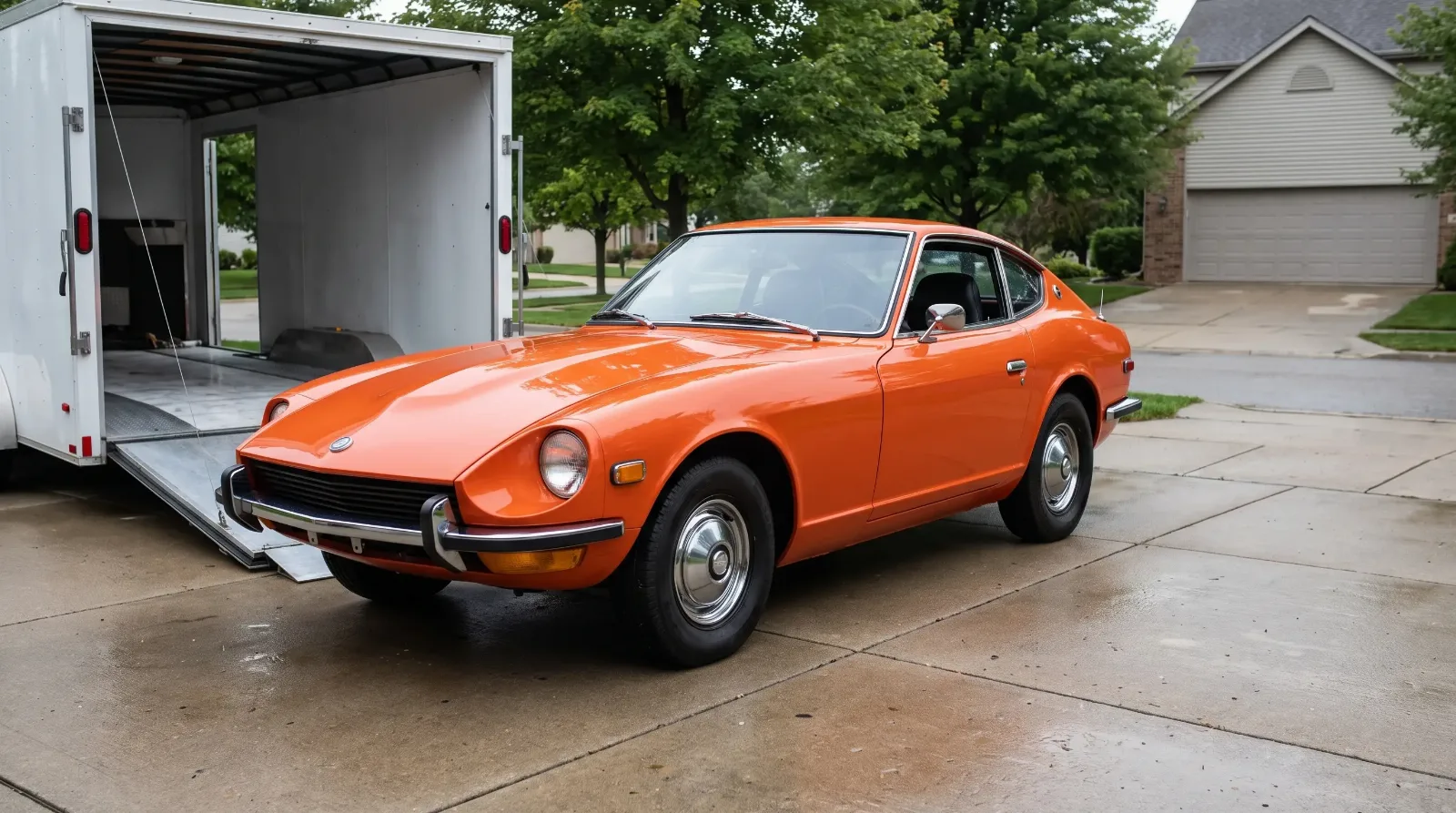
Transport is the most common markup, because the buyer rarely checks it. As a reference, open carrier transport coast to coast runs roughly $1,400 to $2,500 depending on route and season, and enclosed transport about a third to a half more. If a dealer quotes far above that for an ordinary route, get two independent quotes. A disclosed coordination fee is fair. An undisclosed margin folded into "shipping" is not.
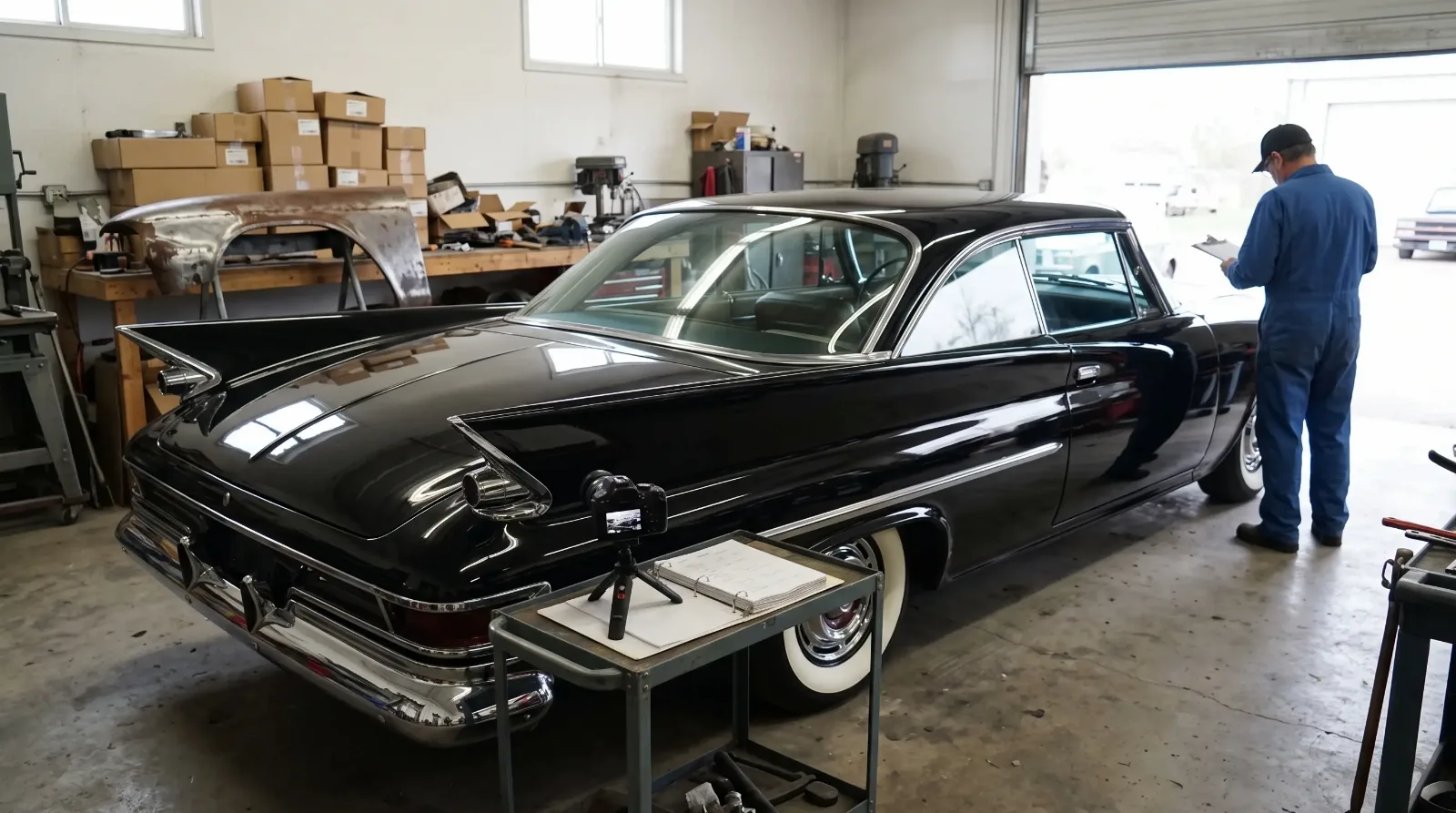
A car advertised as ready to drive has already been prepared, and that work is in the asking price, so a separate reconditioning line charges twice for the same afternoon with a buffer. Inspection fees work the other way round. An inspection you commission is worth paying for. A dealer-sold "certification" is a product, and it is not independent.
Consigned cars bring their own line. The owner already pays the house a commission, commonly about 5% to 15% or a flat fee. WeBe Autos on Long Island, for example, lists 5% of the final sale price with a $500 minimum, owed only if it produces the sale. A buyer's fee on top can be legitimate, but it belongs in the listing, not on the paperwork as a surprise. Card surcharges are the last common add-on. Card networks limit how much a merchant may add (Visa caps it at 3%, Mastercard at 4%), a few states, Connecticut and Massachusetts among them, ban surcharges outright, and surcharges are not permitted on debit or prepaid cards.
Negotiating the out-the-door price
Ask for the out-the-door figure in writing before you discuss the price of the car. That figure is the price, every dealer fee, every pass-through charge and the tax, with nothing left to be added at signing. Then negotiate that single number. Arguing line by line invites the dealer to concede one fee and recover it in another.
Compare offers in the same format: car, dealer fees, government fees, tax owed now and tax owed later at your DMV. A higher figure that includes your home-state tax can be the cheaper deal.
"A fee is a price. If the dealer cannot tell me what a line pays for, I value it at zero and take it off the car. That is not hostility. It is the same standard I would apply to any number on an appraisal."
Marcus Feld
Fees are the part of the deal you can read on paper. What the dealer promises about the condition of the car is a separate question, and on most classics the written answer is very little. Read up on as-is sales and warranties before you sign, so you know what the total on that buyer's order does and does not buy.
Sources and notes
- California Public Law: Vehicle Code section 4456.5, dealer document processing charge
- Cornell LII: N.Y. Comp. Codes R. & Regs. tit. 15 § 78.19
- Illinois General Assembly: 815 ILCS 375/11.1, documentary fee
- Holland & Knight: Fifth Circuit Strikes Down FTC's Auto Retail Scam Rule
- ArentFox Schiff: Visa reduces its merchant surcharge cap to 3%
- Texas Public Law: Transportation Code section 503.063, buyer's temporary tags
Related Reading
Have a
Classic Car
for Sale?
Reach thousands of serious classic car collectors across the US.
Sell It Here →
Selling a classic? Here's how: sell my classic car
Are You a Classic Car Dealer?
List your full inventory and connect with targeted classic car buyers.
Join as a Dealer →
#buying a classic car
#classic car dealers
#trade in
#sales tax
#classic car dealer fees
#doc fee
#out-the-door price

About the author
Marcus Feld
Accredited collector-car appraiser who reads the market through hammer prices, condition tiers and risk.
More in Ownership & Lifestyle

Comments
Be the first to comment on this article.