
A finished restoration hides most of the work that went into it. New paint covers the patch panels, fresh undercoating covers the floor repair, and a rebuilt engine looks the same from the outside whether the machinist did it right or not. Restoration documentation is how that hidden work becomes visible to the next owner. Done properly, the file answers a buyer's questions before they are asked: what the car was when it arrived, what was replaced, what was repaired, and who did it. This guide covers what to record, when to record it and how to hand it over, from the shop's bench to the buyer's table.
Ownership & Lifestyle
8 min read
Documenting a Restoration So Buyers Trust the Work
What restoration documentation should hold, from arrival photos and stamped numbers to receipts and milestone shots, and how to hand the file to a buyer.
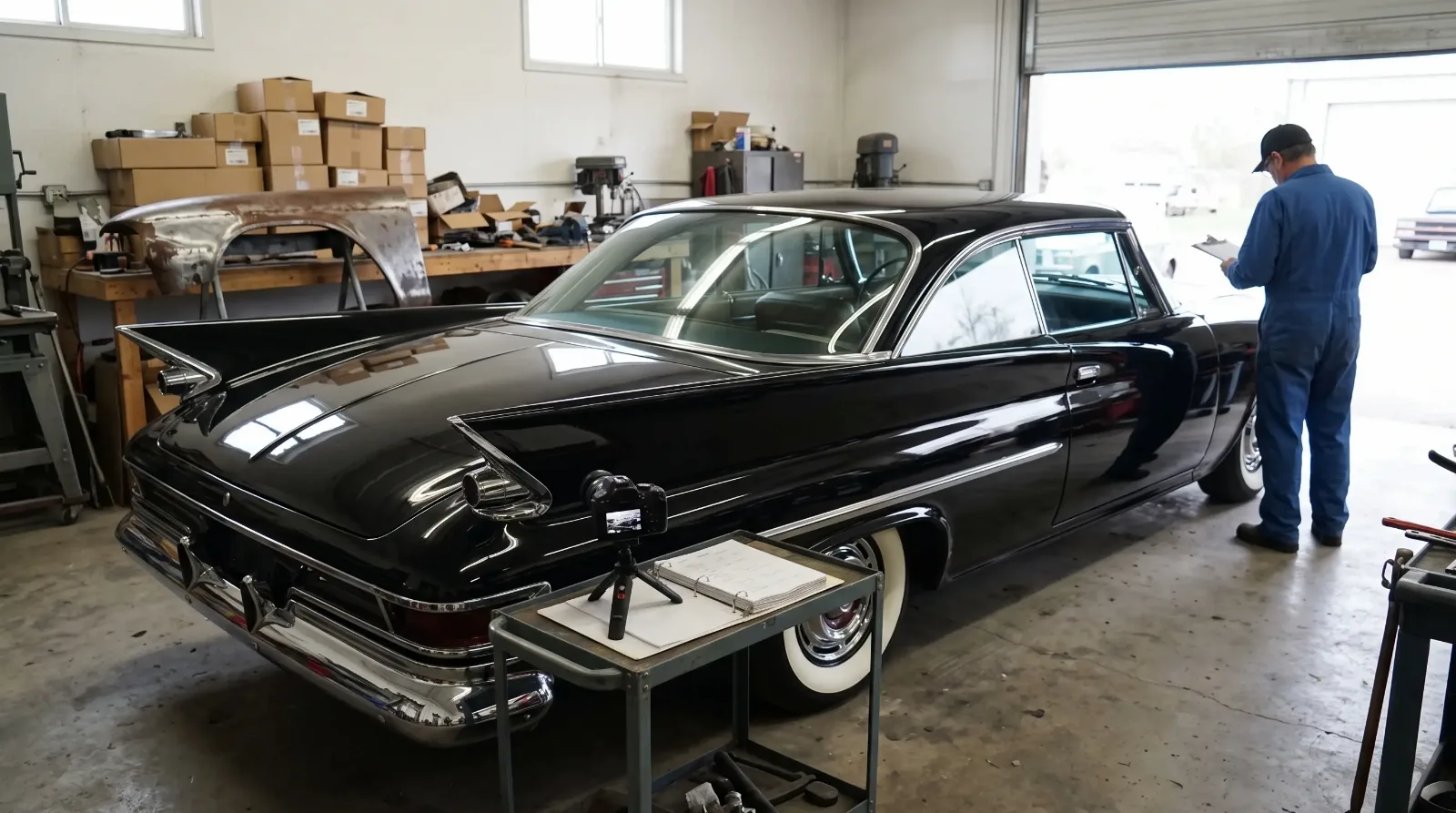
What restoration documentation does for a buyer
It is tempting to claim that a documented restoration is worth some fixed percentage more than an undocumented one. The record does not support a figure. The sources that discuss documentation all describe its effect in qualitative terms. One recent guide says a detailed history "often adds credibility" and removes uncertainty. A restoration shop writes that cars with surviving factory build sheets often bring higher prices at auction and that ownership history can add a premium, but it gives no figures. Another writer says service logs, title records and factory certificates raise buyer confidence, and that gaps invite doubts about wrecks, rebuilds or hard use. None of them measures a premium. The honest claim is narrower and still worth a great deal: documentation removes doubt, and doubt is what drives a buyer's offer down or sends them to the next car.
The reason is simple. A buyer cannot inspect what is under the paint. Hagerty's condition scale puts most fully restored cars at #2, Excellent, "like new inside and out, or close to it", a grade where only an expert typically spots the flaws. At that level the eye stops being a reliable judge. The file has to do the work the eye cannot.
Before the first bolt comes out
The most valuable records are the ones made on arrival, because they can never be made again. Once the car is apart, its original state is gone. A sound restoration file starts with:
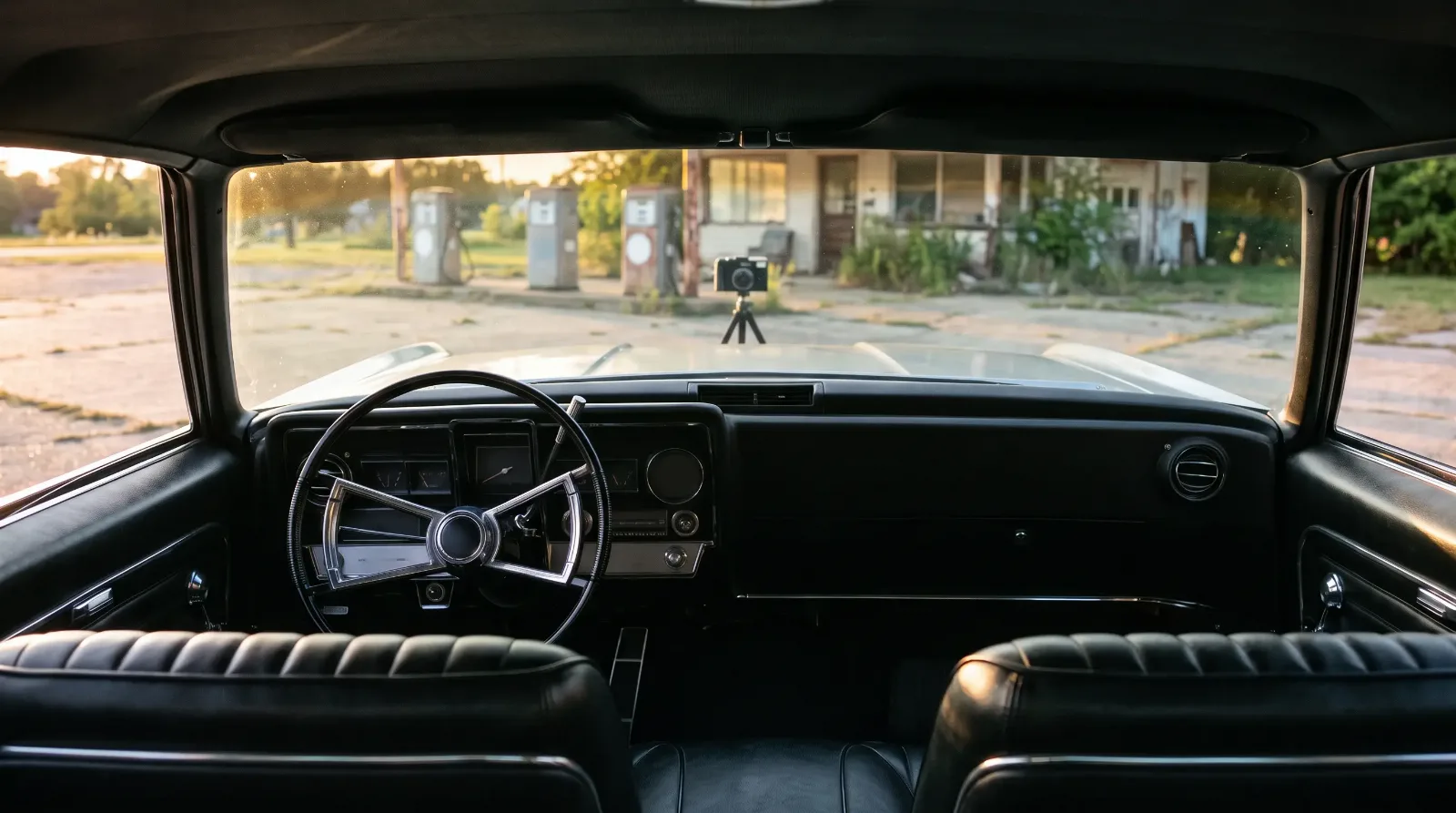
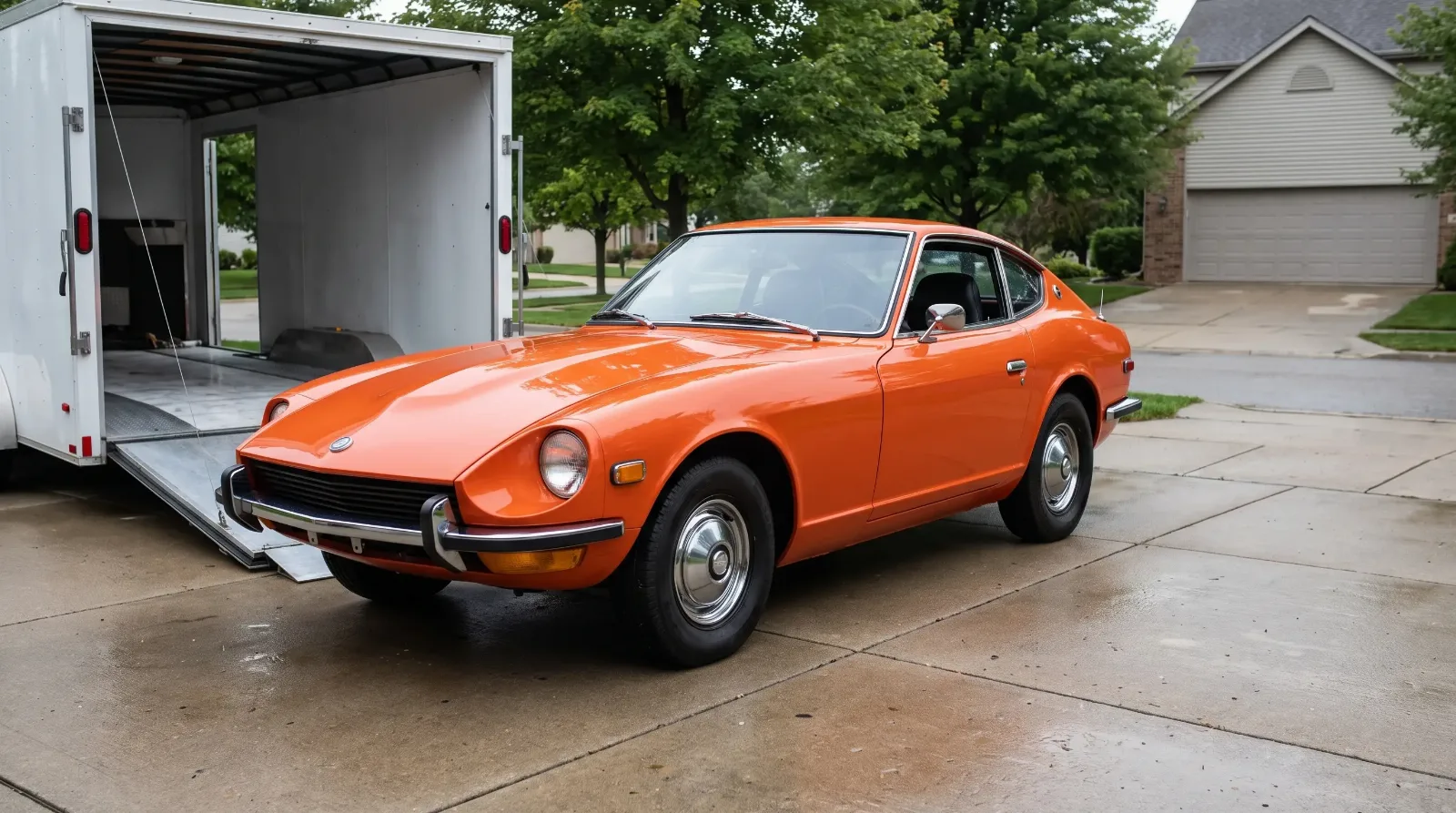
- Photos from every angle, plus the engine bay, the interior and the chassis.
- The VIN, the engine and transmission numbers, and any factory markings found on the body or parts.
- A photo of the metal identification tag, wherever the car carries one.
- Notes on what is clearly not original: later engines, aftermarket wheels, a repaint over the factory color.
Record the numbers exactly as stamped, including the ones that do not match what the owner believes. A restorer's job at this stage is to document, not to decide. If the engine is a later replacement, a clear photo of its stamping is worth more to the next owner than a guess in the paperwork. Paperwork that came with the car, such as old titles, service receipts or a build sheet, should be photographed and copied before anything else happens to it.
Recording the work while it happens
During the build, the job is consistency. Shop owners advise customers to ask whether a shop provides a photo record of the build, and to expect invoices that show the work done, the parts purchased, the hours spent and the progress made. A shop that keeps those as a matter of course is already building the resale file.
The working record holds:
- Receipts sorted by category, with the part source, supplier and part number.
- Warranty and installation dates for each part, with a note on whether it is original, refurbished or new.
- Dated progress photos taken from the same angles at each milestone: rust repair, engine assembly, suspension, wiring and paint prep.
- Notes on every repair, replacement and modification, in plain words.
Same angles matters more than most shops think. A before and after pair taken from the same spot proves a repair in a way that two unrelated photos never will. The rust repair is the single most important milestone to photograph: the cut-out metal, the new panel fitted, the welds before finishing. Buyers worry most about what they cannot see, and that is the part they cannot see.
"Record the numbers as they are stamped, not as anyone hopes they are. A file that admits a replacement engine is believed on everything else. A file that stretches the truth once is believed on nothing."
Tom Ramirez
Building the file the buyer will read
The working record is for the shop. The resale file is for a stranger, and it should be organized so that stranger can find answers quickly.
| Section | What it holds | Question it answers |
|---|---|---|
| Identity | VIN, engine and transmission numbers, ID tag photo, title copies | Is this the car it claims to be? |
| Arrival condition | Photos from every angle, chassis and engine bay, owner's history | What was it before the work? |
| Metal and body | Dated photos of rust repair and panel work, notes on replaced panels | What is under the paint? |
| Mechanical | Engine, transmission, suspension and brake records, machinist notes | Was the running gear done right? |
| Parts | Receipts by category, part numbers, original, refurbished or new | What is original and what is not? |
| Finish | Paint information, interior materials, specialist reports | Can this be matched or repaired later? |
| Labor | Itemized invoices with hours and progress | Who did the work, and how much of it? |
Put a one-page summary on top: what the car is, what was done, the dates, and a plain list of anything that is not original. Then the sections behind it, in the order above. Keep a digital copy of everything, with photos named by date and milestone. When a buyer asks for the file before traveling to see the car, a link to a well-organized folder answers that request in minutes.
If the owner wants a formal value, that is a separate job for an independent appraiser, and a good file makes the appraiser's work faster and the result easier to defend. The path into that work is covered in how to become a classic car appraiser. Note that some collector insurers do not routinely ask for an appraisal at all: Hagerty says it typically does not require one and will ask for supporting documentation during underwriting if it needs it.
What the shop gets from keeping the record
Documentation is usually framed as a favor to the owner. It also protects the shop. The same photo record that proves a repair to a buyer proves the condition of a customer's car on the day it arrived, which matters if anything goes wrong while the car is in the shop's care. Customers are told to ask whether a shop is bonded or insured for exactly that reason; the cover itself is explained in insuring customer cars.
The record also carries the shop's name forward. When a car sells with a clear file, the shop that did the work is named on every page, in front of exactly the kind of buyer who may need a restorer next. That is one of the quiet ways shops find work without advertising, and the longer answer on that subject is in its own piece.
For the business side of the restoration trade, from pricing to paint booth rules, see the shop owner's side. The file itself costs little beyond discipline: a camera, a folder and the habit of writing things down the day they happen. The car leaves the shop once. The record travels with it for good.
Sources and notes
- Automotive Addicts: a practical guide to documenting a classic car restoration (July 2026)
- Restore A Muscle Car: muscle car restoration documentation
- Sports Car Digest: uncovering the full story of a collector car
- Hagerty: what a car's condition rating really looks like (May 2024)
- Chevy Hardcore: professional tips to help you choose a restoration shop
- Hagerty insurance FAQ: appraisal requirements (read October 19, 2026)
Related Reading
Have a
Classic Car
for Sale?
Reach thousands of serious classic car collectors across the US.
Sell It Here →
Selling a classic? Here's how: the best sites to sell a classic car
Are You a Classic Car Dealer?
List your full inventory and connect with targeted classic car buyers.
Join as a Dealer →
#provenance
#classic car restoration
#restoration documentation
#restoration shop
#selling a restored car
#build records

About the author
Tom Ramirez
Corvette researcher and historian based in Bowling Green, Kentucky. Two decades documenting Corvette production history from original factory records.
More in Ownership & Lifestyle
Comments
Be the first to comment on this article.