
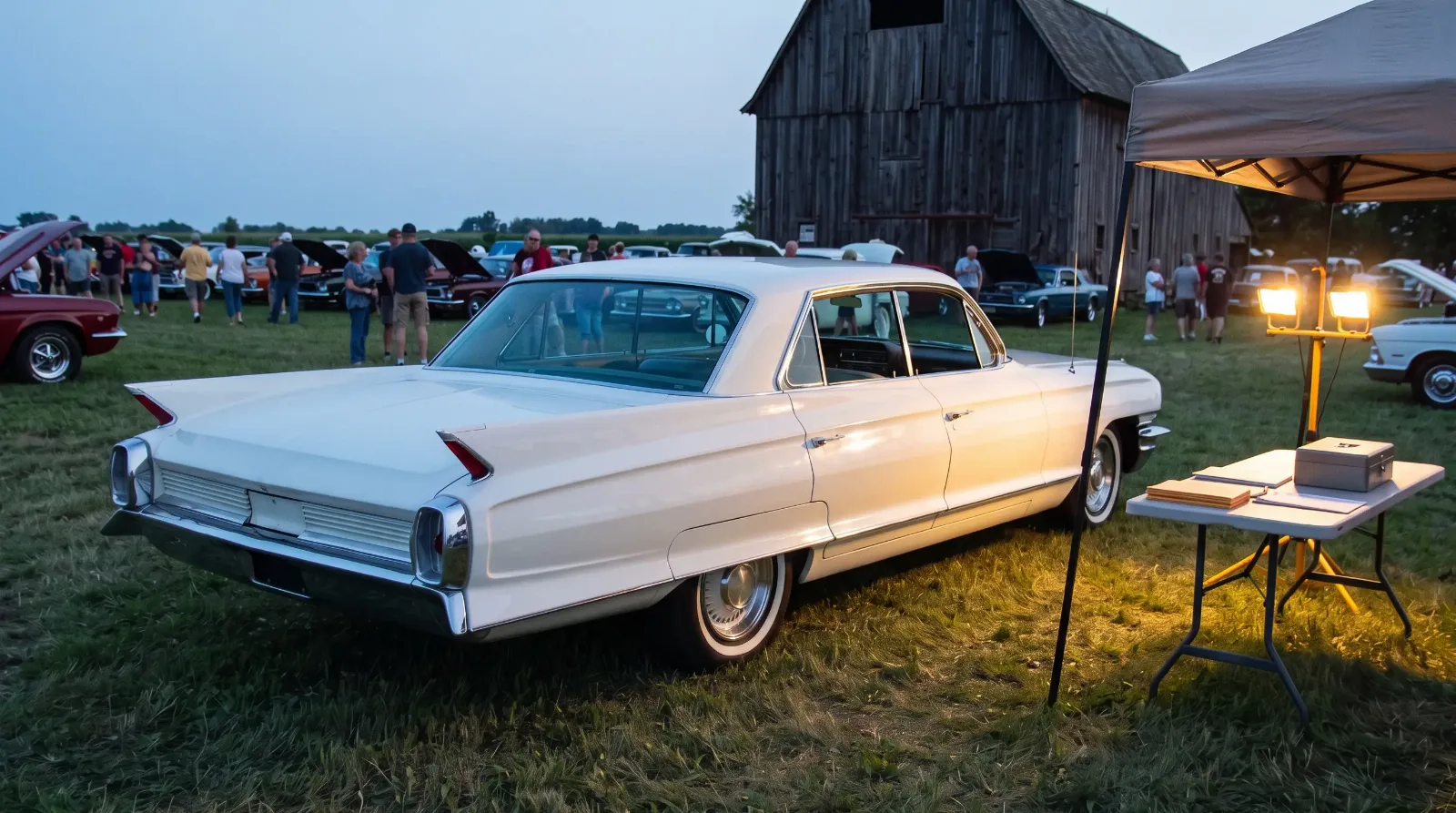
Late in the afternoon, after the trophies are handed out, there is always one person left at the registration table. The canopy flaps. A cash box sits open beside a stack of soft, folded entry forms, and somebody is counting bills into piles of twenty while the last cars rumble past toward the exit. That small, tired moment is where a car show fundraiser either becomes a check for a charity or turns into a pile of receipts nobody can reconcile. This guide is about getting to the first outcome.
Ownership & Lifestyle
11 min read
How to Host a Car Show Fundraiser
Charity terms, 2026 entry fees, permits, event insurance, raffle law, donor letters and sponsors: how to run a car show fundraiser that pays out.
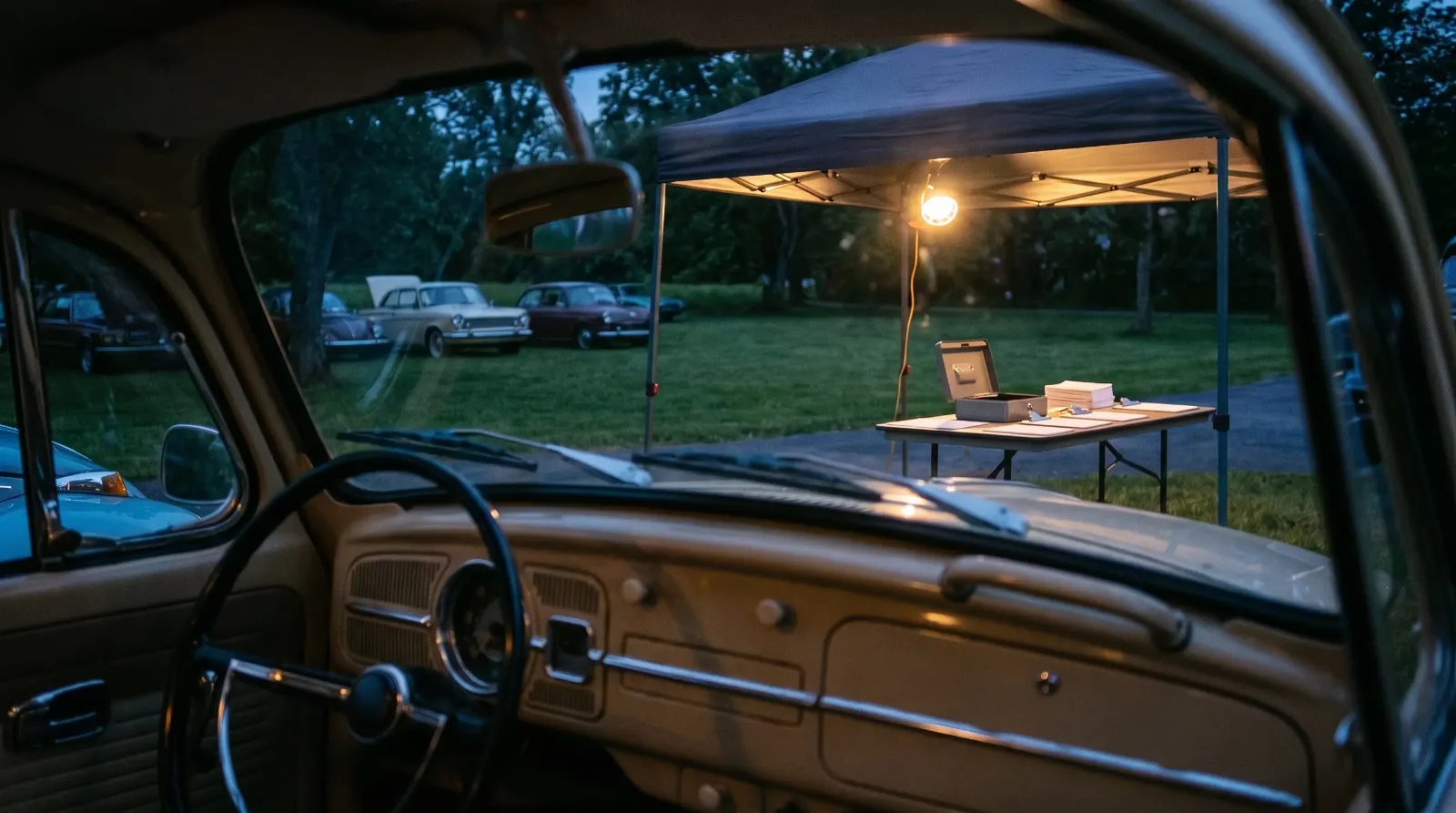
A benefit show looks simple from the field: cars, coffee, a raffle table, a few trophies. Behind it sit a charity agreement, permits, insurance, tax letters and a budget that has to clear its costs before it gives a dollar away. If you want the bigger picture of how clubs and car people bring money in, start there. Here we stay on one day and one cause.
Choose the cause and agree the rules first
Before you print a flyer, talk to the charity. Many publish a policy for third-party events, and it shapes everything after. The Wolf Conservation Center's policy is typical: the organizer submits a request form at least 30 days before the event, the charity reviews it in 10 to 14 business days, and net proceeds (gross minus expenses) are due within 60 days after the event. The charity provides no insurance or liability coverage, and the organizer alone is responsible for following gaming, raffle and sweepstakes law.
That same policy says something organizers often get wrong. Tax receipts go only to donations made directly and entirely to the charity, and donations made to a third-party event itself are not tax-deductible. If your club is a social club under section 501(c)(7), it can't take deductible gifts at all: IRS Publication 526 says dues and fees paid to social clubs aren't deductible, and social clubs aren't qualified recipients. So the honest promise on the flyer is where the money goes, not what a donor can write off.
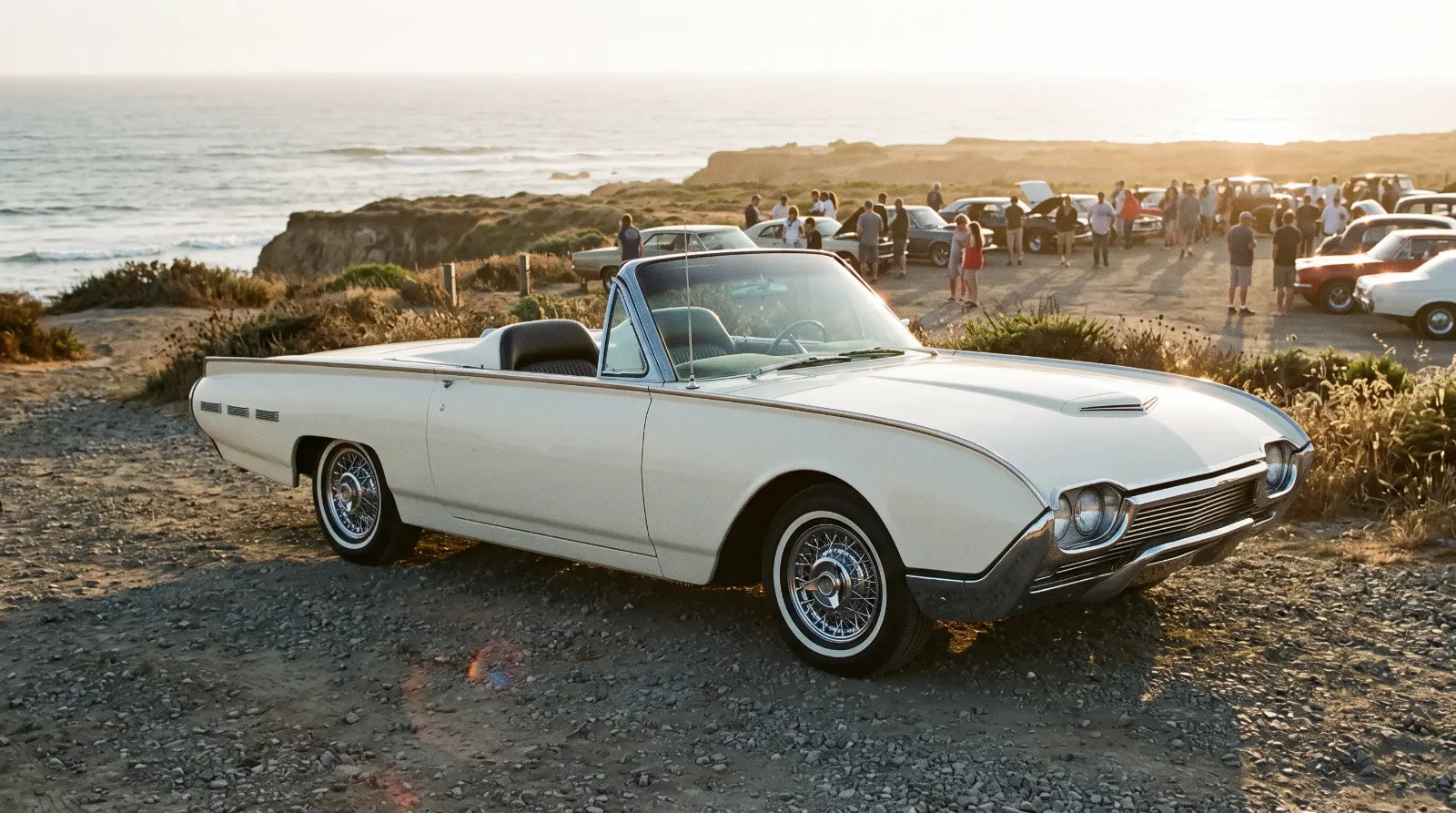
Small clubs do this well every year. The Concrete Cruizers Car Club in Iowa sent all proceeds of its May 2025 show to Ruby Van Meter School for the fifth straight year, with about 60 members and their families running the day. Their money came from the show, food sales and an auction of unique items. The Mahoning Valley Corvette Club in Ohio reported donating $12,950 to 11 agencies from its June 29, 2025 show, with a largest single gift of $5,000.
Set entry fees for your car show fundraiser
Price the day so a family can come and a show car owner doesn't think twice. Published 2026 shows give a fair range to work from.
| Show (2026) | Car entry | Spectators | Notes |
|---|---|---|---|
| Lakes Region Rotary Charity Car Show, Weirs Beach NH, July 25 | $20 pre-registered, $25 day-of | $5, under 12 free | Reported over $52,000 raised for local charities in 2025 |
| 36th Annual Troop 6 Car Show, Peconic NY, Sept 5 | $25 pre-registered, $30 day-of; pre-registered cars 1930 and older free | $10, under 12 free | Beneficiary not stated |
| Rockburn Open Car Show, Howard County MD, Aug 8 | $10 pre-registered, $15 on-site | Free | Flea-market vendor $25 / $30; cars-for-sale space $20 / $30 |
| Kean University Car Show, NJ, May 31 | $25 | Not stated | Sponsor deadline April 30 |
| Fairfax Labor Day Car Show, VA, Sept 7 | Not stated | Free, donation encouraged | City-run, open to the public |
The Rotary figure is the organizer's own number from its event listing, and a show that size has years of goodwill behind it. Your first year will look smaller. That's fine.
SEMA's guidance to show producers suggests working out a break-even car count while you build the budget. List every cost (venue, insurance, permits, portable toilets if the venue has none, trophies, dash plaques, printing), then divide by the entry fee. That number is how many cars must roll in before the charity sees a cent. Pre-registration helps you know early whether you'll get there.
Permits, insurance and the venue
Get the venue owner's permission in writing and keep a copy. Tell the local police about the date, which helps in an emergency and can reveal a conflicting event you didn't know about. Then work through permits. SEMA lists the categories a show may need: street closure, selling, building and safety, health (for food vendors), traffic control, fire, police and charity solicitation. It also warns that nobody will tell you which ones apply, and that a missing permit can get a show shut down. If the show benefits a charity, many cities require a permit to solicit for one.
State charity registration is its own layer. Hawaii, for one example, requires charities that solicit funds to register unless exempt, and one exemption covers organizations that normally receive less than $25,000 in contributions a year and pay no professional solicitor. Other states set different lines.
Insurance comes up as soon as you touch public property. Seattle's special event permit requires $1,000,000 general liability per occurrence with the City named as additional insured, filed at least 30 days before the event. Las Vegas asks for $1 million per occurrence and $2 million aggregate on an ACORD 25 certificate naming the City and its police department. For a single show, Hagerty offers event liability through Markel American Insurance Company with up to $2 million in coverage for car shows and Cars and Coffee events, plus a cancellation endorsement from $50 that has to be bought at least 15 days before an extreme-weather threat (not offered in CA, FL, OK or VT). A club with Hagerty's year-round club policy gets static event coverage for shows under that policy, with limits up to $2 million per occurrence.
Permit categories, insurance minimums and charity registration all vary by city, state and carrier. Confirm with your city's permit office, your state attorney general and your insurer before you sell a single entry.
Raffles, poker runs and the tax letters donors need
The raffle table is where good intentions get into trouble. The IRS notes that lawful gaming usually requires a state gaming license, and states disagree sharply. Illinois brought charity poker runs under its raffle framework in a 2014 law and capped the license fee at $25. A 2005 Texas attorney general opinion found that a nonprofit poker run with $10 donations and cash prizes for card hands was illegal gambling, charity or not. Texas lets only qualified organizations (certain religious societies, volunteer fire departments, volunteer emergency medical services and qualifying nonprofits) hold a raffle, and its statute says a raffle prize may not be money. Check with your state's gaming or lottery regulator before you print a ticket.
Big prizes bring their own paperwork. For prizes paid in 2026, an exempt organization files Form W-2G when a raffle prize reaches $2,000 and is at least 300 times the ticket price; the organizer may subtract the ticket price first. That line used to be $600 and is now adjusted for inflation each year. When the prize minus the ticket price tops $5,000, the organizer must also withhold 24% for federal income tax. A donated car or a set of wheels counts at fair market value.
Then the donor letters. When a 501(c)(3) charity takes a payment over $75 that includes goods or services (a show entry with a T-shirt and lunch, say), it must give a written statement saying the deductible part is limited to the amount above the value received, with a good-faith estimate of that value. Missing it costs $10 per contribution, up to $5,000 per event. A donor claiming $250 or more needs a written acknowledgment from the charity as well. If the charity, not your club, is the official host, these letters are its job; agree who does what before the show.
Tax and gaming rules vary by state and by how the event is organized. Confirm with the charity's accountant and your state regulator; this isn't legal advice.
Sponsors who come back next year
Local businesses like a show because the crowd is their crowd. Give them tiers with clear benefits. The R.E. Olds Car Capital Auto Show in Lansing lists a ladder for its July 18, 2026 show that runs from $250 (website recognition) through $500, $1,000, $2,500 and $5,000 to a $10,000 title tier with a tent by the awards table, a chance to speak at the awards and the sponsor's name engraved on the Best in Show award. Organizers also sell trophy and dash-plaque sponsorships, a sponsorship board, hand-out rights and tent space. In-kind donations count too.
Mind the line between thanks and advertising. Under the IRS rule on qualified sponsorship payments, a name, logo or neutral slogan is acknowledgment. Prices, savings, endorsements or a push to buy make it advertising, and a single message that mixes the two is treated as advertising. Keep the deduction language conditional, the way organizers do: a 501(c)(3) museum's flyer says sponsorship "may be tax-deductible," and Kean's form limits it to the amount above the fair market value of what the sponsor receives.
"People remember who thanked them. Send the sponsor a photo of their banner beside the winning car on Monday morning, and you have next year's check before you have next year's date."
Nora Beckett
The day itself
Pre-registration tells you how much field to mark and how much room to leave for walk-ups. Put the registration table where nobody can miss it. Give every car a placard with make, year, model, owner and modifications, so spectators can read the car without interrupting a conversation. SEMA's 2010 guidance suggested mailing pre-registration kits about two weeks ahead.
Trophies need less ceremony than people think. A county show like Rockburn skips formal classes and gives Best American, Best Corvette, Best of Trucks, Best of Import, People's Choice and Best of Show. SEMA suggests three to five large trophies plus a run of smaller ones. Announce the awards time in advance and present them from one central spot. The Rotary show lets attendees vote on favorite cars, which keeps spectators on the field until the end.
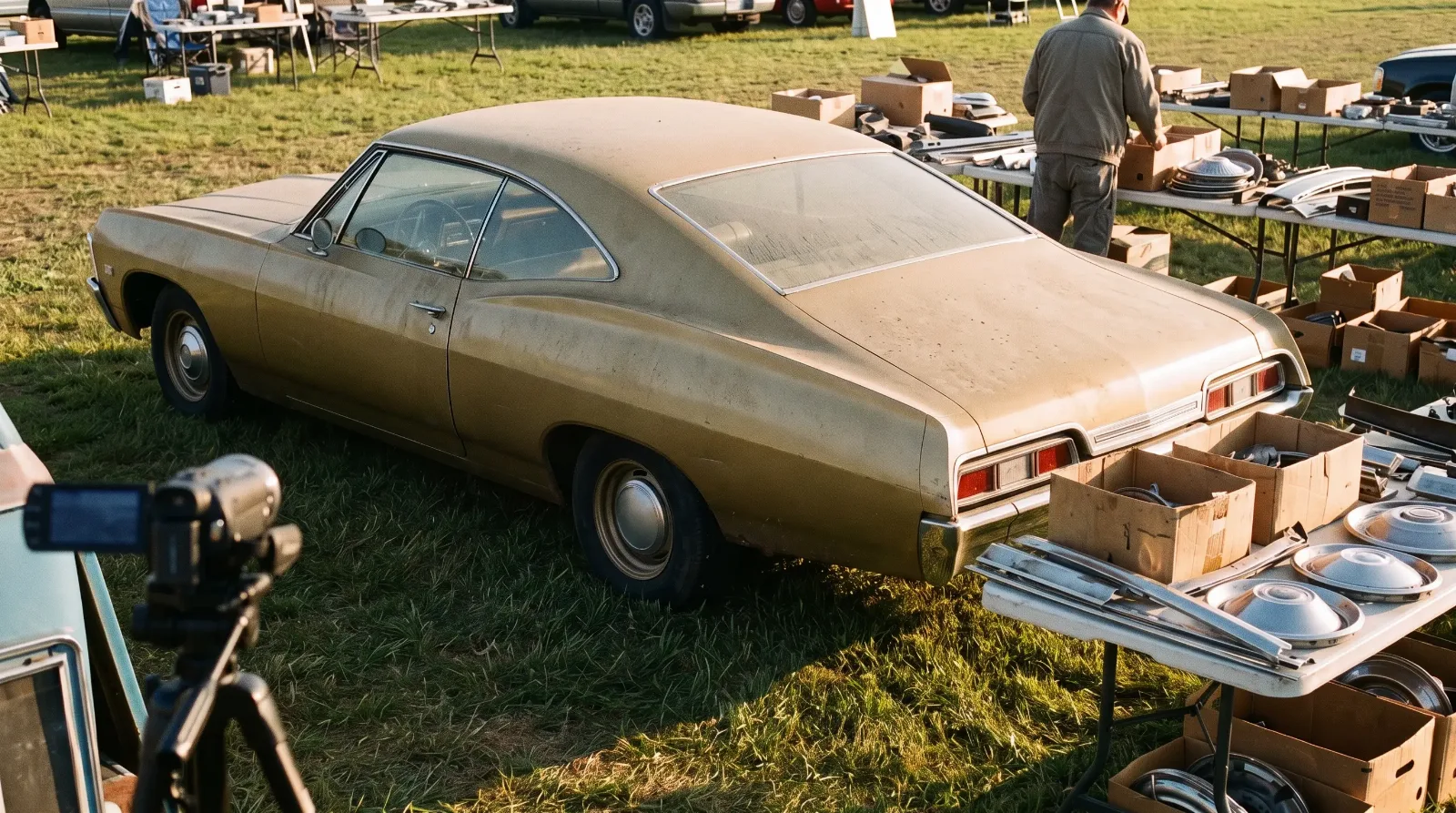
Invite the photographers and filmmakers at the show to cover it, and ask them to tag the charity. Their pictures will sell next year's show better than any flyer.
Cars for sale on the field
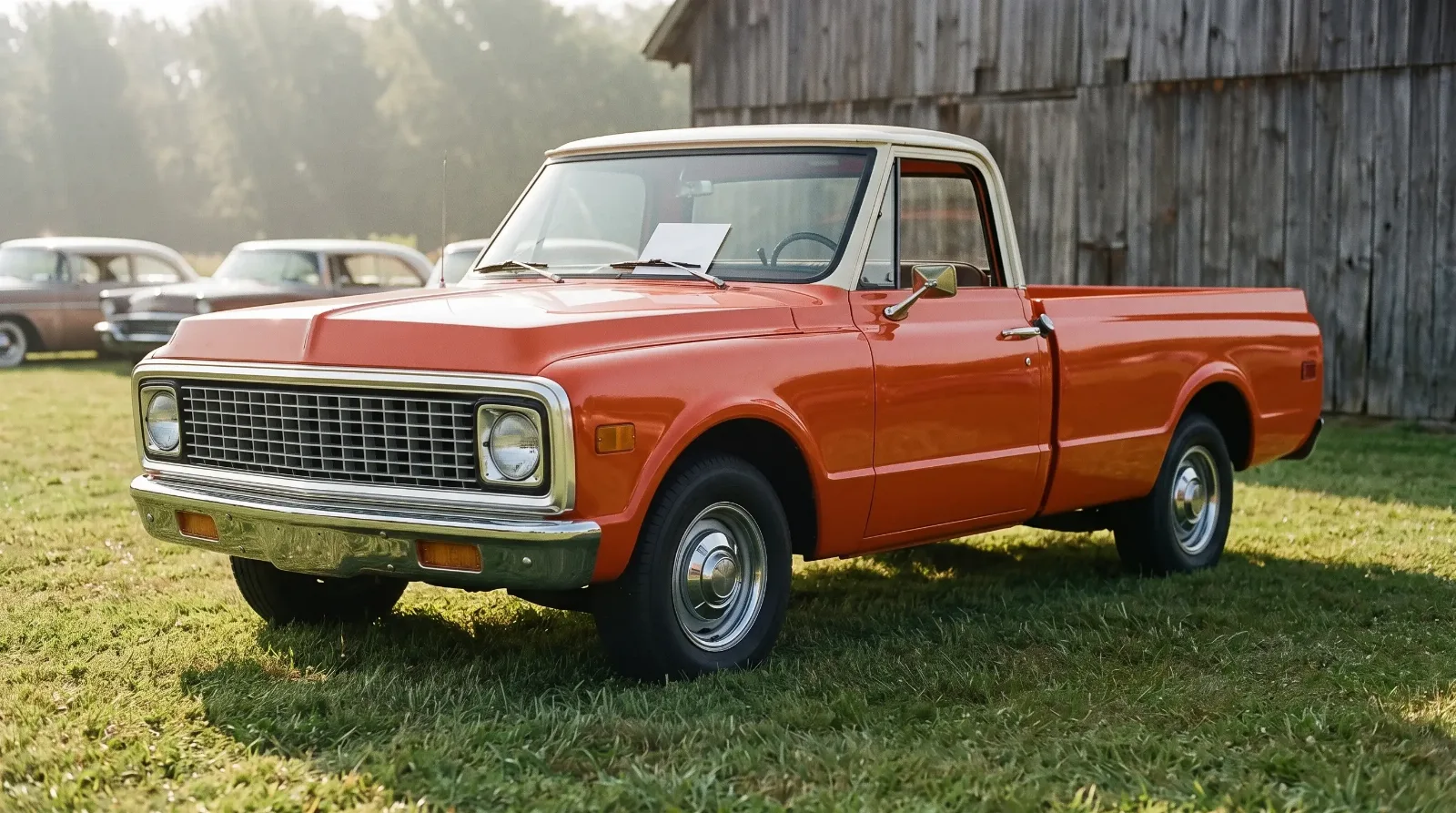
Some owners bring a car with a sign in the window. Rockburn charges $20 pre-registered and $30 on-site for a cars-for-sale space, which is a tidy extra line in the budget. If your club is a 501(c)(7), watch where outside money comes from: such a club may receive up to 35% of gross receipts from nonmember sources, and no more than 15% from nonmember use of its facilities or services. Our guide to selling at car shows covers the seller's side.
A club can also earn from cars sold off the show field through our partner program when a seller lists online afterward. It pays 25% of every listing package and upgrade a referred customer buys, and 20% of a dealer's subscription payments for the dealer's first 12 months, on what the customer actually paid. The cookie lasts 60 days, each commission is confirmed 30 days after the sale, and a payout can be requested at a $50 confirmed balance, paid by PayPal after review. If you hand out a flyer or a card with your link, say plainly that the club earns a commission: the FTC wants that disclosure clear and close to the recommendation, and our partner program requires it too. For example, if one seller from the field buys a listing package through the club's link, the club earns 25% of what that seller paid. No promises beyond that arithmetic.
By the time the last car leaves, the person at the registration table should be counting into an envelope with the charity's name already on it. That envelope is the whole point.
Sources and notes
- IRS: Substantiating charitable contributions
- IRS: Instructions for Forms W-2G and 5754 (Rev. January 2026)
- Wolf Conservation Center: Third-party event policy
- SEMA: Key tips for producing a successful car show (2010)
- Hagerty: Event insurance for car shows and Cars and Coffee
- R.E. Olds Transportation Museum: 2026 Car Capital Auto Show sponsor flyer
Entry fees and sponsor tiers are the organizers' published 2026 figures. Insurance terms, IRS thresholds and partner program rates are as read on October 19, 2026. Check current terms before you rely on them.
Related Reading
Article
Automotive Affiliate Programs: How the Classic Car Crowd Gets Paid in 2026
Article
How to Start a Car Club That Lasts
Article
How Classic Car YouTubers and Writers Make Money
Article
How to Start a Car Show in Your Town
Article
Car Show Insurance and Event Permits Explained
External
/affiliate-program
Have a
Classic Car
for Sale?
Reach thousands of serious classic car collectors across the US.
Sell It Here →
Are You a Classic Car Dealer?
List your full inventory and connect with targeted classic car buyers.
Join as a Dealer →
#car clubs
#car show fundraiser
#charity car show
#car show permits
#event insurance
#raffle rules
#car show sponsors

About the author
Nora Beckett
Automotive features writer and photographer who tells the human stories behind the cars, from show fields to cross-country road trips.
More in Ownership & Lifestyle

Comments
Be the first to comment on this article.