Two shops can quote the same car and land tens of thousands of dollars apart, and neither number has to be wrong. The gap usually comes from how the work is billed, not from how good the work is. A billing model is a risk assignment: it decides who pays when the car turns out to be worse than it looked. Read it before you read the total.
How the two billing models work
Most restoration shops bill in one of three ways. Time and materials means you pay a posted hourly rate for every hour a technician works on the car, plus parts, plus consumables, with a periodic invoice. A fixed-price quote means the shop names a total for a defined scope and carries the overrun risk inside that scope. A hybrid splits the job into phases (disassembly, metalwork, paint, mechanical, assembly), quotes some of them fixed and bills the unknowns hourly.
The temptation is to treat fixed as safe and hourly as dangerous. That is too simple. A fixed quote is only as good as the scope document behind it, and an hourly bill is only as risky as the controls around it. If you want the full picture of where the dollars land across a whole project, start with what a full restoration costs, then come back here to understand how those dollars get invoiced.
What shops charge per hour in 2026
Posted shop rates at most independent restoration shops run from about $85 to $150 per hour, with roughly $125 typical. The high end is concentrated in major metro areas and in shops that do concours-level or marque-specific work, where rates of $175 or more, up to about $225, are not unusual. Rates often differ by trade inside the same building: bodywork and metal fabrication, paint, mechanical, and electrical can each carry their own number. Ask for the schedule, not a single figure.
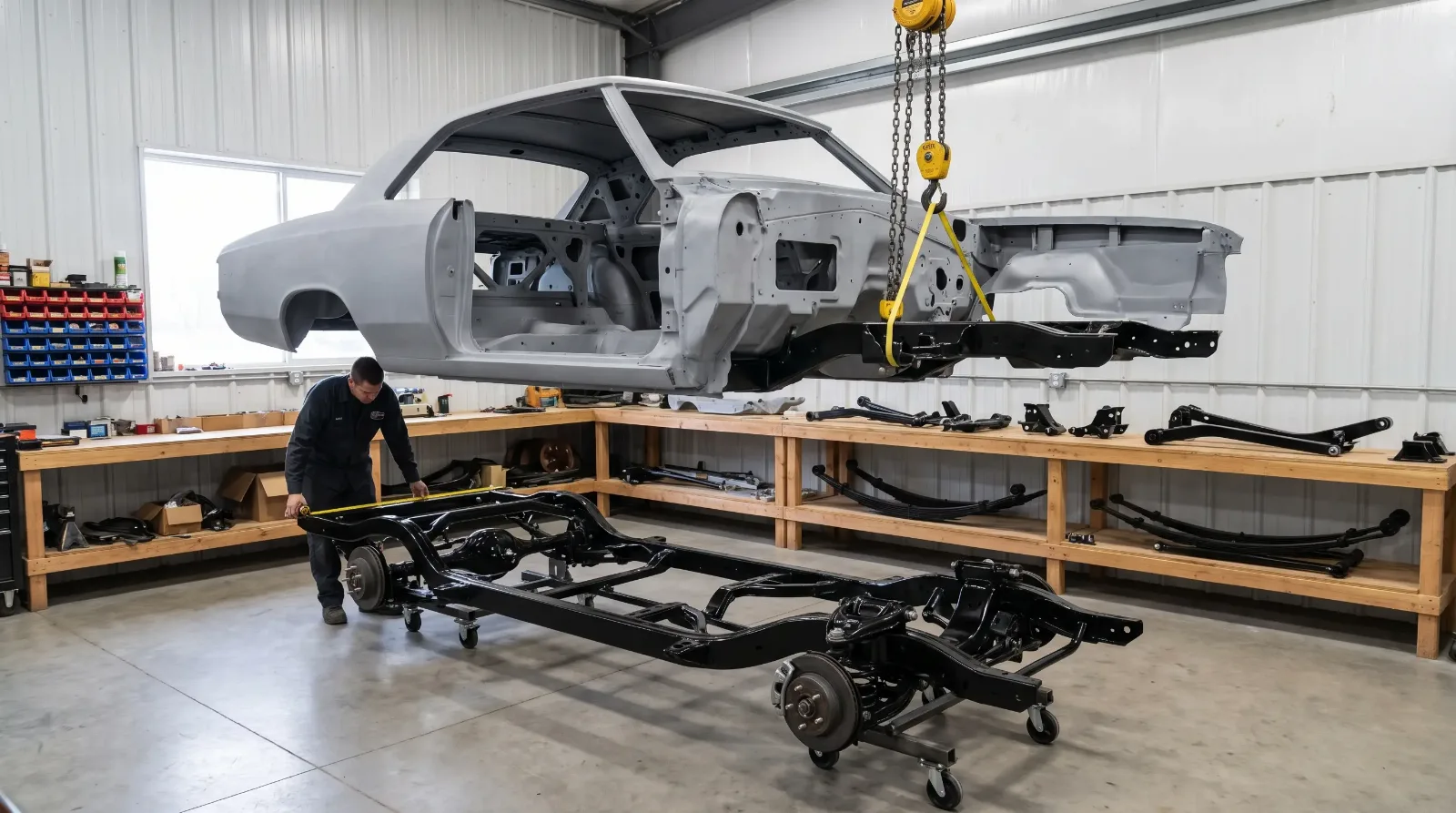
Hours matter more than the rate. A driver-quality restoration of a common American classic typically runs 500 to 1,000 shop hours, a show-quality build 1,000 to 2,000 hours, and a concours build 2,500 to 5,000 hours or more. A $20 per hour difference on 2,000 hours is $40,000. A shop that is faster and costs more per hour can finish cheaper than a slower shop with a bargain rate. Rate alone tells you nothing about the total.
| Billing model | Who carries overrun risk | Best for | Main weakness |
|---|---|---|---|
| Hourly (time and materials) | Owner | Unknown condition, rust, partial restorations | No ceiling unless you set one |
| Fixed-price quote | Shop, inside the stated scope | Defined jobs: paint, interior, mechanical rebuilds | Change orders and a padded contingency |
| Hybrid by phase | Shared | Full restorations | Requires a written phase definition |
Where fixed quotes hold and where they break
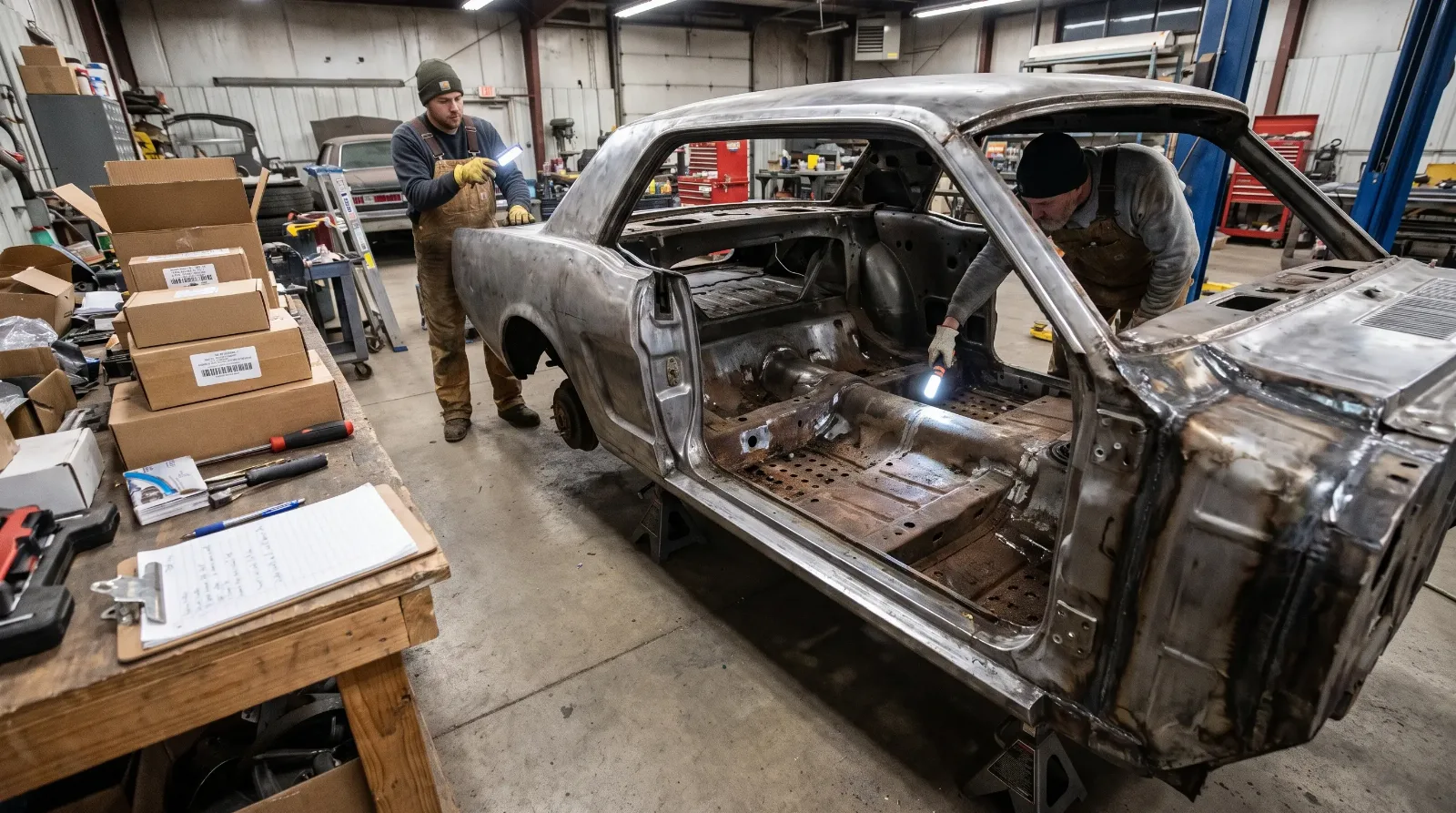
A fixed quote works when the work can be seen. A repaint on a car that is already stripped, a seat and carpet package, a documented engine rebuild: the shop can measure these before it commits. It breaks on anything hidden. Nobody can price the metal behind a rocker panel until the panel is off, so an honest shop either quotes the visible work and bills discovered work hourly, or builds a contingency into the number. Both are legitimate. A fixed price on an unopened car with no contingency language should make you suspicious, because the shop will recover the risk somewhere, usually in thinner prep or in change orders.
Watch the exclusions. A fixed quote with a long exclusion list is an hourly bill with a nicer cover page. Common exclusions include rust repair beyond a stated area, replacement parts that turn out to be unusable, rechroming and trim, and anything the owner changes mid-build.
Reading an estimate line by line
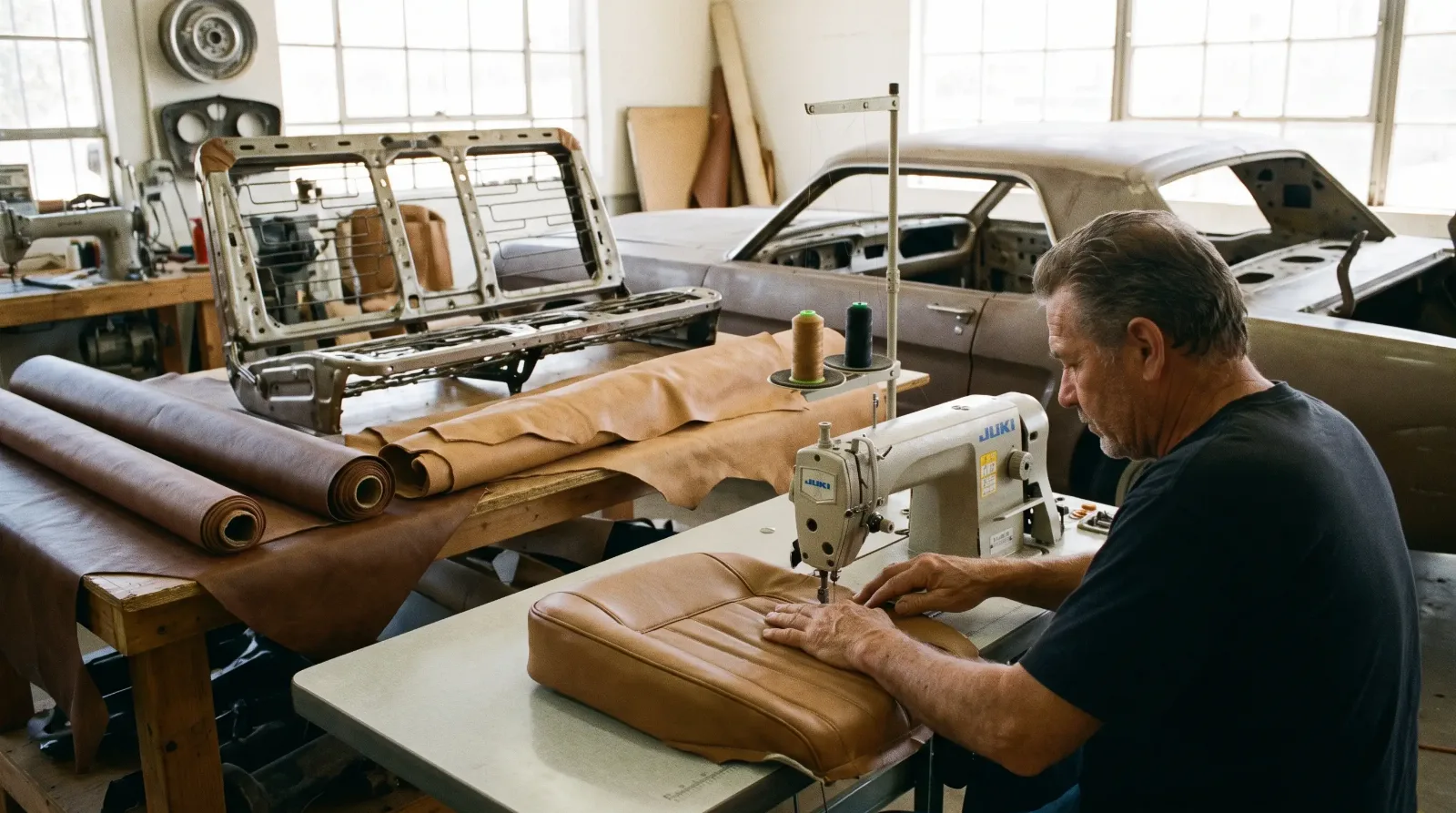
An estimate should separate labor hours by trade, parts, materials, sublet work, and shop supplies. Sublet work such as chrome, upholstery, machine work and powder coating is billed at the vendor price plus the shop's markup, and the markup percentage should be written down. Shop supplies are often charged as a percentage of labor or as a flat line item and can add up over a long build, so ask what is covered.
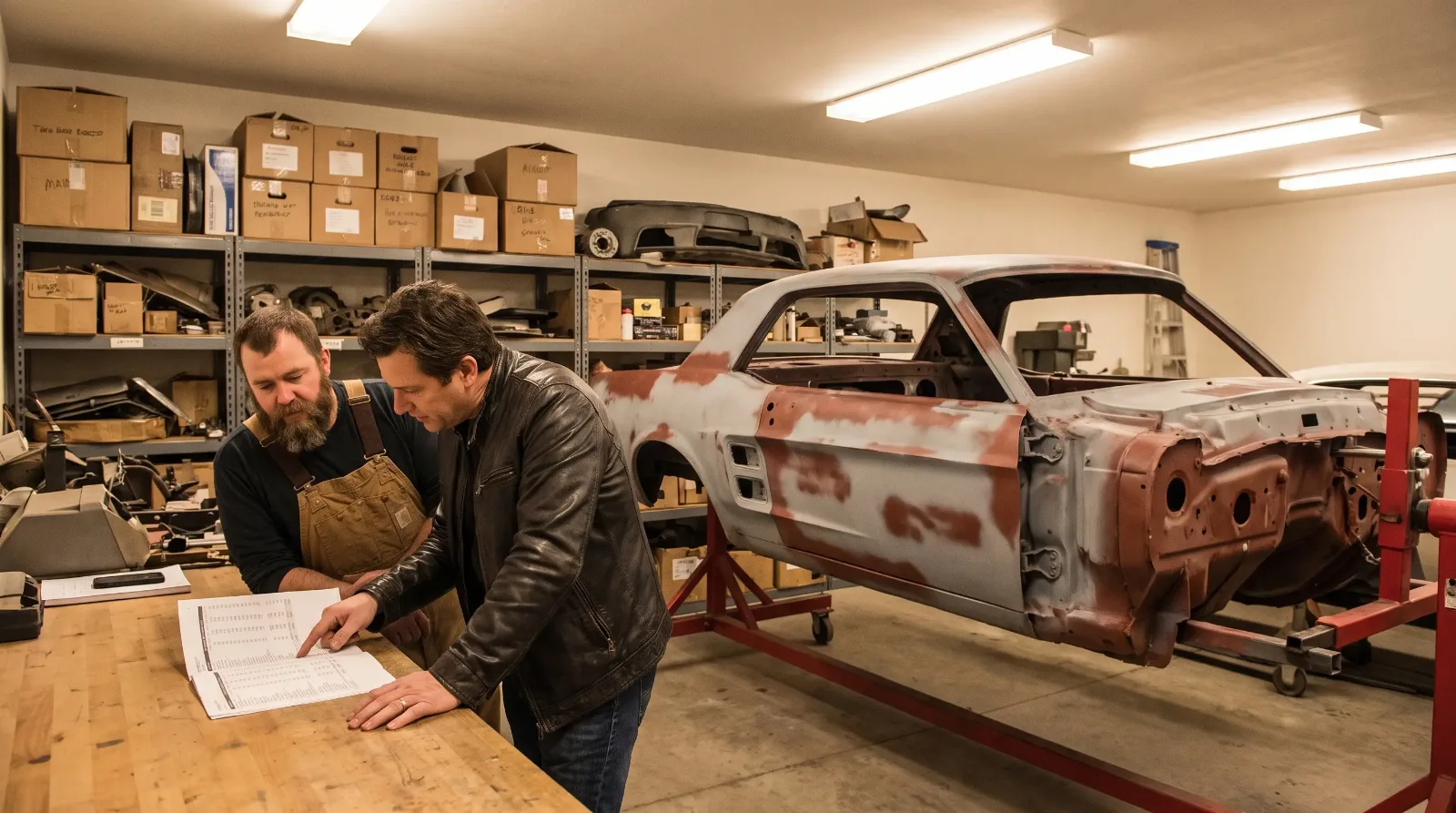
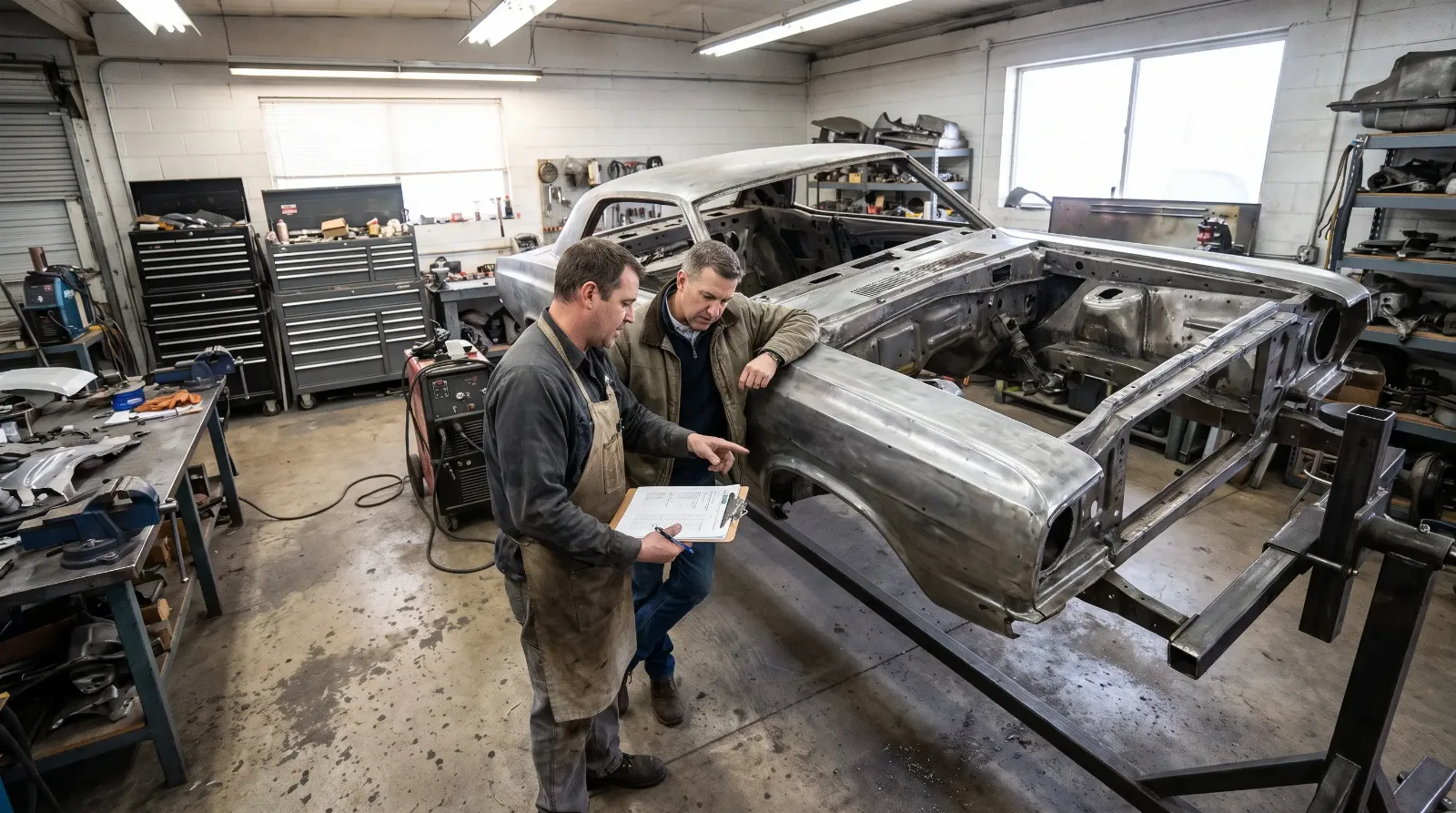
The strongest protection on an hourly job is a cap and a checkpoint. Ask for a not-to-exceed figure per phase, a written trigger (for example, any increase over 10 percent needs your signature before work continues), and an invoice that lists hours by technician and date. A shop that resists this is telling you something about its own tracking. Bills that drift upward without anyone noticing are the single most common reason why budgets run over.
- Request the labor rate schedule by trade in writing.
- Ask what the quote assumes about the car's current condition and what happens when that assumption is wrong.
- Get the markup on parts and sublet work as a stated percentage.
- Confirm how change orders are approved and priced.
"A quote is not a price. It is a description of what the shop believes it is going to find, with a dollar figure attached. The condition of your car is the variable, and the contract decides who owns it."
Marcus Feld
Which model fits your car
For a roller that has been sitting, a rust-affected body, or a car with unknown history, hourly with a phase cap is usually the more honest structure, because the shop cannot responsibly guarantee what it has not seen. For a car that is already apart and documented, a fixed price per phase makes sense, and you should expect to pay a modest premium for the shop absorbing the variance. The hybrid is the most common arrangement on full projects, and it works as long as each phase has a written definition of what is in and what is out.
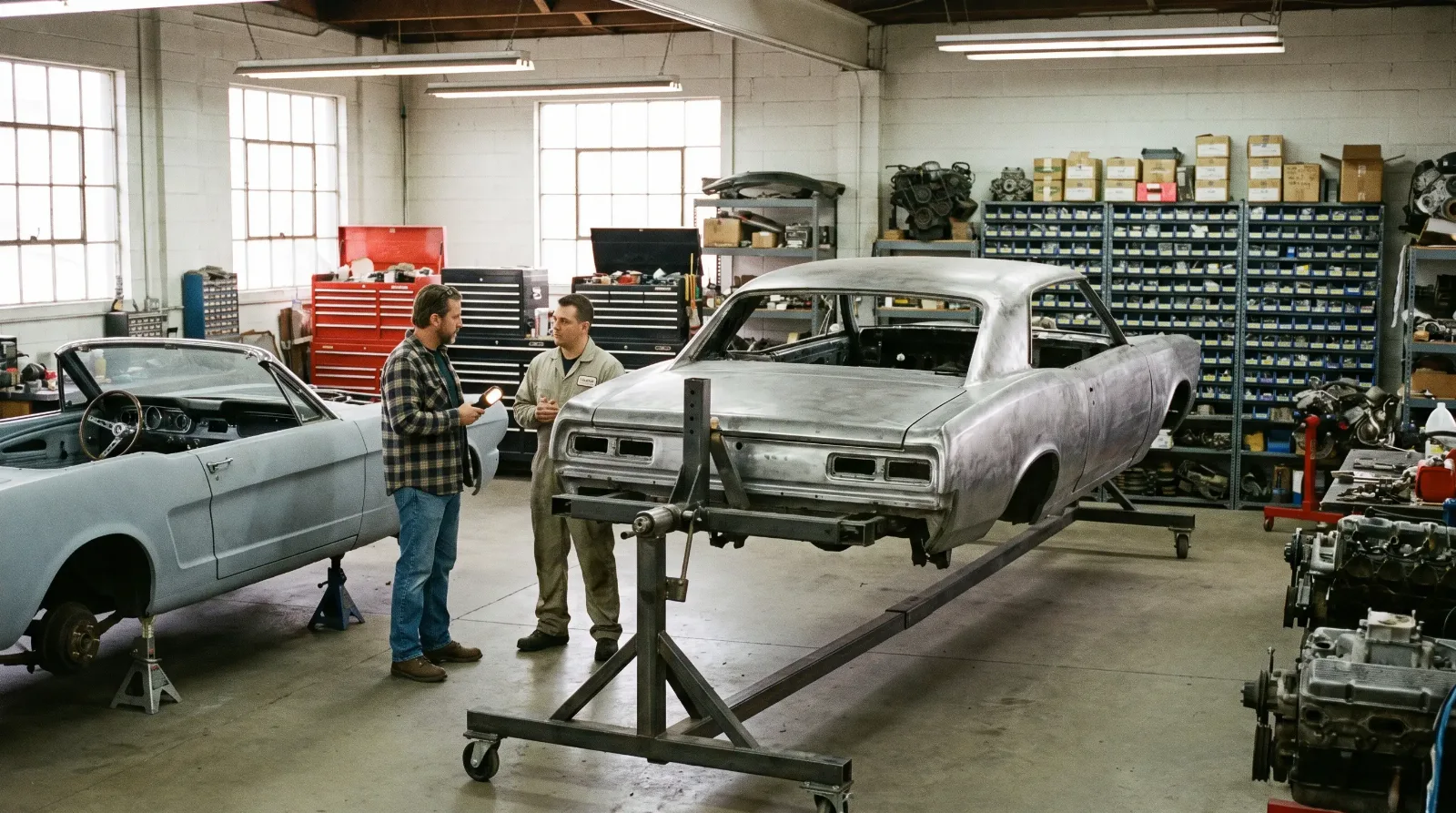
Billing structure is also one input to choosing the right shop, alongside its portfolio, references, and willingness to show you work in progress. Compare at least three written estimates on the same scope, and ask each shop to price the same defined phases so you are comparing like with like. You can compare restoration shops in your state and request quotes with the structure above. The cheapest number on the table is rarely the lowest cost, and the number with the best-defined scope usually is.
Sources and notes
- Classic car restoration shop bookkeeping guide, shop rate benchmarks (about $125 national average) and milestone-based deposits and billing
- Useful tips in finding the right restoration shop for your project, why shops cannot give a firm total before teardown, draws against a deposit, and subcontracted work
- The collision of auto repair laws and restorations, written estimates and written authorization with an hourly-rate cap in a restoration dispute
- Finch Restorations pricing and estimates FAQ, an example of a shop that bills time and materials because restoration findings are unpredictable
- What does it cost to restore my classic car?, hourly labor, hundreds of hours of manual work, and hidden discoveries during disassembly